South Dakota Ice Fishing Guide
There's nothing quite like the crisp, silent mornings on a frozen South Dakota lake, the promise of a big walleye or a bucket full of jumbo perch stirring in the icy depths below. But let's be honest, the thought of venturing out onto a sheet of ice can be daunting for many, and the sheer volume of gear, the unpredictable weather, and the ever-present safety concerns can make it feel overwhelming. If you've ever stood at the edge of a frozen lake, wondering where to even begin, what gear you truly need, or how to actually catch fish in sub-zero temperatures, you're not alone. This comprehensive guide is here to cut through the confusion and equip you with everything you need to confidently and successfully enjoy South Dakota's incredible ice fishing opportunities.
Understanding South Dakota's Ice Fishing Landscape
South Dakota in winter is a magical place, and for anglers, it transforms into an expansive, frozen playground. The lakes and reservoirs, which teem with life during warmer months, become accessible in a whole new way, offering unique challenges and immensely rewarding experiences. However, it's not just about drilling a hole and dropping a line; understanding the specific character of South Dakota's winter environment is crucial for both success and safety.
The Allure and Challenges of Winter Angling
The appeal of ice fishing in South Dakota is multifaceted. For starters, there's the solitude and peace of being out on a vast, frozen expanse, far from the summer crowds and boat traffic. The camaraderie among fellow ice anglers, often sharing tips and stories in the warmth of a portable shelter, is also a huge draw. Plus, some of the absolute best fishing of the year can happen through the ice, with walleye, perch, and crappie often schooled up and eager to bite. The fight of a good fish in the cold, clear water, pulled from beneath your feet, is a unique thrill that hooks many for life.
However, it's not without its challenges. The weather, as any South Dakotan will tell you, can be brutal. Extreme cold, biting winds, and sudden blizzards are a real possibility, demanding respect and proper preparation. Safety on the ice is paramount, and understanding ice thickness and how to navigate changing conditions is non-negotiable. Then there's the technical aspect – specialized gear, different fishing techniques, and learning to read the subtle signals that fish give in cold water. But don't let these challenges deter you; with the right knowledge and preparation, they become part of the adventure.
Key Ice Fishing Regions and Their Unique Traits
South Dakota boasts diverse aquatic environments, and each offers a slightly different ice fishing experience. From the vast Missouri River reservoirs to the shallow glacial lakes in the east, knowing where to go and what to expect can significantly enhance your trip.
The Missouri River reservoirs – Lake Oahe, Lake Sharpe, Lake Francis Case, and Lewis and Clark Lake – are legendary for their walleye fishing. These massive bodies of water present unique challenges, such as strong currents in certain areas, deep water, and often unpredictable ice formation. However, the rewards can be enormous, with potential for trophy walleye and strong numbers of sauger and even some Chinook salmon in Lake Oahe. Fishing the tailwaters below the dams, which often remain open longer, offers specific opportunities and requires different approaches. When searching for prime spots, you might want to delve into our Best Fishing Spots in South Dakota guide, as many of these prime locations translate well to the hard water season.
Eastern South Dakota is home to the glacial lakes region, a sprawling network of shallower, fertile lakes known for prolific panfish, especially jumbo yellow perch and crappie, alongside excellent walleye and northern pike populations. Lakes like Lake Thompson, Lake Poinsett, Lake Kampeska, and Bitter Lake are iconic ice fishing destinations. These lakes typically freeze earlier and more consistently than the larger reservoirs, making them great choices for early-season ice anglers. The shallower nature of these lakes means fish movements can be more predictable, and they're often more accessible for those venturing out on foot or with ATVs. Each lake has its nuances, from bottom structure to dominant forage, influencing fish behavior.
Essential Gear for South Dakota Ice Fishing
You wouldn't go hiking in the Himalayas with flip-flops, and you certainly shouldn't go ice fishing in South Dakota without the right gear. Beyond just comfort, having the proper equipment is directly tied to your safety and success on the ice. This isn't just a list of suggestions; it's a breakdown of what you need to be prepared for the elements and ready to catch fish.
Safety First: Ice Augers, Shelters, and Flotation Devices
Safety is paramount when ice fishing. No fish is worth risking your life over. The absolute first piece of gear you need for accessing the ice is an ice auger. This is your tool for drilling holes, and they come in manual, cordless electric, and gas-powered options. For South Dakota's often thick ice, a robust 8-inch or 10-inch auger is recommended. Gas augers are powerful and quick, but electric models, like those from Strikemaster or Ion, are becoming incredibly popular for their quiet operation, lack of fumes, and consistent performance, even in brutal cold. You can often find a good selection of augers on websites like Amazon, particularly when gearing up for the season. Our guide on Best Ice Augers for South Dakota Ice Fishing offers more specific recommendations.
Next, consider your shelter. From simple windbreaks to elaborate portable shacks, a shelter provides crucial protection from the biting wind and cold, making your time on the ice far more enjoyable and safer. Flip-over shelters from brands like Eskimo or Clam are popular for their quick setup and portability, while hub-style shelters offer more interior space, great for groups or overnight trips. A good shelter can easily be found when browsing online retailers or local sporting goods stores. To truly understand your options, check out our Best Ice Fishing Shelters for South Dakota Winters article.
Finally, and perhaps most critically, are flotation devices. An ice pick set, worn around your neck, is essential. If you break through, these picks can help you claw your way back onto the ice. Additionally, a life jacket or float suit provides buoyancy and warmth if the worst happens. While many modern ice fishing suits incorporate flotation, a dedicated life jacket is a wise backup, especially for beginners or when venturing onto less-certain ice. Always carry a length of rope (at least 50 feet) to aid in rescuing others or being rescued yourself.
Rods, Reels, and Line for Frigid Waters
Ice fishing rods and reels are specifically designed for the unique challenges of fishing through a small hole in the ice. You're not casting, but rather jigging or deadsticking, and the gear reflects that.
Rods are typically shorter, ranging from 24 to 36 inches, allowing for precise jigging motions and better control in tight spaces like shelters. They come in various actions (ultra-light to heavy) to match the target species. An ultra-light rod might be perfect for panfish, while a medium-light or medium rod is ideal for walleye and smaller pike. The handle should be comfortable for long periods in the cold, and the guides should be large enough to prevent ice-up.
Reels are usually small spinning reels, sometimes even specialized ice reels with large arbors for better line management. Smooth drag is critical, as fish can be sluggish in cold water and a sticky drag can lead to lost fish. Ensure your reel is rated for cold weather performance; some cheaper models can seize up.
For line, choices typically include monofilament, fluorocarbon, or braided line.
- Monofilament is affordable, has some stretch (which can be good for absorbing headshakes), and is relatively easy to handle in the cold.
- Fluorocarbon offers low visibility underwater, is more abrasion-resistant, and has minimal stretch, providing better feel for subtle bites. It's an excellent choice for finicky walleye.
- Braided line provides superior strength for its diameter, zero stretch for maximum sensitivity, and cuts through water well. However, it can absorb water and freeze up more easily, so many anglers use a fluorocarbon leader (3-6 feet) to combine the benefits of both. A good 4-8 lb test is often sufficient for most walleye and panfish, while heavier line (10-20 lb) might be needed for northern pike.
Electronics: Fish Finders and Underwater Cameras
Modern ice fishing has been revolutionized by electronics, turning guesswork into informed strategy. These tools can dramatically increase your success rate, helping you locate fish, understand their behavior, and present your bait effectively.
Fish finders, often called "flasher" units in the ice fishing world, are essential. Brands like Vexilar, Marcum, and Humminbird are popular. These units provide real-time information about what's directly beneath your hole: bottom composition, presence of baitfish, and, most importantly, game fish. You can see your lure descend and watch how fish react to it. This immediate feedback allows you to adjust your presentation, jigging style, and depth to trigger bites. Some modern units, like the Humminbird Ice Helix series, even offer advanced features like GPS mapping, CHIRP sonar, and traditional 2D sonar displays, providing a comprehensive view of the underwater world. Our Best Fish Finders for Ice Fishing guide explores these options in detail.
Underwater cameras offer a visual perspective that flashers can't. While not strictly necessary, they can be incredibly insightful. Seeing how fish react to your bait, identifying the species, and observing their aggression (or lack thereof) provides invaluable learning. For example, you might see a walleye approach your jig, inspect it, and then swim away – telling you to change your lure, color, or jigging action. Brands like Aqua-Vu and MarCum offer excellent camera systems designed for cold-weather use. They are particularly useful when fishing in clear water for panfish or trying to understand why fish aren't biting. Many anglers even record their underwater footage to review later and learn from their experiences.
Top Fish Species to Target Through the Ice
South Dakota's diverse fisheries mean there's a smorgasbord of species waiting beneath the ice. While walleye often steal the spotlight, a successful ice angler knows how to target several different fish to maximize their enjoyment and catch rate.
Walleye: The Winter Gold Standard
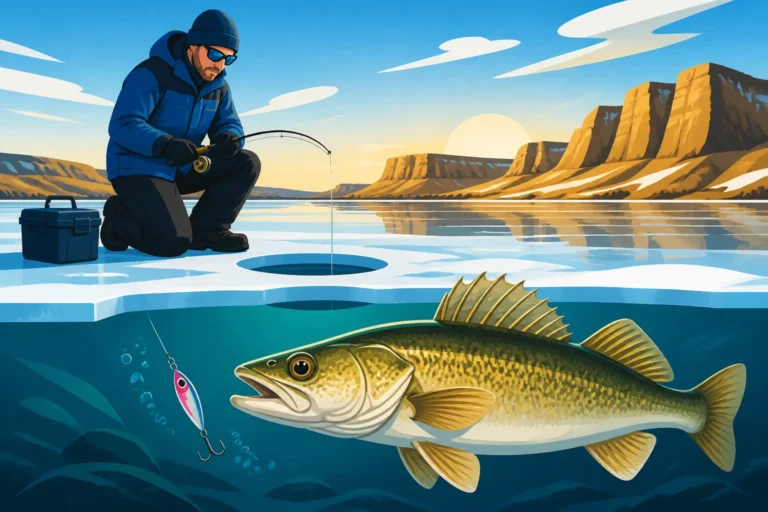
For many, ice fishing in South Dakota is synonymous with walleye. These prized game fish are abundant in the state's major reservoirs and glacial lakes and remain active feeders throughout the winter. Targeting walleye through the ice requires a blend of skill, patience, and the right approach. They are often found relating to structure like points, humps, sharp drop-offs, and even flats where baitfish congregate. Early morning and late afternoon into dusk are traditionally the most productive times, mirroring their low-light feeding habits during open water seasons.
Effective techniques for walleye include jigging with spoons or lipless crankbaits and deadsticking with live bait. Spoons like Northland Buck-Shot Rattle Spoons, Johnson Splinter Spoons, or custom-painted tungsten spoons are excellent for attracting attention and imitating baitfish. Tip them with a minnow head, maggot, or piece of plastic for added enticement. Lipless crankbaits such as Rapala Ice Jigs or Clam Tikka Minos can also be very effective. For deadsticking, a plain hook or a small jig (like a Northland Fire-Ball Jig) tipped with a lively minnow, suspended just off the bottom or at the same depth as active fish on your flasher, can be deadly. Remember to review the South Dakota Walleye Fishing Guide for more in-depth knowledge on this sought-after species. Pay close attention to the South Dakota Walleye Limits as these regulations are crucial for responsible fishing.
Perch and Crappie: Panfish for the Palate
While walleye offer a thrilling chase, yellow perch and crappie provide consistent action and are arguably some of the best-eating fish in South Dakota. These panfish are fantastic targets for anglers of all skill levels, and a bucketful of them makes for an excellent fish fry.
Yellow perch are notorious schooling fish, so when you find one, you're likely to find many. They often inhabit softer bottom areas, weed edges, and the basin of lakes, especially in the glacial lakes region. Small tungsten jigs tipped with wax worms, spikes, or a small piece of plastic are incredibly effective. Colors like chartreuse, orange, and glow-in-the-dark are often productive. Using your flasher to pinpoint their depth and aggressively jigging to attract them, then slowing down your presentation, can be a winning strategy. You can find more information on these tasty fish in our South Dakota Perch Fishing Guide.
Crappie, both black and white species, are also prolific in many South Dakota lakes and reservoirs, particularly in areas with submerged timber, brush piles, or weed beds. They tend to suspend in the water column, often higher than walleye or perch. Small jigs, particularly those with a slow fall rate, tipped with a small minnow or micro plastic, are excellent. Don't be afraid to experiment with different depths; crappie can move up and down in the water column quickly. A good starting point is to target them in deep water near structure. If you’re serious about catching them, our South Dakota Crappie Fishing Guide will be a valuable resource.
Northern Pike: The Thrill of the Fight
If you're looking for a serious battle through the ice, northern pike are your fish. These toothy predators are widespread in South Dakota's glacial lakes and portions of the Missouri River system. They offer explosive strikes and powerful runs, making for an unforgettable ice fishing experience.
Pike often relate to shallower areas, especially those with remaining green weed beds, transition zones, or submerged wood. They are ambush predators, so finding areas where they can hide and wait for prey is key. Unlike walleye or panfish that are typically jigged, pike are often targeted with tip-ups or set lines. A tip-up is a simple device that signals a bite (usually with a flag) when a fish takes the bait and pulls line. The most common setup involves a large shiner, smelt, or sucker minnow hooked beneath a float, suspended beneath the ice. Size 4 to 6 treble hooks are common, and a heavy fluorocarbon or wire leader is essential to prevent their razor-sharp teeth from cutting your line.
Always be prepared for a strong fight and have a gaff or large landing net handy to safely secure a big pike at the hole. Remember to check local regulations for specific pike limits and slot sizes, as they can vary. Our South Dakota Northern Pike Fishing Guide provides a deep dive into successfully targeting these aggressive predators.
Effective Ice Fishing Techniques and Strategies
Beyond just knowing which fish to target, understanding the specific techniques and strategies for getting them to bite through the ice is crucial. It’s a different game than open water fishing, demanding patience, precision, and a keen eye on your electronics.
Jigging and Deadsticking for Walleye and Perch
When it comes to walleye and perch, jigging and deadsticking are the two primary methods, often used in conjunction for maximum effectiveness.
Jigging involves actively working a lure (spoon, lipless crankbait, or jig) up and down to attract fish and trigger a strike. The beauty of jigging through the ice is the incredible control you have over your presentation, directly below you. Start with aggressive jigging — lift the lure 1-2 feet, then let it fall, creating noise and flash. This serves as an "attractor." Watch your flasher for fish moving in. Once a fish appears, you can often "call" it in by gradually reducing your jigging intensity, making smaller lifts and subtle shimmers. Sometimes, a completely dead stop after a few aggressive jigs is what triggers the bite, as the fish can no longer resist the easy meal. Experiment with jigging styles: sharp snaps, slow lifts, short quivers, or even just holding it still. The right cadence can change by the hour. Remember, a common frustration is knowing the fish are there but not getting them to commit. That's when finesse and subtle changes in jigging become vital.
Deadsticking, on the other hand, is a more passive approach. It involves setting up a second rod (where regulations allow using multiple lines, which is often the case in South Dakota) with live bait, such as a minnow, suspended motionless or with minimal movement. This often presents a natural, easy meal for finicky fish that might be turned off by aggressive jigging. A slip bobber rig is popular for deadsticking, allowing you to suspend your bait at a precise depth. While you're actively jigging with one rod, your deadstick acts as a silent assassin. The combination of active jigging to attract and the deadstick to seal the deal is a highly effective strategy for both walleye and perch.
Tip-Ups and Set Lines for Northern Pike
Northern pike, with their aggressive nature and tendency to cruise larger areas, are perfectly suited for tip-up fishing. This method allows you to cover more ice and let the fish come to you.
A typical tip-up setup involves a large spool of line held by a frame that sits over the hole. When a pike takes the bait, the line is pulled from the spool, triggering a flag to spring up, signaling a bite. This allows you to spread out multiple tip-ups (adhering to legal line limits) across potential pike holding areas, such as weed lines, drop-offs, or submerged points. Large live minnows – like shiners, suckers, or smelt – are the bait of choice, hooked through the back or lips. The key is to present the minnow naturally, allowing it to swim freely. The depth you set your bait can vary; sometimes pike cruise just under the ice, other times they relate closer to the bottom or suspended baitfish schools.
When a flag goes up, don't rush! Let the pike "run" with the bait for a bit, giving it time to fully ingest the minnow. Then, carefully approach the hole, grab the line, and set the hook with a firm, sweeping motion. The fight on hand-line can be exhilarating! This technique is especially effective for covering broad search patterns or when fishing in groups, where multiple flags can go up simultaneously, creating exciting chaos on the ice.
Locating Fish Under the Ice
Finding fish is arguably the hardest part of ice fishing, especially on vast South Dakota waters. It's often compared to finding a needle in a haystack, but with strategic planning and modern tools, you can greatly increase your odds.
Research and scouting are crucial. Before you even leave home, consult lake maps (both bathymetric and satellite images can reveal old weed lines or unique contours), read recent fishing reports, and talk to local bait shops. Look for structure: points, humps, inside turns, break lines, and areas where shallow flats drop into deeper basins. These are natural fish highways and holding areas. Understanding the South Dakota Fishing Depth Charts by Season can give you an edge in determining where fish might be holding in different parts of the winter.
Once on the ice, drilling multiple holes is a tried-and-true strategy. Don't be afraid to be mobile, especially if you're not getting bites within 15-20 minutes. Drill a series of holes along a contour line, across a flat, or over a drop-off. Use your flasher in each hole to quickly check for fish activity. Some anglers make a "milk run," visiting 5-10 holes in a loop, fishing each for a short time before moving to the next.
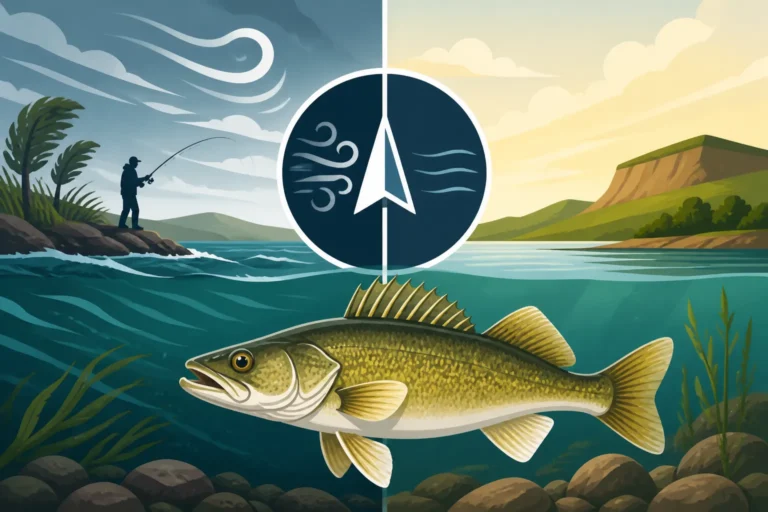
Consider the forage. Fish are where their food is. If you see clouds of baitfish on your flasher, game fish are likely nearby, either below, above, or within those baitfish schools. Look for "edges" – where a weed line meets open water, where a hard bottom transitions to soft, or where a current seam forms on a reservoir. These are prime ambush points. In the Black Hills, for example, knowing the Black Hills Stream Trout Regulations might point you to areas with specific forage. Even understanding the subtle nuances of Wind and Weather Fishing Tips can hint at where fish might be positioned.
Navigating Ice Conditions and Safety Protocols
The excitement of ice fishing can sometimes overshadow the inherent dangers of venturing onto frozen water. In South Dakota, where winter conditions can be extreme and ice quality highly variable, prioritizing safety isn't just a recommendation; it's a non-negotiable part of the experience.
Understanding Ice Thickness and Formation
Knowing how ice forms and how to assess its safety is fundamental. Ice is rarely uniform, and its strength can be influenced by many factors.
Key factors in ice formation and strength:
- Temperature: Prolonged periods of sub-freezing temperatures create thicker, stronger ice. Fluctuating temperatures, especially warm spells followed by cold snaps, can lead to weaker, honeycombed ice.
- Snow cover: A blanket of snow acts as insulation, slowing down ice growth. It also makes it harder to see weak spots or open water.
- Currents: Moving water, common in river systems and around neck-down areas of reservoirs, always creates thinner and more unpredictable ice. Areas below dams on the Missouri River, for instance, are notoriously dangerous due to strong currents.
- Underwater springs/inlets: These can introduce warmer water, creating thin spots.
- Sunlight: Direct sunlight, even on cold days, can degrade ice quality, especially darker "black ice."
- Pressure ridges: These are formed when large sheets of ice push against each other, creating buckles and cracks that can be unstable.
As a general guideline, many experts suggest at least 4 inches of clear, hard ice for walking, 5-7 inches for ATVs/snowmobiles, and 8-12 inches for small cars/trucks. However, these are minimums for ideal conditions, and caution should always prevail. It's crucial to understand How Thick Ice Should Be Before Fishing in South Dakota before stepping foot onto the hard water. Always assume the ice is unsafe until you can confirm otherwise.
Essential Safety Gear and Practices
Even when you believe the ice is safe, always carry essential safety gear and adhere to critical practices:
- Tell someone your plan: Inform a trusted person where you're going, when you expect to return, and who you're with.
- Dress in layers: This allows you to adjust to changing temperatures and prevents excessive sweating, which can lead to hypothermia. A waterproof outer layer is vital.
- Wear flotation: As mentioned, a life jacket or float suit can be a lifesaver.
- Carry ice picks: Wear them around your neck for immediate access if you break through.
- Spud bar/ice chisel: This is an invaluable tool for testing ice thickness as you walk, especially on early or unfamiliar ice. Strike the ice ahead of you; if it goes through in one or two hits, turn back.
- Rope: Carry at least 50 feet of sturdy rope for rescues.
- Cell phone (in a waterproof bag): For emergencies.
- First-aid kit: Accidents can happen on slippery ice.
- Go with a buddy: Never ice fish alone, especially on unfamiliar waters or questionable ice.
- Avoid suspicious areas: Stay away from pressure ridges, areas of moving water, dark spots on the ice (indicating thinness or open water), and anything that looks "different."
- Drive with caution: If driving vehicles onto the ice, spread out, drive slowly, and keep windows down. Be aware of the South Dakota Boat and Water Access Rules, which apply to ice access as well.
Dealing with Unexpected Cold Fronts and Blizzards
South Dakota weather can change on a dime, transforming a pleasant day into a dangerous ordeal. Always check the forecast before heading out and throughout your trip.
Cold fronts often bring clear skies and high pressure, which can make fish less active and difficult to catch. They also bring plummeting temperatures and strong winds, increasing the risk of frostbite and hypothermia. If a cold front is forecast, prepare for tougher fishing and more extreme conditions. Dress even warmer than usual, bring extra hand warmers, and have a reliable, well-heated shelter. Fish may become lethargic and hold tighter to the bottom; adjust your presentation to be more subtle and slower.
Blizzards and heavy snowfalls pose an even greater threat. Visibility can drop to near zero, making it impossible to navigate, find your way back to shore, or even see your holes. Getting caught in a blizzard on open ice can be deadly.
- Monitor forecasts religiously: If a blizzard is predicted, do not go out.
- Heed warnings: If authorities issue storm warnings, get off the ice immediately.
- Have an escape plan: Know your route back to shore and be able to navigate it in low visibility (GPS is key here).
- Mark your holes: If you're using multiple holes, mark them clearly, especially if snow is falling, to avoid stepping into an open hole.
- Communicate: Keep in touch with your group and with someone on shore.
Remember, the fish will always be there another day. Your safety is always the top priority.
Planning Your South Dakota Ice Fishing Trip
A successful ice fishing trip to South Dakota begins long before you hit the ice. Proper planning, from knowing the best times to understanding the local regulations, will make all the difference in ensuring a safe, enjoyable, and productive outing.
When to Go: Best Times and Seasonal Considerations
The ice fishing season in South Dakota typically kicks off in late November or early December on the smaller glacial lakes, once solid ice (4 inches or more) has formed. The Missouri River reservoirs usually freeze later, if at all, depending on the severity of the winter.
Early Ice (December – Early January): This is often a fantastic time, as fish are still relatively active from the fall feeding frenzy and haven't experienced heavy fishing pressure. Pike and aggressive walleye can be found in shallower depths, often along weed lines. However, early ice is also the most dangerous. Ice thickness can be highly variable.
Mid-Winter (Mid-January – February): This is the heart of the season. Ice is usually at its thickest and safest, allowing access to more remote areas. Walleye fishing can be excellent, especially on the larger reservoirs. Perch and crappie fishing are also in full swing. This is often when you'll find large shanty towns on popular lakes. Expect colder temperatures and potential for deeper snow.
Late Ice (March): As spring approaches, ice begins to degrade, especially with warmer temperatures and increased sunlight. However, late ice can also be incredibly productive, as fish become more active and begin their pre-spawn movements. Walleye, in particular, can bite aggressively. This is often a window for trophy fish. Extreme caution is necessary during late ice, as conditions can change rapidly. Always check the ice daily. For precise dates, our When Ice Fishing Season Starts in South Dakota and When Ice Fishing Season Ends in South Dakota guides offer valuable insights.
Licensing, Regulations, and Limits
Before you even think about drilling a hole, make sure you're legally compliant. This is non-negotiable.
- Fishing License: Anyone 16 years of age or older needs a valid South Dakota fishing license. This applies to both residents and nonresidents. Options include annual, short-term (like a South Dakota One-Day Fishing License or South Dakota Three-Day Fishing License), and combination licenses. You can purchase them online through the South Dakota Game, Fish and Parks (GFP) website, at GFP offices, or from many licensed vendors, including local bait shops and sometimes even a retail giant like Amazon if they are authorized to sell licenses in your state. Our comprehensive South Dakota Fishing License Guide breaks down all your options.
- Habitat Stamp: In South Dakota, anyone 18 or older who is required to purchase a hunting or fishing license also needs a Habitat Stamp. There are some exemptions, so it's worth checking the specifics in our South Dakota Habitat Stamp Requirements article.
- Regulations: South Dakota has specific regulations concerning daily limits, possession limits, and size restrictions for various species, which can also vary by water body. For example, South Dakota Walleye Limits might be different on Lake Oahe compared to a glacial lake. You also need to be aware of the number of lines you can use (typically two lines per angler, but always double-check the current regulations). Always consult the current South Dakota Fishing Handbook, available online through the GFP website or at license vendors. Our South Dakota Fishing Regulations Explained guide is a fantastic resource.
- Special Waters: Be aware that some lakes or specific areas may have unique rules, such as special length limits or artificial lure-only restrictions.
Access Points, Lodging, and Local Resources
South Dakota offers numerous public access points to its frozen lakes, but researching them beforehand is critical, especially during winter.
- Access Points: Boat ramps are often plowed and provide good access to the ice. Check with local GFP offices or bait shops for current conditions and safe access points. On larger lakes, many anglers use ATVs, snowmobiles, or even trucks to access fishing grounds once the ice is thick enough.
- Lodging: Depending on your trip duration, you might need lodging. Towns near popular fishing destinations, such as Mobridge (near Lake Oahe), Pierre (near Lake Sharpe), Chamberlain (near Lake Francis Case), or Webster and Waubay (near the glacial lakes), offer a range of hotels, motels, and sometimes even ice fishing-friendly cabins or resorts. Consider booking in advance, especially during peak season.
- Local Bait Shops: These are goldmines of information. Local bait shop owners and staff live and breathe ice fishing. They can provide up-to-the-minute ice conditions, recent fishing reports, bait preferences, and even mark maps with current hotspots. They often carry the essential baits, lures, and last-minute gear you might need. Don't be shy about asking for advice – it's often the best intel you'll get.
- Online Forums/Social Media: Dedicated South Dakota ice fishing groups on social media platforms or online fishing forums can provide real-time updates and connect you with other anglers who are happy to share general information, though specific honey holes are usually closely guarded secrets!
Troubleshooting Common Ice Fishing Challenges
Even with the best preparation, ice fishing throws curveballs. From fish that suddenly refuse to bite to equipment that malfunctions in the extreme cold, being able to troubleshoot on the fly can save your day and ensure your comfort.
Tackling Tough Bites and Finicky Fish
We've all been there: your flasher shows fish, but they just won't commit. This is incredibly frustrating, but there are several strategies you can employ to turn a tough bite into a successful one.
- Change Lure Size and Color: What worked yesterday might not work today. Start by going smaller. Often, finicky fish prefer a tiny tungsten jig over a larger spoon. Experiment with different colors, too. Natural colors (like minnow patterns or silver) work well in clear water, while bright colors (chartreuse, glow, orange) can be effective in stained water or low light. The Best Lures for Ice Fishing Walleye can give you some great ideas to start with.
- Alter Your Presentation: If aggressive jigging isn't working, slow way down. Barely twitch the rod tip. Hold the lure perfectly still for 10-15 seconds. Sometimes, a subtle lift and gentle fall is all it takes. Conversely, if you're being too subtle, try a few aggressive snaps to "wake up" the fish. Watch your electronics for how fish react to each change. If they approach and then leave, you're doing something wrong.
- Switch Baits: If artificials aren't cutting it, try live bait. A small minnow (shiner, fathead), a wax worm, or spikes can be irresistible. A simple tear drop jig tipped with a wax worm can often coax bites from highly pressured perch or crappie. For walleye, a lively minnow on a plain hook under a slip bobber might be the ticket.
- Adjust Depth: While your flasher tells you where fish are, try fishing slightly above them or right on the bottom. Sometimes fish are just inspecting your lure from a distance. For walleye, being slightly above them can often draw them up. For perch, being right on the bottom can be key.
- Move: If you've tried everything in one hole and the fish just aren't interested after a reasonable amount of time (say, 15-30 minutes), move to a new hole. Even a short distance can make a difference. Sometimes a change in pressure, light, or current makes fish in one spot lethargic while others remain active.
Equipment Malfunctions in Sub-Zero Temperatures
The cold is brutal on gear. Batteries drain faster, lines can freeze, and mechanisms can seize. Being prepared for these malfunctions is part of the game.
- Battery Management: Batteries for fish finders, electric augers, and even cell phones lose power rapidly in the cold. Keep spare batteries warm in an inside pocket. Use insulated battery bags for your electronics. Always start with fully charged batteries. If your electric auger dies, having a hand auger as a backup is a smart move, or at least a spare battery.
- Line Freeze-Up: Ice can build up in rod guides, especially when moving between a warm shelter and the cold outside. This can hinder casting (if you're doing any) and reduce sensitivity. Periodically clear guides of ice using your fingers or a small tool. Some anglers use specialized anti-freeze sprays for guides, but warm water can work too.
- Reel Issues: Cold can stiffen grease in reels, leading to sluggish operation or a sticky drag. Invest in reels designed for cold weather or use cold-weather specific lubricants. If your reel is freezing, try warming it inside your jacket.
- Auger Problems: Gas augers can be finicky to start in extreme cold. Keep them tuned up and use fresh fuel. Electric augers generally perform better but still rely on battery power. Keep blades sharp; dull blades make drilling much harder.
- Shelter Issues: Zippers can freeze, poles can become brittle. Lubricate zippers before heading out. Be gentle with poles when setting up and taking down. Always have a repair kit with you – duct tape, zip ties, and a multi-tool can fix many minor issues.
Staying Warm and Comfortable on the Ice
Comfort is key to endurance on the ice. If you're cold and miserable, you won't last long, and you'll miss out on prime fishing opportunities.
- Layering is Paramount: Forget bulky single layers. Wear multiple thin, breathable layers. Start with a moisture-wicking base layer (merino wool or synthetic, never cotton), add insulating mid-layers (fleece, down), and top with a waterproof, windproof outer shell (like a float suit). This allows you to adjust as your activity level changes.
- Protect Extremities: Your head, hands, and feet lose heat fastest.
- Head: A warm hat (beanie, trapper hat) is essential. A balaclava or neck gaiter provides extra protection for your face and neck.
- Hands: Waterproof, insulated gloves or mittens are a must. Many anglers use thin liner gloves for dexterity and larger mittens over them for warmth. Hand warmers tucked into gloves are a game changer.
- Feet: Insulated, waterproof boots are critical. Brands like Baffin or Muck Boot are popular. Wear good wool or synthetic socks, not cotton. Bring a spare pair to change if yours get wet.
- Bring Heat: A portable propane heater (like those from Mr. Heater) is a lifesaver in a fishing shelter. Ensure adequate ventilation to prevent carbon monoxide buildup. Also, bring chemical hand and foot warmers for extra warmth.
- Stay Hydrated and Energized: Drink plenty of water (even though it's cold, you can still get dehydrated) and bring high-energy snacks like granola bars, nuts, or jerky. A thermos of hot coffee, tea, or soup is incredibly comforting.
- Ground Insulation: Don't sit directly on the ice. Use a foam pad or a dedicated ice fishing bucket/chair with insulation. Your shelter's floor will also help insulate you from the cold ground. These small details can drastically improve your overall comfort, allowing you to focus on the fishing, not the shivering.
Beyond the Catch: Enjoying the Ice Fishing Experience
While the thrill of catching fish is undoubtedly a major draw, ice fishing in South Dakota offers a much richer experience. It's about more than just what you pull out of the hole; it's about connecting with nature, building camaraderie, and savoring the unique flavors of the winter bounty.
The Community and Camaraderie of the Ice Belt
One of the most surprising and rewarding aspects of ice fishing for many newcomers is the strong sense of community that develops on the frozen lakes. Unlike open water fishing, where boats often keep their distance, ice anglers frequently gather in "shanty towns" on popular lakes. There's a shared understanding and mutual respect that pervades the ice belt.
It's common to see anglers helping each other with a stuck auger, sharing a cup of hot coffee, or offering advice on bait and location. Kids zip around on sleds, families gather in heated shelters, and stories of the "one that got away" are traded freely. This camaraderie makes the often-harsh conditions much more bearable and often creates lasting memories and friendships. Events like local ice fishing derbies or charity tournaments further strengthen these bonds, bringing people together from all walks of life to celebrate a shared passion. So, don't be shy – strike up a conversation, offer a helping hand, and soak in the unique social atmosphere that makes South Dakota ice fishing so special.
Preparing Your Catch for the Table
One of the most satisfying parts of any fishing trip is enjoying the fruits of your labor, and ice-caught fish are renowned for their firm, clean taste. Properly handling and preparing your catch ensures that delicious experience.
- Field Care: As soon as you catch a fish you intend to keep, dispatch it humanely and place it in a cooler with ice or snow. This keeps the flesh firm and prevents spoilage. Don't just leave fish lying on the ice where they can freeze solid, making cleaning difficult, or where animals can get to them. For specific regulations on keeping fish, consult the South Dakota Fish Limits and Size Restrictions handbook.
- Cleaning: Walleye, perch, and crappie are all excellent table fare and relatively easy to fillet. A sharp fillet knife and a good cutting board are essential. For walleye, a classic skin-on or skin-off fillet is common. Perch and crappie can be filleted in the same way, or some anglers prefer to scale and gut smaller panfish and cook them whole. Northern pike can be a bit more challenging due to their Y-bones, but with a bit of practice (or by watching a few YouTube tutorials), you can learn to "five-piece" a pike to remove these bones, leaving you with beautiful, boneless fillets. The Best Way to Fillet a Northern Pike Around the Bones can teach you this technique.
- Cooking: The possibilities are endless!
- Pan-fried: A classic preparation, especially for walleye and panfish. Lightly breaded with flour or cornmeal and fried in butter or oil until golden brown.
- Baked/Roasted: A healthier option, often with herbs, lemon, and vegetables.
- Fish Tacos: Flaky white fish makes for incredible tacos with fresh salsa and slaw.
- Fish Fry: A gathering of friends and family around a deep fryer full of crispy, golden fish is an ice fishing tradition.
Remember to only keep what you'll eat, and always adhere to current possession limits to ensure healthy fisheries for years to come. Enjoying the fresh, delicious taste of a fish caught from beneath the South Dakota ice is a culinary reward like no other.
Disclaimer
Please remember that all information provided in this guide is for informational purposes only. Fishing regulations, license requirements, and ice conditions can change rapidly. Always consult the official South Dakota Game, Fish and Parks (GFP) website, their current fishing handbook, and local authorities for the most up-to-date and accurate information before planning and embarking on any fishing trip. Safety on the ice is your sole responsibility; always exercise extreme caution and prioritize personal safety above all else.