Black Hills Stream Trout Regulations
Navigating the unique and often intricate fishing regulations for the stunning trout streams of the Black Hills can feel like trying to untangle a particularly stubborn bird's nest. Many anglers, both locals and visitors, get understandably frustrated trying to figure out which creek has what rule, especially when different species or sections of the same stream have their own specific requirements. This comprehensive guide is here to cut through the confusion, providing a clear, detailed breakdown of the Black Hills stream trout regulations so you can spend less time scratching your head and more time enjoying the incredible fishing opportunities South Dakota has to offer.
Understanding the Black Hills Trout Fishery
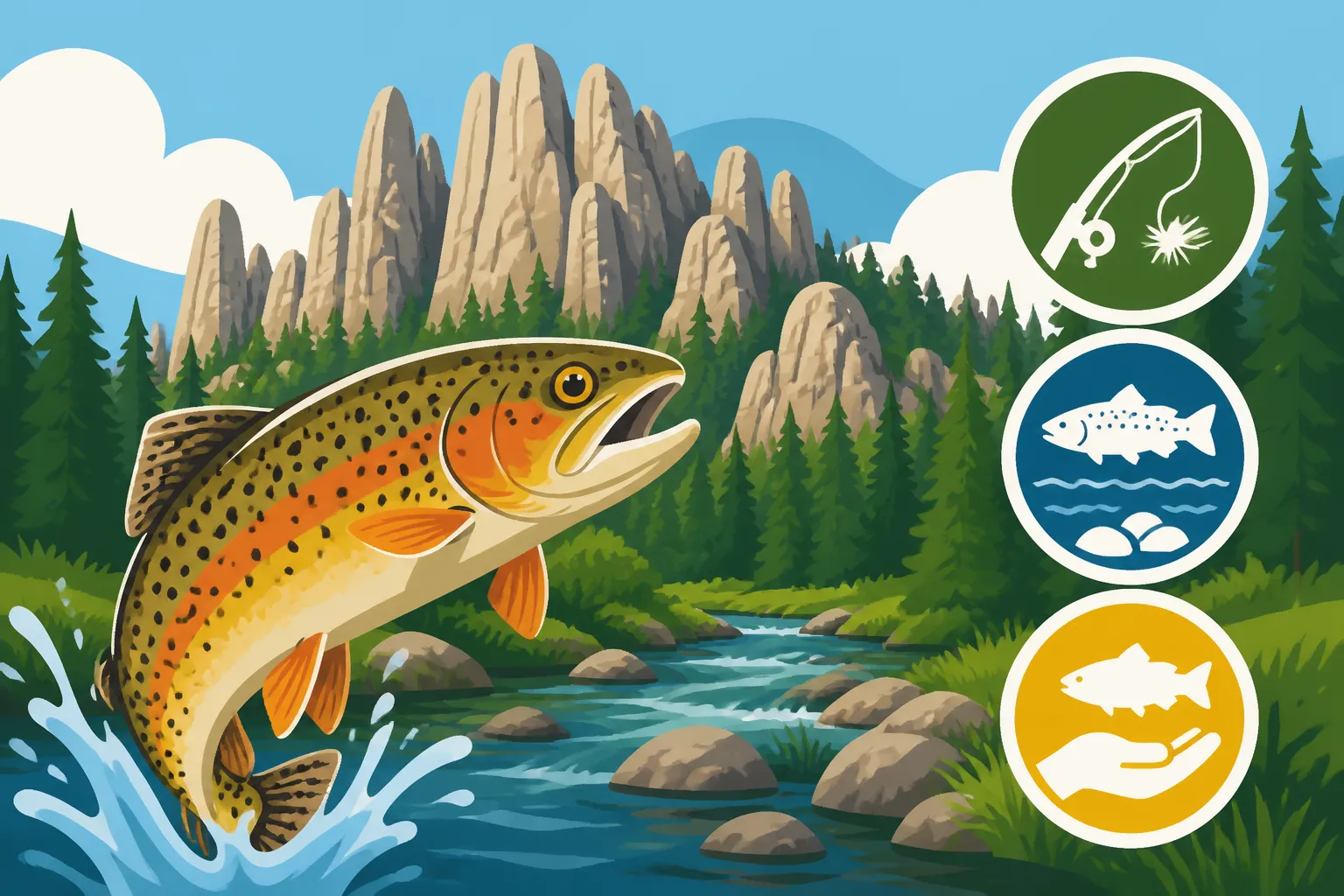
The Black Hills of South Dakota offer some truly picturesque and rewarding trout fishing, a stark contrast to the vast prairies surrounding them. These cold, clear streams wind through canyons and forests, providing ideal habitat for several trout species. But because these waters are so precious and often sustain wild populations, the South Dakota Game, Fish and Parks (GFP) has implemented very specific regulations to protect them. It's not just about what you catch, but how you catch it, and ensuring the health of the fishery for generations to come.
The Unique Ecosystem of Black Hills Streams
Unlike the large reservoirs of the Missouri River system, Black Hills streams are delicate ecosystems. They rely on consistent cold water temperatures, clean gravel beds for spawning, and an abundance of aquatic insects. This environment supports wild brown trout, brook trout, and stocked rainbow trout. The wild populations, especially the browns and brooks, are particularly sensitive to fishing pressure and habitat disturbance. This sensitivity is a major reason why the regulations are so detailed and can vary significantly from one stream section to another. A stretch of creek just a few miles downriver might have completely different rules than the section upstream.
Why Regulations Vary by Waterbody
The South Dakota GFP manages these streams with a nuanced approach, recognizing that a "one size fits all" regulation wouldn't be effective. Factors like fishing pressure, accessibility, species present (wild vs. stocked), and the stream's ability to sustain its fish population all play a role in determining specific rules. For instance, a stream with a healthy, self-sustaining wild brown trout population might have strict catch-and-release rules or artificial lures-only mandates to minimize mortality and genetic impact. Conversely, a highly accessible stream near a town that receives frequent rainbow trout stockings might have more liberal harvest limits to provide recreational opportunities. It’s all about balancing conservation with recreation, which can be a tricky tightrope to walk.
General Black Hills Trout Fishing Regulations
While the specific rules can change creek by creek, there are some overarching regulations that apply to most Black Hills trout streams. Knowing these general guidelines is your first step to being a responsible and successful angler in this unique region. Always make sure you have your South Dakota Fishing License Guide handy, as possessing the correct license and any necessary stamps is non-negotiable before you even cast a line.
Statewide Fishing License Requirements
Before you dip a toe into any Black Hills stream, you'll need a valid South Dakota fishing license. For residents, this could be an annual license, while nonresidents might opt for an annual, three-day, or even a one-day option. Remember that even if you're targeting trout in a special regulation area, the base license requirement still applies. Many anglers find it convenient to purchase their licenses online through the South Dakota GFP website. It's always a good idea to double-check the current South Dakota Fishing License Costs before planning your trip, as prices can change annually.
Daily and Possession Limits for Trout
The general statewide daily and possession limits for trout often provide a baseline, but these are frequently superseded by special regulations within the Black Hills. Generally, the daily limit for trout might be something like 5 fish, with a possession limit of 10. However, in many Black Hills streams, particularly those managed for wild trout or trophy fish, these limits are much lower, sometimes even zero (catch-and-release only). This is where paying close attention to the signs posted at public access points and reviewing the latest South Dakota Fish Limits and Size Restrictions guide from the GFP is absolutely crucial. Don't assume the statewide rule applies; always verify for the specific water you're fishing.
Special Regulation Waters in the Black Hills
This is where things get truly specific and where most anglers need to pay the closest attention. The Black Hills is home to numerous special regulation areas, each designed to foster specific fishing experiences or protect vulnerable fish populations. Ignoring these rules can lead to significant penalties, so understanding them is paramount.
Catch-and-Release Only Streams
Several prized sections of Black Hills streams are designated as "catch-and-release only." This means that any trout caught, regardless of size or species, must be immediately released unharmed back into the water. These areas are usually managed for their high-quality wild trout populations and offer incredible opportunities for anglers seeking a challenge. Prime examples include certain stretches of Rapid Creek below Pactola Dam and sections of Spearfish Creek. These areas are often where you'll find larger, more experienced fish. When fishing these waters, consider using barbless hooks, which can be easily found on platforms like Amazon, to minimize harm to the fish. The goal here is to ensure the fish population remains robust for future generations, making every angler's careful handling vital. For a deeper dive into these specific areas, check out the article on Pactola Dam Catch-and-Release Water Rules.
Artificial Lures and Flies Only Waters
Beyond catch-and-release, many streams or sections have "artificial lures and flies only" regulations. This means no live bait, no dead bait, and no scented artificial baits. You're limited to flies, spinners, spoons, and other artificial lures. This restriction serves multiple purposes: it reduces the chance of accidental hooking mortality (as fish are less likely to swallow an artificial lure deep), prevents the introduction of non-native species or diseases that can come with live bait, and encourages a more challenging, skill-based form of fishing. It's especially common in areas with wild trout populations. Anglers frequently discuss these regulations when considering South Dakota Fly Fishing for Black Hills Trout, as fly fishing naturally aligns with these rules.
Specific Stream Regulations Examples
Let's look at a few prominent Black Hills streams to illustrate the variety of regulations you might encounter:
- Rapid Creek (Below Pactola Dam to Placerville Bridge): This stretch is famous for its trophy brown trout and is typically "catch-and-release only" for all trout species and "artificial lures and flies only." This segment draws serious fly anglers and provides some of the best wild trout fishing in the state.
- Spearfish Creek (Within Spearfish Canyon): Regulations here can be a patchwork. Some sections might be general regulations, while others could be "artificial lures and flies only" with reduced daily limits, or even "catch-and-release." Always check the specific signage and the GFP handbook for the exact stretch you plan to fish. You can find excellent fly fishing gear for this area on Amazon, perfect for those precise casts needed in the canyon.
- Box Elder Creek and Spring Creek: These streams often have more lenient regulations compared to their famous counterparts, but still require careful attention. They might have a standard daily limit for trout, but sometimes include special size restrictions.
To help visualize some of these differences, here's a general comparison table for a few popular Black Hills stream segments. Always consult the current South Dakota GFP Fishing Handbook for the most up-to-date and complete regulations before fishing.
| Stream/Section | Trout Species Present | Daily Limit | Size Restrictions | Bait/Lure Restrictions | Special Notes |
|---|---|---|---|---|---|
| Rapid Creek (Pactola to Placerville) | Brown, Rainbow, Brook | Catch-and-Release | None (must be released) | Artificial Lures & Flies Only | Trophy Brown Trout fishery, highly sensitive. |
| Spearfish Creek (Specific Canyon Sections) | Brown, Rainbow, Brook | Often 2-4 total | Varies (e.g., 14" minimum) | Often Artificial Lures & Flies Only | Check signage, regulations vary by segment. |
| Spring Creek (Most Public Sections) | Brown, Rainbow, Brook | General 5 total | None (general) | Live Bait Permitted (check specifics) | More accessible, popular for family outings. |
| Castle Creek (Above Deerfield Lake) | Brook, Brown, Rainbow | General 5 total (often) | None (general) | Live Bait Permitted (check specifics) | Excellent brook trout fishing in upper reaches. |
| Crow Creek (Cheyenne Crossing Area) | Brown, Rainbow | General 5 total | None (general) | Live Bait Permitted (check specifics) | Roadside access, good for general trout fishing. |
Species-Specific Trout Regulations
Beyond stream-specific rules, the type of trout you're targeting can also influence the regulations, especially when it comes to size limits and catch retention. Knowing your fish is key!
Rainbow Trout Rules
Rainbow trout are frequently stocked in many Black Hills streams and lakes, offering a robust fishing opportunity for many anglers. These are often the most common trout found in highly accessible areas. While still subject to general trout limits, specific size restrictions might apply in certain waters. For example, a regulation might state that only one rainbow trout over 14 inches can be kept per day. This is a strategy to allow some larger fish to remain in the system while still providing harvest opportunities. When discussing South Dakota Trout Limits in the Black Hills, rainbow trout often have the most flexible regulations.
Brown Trout Regulations
Brown trout are highly prized in the Black Hills, with many streams supporting healthy wild populations. These fish are known for their evasiveness and fighting prowess. Due to their wild nature and importance to the ecosystem, brown trout often fall under stricter regulations. Many "catch-and-release" or "artificial lures and flies only" sections are specifically designed to protect and enhance brown trout populations. It's not uncommon to find a minimum size limit of 15 inches or more for brown trout in certain waters, with a reduced daily limit, sometimes only one fish. Understanding the unique lifecycle and habitat needs of South Dakota Brown Trout in the Black Hills helps explain why these regulations are so important.
Brook Trout Regulations
Brook trout, while beautiful and aggressive, are generally smaller than rainbows and browns. They often inhabit the colder, higher-elevation reaches of Black Hills streams. Some streams, particularly those supporting native or wild brook trout populations, might have special regulations aimed at protecting these delicate fish. These could include reduced daily limits or even specific rules for South Dakota Brook Trout Streams that encourage catch-and-release, especially for the smaller fish, to ensure they have a chance to grow and spawn.
Gear and Bait Restrictions
The gear and bait you use are as important as knowing where you can fish. Many special regulation areas in the Black Hills dictate what you can and cannot use to catch trout.
Live Bait Prohibition
As mentioned, live bait is prohibited in "artificial lures and flies only" waters. This means no worms, minnows, grasshoppers, salmon eggs, or any other natural food source. The reasoning is sound: live bait is often swallowed deeply by fish, leading to higher mortality rates upon release. It also carries the risk of introducing unwanted species or diseases. Always confirm if live bait is allowed before you head out, especially if you're planning to explore new waters. If live bait is allowed, it's wise to source it locally to avoid unintended ecological impacts.
Artificial Lures and Flies Specifics
When fishing artificial lures and flies only waters, ensure your tackle box is stocked with appropriate options. For fly anglers, this means a selection of nymphs (like those discussed in Nymph Fishing Techniques for Trout Streams), dry flies, and streamers. For spin fishermen, small spinners (e.g., Panther Martins, Mepps), spoons (e.g., Kastmasters), and soft plastics designed to mimic insects or small fish are common choices. Ensure any soft plastics are non-scented if regulations prohibit scented lures. Look for a good variety of these on Amazon to cover different conditions and hatches.
Barbless Hooks and Treble Hooks
While not a universal regulation, many catch-and-release areas strongly encourage or even require the use of barbless hooks. A barbless hook makes it much easier to remove the hook from a fish's mouth quickly and cleanly, significantly reducing trauma. You can either buy hooks that are already barbless or crimp down the barb on a standard hook with a pair of pliers. When fishing with artificial lures, some areas might prohibit treble hooks or require them to be single, barbless hooks. Always check the specific regulations for the stream segment you're fishing.
Navigating Enforcement and Resources
Even with the best intentions, understanding and adhering to all the Black Hills trout regulations can be a challenge. Knowing how to stay informed and what to expect regarding enforcement is key to a worry-free fishing experience.
The South Dakota GFP Fishing Handbook
Your absolute best friend when fishing in the Black Hills (or anywhere in South Dakota) is the current South Dakota GFP Fishing Handbook Guide. This annually updated guide contains all the legal rules, including specific regulations for individual streams and lakes, daily and possession limits, size restrictions, and gear requirements. You can usually pick up a physical copy wherever fishing licenses are sold, or download a digital version from the GFP website. Always have the most current version with you, either on your phone or in print. Regulations can change from year to year, so don't rely on an outdated copy or word-of-mouth information.
Signage at Access Points
When you access a stream via a public access point, such as a designated parking area or bridge crossing, keep an eye out for informational signs. These signs are often posted by the South Dakota GFP and will usually detail the specific regulations for that particular section of the stream. They are a crucial on-the-spot reminder of any unique rules for that immediate area, such as "Catch-and-Release Only" or "Artificial Lures and Flies Only." Don't just walk past them – take a moment to read and understand them.
Enforcement and Penalties
Game wardens and conservation officers regularly patrol Black Hills streams to ensure compliance with fishing regulations. Their job is to protect the resource, and they take violations seriously. Fishing without a proper license, exceeding catch limits, keeping undersized fish, or using prohibited bait in special regulation waters can result in significant fines, confiscation of gear, and even loss of fishing privileges. Remember, ignorance of the law is not an excuse. It's always your responsibility as an angler to know and follow the rules. If you ever have questions or are unsure about a regulation while out on the water, it's better to err on the side of caution or contact the GFP directly for clarification. Checking out the South Dakota Fishing Without a License Penalties article can give you a clear picture of the repercussions of not adhering to the rules.
Best Practices for Black Hills Trout Anglers
Beyond simply following the rules, adopting some best practices can significantly enhance your fishing experience and contribute to the health of the Black Hills trout fishery.
Ethical Angling and Fish Handling
When fishing catch-and-release waters, or even if you plan to release fish in general, ethical fish handling is paramount.
- Minimize Fight Time: Bring the fish in quickly to reduce exhaustion.
- Keep Fish in Water: If possible, unhook the fish while it's still in the water.
- Wet Hands: Always wet your hands before touching a fish to protect its slime coat, which is vital for its immune system.
- Use Barbless Hooks: As mentioned, these make release much easier.
- Gentle Release: Support the fish in the water until it swims away under its own power. Don't just toss it back.
By practicing these techniques, you help ensure that the fish you release survive to fight another day and contribute to the reproductive cycle of the stream.
Respecting Private Property and Access
Many Black Hills streams flow through private land. Always be mindful of property lines and respect landowners' rights. Only access streams from designated public access points or with explicit permission from the landowner. Trespassing is illegal and can lead to access restrictions for all anglers in the future. Park in designated areas, close gates, and pack out everything you pack in. Leaving no trace is not just good manners, it's essential for maintaining good relationships with landowners and preserving public access to these beautiful resources.
Contributing to Conservation Efforts
As an angler, you're an important steward of the Black Hills environment. Consider supporting conservation organizations like Trout Unlimited, which often work on stream restoration projects in the area. Participating in clean-up days, reporting poaching or pollution incidents to the GFP, and adhering to all regulations are simple yet powerful ways to give back. The health of these streams and their trout populations depends on all of us doing our part. Getting familiar with Black Hills Catch-and-Release Trout Streams and understanding their importance can motivate you to be a more dedicated conservationist.
Disclaimer
The information provided in this guide is for general informational purposes only and is subject to change. While we strive to be as accurate and up-to-date as possible, fishing regulations can be complex and are regularly updated by the South Dakota Game, Fish and Parks (GFP). It is the angler's sole responsibility to consult the official, current South Dakota Fishing Handbook or the GFP website before engaging in any fishing activities to ensure full compliance with all applicable laws and regulations. We are not liable for any discrepancies or outdated information.