Black Hills Catch-and-Release Trout Streams
There's nothing quite like the feeling of watching a wild trout dart back into the clear, cold waters of a Black Hills stream after a careful release. Many anglers come to South Dakota seeking this profound experience, only to find the regulations confusing or the techniques daunting. This comprehensive guide is here to unravel the mysteries of Black Hills catch-and-release trout streams, detailing why this practice is so crucial, where to find these special waters, and the best ways to approach them respectfully and successfully.
The Philosophy of Catch-and-Release Fishing in the Black Hills
Catch-and-release isn't just a rule in some areas; it's a deeply rooted philosophy that preserves the unique beauty and vitality of our trout fisheries. Especially in the Black Hills, where trout populations are a cherished resource, understanding and practicing responsible angling makes all the difference.
Why Catch-and-Release Matters for Trout Populations
The Black Hills streams are a delicate ecosystem, and the wild trout that call them home are particularly sensitive to fishing pressure. When anglers consistently harvest fish, especially larger, older individuals, it can deplete the breeding stock and lead to a decline in population numbers and overall fish size. Catch-and-release acts as a powerful conservation tool, allowing fish to grow larger, spawn multiple times, and contribute to a healthier, more robust gene pool. It's about ensuring that future generations of anglers can experience the same thrill of pursuing these magnificent fish.
Think about it: a truly wild brown trout that has survived several seasons in a challenging stream is a testament to its resilience. Each time it's caught and carefully released, it contributes to the wildness and vitality of that fishery. This practice also helps maintain a healthy age structure within the trout population, which is crucial for ecological balance. Without it, some of our most productive and celebrated waters might not offer the same incredible angling opportunities year after year. It's an investment in the future of the sport we all love.
Ethical Angling Practices and Gear Considerations
Practicing catch-and-release ethically involves more than just letting the fish go; it's about minimizing harm and maximizing their chances of survival. The first and arguably most important step is to use barbless hooks. Barbs tear larger holes, making removal difficult and increasing tissue damage. Many experienced Black Hills anglers will even pinch down the barbs on their favorite lures and flies, recognizing the profound impact this small change can have. If you're going to use bait or lures that aren't barbless, it's highly recommended to convert them for these special waters.
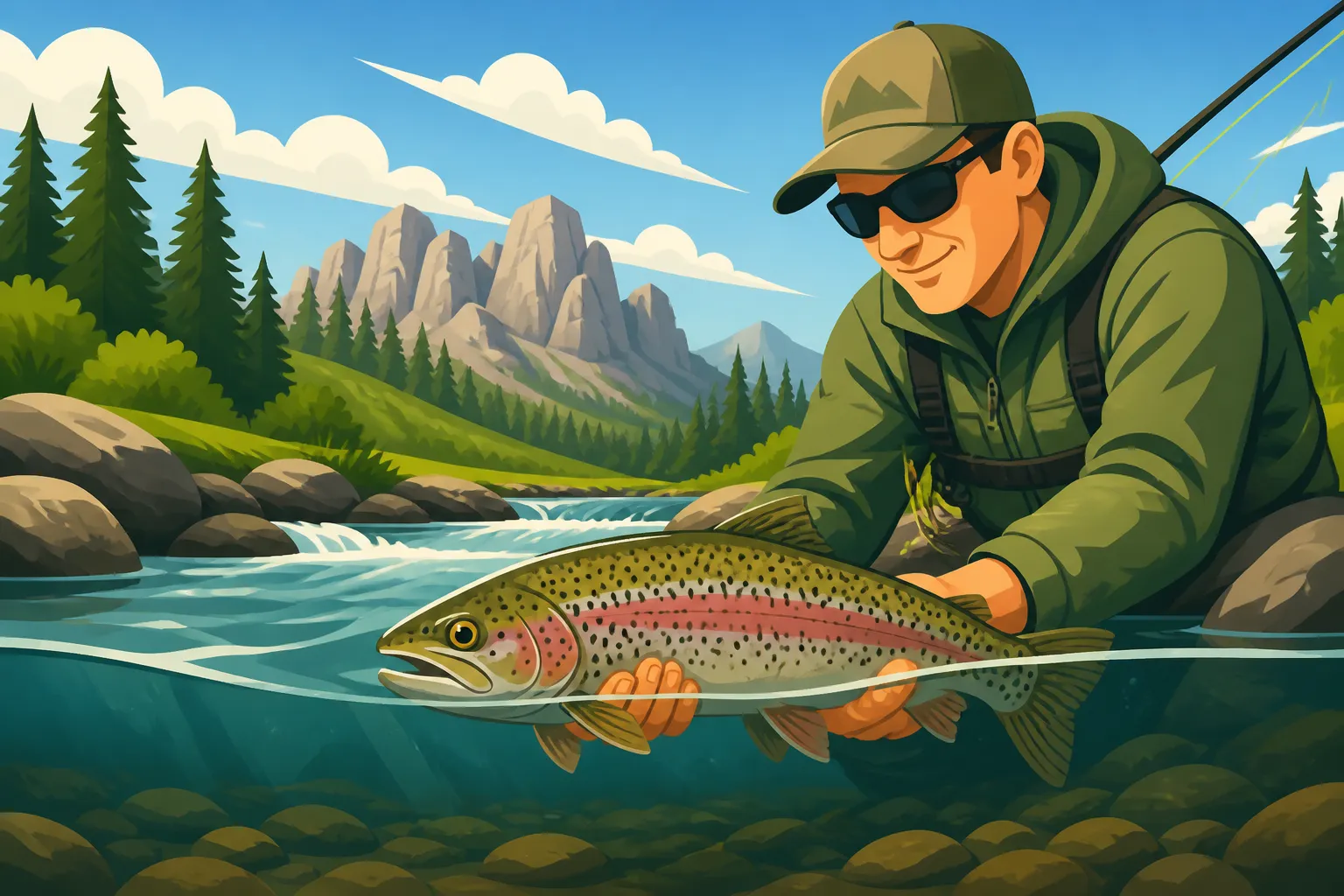
Beyond the hook, proper handling is paramount. Always wet your hands before touching a fish to protect its delicate slime coat, which acts as a barrier against disease. Avoid squeezing the fish, especially around its belly, and keep it in the water as much as possible. If you must remove it for a quick photo, do so quickly, holding it horizontally to support its body, and return it to the water swiftly. A knotless, rubberized landing net is an invaluable tool for safely subduing fish without stripping their protective slime or damaging fins. These practices aren't just polite; they're essential to ensure the fish you release goes on to thrive.
Prime Black Hills Catch-and-Release Trout Streams
The Black Hills are a treasure trove of trout streams, but specific sections are designated as catch-and-release, often with artificial lure-only rules, to protect their unique fisheries. Knowing where these special waters are is the first step toward an unforgettable and responsible angling trip.
Rapid Creek Below Pactola Dam
Rapid Creek, especially the stretch immediately below Pactola Dam, is arguably the crown jewel of Black Hills trout fishing. This section, often referred to as the "Pactola Dam Catch-and-Release Water," is managed for trophy brown and rainbow trout. The cold, oxygenated water released from the bottom of the dam provides ideal conditions, fostering a rich aquatic insect life that allows trout to grow to impressive sizes. It’s not uncommon to find brown trout pushing 20 inches here, and rainbow trout are also abundant.
The regulations on this particular stretch are strictly catch-and-release with artificial lures only, meaning no bait of any kind. This policy minimizes deep hooking and stress on the fish. Access is relatively easy, with well-maintained paths and parking areas, including the popular Camp 12 area. Anglers can explore miles of pristine water, characterized by deep pools, riffles, and runs that hold big, wary trout. It's a challenging but incredibly rewarding fishery, demanding precise casts and stealthy approaches. For more details on accessing this area, check out our guide on Rapid Creek Fishing Access in Rapid City, though the prime C&R section is a bit west of town.
Spearfish Creek's Legendary Waters
Further north, Spearfish Creek carves its way through the stunning Spearfish Canyon, offering some of the most picturesque and productive trout fishing in the region. While much of Spearfish Creek has general regulations, there are specific catch-and-release sections, particularly within Spearfish Canyon and upstream areas, managed for wild trout. These sections are renowned for their wild brown trout, though you'll also find rainbow and brook trout in various parts of the creek. The stream here is characterized by steep canyon walls, fast-flowing water, and abundant overhead cover from trees.
Fishing Spearfish Creek is a masterclass in reading pocket water and making accurate casts. The wild trout here are notoriously selective and spook easily, making a stealthy approach absolutely vital. Public access is generally good along US-14A, with numerous pull-offs and designated fishing easements, though some areas require more strenuous hiking. It's essential to consult the South Dakota Game, Fish and Parks (GFP) regulations handbook for the specific boundaries of catch-and-release zones, as they can vary. Many anglers consider this creek a must-fish for its sheer beauty and the challenge it presents.
Castle Creek and Its Serene Beauty
For those seeking a more intimate and tranquil experience, Castle Creek offers a delightful escape into wilder Black Hills landscapes. Originating high in the Hills, this smaller stream often gets overlooked compared to its larger counterparts, but it holds a healthy population of primarily wild brook trout, along with some brown trout. There are specific catch-and-release sections, especially in its upper reaches and within areas like the Deerfield Reservoir tailwaters, which are managed to protect these native and wild populations.
Fishing Castle Creek often involves navigating tighter quarters, smaller pools, and more abundant brush along the banks. It's a fantastic place for anglers who appreciate solitude and the subtle art of stream craft. The brook trout, while generally smaller than the browns and rainbows in Rapid Creek, are vibrant, aggressive, and incredibly beautiful. Access can be a bit more challenging, often requiring some hiking through National Forest land, but the reward is a genuine wilderness experience. It's a perfect stream for light tackle and delicate presentations, making it a favorite for many dedicated fly anglers seeking an authentic Black Hills trout encounter.
Box Elder Creek and Its Hidden Gems
Box Elder Creek, located near Rapid City, is another excellent option for catch-and-release trout fishing in the Black Hills, though it's often less talked about than Rapid or Spearfish creeks. Certain sections of Box Elder Creek, particularly within national forest lands, are managed under special regulations to foster healthy wild trout populations. Anglers can find a mix of brown trout and some rainbows here, often in environments that feel a bit wilder and less pressured than the more famous streams.
The character of Box Elder Creek varies along its length, from small, brushy stretches to more open areas with deeper pools. This diversity means anglers need to be adaptable in their approach, utilizing different techniques as they move upstream or downstream. Access points are scattered, some easily reachable from forest roads, while others require a bit more exploration on foot. It’s a fantastic option for those who enjoy discovering new water and don't mind a bit of a hike to find unpressured fish. Always double-check the current Black Hills Stream Trout Regulations for specific rules on each section, as they can change.
Essential Techniques for Black Hills Catch-and-Release Success
Catching trout in Black Hills C&R streams requires finesse, patience, and an understanding of trout behavior. Whether you prefer fly fishing or spin fishing, adapting your techniques to these sensitive environments is key to both success and the well-being of the fish.
Fly Fishing Strategies for Finicky Trout
Fly fishing is exceptionally popular in the Black Hills, and for good reason—it’s often the most effective method for presenting a natural imitation to selective trout. When fishing C&R waters, matching the hatch is a fundamental strategy. This means observing what insects are active on or near the water (mayflies, caddisflies, stoneflies) and selecting a fly pattern that mimics their size, shape, and color. During periods of heavy insect activity, known as a "hatch," dry flies can be incredibly effective, leading to exciting surface strikes.
However, often the most productive fly fishing in the Black Hills involves nymphing. Trout spend the vast majority of their time feeding subsurface, so presenting a weighted nymph imitation near the bottom can yield consistent results. Techniques like high-stick nymphing, where you keep a tight line and watch for subtle takes, are crucial in the turbulent flows of many Black Hills creeks. For those looking to master this, our guide on Nymph Fishing Techniques for Trout Streams offers a deeper dive. Streamers, mimicking baitfish, can also be deadly, especially for larger brown trout, particularly in deeper pools or during low light conditions. The key across all these methods is a delicate presentation and an understanding of how currents affect your drift.
Spin Fishing Approaches for C&R Waters
For those who prefer spin fishing, success in Black Hills C&R streams is absolutely achievable, provided you adapt your approach. The most critical adjustment is to use light tackle and, as mentioned, single, barbless hooks. Small, lightweight lures like Panther Martin spinners, Thomas Buoyant spoons, or micro-jigs are highly effective. Colors that mimic natural forage, such as silver, gold, black, or olive, tend to perform well. The goal is to cast accurately into trout holding lies without creating a heavy splash that might spook fish.
Retrieve your lure at a speed that allows it to flutter naturally through the water column, mimicking injured baitfish or aquatic insects. Overly fast retrieves can be unnatural and often less productive. When a fish bites, set the hook gently but firmly, and play the fish quickly but carefully to minimize stress. Avoid dragging the fish onto rocks or gravel; instead, use a net if possible. After the catch, swiftly remove the barbless hook with hemostats or pliers, making sure to keep the fish submerged as much as possible. This responsible approach ensures that spin fishing can be just as conservation-minded as fly fishing in these sensitive environments.
Reading the Water and Approaching Stealthily
Catching trout in Black Hills streams, especially the wary fish in C&R sections, demands keen observation and a stealthy approach. "Reading the water" means understanding where trout are likely to hold and feed. Look for features like deep pools, which provide cover and a resting place; riffles, where oxygen is abundant and food washes down; current seams, where fast and slow water meet; and undercut banks or submerged logs, which offer excellent hiding spots. Trout will often position themselves in these areas, expending minimal energy while waiting for food.
Once you've identified a promising spot, the approach is everything. Trout have excellent eyesight and can detect vibrations, so moving quietly and deliberately is crucial. Stay low, especially in clear, shallow water, and avoid casting a shadow over the water. Long casts, even if less accurate initially, are often preferable to short casts that put you too close to the fish. When wading, move slowly and avoid shuffling your feet excessively. Sometimes, sitting quietly and observing the water for a few minutes before making your first cast can reveal subtle clues about where fish are holding or what they're feeding on, drastically increasing your chances of success.
Gear Up for a Responsible Black Hills Trout Adventure
Having the right gear isn't just about catching fish; it's about doing it responsibly and comfortably. In the challenging and diverse environments of Black Hills catch-and-release trout streams, your equipment plays a critical role in both your success and the well-being of the trout.
Rods, Reels, and Lines for Delicate Presentations
For fly fishing in the Black Hills, a lightweight outfit is generally preferred for its delicate presentation and suitability for smaller streams. A 3-weight or 4-weight fly rod, typically between 7.5 and 9 feet in length, offers the perfect balance of finesse for casting small flies and enough backbone to handle a feisty trout. Pair this with a matching fly reel that has a smooth drag system, and a weight-forward floating fly line. The choice of leader and tippet is also crucial; a 7.5 to 9-foot leader tapering down to a 5X or 6X fluorocarbon tippet provides the necessary stealth and abrasion resistance for clear water and sharp-eyed trout.
Spin anglers should opt for ultralight or light-action spinning rods, typically 5 to 6.5 feet in length, paired with a small spinning reel spooled with 2-4 pound test monofilament or fluorocarbon line. Monofilament offers a bit of stretch for forgiveness, while fluorocarbon is virtually invisible underwater and has excellent sensitivity. The lighter line test not only helps with casting smaller lures but also reduces the impact on the fish during a fight, contributing to a quicker and less stressful release. Choosing quality gear designed for light presentations will significantly improve your angling experience in these delicate environments.
Must-Have Terminal Tackle and Accessories
Beyond your rod and reel, a few key pieces of terminal tackle and accessories are non-negotiable for responsible catch-and-release fishing in the Black Hills. First and foremost, a selection of barbless hooks is essential, whether you're tying flies or using small spin fishing lures. If your favorite lures come with barbed hooks, invest in a pair of pliers to easily crimp the barbs down. This simple step is perhaps the most impactful for fish survival.
Next, a good pair of hemostats or long-nose pliers is indispensable for quick and safe hook removal, especially with those delicate trout mouths. A knotless, rubberized landing net is another critical item. Unlike traditional nylon nets, rubberized nets minimize damage to a fish's fins, scales, and protective slime coat. Other useful items include line nippers, a tippet spool holder for fly anglers, and a small sling pack or vest to keep your essentials organized and easily accessible. Having these tools readily available means you can handle and release fish with maximum efficiency and minimal stress.
Wading Gear and Safety Considerations
Navigating the often rocky, slippery, and sometimes deep Black Hills streams requires appropriate wading gear. Breathable chest waders are generally the best choice, offering comfort across a range of temperatures and keeping you dry. Pair these with sturdy wading boots that provide excellent ankle support and grip on slick rocks. Felt soles offer superior traction on wet rocks but can be a vector for invasive species, so ensure they are thoroughly cleaned between trips. Rubber soles with studs are an alternative that might be preferred for some. For deeper sections or strong currents, a wading staff can provide crucial stability and prevent falls. Our guide on Best Waders for Black Hills Stream Fishing can help you choose the right pair.
Safety should always be a top priority. Be aware of your surroundings, especially in canyon areas where rockfalls can occur. Check weather forecasts before heading out, as sudden storms can cause flash floods and make stream crossings dangerous. Carry plenty of water, snacks, and a small first-aid kit. Inform someone of your fishing plans and expected return time, particularly if you're venturing into more remote areas. The Black Hills are beautiful, but they demand respect and preparedness for a safe and enjoyable outing.
Navigating Regulations and Access for C&R Streams
Understanding the specific rules and knowing where you can legally access these pristine waters are paramount for any angler venturing into Black Hills catch-and-release streams. South Dakota's Game, Fish and Parks (GFP) works hard to manage these unique fisheries, and adhering to their guidelines ensures their longevity.
Understanding Special Regulations and Seasons
The Black Hills host a variety of trout waters, and many of the most productive wild trout streams, particularly those designated for catch-and-release, come with very specific regulations. These often include "artificial lures or flies only" restrictions, meaning no live bait, worms, or powerbait. Some sections may also have size limits for harvestable fish (though this is often moot in C&R areas) and strict daily possession limits. It's not uncommon to find specific "no harvest" or "zero retention" zones.
Anglers must always carry a valid South Dakota fishing license, and for many, a habitat stamp as well. Our comprehensive South Dakota Fishing License Guide can help clarify requirements. The general South Dakota fishing season is year-round, but specific trout stream regulations can sometimes vary by date or water body, so it’s crucial to consult the official South Dakota Fishing Handbook or the GFP website before each trip. Knowing these rules intimately prevents accidental violations and contributes to the conservation efforts that make these C&R fisheries so special. Pay close attention to signage at stream access points, as local regulations can supersede general guidelines.
Public Access Points and Navigating Private Land
Most of the prime Black Hills catch-and-release trout streams flow through a mix of public and private land. Within the Black Hills National Forest, public access is generally widespread, with numerous roads, trails, and designated access points leading to productive fishing stretches. Areas like the sections of Rapid Creek below Pactola Dam or parts of Spearfish Creek within Spearfish Canyon offer relatively easy public access. Many campgrounds and picnic areas also provide direct stream access.
However, anglers must be vigilant about respecting private property boundaries. Always look for "No Trespassing" signs and avoid entering private land without explicit permission from the landowner. A good topographic map or a GPS app that shows land ownership boundaries can be an invaluable tool. When in doubt, err on the side of caution. Remember that even if a stream flows through private land, public access might be available via road right-of-ways or specific easements. Always check official maps from the South Dakota GFP or the Black Hills National Forest for guidance on legal access points.
Finding a Guide or Outfitter for Expert Advice
For anglers new to the Black Hills or those looking to hone their skills on specific catch-and-release waters, hiring a local fishing guide can be an invaluable investment. These guides possess intimate knowledge of the streams, including current conditions, hot spots, effective fly patterns or lures, and the nuances of trout behavior in different sections. They can teach you the specific techniques needed for these finicky fish, from mastering a delicate dry fly presentation to effectively nymphing in complex currents. Moreover, a good guide will reinforce and exemplify ethical catch-and-release practices, ensuring minimal stress on the fish.
Outfitters often have access to private water or special permits, providing opportunities that might otherwise be unavailable. Services like FishingBooker can help you find reputable local guides who specialize in Black Hills trout fishing. Booking a trip through an experienced guide, particularly one listed on a trusted platform, ensures you're getting expert advice and a safe, productive experience while supporting local businesses and the fishing community. Our article on Best Guided Fishing Trips in the Black Hills offers more insights into finding the perfect guide for your adventure.
Seasonal Considerations for Black Hills Trout Fishing
The Black Hills offer trout fishing opportunities year-round, but each season presents unique challenges and rewards, especially on the catch-and-release streams. Understanding how the seasons influence trout behavior and stream conditions is crucial for successful angling.
Spring Runoff and Early Season Tactics
Spring in the Black Hills, typically from April through early June, is characterized by melting snow and spring rains, leading to higher, often murkier water conditions, especially during peak runoff. While challenging, this can be an incredibly productive time for larger trout that become more active and less wary. The colder water temperatures mean trout are often less selective about flies or lures, but finding them can be harder due to increased flows.
Effective tactics during this period often involve using heavier weighted nymphs or streamers that can get down to the fish in the strong currents. Patterns that mimic larger aquatic insects or baitfish, such as stonefly nymphs or Woolly Buggers, tend to work well. Focus your efforts on slower pockets of water, eddies, and seams where trout can escape the main current but still ambush passing food. The "shoulders" of the stream—the periods just before and after peak runoff—can offer fantastic opportunities as water levels stabilize and clarity improves.
Summer Hatches and Low Water Challenges
Summer, from late June through August, brings warmer temperatures and typically lower, clearer water levels to Black Hills streams. This is prime dry fly season, with abundant insect hatches (caddisflies, mayflies) creating exciting surface feeding opportunities, especially during mornings and evenings. However, the clear, low water also makes trout incredibly wary and easily spooked. Stealth becomes even more critical.
During the warmest parts of the day, particularly in July and August, water temperatures can rise, putting stress on trout. Anglers should prioritize fishing during cooler parts of the day, such as early mornings or late evenings. Focus on deeper pools, shaded areas, and oxygenated riffles where trout seek refuge. Using long, light leaders and tippets (e.g., 6X or 7X fluorocarbon) and making delicate, accurate casts are essential for fooling these selective fish. When water temperatures reach high levels (typically above 68°F), it's advisable to cease fishing altogether to avoid causing undue stress to the fish, as their survival rate after release significantly decreases.
Fall Colors and Trophy Trout Opportunities
Autumn, generally from September through November, is a favorite season for many Black Hills trout anglers. The brilliant fall foliage provides a stunning backdrop, and the cooler water temperatures invigorate the trout. Brown trout, in particular, become highly aggressive as they prepare for their spawning season. This period often presents the best chance to hook a true trophy brown trout.
Tactics shift to include larger streamers that mimic baitfish or aggressive nymphing techniques to target actively feeding trout. As the water cools, fish often move into deeper pools and runs, but they will still readily rise to a well-presented dry fly during mid-day hatches of Blue-winged Olives or similar small insects. While brown trout are focused on spawning, remember that catch-and-release practices are even more critical to allow them to successfully reproduce. Avoid disturbing actively spawning fish on redds (gravel beds where eggs are laid). This is a truly magical time to be on the water, offering a blend of stunning scenery and superb angling action.
Here's a quick summary of some key Black Hills C&R streams:
| Stream Section | Primary Species | Special Regulations | Recommended Approach |
|---|---|---|---|
| Rapid Creek Below Pactola Dam | Brown Trout, Rainbow Trout | Artificial Lure/Fly Only, Catch-and-Release | Fly Fishing (Nymphs, Streamers) |
| Spearfish Creek (Canyon Sections) | Wild Brown Trout, Rainbow Trout | Artificial Lure/Fly Only, Catch-and-Release | Fly Fishing (Dry Flies, Nymphs), Stealthy Spin |
| Castle Creek (Upper Reaches/Deerfield Tailwater) | Wild Brook Trout, Brown Trout | Artificial Lure/Fly Only, Catch-and-Release | Light Fly Fishing, Micro Lures |
| Box Elder Creek (National Forest) | Brown Trout, Rainbow Trout | Artificial Lure/Fly Only, Catch-and-Release | Fly Fishing (Variety), Small Spinners |
Disclaimer
Please note that fishing regulations in South Dakota, particularly for specific catch-and-release areas, can change. Always consult the latest South Dakota Game, Fish and Parks (GFP) regulations handbook or their official website before heading out on your fishing trip. This guide is for informational purposes only and should not be considered a substitute for official regulations.