South Dakota Glacial Lakes Walleye Fishing
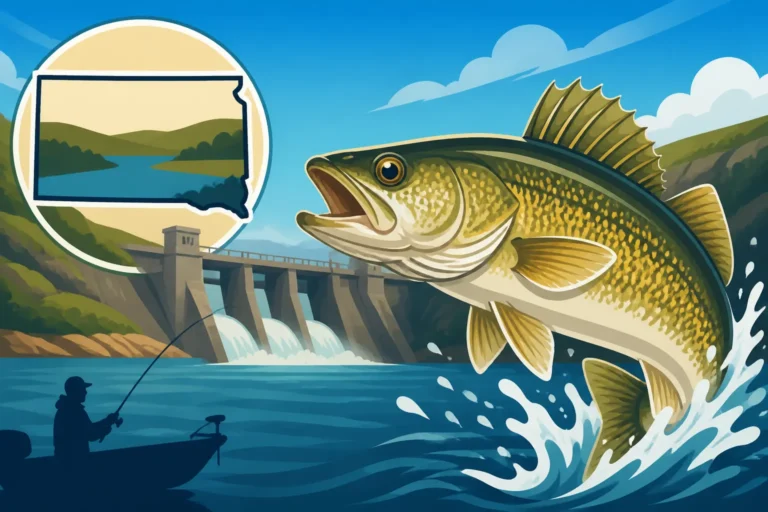
For many anglers, the thought of landing a trophy walleye is a dream, but the vast, often intimidating waters of South Dakota's Glacial Lakes can make finding those elusive fish feel like an impossible puzzle. You're trying to piece together local knowledge, figure out the best techniques, and understand which lake offers the best bite. This comprehensive guide is here to untangle that complexity, providing you with the insights and strategies needed to successfully target walleye in these unique and productive eastern South Dakota waters.
Understanding South Dakota's Glacial Lake Ecosystems
The Glacial Lakes region of South Dakota, located primarily in the northeastern part of the state, offers a stark contrast to the mighty Missouri River reservoirs. These lakes are remnants of ancient glaciers, characterized by shallower depths, diverse aquatic vegetation, and often turbid waters. This unique environment shapes how walleye live, feed, and how anglers need to approach fishing them. It's not just about dropping a line; it's about understanding the nuances of these specific ecosystems.
Formation and Characteristics of Glacial Lakes
Picture this: massive ice sheets retreating thousands of years ago, carving out depressions and leaving behind a landscape dotted with countless lakes, potholes, and wetlands. That's the story of South Dakota's Glacial Lakes. These lakes tend to be shallower than their Missouri River counterparts, often featuring expansive shallow flats, submerged weed beds, and soft, silty bottoms. The water clarity can vary dramatically, from crystal clear on some days to stained and turbid after a good rain or a sustained period of wind. This difference in water clarity and structure heavily influences walleye behavior and, by extension, our fishing tactics.
These shallow, fertile waters are teeming with life, providing an abundant food source for walleye. Think about the rich invertebrate populations in the soft bottom, the prolific minnow and panfish populations that thrive in the dense weeds, and even crayfish in rocky areas. This rich forage base is why these lakes can produce impressive numbers of walleye, and often some real giants. However, it also means walleye can be scattered, sometimes making them harder to pinpoint compared to deeper, more defined structures found in reservoirs.
Unique Walleye Habitats in Glacial Waters
Walleye in glacial lakes aren't always found clinging to sharp breaks or deep channels like they might be in larger reservoirs. Instead, they often relate to subtle depth changes, the edges of weed beds, submerged humps, and points extending from shore. These areas provide ambush points and cover, especially in systems with limited traditional "structure." Understanding this preference is key to success. You might find them cruising vast shallow flats during low light conditions, or tucked deep into dense coontail or milfoil beds during bright midday sun.
The presence of diverse aquatic vegetation is a game-changer. Rather than being a nuisance, these weed beds are crucial walleye habitat, offering cover from predators, shade from the sun, and a buffet of baitfish. Anglers who learn to "read" the weeds—identifying healthy weed lines, open pockets, and transition zones—will consistently find more fish. Don't be afraid to fish in the weeds; often, the biggest walleye are buried deep within them, waiting for an unsuspecting meal to swim by.
Key Glacial Lakes for Walleye Fishing
When it comes to the Glacial Lakes region, there are a few standouts that consistently produce excellent walleye fishing. Each lake has its own personality, offering unique challenges and rewards. Knowing these differences can help you plan your next trip and increase your chances of success.
Lake Kampeska
Located near Watertown, Lake Kampeska is a true jewel among the glacial lakes. It’s known for its consistent walleye bite and its beautiful, sprawling waters. Kampeska offers a good mix of shallow flats, emergent vegetation, and some deeper basins, providing diverse habitat for walleye throughout the year. Anglers often find success here by targeting the edges of the numerous weed lines, particularly where they meet slight depth changes or subtle points. It's not uncommon to pull out walleye in the 15-20 inch range, with bigger fish certainly possible, especially during low light periods or when they move into shallower feeding grounds.
Fishing on Lake Kampeska can be particularly good in the spring as walleye move towards shallower areas for spawning, and again in the fall as they feed heavily before winter. Trolling crankbaits along contours, drifting with bottom bouncers and spinners, or casting jigs and soft plastics into weed pockets are all effective strategies. If you're looking for a guide who knows the lake inside and out, platforms like FishingBooker can connect you with local pros who can put you on the fish, especially when the bite gets tough. For more detailed insights, check out our guide on Lake Kampeska Fishing Guide.
Lake Poinsett
Just a short drive from Lake Kampeska, Lake Poinsett is another highly productive walleye fishery, popular for its generous size and ample fishing opportunities. Poinsett is generally shallower than Kampeska, with large areas of submerged vegetation and classic glacial lake characteristics. Walleye here are often found relating directly to these weed beds, making weed line fishing a primary tactic. Its expansive nature means that fish can be spread out, requiring anglers to cover water, but when you find a school, the action can be fast and furious.
The lake supports a healthy population of walleye, with good numbers of eater-sized fish and potential for larger trophy specimens. Ice fishing for walleye on Lake Poinsett is also extremely popular, drawing crowds as anglers brave the elements to jig for hungry fish. During open water, slow trolling with bottom bouncers and crawler harnesses, or casting jigs and plastics near weed edges, are go-to methods. Pay attention to wind-blown shorelines and points, as these areas often concentrate baitfish and, consequently, walleye. For a comprehensive overview of its fishery, our Lake Poinsett Fishing Guide might be helpful.
Bitter Lake
Bitter Lake, situated in Day County, lives up to its name for some, but for walleye anglers, it can be a sweet spot. This lake is renowned for its incredible walleye population and the potential for catching truly impressive fish. Bitter Lake is characterized by its somewhat shallower nature, extensive weed beds, and often stained to turbid water. This combination creates a fantastic feeding environment for walleye, allowing them to ambush prey with ease. It's often considered one of the best walleye lakes in the region, especially for those targeting larger fish.
Anglers often report remarkable catches from Bitter Lake, making it a bucket list destination for many. Success here often comes down to finding the subtle changes in depth or structure within the vast weed flats. Drifting with jigs and live bait (like shiners or nightcrawlers), or slowly trolling crankbaits that dive just above the weed tops, can be incredibly effective. Don't be surprised if you hook into a giant Northern Pike while targeting walleye here, as the lake supports a robust population of those toothy critters too. Before you head out, make sure you're up to date on South Dakota Walleye Limits for Bitter Lake.
Lake Thompson
As South Dakota's largest natural lake, Lake Thompson presents a formidable but rewarding challenge for walleye anglers. While not exclusively a "glacial" lake in the same way as some of the smaller potholes, its geological history is tied to glacial activity, and it shares many characteristics of the eastern South Dakota fisheries. Lake Thompson is known for its vast, shallow expanse and its susceptibility to wind, which can churn up the water and create excellent feeding conditions for walleye along current breaks and wind-blown points.
Walleye fishing on Lake Thompson can be phenomenal, especially during peak seasons. The sheer size of the lake means fish can be widely dispersed, but diligent anglers who use their electronics to find baitfish and subtle structure will be rewarded. Look for underwater humps, rock piles, and especially the extensive weed beds that populate its shallow areas. Trolling is a very popular and effective method for covering water and locating active walleye. For the most current conditions and tactics, checking a Lake Thompson Fishing Report before your trip can be invaluable.
Seasonal Strategies for Glacial Lake Walleye
Walleye fishing in the Glacial Lakes is a year-round affair, but your approach needs to shift dramatically with the seasons. What works in the spring won't necessarily cut it in the dead of winter. Understanding these seasonal changes is crucial for consistent success and for making the most of your time on the water.
Spring Spawning Patterns
Ah, spring! The ice has just melted, and walleye are on the move. This is a magical time on the Glacial Lakes, as walleye congregate in shallower areas to spawn, making them more accessible to anglers. Typically, this occurs when water temperatures climb into the 40s to low 50s Fahrenheit, usually from late April through May. Walleye will seek out hard-bottomed areas, shallow rock piles, and even gravel shorelines to lay their eggs.
During the pre-spawn and spawn, targeting these shallower staging areas can be incredibly productive. Focus on depths of 3-10 feet, especially near points, causeways, and areas with rock or gravel. Casting jigs tipped with live minnows or soft plastics, or slowly trolling shallow-diving crankbaits, can be deadly. Remember, these fish are often focused on the spawn, but they'll still opportunistically feed. Post-spawn, they'll gradually move to slightly deeper weed lines to recover, making the transition zones between shallow spawning grounds and deeper cover prime targets. Knowing the precise timing of the spawn can be the difference between a few bites and a boat full of fish.
Summer Deep Water Tactics
As summer heats up, the glacial lakes warm considerably, and walleye often adjust their behavior. While some fish will remain in the relative comfort of dense weed beds in shallower water, many will seek out cooler, more oxygenated water in deeper sections of the lake, or within the deeper, denser parts of vegetation. This is when your electronics become your best friend, helping you pinpoint those subtle depth changes, isolated humps, and baitfish schools that indicate walleye presence.
Trolling is a highly effective strategy during the summer months, allowing you to cover vast areas and present baits at specific depths. Bottom bouncers paired with spinner rigs or crawler harnesses are perennial favorites, often tipped with a juicy nightcrawler or leeches. Crankbaits that can dive to the desired depth or be run off planer boards to cover wider swaths of water are also excellent choices. Look for walleye to be holding anywhere from 10-25 feet, often suspended over deeper basins or along the deeper edges of weed lines and structure. Pay attention to the thermocline if one forms; walleye will often relate to the cooler water just above it. Many anglers, especially those visiting for the first time, opt to hire a guide. They often have real-time knowledge of where fish are holding, and platforms like FishingBooker can help you book an experienced local guide to find those summer walleye.
Fall Feeding Frenzy
Autumn on the Glacial Lakes brings a glorious shift in walleye behavior: the fall feeding frenzy. As water temperatures begin to drop, walleye become incredibly active, gorging themselves on baitfish to build up fat reserves for the long winter ahead. This is often when the biggest walleye are caught, as they are less selective and more aggressive. The fish will transition from their deeper summer haunts back towards shallower flats and prominent points, chasing schools of baitfish.
Trolling larger crankbaits that mimic the local forage, or casting jigs and soft plastics into shallower weed pockets and along rocky shorelines, can be incredibly productive. Focus on depths from 8-20 feet, but don't hesitate to work shallower during low light. As the leaves change color and the air gets crisp, the walleye bite can be legendary. Make sure your tackle box is stocked with the Best Lures for South Dakota Walleye to take advantage of this prime season.
Winter Ice Fishing Challenges
When the bitter South Dakota winter fully arrives, the Glacial Lakes transform into vast sheets of ice, and a whole new world of walleye fishing opens up: ice fishing. This can be one of the most rewarding times to target walleye, but it also presents its own unique set of challenges. Locating fish under the ice requires patience, good electronics, and often a willingness to move frequently.
Walleye in winter tend to be less active than in other seasons, but they still need to feed. They'll often relate to subtle structure like underwater points, humps, and the remaining green weed beds, especially during low light periods around dawn and dusk. Jigging spoons, blade baits, and tungsten jigs tipped with live minnows or wax worms are classic choices. Make sure you have the right gear, including a good ice auger and a portable shelter to brave the elements. Our South Dakota Ice Fishing Guide offers a deep dive into everything you need to know for a successful winter outing.
Essential Gear and Techniques for Glacial Lakes
Fishing the Glacial Lakes effectively means having the right tools and knowing how to use them. The diverse habitats and seasonal changes demand a versatile approach to gear and techniques. Don't just grab any old rod; consider what makes sense for the specific challenges of these waters.
Rods, Reels, and Line Choices
For glacial lake walleye, versatility is key. A medium-light to medium power spinning rod, around 6'6" to 7' in length, with a fast action tip is a fantastic all-around choice. This setup gives you enough sensitivity for detecting subtle bites when jigging, but also enough backbone to handle a good walleye or fight through dense weeds. Pair it with a reliable 2000 or 2500 series spinning reel spooled with 8-10 pound braided line. The no-stretch nature of braid is invaluable for feeling light bites, especially in deeper water or heavy wind, and for cutting through weeds.
Adding a 6-10 pound fluorocarbon leader (2-4 feet long) is crucial. Fluorocarbon is nearly invisible underwater and offers excellent abrasion resistance, which is important when fishing around rocky areas or dense weeds. For trolling setups, a medium power casting rod, 7 to 8 feet long, paired with a line-counter reel spooled with 10-14 pound monofilament or braid, will allow you to precisely control your lure's depth and distance behind the boat. Having a variety of setups for different techniques on hand will significantly increase your success rate.
Preferred Lures and Baits
The walleye in the Glacial Lakes aren't typically overly picky, but certain lures and baits consistently outshine others. Live bait is almost always a winner. Nightcrawlers, leeches, and minnows (shiners or fatheads) are staples. Rig them on a simple jig, a slip bobber, or a bottom bouncer with a spinner rig. When drifting or trolling, a crawler harness with colorful beads and blades can be irresistible.
For artificials, jigs are king. From 1/8 oz to 3/8 oz jigs, tipped with soft plastics (paddle tails, curly tails, or grubs) or live bait, are incredibly versatile. Experiment with colors; bright colors like chartreuse or orange work well in stained water, while more natural patterns like white or pearl shine in clearer conditions. Crankbaits, both shallow and deep divers, are essential for trolling. Brands like Rapala, Berkley, and Salmo offer excellent options. Don't forget blade baits and jigging spoons for vertical presentations, especially during the colder months or when fish are holding tight to structure.
Electronics and Boat Setup for Glacial Lakes
Having the right electronics on your boat can make a monumental difference when fishing the Glacial Lakes. A good fish finder with GPS capabilities is non-negotiable. Look for units that offer 2D sonar, Down Imaging, and especially Side Imaging (like those from Humminbird or Lowrance). Side Imaging allows you to scan wide areas for weed lines, subtle humps, and even schools of baitfish and walleye off to the sides of your boat, saving you valuable time.
GPS is essential for marking waypoints, tracking your successful drifts, and navigating the often featureless expanses of these lakes. Many anglers also use a dedicated trolling motor with GPS Spot-Lock features (like Minn Kota's Ulterra or Terrova). This allows you to precisely hold your position on a spot or follow a contour line without constantly steering, freeing you up to focus on fishing. Given the often shallow nature of these lakes, ensure your boat has a shallow-draft hull if possible, and always be mindful of submerged hazards, especially in areas with dense vegetation.
Navigating Regulations and Conservation
Fishing in South Dakota's Glacial Lakes is not just about catching fish; it's also about respecting the resource and adhering to the rules that protect it. Understanding the regulations is crucial not only for compliance but also for contributing to the long-term health of these fantastic fisheries.
Understanding License Requirements and Fish Limits
Before you even think about casting a line, you need a valid South Dakota fishing license. Whether you're a resident or a nonresident, there are specific requirements and options, from annual licenses to shorter-term permits like the South Dakota One-Day Fishing License or South Dakota Three-Day Fishing License. Kids generally don't need a license up to a certain age, but it's always best to check the latest regulations from the South Dakota Game, Fish and Parks (GFP) to be sure. You can usually purchase your license quickly and easily through the South Dakota Online Fishing License Purchase portal.
Once you have your license, familiarize yourself with the specific walleye limits for the body of water you're fishing. While general statewide limits exist, some lakes, like Belle Fourche Reservoir and sometimes specific Glacial Lakes, might have special regulations or slot limits designed to manage their unique fisheries. These limits can change, so always consult the current South Dakota Fishing Handbook or the GFP website before heading out. Violating these rules can result in hefty fines and even loss of fishing privileges, so it's really not worth the risk.
Habitat Stamps and Conservation Efforts
Beyond your fishing license, many anglers in South Dakota are required to purchase a Habitat Stamp. This stamp is an additional fee that directly supports wildlife habitat development and enhancement across the state. It's a small price to pay for the incredible natural resources we enjoy. Our guide to South Dakota Habitat Stamp Requirements explains who needs one and how to acquire it. These funds are vital for initiatives like wetland restoration, public access development, and maintaining healthy ecosystems, which directly benefit walleye and other fish species.
Conservation goes beyond just following the rules; it's also about responsible angling practices. Catch and release of larger, older spawning walleye, especially trophy fish, helps ensure future generations of fish. Proper handling techniques, like using rubberized nets, minimizing time out of water, and supporting the fish's weight, greatly increase their survival chances. Also, be diligent about preventing the spread of aquatic invasive species. Always clean, drain, and dry your boat and gear between waterways to avoid introducing unwanted plants or organisms that can devastate a fishery. Taking these steps ensures that the Glacial Lakes remain vibrant and productive for years to come.
Planning Your Glacial Lakes Walleye Adventure
Embarking on a walleye fishing trip to South Dakota’s Glacial Lakes promises exciting opportunities, but a well-thought-out plan can make all the difference between a frustrating outing and a memorable experience. From timing your trip to choosing your base of operations, a little preparation goes a long way.
Best Times to Visit and Where to Stay
Timing is everything when planning a fishing trip, and the Glacial Lakes offer excellent walleye opportunities almost year-round. As we've discussed, spring and fall are often considered prime times for trophy walleye, with less fishing pressure than summer and aggressive feeding behavior. Summer provides consistent action, though fish might be deeper, and winter offers unique ice fishing experiences for those who don't mind the cold. Check the South Dakota Fishing Season Dates and Limits for specific regulations that might impact your timing.
When it comes to accommodations, towns like Watertown (for Lake Kampeska and Lake Pelican), Webster (close to Bitter Lake and Lake Waubay), or Madison (for Lake Madison and Lake Herman) serve as excellent hubs. These communities offer a range of lodging options, from hotels and motels to cabins and RV campgrounds. Many offer easy access to boat ramps, bait shops, and local dining, making them convenient bases for your fishing adventures. If you're struggling to find the perfect stay or want an all-inclusive experience, browsing local guides on platforms like FishingBooker can sometimes reveal lodging packages or recommendations.
Local Resources and Fishing Guides
One of the best ways to shorten the learning curve on a new body of water, especially a complex one like a glacial lake, is to tap into local expertise. Visiting local bait and tackle shops is a must. The folks behind the counter often have up-to-the-minute reports on what's biting, where the fish are, and what baits or lures are working best. They can also provide invaluable information on current water conditions, ramp access, and any temporary regulations.
For a truly immersive and productive experience, consider hiring a professional fishing guide. A local guide knows the intricacies of the lake, understands the seasonal patterns, and can put you directly on fish, saving you countless hours of searching. They also provide all the necessary gear and can teach you effective techniques tailored to the specific conditions. If you're planning a trip to the Glacial Lakes, finding an experienced guide through services like FishingBooker is a fantastic way to maximize your time on the water and gain local insights that would otherwise take years to acquire. They can help you with everything from understanding South Dakota Fishing Regulations Explained to perfecting your jigging technique for walleye.
Disclaimer
Please be aware that fishing regulations, conditions, and fish populations can change. Always consult the most current South Dakota Game, Fish and Parks (GFP) regulations before fishing. This guide is for informational purposes only and does not constitute legal advice or guarantee fishing success.