Lake Kampeska Fishing Guide
It can feel overwhelming trying to figure out the best places to cast a line when you're visiting a new area or even just trying to explore more of your home state. You want to make the most of your precious time on the water, not spend it guessing or driving around aimlessly. This comprehensive guide is here to help you unlock the full potential of fishing on Lake Kampeska, covering everything from the prime spots to the best techniques for catching its most popular species.
Discovering Lake Kampeska's Charm and Fishing Potential
Lake Kampeska, nestled just west of Watertown, South Dakota, isn't just a pretty face; it's a vibrant hub for anglers looking for fantastic fishing opportunities. This sprawling glacial lake, covering over 13,000 acres, is known for its clear waters, diverse fish populations, and a surprising amount of structure that holds fish throughout the year. It's truly one of the crown jewels of eastern South Dakota's fishing scene, offering everything from challenging walleye hunts to family-friendly panfish excursions. The lake's distinct coves, points, and varied depths provide a rich ecosystem that supports a robust fishery, making it a popular destination for both local and out-of-state anglers.
Lake Characteristics and Depth Overview
What makes Lake Kampeska so appealing to fish, and consequently, to us anglers, is its unique blend of features. While generally considered a shallow to mid-depth lake, its maximum depth can reach around 20 feet in certain areas, particularly in the main basin. However, much of the lake hovers in the 8-15 foot range, with extensive flats and gradual drop-offs that transition into deeper channels and holes. The lake bottom is a mix of sand, gravel, and some scattered rock piles, alongside significant weed beds, especially during the warmer months. These diverse bottom compositions and varying depths create a multitude of habitats for different fish species, from the shallow-water ambush points favored by northern pike to the deeper, cooler haunts where walleye like to suspend. Understanding these depth contours and bottom types is key to successful fishing on Kampeska.
The Ecosystem and Forage Base
A healthy lake ecosystem is crucial for a thriving fishery, and Lake Kampeska certainly delivers. The lake boasts an excellent forage base, which means there's plenty for the predatory fish to eat, allowing them to grow large and healthy. Key forage species include various minnows, shiners, young perch, and a good population of shad. This abundance of natural food is why anglers often find strong, fat fish in Kampeska. The presence of dense weed beds and submerged vegetation acts as both a nursery for juvenile fish and a hiding spot for baitfish, which in turn draws in larger game fish. This intricate food web is why species like walleye and northern pike flourish here, providing exciting challenges for those targeting them. Knowing what the fish are eating at any given time can also help you select the most effective lures and baits.
Prime Fish Species and What You'll Find
Lake Kampeska is a multi-species angler's dream, offering a fantastic variety of game fish that cater to different preferences and skill levels. While walleye often steal the spotlight, there's much more to discover, including robust populations of northern pike, chunky yellow perch, and plenty of crappie and other panfish. Each species presents its own unique challenge and reward, making every trip to Kampeska an adventure. Before you head out, make sure you're familiar with the current South Dakota Fish Limits and Size Restrictions for each species you plan to target, as they can change annually.
Walleye: The Lake's Crown Jewel
Ah, the walleye. For many anglers, this is the primary reason to visit Lake Kampeska. The lake is renowned for its strong walleye fishery, with healthy populations and the potential for true trophy-sized fish. Anglers regularly pull 15-20 inch walleye from these waters, and larger fish are certainly not uncommon, especially if you know where and when to look. Kampeska walleye are known for their strong fight and delicious fillets, making them a highly sought-after prize. The walleye here thrive on the lake's rich forage and varied structure, moving between shallow flats and deeper breaks depending on the season and time of day. Successfully targeting them often requires a good understanding of their seasonal movements and preferred ambush points.
Northern Pike: Aggressive Predators
If you're looking for a toothy, aggressive fight, Lake Kampeska's northern pike won't disappoint. The lake holds a robust population of pike, many of which grow to impressive sizes, offering exhilarating battles on light to medium tackle. Pike are ambush predators, often found lurking in the dense weed beds, around submerged timber, or near abrupt drop-offs where they can surprise unsuspecting baitfish. Their presence adds another exciting dimension to Kampeska fishing, as you never quite know when a massive pike will smash your lure. Targeting pike can be incredibly fun, especially during the spring and fall when they are particularly active and feeding aggressively in shallower waters.
Yellow Perch and Crappie: Panfish Paradise
For those who enjoy a more relaxed day on the water or are fishing with family, Lake Kampeska offers excellent opportunities for yellow perch and crappie. These panfish are abundant and provide consistent action, especially for younger anglers or those looking to fill a cooler with tasty fillets. Perch are often found in schools, frequenting both shallow weed lines and deeper open water, depending on the season. Crappie tend to school around submerged brush, timber, or weed edges, offering a fantastic challenge to locate and then entice with small jigs and minnows. There's nothing quite like finding a big school of jumbo perch or hungry crappie, providing non-stop excitement and memories. For more targeted advice, check out our South Dakota Perch Fishing Guide or learn specific techniques from the Crappie Fishing Techniques for Suspended Fish article.
Top Fishing Spots and Structural Hotbeds
Knowing where to drop your line on a lake as large as Kampeska can feel like finding a needle in a haystack. But with a little guidance, you can hone in on the structural elements and areas that consistently hold fish. From obvious points to hidden depths, Lake Kampeska offers a variety of underwater landscapes that attract and concentrate fish. Paying attention to these areas will significantly increase your chances of a successful outing.
Points and Drop-offs
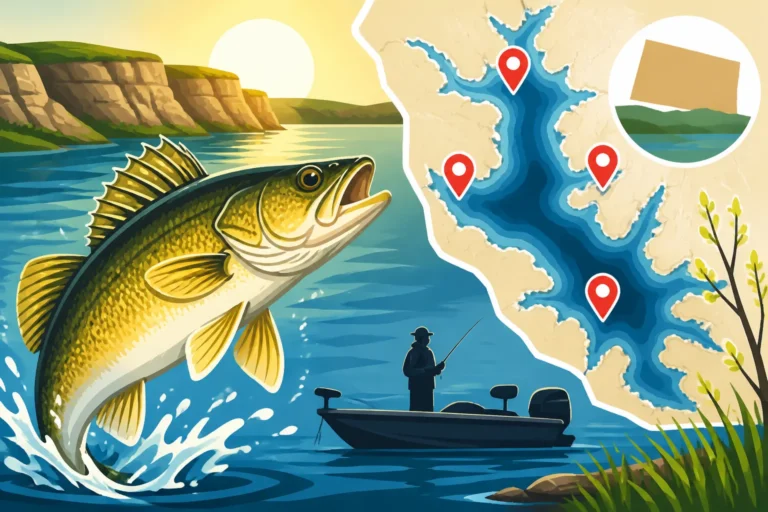
Points that extend out into the lake, particularly those with a gradual slope followed by a sharp drop-off into deeper water, are absolute magnets for walleye and smallmouth bass. Fish will often stage on these points, waiting for baitfish to swim by. The transition zones where the shallow water meets deeper water are crucial. Look for these topographical changes using your fish finder or a good lake map. On Lake Kampeska, several prominent points along the northern and eastern shores, as well as some of the larger islands, offer prime opportunities. Anglers often find success by trolling crankbaits along the edges of these drop-offs or by casting jigs with live bait or plastics directly onto the point and retrieving them down the break. The key is to present your lure right in that transition zone where predatory fish are most likely to ambush their prey.
Weed Beds and Emergent Vegetation
For northern pike, and often for larger perch and crappie, the extensive weed beds of Lake Kampeska are prime real estate. These submerged jungles provide cover, ambush points, and a rich feeding ground for many species. In the shallower bays and along the calmer shorelines, you'll find dense patches of coontail, milfoil, and other aquatic vegetation. Pike will often sit just inside these weed lines, ready to dart out and strike. Tossing spinnerbaits, spoons, or jerkbaits over and around the edges of these weed beds can be incredibly effective. For crappie and perch, fishing with small jigs tipped with a minnow or a soft plastic grub along the inside edge of the weeds, or in pockets within the vegetation, can produce excellent results. Don't be afraid to fish right in the thick stuff; that's where the big ones often hide.
Open Water Flats and Mud Basins
While structure is vital, sometimes the fish, especially walleye, will suspend over open water flats or in deeper mud basins, especially during the summer and winter months. These areas might seem featureless, but they can be crucial feeding grounds when baitfish school up. In summer, walleye might move offshore to chase schools of bait in cooler, deeper water, making trolling suspended crankbaits or spinner rigs highly effective. In winter, during ice fishing season, the deeper basins can become key congregating areas for perch and walleye. Using your electronics to locate schools of baitfish and the predators beneath them is paramount in these open water scenarios. Often, finding the bait is finding the fish, even if there isn't obvious hard structure. This is where a good understanding of Deep Water Summer Fishing Techniques really pays off.
Seasonal Fishing Strategies for Lake Kampeska
Lake Kampeska offers excellent fishing year-round, but success often hinges on adapting your strategies to the changing seasons. Fish behavior, location, and feeding patterns shift dramatically with water temperature and available forage. Understanding these seasonal nuances is key to maximizing your catch, whether you're chasing early spring walleye or bundling up for some late-season ice fishing.
Spring: Post-Spawn Walleye and Active Pike
Spring is an exciting time on Lake Kampeska. After ice-out, as water temperatures slowly begin to rise, walleye will move towards shallower spawning grounds. Once the spawn is complete, typically in late April to early May, these fish are hungry and often aggressive, moving to accessible feeding areas. Target shallow flats adjacent to deeper water, points, and emerging weed lines. Casting jigs tipped with minnows or soft plastics, or slowly trolling shallow-running crankbaits, can be incredibly effective. This is also a fantastic time for northern pike, which become very active in the warming, shallower waters, making them accessible to shore anglers as well. They'll be looking for an easy meal after their own spawn, often found in dense weeds or along sunny banks.
Summer: Deep Water Walleye and Panfish Bonanza
As summer progresses and water temperatures climb, many fish will shift to deeper, cooler waters, especially during the day. Walleye can be found suspending over deeper humps, along main lake points, or over open water flats where they follow baitfish schools. Trolling with crankbaits or spinner rigs at various depths becomes a dominant strategy. Look for fish on your electronics. Early morning and late evening bites can also be excellent in shallower water as fish move up to feed under lower light conditions. Summer is also a prime time for panfish. Yellow perch and crappie are abundant, often schooling in and around weed beds, submerged brush, or bridge pilings. They offer consistent action for those seeking a cooler full of fillets. For those looking to hire a guide to help navigate the vastness of the lake, services available through FishingBooker often have experienced local captains who specialize in summer walleye and panfish patterns.
Fall: Feeding Frenzies and Big Fish Potential
Fall on Lake Kampeska is often considered one of the best times for trophy potential. As water temperatures begin to drop, fish sense the approaching winter and engage in aggressive feeding frenzies to bulk up. Walleye move back into shallower waters and key structural elements like main lake points, reefs, and rocky areas. Trolling crankbaits, jigging plastics, or using live bait rigs (like slip bobbers with shiners) can all be highly effective. Northern pike are also incredibly active, often found in the remaining green weed beds, aggressively hitting larger spoons, spinnerbaits, and jerkbaits. This is when you can encounter some of the biggest fish of the year. The crisp air, beautiful foliage, and active fish make fall a truly magical time to be on Lake Kampeska. Many anglers plan their trips around this peak season, and booking a charter through FishingBooker for fall fishing can ensure you're with someone who knows these patterns intimately.
Winter: Ice Fishing Excitement
When Lake Kampeska freezes over, a whole new world of angling opens up. Ice fishing is incredibly popular here, offering consistent action for walleye, northern pike, and jumbo yellow perch. Anglers flock to the lake, setting up portable shanties or permanent houses. Walleye are often found over deeper breaks, humps, or main lake points, biting best on jigging spoons, small rattle baits, or tip-ups rigged with live minnows. Perch tend to school in deeper basins or over flats with some scattered structure, eager to hit tiny jigs tipped with wax worms or plastics. Northern pike can be caught on tip-ups with large shiners or dead bait fished near weed beds. Safety on the ice is paramount, so always check ice conditions before venturing out, and consider reading our South Dakota Ice Fishing Guide for essential tips and gear recommendations. This time of year offers a unique camaraderie among anglers, with many using online services like FishingBooker to find ice fishing guides who provide heated shanties and all the necessary gear.
Essential Techniques and Lure Selection
To truly succeed on Lake Kampeska, understanding the right techniques and having a well-stocked tackle box are crucial. Different species, seasons, and conditions call for varied approaches. Here, we’ll dive into some of the most effective methods and lure choices that will help you put more fish in the boat or on the ice.
Walleye Tactics: Jigs, Cranks, and Rigs
Walleye fishing on Lake Kampeska is diverse, requiring a range of techniques.
- Jigging: This is a year-round staple. In spring and fall, casting or pitching jigs (1/8 to 1/4 ounce) tipped with minnows, shiners, or soft plastic grub tails (like Berkley Gulp! Minnows) to shallow breaks and points is highly effective. In deeper water or during ice fishing, vertical jigging with heavier jigs or jigging spoons (like a Rapala Jigging Rap or Northland Buck-Shot Rattle Spoon) is often the key. Work the jig close to the bottom, employing a lift-and-drop retrieve.
- Trolling: For covering water and finding active fish, especially in summer and fall, trolling is hard to beat.
- Crankbaits: Utilize various diving crankbaits (e.g., Rapala Shad Raps, Berkley Flicker Shads, or Salmo Hornets) to target different depths. Match the hatch – consider baitfish colors like silver, perch, or firetiger. Experiment with trolling speeds and depths until you find what the fish prefer. Using planer boards can help spread out your lines and cover more water.
- Spinner Rigs: Often called "crawler harnesses," these are incredibly effective, especially when walleye are feeding on minnows or worms. Rigged with a bottom bouncer, a snell with beads and a spinner blade, and a live nightcrawler or plastic imitation, these rigs can be trolled slowly along breaks and flats.
- Live Bait Rigs: A simple slip bobber rig with a leech or a lively minnow is deadly for suspended walleye or when fishing over weeds. A Lindy Rig, using a walking sinker, swivel, and a snell with a hook, is perfect for slowly drifting live bait along the bottom.
Northern Pike Strategies: Spoons, Spinners, and Jerkbaits
Northern pike are aggressive eaters and respond well to a variety of artificial lures.
- Spoons: Classic spoons like Dardevles, Johnson Silver Minnows, or Eppinger Daredevle spoons in red/white, silver, or five-of-diamonds patterns are pike magnets. Cast them near weed edges, lily pads, or submerged logs and retrieve with a stop-and-go motion.
- Spinnerbaits: Large spinnerbaits with tandem blades and a substantial skirt (e.g., a Booyah Pikee Spinnerbait) are excellent for fishing through and around weeds, where pike often lurk. The flash and vibration can trigger aggressive strikes.
- Jerkbaits: Suspending jerkbaits (like a Rapala X-Rap or Smithwick Rogue) worked with a twitch-pause retrieve can be irresistible to pike, especially in cooler water. The erratic action mimics a wounded baitfish, perfect for triggering a predatory response.
- Topwater Lures: During summer in calmer conditions, topwater lures like buzzbaits or walking baits can lead to explosive strikes from pike hiding in the shallows.
Panfish: Jigs, Bobbers, and Small Baits
For perch and crappie, finesse is often the name of the game.
- Small Jigs: Tiny jigs (1/32 to 1/16 ounce) tipped with a piece of a wax worm, a small minnow, or a soft plastic micro-grub (like a Bobby Garland Itty Bitty Slab Slasher) are incredibly effective. Fish these under a small bobber or vertically jig them.
- Slip Bobber Rigs: A slip bobber allows you to easily adjust your depth and present a live minnow or a small jig precisely where the crappie or perch are holding. This is particularly useful when fish are suspended.
- Ice Fishing Specifics: When ice fishing for panfish, tiny tungsten jigs (e.g., a VMC Tungsten Worm Jig or a Clam Drop-Kick Jig) tipped with a couple of wax worms, spikes, or a small plastic larva are essential. Using a sensitive rod and reel and a flasher unit to see your bait and the fish is key. For more in-depth knowledge, our Best Bait for Ice Fishing Perch guide offers excellent advice.
Remember, fish can be picky, so having a variety of colors, sizes, and lure types on hand will increase your chances of success. Don't be afraid to experiment!
Accessing Lake Kampeska and Local Amenities
Getting to and around Lake Kampeska is straightforward, with excellent facilities for both boaters and shore anglers. The city of Watertown provides a welcoming base for your fishing adventure, offering all the services you might need. Knowing your access points and local resources can make your trip much smoother and more enjoyable.
Public Boat Ramps and Marinas
Lake Kampeska offers multiple well-maintained public boat ramps, ensuring easy access for anglers with boats of all sizes. These ramps are typically equipped with ample parking, making launch and retrieval hassle-free.
- Memorial Park Boat Ramp: Located on the north side of the lake, this is a popular and well-equipped ramp, offering good access to the northern bays and the main lake. It's often busy, especially on weekends, but provides excellent facilities.
- Stokes-Thomas Lake City Park Boat Ramp: Situated on the southeast side, this ramp is another excellent option, providing access to different parts of the lake. It's convenient for those staying in or near Watertown.
- Thompson Park: On the southwest side, offering good access to some of the lake's more secluded fishing areas.
In addition to public ramps, there are a few private marinas and resorts around the lake that offer launching services, fuel, and sometimes boat rentals. For a comprehensive list and details, check out our Best Public Boat Ramps Near Watertown resource. Always remember to practice good boat ramp etiquette to keep things running smoothly for everyone.
Shore Fishing Opportunities
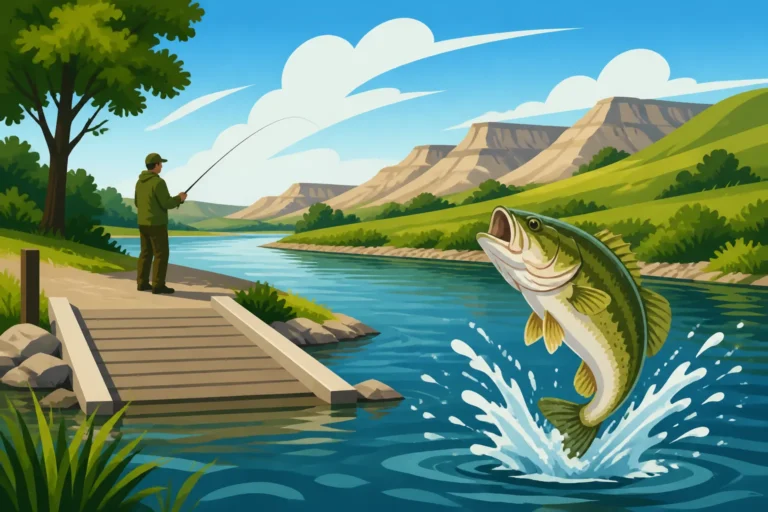
While Lake Kampeska is very popular with boaters, there are still some decent opportunities for shore anglers, especially for panfish and northern pike. Public parks around the lake, such as Memorial Park and Stokes-Thomas Lake City Park, often have designated fishing piers or accessible shorelines where you can cast a line. These spots are particularly good for families or those without a boat, and you can often find decent action for yellow perch and crappie, especially in the spring and fall. For northern pike, look for areas with weed access or submerged structure within casting distance. Always be respectful of private property and adhere to all posted regulations when fishing from shore.
Local Services in Watertown
Watertown, South Dakota, is the closest major city to Lake Kampeska and offers all the amenities an angler could need. You'll find a wide selection of bait and tackle shops, where you can pick up live bait, local lures, and get up-to-date fishing reports. Stores like Walmart often carry basic fishing supplies, but a dedicated bait shop will provide more specialized gear and invaluable local advice. There are also numerous restaurants, lodging options from hotels to campgrounds, and gas stations readily available. If you're planning an extended trip, consider securing your South Dakota Annual Fishing License and any necessary permits beforehand, although these can often be purchased at local vendors or online. Many visitors also explore options through FishingBooker for guided trips, which often include all necessary gear and local insights.
Navigating Regulations and Responsible Angling
Fishing on Lake Kampeska, like anywhere in South Dakota, comes with a set of regulations designed to protect the fishery and ensure sustainable enjoyment for all. It's not just about avoiding fines; it's about being a responsible steward of our natural resources. A little preparation goes a long way in ensuring your trip is legal and ethical.
Understanding South Dakota Fishing Regulations
Before you even think about wetting a line, it's absolutely crucial to familiarize yourself with the current South Dakota Fishing Regulations Explained. These regulations are published annually by the South Dakota Game, Fish and Parks (GFP) and cover everything from season dates and daily limits to size restrictions and bait rules. Lake Kampeska may have specific regulations that differ from statewide rules, especially concerning walleye slot limits or possession limits, so always check the most recent GFP handbook or website. For example, understanding South Dakota Walleye Limits is vital if you're targeting the lake's most popular species. Ignorance of the law is never an excuse, and game wardens patrol Lake Kampeska regularly to ensure compliance.
License and Stamp Requirements
Almost all anglers 16 years and older are required to possess a valid South Dakota fishing license. There are various options available, including resident and nonresident annual licenses, as well as shorter-term licenses like the South Dakota Three-Day Fishing License for visitors. In addition to a general fishing license, a South Dakota Habitat Stamp is also required for most anglers. This stamp contributes directly to habitat development and improvement projects across the state, benefiting fish and wildlife populations. Do you need to buy a South Dakota Habitat Stamp Requirements along with your license? Most likely, yes, unless you fall under specific exemptions. These costs are minimal compared to the overall enjoyment you'll get from your trip. Always carry your license and stamp with you while fishing, either physically or electronically, as proof of purchase.
Ethical Angling and Conservation Practices
Beyond simply following the rules, ethical angling practices are paramount for the long-term health of Lake Kampeska's fishery.
- Catch and Release: If you're not planning on eating your catch, or if you catch a fish outside the legal slot limit, practice responsible catch and release. Handle fish minimally, wet your hands before touching them, and release them quickly to ensure their survival. Consider using barbless hooks for easier release.
- Clean Your Gear: Help prevent the spread of aquatic invasive species (AIS) by cleaning, draining, and drying your boat, trailer, and all fishing gear after each outing. This includes removing all visible plants and mud. AIS like zebra mussels can devastate a lake's ecosystem, and it's up to every angler to prevent their spread.
- Respect the Environment: Pack out everything you pack in. Don't leave trash, fishing line, or bait containers on the shore or in the water. Leave the lake cleaner than you found it.
- Report Violations: If you witness any poaching or other illegal fishing activities, report them to the South Dakota Game, Fish and Parks. Protecting this valuable resource is a community effort.
By adhering to these guidelines, you contribute to a healthy and sustainable fishery for future generations to enjoy.
| Fish Species | Best Season | Primary Techniques | Recommended Lures/Bait | Typical Location |
|---|---|---|---|---|
| Walleye | Spring, Fall, Winter | Jigging, Trolling, Live Bait Rigs | Minnows, Crankbaits, Jigs, Crawler Harnesses, Jigging Spoons | Points, Drop-offs, Deep Flats, Humps |
| Northern Pike | Spring, Fall, Summer | Casting, Trolling | Spoons, Spinnerbaits, Jerkbaits, Large Minnows | Weed Beds, Shallow Bays, Structure |
| Yellow Perch | All Seasons | Jigging, Bobber Fishing | Wax Worms, Spikes, Small Minnows, Micro Jigs | Weed Lines, Deep Basins, Structure |
| Crappie | Spring, Summer, Fall | Jigging, Slip Bobbers | Small Minnows, Micro Jigs, Tiny Plastic Grubs | Submerged Brush, Weeds, Timber, Piers |
Disclaimer
The information provided in this guide is for general informational purposes only and is subject to change. Fishing regulations, conditions, and fish populations can vary. Always consult the official South Dakota Game, Fish and Parks regulations prior to your trip to ensure compliance with the most current rules. Local conditions, weather, and ice thickness should always be checked for safety. Fishing carries inherent risks, and anglers are responsible for their own safety and adherence to all laws.