Deep Water Summer Fishing Techniques
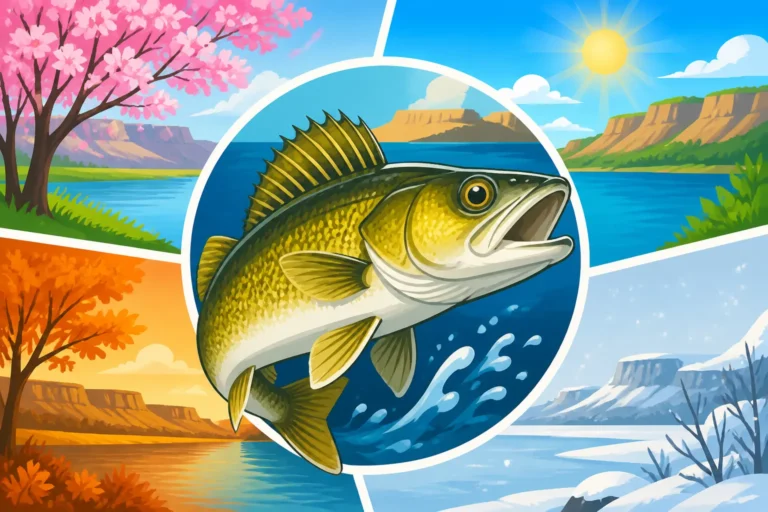
Oh, summer fishing in South Dakota! It’s truly a special time, full of long, sunny days on the water. But let's be real, it also brings a unique challenge: the fish, especially those sought-after walleye and feisty smallmouth, tend to move deep as water temperatures rise. That can feel incredibly frustrating when you're out there, rods bent, but not connecting with anything. This comprehensive guide is here to unravel the mysteries of deep-water summer fishing techniques, ensuring you can locate, understand, and successfully catch those elusive fish holding in cooler, deeper sanctuaries across South Dakota's fantastic fisheries.
Understanding Summer Deep Water Behavior
When the sun beats down and the surface waters warm up, fish don't just disappear; they simply seek refuge in more comfortable environments. Understanding why they go deep and where they choose to hide is the first step to unlocking summer fishing success.
Why Fish Go Deep in Summer
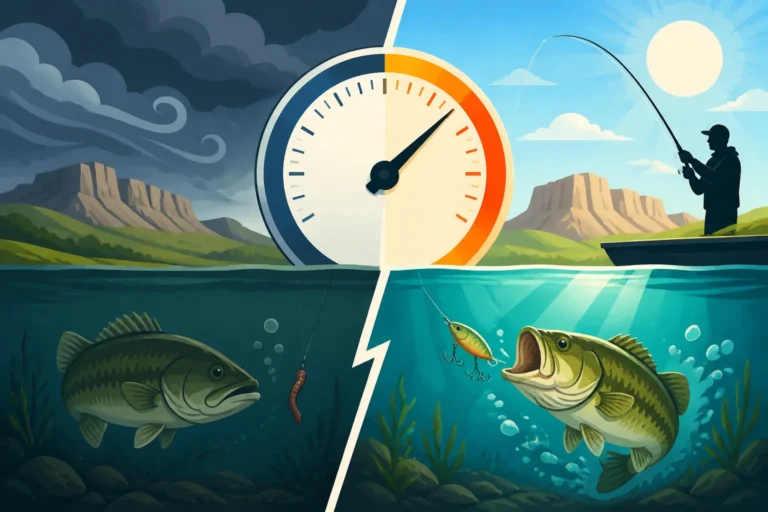
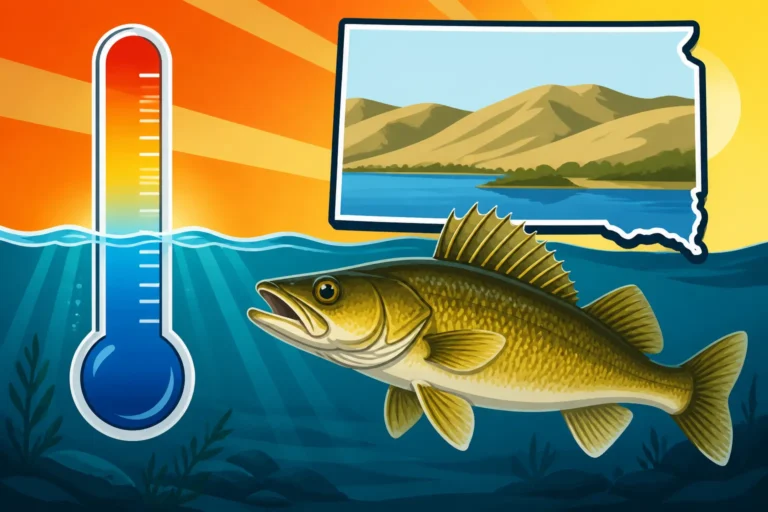
The primary reason fish move to deeper water in the summer is comfort. Just like us, they have an optimal temperature range where they thrive, feed, and feel safe. As the shallow waters heat up, often exceeding these comfortable thresholds, fish migrate to deeper sections of lakes and reservoirs where the water remains cooler and more stable. This often means finding the thermocline – a distinct layer in the water column where the temperature drops rapidly. Below this line, oxygen levels can also drop in some lakes, so fish will hold just above or within the most oxygenated part of the cooler water.
Beyond temperature, light penetration plays a huge role. Intense summer sunlight can be uncomfortable for many species, particularly predatory fish like walleye, which have eyes adapted for low-light conditions. Deeper water offers natural shade and reduced light intensity, providing a sense of security from overhead predators (like eagles or ospreys) and allowing them to ambush prey more effectively. The increased boat traffic and fishing pressure in shallower areas can also push fish deeper, adding another layer of challenge for anglers.
Another critical factor is forage. While baitfish might be present in shallower areas, many schools of baitfish, like smelt or shad, will also move to deeper, cooler water to escape predators and find plankton blooms. Where the bait goes, the game fish follow. Understanding these migratory patterns of both predators and prey is key. When you find significant schools of baitfish stacked up in deeper zones on your sonar, you can bet the walleye, smallmouth, or salmon are not far behind, patiently waiting for an easy meal. This constant interplay of temperature, light, and food sources dictates where fish will hold during the warmer months.
Identifying Key Deep Water Structures
Finding fish that have retreated to deep water isn't about aimlessly drifting; it's about targeting specific structures that offer them food, shelter, and comfort. On South Dakota's vast Missouri River reservoirs like Lake Oahe, Lake Sharpe, and Lake Francis Case, you'll want to focus on distinct geological features. Look for ledges where the bottom drops off sharply, creating a vertical change in depth. Humps, which are elevated areas on the lake bottom, often surrounded by deeper water, act as magnets for bait and predatory fish. Submerged points that extend far out into the main lake or old creek beds and river channels are also prime locations, acting as highways for migrating fish and ambush points.
The beauty of modern electronics cannot be overstated here. Gone are the days of guessing. Your depth finder, equipped with detailed mapping and sonar, becomes your most valuable tool. Learn to interpret contour maps to identify these structures before you even drop a line. Look for areas where contour lines are tightly packed, indicating a steep drop-off, or where they form circles or fingers, pointing to humps and points. Once on the water, use your 2D sonar, Down Imaging, and Side Imaging to confirm these structures and, crucially, to mark bait schools and individual fish holding on or around them. You'll be amazed at the detail you can see when you learn to read the screen.
Beyond these natural formations, man-made structures often create excellent deep-water habitats. Submerged bridge abutments, old roadbeds, and even flooded timber from when the reservoirs were created can be fantastic fish-holding spots. These structures provide cover and can concentrate baitfish, making them ideal hunting grounds for larger predatory species. Keep an eye out for any anomalies on your sonar that don't look like natural bottom features. These could be isolated rock piles or old foundations that offer a perfect deep-water ambush point. Remember, the goal is not just to find deep water, but to find structured deep water where fish have a reason to be.
Essential Gear for Deep Water Success
You wouldn't bring a butter knife to a steak dinner, and you certainly shouldn't head out for deep-water summer fishing with gear designed for shallow, finesse presentations. Specialized rods, reels, lines, and, most importantly, advanced electronics are not just nice-to-haves; they are essential for success when the fish go deep.
Rods, Reels, and Line Choices
When you're fishing deep, sensitivity and power are paramount. You need to feel those subtle bites through many feet of line and have the backbone to set the hook effectively from a distance. For walleye and smallmouth bass, a medium-heavy to heavy power spinning or baitcasting rod, typically 6'6" to 7'6" in length, with a fast or extra-fast action, is often ideal. The longer rod provides better leverage for hook sets and fighting fish, while the fast action helps you detect delicate bites and transmits information from your lure clearly. Think about how much line stretch you're dealing with; a softer action rod would absorb too much of that crucial hook-setting energy.
For reels, a high-quality spinning reel in a 2500-4000 series size will serve you well for most walleye and smallmouth scenarios, offering smooth drag and good line capacity. If you prefer baitcasting, opt for a model with a high retrieve ratio (7.1:1 or higher) to quickly retrieve slack line after a bite or to bring your lure back up from depth. The smoother the retrieve, the less fatigue you'll experience from cranking up heavy deep-diving crankbaits or lead core setups. Having a reliable drag system is also incredibly important for fighting larger fish that might make powerful runs in deep water.
Line choice is critical for deep-water presentations. Braided line, with its near-zero stretch, offers unparalleled sensitivity, allowing you to feel every bump, tick, and subtle take, even at 50 feet or more. A good starting point would be 10-20 pound test braid. However, braid is visible in clear water, so always use a fluorocarbon leader (8-15 pound test, 5-10 feet long) for invisibility and abrasion resistance, especially when fishing around rocky structures. Fluorocarbon also sinks, helping your lure get down faster. For trolling specific presentations like lead core, you'll need specialized multi-color lines designed to get your lures to specific depths. You can find a vast array of these lines on Amazon, perfect for stocking up before your next trip.
Mastering Sonar and Electronics
Modern sonar and marine electronics have revolutionized deep-water fishing, turning what used to be a guessing game into a precise, targeted endeavor. Understanding and properly utilizing your fish finder's capabilities is arguably the most important skill you can develop for summer deep-water success. Your 2D sonar provides a traditional view of what's directly beneath your boat, showing depth, bottom composition, and fish arches. Learn to adjust sensitivity to cut through clutter and reveal those faint arches representing fish hugging the bottom or suspended in the water column.
Down Imaging (often called DownScan or ClearVü) offers a photographic-like view directly below your boat, rendering structure and fish with incredible detail. This is invaluable for identifying specific features like submerged timber, rock piles, or old roadbeds, and for seeing how fish are relating to that structure. Side Imaging (SideScan or StructureScan) takes it a step further, allowing you to see out to the sides of your boat, scanning vast areas for structure and fish without having to drive directly over them. Imagine being able to see a school of walleye holding on a submerged hump 80 feet off your port side – it's a game-changer for efficiently locating fish.
Coupled with these imaging technologies, GPS mapping is non-negotiable. Pre-loaded high-definition maps provide detailed contours, allowing you to scout potential deep-water structures before you even launch. Mark waypoints on your GPS for every fish you catch, every bait ball you see, and every promising piece of structure. Over time, these waypoints will paint a detailed picture of fish movements and preferences. Many units, like those from Garmin or Humminbird, also allow you to create your own custom contour maps in real-time as you drive over areas, providing an even more personalized and accurate view of the bottom. Finding the Best Fish Finders for South Dakota Lakes involves considering these advanced features to maximize your deep-water fishing potential. Mastering your electronics transforms fishing from a hunt into a strategic pursuit.
Deep Water Presentation Techniques
Once you've located the fish and have the right gear, it's all about how you present your lure or bait. Deep-water fishing requires specific techniques that can effectively reach and entice fish holding in the lower parts of the water column.
Trolling for Deep Walleye and Salmon
Trolling is undeniably one of the most effective methods for covering large expanses of deep water and finding scattered fish, especially for walleye and the impressive Chinook Salmon in South Dakota. The key is understanding how to get your lure to the desired depth consistently. Deep-diving crankbaits are a staple, designed with large lips to quickly descend to depths of 15-30 feet on their own. Experiment with different crankbait models and sizes, paying close attention to their advertised dive curves. Your boat speed, line type, and the amount of line out will all impact the actual running depth, so practice and consult dive charts.
To get lures even deeper, you'll need additional weight or specialized lines. Lead core line, a braided line with a lead filament woven into it, is a classic method. Each color section (typically 10 yards) adds roughly 5 feet of depth at typical trolling speeds. By letting out a specific number of colors, you can precisely control your lure's depth. Snap weights, which are removable weights clipped onto your line at a distance from your lure, offer a flexible way to add depth without committing to a full lead core setup. Both methods require a bit of trial and error to truly master, but they are invaluable for putting lures in front of deep-holding fish. Learning about Trolling for Walleye on Lake Oahe is a fantastic way to grasp these techniques in a real-world scenario.
For maximum depth control and precision, especially when targeting Chinook Salmon on Lake Oahe, downriggers are king. These specialized devices allow you to clip your fishing line to a heavy cannonball that's lowered to a precise depth, carrying your lure with it. When a fish strikes, your line pops free from the downrigger release, allowing you to fight the fish directly. Downriggers are essential for presenting spoons or flies at specific depths in the massive water column of Lake Oahe. Additionally, planer boards can be used in conjunction with deep-diving crankbaits or lead core to spread your lines out horizontally, covering a wider swath of water and preventing tangles, especially when running multiple rods.
Vertical Jigging and Live Bait Rigs
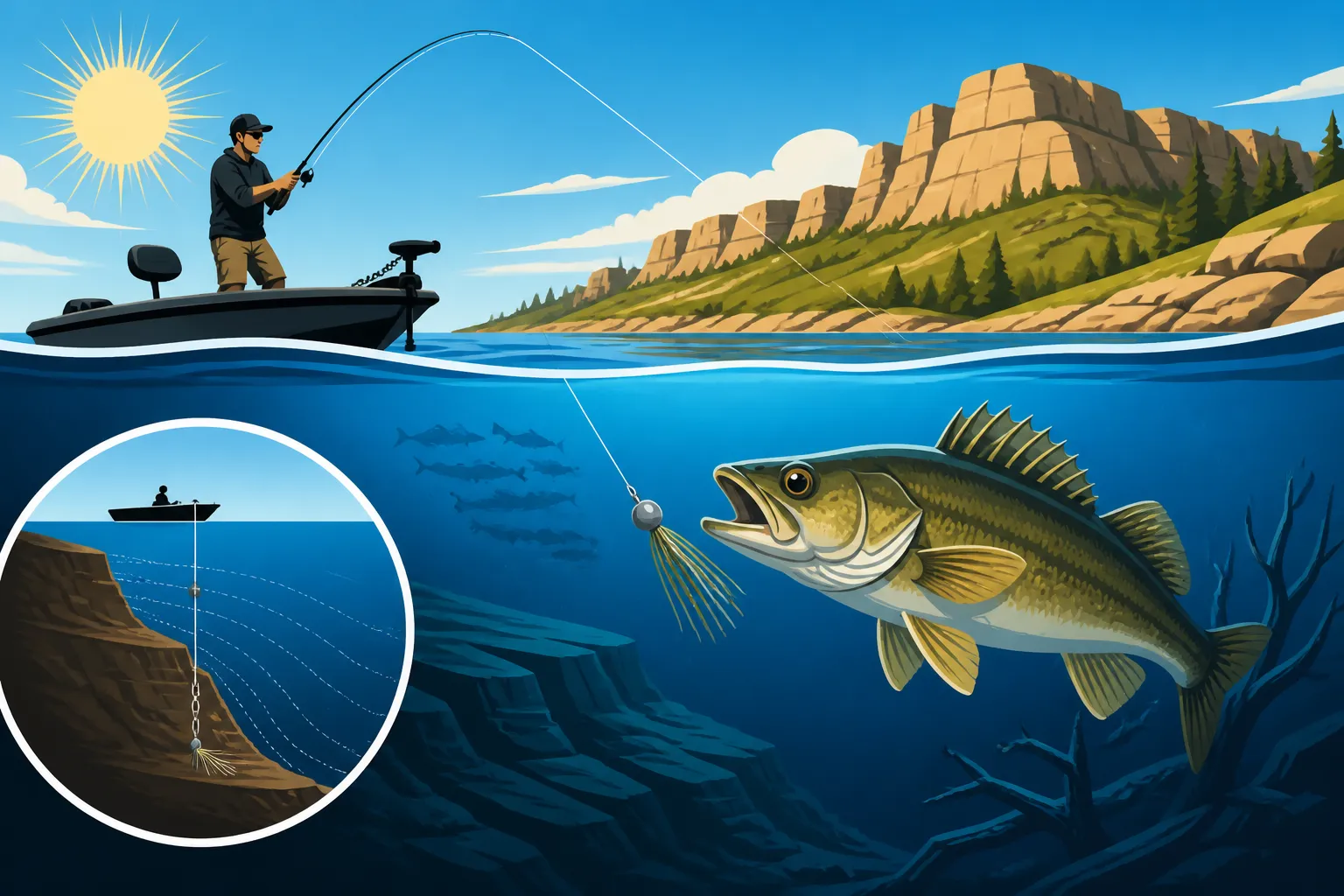
When fish are tightly schooled on deep structure, or holding in precise locations, vertical jigging can be incredibly effective. This technique involves positioning your boat directly over the fish you see on your sonar and dropping a lure straight down. Heavy jigs, such as blade baits (e.g., those by Johnson or Sebile) or jigging spoons (like a Northland Buck-Shot Rattle Spoon), are excellent choices. The idea is to lift and drop the lure, mimicking a fleeing baitfish. The fall rate and flash of these lures often trigger an aggressive reaction strike. It takes practice to distinguish bites from bottom bumps, but the reward can be big walleye.
For a more subtle presentation with live bait, especially when fish are less aggressive, a slip bobber rig can be incredibly deadly. The slip bobber allows you to adjust your bait's depth with a simple bobber stop knot, letting your live minnow, leech, or nightcrawler sit perfectly suspended just above a deep hump or along a submerged ledge. This is particularly effective for presenting live bait to finicky walleye or crappie that might not chase a fast-moving jig. The key is to keep your boat positioned correctly over the structure, often requiring a good trolling motor with spot-lock capabilities to hold steady against wind and current.
Another classic deep-water live bait presentation is the bottom bouncer rig. This setup features a weighted wire arm that minimizes snags by "bouncing" over the bottom, keeping your bait (typically a spinner harness with a nightcrawler or a plain hook with a leech) just off the lakebed. These rigs are fantastic for slowly drifting or slow-trolling along deep contour lines, allowing your bait to be presented right in the strike zone where walleye are often found feeding. They are less prone to snagging than a direct jig-to-bottom contact and can be customized with different spinner blades or bead patterns to add attraction. Many anglers find success slow-drifting these rigs on Lake Francis Case Fishing Guide for walleye.
Drop Shotting and Carolina Rigging
For targeting deep-water smallmouth bass, and even some walleye, the drop shot and Carolina rig are finesse techniques that allow for precise presentations in challenging conditions. The drop shot rig, originating from Japan, involves tying your hook directly to the main line, leaving a tag end below it where a sinker is attached. This allows your bait (typically a small soft plastic minnow, worm, or grub) to sit suspended horizontally at a specific depth above the bottom, even when the sinker is resting on the lakebed. It’s incredibly effective for targeting suspended fish or those holding tight to rocky points and humps. The subtle movements of the boat or rod tip impart action to the bait without moving it from the strike zone.
The Carolina rig is another fantastic choice for deep-water presentations, particularly when you need to cover ground on deep flats or drag a bait through scattered rock piles. This rig consists of a heavy sinker (often an egg sinker or Mojo weight) threaded onto the main line, followed by a bead (to protect the knot), a swivel, and then a leader (usually 2-4 feet of fluorocarbon) tied to a soft plastic bait. The weight on the main line drags along the bottom, while the bait floats and dances enticingly behind it. This creates a distinct separation between the weight and the lure, allowing for a more natural presentation, especially for wary smallmouth bass.
Deciding between a drop shot and a Carolina rig often comes down to fish behavior and structure. If fish are suspended or holding tightly to a specific vertical feature, the drop shot's precise, stationary presentation is often superior. If you need to cover more water, especially on expansive deep flats or along more gradual contours, the Carolina rig's dragging action allows you to bump into more fish. Both rigs require sensitive rods and braided main lines with fluorocarbon leaders to detect the subtle bites common when fishing deep with finesse techniques. They are invaluable tools for anglers looking to catch South Dakota Smallmouth Bass Fishing Guide in their summer haunts.
Lure and Bait Selection for Deep Water
Choosing the right lure or bait is just as crucial as the technique you employ. What works in shallow, murky spring waters often won't cut it in deep, clear summer environments. You need presentations that are designed to get deep, provide the right action, and appeal to the fish's summer feeding patterns.
Crankbaits and Trolling Lures
When it comes to covering water at depth, deep-diving crankbaits are the undisputed champions. These lures are engineered with large, aggressive bills that force them to dive rapidly when trolled or retrieved quickly. Brands like Rapala, Berkley, and Salmo offer a wide range of deep-divers, such as the Rapala Deep Husky Jerk, Berkley Flicker Shad, or the Salmo Hornet. Understanding the "dive curve" of each crankbait – how deep it will run at a given speed with a certain amount of line out – is essential. Many manufacturers provide this data, and it's worth taking the time to learn these nuances. Matching the lure's depth to the fish's holding depth is paramount, so carrying a variety of lures with different dive capabilities is a smart move.
For targeting Chinook Salmon, especially on Lake Oahe, spoons are a highly effective choice. Long, thin trolling spoons like those from Silver Streak, Stinger, or Michigan Stinger, designed to mimic smelt or other baitfish, are a common go-to. These spoons have a seductive wobbling action when trolled and come in an incredible array of colors and patterns. The key here is often color: experiment with bright, flashy colors on cloudy days or in stained water, and more natural, subtle patterns on sunny days or in very clear deep water. Flash and vibration are crucial to attracting salmon from a distance in the vastness of the lake.
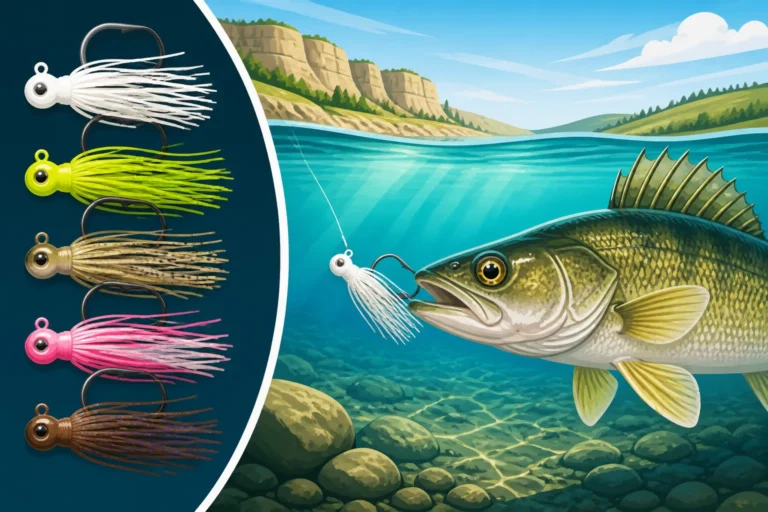
Color choice for any deep-water lure needs careful consideration. While bright colors like chartreuse or firetiger might be visible in low light or stained water, in deeper, clearer conditions, more natural baitfish patterns (shad, perch, silver, bluegill) often prove more effective. However, don't shy away from purple or pink, as these colors can be surprisingly visible and effective at depth where other colors fade. Consider the water clarity of the specific lake you're fishing. For instance, the Missouri River reservoirs can range from relatively clear to somewhat stained, influencing your ideal color palette. Having a selection of the Best Lures for South Dakota Walleye that cover different depths and color spectrums is always a good strategy.
Jigs, Plastics, and Live Bait
When vertical presentations are called for, jigs and soft plastics come to the forefront. Heavy jigs, particularly blade baits (such as the Heddon Sonar or Sebile Vibrato) and jigging spoons (like the Johnson Silver Minnow or Rapala Jigging Rap), are excellent for getting down quickly and providing an irresistible vibration or flash. These are often fished directly beneath the boat, jigged aggressively to draw attention, and then allowed to fall on a semi-slack line, during which many bites occur. Pay close attention to your line as it falls; a sudden stop or twitch often indicates a take.
Soft plastics offer incredible versatility and a natural feel that can be irresistible to deep-water fish. Grubs, paddle tails, tubes, and straight worms rigged on jig heads, drop shot rigs, or Carolina rigs can mimic a wide range of baitfish and invertebrates. On Amazon, you can find an enormous selection of soft plastic baits from brands like Keitech, Z-Man, and Gary Yamamoto. Experiment with different shapes, sizes, and colors. Often, a subtle, natural presentation with a soft plastic can outperform more aggressive lures when fish are pressured or lethargic. Scented plastics can also add an extra layer of attraction in deep, dark water.
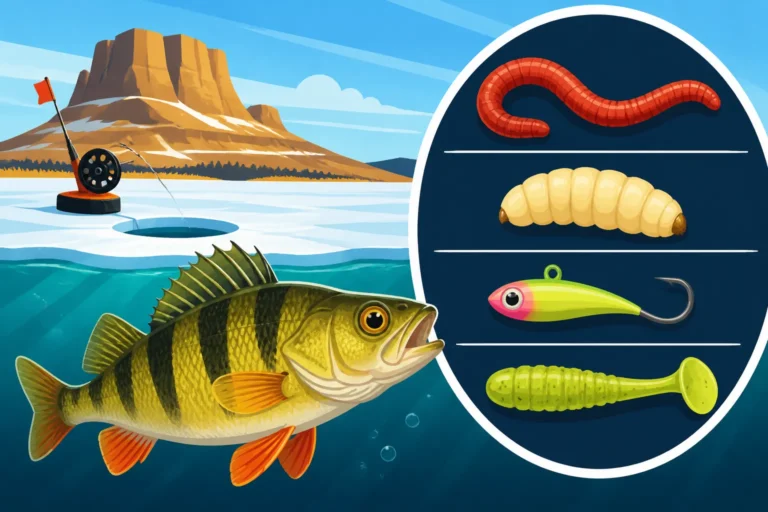
And then there's live bait – often the ultimate trump card for deep-water walleye and smallmouth. Nightcrawlers, leeches, and minnows are universal fish catchers. When fishing deep in summer, keeping your live bait healthy is paramount. Invest in a good aerated bait bucket and an insulated bait cooler, which you can also find on Amazon, to keep your minnows lively and your nightcrawlers cool. Whether threaded onto a spinner rig, presented under a slip bobber, or simply tipped on a jig, live bait provides natural scent, action, and taste that artificials can't always replicate, making them an essential part of your deep-water arsenal.
Best South Dakota Waters for Deep Water Fishing
South Dakota boasts an incredible diversity of fishing opportunities, but when it comes to deep-water summer techniques, a few bodies of water truly stand out as prime destinations. These lakes and reservoirs offer the depth, structure, and fish populations to make deep-water angling a rewarding experience.
Missouri River Reservoirs
The four mainstem Missouri River reservoirs are the undisputed champions of deep-water fishing in South Dakota. These vast bodies of water—Lake Oahe, Lake Sharpe, Lake Francis Case, and Lewis and Clark Lake—were created by damming the Missouri River, resulting in incredible depth and intricate submerged river channels, points, and humps that are perfect for summer fish.
Lake Oahe, stretching over 230 miles from Pierre to Bismarck, North Dakota, is arguably the crown jewel. It's renowned for its incredible walleye fishery, with fish often holding in 30-60 feet of water during summer. Beyond walleye, it's the only lake in the state with a thriving Chinook Salmon population, which provides a unique and exciting deep-water trolling opportunity. Areas around Whitlock Bay near Gettysburg are famous for salmon in the fall, but they can be found deep throughout the lake in summer. A good Lake Oahe Fishing Guide will detail specific deep-water hotspots.
Downstream, Lake Sharpe, nestled between Oahe and Big Bend Dams, is another fantastic deep-water walleye and smallmouth bass fishery. The tailrace areas below Oahe Dam often hold concentrations of fish in deep current seams, and the main lake offers extensive ledges and humps where walleye gather. Lake Sharpe Fishing Guide describes how smallmouth bass often relate to the rocky riprap and deeper rocky points, offering excellent opportunities for drop-shotting and Carolina rigging.
Lake Francis Case and Lewis and Clark Lake, further south, complete the quartet. Lake Francis Case, with its clear waters and distinct river channel, is a phenomenal walleye and smallmouth fishery. Anglers often find success slow-trolling bottom bouncers or vertically jigging blade baits along the old river channel edges. Lewis and Clark Lake, near Yankton, offers similar opportunities for walleye and smallmouth, often with impressive crappie populations holding in deeper timber or brush piles. All these reservoirs benefit from sophisticated electronics to pinpoint the subtle deep-water structures that hold fish.
Glacial Lakes and Black Hills Reservoirs
While the Missouri River reservoirs get a lot of the deep-water attention, other South Dakota waters shouldn't be overlooked. The Glacial Lakes region in eastern South Dakota, dotted with natural lakes formed by glaciers, offers surprisingly productive deep-water opportunities. Lakes like Lake Thompson, Lake Poinsett, and Lake Kampeska can reach depths of 20-30 feet or more, providing plenty of room for walleye and perch to retreat during summer. These lakes often have distinct breaklines and subtle humps that concentrate fish, making them ideal for bottom bouncer rigs or deep-diving crankbaits.
Moving west to the rugged beauty of the Black Hills, you'll find a different kind of deep-water fishery: trout in crystal-clear reservoirs. Pactola Reservoir and Sheridan Lake, for instance, are relatively deep mountain lakes that hold rainbow, brown, and brook trout. While trout can be found closer to the surface in spring and fall, during the heat of summer, they often descend to the cooler, oxygenated depths, sometimes 30-60 feet down or more. Techniques like trolling small spoons or spinners with lead core or downriggers, or even vertical jigging small spoons, can be effective here. Understanding South Dakota Trout Limits in the Black Hills is crucial for these unique fisheries. These high-altitude lakes present a distinct challenge and reward for anglers willing to explore their depths.
Overcoming Common Deep Water Challenges
Deep water fishing isn't without its hurdles. The very environment that draws the fish in summer also presents unique challenges to anglers. However, with a bit of foresight and the right techniques, these obstacles can be successfully navigated.
Dealing with Wind and Current
South Dakota is known for its wind, and on large reservoirs, it can make deep-water fishing incredibly challenging. Strong winds create chop that makes boat control difficult, pushes your boat off structure, and makes feeling subtle bites nearly impossible. Current, especially on the Missouri River system below the dams, adds another layer of complexity, constantly pulling your line and boat. To counteract wind, a robust trolling motor with GPS spot-lock technology is a game-changer. This feature allows your boat to automatically hold its position over a waypoint, letting you focus on fishing rather than constantly steering. You can find excellent trolling motors and accessories on Amazon to upgrade your setup.
Another effective tool for drift control, particularly when bottom bouncing or slow-drifting live bait, is a drift sock (also known as a drift anchor or sea anchor). These parachute-like devices are deployed off the side or bow of your boat and significantly slow your drift speed, allowing your lures to maintain contact with the bottom and stay in the strike zone longer. For anchoring in windy conditions, a heavy anchor (like a sturdy box anchor or a large river anchor) with plenty of rope (at least 3-4 times the depth you're fishing) is essential. For current, adjust your lure weights; you'll often need heavier jigs or sinkers to maintain bottom contact, and remember to always cast upstream and allow your bait to drift naturally into the strike zone.
Managing Line Twist and Snags
Deep-water fishing, with its extended line lengths and reliance on certain lures, can unfortunately lead to line twist and frustrating snags. Line twist can severely weaken your line, reduce sensitivity, and lead to annoying tangles. It's often caused by lures that spin (like some spoons or incorrectly rigged spinners) or by retrieving without tension. To combat this, always use high-quality ball-bearing swivels between your main line and leader, especially when trolling or using lures prone to spinning. Check your line periodically for twist, and if it's severe, let out all your line without a lure in open water and troll slowly to let it untwist itself.
Snags are an inevitable part of fishing around deep structure. The key is to minimize them and know how to deal with them when they happen. When fishing jigs or bottom bouncers, always try to "feel" the bottom, lifting your rod tip when you feel an obstacle rather than dragging over it. For soft plastics on Carolina or drop shot rigs, use a weedless hook where possible. If you do get snagged, resist the urge to violently yank. Instead, try to approach the snag from a different angle, giving the line slack and then gently pulling. Often, the lure will come free. Sometimes, a "lure knocker" or "lure retriever" (a heavy device slid down your line) can save expensive baits. But realistically, some snags are unavoidable, so be prepared to re-tie, and always check your knot strength after a snag or a fish.
Fish Care in Deep Water
Catching fish from deep water can sometimes stress them, particularly if they're destined for release. Fish brought up quickly from significant depths (often 25-30 feet or more) can experience barotrauma, where expanding gases in their swim bladder cause it to overinflate, pushing out eyes or stomach. This can make it impossible for the fish to swim back down. If you're practicing catch-and-release, it's crucial to be aware of this and take steps to ensure the fish's survival.
When you bring up a fish showing signs of barotrauma, two primary methods can help: fizzing (venting) or using a descending device. Fizzing involves carefully releasing the excess gas from the swim bladder with a hypodermic needle. This should only be done if you are confident and knowledgeable in the technique, as improper fizzing can harm the fish. Descending devices are often a safer and more recommended option for anglers. These tools attach to the fish's jaw or lip and are weighted, allowing you to quickly lower the fish back down to its original depth, where the pressure re-compresses the swim bladder, enabling it to swim away naturally. You can find various descending devices and fizzing tools on Amazon if you choose to include them in your tackle box.
Regardless of the method, proper handling is key. Minimize the fish's time out of water, use wet hands when handling, and support its full body length. If you observe a fish struggling to swim down after release, consider using a descending device. By taking these extra steps, you help ensure the long-term health of South Dakota's fantastic deep-water fisheries for generations to come.
Deep Water Fishing Techniques Comparison Table
| Technique | Primary Target Species | Typical Depth Range (ft) | Best Conditions | Pros | Cons |
|---|---|---|---|---|---|
| Trolling | Walleye, Chinook Salmon, Pike | 15-70+ | Covering large areas, scattered fish | Covers vast water, efficient, consistent depth | Requires boat, can be expensive gear, less finesse |
| Vertical Jigging | Walleye, Perch, Bass, Crappie | 20-60 | Fish schooled on structure, precise location | Excellent for pinpointing fish, active presentation, good for aggressive bites | Requires precise boat control, can be physically demanding, higher snag risk |
| Slip Bobber Rig | Walleye, Crappie, Perch, Catfish | 10-40 | Finesse, less aggressive fish, specific depth | Natural live bait presentation, easy to detect bites, precise depth control | Limited to live bait, susceptible to wind, slower presentation |
| Drop Shotting | Smallmouth Bass, Walleye | 15-50 | Finesse, suspended fish, rocky bottom | Super sensitive, keeps bait in strike zone, minimal snags on bottom | Less effective for covering water, lighter presentations, can be slow |
| Carolina Rigging | Smallmouth Bass, Walleye | 20-60 | Deep flats, scattered structure, covering ground | Covers water, natural presentation, good for targeting bottom-hugging fish | Less precise than drop shot, can pick up some bottom debris |
Disclaimer
The information provided in this guide is for general informational purposes only. Fishing regulations, season dates, and limits in South Dakota can change frequently. Always consult the latest South Dakota Game, Fish and Parks (GFP) regulations handbook or their official website before heading out on the water. Following all local and state laws is your responsibility.