Best Lures for South Dakota Walleye
One of the biggest head-scratchers for any angler venturing into South Dakota's renowned walleye waters is figuring out which lure to tie on. With diverse habitats from the vast Missouri River reservoirs to the shallower glacial lakes, what works one day or one lake might completely flop the next, leading to frustrating days of no bites. This guide aims to clear up that confusion, offering a comprehensive look at the best lures for South Dakota walleye, helping you fill your livewell regardless of the season or conditions.
The Versatility of Crankbaits for South Dakota Walleye
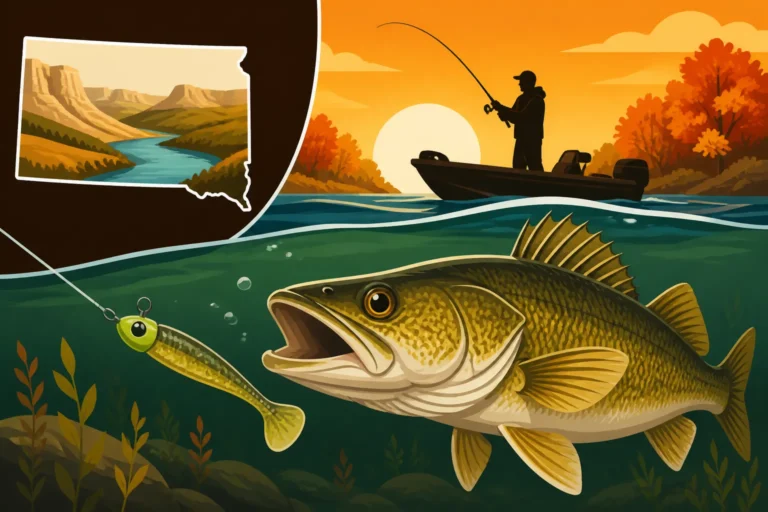
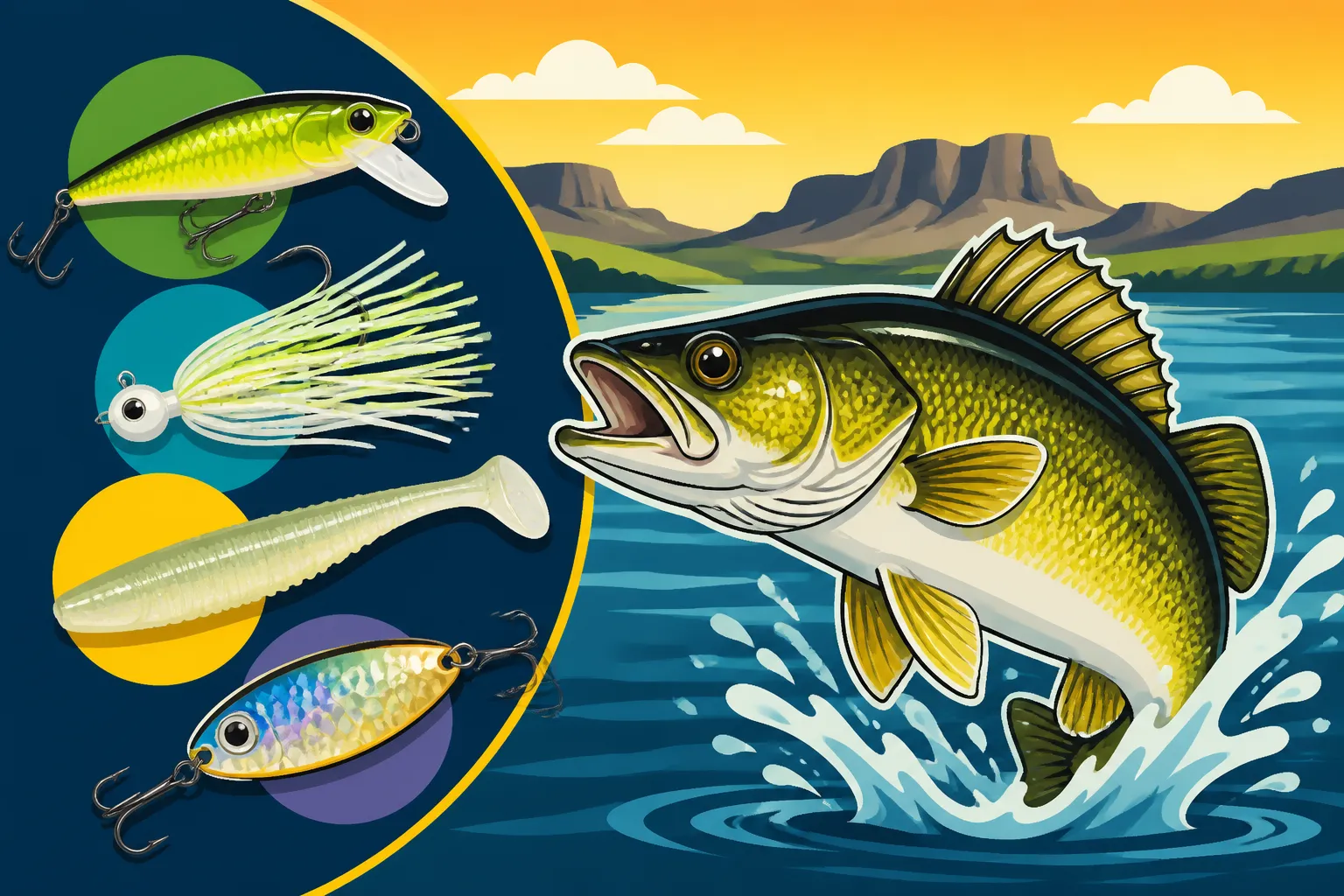
Crankbaits are an absolute staple in any serious walleye angler's tackle box, and for good reason. Their ability to imitate fleeing baitfish, combined with their inherent vibration and erratic action, makes them irresistible to hungry walleye across a wide range of conditions. In South Dakota, especially on our massive Missouri River reservoirs like Lake Oahe, Lake Sharpe, and Lake Francis Case, trolling crankbaits is a time-honored tradition that puts a lot of fish in the boat.
The challenge with crankbaits often comes down to matching the hatch and knowing how deep your lure is actually running. Many anglers get hung up on buying a handful of "hot" colors, only to find they're fishing them at the wrong depth or speed for the given conditions. It's not just about the color; it's about the entire presentation. Understanding the subtle nuances of crankbait selection and deployment can dramatically increase your success.
Trolling Crankbaits on Large Reservoirs
When you're out on the expansive waters of Lake Oahe or Lake Sharpe, covering water efficiently is key, and trolling crankbaits excels at this. You're effectively presenting a fast-moving meal to active walleye that are often spread out across large flats, along submerged creek channels, or over deep points. Different crankbait styles are designed to dive to specific depths, making it crucial to select one that gets into the feeding zone where the walleye are holding. Brands like Rapala, Berkley, and Bandit offer a vast array of options.
For summer walleye, when fish might be suspended deeper over open water or relating to deeper structure, long-lipped diving crankbaits are your best friend. These lures can reach depths of 15 to 30 feet or more on their own, or even deeper when paired with lead core line or snap weights. The key is to experiment with trolling speeds, typically between 1.5 to 2.5 mph, to find what cadence triggers bites. Don't be afraid to make S-turns with your boat; the momentary speed changes and lure surges can often elicit a strike from a following fish. If you're looking for more specific guidance, check out our in-depth article on Trolling for Walleye on Lake Oahe.
Shallow Casting and Controlled Depth Cranks
While trolling dominates on the big lakes, there are plenty of scenarios where casting crankbaits, or using shallower models, is incredibly effective, especially during the spring and fall transitions. Early in the season, when walleye move into shallower bays, river sections, and shorelines to spawn or feed on newly available forage, shallow-diving or suspending crankbaits really shine. Think about areas with emerging weeds, riprap banks, or rocky points – these are prime locations for casting.
Crankbaits that run 3-10 feet deep are ideal for these situations. A suspending crankbait, which hovers at a specific depth when paused, can be absolutely deadly. Cast it out, retrieve it a bit, then pause for several seconds. Many times, the strike will come on that pause as the walleye investigates the seemingly injured baitfish. On rivers like the James or the Big Sioux, or even shallower sections of the Missouri River system, stickbaits that mimic minnows are incredibly effective. You can find a huge variety of these types of lures on platforms like Amazon, making it easy to experiment with different brands and dive curves. This technique is often a crucial part of South Dakota Spring Walleye Fishing Techniques.
The Undeniable Effectiveness of Jigs
Jigs are arguably the most versatile lure for walleye fishing, and certainly one of the most productive in South Dakota. From the fast currents of the Missouri River tailwaters to the expansive flats of our glacial lakes, there's almost always a situation where a jig can catch a walleye. The beauty of jigs lies in their simplicity and the endless ways you can present them. They can mimic everything from baitfish to crawfish to insects, making them adaptable to whatever the walleye are feeding on.
However, many anglers treat jigs as a one-size-fits-all solution, simply casting and reeling. To truly unlock their potential, you need to understand how different jig heads, weights, and soft plastic or live bait pairings can dramatically alter your presentation and appeal to walleye in various moods and environments. This requires a bit of finesse and an understanding of the conditions you're fishing.
Vertical Jigging in Current and Structure
Vertical jigging is a powerhouse technique, particularly effective in areas with current, such as the Missouri River tailwaters below the dams or along distinct current seams. The idea is to keep your jig directly below your boat, allowing you to maintain precise contact with the bottom and detect subtle bites. This method shines when walleye are hugging structure like submerged riprap, rock piles, or channel edges, often in relatively deeper water.
For these conditions, a heavier jig (typically 1/4 to 3/8 ounce, sometimes heavier depending on current) with a sturdy hook is essential. Pair it with a minnow, a half nightcrawler, or a lively plastic minnow imitation. The presentation is key: a sharp lift of the rod tip, followed by a controlled fall back to the bottom. The fish often strike on the fall, so paying attention to your line is critical. Sometimes, just holding the jig perfectly still, barely touching bottom, is all it takes. For a deeper dive into this, consult our guide on Jigging Techniques for Missouri River Walleye.
Pitching Jigs to Shallow Cover
Beyond vertical presentations, pitching jigs to shallow cover is incredibly effective, especially in spring, early summer, and fall, when walleye are cruising closer to shore or relating to emergent vegetation. This technique involves casting your jig to specific targets like weed edges, dock pilings, rock reefs, or fallen timber. It's a more active, search-and-destroy style of fishing that requires accuracy and a keen eye for fish-holding structure.
Lighter jigs (1/8 to 1/4 ounce) are often preferred for pitching, allowing for a slower, more natural fall. Pair them with soft plastic grubs, paddle tails, or creature baits that mimic small baitfish or crawfish. Experiment with retrieve styles: a slow, steady retrieve with occasional twitches, or a lift-and-drop presentation that hops the jig along the bottom. Water clarity often dictates jig color; natural hues like greens and browns work well in clear water, while brighter colors like chartreuse and orange can be devastating in stained or muddy conditions. When you're looking for new jig styles or soft plastics, a quick search on Amazon will show you just how many options there are to tailor your presentation.
The Allure of Spinner Rigs and Live Bait Combinations
When walleye are scattered, finicky, or simply not responding to aggressive presentations, a slow and steady spinner rig often saves the day. These rigs combine the attraction of a flashing blade with the irresistible scent and texture of live bait, making them one of the most consistently productive choices for South Dakota walleye. They are especially popular on the Missouri River system and many of the eastern glacial lakes during the warmer months, when walleye are actively feeding.
Many anglers might think a spinner rig is just a spinner rig, but there's a world of variation in blade types, sizes, colors, and live bait choices that can significantly impact your success. The beauty lies in their adaptability to different depths and situations, making them a true multi-tool in the walleye angler's arsenal.
Bottom Bouncers and Crawler Harnesses
The bottom bouncer, paired with a crawler harness, is perhaps the quintessential walleye fishing rig in South Dakota. This setup is designed to keep your bait hovering just above the bottom, allowing you to troll or drift slowly without constantly snagging. It's incredibly effective for covering large areas, especially over subtle changes in depth, along old creek channels, or over flats where walleye might be cruising.
The bottom bouncer weight should be chosen based on depth and current; a good rule of thumb is 1 ounce per 10 feet of water, plus an extra ounce for significant current. The crawler harness itself typically features two or three hooks to properly hold a nightcrawler, along with one or more spinner blades. Willowleaf blades offer a subtle flash, while Colorado blades provide more thump and lift, ideal for stained water or slower speeds. Experiment with blade colors, from natural silver and gold to brighter chartreuse and orange, depending on water clarity and sunlight. This technique is often a key part of South Dakota Summer Walleye Fishing Techniques.
Slow Death Rigs for Finicky Walleye
For those days when walleye are particularly tight-lipped, the "Slow Death" rig can be an absolute game-changer. This rig utilizes a specially bent hook (often called a Slow Death hook) that, when threaded with a half nightcrawler, imparts a corkscrew spinning action as it's trolled or drifted slowly. This unique, irresistible action is often just what it takes to trigger a strike from hesitant walleye.
Like crawler harnesses, Slow Death rigs are typically fished in conjunction with a bottom bouncer, keeping the bait near the bottom. The optimal trolling speed is usually very slow, often between 0.8 and 1.5 mph, just fast enough to get that distinctive corkscrew action. The subtle presentation and natural scent of the nightcrawler make it incredibly effective, particularly on bright, calm days when walleye tend to be more wary. Many anglers will keep a selection of these hooks and pre-tied rigs in their tackle box, which are readily available from various retailers, including the extensive selection on Amazon.
Live Bait Rigs and Their Natural Presentation
Sometimes, the best "lure" isn't artificial at all. Live bait, with its natural scent, movement, and lifelike appeal, often outperforms artificial presentations, especially when walleye are passive or picky. In South Dakota, live bait is an indispensable tool for walleye anglers, providing a natural option that fish rarely refuse. The key is knowing which live bait to use, how to rig it effectively, and when to deploy these techniques for maximum impact.
The beauty of live bait fishing lies in its simplicity, yet it also demands a careful touch. Presenting live bait naturally, whether suspended or drifted along the bottom, can make all the difference between a productive day and a frustrating one. This approach often requires patience, but the rewards can be significant, especially for larger, more cautious walleye.
Slip Bobbers for Suspended Walleye
When walleye are suspended in the water column, perhaps over deep structure, around baitfish schools, or in weed pockets, a slip bobber rig is incredibly effective. This setup allows you to present your live bait (typically a minnow or a leech) at a precise, controlled depth, no matter how deep the water is. Unlike fixed bobbers, a slip bobber slides freely on your line, stopping at a pre-set bobber stop, which allows for easy casting and deep presentations.
The ideal scenario for slip bobber fishing often involves locating schools of walleye or baitfish on your fish finder, then dropping your bait directly into their zone. A lively shiner or fathead minnow, hooked lightly through the lips or dorsal fin, is usually the bait of choice. The subtle movement of the live bait under the bobber, combined with its natural scent, is often too much for a walleye to ignore. This method is fantastic for targeting individual fish or small groups found on breaks or humps. Learning How to Rig a Slip Bobber for Walleye can greatly improve your success with this technique.
Plain Hook Rigs for Bottom Contact
For walleye that are hugging the bottom, especially in areas with current or when drifting slowly over flats, a simple plain hook rig, often weighted with a split shot or small sinker, is hard to beat. This minimalist approach allows the live bait to move as naturally as possible, mimicking a wounded baitfish or a crawling insect. This technique is particularly effective with nightcrawlers or large leeches.
To fish a plain hook rig effectively, you typically drift with the current or use your trolling motor to slowly propel your boat, allowing the bait to tumble or crawl along the bottom. The trick is to use just enough weight to maintain bottom contact without hindering the bait's natural movement. This presentation can be deadly in the current of the Missouri River below Gavins Point Dam, or when targeting walleye on the sprawling mud flats of Lake Francis Case. A slow, subtle approach is key, and bites often feel like a gentle tap or increased weight on your line.
Specialized Lures for Unique Walleye Scenarios
While crankbaits, jigs, and live bait rigs cover the vast majority of walleye fishing situations, there are always those unique scenarios or seasonal demands that call for something a little different. Having a few specialized lures in your tackle box can be the secret weapon that turns a slow day into a memorable one. These often come into play during specific times of the year, like the dead of winter, or when fish are concentrated in particular depths or conditions.
Understanding these specialized presentations allows you to diversify your approach and adapt to the walleye's ever-changing moods and locations. Sometimes, a subtle difference in action or profile is all it takes to trigger a bite that other lures couldn't.
Blade Baits for Aggressive Vertical Jigging
Blade baits are a fascinating and incredibly effective lure, particularly in cooler water temperatures or when walleye are schooled tightly on structure. These thin, metal lures vibrate intensely on the retrieve or lift, imitating a frantic baitfish. Their compact size and heavy weight for their profile mean they sink quickly, making them perfect for aggressive vertical jigging or casting to deep-water structure.
In South Dakota, blade baits are popular for targeting walleye that are stacked up on deep breaks, humps, or in the current seams below dams during late fall and winter. The technique involves sharp lifts and drops, letting the lure fall on a slack line. The walleye often strike as the bait flutters down. Colors can vary, but chrome, gold, and firetiger patterns are often top producers. You can find a fantastic selection of blade baits, from brands like Heddon and Johnson, on Amazon, ready for your next cold-water outing. This can be a vital part of your Winter Walleye Fishing Techniques.
Spoons for Ice Fishing and Deep Water
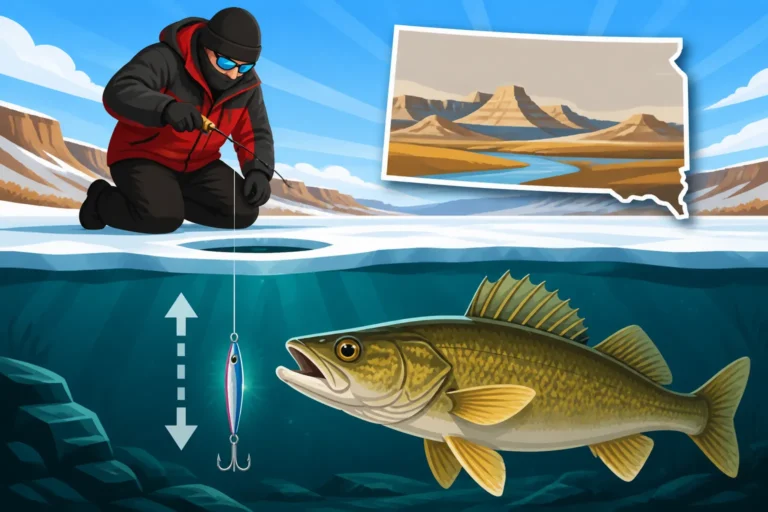
Spoons, especially jigging spoons, are another cold-water favorite that transition seamlessly between open water and ice fishing. Their fluttering, erratic action on the fall is highly attractive to walleye, mimicking dying baitfish or something stirred up from the bottom. They are excellent for vertical presentations, whether you're dangling them down an ice hole or working them over deep rock piles from a boat.
For ice fishing, smaller jigging spoons are often tipped with a minnow head or a maggot to add scent and subtle action. Popular choices include spoons from Northland Tackle and Lindy. The technique involves lifting the spoon sharply, then letting it flutter back down, watching your flasher closely for any interested fish. In open water, heavier spoons can be cast and jigged back to the boat, or even trolled at slow speeds for suspended walleye. They are especially useful during the South Dakota Fall Walleye Fishing Techniques when fish are aggressively feeding before winter.
Choosing the Right Walleye Lure: A Situational Guide
Deciding on the "best" lure for South Dakota walleye isn't about finding a single magic bullet; it's about understanding the specific conditions you're facing and having a diverse arsenal ready to adapt. The Missouri River reservoirs, glacial lakes, and smaller rivers all present different challenges and opportunities, and walleye behavior can change dramatically with the seasons, water temperature, and forage availability.
Anglers often get stuck in a rut, using the same lure and technique every time, even when it's clearly not working. The key to consistent success is to be flexible, observe the water, and be willing to experiment. Pay attention to what the fish are telling you – whether they prefer a fast, aggressive presentation or a subtle, slow-moving meal.
Matching Lure Type to Season and Depth
The time of year and the depth you're fishing are two of the most critical factors in lure selection. Walleye behavior shifts dramatically between the cold water of spring and fall, the warm water of summer, and the icy grip of winter.
- Spring (Ice Out to Post-Spawn): Focus on shallow to mid-depth presentations. Jigs tipped with minnows or plastics are deadly in rivers and shallow bays. Shallow-diving crankbaits are excellent for covering water along shorelines. Live bait rigs, especially with leeches or minnows under slip bobbers, can entice wary post-spawn fish.
- Summer (Warm Water): Walleye often move deeper to find cooler water and stable temperatures. Trolling deep-diving crankbaits or bottom bouncers with crawler harnesses is highly effective for covering large flats and structural elements on the main lake bodies. Look for fish suspended over bait schools, where crankbaits or even jigging spoons can work.
- Fall (Cooling Water): This is a fantastic time for aggressive feeding as walleye fatten up for winter. Larger crankbaits, both trolled and cast, can entice bigger fish. Jigs with minnows become potent again, especially around rocky points and channel edges. Blade baits and jigging spoons also start to shine as water temperatures drop. You can find more targeted advice in our guide to Best Lures for Fall Walleye on Lake Oahe.
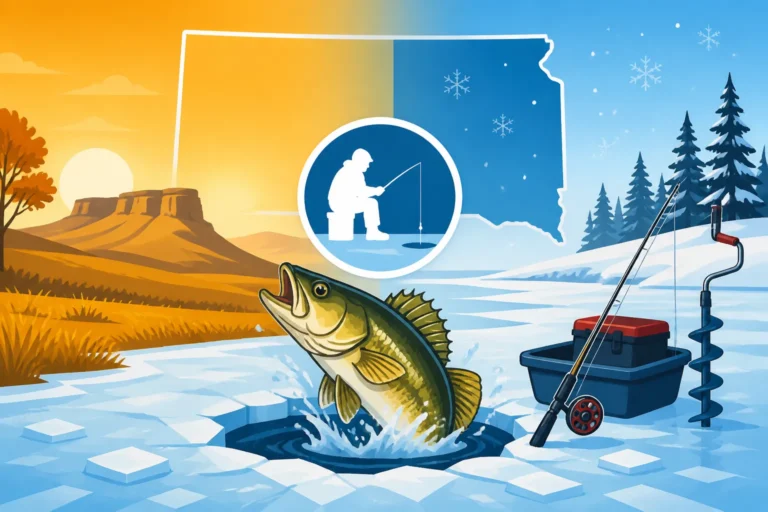
- Winter (Ice Fishing): Vertical presentations are paramount. Jigging spoons, blade baits, and small jigs tipped with minnows or waxworms are the go-to choices. Electronics like flashers become invaluable for spotting fish and judging their reaction to your lure.
It's about having the right tool for the job. Don't be afraid to try something different if your go-to isn't producing.
The Importance of Color and Action
While depth and presentation are paramount, color and action play significant supporting roles. Water clarity, sunlight conditions, and even the local forage base can influence what colors walleye prefer on any given day.
- Color: In clear water, natural baitfish patterns (silver, perch, shiner) or subtle greens and browns tend to be most effective. In stained or muddy water, bright colors like chartreuse, orange, firetiger, or bright pink can create a visual target that walleye can easily home in on. On overcast days or in low light, darker colors can create a stronger silhouette, while on bright days, reflective finishes (chrome, gold) can be powerful attractors.
- Action: The lure's action dictates how it moves through the water. Aggressive, wide-wobbling crankbaits create a lot of vibration, which can draw fish from a distance, especially in stained water. Subtle, tight-wobbling crankbaits or gentle jigging actions might be better for wary fish in clear water or when they are less active. The corkscrew action of a Slow Death rig, for instance, is unique and often triggers bites when other actions fail.
Sometimes, a slight modification, like adding a small spinner blade to a jig or a different colored plastic to a jig head, can make all the difference. Keep a variety of colors and actions in your tackle box, purchased from places like your local tackle shop or online retailers like Amazon, and be ready to switch things up until you find what the walleye want.
Lure Comparison Table for South Dakota Walleye
To help you quickly decide which lure might be best for your next trip, here's a quick comparison of the top choices based on common South Dakota fishing scenarios:
| Lure Type | Best Season | Best Depth Range (Approx.) | Preferred Water Type | Key Advantages | Typical Bait Pairing (if applicable) |
|---|---|---|---|---|---|
| Crankbaits | Spring, Summer, Fall | 5-30+ feet | Large Reservoirs, Lakes | Covers water fast, mimics baitfish, versatile | N/A (artificial) |
| Jigs | Year-Round | 0-40 feet | Rivers, Lakes, Reservoirs | Highly versatile, bottom contact, precise | Minnows, Plastics, Nightcrawlers |
| Spinner Rigs (Bottom Bouncers) | Summer, Fall | 10-40 feet | Large Reservoirs, Lakes | Covers water, scent trail, irresistible action | Nightcrawlers, Leeches |
| Slip Bobber Rigs | Spring, Summer, Fall | 5-30 feet | Lakes, Reservoirs, Weeds | Suspends bait naturally, precise depth control | Minnows, Leeches |
| Blade Baits | Fall, Winter | 15-50+ feet | Rivers, Deep Structures | Aggressive vibration, fast sink, good in current | N/A (artificial), sometimes tipped with minnow head |
| Jigging Spoons | Fall, Winter | 10-50+ feet | Ice, Deep Structures | Fluttering fall, compact, mimics dying bait | N/A (artificial), often tipped with minnow head |
This table provides a quick reference, but remember, fishing is an art as much as a science. Don't be afraid to experiment outside these general guidelines. Sometimes, breaking the "rules" is what leads to the biggest catches.
Final Thoughts on Your Walleye Lure Strategy
South Dakota is a walleye angler's paradise, but success often hinges on understanding the nuances of lure selection and presentation. There's no single "best" lure, but rather a collection of highly effective tools that, when used correctly, can unlock incredible fishing opportunities. From the aggressive strikes on a trolled crankbait to the subtle tap on a jig or the steady pull of a bottom bouncer, each lure offers a unique advantage in specific situations.
Always start by observing the conditions: water temperature, clarity, wind, current, and known fish depths. Then, choose a lure type that logically matches those conditions and the walleye's likely behavior. Don't be afraid to change lures, colors, or retrieve speeds until you find what's working. And remember, sometimes the smallest details, like a fresh nightcrawler or a slightly different jigging cadence, can make all the difference. Keep learning, keep adapting, and you'll find plenty of success chasing walleye across the great state of South Dakota. For more general advice, consider exploring our comprehensive How to Fish for Walleye in South Dakota guide.
Disclaimer
The information provided in this guide is for general informational purposes only. Fishing regulations, seasons, and limits can change, and it is the responsibility of the angler to consult the latest South Dakota Game, Fish and Parks regulations before heading out on the water. Always prioritize safety and practice responsible angling.