Winter Walleye Fishing Techniques
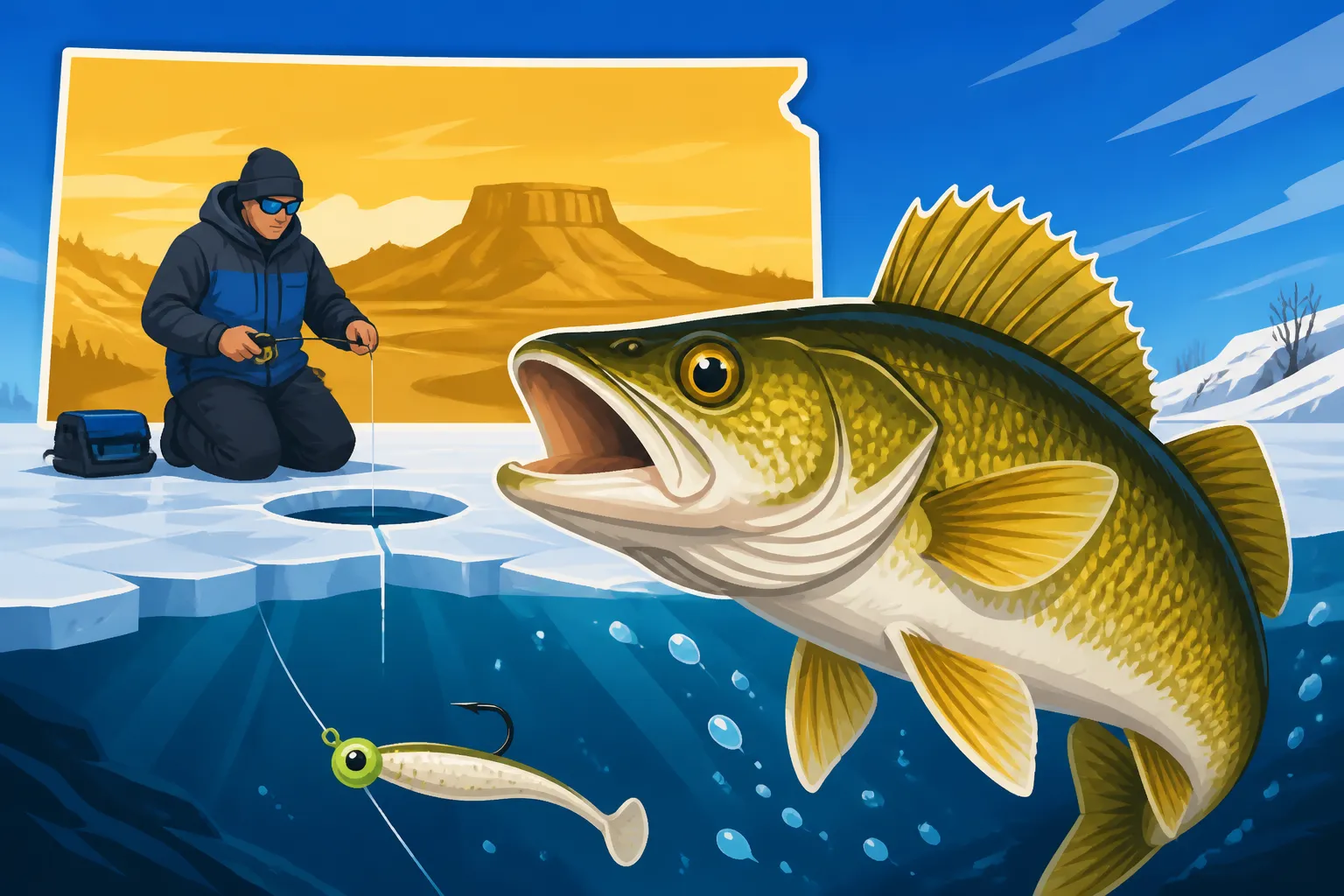
The bite can get incredibly tough once South Dakota's vast lakes and reservoirs succumb to winter's icy grip. Many anglers pack away their gear, intimidated by the thought of braving frigid temperatures and drilling through thick ice, but for those who understand the nuances of winter walleye behavior and techniques, the rewards can be truly exceptional. This comprehensive guide will equip you with the knowledge, strategies, and confidence to find and catch walleye under the ice, transforming your winter fishing experience.
Understanding Winter Walleye Behavior
Winter walleye fishing isn't just about punching a hole and dropping a line; it's a strategic game of understanding how these elusive fish adapt to their frozen environment. Their metabolism slows, their diet shifts, and their preferred habitats change dramatically compared to open water seasons.
Where Walleye Go When the Ice Forms
As the water temperatures drop and ice begins to cap the lakes and reservoirs across South Dakota, walleye undergo a significant shift in their movement and habitat preferences. They become less active overall, conserving energy, but they still need to feed. In the early ice period, you'll often find them clinging to structures they frequented in late fall. Think about those main lake points, breaks, and weed lines that held fish before the freeze. As the ice thickens and winter progresses into its colder, stable phase, walleye will often retreat to deeper, more stable environments.
On massive bodies of water like Lake Oahe or Lake Sharpe, this can mean congregating in large schools along the deep edges of main lake channels, significant humps, or submerged islands. They're seeking thermal stability and proximity to deepwater forage. You might find them in 20 to 40 feet of water, often suspending slightly off the bottom or relating to subtle changes in contour. shallower bays, which might have been excellent in early winter, can become less productive as oxygen levels drop and baitfish move out. However, don't dismiss the shallower areas entirely during low-light conditions or after a fresh snowmelt, as these can bring temporary feeding opportunities. Understanding these depth and structure preferences is your first step to locating them beneath the hard water, a crucial piece of the puzzle for successful ice fishing.
Seasonal Changes in Walleye Diet and Activity
Walleye metabolism slows considerably in winter, meaning they don't need to eat as frequently or as aggressively as they do during warmer months. This is why the bite often feels more subtle and "finicky." Their diet primarily consists of smaller, slower-moving prey fish that are easier to ambush. Shad, smelt, and various panfish species become key forage. On Lake Oahe, for instance, walleye often key in on the schools of cisco and smelt that inhabit the deeper basins. This dietary shift means your lure selection and presentation need to mimic these slower, smaller forage options.
Activity levels also fluctuate greatly. While there can be brief windows of aggressive feeding, especially during dawn, dusk, or periods of stable barometric pressure, much of the winter walleye activity is characterized by short feeding bursts. They're less likely to chase a fast-moving bait over long distances. Instead, they prefer something presented right in front of them, requiring minimal effort to strike. This is where patience, precise lure presentation, and a keen eye on your electronics become paramount. You might see fish on your flasher, but getting them to commit can be a true test of skill, demanding a gentle touch and realistic bait presentation. For a broader understanding of how walleye activity changes throughout the year, explore our guide on South Dakota Walleye Fishing Guide.
Essential Gear for Winter Walleye Fishing
Going after walleye through the ice in South Dakota requires a specific set of tools. You can't just use your open-water setup and expect success. The right gear makes a huge difference not only in catching fish but also in staying comfortable and safe. If you're new to the hardwater scene, our Ice Fishing Gear Basics for Beginners article is a great starting point.
Specialized Rods, Reels, and Line for Ice Fishing
The nuances of winter walleye fishing demand specialized rods and reels that allow for the delicate presentations and subtle bite detection necessary. Ice fishing rods are typically much shorter than their open-water counterparts, usually ranging from 24 to 36 inches. This shorter length provides better control in tight spaces inside ice shelters and enhances sensitivity for detecting light bites. Look for rods with a fast action tip that transitions into a more powerful backbone. The sensitive tip will show you those barely-there strikes, while the backbone is crucial for setting the hook and fighting a strong walleye. Rods from brands like St. Croix or Fenwick are popular choices among serious ice anglers.
Reels are usually smaller spinning reels, sized 500 or 1000, chosen for their smooth drag and ability to handle cold temperatures without freezing up. Inline reels are also gaining popularity, especially for jigging, as they help eliminate line twist. When it comes to line, a good fluorocarbon main line or a fluorocarbon leader is often preferred in clear water due to its low visibility and minimal stretch, which aids in sensitivity. Braided line, with a fluorocarbon leader, is also a strong contender for its extreme sensitivity and strength, making it easier to feel faint bites, particularly when using a fish finder. For most walleye applications, 6-10 pound test is a good starting point. You can often find a wide selection of these specialized rods, reels, and lines on platforms like Amazon.
The Importance of a Good Ice Auger and Shelter
You won't catch walleye if you can't get through the ice, and that's where a reliable ice auger comes in. For South Dakota's often thick winter ice, a powered auger is almost a necessity. Gas, propane, or electric augers make quick work of even two or three feet of ice, allowing you to move freely and quickly to chase fish. Popular brands include Eskimo, ION, and StrikeMaster. The diameter of your auger is important too; an 8-inch auger is generally sufficient for walleye, but some anglers prefer a 10-inch for bigger fish or if they plan on running multiple lines through one hole. You can learn more about how thick the ice should be before fishing in South Dakota by consulting dedicated safety guidelines.
Once you've punched your holes, an ice shelter provides crucial protection from the elements, allowing you to focus on fishing rather than fighting frostbite. Hub-style shelters offer spacious comfort, while flip-over shelters are ideal for mobility, especially if you're frequently moving to locate active fish. A good shelter, combined with a portable heater (we'll cover those in a moment), can turn a miserable cold day into a comfortable and productive one. Brands like Clam, Otter, and Frabill offer a range of options to suit different needs and budgets, many of which are readily available online.
Electronics: Flashers, Sonar, and Underwater Cameras
In the world of winter walleye fishing, electronics are your eyes beneath the ice. A quality flasher or sonar unit is arguably the most important piece of gear. Devices like those from Vexilar, Marcum, and Humminbird allow you to see your lure, detect fish approaching it, and observe how they react in real-time. This feedback is invaluable for adjusting your presentation and determining what triggers a bite. For deepwater walleye, being able to precisely identify the depth of the fish and present your bait just above them can be the difference between a limit and an empty bucket.
More advanced anglers might also incorporate GPS-enabled sonar units that allow you to mark productive spots, track your movements, and navigate safely on vast frozen lakes. Underwater cameras, while not as essential as a flasher, offer a fascinating glimpse into the underwater world. They can help you confirm species identification, observe fish behavior, and even locate structure or baitfish schools that your sonar might miss, especially in clearer waters. The ability to see exactly how a walleye is reacting to your jigging motion can teach you invaluable lessons and refine your technique.
Top Winter Walleye Fishing Techniques
Once you've got your gear sorted, it's time to talk tactics. Winter walleye demand a nuanced approach. They're often lethargic, so your presentation needs to be enticing, right in their strike zone, and convincing enough to overcome their reduced metabolism.
Jigging and Deadsticking Strategies
Jigging is perhaps the most active and popular method for enticing winter walleye. This involves using a short, sensitive rod to impart action to a lure, typically a spoon or a jigging rap. The key is to find a cadence that triggers bites. This often means experimenting with different jigging motions: sharp lifts, subtle shakes, long pauses, and slow drops. Walleye often hit on the fall or when the lure is paused motionless. A common strategy is to aggressively jig to attract fish, then subtle down to a quiver or dead-stick presentation once they show interest on your flasher.
Deadsticking, on the other hand, is a more passive approach but incredibly effective, especially for finicky walleye. This involves a second rod (where regulations allow for multiple lines, check South Dakota Fishing Regulations Explained before you go!) with a live minnow or a small jig suspended at a specific depth, often just off the bottom or slightly above visible fish. The rod is left relatively motionless in a rod holder, allowing the minnow's natural movements to attract strikes. Often, a walleye that might ignore an aggressively jigged bait will pick up a subtle deadstick presentation. The combination of an active jigging rod to attract fish and a deadstick to seal the deal is a highly effective one, particularly on popular walleye lakes like those within the South Dakota Glacial Lakes Fishing Guide.
Tip-Ups and Their Strategic Placement
Tip-ups are a fantastic way to cover more water and increase your chances of intercepting cruising walleye, especially when you can deploy multiple lines. A tip-up consists of a spool of line, a trigger mechanism, and a flag that "tips up" when a fish takes the bait. They're typically baited with live minnows, such as shiners or fatheads, suspended at various depths. The advantage of tip-ups is that they work continuously, allowing you to focus on jigging a single hole while other lines are passively fishing.
Strategic placement is crucial. If you're targeting a breakline, spread your tip-ups along different depths of the break to identify the active feeding zone. If you're on a large flat, distribute them to cover a wider area, especially if you're seeing scattered fish on your electronics. In South Dakota, remember to adhere to the Number of Fishing Lines Allowed Per Angler in South Dakota regulations. A common setup is to place tip-ups around your jigging holes, creating a "spread" that appeals to both active and passive feeders. Regularly checking your minnows for liveliness and ensuring your holes are clear of slush will maximize your success with tip-ups.
Lure Selection and Presentation for Finicky Fish
Winter walleye are notorious for their finicky nature, making lure selection and presentation critical. The general rule is to downsize your lures compared to open-water fishing. Small jigs (1/8 to 1/4 ounce), jigging spoons (like Northland Fishing Tackle's Buck-Shot Rattle Spoon or Johnson's Spoons), and small jigging raps (like Rapala Jigging Raps or Acme Hyper-Glides) are all excellent choices. Natural colors often outperform bright, aggressive ones, but it's always good to have a variety. Many anglers also tip their jigs and spoons with a minnow head, a piece of plastic (like a Berkley Gulp! Minnow), or a wax worm to add scent and extra appeal.
The presentation itself needs to be subtle yet enticing. Think about slow lifts, gentle drops, and extended pauses. Let the lure do the work. Often, the slightest twitch or a long, almost imperceptible pause is what triggers a strike from a hesitant walleye. Watching your flasher is key here: if a fish rises to your lure but doesn't strike, try to match its vertical movement, or let the lure fall slightly below it, then slowly lift it back up. Don't be afraid to experiment with different actions until you find what the walleye prefer on a given day. Checking out articles like Best Lures for Ice Fishing Walleye can give you an edge on what to stock in your tackle box.
Prime South Dakota Lakes for Winter Walleye
South Dakota boasts some incredible winter walleye fishing opportunities, from the expansive Missouri River reservoirs to the multitude of glacial lakes in the eastern part of the state. Each body of water presents its own unique set of challenges and rewards. Many of these spots are covered more broadly in our main South Dakota Ice Fishing Guide.
Popular Ice Fishing Destinations and Their Unique Challenges
When the ice locks up in South Dakota, anglers flock to a few key locations known for their walleye potential.
The Missouri River Reservoirs (Lake Oahe, Lake Sharpe, Lake Francis Case): These vast lakes offer incredible walleye fishing but can be intimidating due to their sheer size and current. Lake Oahe, in particular, is a walleye powerhouse. Ice fishing here often involves targeting deep structure, such as main lake points, humps, and channel edges, often in 20-40 feet of water. The walleye here are often larger, but finding them can require extensive drilling and mobility. Pay close attention to current patterns, which can concentrate baitfish and therefore walleye. While you can certainly Can You Ice Fish on Lake Oahe?, the ice can be unpredictable, especially near inlets, outlets, and dam structures, so always exercise extreme caution.
The Glacial Lakes (e.g., Lake Thompson, Lake Poinsett, Bitter Lake): Located in eastern South Dakota, these lakes are typically shallower and offer excellent early and mid-winter walleye fishing. They're often characterized by extensive weed beds (which can hold fish early in the season), rock piles, and distinct breaks. Walleye in these lakes might be found in shallower water (8-15 feet) compared to the reservoirs, especially during low-light conditions. These lakes are perfect for a more traditional "hole hopping" approach. However, oxygen levels can become a concern in some shallower, snow-covered glacial lakes later in the winter, which can affect fish activity. Our comprehensive South Dakota Glacial Lakes Walleye Fishing guide dives deeper into these areas.
Navigating Regulations and Ice Conditions on Key Waters
Fishing in South Dakota, especially during winter, comes with its own set of rules and environmental considerations. Always consult the latest South Dakota Fishing Regulations Explained and the South Dakota Game, Fish and Parks (GFP) website before you head out. Regulations on bag limits, length limits, and the number of lines you can use can vary by water body and species. For example, specific South Dakota Walleye Limits might apply to certain lakes or reservoirs to manage fish populations effectively.
Ice conditions are paramount for safety. On large bodies of water, particularly the Missouri River system, ice can be highly variable due to current, fluctuating water levels, and spring seeps. Always check local ice reports, talk to bait shops, and use a spud bar or auger to test ice thickness as you move. A minimum of 4 inches of clear, solid ice is generally recommended for foot travel, with more needed for ATVs, snowmobiles, or vehicles. No fish is worth risking your life over. Be aware that conditions can change rapidly, and what was safe one day might not be the next. Knowing When Ice Fishing Season Starts in South Dakota can help you plan, but always defer to current conditions over calendar dates.
Safety and Comfort on the Ice
Ice fishing, particularly in South Dakota's often brutal winters, isn't just about catching fish; it's about staying safe and comfortable. Ignoring these aspects can quickly turn a fun outing into a dangerous ordeal.
Ice Thickness and Safety Protocols
The cardinal rule of ice fishing is: no ice is 100% safe. However, by following established guidelines and exercising extreme caution, you can significantly mitigate risks. The South Dakota Game, Fish and Parks recommends a minimum of 4 inches of clear, new ice for foot travel, 5-7 inches for snowmobiles and ATVs, and 8-12 inches for cars or small trucks. These are general guidelines, and many factors can affect ice strength, including snow cover, fluctuating temperatures, natural springs, and current. Areas near inlets, outlets, bridges, or dam structures on the Missouri River system are notoriously unpredictable and should be approached with extreme caution, or avoided entirely.
Always check the ice thickness regularly with a spud bar or auger as you venture out. Go with a buddy, inform someone of your plans and expected return time, and carry essential safety gear: ice picks (worn around your neck), a throw rope, and a fully charged cell phone. Avoid venturing out during periods of rapidly changing temperatures, heavy snowfalls that insulate the ice, or after significant thaws. Understanding How Thick Ice Should Be Before Fishing in South Dakota is fundamental to a safe day on the hardwater.
Staying Warm and Prepared for Harsh Conditions
South Dakota winters are no joke. Temperatures can plummet, and biting winds can make even mild days feel unbearable. Proper layering is critical. Start with a moisture-wicking base layer, add insulating layers like fleece or down, and top it off with a waterproof and windproof outer shell. A good quality ice fishing suit (like those from Striker Ice or Clam) is designed specifically for these conditions, offering flotation assistance as an added safety bonus. Don't forget extremities: warm, waterproof boots (rated for extreme cold), thick wool socks, insulated gloves or mittens, and a warm hat are non-negotiable.
Beyond clothing, a reliable portable heater is a game-changer for staying comfortable in an ice shelter. Propane-powered heaters from brands like Mr. Heater are incredibly popular and efficient. Always ensure proper ventilation when using any propane heater to prevent carbon monoxide buildup. Carrying extra fuel, a thermos of hot coffee or soup, and high-energy snacks will help keep your core temperature up and your spirits high. A comfortable angler is a patient and productive angler. You might want to check out some suggestions for the Best Portable Heater for an Ice Shanty if you're looking to upgrade your setup.
Disclaimer
Please be aware that fishing regulations, conditions, and safety guidelines can change. Always consult the latest official South Dakota Game, Fish and Parks (GFP) resources before planning any fishing trip. The information provided in this guide is for general informational purposes only and should not be considered legal advice or a substitute for official regulations. Stay safe and enjoy your time on the water!