How to Use Planer Boards for Walleye
It can be incredibly frustrating to be out on a vast South Dakota lake, knowing those big walleye are lurking, but feeling like you're only covering a tiny fraction of the water with your lures. Traditional trolling often means keeping baits right behind your boat, which can spook wary fish in clearer waters or limit your spread. This guide is all about changing that for good, diving deep into how planer boards can dramatically increase your walleye catch rates and make your next fishing trip far more productive.
What Are Planer Boards and Why Use Them for Walleye?
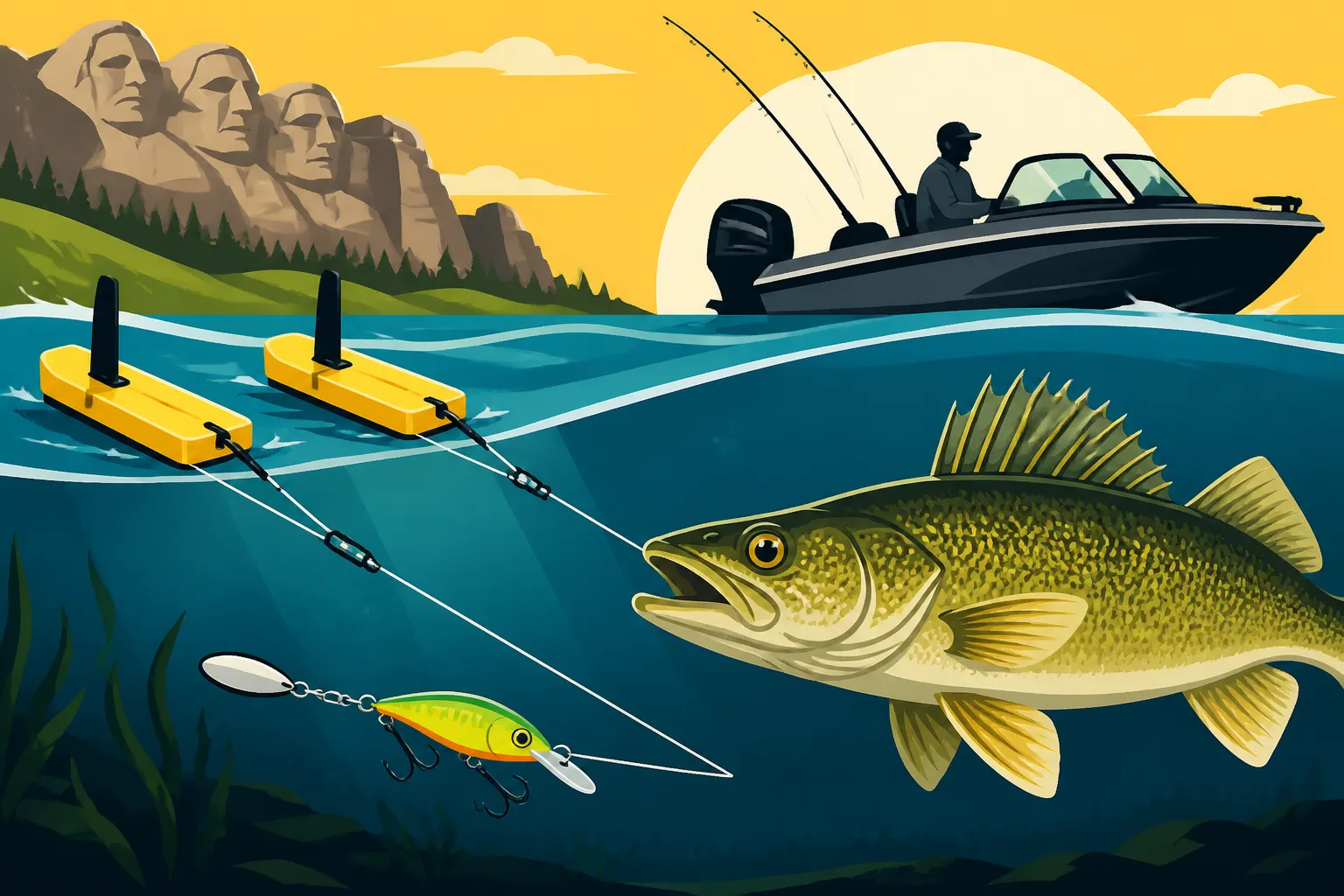
Imagine being able to present multiple lures, spread wide across a significant swath of water, far away from the noise and shadow of your boat. That’s the magic of planer boards! These clever fishing tools are essentially floats designed to carry your fishing line out to the side of your boat as you troll, creating a much wider trolling spread than you could ever achieve by simply deploying lines directly behind you. For walleye anglers, especially on large reservoirs like Lake Oahe or Lake Sharpe, this technique is an absolute game-changer.
The Basic Concept of Planer Boards
At their core, planer boards are hydrodynamically designed devices that use the forward motion of your boat to pull themselves away from the hull. Think of them like miniature kites or sails that catch the water pressure. Your main fishing line is attached to the planer board, and then the lure is attached to the end of that line, trailing behind the board. As your boat moves forward, the board angles out, taking your line and lure with it. This allows you to run multiple lines simultaneously, with each line positioned at a different distance from the boat, covering a vast amount of water horizontally. It's a simple concept that unlocks huge potential for covering prime walleye real estate.
Advantages for Walleye Anglers in South Dakota
South Dakota’s walleye fisheries, particularly the expansive Missouri River reservoirs, are prime candidates for planer board tactics. One of the biggest advantages is stealth. Walleye, especially larger, older fish, can be incredibly boat-shy, particularly in calm, clear water. By running your lures 50, 100, or even more feet out to the side of your boat, you’re presenting them to fish that haven’t been alerted by the shadow or engine noise. This can make a significant difference in getting those finicky bites.
Another huge benefit is covering more water. Instead of just a narrow path directly behind your boat, planer boards allow you to effectively sweep a much wider area. This is invaluable when searching for scattered schools of walleye or trying to locate the edges of underwater structure. You can run crankbaits at various depths and distances, effectively finding the "strike zone" much faster. If you're looking to understand more about finding these fish, check out our South Dakota Walleye Fishing Guide. Plus, when a fish hits a lure far out to the side, it often doesn't spook the other lines, meaning you can sometimes hook into multiple fish from the same school without interruption.
Types of Planer Boards
When you start looking into planer boards, you'll quickly discover there are a couple of main categories, each with its own benefits.
Inline Planer Boards: These are the most common and arguably the easiest for newcomers to start with, especially for walleye fishing. Inline boards attach directly to your fishing line, typically with a front clip and a rear release. When a fish strikes, the rear clip releases, allowing the board to slide down your line towards the fish. This makes fighting the fish much simpler, as you're primarily battling the fish, not the board. Brands like Offshore Tackle and Church Tackle are popular choices. They're excellent for smaller boats and allow for a lot of flexibility in spread. You can find a wide selection of these, often with positive customer reviews, on Amazon.
Mast Systems with Large Boards: For serious, multi-rod trolling on larger vessels, a mast system might be considered. This involves a mast mounted on your boat (usually in the bow), from which a main line runs out to a large planer board on each side. Your individual fishing lines are then attached to this main line with specialized clips, which detach when a fish bites, allowing you to reel in your fish without having to fight the main board. While incredibly effective for covering massive spreads, especially on the Great Lakes for salmon or big walleye, they are a bigger investment and require more dedicated boat rigging, making inline boards generally more practical for most South Dakota walleye anglers.
No matter which type you choose, the principle remains the same: widening your net to catch more fish.
Setting Up Your Planer Board System for Walleye
Getting started with planer boards isn't overly complicated, but like any new technique, it requires a bit of specific gear and understanding of the rigging process. Having the right setup will ensure your time on the water is productive and enjoyable, rather than a tangled mess.
Essential Gear Beyond the Boards
While the planer boards themselves are key, a successful system relies on a few other pieces of specialized equipment.
- Rods and Reels: You'll want longer trolling rods, typically between 7 and 10 feet, with a medium action. The extra length helps absorb the shock of the board and provides better leverage when fighting a fish far from the boat. Pair these with baitcasting reels equipped with line counters. A line counter reel is absolutely crucial because it allows you to accurately replicate presentations, knowing exactly how much line you have out behind your board. This precision is vital for getting your lures into the consistent South Dakota Fishing Depth Charts by Season. If you're looking for recommendations, check out our guide on Best Fishing Rods and Reels for Walleye or specifically for trolling, Best Walleye Trolling Rods.
- Line: Monofilament line in 10-14 lb test is a common choice for planer board trolling because of its stretch and forgiving nature. However, many experienced anglers opt for braided superlines (like 20-30 lb test) for their no-stretch sensitivity and thinner diameter, which allows lures to dive deeper. If using braid, a fluorocarbon leader is often added to the business end for stealth and abrasion resistance.
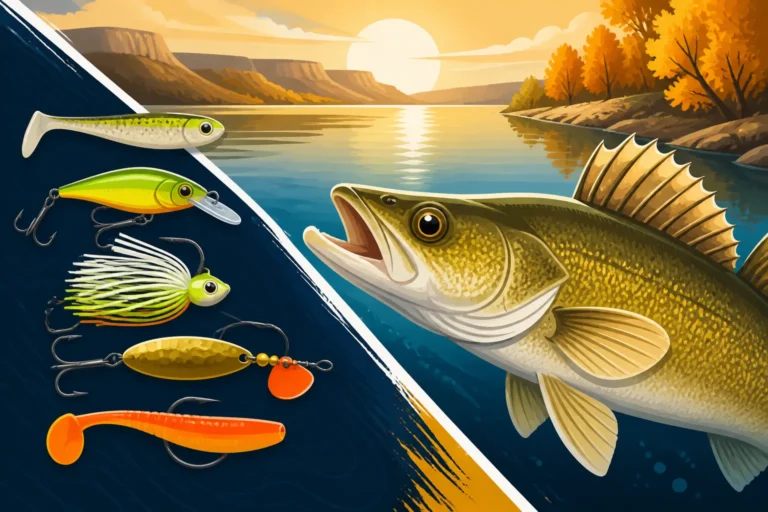
- Lures: Crankbaits are king for walleye trolling with planer boards. You'll want a variety of diving depths and colors to match the conditions. Shad Raps, Flicker Shads, Bandits, and Reef Runners are all popular choices among walleye anglers. Don't forget some spoons or spinner rigs with live bait (like a crawler harness) if fish are preferring a slower, more natural presentation. For more specific recommendations, our article on Best Lures for South Dakota Walleye can be a great resource.
- Snap Weights or Lead Core (Optional but Recommended): To get your lures even deeper without using incredibly long lengths of line, snap weights (small weights that clip onto your line) or lead core line can be incorporated. Lead core changes color every 10 yards, giving you a visual reference for how much weighted line you have deployed.
You can often find all of these specialized trolling items, including specific brands of planer boards and line counter reels, on Amazon with just a few clicks.
Step-by-Step Rigging Process
Once you have your gear, rigging is straightforward:
- Tie on your lure: Begin by tying your chosen walleye lure to your main fishing line.
- Determine your lead length: Let out a specific amount of line behind your boat before attaching the planer board. This is called the "lead length." This distance is crucial because it dictates how far your lure is away from the board and, combined with line type and lure design, how deep it will run. Start with 50-100 feet. Use your line counter reel to measure this precisely.
- Attach the planer board: Clip the front of your inline planer board to your main fishing line. The front clip is typically a heavy-duty snap release that grips the line firmly.
- Engage the rear release: Gently pull more line off your reel and clip the rear release of the planer board onto your line, slightly behind the front clip. This rear clip often has a lighter tension, designed to release when a fish strikes, allowing the board to slide down to a swivel or the fish itself.
- Deploy the board: With the boat moving slowly, let out line from your reel. The planer board will begin to pull away from the boat, carrying your line and lure with it. Continue to let out line until the board is at your desired distance from the boat. Again, use that line counter!
It sounds like a lot of steps, but once you do it a few times, it becomes second nature.
Deploying and Retrieving Your Planer Boards
Deployment: Start by moving at a slow trolling speed. Let out your lead line and attach your board as described above. As you slowly accelerate, the board will start to plane out. Continue to let out line, watching your line counter, until the board is positioned where you want it. It's usually best to deploy the furthest board out first, then work your way closer to the boat with subsequent lines, staggering their distances. This helps prevent tangles. Remember, the faster your boat goes, the further out the boards will pull.
Retrieval: When it's time to bring in your lines, whether for a fish or to move spots, slow your boat down considerably. This reduces the tension on the boards. Start reeling in steadily. If you have an inline board and a fish is on, the rear clip should have released, and the board will slide down towards the fish. Simply reel in, bringing the board close enough to grab, unclip it, and then continue fighting your fish. If there's no fish, just reel the board back to the boat, unclip it, and then retrieve your lure. For mast systems, you typically reel in the individual fishing line until the release clip comes back to you, detach it, and then fight the fish. Practicing deployment and retrieval will make you much more efficient on the water, allowing you to maximize your fishing time.
Mastering Planer Board Techniques for South Dakota Walleye
Having your gear set up is one thing, but truly mastering planer board fishing for South Dakota walleye involves understanding how to manipulate your spread, detect bites, and adapt to changing conditions. This is where the art of trolling really shines, turning simply dragging lures into a strategic hunt.
Trolling Patterns and Speed Considerations
The beauty of planer boards is how they allow you to experiment with your presentation. Don't just troll in a straight line! Walleye often react positively to changes in speed and direction.
- S-Turns: Making gentle S-turns with your boat is a fantastic way to trigger strikes. As you turn, the lines on the inside of the turn will slow down and drop slightly, while the lines on the outside will speed up and rise. This varying action can be irresistible to following walleye. On large bodies of water like Lake Oahe, these subtle changes can make a big difference.
- Speed Changes: Varying your trolling speed, even by a fraction of a mile per hour, can also be effective. Often, a slight acceleration or deceleration will cause your crankbaits to change their action, enticing a strike from a hesitant fish. Most walleye trolling speeds range from 1.5 to 3.0 mph, but the ideal speed depends on the lure type, water temperature, and fish mood. Our guide on Best Trolling Speed for Walleye has more in-depth advice. Pay attention to what the fish are telling you!
- Depth Control: Combine your speed changes and S-turns with precise line counter readings. If you get a bite at a specific line length and depth, make a mental note (or better yet, a digital one on your fish finder's GPS) and try to repeat that exact presentation. Knowing South Dakota Fishing Depth Charts by Season can also help you predict where fish might be holding.
Reading Your Boards and Detecting Bites
One of the initial challenges for new planer board users is distinguishing between a bite and just debris on the line.
- The tell-tale drop: The most common sign of a walleye strike is a sudden, sharp jerk or a complete drop-back of the planer board. If the board suddenly falls behind the others or stops pulling out to the side, it's highly likely you have a fish. The rear clip on inline boards is designed to release, causing the board to slide back, making the bite even more obvious.
- Subtle taps: Sometimes, especially with smaller fish or lighter bites, you might just see a subtle "tap-tap" on the board or a slight hesitation in its movement. Don't ignore these! It could be a walleye mouthing your lure.
- Weed or debris: If your board acts erratically but there's no solid pull, you've likely picked up weeds or debris on your lure. It's worth reeling in to check, as a fouled lure won't catch fish.
When you see a bite, don't necessarily grab the rod right away. Often, letting the fish run for a second or two helps it fully commit to the lure. Then, reel steadily to set the hook, ensuring the line remains taut.
Adjusting for Conditions (Wind, Current, Depth)
South Dakota weather can be notoriously fickle, and successful planer board fishing means adapting to whatever Mother Nature throws at you.
- Wind: Wind can significantly affect your boat speed and the direction of your troll. A strong crosswind will make your boards pull further out on the downwind side and closer in on the upwind side. You might need to adjust your motor's thrust or even use a bow-mounted trolling motor to maintain a straight path or a desired speed. Strong winds can also create large waves, making it harder to spot subtle bites. On very windy days, you might need to run fewer lines to manage tangles.
- Current: On the Missouri River system, current is a major factor. Trolling with the current will require less motor thrust to achieve your target speed, and your lures might run shallower due to reduced water resistance. Trolling against the current, however, will make your lures run deeper and require more power. Pay attention to how the current affects your lure's action and depth, and adjust your lead length or use of snap weights accordingly. This is particularly important for techniques such as Trolling for Walleye on Lake Oahe where vast stretches of water are influenced by current.
- Depth: Your fish finder is your best friend. Constantly monitor the depth where you're seeing fish, baitfish, or structure. Use your line counter reels and the diving characteristics of your lures to precisely present your baits at that depth. If fish are suspended higher or tighter to the bottom than your current lure selection allows, consider adding snap weights to your line or switching to deeper diving crankbaits. Our article on South Dakota Walleye Fishing Guide has more details on locating fish.
It's all about being observant and making constant small adjustments to keep your lures in the strike zone.
Common Mistakes to Avoid
Even seasoned anglers can fall prey to simple errors when using planer boards. Here are a few to watch out for:
- Running too many lines: While boards allow for a wide spread, trying to run too many lines, especially when starting out or in choppy conditions, can lead to inevitable tangles and frustration. Start with 2-3 lines per side and gradually increase as you get more comfortable. Remember, South Dakota regulations often limit the number of lines an individual angler can use.
- Ignoring your line counters: Precision is paramount. Without knowing exactly how much line you have out, you can't replicate successful patterns. Always zero your line counter when deploying.
- Forgetting to check lures for weeds: A crankbait with a piece of weed on a hook or even a tiny leaf can completely kill its action and prevent bites. Periodically reel in your lines to check, especially after passing through weedy areas or areas with a lot of debris.
- Not varying your presentation: Walleye can be incredibly finicky. If a certain color or depth isn't working, don't be afraid to change it up! Experiment with different lures, lead lengths, and trolling speeds until you find what triggers a bite.
- Speeding up too much after a fish: When you hook a fish, it's natural to want to race over to it. However, if you have other lines out, speeding up dramatically can cause tangles or even pull your other lures out of the strike zone just as they were getting active. Maintain a consistent (though perhaps slightly slower) trolling speed until other lines are cleared.
By avoiding these common pitfalls, you’ll spend more time fishing effectively and less time untangling lines, leading to a much more rewarding experience on the water. For optimal results, combining these techniques with knowledge of the Best Time of Day to Catch Walleye in Summer can truly elevate your game.
Planer board fishing opens up a whole new dimension for walleye anglers in South Dakota. It transforms your boat into a broad, silent predator, sweeping the waters for those elusive golden fish. With a little practice and the right gear, you’ll be spreading your lines wide, covering more water than ever before, and seeing a significant improvement in your walleye success. So, grab your boards, spool up your reels, and get ready to experience the thrill of multiple rods bending out to the side!
Disclaimer
This article is for general informational purposes only and does not constitute professional advice. Laws, prices and regulations vary by location and change over time. Consult a qualified professional for guidance on your specific situation.