Best Time to Catch Northern Pike
Oh, the northern pike! What a magnificent, toothy predator. If you've spent any time on South Dakota's lakes and rivers, you know the thrill of a pike strike. But sometimes, it feels like they're just not around, right? You cast all day, try every lure in your box, and come up empty-handed. It's frustrating when you're targeting such an aggressive fish, but it often comes down to timing. This guide is all about helping you understand the seasonal patterns and optimal conditions for hooking into those elusive, hard-fighting northern pike across South Dakota.
Understanding Northern Pike Behavior Through the Seasons
Northern pike are fascinating creatures, and their behavior changes dramatically with the seasons. They're often misunderstood, sometimes seen as a nuisance by anglers primarily targeting walleye, but for those who specifically chase them, they offer an incredible fight and a rewarding challenge. Understanding their annual cycle—their movements, feeding habits, and preferred habitats—is key to consistently finding and catching them. From the moment the ice melts to the first freeze, pike are constantly adapting to water temperature, oxygen levels, and the availability of forage.
The Impact of Water Temperature on Pike Activity
Water temperature is perhaps the single most critical factor influencing northern pike behavior. These fish are cold-blooded, meaning their metabolism directly correlates with the water temperature around them. In colder water, their metabolism slows down, making them less active and less inclined to chase prey. Conversely, as the water warms, their metabolism speeds up, and they become much more active and aggressive feeders. This isn't to say they want scorching hot water; pike generally prefer cooler water than many other warm-water species, often seeking out temperatures in the 50s and low 60s Fahrenheit.
As the seasons change, pike will move to different depths and areas of a lake or river to find their preferred temperature zones and ambush points. For example, during the peak of summer, when shallow waters become too warm, you'll often find them retreating to deeper, cooler sections or dense weed beds where they can find thermal refuge. Knowing these temperature preferences helps us predict where they'll be and how actively they'll be feeding throughout the year.
Forage and Habitat Preferences Throughout the Year
Pike are opportunistic predators with an insatiable appetite. Their diet largely consists of smaller fish like perch, cisco, walleye, and even other pike, but they won't hesitate to munch on frogs, ducklings, or even small rodents if the opportunity arises. Their habitat preferences are closely tied to where their prey resides, and where they can best use their ambush hunting strategy.
During much of the year, particularly in spring and fall, pike will relate heavily to structure and cover. This includes expansive weed beds, submerged timber, rock piles, drop-offs, and points. These areas provide excellent camouflage for ambushing unsuspecting prey. In South Dakota's diverse waters, from the vast Missouri River reservoirs like Lake Oahe and Lake Sharpe to the numerous glacial lakes in the eastern part of the state, these types of cover are abundant. Shallow, weedy bays, for instance, are pike magnets in spring and fall. As you explore various fishing spots, keep an eye out for these critical habitat features, as they often hold the biggest pike. For more detailed information on specific locations, check out our guide on Where to Fish for Northern Pike in South Dakota.
Spring: The Pre-Spawn and Spawning Frenzy
Spring in South Dakota is an exciting time for northern pike anglers. After a long winter under the ice, these fish are hungry and ready to reproduce. The ice-out period signals a significant shift in their behavior, bringing them into shallower waters and making them more accessible to anglers.
Ice-Out to Pre-Spawn: Hunger Games Begin
As the last of the ice melts away, usually sometime in March or April depending on the year and the specific body of water, pike become incredibly active. The water temperatures are still quite cold, typically in the low 40s to low 50s, but their metabolism is picking up. They've been relatively dormant under the ice, and now their bodies are telling them it's time to feed heavily to build up energy reserves for the upcoming spawn. This pre-spawn period is one of the best times to target large pike, as they're aggressive and not yet distracted by the act of spawning.
During this phase, pike will often be found in relatively shallow bays, especially those with darker bottoms that absorb sunlight and warm up faster. They'll also patrol the edges of deeper channels or drop-offs leading into these warmer, shallow areas. Look for newly emergent vegetation or dead weed beds from the previous season, as these offer both cover and potential ambush points. Slow-moving baits like jerkbaits, large spoons, and spinnerbaits can be highly effective during this time, as pike might still be a bit sluggish in the cold water but eager to intercept an easy meal. This is a time when a simple retrieve can be surprisingly effective.
The Spawning Period: A Brief Hiatus
Northern pike typically spawn when water temperatures reach the mid-40s to low 50s Fahrenheit, often shortly after ice-out. They prefer shallow, marshy areas with submerged vegetation, where females will broadcast their eggs, and males will fertilize them. During the actual spawning process, pike become far less interested in feeding. It's not uncommon for fishing to slow down considerably during this specific window. While it's tempting to try to catch them during this vulnerable time, many anglers choose to let them do their thing, ensuring healthy populations for future seasons.
The exact timing of the spawn can vary slightly from lake to lake in South Dakota, influenced by local conditions and spring weather. Generally, it occurs from late March through April, sometimes extending into early May in colder years or northern parts of the state. Once spawning is complete, females will move to slightly deeper water to recover, while males often linger in the spawning areas for a bit longer. Fishing can pick up again as they transition into the post-spawn recovery, but usually, the very best action is either pre-spawn or a couple of weeks after the spawn when they start feeding aggressively again.
Post-Spawn Recovery and Renewed Aggression
Following the spawn, there's a short "post-spawn funk" where fish are a bit lethargic and dispersed. Females are particularly exhausted and need to recuperate. However, this period is relatively short-lived. As water temperatures continue to climb into the mid-50s to low 60s, pike quickly regain their appetite and become incredibly aggressive once more. This is another fantastic time to target them.
They'll spread out from the spawning grounds and often begin to relate to early developing weed lines, submerged structure, and points. Their metabolism is high, and they're actively hunting to replenish lost energy. Faster presentations with crankbaits, larger spinnerbaits, and topwater lures can be incredibly effective now. Pay close attention to prominent points and channels where pike can ambush baitfish moving between shallow and deeper water.
Summer: Deep Waters and Weedline Ambush
Summer fishing for northern pike in South Dakota offers a unique set of challenges and rewards. As the water warms, pike adjust their locations and tactics. While some might think pike fishing slows down, it's really about knowing where to find them and how to entice them.
Early Summer: Weeds are Your Friends
As late spring transitions into early summer, with water temperatures steadily rising into the 60s, lush weed growth really starts to develop. This is prime real estate for northern pike. Submerged weed beds, particularly those with distinct edges, pockets, and lanes, become massive ambush territories. Pike will tuck themselves deep into these weeds, waiting to explode on any unsuspecting prey that swims by.
Focus your efforts on weed lines in 8-15 feet of water, or even shallower in low-light conditions or on overcast days. Trolling or casting spinnerbaits, spoons, and weedless swimbaits along these edges can be highly productive. You can also try casting into pockets within the weed beds. Look for areas where different types of vegetation meet, or where weeds transition to a sand or rock bottom. These "transition zones" are often hot spots. Don't be afraid to try some topwater action during low light, especially over shallower weeds – a big pike blowing up on a topwater frog or a large popper is an unforgettable experience! Consider exploring our article on Northern Pike Fishing Techniques for Weed Lines for more in-depth strategies.
Mid-Summer: Going Deep or Staying Dense
By mid-summer, when the dog days are upon us and surface water temperatures soar into the 70s or even 80s, pike fishing can become a bit trickier, but certainly not impossible. The key here is thermal refuge. Pike will either retreat to deeper, cooler waters or bury themselves deep within the densest, shadiest weed beds.
If targeting deeper fish, look for pike suspended over deeper humps, along steep break lines, or near cool water inlets. Trolling with large crankbaits that dive to appropriate depths can be effective. Downriggers might even come into play on some of the larger reservoirs like Lake Oahe to present lures at specific depths. Another tactic is to fish the really thick, dense weed beds, often in slightly deeper water than earlier in the season. Punching through matts of vegetation with heavy jigs and weedless plastics can sometimes coax out a monster pike that's hunkering down. Remember, pike are still hungry, but they're conserving energy in the warmer water, so you might need to bring the bait right to them.
Night Fishing Opportunities
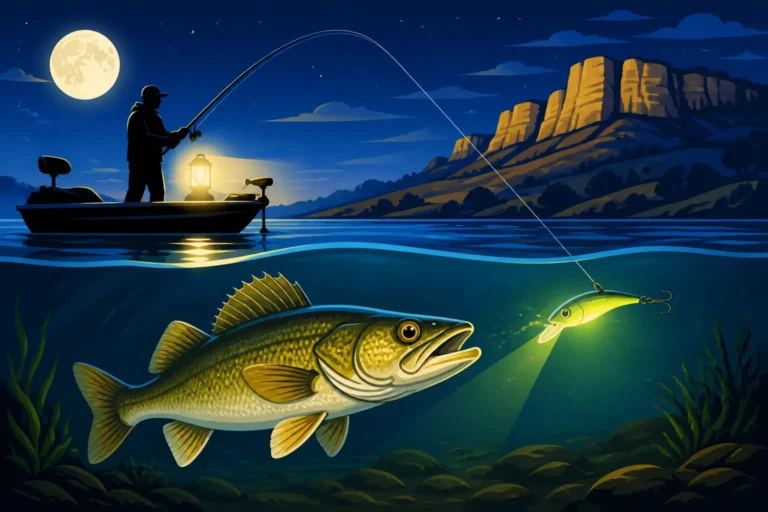
While not as commonly discussed for pike as it is for walleye, night fishing can offer some surprising opportunities for northern pike during the summer, particularly in shallower areas. As the sun sets, the water cools slightly, and many baitfish become more active in the shallows. This can draw pike out of their deeper retreats or dense cover to hunt in lower light conditions.
Large, dark-colored spinnerbaits, noisy topwater lures, or even slow-rolled swimbaits can be effective. Focus on the same weed edges, points, and shallow flats you'd fish during the day, but perhaps closer to shore. The element of surprise and reduced boat traffic can make for an exciting experience. Be sure to have good lights, a sturdy net, and proper tools for handling these toothy critters safely.
Fall: The Feeding Binge Before Winter
Fall is arguably one of the very best times to target truly large northern pike in South Dakota. As water temperatures begin to drop, pike enter a pre-winter feeding frenzy, trying to pack on as much weight as possible before the lean months under the ice. Their aggression levels are through the roof, and they're often found in predictable locations.
Early Fall: Following the Bait
When the first cool fronts start rolling through in September and early October, and water temperatures fall from the 70s into the 60s, pike become highly active. They'll start to follow baitfish migrations, which often move from deeper summer haunts back towards shallower flats and points as the weeds begin to die back. Look for large schools of baitfish on your electronics, and you're likely to find pike not far behind.
Focus on expansive shallow flats that still have some green vegetation, prominent points, and the mouths of bays. Pike will be cruising these areas, actively hunting. Big, flashy spoons, large crankbaits that mimic perch or walleye, and substantial swimbaits are excellent choices. Trolling these baits at a decent clip can cover a lot of water and help you locate aggressive fish. This is a time when a powerful cast and retrieve, covering vast areas, can yield impressive results.
Mid to Late Fall: Deep Water and Structure
As autumn progresses and water temperatures dip into the 50s and even 40s, baitfish will move to deeper, more stable environments, and the pike will follow. Green weed beds will have mostly died back, so pike will relate more to hard structure: rock piles, sunken islands, deep break lines, and submerged timber.
This is a fantastic time for jigging or slow-trolling large minnow-imitating baits along these deeper structures. Big swimbaits retrieved slowly near the bottom can also be deadly. Look for pike positioned on deep points or steep contours where they can ambush baitfish moving up and down the water column. The biggest pike of the year are often caught during this late fall period, as they are at their heaviest and most aggressive before winter sets in.
Prime Conditions for Fall Giants
In the fall, consistent cold weather patterns, especially a stable period after a cold front, can really turn on the bite. Overcast days are often preferred, as pike are ambush predators and use the low light to their advantage. Look for wind-blown shorelines or points; the current and wave action can disorient baitfish, making them easier prey for pike. A crisp, cool fall day with a slight chop on the water can be the perfect recipe for a trophy pike. You can find more specific regulations and limits in our South Dakota Fish Limits and Size Restrictions guide, especially for those trophy fish.
Winter: Ice Fishing for the Elusive Pike
For many South Dakota anglers, winter means ice fishing, and northern pike offer one of the most thrilling experiences through the ice. Their aggressive nature and formidable size make them a prime target for hard-water enthusiasts.
Early Ice: Shallows and Weed Lines
Just like early spring, early ice (when safe ice first forms, typically in December) can be incredibly productive for pike. Many pike will still be holding in shallower water, often along the remaining green weed lines, particularly in bays or near feeder creeks where oxygen levels are good. They are still actively feeding and relatively easy to locate before deeper patterns set in.
Jigging with large spoons, Swedish Pimples, or jigging Rapalas tipped with a minnow head can be very effective. Setting up tip-ups with large live or dead bait (sucker minnows or smelt are popular choices) under a bobber can also yield fantastic results. Drill multiple holes along weed edges and points to cover ground and find active fish. Be extremely careful during early ice; safety first! Our South Dakota Ice Fishing Guide offers crucial safety tips and techniques.
Mid-Winter: Deeper Structures and Subtle Bites
As winter progresses and ice thickens, often into January and February, pike will sometimes move to deeper structures, similar to their late fall patterns. They might be found suspended over deep basins or relating to humps, rock piles, or steep break lines. Their metabolism slows down considerably in the frigid water, and while they'll still feed, their bites can become more subtle.
During mid-winter, a combination of jigging and tip-ups is often the most effective strategy. Use a flasher or fish finder to identify structure and fish suspended in the water column. For jigging, try a slower, more deliberate retrieve, perhaps pausing for longer periods to entice a strike from a less active fish. For tip-ups, continue to use large live or dead bait, positioning them at various depths until you find where the pike are holding. Remember, even in winter, pike are aggressive, so don't be afraid to use large baits.
Late Ice: Pre-Spawn Anticipation
As late winter approaches, usually in late February and March, and the days start to lengthen, pike begin to anticipate the upcoming spawn. While the water is still frozen, some pike will start to move back into shallower bays and areas near potential spawning grounds, especially if there's any current or inflow. This pre-spawn movement can trigger another burst of activity.
Similar tactics to early ice can be effective during late ice. Focus on areas with slightly shallower depths, particularly those with a muddy or darker bottom that might warm first once the ice breaks. Pike might be more willing to chase a lure now than during the coldest parts of mid-winter. Again, safety is paramount during late ice, as conditions can deteriorate rapidly.
Choosing Your Northern Pike Tackle for Each Season
Having the right gear can make all the difference, no matter the season. Pike have sharp teeth and are incredibly strong, so your tackle needs to be up to the task. You don't want to lose a trophy because your line wasn't strong enough or your leader got cut.
Rods, Reels, and Line
For general pike fishing, whether casting or trolling, a medium-heavy to heavy action spinning or baitcasting rod, typically 6'6" to 7'6" in length, is ideal. This gives you the backbone needed to cast large lures and effectively fight a strong fish. Match it with a robust reel that has a smooth drag system. For spinning reels, a 3000-5000 series is usually sufficient, while a sturdy baitcaster with a good gear ratio works great for heavier presentations.
When it comes to line, braided line in the 30-50 lb test range is a popular choice due to its strength, sensitivity, and lack of stretch. However, you absolutely must use a leader. Pike's teeth will make short work of monofilament or fluorocarbon main lines. A 10-12 inch steel or heavy fluorocarbon (50-80 lb test) leader is non-negotiable. You can find a fantastic selection of fishing line, leaders, and tools on Amazon. For ice fishing, specialized ice rods with a medium-heavy action and a good amount of backbone are essential, paired with a reliable reel.
Lure Selection by Season
Your lure choice will vary depending on the season and the pike's mood.
- Spring: Focus on suspending jerkbaits (5-7 inches), medium to large spoons (Dardevles, Doctor Spoons), and spinnerbaits (1/2 oz to 1 oz with large blades). Consider vibrant colors like firetiger, chartreuse, or perch patterns in stained water, and more natural colors in clear water.
- Summer: Large crankbaits that dive to different depths, heavy-duty spinnerbaits (especially those with tandem blades), weedless frogs or hollow-body swimbaits for dense cover, and big topwater lures (buzzbaits, poppers) during low light.
- Fall: This is the time for truly large offerings. Big spoons, large jointed crankbaits, considerable swimbaits (6-10 inches), and big bucktail spinners are all excellent choices. Mimic the large forage fish like walleye or perch that pike are gorging on.
- Winter (Ice Fishing): Large jigging spoons (1/2 oz to 1 oz and up), vertical jigs like Rapala Jigging Raps, and big shiner or sucker minnows on tip-ups. Dead baits, like frozen smelt, can also be very effective when fished just off the bottom.
No matter the lure, make sure it's equipped with strong, sharp hooks. Pike can bend or break inferior hooks, costing you a trophy. Carrying extra lures and terminal tackle in a well-organized tackle box is always a good idea. Take a look at our Best Tackle for South Dakota Walleye Fishing article, as many of those principles and some of the lures can be adapted for pike as well.
Essential Accessories
Beyond rods, reels, and lures, a few key accessories are crucial for pike fishing:
- Pliers/Forceps: Long-nosed pliers or jaw spreaders are absolutely essential for safely removing hooks from a pike's mouth, protecting both you and the fish.
- Gloves: Heavy-duty gloves (like a fishing glove or even a garden glove) can protect your hands from those razor-sharp teeth when handling a pike.
- Net: A large, sturdy net with a rubberized coating will help you land big pike safely and minimize harm to the fish.
- Scale and Measuring Tape: If you're hoping to document a trophy catch or participate in programs like the South Dakota Trophy Fish Award Program, these are a must.
- First Aid Kit: Always a good idea when fishing, especially when dealing with hooks and toothy fish.
Remember, practice responsible catch and release, especially with larger pike, as they are crucial to maintaining healthy populations. With the right knowledge and gear, every season in South Dakota offers a chance to hook into an unforgettable northern pike.
Disclaimer
This article is for general informational purposes only and does not constitute professional advice. Laws, prices and regulations vary by location and change over time. Consult a qualified professional for guidance on your specific situation.