How to Fly Fish for Trout in the Black Hills
There's nothing quite like the dream of standing in a clear mountain stream, casting a fly, and feeling the tug of a beautiful trout in the pristine Black Hills. But let's be real: for many of us, especially those new to fly fishing or unfamiliar with these specific waters, the reality can often be a bit daunting. Between choosing the right gear, understanding the local fish, and mastering specific techniques, it’s easy to feel overwhelmed. This guide is here to cut through the confusion and give you a comprehensive roadmap to successfully fly fishing for trout in the stunning Black Hills of South Dakota.
Understanding Black Hills Trout and Their Habitat
Before you even think about stringing up your rod, it's incredibly helpful to understand the stars of the show and where they like to hang out. The Black Hills are a unique ecosystem, offering various types of water that hold different species of trout. Knowing what you're casting to and the environment they prefer will dramatically increase your chances of success.
The Different Trout Species You'll Encounter
When you venture into the streams of the Black Hills, you'll primarily be targeting three distinct species: Rainbow Trout, Brown Trout, and the elusive Brook Trout. Each has its own personality, preferred lies, and sometimes, slightly different feeding habits, which is part of what makes fishing here so rewarding.
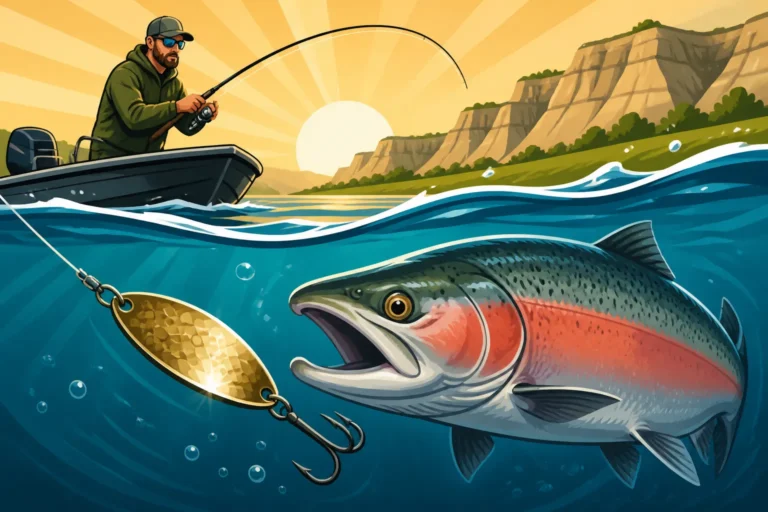
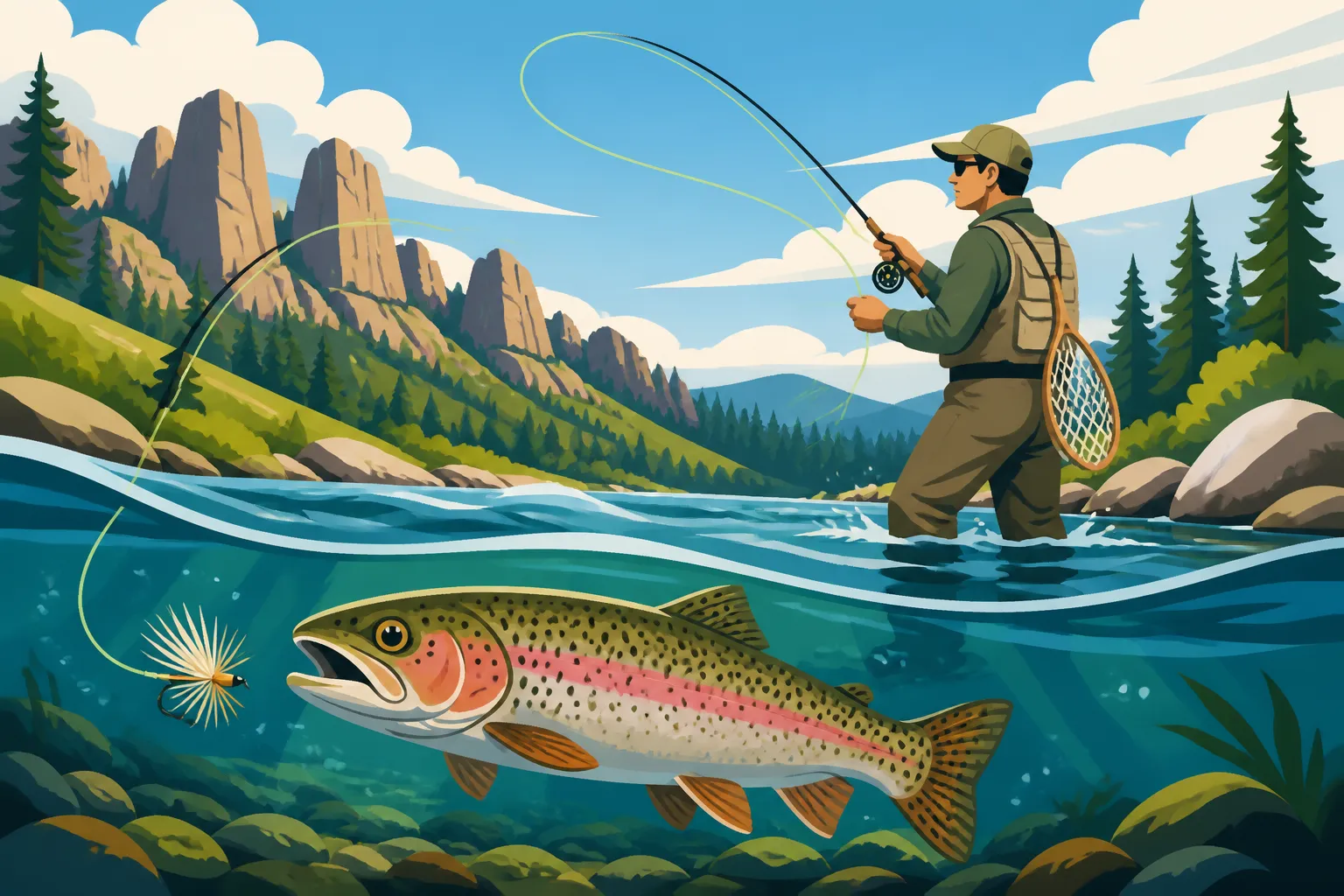
Rainbow trout are perhaps the most common and often the most aggressive feeders you'll find. They're regularly stocked in many popular streams and lakes, making them a fantastic target for anglers of all skill levels. You'll recognize them by the distinctive red or pink stripe running down their side and their typically silver body. Rainbows are known for their acrobatic fights once hooked, often leaping out of the water, which makes for an exhilarating experience. They thrive in colder, well-oxygenated water and are often found in riffles, runs, and the heads of pools where the current brings them food. Many of the Black Hills streams are regularly stocked with rainbows, so you'll encounter them frequently.
Brown trout, on the other hand, are often considered the wariest and most challenging to catch, but they grow to impressive sizes in the Black Hills. Their bodies are typically golden-brown with dark spots, often ringed with a lighter halo, and some red spots are usually present. Browns are native to Europe and were introduced to the U.S., becoming quite prolific in many areas. These fish are more nocturnal feeders and tend to be more solitary, preferring to hold in deeper pools, undercut banks, and around fallen logs where they have plenty of cover. Catching a large Black Hills brown trout on a fly rod is a true testament to an angler's skill and patience. For those chasing these elusive beauties, our guide on the Best Black Hills Streams for Brown Trout might be a great next read.
Brook trout are the smallest of the three, but what they lack in size, they make up for in vibrant beauty. They are native to the eastern United States and are also found in some pristine, cold, high-elevation streams in the Black Hills. You'll identify them by their intricate vermiculation patterns (worm-like markings) on their backs, red spots with blue halos on their sides, and white leading edges on their fins. Brookies thrive in very cold, clear, spring-fed waters, often in smaller, less accessible creeks. They are often less selective about their food, sometimes making them easier to catch once you find their habitat. However, their small size means you'll want to use lighter tackle to truly enjoy the fight. For more detailed information on where to find these gems, explore our Best Black Hills Streams for Brook Trout article.
Key Stream Types and Features
The Black Hills offer a variety of water bodies, but for fly fishing, we're primarily focused on the streams and smaller rivers. Understanding the different types of water and how to "read" them for potential fish lies is fundamental to your success.
Many Black Hills streams are what we call "freestone" streams. These are typically fast-flowing, clear mountain streams that tumble over rocks and gravel, creating a dynamic environment of riffles, runs, and pools. Rapid Creek, Spearfish Creek, and Castle Creek are prime examples. The water levels in freestone streams can fluctuate more significantly with rainfall and snowmelt, especially during spring runoff. Fish in these streams tend to hold in areas that offer a break from the current while still providing access to food. Look for the slower water behind large rocks, in the seams where fast and slow water meet, and in the deeper sections of pools. The key to fishing these effectively is understanding how current dictates fish behavior.
In addition to freestone streams, you'll also find some spring creeks and tailwaters. Spring creeks, fed by groundwater, tend to have more consistent flows and temperatures, often making them highly productive with prolific insect hatches. They can be incredibly clear, demanding stealth and precise presentations. Tailwaters, like the sections below Pactola Dam or Deerfield Dam, are fed by water released from reservoirs. These waters often have consistent cold temperatures, which are ideal for trout, and can support a dense population of aquatic insects. Fishing tailwaters often means dealing with strong currents and deeper water, requiring different techniques than smaller freestone streams. Each type of water presents its own challenges and rewards, so knowing which one you're on helps tailor your approach. To learn more about specific spots, you might enjoy our Black Hills Trout Stream Fishing Guide.
"Reading the water" is an art form that every successful fly angler must develop. It means looking at the stream and identifying where fish are most likely to hold, feed, or rest. Trout are constantly seeking three things: food, cover, and a comfortable water temperature with adequate oxygen. Good holding water usually combines these elements. Look for current seams (where fast water meets slow water), the heads and tails of pools, eddies behind large rocks or logs, undercut banks, and deep pockets. If you see a ripple on the surface, don't just dismiss it; it could be a fish rising or a seam that is creating a perfect feeding lane. High-quality polarized sunglasses, like those you can find on Amazon, are absolutely crucial for this, as they cut glare and allow you to see into the water, sometimes even spotting fish before you cast.
Essential Gear for Black Hills Fly Fishing
Alright, let's talk about the tools of the trade. Having the right gear won't guarantee a fish, but it will certainly make your experience more enjoyable and effective. Trying to catch nimble Black Hills trout with an ill-suited setup is a recipe for frustration.
Rods, Reels, and Lines for Mountain Streams
For the typical Black Hills trout stream, you'll want to lean towards lighter, more sensitive gear. A fly rod in the 3-weight to 5-weight range is generally ideal. A 3-weight or 4-weight rod is perfect for smaller streams, delicate presentations, and smaller brook trout or panfish, offering a fantastic fight even with a modest catch. If you're targeting larger brown trout or fishing on wider rivers like Spearfish Creek where you might need to cast a bit further or handle a larger fish, a 5-weight rod offers a good balance of power and finesse. The length of the rod is also a consideration; a 7'6" to 9' rod is common, with shorter rods (7'6" to 8'6") often preferred for tight, brushy Black Hills streams where longer casts aren't practical.
Your reel doesn't need to be an expensive, high-tech marvel for trout fishing in the Black Hills. Most of your fighting will be done with the rod and line in hand. A simple, click-and-pawl or disc drag reel that balances well with your rod is sufficient. Its primary job is to hold your fly line and backing. Make sure it has a smooth drag system, even if it's rarely heavily engaged. Brands like Orvis, Redington, and Sage offer great entry-level to mid-range options that you can often find listed on Amazon with plenty of reviews to guide your choice.
As for fly line, a weight-forward floating line is the standard choice for most Black Hills trout fishing. The weight-forward design helps with casting distance and turnover, while the floating aspect is essential for dry fly fishing and indicator nymphing. Match the line weight to your rod weight (e.g., a 5-weight line for a 5-weight rod). If you anticipate needing to get flies deeper quickly in faster currents or for streamer fishing, a sink-tip line could be a secondary option, but for a general-purpose setup, a floating line is your best bet.
Leader, Tippet, and Fly Selection Basics
The connection between your fly line and your fly is crucial: your leader and tippet. A tapered leader, typically 7.5 to 9 feet long, gradually transitions from thick butt section (connecting to the fly line) to a thin tip section (where you tie your tippet). This taper helps turn over your fly smoothly and delicately. For Black Hills trout, a leader with a 4X, 5X, or 6X tip is usually appropriate, with 5X being a good all-around choice.
Tippet is the very end section of your leader, which you tie your fly to. It's designed to be replaceable, as it gets worn down and shortened with each fly change. You'll want spools of tippet in 4X, 5X, and 6X. Fluorocarbon tippet is excellent for nymphing as it sinks faster and is less visible underwater, while monofilament is fine for dry flies. Choosing the right tippet size depends on the fly size and the water conditions. For small flies or spooky fish in clear water, go with a lighter tippet (5X or 6X). For larger flies or to target bigger fish, 4X might be more suitable.
Now, for the fun part: flies! The Black Hills are home to a diverse insect population, meaning you'll want a variety of patterns. Generally, your fly box should contain a good mix of dry flies, nymphs, and a few streamers.
- Dry Flies: These imitate adult insects on the surface. Classic patterns like Adams, Parachute Adams, Elk Hair Caddis, and various stimulators are always good to have. During specific hatches, matching the specific insect (e.g., Baetis, Pale Morning Duns, Tricos) becomes more critical. Don't forget terrestrial patterns like hoppers, ants, and beetles for summer fishing.
- Nymphs: These imitate immature aquatic insects under the water. Prince Nymphs, Pheasant Tail Nymphs, Hare's Ear Nymphs, Copper Johns, and zebra midges are absolute staples. Having these in various sizes (from tiny #20 midges to larger #12 stoneflies) will cover most subsurface feeding situations. We delve deeper into this with our Nymph Fishing Techniques for Trout Streams guide.
- Streamers: These imitate baitfish or larger aquatic creatures. Woolly Buggers (black, olive, brown), Sculpzillas, and various minnow patterns can be highly effective, especially for targeting larger, more aggressive brown trout.
It's wise to have a good selection, but you don't need hundreds of flies. A well-curated box of 50-100 flies in various sizes and colors, focusing on these main categories, will serve you well. You can find excellent fly assortments and individual patterns on Amazon, and local fly shops in Rapid City or Spearfish will also have excellent selections tailored to current conditions.
Waders, Boots, and Safety Essentials
Wading in Black Hills streams is not just about getting closer to the fish; it's often essential for covering water and making effective presentations. Breathable waders are almost a must-have for comfort, allowing perspiration to escape while keeping water out. Neoprene waders are an option for colder conditions or stillwater fishing, but for active stream fishing, breathable is the way to go. Make sure they fit well, allowing for layering underneath in colder weather.
Sturdy wading boots with good ankle support and felt or rubber soles are equally important. The Black Hills streams can have slippery, rocky bottoms, and a good grip is crucial for safety. Consider wading staffs, especially for those venturing into swift currents or unfamiliar waters. For those planning an extensive Black Hills trip, our guide on the Best Waders for Black Hills Stream Fishing offers excellent advice.
Beyond waders and boots, always carry a few key safety and comfort items. A small first-aid kit is non-negotiable. Stay hydrated, so bring a water bottle or a hydration pack. Sunscreen, bug spray (especially during spring and summer), polarized sunglasses, and a wide-brimmed hat are also highly recommended. Depending on the time of year and location, it's also wise to be aware of wildlife. While encounters are rare, carrying bear spray, particularly in more remote areas, is a personal decision worth considering.
Effective Fly Fishing Techniques for Black Hills Trout
Now that you've got your gear sorted and a basic understanding of the fish and their homes, let's talk about how to actually catch them. Fly fishing is all about presentation, mimicking natural insects, and understanding how trout feed.
Nymphing Techniques for Subsurface Success
Nymphing is arguably the most productive way to catch trout in the Black Hills, as trout feed on subsurface insects (nymphs, larvae, pupae) for about 80-90% of their diet. There are a few primary ways to present nymphs effectively.
The most common method is indicator nymphing. This involves tying one or two nymph patterns to your tippet, placing a strike indicator (a small bobber) a few feet up the leader, and adding split shot weight as needed to get your flies to the bottom. The goal is to get your nymphs to drift naturally at the same speed as the current, mimicking a free-floating insect. Cast upstream, let your flies drift downstream, and watch your indicator like a hawk. Any twitch, pause, or sudden movement of the indicator, no matter how subtle, could be a take. Set the hook immediately with an upstream sweep of your rod. You'll be surprised how often a slight hesitation of the indicator means a fish has eaten your fly. This technique is incredibly versatile and works in almost all types of water, from shallow riffles to deep pools.
Another popular and highly effective technique, especially for discerning anglers in clearer, faster water, is Euro nymphing (also known as tight-line nymphing). This method foregoes the traditional strike indicator for a highly sensitive sighter section of monofilament in your leader. The rod tip is held high, and the angler maintains a direct connection to the nymphs, feeling for strikes rather than seeing an indicator move. This technique allows for incredibly precise depth control and sensitivity. It's fantastic for working complex currents and getting flies into very specific spots. While it has a steeper learning curve, it can be incredibly deadly on Black Hills trout, particularly in spots like the catch-and-release waters below Pactola Dam. If you’re serious about upping your nymphing game, check out our in-depth article on Nymph Fishing Techniques for Trout Streams.
Regardless of the nymphing technique, always aim for a natural drift, also known as a "dead drift." Any drag on your line that causes your flies to move unnaturally fast or slow will alert the fish. Mending your line (making small adjustments to the line on the water) is critical to achieve this perfect drift. Your nymphs should look like easy meals floating down the current.
Dry Fly Fishing for Surface Action
Ah, dry fly fishing – the quintessential image of fly fishing. There’s nothing quite like seeing a trout sip your perfectly presented dry fly from the surface. While nymphing might catch more fish, dry fly fishing offers unparalleled visual excitement.
Successful dry fly fishing hinges on two things: matching the hatch and presentation. Matching the hatch means selecting a dry fly pattern that closely imitates the size, shape, and color of the natural insects currently emerging or flying over the water. If you see trout consistently rising and observe specific insects on the water (mayflies, caddis, midges), try to match them. If there's no obvious hatch, try a general attractor pattern like a Parachute Adams or Elk Hair Caddis.
Your presentation must be delicate and precise. Cast your dry fly upstream or across-stream, allowing it to drift naturally downstream over likely holding water. Avoid "splatting" the fly on the water too hard. Again, a dead drift is paramount. Any drag will cause your fly to skate across the surface unnaturally, immediately putting off a wary trout. Mending your line is even more critical in dry fly fishing than nymphing to achieve and maintain that perfect drag-free drift. Look for currents that will grab your line and pull your fly faster or slower than the natural current your fly is in, and make gentle upstream or downstream mends to correct this. Pay close attention to rising fish. If you see a consistent rise, position yourself to make a cast upstream of the fish, allowing your fly to drift directly into its feeding lane.
Streamer Fishing for Bigger Trout
If you're after the bigger, more aggressive brown trout in the Black Hills, streamer fishing can be incredibly effective, especially during cooler water periods or when fish are less interested in small insects. Streamers imitate larger prey items like baitfish, sculpins, leeches, or crayfish.
The technique typically involves casting a streamer (like a black or olive Woolly Bugger, often enhanced with some flash or weighted eyes) across or slightly downstream and then retrieving it with varying strips and pauses. This imparts a lifelike, darting, or fleeing motion to the fly, which can trigger an aggressive predatory strike. Experiment with your retrieve speed and rhythm. Sometimes a fast, erratic strip is best; other times, a slow, deliberate retrieve with long pauses will entice a strike.
Streamers are particularly effective in deeper pools, along undercut banks, and around logjams – places where larger brown trout lurk for ambush. They also shine in off-color or higher water conditions when visibility is reduced, as their larger profile and movement are more easily detected by fish. Don't be afraid to cast big streamers; often, bigger fish want a bigger meal. This method isn't about finesse; it's about aggression and convincing a territorial trout that your fly is a meal worth chasing.
Reading the Water and Approaching the Stream
Regardless of your chosen technique, how you approach the stream and your ability to "read the water" will determine much of your success. Trout are incredibly sensitive to vibrations and shadows.
Stealth is paramount. Walk softly along the bank, avoiding heavy footsteps that can send vibrations through the water. Stay low, especially when approaching a pool or run where you suspect fish are holding. Wear natural, muted colors that blend with the surroundings. Cast from a position where your shadow doesn't fall across the water where you're fishing. Often, the best approach is to work your way upstream. This allows you to present your fly to undisturbed fish, as the current carries your scent and any dislodged debris away from where you're casting. It also means you’re typically presenting your fly from behind the fish, as they usually face into the current.
When reading the water, look for current seams, eddies, riffles, pools, and undercut banks. Current seams, where fast water meets slow, are conveyor belts of food. Eddies behind rocks provide a resting spot with food circulating through. Riffles are often shallower, oxygenated feeding zones, while deeper pools offer security and ambush points. Undercut banks provide excellent cover and shade. Think like a trout: where would you hang out if you wanted food, safety, and comfort? That's where you should cast. Don't overlook small pockets of slower water behind structure, even in fast runs; these can hold surprisingly large fish. Our comprehensive South Dakota Fishing Seasons Explained guide offers more general insights into fish behavior throughout the year.
Seasonal Considerations and Best Practices
The Black Hills offer trout fishing opportunities almost year-round, but the conditions and what the trout are feeding on will change dramatically with the seasons. Being prepared for these shifts is key to consistent success.
Spring and Early Summer: Runoff to Hatches
Spring in the Black Hills, generally April and May, can be a mixed bag. Early spring can bring runoff from melting snow, causing high, cold, and often murky water. This makes fishing challenging, but not impossible. During runoff, fish will move closer to the banks, seeking slower, clearer water and any available cover. Large, heavily weighted nymphs (like stoneflies) and streamers fished slowly can be effective during this period. Focus on pockets of calm water, eddies, and areas where feeder creeks might introduce slightly warmer, clearer water.
As runoff subsides, usually by late May or early June, the water clears and warms, triggering incredible insect hatches. This is when dry fly fishing can really come alive. Mayflies (like Baetis, Pale Morning Duns) and caddisflies become prevalent. The key is to be observant. Look for rising fish and try to identify what they're feeding on. Water temperatures are ideal, and trout are actively feeding, making for some of the most exciting fishing of the year. This transition period is often considered prime time for many Black Hills streams.
Mid-Summer: Terrestrials and Low Water
Mid-summer, typically July and August, brings warmer temperatures and often lower water levels. While beautiful, this can present some challenges for trout anglers. Warmer water can make trout less active, and low, clear conditions make them incredibly wary.
During this period, focus your fishing efforts during the cooler parts of the day – early mornings and late evenings are often most productive. Terrestrial patterns (imitating land-based insects like grasshoppers, ants, and beetles) become highly effective as these insects are often blown or fall into the water. Fishing these larger dry flies along grassy banks or under overhanging vegetation can bring explosive strikes. Nymphing with smaller patterns can still be very productive, especially in deeper pools or shaded areas. Pay extra attention to fish welfare in warmer water; consider using barbless hooks and minimizing fight time to ensure a healthy release. Remember to check local regulations, as some areas may have specific rules during low water periods. Our South Dakota Trout Limits in the Black Hills article is a good reference.
Fall: Spawning Runs and Aggressive Bites
Fall in the Black Hills, from September through November, is a truly magical time to be on the water. The leaves turn, the air is crisp, and the brown trout begin their spawning runs. During this time, male brown trout develop vibrant colors and kyped jaws, becoming incredibly aggressive and territorial.
While it's important to avoid targeting actively spawning fish on their redds (spawning beds), the pre-spawn and post-spawn periods offer fantastic opportunities for larger brown trout. Streamer fishing can be particularly effective, as these fish are keyed into larger meals and are fiercely protective of their territory. Don't be afraid to cast big, aggressive patterns. Nymphing can also be very good, especially with egg patterns or larger stoneflies. Water temperatures are usually ideal, keeping the fish active. Many anglers consider fall to be the best time to target a trophy brown trout in the Black Hills.
Winter: Challenging but Rewarding
Winter fly fishing in the Black Hills can be tough, but for the dedicated angler, it can also be incredibly rewarding, offering solitude and the chance at a truly hardy fish. Many smaller streams will freeze over, but larger spring-fed streams or tailwaters like Spearfish Creek and Rapid Creek often remain open.
During winter, trout metabolism slows down, and they become less active. They typically hold in deeper, slower water, conserving energy. Hatches are minimal, often limited to tiny midges. Your best bet is usually nymphing with small patterns (like zebra midges, midge larvae, or tiny pheasant tails) fished deep and slow, often with minimal or no indicator. Presentation must be perfect, and strike detection incredibly subtle. Early afternoons on warmer, sunny days can be the most productive. While you might not catch as many fish, landing a trout in the quiet beauty of a snow-dusted Black Hills stream is an experience unto itself. Keep an eye on ice conditions and dress in layers.
| Trout Species | Preferred Habitat | Typical Diet | Recommended Fly Types | Best Season |
|---|---|---|---|---|
| Rainbow Trout | Riffles, runs, pool heads | Nymphs, midges, caddis, terrestrials | Parachute Adams, Elk Hair Caddis, Pheasant Tail, Copper John | Spring, Summer |
| Brown Trout | Deep pools, undercut banks, logjams | Nymphs, baitfish, sculpins, terrestrials | Woolly Bugger, Sculpzilla, Hare's Ear Nymph, Hoppers | Fall, Spring |
| Brook Trout | Cold, clear, high-elevation creeks | Small nymphs, midges, small dry flies | Royal Wulff, Adams, Zebra Midge, Prince Nymph | Summer, Early Fall |
Fishing the Black Hills is an adventure, and whether you're chasing the vibrant colors of a brook trout or the elusive power of a brown, understanding the nuances of the season and the water will serve you well. Our main South Dakota Trout Fishing Guide offers even more comprehensive advice to help you plan your excursions.
Disclaimer
Please note: Fishing regulations, seasons, and limits can change. Always consult the latest South Dakota Game, Fish and Parks (GFP) regulations before heading out on your fishing trip. This guide is for informational purposes only and does not replace official regulations.