South Dakota Trout Fishing Guide
You've heard the whispers, haven't you? Tales of crystal-clear streams tumbling through rugged canyons, holding vibrant, hard-fighting fish. For many, trout fishing in South Dakota conjures images of distant, untouched wilderness, but the reality is much more accessible and utterly captivating, especially in our beloved Black Hills. If you've felt that pull to wade into cool waters and cast a line for these beautiful fish, but aren't sure where to begin with the unique regulations and opportunities here, you're in the right place. This comprehensive guide is designed to navigate you through everything you need to know to successfully pursue trout in the Mount Rushmore State.
Understanding South Dakota's Trout Species
South Dakota might not be the first state that comes to mind when you think of trout, but it certainly holds its own, particularly in the unique ecosystem of the Black Hills. We've got a fantastic mix of trout species, each offering a distinct challenge and reward for anglers. Understanding who you're casting for is the first step to a successful day on the water.
Rainbow Trout: The Stocking Workhorse
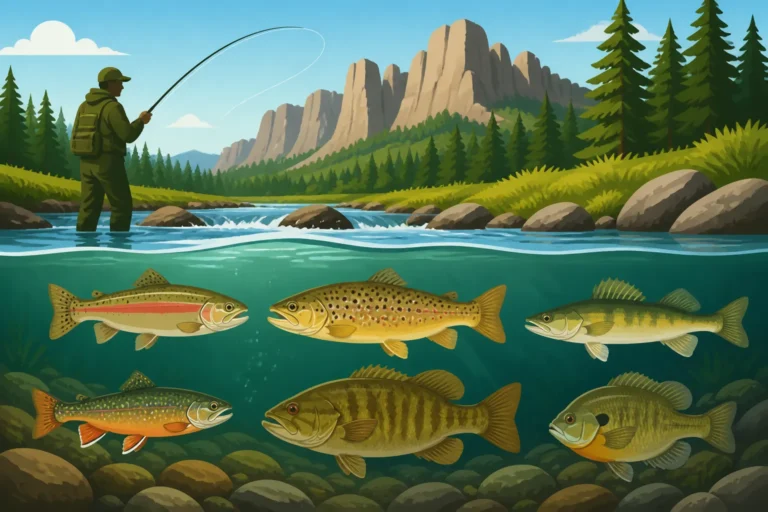
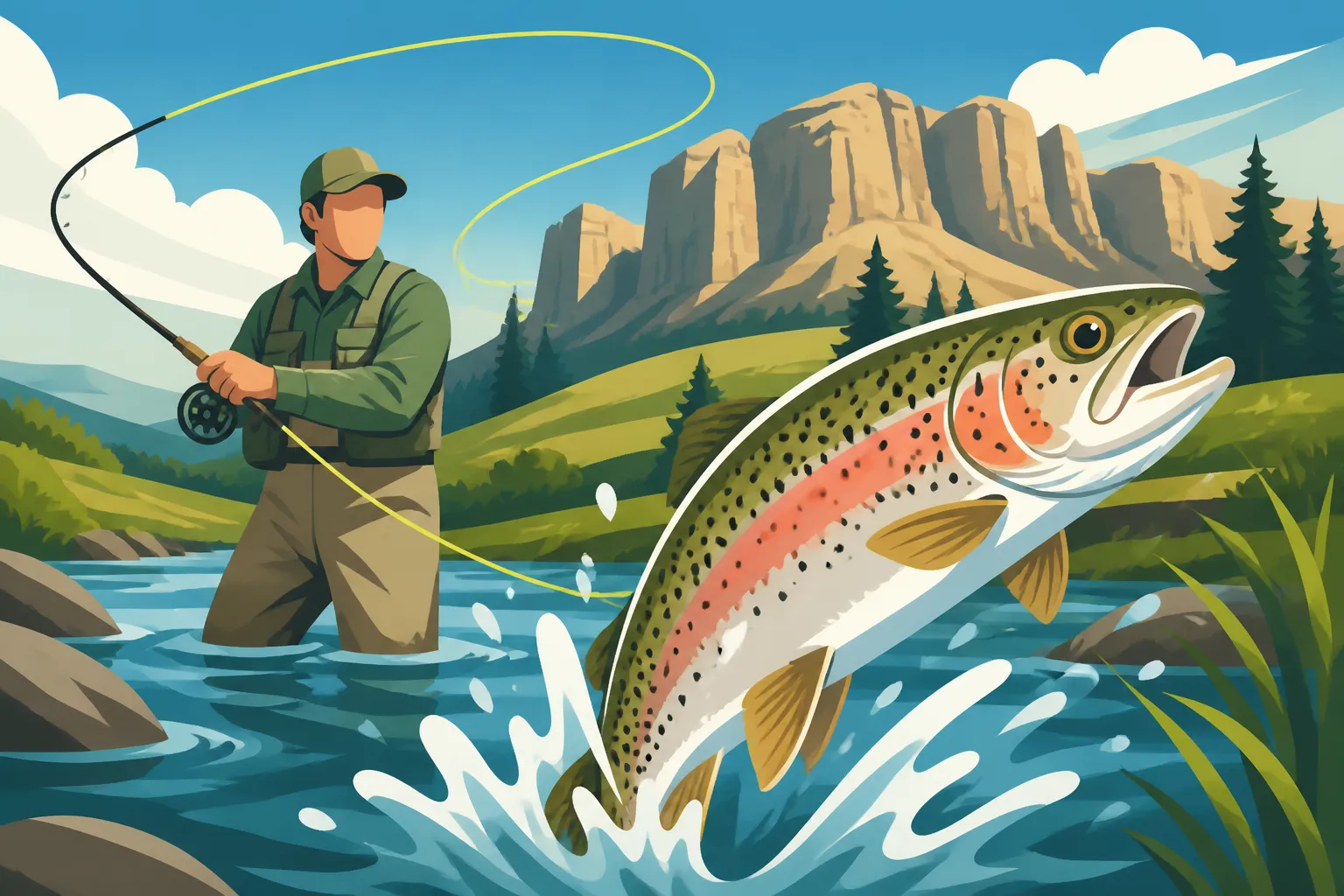
Rainbow trout are probably the most familiar face in South Dakota's trout scene, and for good reason: they are extensively stocked throughout the state. They’re known for their brilliant pinkish-red stripe along their sides, especially when in their prime. These fish are generally quite willing to bite, making them a fantastic target for anglers of all skill levels, from beginners trying to catch their first trout to seasoned pros looking for consistent action. You'll find them thriving in many of our Black Hills streams and even in some of the larger reservoirs and urban ponds that are regularly stocked. They adapt well to various conditions, which is why they’re such a staple. They're also quite popular on the dinner table, offering delicate, flaky white meat.
Anglers often target stocked rainbows with a variety of methods. Spin fishermen find success with small spinners, spoons, and even a simple worm under a bobber. Fly anglers will often use nymph patterns that imitate aquatic insects, especially in the deeper pools or faster runs where rainbows tend to hold. During hatches, dry flies can be incredibly effective, leading to those exciting surface takes. While many of the rainbows you'll encounter will be of respectable pan-fry size, don't underestimate their fighting spirit; even a twelve-inch rainbow can put up a surprisingly strong battle in a swift current.
Brown Trout: The Elusive Native
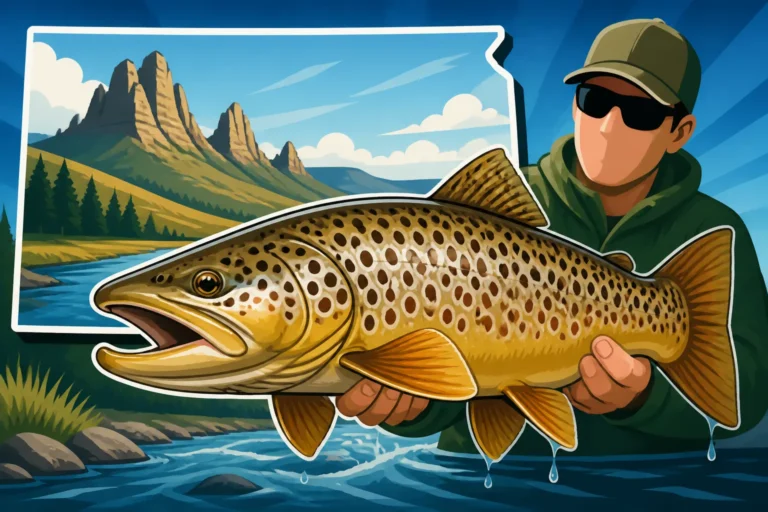
Ah, the brown trout. These are often considered the connoisseur's fish in the Black Hills. While some stocking of browns occurs, many of the truly impressive brown trout you'll find here are wild, stream-bred fish, making them incredibly special to catch. They're typically darker in coloration than rainbows, sporting prominent dark spots surrounded by lighter halos, sometimes with red spots mixed in. Brown trout are notoriously wily and much more skittish than their rainbow cousins, making them a true test of an angler's stealth and skill. Catching a large wild brown is a badge of honor among Black Hills trout enthusiasts.
You'll usually find brown trout holding in more structured areas – under undercut banks, behind large rocks, or in deep, dark pools where they can ambush prey and quickly retreat. They're opportunistic feeders, known for eating everything from insects to small fish and even mice, especially the larger specimens. For fly anglers, streamer patterns that imitate baitfish can be incredibly effective for targeting these bigger, more predatory browns. Spin fishermen might opt for slightly larger lures that mimic small minnows. Early morning or late evening, particularly during overcast conditions, are often the best times to coax these magnificent fish out of hiding. They are truly masters of their environment. Best Black Hills Streams for Brown Trout often hold the most challenging and rewarding fishing opportunities.
Brook Trout: The High-Altitude Gem
The brook trout, with its distinctive worm-like markings (vermiform patterns) on its back, a white-edged belly fin, and those iconic red spots surrounded by blue halos, is another treasured species in South Dakota. While not native to the Black Hills, they have established self-sustaining populations in many of the higher-elevation, colder, and smaller streams. These fish rarely grow large, usually ranging from six to ten inches, but their vibrant colors and willingness to bite make them a joy to catch, especially for those looking for a truly wild stream experience.
Brook trout thrive in the coldest, purest headwater streams, often in dense forest settings where canopy cover keeps the water temperatures low year-round. They prefer small pockets, riffles, and plunge pools, often in water so shallow you might think no fish could possibly live there. Due to their smaller size and the tight quarters they inhabit, ultralight spinning gear or a short, lightweight fly rod is ideal for targeting brookies. Small dry flies, tiny nymphs, or micro-spinners are typically all you need. Hiking into these remote brook trout streams offers not just fantastic fishing, but also an incredible opportunity to experience the untouched beauty of the Black Hills wilderness. Best Black Hills Streams for Brook Trout provides a deeper dive into where these colorful gems can be found.
The Black Hills: South Dakota's Trout Mecca
When anyone talks about trout fishing in South Dakota, the conversation inevitably turns to the Black Hills. This truly unique mountain range, rising from the plains, creates the perfect habitat for trout, with its numerous spring-fed streams, cool temperatures, and abundant insect life. It’s where most of the state's trout fishing opportunities lie, offering everything from challenging wild trout experiences to accessible stocked waters.
Rapid Creek: A Premier Trout Fishery
Rapid Creek is arguably the most famous and diverse trout stream in the Black Hills, offering a wide range of fishing experiences as it tumbles from its headwaters down to Rapid City. Above Pactola Reservoir, you'll find a beautiful, freestone stream environment, home to wild brown and brook trout, often requiring a bit of hiking to access. The fishing here is more intimate and challenging, perfect for the angler seeking solitude and wild fish.
Below Pactola Dam, Rapid Creek transforms into a world-class tailwater fishery. This section, particularly the "Catch-and-Release" stretch, is renowned for its large, wary brown and rainbow trout. The cold, consistent water temperatures released from the bottom of the dam create an ideal environment for trout to grow big and strong. This section is often artificial lures only, and practicing catch-and-release is highly encouraged to maintain the trophy fishery. Further downstream, as it flows through Rapid City, the creek is regularly stocked, providing accessible fishing opportunities for families and urban anglers, often right within city limits. Each section of Rapid Creek truly offers a different adventure, making it a must-visit for any serious trout angler. You can explore Pactola Dam Catch-and-Release Water Rules for specific guidelines in that area.
Spearfish Creek: Canyon Beauty and Big Browns
Spearfish Creek, carving its way through the breathtaking Spearfish Canyon, is another jewel in the Black Hills trout crown. The scenery alone is worth the trip, with towering limestone cliffs, dense pine forests, and cascading waterfalls. But beneath the surface of its clear, cold waters lie a healthy population of both wild brown and stocked rainbow trout, with a reputation for holding some truly impressive browns.
This creek is characterized by its dramatic gradient, creating a dynamic mix of fast riffles, deep plunge pools, and calmer, meandering sections. Access can be a bit challenging in some areas, requiring scrambling over rocks or wading through slick currents, but the rewards are often worth the effort. The canyon section often has special regulations, including artificial lures only and specific size limits, designed to protect its valuable wild trout populations. Many anglers find success here nymphing in the deeper pockets or casting small spinners and spoons into the faster runs. The fish in Spearfish Creek are often strong fighters, using the swift currents to their advantage, making for an exhilarating experience.
Castle Creek: Serene Waters and Wild Trout
If you're looking for a more serene and perhaps slightly less pressured trout fishing experience, Castle Creek is a fantastic option. It flows through a mix of forested public lands and private property, and anglers need to be mindful of access points. The upper reaches of Castle Creek, particularly above Deerfield Reservoir, are known for their healthy populations of wild brook and brown trout. These are generally smaller, feistier fish that thrive in the colder, tighter conditions of the higher elevations.
Below Deerfield Reservoir, Castle Creek also becomes a very productive tailwater. While not as large or as famous as Rapid Creek, this section still offers excellent fishing for both rainbow and brown trout, many of which are stocked. The creek here flows through a beautiful, winding valley, often with good bank access. It’s a wonderful place to spend a quiet day, perfecting your cast and enjoying the solitude. Because of its somewhat remote nature in parts, it's essential to check access maps and be prepared for a bit of walking to find the best spots. This creek offers a wonderful contrast to the busier, more famous waters, providing a peaceful escape for trout anglers.
Other Notable Black Hills Streams
While Rapid, Spearfish, and Castle Creeks often steal the spotlight, the Black Hills are veined with many other fantastic, albeit often smaller, trout streams. These can be incredibly rewarding for the adventurous angler willing to explore a bit.
- Elk Creek: Found west of Rapid City, Elk Creek is another stream with a good mix of wild brown and stocked rainbow trout. Its character varies from small, brushy sections to more open stretches, offering diverse fishing.
- Box Elder Creek: Running north of Rapid City, Box Elder Creek can provide decent trout fishing, especially in its upper reaches. It's often a bit overlooked, which can mean less pressure and more willing fish for those who find the right spots.
- Spring Creek: Located south of Rapid City, Spring Creek is known for its beautiful scenery and good populations of wild brown and brook trout in its higher, colder sections. It’s a picturesque stream that feels very "Black Hills."
- Crow Creek: Often yielding a mix of rainbows and browns, Crow Creek offers varied terrain and opportunities depending on where you access it.
- Little Spearfish Creek: A tributary to Spearfish Creek, this smaller stream is a classic brook trout fishery, perfect for a lightweight rod and a stealthy approach.
Exploring these smaller streams can often lead to hidden gems and a truly memorable experience. Just remember to always consult the current South Dakota Fishing Regulations Explained before you head out, as rules can vary significantly from one stream section to another.
Key Regulations and Conservation for Trout
Fishing for trout in South Dakota, especially in the Black Hills, isn't just about dropping a line; it's also about understanding and respecting the specific rules designed to protect these precious fisheries. The South Dakota Game, Fish and Parks (GFP) has put a lot of thought into these regulations, ensuring that trout populations remain healthy for generations to come.
Special Black Hills Trout Regulations
The Black Hills region has a distinct set of regulations that often differ significantly from general statewide fishing rules. This is due to the unique nature of its coldwater streams and the importance of managing both wild and stocked trout populations effectively. You'll frequently encounter specific rules regarding:
- Creel and Possession Limits: These limits can vary not only by species (rainbow, brown, brook) but also by specific stream sections. For example, some stretches might have a lower daily limit, or even require immediate release of certain sizes or species. It's not uncommon to see different limits for rainbow trout (which are heavily stocked) versus wild brown or brook trout. For instance, South Dakota Trout Limits in the Black Hills provides granular details on what you can expect.
- Minimum/Maximum Size Limits (Slot Limits): Some areas implement slot limits, where fish within a certain size range must be released to protect spawning populations or trophy-sized fish. This is particularly important for managing larger brown trout.
- Gear Restrictions: This is a big one for trout. Many premier trout streams, or specific sections of them, are designated "artificial lures only" or even "fly fishing only." These restrictions are put in place to reduce mortality rates from bait fishing, especially for sensitive wild trout. You'll need to know whether you can use live bait, or if it's strictly artificial flies, lures, or soft plastics.
- Bait Restrictions: Even in areas where artificial lures are allowed, there might be specific bait restrictions, such as the prohibition of organic baits near certain waters to prevent the spread of aquatic invasive species. Bait Restrictions Near Pactola Dam is a prime example of this.
- Season Dates: While many waters are open year-round for trout, some specific stream sections might have seasonal closures, especially around spawning periods, or different regulations for summer versus winter fishing.
It is absolutely crucial to consult the most current South Dakota Fishing Handbook or the GFP website before each trip. A rule that applies to Rapid Creek below Pactola might be entirely different on Spearfish Creek in the canyon, or even on a different stretch of Rapid Creek. Ignorance of the rules is never an excuse, and violations can result in hefty fines.
Catch-and-Release and Selective Harvest
The concept of catch-and-release is integral to trout conservation, especially in high-pressure or wild trout fisheries. It's a practice of carefully unhooking and releasing fish to minimize stress and injury, allowing them to survive and be caught another day. This helps maintain healthy fish populations and ensures a sustainable fishery. For the angler who values the experience over the meal, it’s a wonderful way to contribute to conservation.
However, catch-and-release doesn't mean you can't ever keep a fish. Many regulations are structured around "selective harvest." This means you might keep a few smaller, stocked rainbow trout for a delicious dinner, while releasing all wild brown trout or any fish over a certain size. It's about making conscious decisions that support the fishery. If you do choose to harvest, ensure you understand and adhere strictly to the daily creel limits and size restrictions for that specific body of water. For a general overview of limits, check out South Dakota Fish Limits and Size Restrictions.
When practicing catch-and-release, handling fish gently is paramount:
- Minimize Air Exposure: Keep the fish in the water as much as possible.
- Wet Hands: Always wet your hands before touching a fish to protect its protective slime coat.
- Barbless Hooks: Consider using barbless hooks, or crimping down barbs on your hooks, which makes removal much easier and less damaging.
- Proper Tools: Carry forceps or pliers for easy hook removal.
- Support the Fish: Support the fish horizontally, especially larger ones, to avoid damaging internal organs.
- Revive Carefully: If the fish seems sluggish, hold it gently in the current until it can swim away on its own.
Bait Restrictions and Artificial Lures Only Waters
You'll quickly learn that many of the prime trout fishing spots in the Black Hills, particularly the more productive or sensitive ones, have stringent bait and lure regulations. These "artificial lures only" or "fly fishing only" rules are designed to protect the fish. When a fish swallows a bait, the hook can often lodge deep in its throat or gut, leading to high mortality rates even if released. Artificial lures, especially when paired with barbless hooks, typically result in hook-ups in the mouth area, making release much safer.
Areas like the famed catch-and-release section of Rapid Creek below Pactola Dam are prime examples of "artificial lures only" zones. This means no live bait, no scented soft plastics that imitate live bait, and generally no power bait or similar dough baits. Only lures made of metal, plastic, or wood, or artificial flies constructed of natural or synthetic materials, are permitted. For detailed information on specific areas, you'll want to review South Dakota Artificial Lure Only Waters.
This shift towards artificials can be a learning curve for some anglers, but it opens up a whole new world of techniques and challenges. Fly fishing, in particular, thrives in these environments, allowing anglers to "match the hatch" with delicate presentations. Spin anglers can still have incredible success with small inline spinners, spoons, or soft plastic jigs that don't emit scent. It’s all about the presentation and the imitation, not just the smell or taste. Remember, if there’s any doubt about a lure, it’s always best to err on the side of caution and choose something that clearly fits the definition of an artificial lure for that specific water body.
Essential Gear for South Dakota Trout Fishing
Getting geared up for trout fishing in South Dakota doesn't have to break the bank, but having the right tools for the job can make a huge difference in your comfort, safety, and success. The streams and conditions can be quite varied, from wide-open banks to tight, brushy canyons, so a versatile setup is often a good idea.
Rods, Reels, and Line for Stream Fishing
For most Black Hills trout stream fishing, lighter is usually better. You're often dealing with smaller fish and tighter casting quarters compared to huge rivers or lakes.
- Rods:
- Spin Fishing: A light or ultralight spinning rod, typically in the 5' to 6'6" range, is perfect. This length gives you good control for accurate casts in brushy areas and enough sensitivity to feel those subtle trout bites. A moderate-fast to fast action rod will handle both delicate presentations and provide the backbone to fight a decent fish in current. Brands like Fenwick, Ugly Stik, and St. Croix offer excellent options across different price points.
- Fly Fishing: For fly anglers, a 3-weight or 4-weight fly rod, usually 7'6" to 9' long, is the sweet spot. A 3-weight is great for smaller streams and delicate dry fly presentations, while a 4-weight offers a bit more versatility for nymphing, smaller streamers, and handling light winds. Orvis and Redington are popular choices that provide performance and durability for stream fishing.
- Reels:
- Spin Fishing: A small, lightweight spinning reel in the 1000 or 2000 series is ideal. Look for a smooth drag system, as this is crucial for fighting spirited trout on light line. Shimano, Daiwa, and Penn make reliable spinning reels that pair well with ultralight rods.
- Fly Fishing: A matching reel for your fly rod weight (3/4 or 4/5 size) is generally all you need. For stream fishing, the reel primarily serves as a line holder and balancer; a high-end drag system isn't as critical as it would be for larger fish, but a smooth retrieve is always nice.
- Line:
- Spin Fishing: 4 to 6-pound test monofilament or fluorocarbon line is usually sufficient. Monofilament is forgiving and great for topwater lures, while fluorocarbon offers less stretch, better sensitivity, and is nearly invisible underwater, which can be an advantage in clear Black Hills streams.
- Fly Fishing: A weight-forward floating line that matches your rod weight (WF3F or WF4F) is standard for most stream applications. You'll also want a tapered leader (typically 7.5 to 9 feet, 4X-6X tippet) to present your flies naturally. For specific guidance, you can check Best Fly Rods for Black Hills Trout.
Remember, having a balanced setup is more important than having the most expensive gear. A well-matched rod, reel, and line will cast better, feel more comfortable, and ultimately improve your fishing experience.
Flies, Lures, and Baits: What Works When
This is where the art and science of trout fishing truly come together. What you tie on your line can make all the difference, and it often depends on the season, water conditions, and even the time of day.
- Flies (Fly Fishing):
- Nymphs: These are your bread and butter for subsurface fishing. Patterns like Pheasant Tail, Hare's Ear, Prince Nymph, and Caddis Larva are year-round producers. Stonefly nymphs are also very effective, especially in faster, colder water. For a deep dive into this, see Nymph Fishing Techniques for Trout Streams.
- Dry Flies: When trout are actively feeding on the surface, dry flies are incredibly exciting. Think Elk Hair Caddis, Adams, Parachute Adams, Royal Wulff, and various ant or beetle patterns. Match the hatch if you see specific insects on the water.
- Streamers: For targeting larger, predatory brown trout, streamers that imitate baitfish (Woolly Bugger, Sculpzilla, Clouser Minnow) can be highly effective, especially when fished in deeper pools or along undercut banks.
- Lures (Spin Fishing):
- Spinners: Small inline spinners like Mepps, Panther Martin, and Rooster Tail are classic trout getters. Vary the blade color (silver, gold, copper) and size based on water clarity and depth.
- Spoons: Tiny casting spoons such as Kastmasters, Daredevles, or Little Cleos can imitate small baitfish and have a captivating wobbling action.
- Jigs: Micro jigs tipped with small plastic bodies (grubs, tubes) can be very effective, especially when fishing deeper holes or slow current.
- Crankbaits: Ultra-light crankbaits, especially those with natural minnow profiles, can be deadly for aggressive trout. Rapala is a common brand.
- Baits (where legal):
- Live Bait: Worms (nightcrawlers, red wigglers) are universal, effective, and readily available. Minnows can also be very productive for larger trout.
- Prepared Baits: PowerBait, Gulp!, and similar dough or soft plastic baits can be highly effective in stocked waters, especially when fishing off the bottom with a small hook.
When stocking up, consider having a selection of each type. Many anglers find great deals and a wide variety of options on platforms like Amazon, where you can read reviews and compare products from different brands.
Waders and Footwear for Comfort and Safety
Unless you plan to only fish from the bank (which limits your access to many prime spots), a good pair of waders is an absolute necessity for trout fishing in the Black Hills. Our streams are cold, even in summer, and you'll want to stay dry and comfortable.
- Waders:
- Chest Waders: These are the most versatile and recommended type. They keep you dry from chest to toe, allowing you to wade into deeper sections or navigate through brushy banks without getting soaked.
- Material: Breathable waders (made of Gore-Tex or similar synthetic fabrics) are fantastic for comfort, especially during warmer weather or if you're doing a lot of hiking. They allow sweat to escape, preventing that clammy feeling. Neoprene waders are warmer and more durable for colder conditions but can be hot and restrictive in summer. For guidance, see Best Waders for Black Hills Stream Fishing.
- Bootfoot vs. Stockingfoot: Bootfoot waders have integrated boots, which are convenient for quick on/off. Stockingfoot waders require separate wading boots, which often provide better ankle support, grip, and can be customized to your preference.
- Wading Boots:
- If you go with stockingfoot waders, investing in good wading boots is crucial. Look for boots with sturdy ankle support, durable construction, and outsoles designed for traction on slippery, rocky stream bottoms.
- Felt Soles: Excellent grip on slick, algae-covered rocks, but can transfer invasive species if not properly cleaned.
- Rubber Soles: Offer good all-around traction and are easier to clean, reducing the risk of spreading invasives. Many rubber-soled boots also allow for studs to be added for extra grip.
- Studs/Cleats: For extremely slick conditions, some boots allow for the addition of metal studs or cleats, which provide unparalleled grip.
Beyond waders and boots, consider a few other essential items:
- Wading Staff: In fast currents or on uneven bottoms, a wading staff can be a literal lifesaver, providing stability and balance.
- Polarized Sunglasses: These are not just for looking cool! They cut glare on the water, allowing you to see submerged rocks, structure, and sometimes even the fish themselves. This is a game-changer for reading the water.
- Vest or Pack: A fishing vest or a chest/sling pack is indispensable for carrying your tackle, extra leaders, tippet, nippers, and other essentials, keeping them organized and easily accessible.
- Forceps/Pliers: For quick and safe hook removal, especially with barbless hooks.
- Net: A small, soft-mesh landing net can help land fish safely and quickly, minimizing their time out of water if you plan to release them.
Being properly equipped enhances your enjoyment and also ensures your safety, allowing you to focus on the pure joy of chasing trout.
Effective Techniques for Black Hills Trout
Trout fishing in the Black Hills is a constantly evolving puzzle. What works one day might not the next, and what works on one stream might fail on another. Mastering a few core techniques and understanding how to "read the water" will significantly increase your chances of success.
Fly Fishing: Nymphing, Dry Flies, and Streamers
Fly fishing is an art form, and the Black Hills streams offer a beautiful canvas. It’s all about presentation, mimicking the insects that trout naturally feed on.
- Nymphing: This is often the most consistent and productive fly fishing technique for trout, as fish do most of their feeding subsurface. You're imitating aquatic insect larvae and pupae drifting along the bottom.
- Indicator Nymphing: This involves using a strike indicator (a small bobber) on your leader to detect subtle bites. You'll cast upstream and allow your nymph(s) to drift naturally downstream, trying to achieve a "dead drift" without drag. The indicator will twitch or stop when a fish takes your fly. This is particularly effective in runs, riffles, and deeper pools.
- Euro Nymphing (Tightline Nymphing): A more advanced technique where you fish without an indicator, using specialized leaders and rod angles to maintain direct contact with your flies. You feel the take rather than see it, offering incredible sensitivity and control in faster currents.
- Dry Flies: There’s nothing quite like seeing a trout rise to a perfectly presented dry fly. This technique is all about imitating adult insects that have landed on the water's surface.
- Matching the Hatch: The key to dry fly fishing is observing what insects are flying around and trying to match their size, shape, and color with your fly. Common hatches include caddis, mayflies, and stoneflies.
- Presentation: A delicate, drag-free drift is crucial. Cast upstream and allow the fly to float naturally over likely holding water. Any unnatural drag will make the fish suspicious.
- Streamers: When fish are aggressive, or when you're targeting larger, predatory trout (especially brown trout), streamers can be incredibly effective. You're imitating baitfish, leeches, or other larger prey.
- Retrieval: Cast a streamer across or downstream and retrieve it with strips and pauses, mimicking the erratic movement of a wounded baitfish. This often triggers an aggressive reaction strike.
- Targeting Structure: Fish streamers around likely ambush points: undercut banks, large rocks, fallen logs, or the deeper parts of pools.
For beginners, starting with indicator nymphing or casting dry flies during an active hatch can be the most approachable. As you gain confidence, exploring more nuanced techniques like Euro nymphing or streamer fishing will open up even more opportunities. You can find more specific guidance in South Dakota Fly Fishing for Black Hills Trout.
Spin Fishing: Casting Small Lures and Baits
Spin fishing is an excellent and often highly effective method for trout in the Black Hills, offering versatility and ease of use for many anglers. It's especially popular where fly fishing might be challenging due to heavy brush or tight casting conditions.
- Casting Small Lures: The key here is using ultralight tackle and making precise casts.
- Spinners: Cast upstream or slightly quartering upstream and retrieve just fast enough to get the blade spinning. Allow the current to help sweep the spinner downstream, covering different lanes. Vary your retrieve speed and depth until you find what the fish prefer. Spinners are fantastic for covering water quickly.
- Spoons: Similar to spinners, cast small spoons upstream and retrieve. Their wobbling action is often irresistible. Try a stop-and-go retrieve to mimic a struggling baitfish.
- Jigs: Small marabou jigs or plastic grub-tipped jigs can be deadly when fished with a subtle twitch-and-pause retrieve, especially in deeper pools or slower runs.
- Crankbaits: Use small, minnow-imitating crankbaits. Cast them upstream or across, and retrieve with short twitches to make them dart and dive. These are excellent for active, aggressive trout.
- Fishing Baits (where legal): In waters where bait is permitted, it can be a highly effective method.
- Bottom Fishing with PowerBait/Worms: For stocked trout, especially in slower pools or ponds, a simple bottom rig with a small hook and split shot or an egg sinker can be very effective. Allow the bait to settle on the bottom, and the scent will often draw fish in.
- Drifting with a Bobber: A small indicator or bobber can be used to drift a worm or minnow naturally through a run or over a submerged structure. This is a classic method that still works wonders.
- "Roll Casting" Worms: In tight, brushy streams, sometimes all you need is a single worm and a small split shot. A simple lob or roll cast can put your bait into small pockets that more elaborate casting can't reach.
Regardless of your chosen lure or bait, remember that trout in clear Black Hills streams can be incredibly wary. Stealth, accurate casting, and a natural presentation are always your best friends.
Reading the Water: Where Trout Hide
One of the most valuable skills you can develop as a trout angler is learning to "read the water." This means understanding where trout are likely to hold, feed, and find refuge from predators and strong currents. Trout are energy conservationists; they want to be in a place where food drifts to them easily, but where they don't have to fight the current too hard, and where they feel safe.
Here are some key areas to look for:
- Current Seams: These are the lines where fast water meets slow water. Trout will often sit just out of the main current, in the slower water, waiting for food to be swept by in the faster lane. Look for distinct lines on the water's surface where the flow visibly changes.
- Undercut Banks: Overhanging banks create perfect hiding spots. Trout can sit underneath them, out of sight from overhead predators, and dart out to intercept drifting insects or baitfish.
- Large Rocks and Boulders: Any obstruction in the current creates a "cushion" of slower water directly upstream and a "tailout" of slower water downstream. Trout will often sit in these calmer areas, especially behind the rock, as food washes over the obstruction.
- Deep Pools: Deeper water offers safety, cooler temperatures, and often concentrates food. Trout will hold in the deepest parts of pools, particularly during bright sunlight or hot weather.
- Riffles and Runs: These faster, shallower sections are where a lot of aquatic insect life originates. Trout will move into the lower ends of riffles and the heads of runs to feed actively, especially during hatches.
- Confluence Points (where two streams meet): These areas are natural food funnels. Trout will often congregate where two currents merge, taking advantage of the increased food supply.
- Fallen Trees and Log Jams (Cover): Woody debris provides excellent cover from predators and current breaks. Trout will often position themselves in or near these structures.
Learning to identify these features will guide your casts and presentations. Spend time observing the water before you cast; watch for subtle rises, flashes, or even the movement of other insects. The more you practice reading the water, the more intuitive it will become, making your fishing much more productive and enjoyable.
Best Seasons and Times to Chase Trout
Trout fishing in South Dakota is truly a year-round affair for the dedicated angler, but each season offers unique opportunities and challenges. Understanding the seasonal patterns and daily habits of trout will help you plan your trips for maximum enjoyment and success.
Spring: Post-Spawn and Emerging Insects
Spring is often considered one of the best times to fish for trout in the Black Hills, offering a dynamic and rewarding experience. After the long winter, trout become much more active, and the streams begin to awaken with insect life.
- Increased Activity: As water temperatures rise (usually into the 40s and 50s Fahrenheit), trout metabolism increases, and they become more aggressive feeders. They're recovering from the lean winter months and are eager to put on weight.
- Post-Spawn (Browns): Brown trout typically spawn in the fall. By spring, they are post-spawn and often very hungry, actively looking for larger meals to regain their strength.
- Emerging Insects: Spring sees the start of major aquatic insect hatches. Stoneflies, caddisflies, and various species of mayflies begin to emerge, providing abundant food sources. This means both nymphing and dry fly fishing can be incredibly productive.
- Water Conditions: Spring runoff from snowmelt can lead to higher, murkier water, especially in early spring. This can be challenging, but it also provides good cover for trout, making them less wary. As flows recede and clear, fishing improves dramatically.
- Best Techniques: Nymphing with larger patterns (stoneflies, caddis pupae) is often dominant, as trout are still feeding heavily subsurface. As hatches become more consistent, dry fly fishing can be exceptional, particularly on overcast days or during the warmer parts of the afternoon. Spin anglers will find great success with brightly colored inline spinners or small spoons that stand out in slightly off-color water.
- Prime Time: Mid-morning to late afternoon is often best in spring, allowing water temperatures to warm up a bit after the chilly nights.
Summer: Challenging but Rewarding
Summer fishing in the Black Hills can be a bit more challenging than spring, primarily due to warmer water temperatures and increased recreational pressure, but it's still incredibly rewarding if you know where to look and when to go.
- Warm Water Stress: As air temperatures soar, stream temperatures can rise, putting stress on trout. During the hottest parts of summer, especially in July and August, trout will seek refuge in colder waters.
- Where to Find Them: Look for trout in deeper pools, areas with strong spring inputs, shaded sections, and especially in the higher-elevation streams where water temperatures remain consistently colder. Focus on the very top of the system for brook trout, or the deep, shaded canyon sections of the larger streams.
- Early Morning/Late Evening: The absolute best times to fish in summer are typically early morning (before the sun hits the water and heats it up) or late evening (as temperatures start to drop). Trout will be much more active during these cooler periods. Night fishing for large brown trout can also be very productive.
- Terrestrials: While aquatic insect hatches still occur, summer is prime time for "terrestrial" insects – grasshoppers, ants, and beetles – falling into the water. Large dry fly patterns imitating these can be deadly, especially along grassy banks.
- Light Tackle & Stealth: With clear, often lower water flows, trout become extremely wary. Use lighter leaders/tippets, make precise casts, and practice stealth to avoid spooking fish.
- Conservation Note: If water temperatures are exceptionally warm (check local GFP reports or carry a thermometer), consider postponing your trip or focusing on catch-and-release only with minimal handling to reduce stress on the fish.
Fall: Aggressive Browns and Beautiful Scenery
Fall is another fantastic season for trout fishing in the Black Hills, particularly for those targeting trophy brown trout. The cooler air and water temperatures, coupled with the stunning fall foliage, create an unforgettable angling experience.
- Brown Trout Spawning: This is prime time for brown trout, as they begin their spawning rituals. They become highly aggressive and territorial, making them more willing to strike. Look for them in shallower, gravelly runs where they might be staging or actively spawning.
- Cooling Water: As water temperatures drop, trout activity increases across the board. They're actively feeding to build up energy reserves for the upcoming winter.
- Streamer and Large Nymph Success: For aggressive brown trout, streamers are often incredibly effective. Larger nymph patterns also produce well as trout feed heavily on subsurface insects.
- Diminishing Hatches: While some mayfly and caddis hatches persist, the prevalence of large, consistent hatches begins to wane. However, blue-winged olives can provide excellent dry fly opportunities on overcast days.
- Stunning Scenery: The Black Hills burst into vibrant colors in the fall, making every fishing trip a scenic marvel. It's a truly beautiful time to be on the water.
- Prime Time: Mid-morning to mid-afternoon remains a solid bet, as water temperatures tend to be stable and comfortable for both fish and angler.
Winter: Hardy Anglers and Ice Fishing Opportunities
Don't hang up your rod just because it's cold! Winter fishing in South Dakota offers a unique kind of solitude and challenge, though it's typically more focused on stillwaters or specific tailwater sections.
- Black Hills Streams: Many Black Hills streams remain open and fishable through winter, especially in their lower reaches where ice may not form as readily. Trout become lethargic but can still be caught. Focus on deeper, slower pools and use smaller, more subtle presentations (tiny nymphs, micro jigs). The crowds are virtually non-existent, offering a peaceful experience.
- Ice Fishing: While not stream fishing, ice fishing for trout is popular on several Black Hills lakes and ponds that are stocked with rainbows. Lakes like Pactola Reservoir and Sheridan Lake are excellent for winter trout. You'll need specialized ice fishing gear, including an auger, a shelter, and small jigs or spoons. This can be a very social and productive way to catch trout in winter. For more on this, check out South Dakota Ice Fishing Guide.
- Tailwaters: Sections below dams, like Rapid Creek below Pactola or Castle Creek below Deerfield, often remain ice-free and provide consistent temperatures, offering good winter stream fishing opportunities for browns and rainbows.
- Best Time: Mid-day is usually best, when the sun is highest and water temperatures might creep up a degree or two, making fish slightly more active.
- Dress Warm! Layering is key for staying comfortable in the often frigid South Dakota winter conditions.
Each season presents its own charm and demands a slightly different approach, ensuring that trout fishing in the Black Hills remains exciting and engaging year-round.
Beyond the Black Hills: Other Trout Opportunities
While the Black Hills rightly claim the title of South Dakota's trout mecca, they aren't the only place you might encounter these vibrant fish. There are a few other types of waters that offer trout fishing opportunities, especially for those in other parts of the state or those looking for accessible family fishing.
High Mountain Lakes: Pactola and Sheridan
Within the Black Hills themselves, but distinctly different from the freestone streams, are our high mountain lakes and reservoirs. These larger bodies of water, fed by cold mountain streams, are regularly stocked and can hold impressive trout.
- Pactola Reservoir: Located west of Rapid City, Pactola is a significant fishery for rainbow and brown trout. It's a deep, cold lake, perfect for trolling with spoons, crankbaits, or even vertical jigging. Ice fishing for trout on Pactola in winter can also be very productive, offering anglers a chance at larger, holdover trout. You can learn more about this fishery in Pactola Reservoir Fishing Guide. The trout here often grow to respectable sizes due to the abundance of forage and the deep, cold water.
- Sheridan Lake: Also in the Black Hills, Sheridan Lake is another popular spot for rainbow trout, especially for those using bait from shore or fishing from a small boat. It's regularly stocked and provides consistent action, making it a great family-friendly option. Like Pactola, it also offers excellent ice fishing during the colder months. Sheridan Lake Rainbow Trout Fishing Tips provides specific advice for this location.
Fishing these lakes often requires a different approach than stream fishing. Trolling from a boat allows you to cover large areas and find schools of fish, while still-fishing with bait can be effective from shore or anchored boats. The deeper, cooler water in these lakes ensures trout thrive even during the warmer summer months when stream fishing might be slower.
Urban Fishing Ponds
For those living outside the Black Hills, or for families with young children looking for an easy and accessible fishing experience, South Dakota Game, Fish and Parks maintains a network of "urban fishing ponds" throughout the state. Many of these ponds are stocked with rainbow trout, particularly in the spring and fall when water temperatures are suitable.
- Accessibility: These ponds are specifically designed for easy access, often located within city parks, with paved paths, fishing piers, and amenities. This makes them ideal for anglers with limited mobility or young kids who might not be ready for strenuous stream wading.
- Regular Stocking: The GFP actively stocks these ponds, especially in and around larger population centers like Sioux Falls and Rapid City, ensuring a good chance of catching fish.
- Simple Techniques: A simple spin fishing setup with a bobber and bait (like PowerBait or worms) is highly effective in these ponds. Small spinners and spoons also work well. The goal is to provide a fun, high-success-rate experience.
- Seasonal Opportunities: Trout stocking in these ponds is generally seasonal, occurring in spring and fall when water temperatures are cool enough for trout to survive. During the heat of summer, these ponds might hold other species like bass or panfish, but trout typically won't survive the warmer water.
While catching a trout in an urban pond might not have the same "wild" feel as a Black Hills stream, it serves a vital role in introducing people to fishing and provides convenient local opportunities to enjoy the outdoors. Always check the GFP website for the latest stocking schedules and specific regulations for urban ponds in your area.
Conservation and Etiquette on Trout Streams
Being a responsible angler means more than just following the rules; it's about respecting the environment, the fish, and fellow outdoor enthusiasts. Practicing good conservation and etiquette ensures that our precious trout fisheries remain healthy and enjoyable for everyone.
Practicing Leave No Trace
The "Leave No Trace" principles are fundamental for any outdoor activity, and they are especially critical when fishing sensitive trout streams. These principles guide us to minimize our impact on the environment.
- Pack It In, Pack It Out: Whatever you bring with you to the stream, make sure it leaves with you. This includes all trash, discarded fishing line, bait containers, food wrappers, and anything else. Even biodegradable items should be packed out, as they can take a long time to decompose and look unsightly.
- Dispose of Waste Properly: If there are designated trash receptacles, use them. If not, carry a small trash bag in your pack to collect your waste and take it home.
- Leave What You Find: Resist the urge to collect "souvenirs" like rocks, plants, or other natural objects. Leave them as you found them so others can enjoy their natural beauty.
- Minimize Campfire Impacts: If you're camping nearby, keep fires small, use existing fire rings, and ensure fires are completely extinguished before leaving.
- Respect Wildlife: Observe wildlife from a distance and never feed animals. Your presence should not alter their natural behavior.
- Stay on Trails and Durable Surfaces: When accessing streams, try to stay on established trails or walk on durable surfaces like rock and gravel. Avoid trampling fragile vegetation or eroding stream banks.
- Clean Your Gear: Before moving between different bodies of water, especially between lakes and streams, clean your waders, boots, and any equipment that has touched the water. This is crucial for preventing the spread of aquatic invasive species like zebra mussels or whirling disease, which can devastate trout populations.
By consciously adhering to these principles, you contribute directly to the health and beauty of our trout streams, ensuring they remain pristine for future generations of anglers.
Respecting Private Property
Many of the prime trout streams in the Black Hills flow through a mix of public and private land. Navigating these boundaries respectfully is vital for maintaining access and good relationships with landowners.
- Know Your Boundaries: Before you go, study maps (like those from the GFP or public land atlases) to understand where public access exists and where private property begins. Apps like OnX Hunt can be incredibly helpful for this.
- "Walk In" Access: South Dakota has specific "Walk-In Area" programs that provide public access to private land for fishing and hunting, usually marked with bright yellow signs. Always adhere to the rules and seasons for these areas.
- Ask Permission: If a stream runs through private land that isn't part of a public access program, always seek permission from the landowner before crossing or fishing their property. A polite knock on the door and a friendly conversation can often open up access that would otherwise be off-limits. Never assume implied permission.
- Stay on Public Easements: Some streams may have public easements that allow access along the streambed or banks, even if the surrounding land is private. Understand the extent of these easements and stick strictly to them.
- Leave Gates as You Find Them: If you open a gate to pass through, close it behind you. Do not cut fences or damage private property in any way.
- Be Mindful of Livestock: If fishing near pastures, be respectful of livestock. Don't disturb them or leave gates open.
Disregarding private property boundaries can lead to access being revoked for everyone, creating tension between anglers and landowners. A little courtesy goes a long way in ensuring continued access to our beloved fishing spots.
Handling Fish with Care
The way you handle a trout, especially if you intend to release it, can significantly impact its survival. Trout are delicate creatures, and improper handling can cause unnecessary stress, injury, or even death.
- Minimize Fight Time: When you hook a fish, try to land it as quickly as possible without "horsing" it in. A prolonged fight exhausts the fish, reducing its chances of survival.
- Keep Fish in Water: This is the golden rule for catch-and-release. Try to unhook the fish while it's still in the water, or at least keep it submerged as much as possible. Air exposure causes severe stress and can damage gills.
- Wet Hands Only: If you must touch the fish, wet your hands thoroughly first. Dry hands strip away the fish's protective slime coat, leaving it vulnerable to infections and diseases.
- Use Barbless Hooks: Crimping the barb on your hook (or using hooks that come barbless) makes hook removal incredibly quick and easy, minimizing damage to the fish's mouth.
- Proper Hook Removal Tools: Carry hemostats or long-nosed pliers to quickly and gently remove hooks. If a fish is deeply hooked, it's often best to simply cut the line as close to the hook as possible, as the hook may rust out, and attempting to remove it could cause more harm.
- Support the Fish: When holding a fish for a quick photo, support its body horizontally with one hand under the belly and the other gently gripping the base of the tail. Never hold a fish vertically by the jaw or gill plate, as this can dislocate its jaw or damage its spine.
- Revive the Fish: If a fish is lethargic after release, gently hold it upright in the current, facing upstream, allowing water to flow over its gills. Don't move it back and forth; simply hold it steady until it regains its strength and can swim away on its own. It should kick strongly out of your hands.
By following these simple steps, you become a steward of our trout populations, ensuring that these beautiful fish continue to thrive and provide enjoyment for all who seek them in the clear, cold waters of South Dakota.
Disclaimer
This article is for general informational purposes only and does not constitute professional advice. Laws, prices and regulations vary by location and change over time. Consult a qualified professional for guidance on your specific situation.