Best Bait for Walleye in Cold Water
If you've ever bundled up and headed out onto the vast, chilly waters of a South Dakota lake or reservoir when the mercury dips, you know walleye fishing in cold conditions can be a real head-scratcher. Those once-aggressive eaters seem to vanish or become incredibly finicky, leaving you wondering if you're using the right bait, or if they're even there at all. This guide is dedicated to helping you crack the code of cold water walleye, exploring the best baits and techniques to entice those sluggish giants when the temperatures plummet.
Understanding Walleye Behavior in Frigid Waters
It's easy to get discouraged when the bite slows down dramatically in cold weather, but understanding why walleye behave differently can make all the difference. They don't just disappear; they adapt, just like we do when winter hits. Their metabolism slows down, their activity levels drop, and their feeding patterns become much more deliberate. This isn't the time for fast-paced, aggressive retrieves; it's a game of patience and finesse.
The Metabolism Slowdown and Its Impact
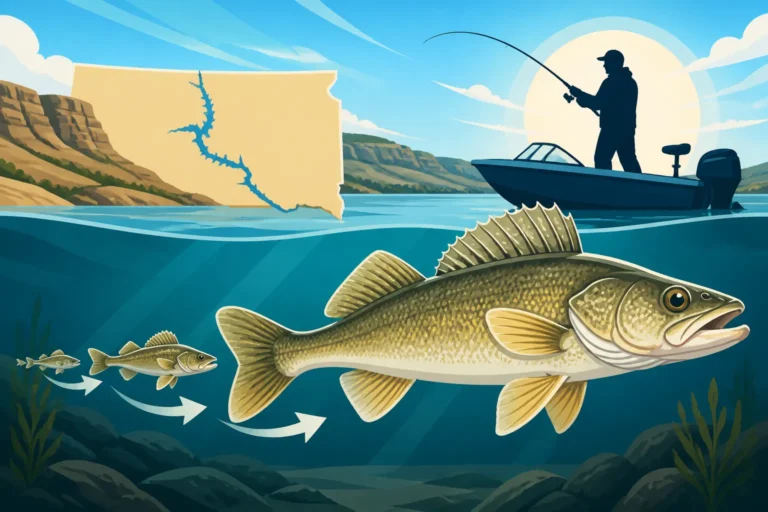
When water temperatures dip into the low 40s or even colder, a walleye's internal thermostat takes a significant plunge. Their metabolism, which dictates how quickly they digest food and how much energy they expend, slows right down. Think of it like a bear in hibernation – they're not quite sleeping, but they're definitely conserving energy. This means they're less likely to chase a bait very far, and they're going to be much more selective about what they eat. They need a meal that's easy to catch, packed with calories, and doesn't require much effort on their part.
This change in metabolism also affects their location. They'll often seek out areas where the water temperature is slightly more stable or where food is concentrated. This could be deeper water where temperatures fluctuate less, or near key structures like points, humps, or channel edges where baitfish might also congregate. On a massive body of water like Lake Oahe or Lake Sharpe, finding these precise locations can feel like finding a needle in a haystack, but with the right sonar and a little persistence, you can pinpoint these winter havens. South Dakota Walleye Fishing Guide provides a good overview of their habits.
Walleye Locating and Forage Shifts
In cold water, walleye tend to school up much tighter than they do in warmer months. They'll often hold near specific bottom structures, drop-offs, or even suspended over deeper channels, depending on where their primary food source is concentrated. This is why mapping and good electronics are absolutely critical during this time of year. You're looking for subtle changes in depth, hard bottom transitions, or any kind of cover that might attract baitfish. If you can find the bait, you're usually not far from the walleye.
Their diet also shifts. While they might crush shad or smaller perch in warmer water, in cold conditions, they often key in on slower-moving, high-protein forage like minnows or shiners. These baitfish are also susceptible to the cold, making them easier prey for lethargic walleye. Understanding these forage shifts will directly influence your bait selection. If the walleye are gorging on small emerald shiners, a large crankbait might get ignored. Conversely, a live shiner or a small, jigged plastic mimicking one could be irresistible. South Dakota Fishing Depth Charts by Season can give you an idea of where fish might be holding.
Top Live Baits for Cold Water Walleye
When walleye are sluggish and finicky, it's hard to beat the natural appeal of live bait. The subtle movements, natural scent, and authentic presentation can often trigger a strike when artificials fail. For many seasoned anglers in South Dakota, live bait isn't just an option in cold water; it's the first line of attack.
The Irresistible Minnow: Shiners and Fatheads
Minnows, particularly shiners (like golden shiners or fathead minnows), are the undisputed kings of cold water walleye bait. Their natural swimming action and scent are incredibly effective. Walleye, even when they're not actively feeding, are hard-wired to react to the presence of an easy meal, and a struggling minnow fits that bill perfectly.
For presentation, slow and subtle is the name of the game. A live minnow hooked through the lips or just behind the dorsal fin, suspended beneath a slip bobber, can be deadly. The bobber allows the minnow to swim naturally in the strike zone, often for extended periods. This is especially effective when fishing over deeper structure or along drop-offs where walleye are holding tight to the bottom. For a reliable slip bobber setup or aerated bait buckets to keep your minnows lively, you can often find a good selection on Amazon. Alternatively, a simple lead-head jig tipped with a minnow, fished very slowly along the bottom, is another classic technique. The jig provides just enough weight to get the minnow down to where the fish are, and you can impart subtle movements with your rod tip to make it appear injured. How to Fish a Jig and Minnow Combo goes into more detail.
Less Common but Still Effective: Nightcrawlers
While minnows typically steal the show in cold water, don't completely discount nightcrawlers, especially if you're fishing in areas where they are a common forage or if the water isn't quite at its coldest. In late fall or early spring, when water temperatures might be in the mid-40s, a lively nightcrawler can still tempt a walleye. They offer a significant profile and a distinct scent that can attract attention.
The key to using nightcrawlers in cold water is a very slow presentation. Avoid fast trolling or jigging. Instead, try rigging them on a slow-death rig or a simple bottom bouncer with a long snell, allowing the worm to undulate slowly just off the bottom. You can also try them on a bare hook beneath a slip bobber in slightly warmer cold water, letting them slowly squirm. The trick is to give the walleye ample time to find, inspect, and eventually commit to the bait. While not the first choice for truly frigid conditions, a fresh nightcrawler can occasionally surprise you and land a nice fish when conditions are just right.
Effective Artificial Lures for Cold Water Walleye
For those who prefer to "feel the bite" with artificials, there are indeed lures that can be incredibly productive for cold water walleye. The best artificials mimic the subtle movements and profiles of the natural forage walleye are keying in on, but often with the added benefit of flash or vibration to grab their attention.
Jigs: Lead-Head, Hair, and Soft Plastics
Jigs are arguably the most versatile and effective artificial lure for cold water walleye, especially when paired with a soft plastic or a hair dressing. The beauty of a jig lies in its ability to be fished slowly and precisely. When walleye are holding tight to the bottom or suspended in a specific depth, a jig can be presented directly into their strike zone with minimal effort.
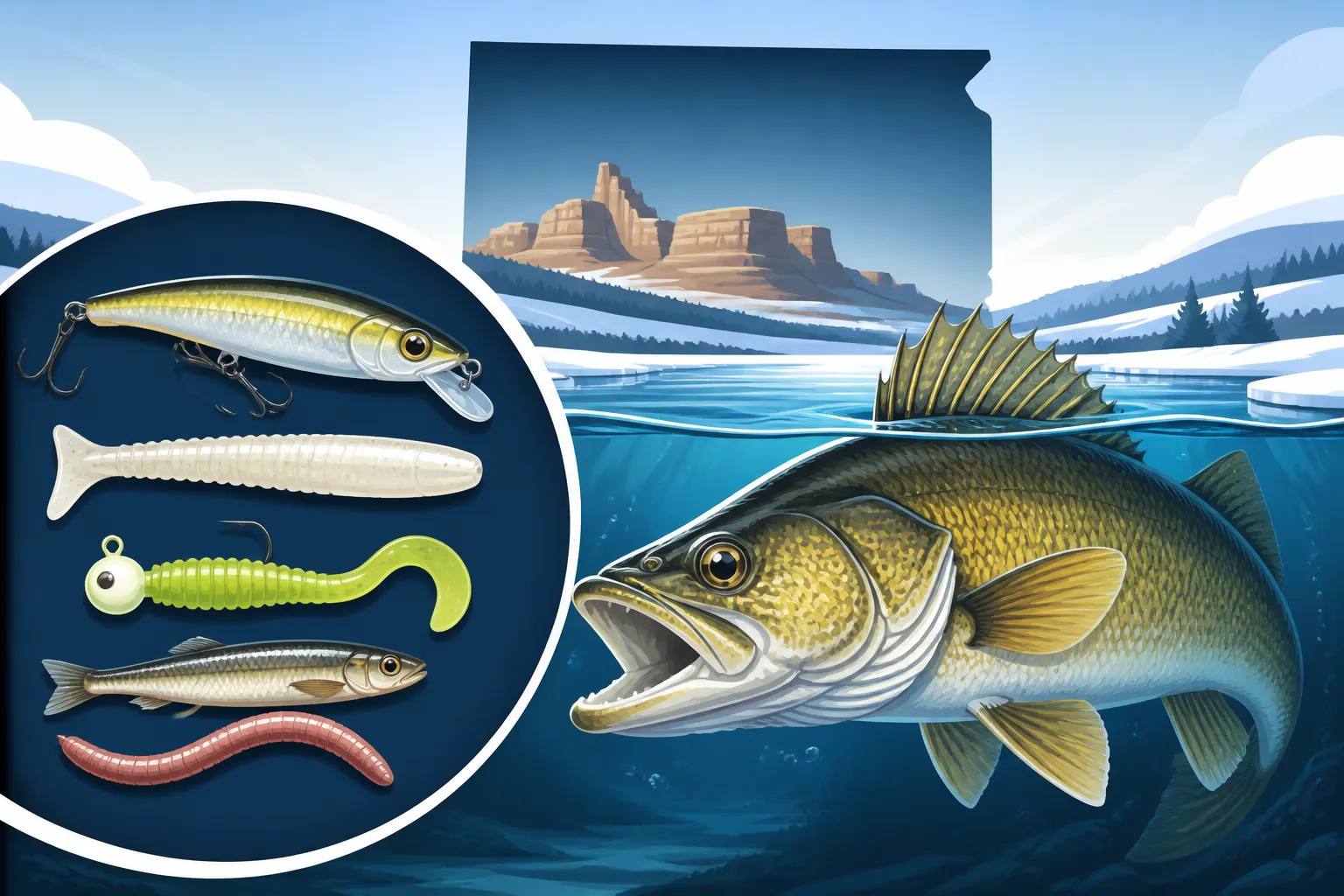
- Lead-Head Jigs with Soft Plastics: These are incredibly popular for a reason. Opt for smaller profiles in colder water – think 2-3 inch paddle tails, twister tails, or minnow-shaped plastics. Colors like white, chartreuse, pink, or natural baitfish patterns often excel. The trick is to use just enough weight to maintain bottom contact (or stay at the desired depth) with the slowest possible retrieve. A slight lift-and-drop, or a gentle drag along the bottom, is usually all it takes. Many anglers stock up on their favorite jig heads and soft plastics from Amazon before hitting the water.
- Hair Jigs: These classic lures, made with deer hair or synthetic fibers, offer an incredibly subtle and lifelike action in the water. They often appear to "breathe" or pulsate even when barely moved, making them deadly for finicky walleye. Small marabou jigs in natural colors are fantastic for vertical jigging, especially through the ice or when fishing directly over a schooling fish.
- Blade Baits: While often associated with more aggressive presentations, small blade baits can be very effective in cold water when vertically jigged. The vibration and flash they produce on the fall can sometimes trigger a reaction strike from otherwise lethargic walleye. The key is to snap them up just a foot or two, then let them flutter back down on a semi-slack line, allowing the fish to inhale them on the drop. This technique works well in deeper pockets of water on lakes like Lake Sharpe, where walleye might be concentrated.
Finesse Crankbaits and Trolling
While large, aggressive crankbaits might be reserved for warmer water, there's definitely a place for finesse crankbaits and slow trolling in cold conditions. These lures are designed to get down to depth and stay there, offering a constant, subtle action.
- Shallow-Diving and Lipless Crankbaits: Smaller, shallow-diving crankbaits can be incredibly effective when walleye are holding closer to shorelines or in shallower bays that might be slightly warmer. Look for models with a tight wobble and a realistic baitfish profile. Lipless crankbaits, fished with a slow lift-and-drop retrieve, can also produce, especially on rock piles or weed edges in early winter or late spring.
- Deep-Diving Finesse Crankbaits for Trolling: When walleye are scattered over larger flats or along long structure lines in deeper water, slow trolling finesse crankbaits can cover a lot of ground. These lures are typically smaller, with a less aggressive action than their warm-water counterparts. They often come in natural colors that mimic small shad or minnows. The speed is critical here – often just barely fast enough to get the crankbait to wobble. Think agonizingly slow. This is a common strategy on the vast expanses of the Missouri River reservoirs, where fish can be hard to pin down. Trolling for Walleye on Lake Oahe explores this technique further.
| Bait Type | Best Use Case (Cold Water) | Pros | Cons |
|---|---|---|---|
| Live Minnows | Finicky, sluggish walleye, vertical presentations, slip bobbers | Natural scent & action, highly effective, triggers passive fish | Requires bait maintenance, can be less durable, often single-use |
| Hair Jigs | Extremely finicky fish, clear water, subtle presentation | Lifelike action with minimal movement, silent, natural profile | Can be slower to locate active fish, less scent |
| Soft Plastic Jigs | Versatile, active to semi-active fish, variety of presentations | Durable, customizable colors/sizes, can add scent | Less natural movement than live bait, scent must be added |
| Blade Baits | Reaction strikes, deeper water, vertical jigging | Strong vibration/flash, covers water vertically quickly | Can be too aggressive for extremely cold/passive fish |
| Finesse Crankbaits | Covering scattered fish, slow trolling/casting on flats | Consistent action, reaches depth, can cover ground | Less direct "feel" for subtle bites, requires specific gear |
Presentation is Key: Techniques for Cold Water Success
Having the right bait is only half the battle; knowing how to present it effectively in cold water is paramount. Walleye are not going to chase a lure across the lake. Your job is to put the bait right in front of them, keep it there, and make it look as appealing and easy to catch as possible.
Slow and Deliberate: The Art of the Subtle Retrieve
In cold water, patience is more than a virtue; it's a necessity. Every movement you make, whether with live bait or artificials, needs to be slow, deliberate, and often minimal. Think about the energy a walleye has to expend to eat – they're not going to waste it on a bait that's darting around wildly.
For jigs, this means tiny lifts and drops, or simply dragging the jig along the bottom, occasionally pausing for several seconds. If you're using a slip bobber with a minnow, let the minnow do most of the work, occasionally giving the line a very gentle twitch to make it struggle a bit. When trolling, reduce your speed significantly. Many cold-water anglers will troll at speeds as low as 0.5 to 1.0 mph, sometimes even slower. This gives the walleye plenty of time to see the bait, track it, and decide to commit. The slower pace allows you to keep your bait in the strike zone longer, increasing the odds of a hesitant fish taking a bite. South Dakota Fishing Seasons Explained highlights how critical seasonal adjustments are.
Vertical Jigging and Dead Sticking Strategies
When walleye are tightly schooled or concentrated in specific spots, vertical jigging or dead sticking can be incredibly effective. These techniques allow for precise bait placement and maximum time in the strike zone.
- Vertical Jigging: This technique involves dropping a jig (tipped with a minnow or a soft plastic) directly beneath your boat or ice hole. The goal is to keep the bait just above or on the bottom, where walleye are often holding. Use short, subtle lifts of 6-12 inches, followed by controlled drops. Often, the strike will come on the fall, so pay close attention to your line for any slight twitch or unusual movement. This method is particularly popular during the When Ice Fishing Season Starts in South Dakota and through the winter on lakes known for ice fishing like some of the Glacial Lakes.
- Dead Sticking: Sometimes, even the most subtle jigging motion is too much for cold, lethargic walleye. This is where dead sticking comes in. It simply means presenting a live minnow (or even a jig tipped with bait) on a rod in a rod holder, with minimal to no movement imparted by the angler. Let the minnow's natural movements do the work. Often, anglers will run one rod with a vertical jigging presentation and another dead stick, to see which approach the fish prefer on any given day. A good rod holder for dead sticking can be a valuable addition to your gear, and you can find many options available through retailers like Amazon.
When using these techniques, it's essential to have a sensitive rod that can detect those incredibly light, cold-water bites. A medium-light to medium power rod with a fast or extra-fast action is usually ideal. Best Rod Action for Ice Fishing Walleye also offers good insights into this. Remember, in cold water, bites can often feel like nothing more than added weight or a slight slack in your line, so stay vigilant!
Disclaimer
This article is for general informational purposes only and does not constitute professional advice. Laws, prices and regulations vary by location and change over time. Consult a qualified professional for guidance on your specific situation.