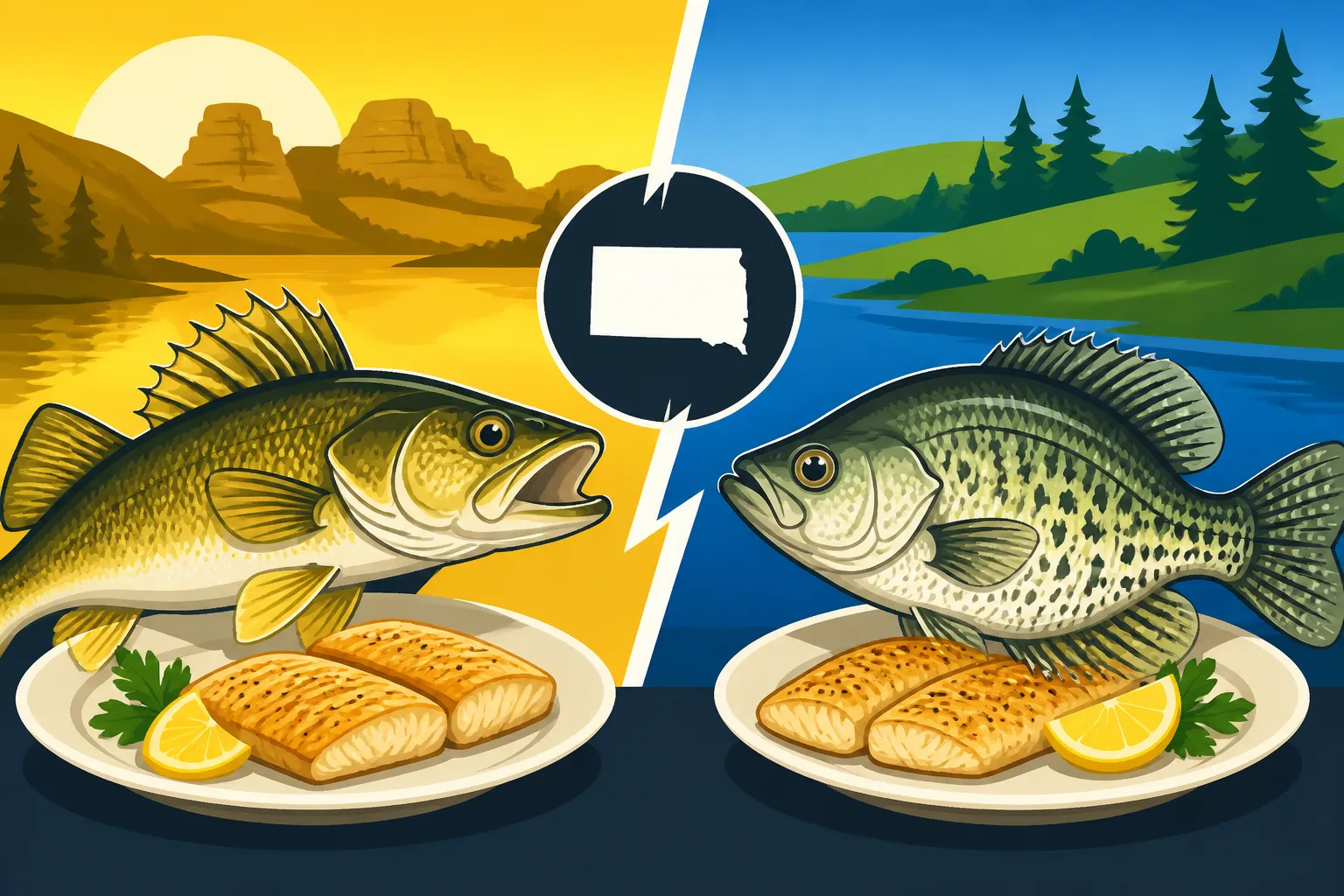
Walleye vs Crappie for Table Fare
There’s nothing quite like the satisfaction of reeling in a beautiful fish and knowing it’s destined for your dinner plate. But for anglers in South Dakota, a common delightful dilemma often arises: you’ve had a great day, and both walleye and crappie have found their way into your livewell. Which one makes for the better meal? This guide dives deep into the culinary merits of both walleye and crappie, helping you decide which fish reigns supreme for table fare.
The Walleye Experience: A Culinary Crown Jewel
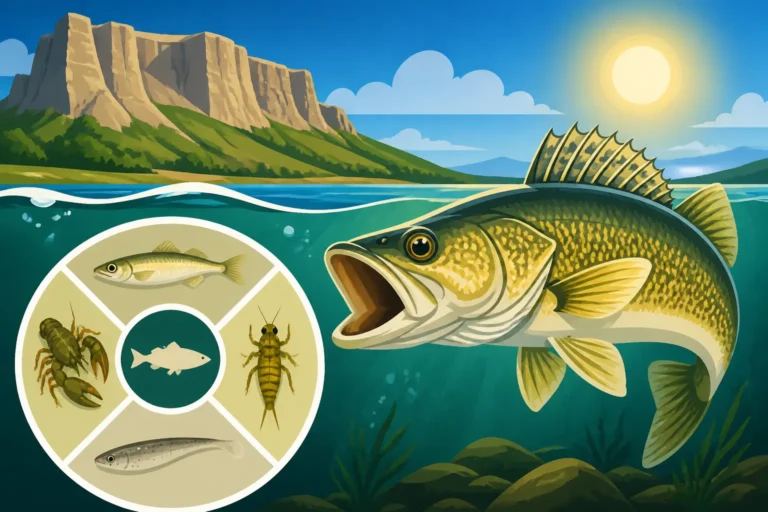
Walleye are often considered the holy grail of freshwater table fish by many anglers, and for good reason. From the vast expanse of Lake Oahe to the smaller Glacial Lakes, these fish are prized not just for the thrill of the catch, but for what they offer on the plate.
Flavor Profile and Texture: A Mild, Flaky Delight
The walleye's flavor is nothing short of exquisite. It’s famously mild, sweet, and boasts a clean, delicate taste that isn't overly "fishy." This subtle flavor profile makes it incredibly versatile, appealing even to those who might be hesitant about eating fish. Its flesh is pearly white, firm yet flaky, offering a beautiful texture that separates easily with a fork. Think of it as having the best qualities of cod or haddock, but with a unique freshwater richness.
When cooked properly, walleye maintains its structure beautifully. It doesn't fall apart easily, which is a huge plus for various cooking methods. Whether you're pan-frying it to a golden crisp or gently baking it, the fillets retain their integrity, delivering a satisfying bite every time. The subtle sweetness truly shines through, making it a favorite for simple preparations that let the fish's natural taste take center stage.
Cleaning and Preparation: Generous Fillets with Minimal Fuss
One of the practical advantages of walleye, especially the larger ones caught in productive waters like Lake Sharpe, is the size of their fillets. A decent 18-inch walleye can yield two substantial, boneless fillets that are easy to work with. The process of filleting a walleye is relatively straightforward for anyone with a little practice. Their bone structure is quite manageable, and with a sharp fillet knife, you can quickly separate the meat from the skeleton, leaving very few bones behind. If you're looking to upgrade your cleaning kit, a reliable set of fillet knives and a good cutting board, easily found on Amazon, can make this task even quicker.
The yield from a walleye is generally excellent, meaning you need fewer fish to feed a family or a small group. This can be a significant factor when considering your daily limits. For many, the efficiency of processing a walleye contributes to its appeal as a top table fish. You spend less time cleaning and more time enjoying the meal. South Dakota Walleye Daily Limit can give you an idea of how many you can keep for a meal.
Culinary Versatility: Beyond the Frying Pan
While pan-frying walleye to a crispy golden brown is a classic and undeniably delicious method, the fish's mild flavor and firm texture lend themselves to a wide array of culinary applications.
You can easily bake walleye fillets with a simple pat of butter, lemon, and a sprinkle of herbs for a healthy and flavorful meal. Grilling is another fantastic option; the fillets hold up well on the grates, developing a smoky char that complements their natural sweetness. Imagine fresh walleye tacos, flaked into warm tortillas with a vibrant slaw and a squeeze of lime—a true taste of summer. It also works wonderfully in fish and chips, where its flaky texture and mild flavor are perfectly enhanced by a light batter. Its adaptability means you can experiment with different marinades, rubs, and sauces without overpowering the delicate fish itself, making it a creative cook's dream.
The Crappie Charm: Panfish Perfection
Crappie, often affectionately called "paper mouths" or "speckled perch," might be smaller than their walleye counterparts, but they hold a special place in the hearts and on the plates of many South Dakota anglers. These prolific panfish, found in many of the state's lakes and ponds, offer a different, yet equally delightful, dining experience.
Flavor Profile and Texture: Delicate and Sweet
Crappie boasts a distinctly sweet and delicate flavor that many describe as even milder than walleye, if that's possible. Its flesh is incredibly tender and flaky, almost melting in your mouth when cooked. It's a truly enjoyable eating fish, especially when caught from clean, cold waters. The meat is very white, almost translucent when raw, cooking up to a beautiful opaque white.
What crappie might lack in size, it more than makes up for in pure, unadulterated flavor. Some connoisseurs argue that a perfectly cooked crappie fillet offers a richer, more profound sweetness than a walleye, though this can be subjective and vary with the fish's diet and habitat. This delicate nature means it's best appreciated with simpler cooking methods that don't mask its natural taste.
Cleaning and Preparation: A Labor of Love
Here's where the crappie experience diverges significantly from walleye. Crappie are smaller fish, and preparing them for the table can be a bit more labor-intensive. While you can fillet crappie, the fillets are often quite small, especially from average-sized fish. This means you’ll need to catch and clean more crappie to make a substantial meal compared to walleye. For many, this is a part of the fun – the "panfish experience" often involves a cooler full of fish and a dedicated cleaning session with friends or family.
Some anglers prefer to "pan-dress" crappie, which involves scaling, gutting, and removing the head and fins, but leaving the bones in. This method is quicker and yields more meat per fish, but you'll have to contend with bones while eating. If filleting, precision is key. A smaller, sharper fillet knife is almost essential for getting clean, boneless strips from these delicate fish. Tools like a good fish scaler and a small, flexible fillet knife can be purchased on Amazon, making the task less daunting. Crappie and Panfish Possession Limits are often generous, allowing anglers to catch enough for a proper feast.
Culinary Versatility: The Classic Fry
While crappie is incredibly versatile, it truly shines when prepared simply. The classic method, and perhaps the most beloved, is pan-frying. Lightly breaded with cornmeal or a simple seasoned flour mixture, then fried until golden and crispy, crappie fillets are an absolute treat. Their small size makes them cook quickly, and the delicate meat becomes incredibly tender inside the crunchy crust.
Beyond the pan, crappie can also be deep-fried for a crowd-pleasing fish fry. Their mild flavor takes well to various breadings and spice blends. You can also bake them or even use the small, sweet fillets in fish sandwiches. However, due to their delicate nature, they might not hold up as well to grilling or more robust cooking methods that larger, firmer fish like walleye can handle. Simplicity is often the key to unlocking the crappie's best culinary potential.
The Head-to-Head: Walleye vs. Crappie for Your Plate
Now that we’ve explored each fish individually, let's put them side-by-side to truly compare their table fare qualities. This isn’t about declaring a definitive "winner," as personal preference plays a huge role, but rather highlighting their distinct advantages.
Direct Flavor and Texture Comparison
When comparing the flavors directly, walleye offers a clean, subtly sweet, and mild taste with a firm, flaky texture. It's robust enough to stand up to bolder seasonings but delicate enough to shine with just salt and pepper. It’s the kind of fish that pleases nearly everyone at the table.
Crappie, on the other hand, often presents a slightly sweeter, almost buttery flavor with an incredibly tender, almost melt-in-your-mouth flakiness. Its delicate nature means it can be overpowered more easily, so simple preparations are often best. If you prefer a fish that is supremely tender and sweet, with a less pronounced "fish" flavor, crappie might edge out walleye for you. However, if you appreciate a bit more body and a slightly firmer flake, walleye is likely your pick.
Cleaning Effort vs. Reward
This is perhaps the most significant practical difference between the two species.
| Feature | Walleye | Crappie |
|---|---|---|
| Size of Fish | Generally larger (15-25+ inches) | Generally smaller (8-13 inches) |
| Fillet Size | Substantial, boneless fillets | Small, delicate fillets (or pan-dressed) |
| Cleaning Time | Quicker per fish, higher meat yield per fish | More time per pound of meat, higher fish count |
| Bones | Easy to remove, typically boneless fillets | More intricate to fillet boneless, or pan-dressed with bones |
| Effort to Meal | Fewer fish needed for a full meal | Many fish needed for a full meal |
For anglers who value efficiency and larger, easy-to-handle fillets, walleye presents a clear advantage. You can clean a few walleye and have plenty of meat for dinner with less effort than cleaning a bucket full of crappie. However, there’s a certain meditative joy in cleaning a large batch of crappie, especially if you’re fishing with friends or family. It often turns into a social event after a successful outing.
Ideal Culinary Applications for Each
Consider what kind of meal you're planning.
- Choose Walleye if: You want versatile fillets that can be pan-fried, baked, grilled, used in fish tacos, or incorporated into more complex dishes. Its firm texture holds up well to various cooking methods and seasonings. It’s perfect for a weeknight dinner where you want a substantial, satisfying fish meal with minimal fuss.
- Choose Crappie if: You crave that classic, delicate pan-fried fish experience. It's ideal for a traditional "fish fry" event where you're serving a larger quantity of smaller, tender pieces. Crappie is fantastic for simple preparations where its natural sweetness can truly shine without being overshadowed.
Ultimately, the "ideal" application comes down to personal taste and what kind of dining experience you're after. Both offer unique culinary rewards.
Making Your Choice: Factors Beyond the Fillet
Beyond just the taste and cleaning, several other practical considerations might influence whether you keep walleye or crappie for your next meal. It's not always about which tastes "better" but which makes more sense for your specific situation.
Fishing Regulations and Limits
This is a non-negotiable factor. South Dakota has specific regulations for different fish species, including daily and possession limits, and sometimes even size restrictions. For example, South Dakota Walleye Limits might allow you to keep a certain number of fish, with a slot limit or minimum size. Crappie, being panfish, often have more generous limits, but it’s crucial to check the current rules. Always refer to the latest South Dakota GFP Fishing Handbook Guide or the GFP website before you hit the water.
If you only catch one walleye and a dozen crappie within the legal limits, your decision might be made for you. Conversely, if you're on a trophy walleye lake and catch a few keepers, you might prioritize those larger fillets for a meal. Understanding and adhering to these rules is paramount, ensuring sustainable fishing for generations to come. South Dakota Fish Limits and Size Restrictions details these critical guidelines.
Personal Preference and Family Dinners
Taste is incredibly personal. What one person loves, another might only tolerate. If your family is particularly sensitive to "fishy" flavors, the extremely mild crappie might be a safer bet. If they enjoy a firmer, flakier texture that holds up well, walleye could be the winner.
Think about how you typically cook and what your family enjoys most. Is a quick, easy pan-fry preferred? Both work well, but crappie might be quicker to cook given their size. Are you planning a larger gathering where a big batch of fried fish is the main event? Then the sheer volume of crappie you can often catch and prepare lends itself well to that kind of meal. For a more elegant or versatile fish dish, walleye often fits the bill perfectly. Don't be afraid to experiment and get feedback from your dinner guests!
Availability in South Dakota Waters
Your fishing location and target species will heavily influence what you bring home. If you're specifically targeting walleye on the mainstem Missouri River reservoirs like Lake Sharpe or Lake Francis Case, you're likely to catch more walleye. In such scenarios, bringing home a cooler of walleye for dinner is a natural outcome. Best South Dakota Lakes for Walleye highlights prime locations for these sought-after fish.
However, if you're fishing smaller lakes, stock dams, or backwaters, especially in eastern South Dakota's Glacial Lakes region, crappie might be more abundant and easier to catch in numbers. Many anglers will target crappie for a dedicated panfish fry. So, while both are popular, their prevalence can vary greatly depending on where you cast your line. Knowing what species are common in your chosen fishing spot will often dictate what you have available for the dinner table. Lake Sharpe Crappie Fishing at Joe Creek is a great example of a specific spot known for its crappie.
Ultimately, whether you lean towards the revered walleye or the charming crappie, you're in for a fantastic meal. Both are incredible fish that South Dakota waters offer in abundance, and the joy of catching and preparing your own fresh meal is a reward in itself.
Disclaimer
This article is for general informational purposes only and does not constitute professional advice. Laws, prices and regulations vary by location and change over time. Consult a qualified professional for guidance on your specific situation.