South Dakota Fish Consumption Advisory Species
It's a beautiful thing, spending a day out on the water in South Dakota, reeling in a prized catch. But as much as we love the thrill of the bite and the thought of fresh fish for dinner, there's often a little voice in the back of our minds asking, "Is this fish safe to eat?" Navigating the world of fish consumption advisories can feel confusing and, frankly, a bit daunting. This guide is here to cut through the jargon, explain why these warnings exist, and help you understand which South Dakota fish species are most often under advisory, so you can enjoy your harvest with confidence.
Understanding South Dakota Fish Consumption Advisories
Before we dive into specific fish, let's get a handle on what these advisories actually are. They're not meant to scare you away from eating fish entirely – quite the opposite! They're a science-based tool designed to help you make informed decisions about how much and what kind of fish to consume, especially from certain bodies of water. Think of them as a friendly warning, like checking the weather before you head out, to ensure your fishing adventure ends safely, all the way to your dinner plate.
Why Advisories Exist: The Science Behind It
The primary reason we have fish consumption advisories is the presence of contaminants in some of our waters. These aren't usually things you can see, smell, or taste, which makes them particularly tricky. Over time, certain pollutants can accumulate in the aquatic environment, and fish, being part of that ecosystem, absorb these substances. It's a natural process in an unnatural world, where industrial activities, agricultural runoff, and even atmospheric deposition can contribute to the issue. The goal of these advisories is to protect public health by preventing over-exposure to these compounds that, in high doses, could pose health risks over time. South Dakota Fish Consumption Advisories Explained goes into further detail about the process.
It's important to remember that not all fish in all waters are affected equally, and not all contaminants are the same. Some pollutants break down quickly, while others, known as persistent organic pollutants (POPs), can remain in the environment and in fish tissues for a very long time. The types and levels of contaminants vary widely depending on the specific water body, its history, the surrounding land use, and even the fish species itself. That's why blanket statements don't work, and specific, localized advisories are so crucial.
Who Issues These Warnings and Where to Find Them
In South Dakota, the responsibility for monitoring fish and issuing consumption advisories primarily falls to the South Dakota Game, Fish and Parks (GFP), often in collaboration with the Department of Health. These agencies conduct regular testing of fish tissue samples from various lakes, rivers, and reservoirs across the state. They analyze these samples for specific contaminants, then compare the detected levels to established health-based guidelines. When levels exceed certain thresholds, advisories are developed.
Finding these advisories is easier than it might seem, though it does require a proactive step on your part. The most up-to-date information is always published on the official South Dakota GFP website. They typically release an annual fishing handbook that includes a section dedicated to these advisories, sometimes even breaking it down by specific water bodies and fish species. You can often pick up a copy of the South Dakota GFP Fishing Handbook Guide at license vendors, GFP offices, or download it directly online. It's always a good idea to check this resource before heading out to a new fishing spot or when targeting a specific species you plan to eat.
Common Contaminants Found in South Dakota Fish
When we talk about fish consumption advisories, there are a couple of key contaminants that tend to be the most common culprits. Understanding what these are and how they affect fish (and us!) can help make the advisories feel less abstract and more actionable. It's not about being an expert chemist, but rather having a basic awareness to help you make smart choices.
Mercury: The Main Culprit
Without a doubt, mercury is the most widespread contaminant found in fish across South Dakota and many other regions. It's a naturally occurring element, but human activities like coal-burning power plants, mining, and waste incineration release significant amounts into the atmosphere. This mercury then falls into our lakes and rivers, where a fascinating (and problematic) process occurs. Microorganisms in the water convert inorganic mercury into a highly toxic form called methylmercury.
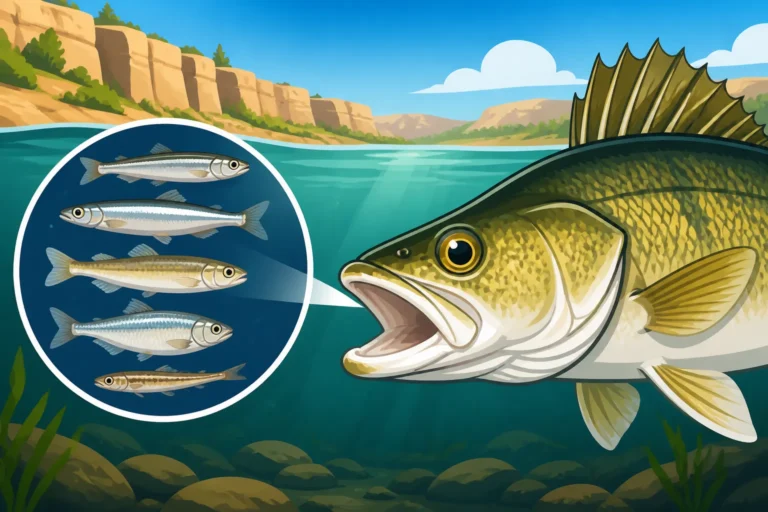
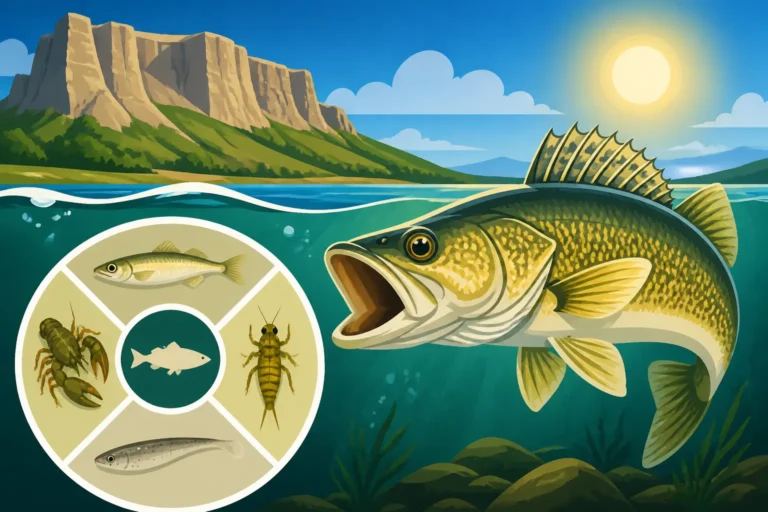
Fish absorb methylmercury from the water they swim in and the food they eat. Here's the kicker: methylmercury accumulates in their tissues, and it biomagnifies up the food chain. This means smaller fish eat contaminated plankton and insects, then larger predatory fish eat many of those smaller fish, accumulating even higher levels of mercury in their own bodies. So, generally speaking, larger, older predatory fish like walleye and northern pike tend to have the highest concentrations of mercury. For humans, consuming too much methylmercury can lead to neurological problems, especially for developing fetuses and young children.
PCBs and Other Persistent Organic Pollutants
While mercury gets a lot of the spotlight, another group of chemicals called PCBs (polychlorinated biphenyls) and other persistent organic pollutants (POPs) can also lead to fish consumption advisories. PCBs were once widely used in industrial applications, electrical equipment, and building materials before their production was banned decades ago due to their toxicity and persistence in the environment. Unfortunately, they don't just disappear.
Like mercury, PCBs are lipophilic, meaning they love fat. They accumulate in the fatty tissues of fish and also biomagnify up the food chain. The health concerns associated with PCBs include potential effects on the immune system, reproductive system, nervous system, and they are also considered probable human carcinogens. Other POPs, such as certain pesticides, can also occasionally be found. Unlike mercury, which is largely stored in muscle tissue, PCBs are more concentrated in the fatty parts of the fish. This distinction is important because it offers strategies for reducing your exposure, which we'll discuss later.
Which South Dakota Fish Species Are Most Often Affected?
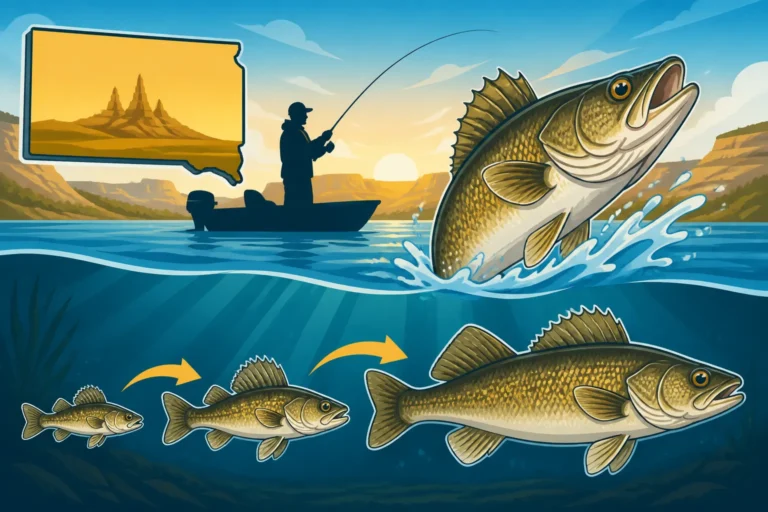
It's easy to assume all fish are created equal when it comes to contaminants, but that's simply not the case. The species you're targeting can play a huge role in the level of contaminants they might carry. Generally, the longer a fish lives and the higher it sits on the food chain, the more likely it is to accumulate higher levels of contaminants.
Walleye, Northern Pike, and Larger Predatory Fish
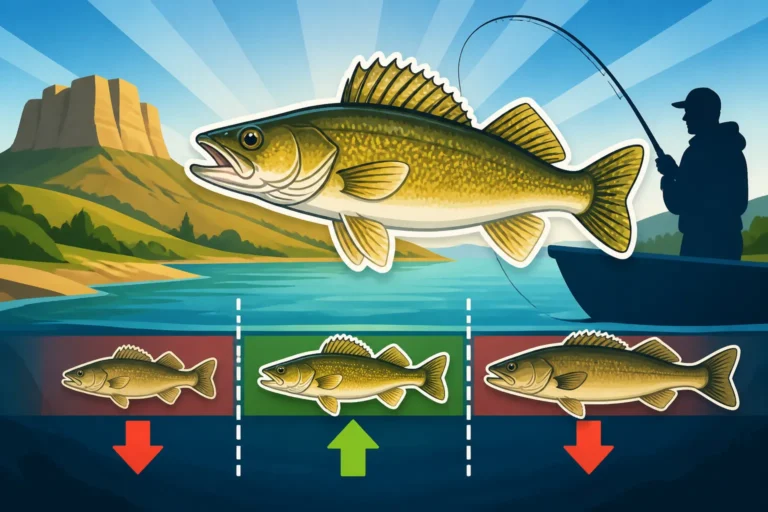
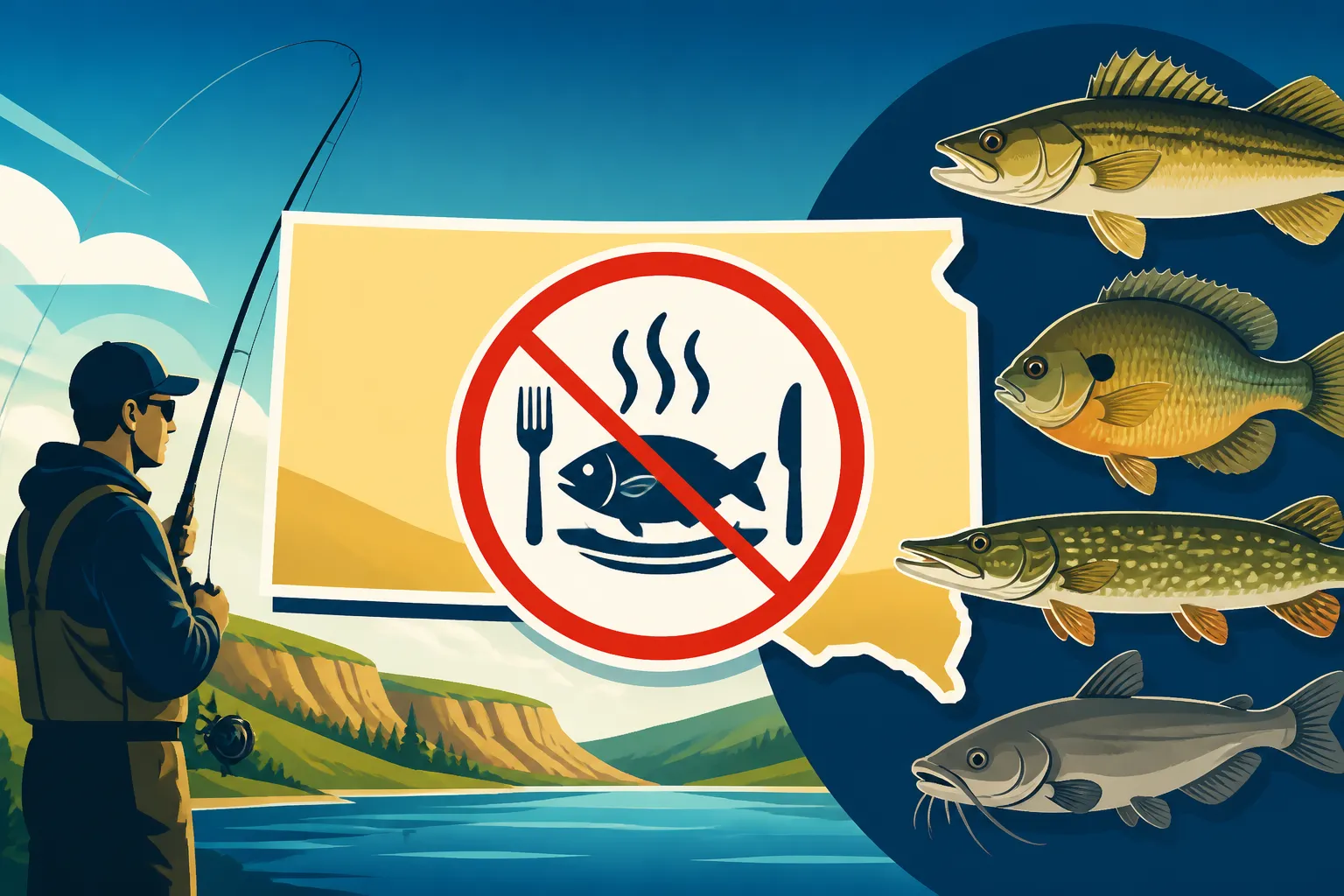
If you're an angler in South Dakota, chances are you've spent many hours chasing walleye. They are, without a doubt, one of the most popular game fish. However, due to their position as apex predators in many South Dakota waters, and their relatively long lifespans, walleye often appear on consumption advisory lists, particularly the larger, older individuals. The same goes for northern pike, another formidable predator that can grow quite large. These fish consume many smaller fish throughout their lives, effectively accumulating the contaminants from their prey.
For example, specific advisories often target walleye in larger reservoirs like Lake Oahe, Lake Sharpe, and Lake Francis Case. South Dakota Walleye Limits and South Dakota Northern Pike Limits are designed to help manage populations, but advisories address the safety of consumption. It's not uncommon for advisories to suggest limiting consumption of walleye over a certain size or from a particular body of water, especially for vulnerable populations. This isn't a reason to stop fishing for them, but rather a reminder to be mindful of how much you're taking home for dinner and to check current guidelines.
Panfish and Catfish: Generally Safer Bets
On the flip side, if you're looking for fish with a generally lower risk of contaminant accumulation, panfish and catfish are often good choices. Panfish, like crappie, bluegill, and perch, are typically smaller, have shorter lifespans, and feed lower on the food chain (insects, small crustaceans, smaller fish). Because they don't live as long or eat as many larger prey, they have less time to accumulate significant levels of mercury or PCBs. Many of these species also fall under general Crappie and Panfish Possession Limits and are fantastic for a fish fry.
Catfish, while they can grow quite large, are often bottom feeders and scavengers. While they can absorb contaminants from the sediment, their diet often differs from that of pure predators like walleye. Additionally, certain types of contaminants might be processed differently in their bodies. While it's always wise to check local advisories for any specific water body, many consumption guidelines will recommend panfish and smaller catfish as safer options for more frequent consumption. This is good news for families, as panfish are often among the first species young anglers learn to catch! For detailed information on specific water bodies, you can also check pages like Fish Species Found in Lake Oahe to see what's available and potentially under advisory.
| Fish Species Category | Typical Contaminant Risk | Reasons for Risk | Consumption Advice Trend |
|---|---|---|---|
| Large Predators (Walleye, Pike) | Higher | Long-lived, high on food chain (biomagnification) | Limited, especially for larger fish and vulnerable groups |
| Medium Predators (Largemouth Bass, Trout) | Moderate | Intermediate lifespan and diet | Moderate, check specific advisories for size/water body |
| Bottom Feeders (Catfish) | Lower to Moderate | Varied diet, can absorb from sediment | Generally safer, but check for specific water bodies |
| Panfish (Crappie, Perch, Bluegill) | Lower | Shorter lifespan, lower on food chain | Generally safest for frequent consumption |
Interpreting and Applying Consumption Guidelines
Okay, so you've checked the advisories, and you see a recommendation like "limit to one meal per week" for a certain species. What does that actually mean for your family and your fishing habits? It's crucial to understand that these aren't hard and fast rules set in stone, but rather scientifically derived guidelines meant to empower you to make healthy choices over the long term.
Understanding Meal Limits: What's a "Meal"?
When an advisory states "one meal per week" or "two meals per month," it's easy to get hung up on the exact portion size. A "meal" in the context of fish consumption advisories is typically defined as about 6-8 ounces of uncooked fish for an adult. For children, the portion size is smaller, often 2-4 ounces, depending on their age and weight. These are general guidelines, of course, and you don't need to get out a kitchen scale every time you eat fish. The key is moderation and variety.
If you catch a particularly large walleye from a water body with an advisory, and you plan to have a fish fry with friends, remember that portioning out smaller servings or spreading the consumption over a longer period can help. Also, consider the total amount of fish you're eating from all sources, not just your personal catch. If you also regularly buy salmon or tuna from the grocery store, factor that into your overall fish consumption for the week or month. This comprehensive approach ensures you're staying within healthy limits for total exposure.
Special Considerations for Vulnerable Populations
The consumption guidelines often have more stringent recommendations for certain vulnerable populations. These typically include:
- Pregnant women and women who might become pregnant: Contaminants like methylmercury can be particularly harmful to the developing nervous system of a fetus. Therefore, advisories for these groups are often the strictest.
- Breastfeeding mothers: Some contaminants can pass into breast milk, so similar precautions are recommended to protect nursing infants.
- Young children: Their smaller body size and developing systems make them more susceptible to the potential effects of contaminants.
For these groups, advisories might recommend avoiding certain fish species or reducing consumption to half a "meal" per week or even less frequently. It's not about fear, but about taking extra steps for protection during critical developmental stages. If you fall into one of these categories, it's particularly important to pay close attention to the specific advisories for the waters you fish and the species you target. When in doubt, lean towards the more conservative recommendations, and perhaps opt for species known to be lower in contaminants, like panfish.
Reducing Your Exposure: Smart Practices for Anglers
Knowing about advisories is one thing; actually incorporating smart practices into your fishing routine is another. The good news is that there are practical steps you can take to minimize your exposure to contaminants while still enjoying the bounty of South Dakota's waters. These practices involve everything from how you clean your fish to where and what you choose to catch.
Cleaning and Preparing Fish to Minimize Risk
For contaminants like PCBs and other fat-soluble pollutants, how you clean and prepare your fish can actually make a difference. Remember how we said PCBs accumulate in fatty tissues? This gives us a great opportunity to reduce exposure.
- Trim Away Fat: When you're filleting your catch, carefully remove the skin and any visible fat. This includes the belly flap, the lateral line, and the dark meat along the sides. While this won't eliminate all contaminants, it can significantly reduce the amount of fat-soluble chemicals you consume. This practice is less effective for mercury, which is distributed throughout the muscle tissue. How to Clean a Walleye offers great tips, and when combined with trimming, it's even better.
- Cooking Methods: Grilling or baking fish on a rack that allows fat to drip away can also help reduce exposure to fat-soluble contaminants. Frying, on the other hand, can seal in those fats. Again, this mainly applies to PCBs and not mercury.
- Check Advisories for Cooking: Some advisories might even give specific cooking recommendations for certain species or contaminants. Always cross-reference your specific catch with current guidelines.
By adopting these cleaning and cooking methods, you're taking proactive steps to protect your health, demonstrating responsible angling that goes beyond just catching the fish. You can find excellent filleting knives and gear to make this easier on platforms like Amazon.
Varying Your Catch and Fishing Locations
Perhaps the simplest and most effective strategy to reduce your overall exposure to contaminants is to diversify your fishing habits. Think of it like a balanced diet: you wouldn't eat the same thing every single day, right? The same principle applies here.
- Mix Up Your Species: Instead of only targeting large walleye, throw in some trips for crappie, perch, or channel catfish. As we discussed, these species generally have lower contaminant levels. South Dakota Crappie Fishing Guide and South Dakota Catfish Fishing Guide offer great ideas for expanding your species repertoire.
- Rotate Fishing Spots: Contaminant levels can vary significantly from one lake or river to another, and even within different sections of the same large water body. If you frequently fish Lake Oahe, consider also exploring the glacial lakes region in eastern South Dakota or the Black Hills trout streams. Best Fishing Spots in South Dakota can give you plenty of ideas for new places to explore. By not relying on a single source for all your fish, you spread out your potential exposure.
- Practice Catch and Release: If you're fishing a water body or targeting a species known to have higher contaminant levels, consider practicing catch and release, especially for the larger, older fish. You still get the thrill of the catch, but you protect your health by not consuming the fish. It's a win-win! This is also a great way to ensure healthy fish populations for the future, something the South Dakota Fish Limits and Size Restrictions are also designed to help with.
By being mindful of these practices, you can confidently continue to enjoy the fantastic fishing opportunities South Dakota offers, knowing you're making smart, healthy choices for yourself and your family.
Disclaimer
This article is for general informational purposes only and does not constitute professional advice. Laws, prices and regulations vary by location and change over time. Consult a qualified professional for guidance on your specific situation.