Belle Fourche Reservoir Walleye Slot Limit Explained
Navigating fishing regulations can sometimes feel like trying to untangle a backlash on your favorite reel – frustrating and confusing, especially when specific bodies of water have their own unique rules. Anglers heading to Belle Fourche Reservoir often find themselves scratching their heads over the walleye slot limit, unsure exactly what fish they can keep and what they must release. This guide is here to clear up that confusion, explaining the Belle Fourche Reservoir walleye slot limit in detail so you can fish with confidence and stay within the law.
Understanding Walleye Slot Limits: The Basics
Before we dive into the specifics of Belle Fourche, it's helpful to understand what a "slot limit" actually is and why fisheries management agencies implement them. It's not just about making things complicated; these rules are carefully designed to maintain healthy fish populations for future generations of anglers.
What is a Slot Limit and Why Does it Exist?
At its core, a slot limit is a conservation tool. Imagine a population of walleye in a lake. You have small, young fish, medium-sized mature fish, and a few really big, old trophy fish. If anglers consistently remove the largest fish, you might lose the most successful spawners. If they only keep the medium-sized fish, you could deplete the breeding stock. A slot limit is designed to protect specific size ranges of fish, allowing them to grow, reproduce, and contribute to the overall health and stability of the fishery.
For walleye, slot limits often aim to protect the most productive breeding-age fish. These are typically the medium-sized females that lay the most eggs. By mandating their release, fisheries managers ensure that these vital spawners have ample opportunity to reproduce, contributing to a robust population of future walleye. This approach also helps manage the density of smaller fish, preventing overpopulation that could lead to stunted growth. It's a delicate balancing act to ensure both good fishing today and healthy fish populations tomorrow. You can often learn more about these broader conservation efforts in resources like the South Dakota GFP Fishing Handbook Guide.
Different Types of Slot Limits
While the general principle of protecting certain size ranges remains consistent, slot limits can manifest in a few different ways, depending on the specific goals for a particular body of water. Understanding these variations helps put the Belle Fourche rules into context.
The most common types include:
- Protected Slot: This is what most people think of when they hear "slot limit." Fish within a specified size range (the "slot") must be released. Anglers can only keep fish smaller than the slot or larger than the slot. This is often used to protect the main spawning population.
- Minimum Length Limit: This is simpler – no fish below a certain length can be kept. All fish caught under that size must be released. This helps ensure fish have a chance to reach sexual maturity and spawn at least once.
- Maximum Length Limit: The opposite of a minimum, this rule means no fish above a certain length can be kept. All fish caught over that size must be released. This is often implemented to protect large, mature trophy fish, ensuring they remain in the population as prime breeders and desirable targets for catch-and-release anglers.
The regulations for Belle Fourche Reservoir combine elements to create a specific management strategy tailored to its unique ecosystem. These varied approaches are all part of the larger framework of South Dakota Fishing Regulations Explained.
Deciphering the Belle Fourche Reservoir Walleye Slot Limit
Now for the main event: what you absolutely need to know when fishing for walleye at Belle Fourche Reservoir. This isn't just a suggestion; these are mandatory rules put in place to protect this fantastic fishery.
The Specific Numbers: What You Can and Cannot Keep
Belle Fourche Reservoir operates under a very particular set of rules for walleye, distinct from many other waters in the state. The goal here is to manage the population carefully, often to enhance the average size of the fish and protect the core breeding stock. It’s crucial to know these numbers by heart before you even cast a line.
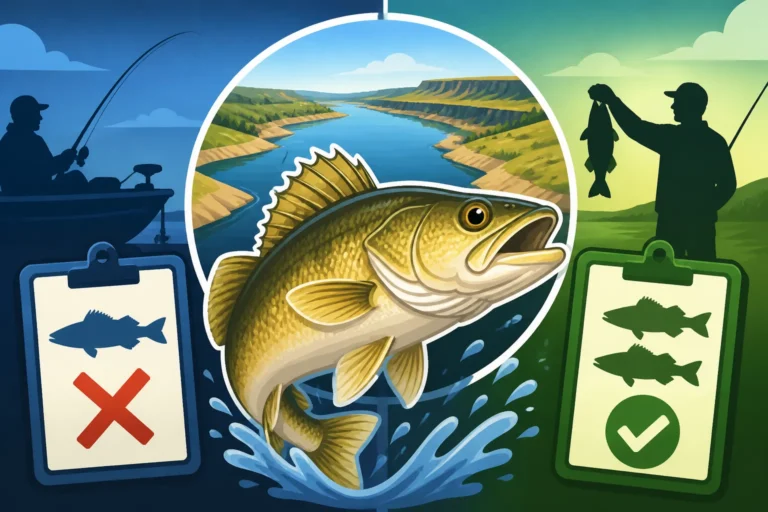
At Belle Fourche Reservoir, the walleye regulation typically involves a protected slot limit. This means:
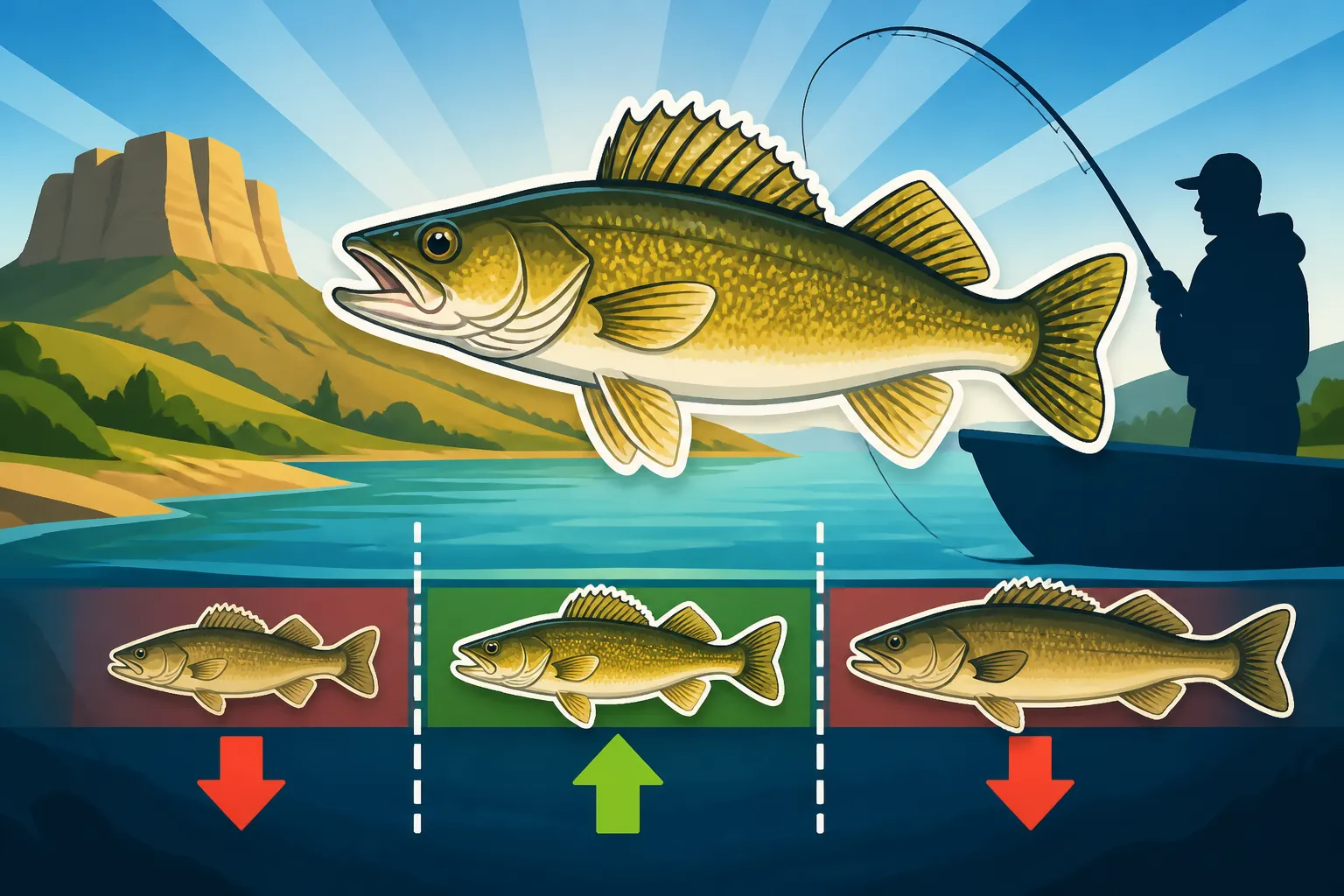
- Protected Slot: Any walleye you catch that measures between a specific minimum and maximum length must be immediately released back into the water. These are the fish that the South Dakota Game, Fish and Parks (GFP) has identified as the prime breeders, the backbone of the fishery.
- Keepers: You can only keep walleye that are under the minimum length of the protected slot, or over the maximum length of the protected slot.
Let's illustrate with an example. While specific numbers can change, a common protected slot might look something like this: all walleye between 15 and 20 inches must be released. This means if you catch a 14-inch walleye, you can keep it. If you catch a 17-inch walleye, you must release it. And if you're lucky enough to land a 22-inch walleye, you can keep that one too. Always check the most current Belle Fourche Reservoir Special Walleye Rules and Belle Fourche Reservoir Walleye Minimum Length before heading out, as regulations can be updated.
Here's a simplified table to help you visualize a hypothetical slot limit:
| Walleye Length Category | Action Required | Reasoning |
|---|---|---|
| Less than 15 inches | Can be kept | Harvest allows for population density management. |
| 15 to 20 inches (the slot) | Must be released | Protects prime breeding stock. |
| Greater than 20 inches | Can be kept (Trophy) | Allows for harvest of larger, older fish. |
Remember: This table uses hypothetical numbers for illustration. Always refer to current South Dakota GFP regulations for exact measurements for Belle Fourche Reservoir.
Why Belle Fourche is Different: The Science Behind the Special Rules
You might be wondering why Belle Fourche Reservoir has these specific, often unique, walleye rules when other lakes have simpler minimum length limits. There's a method to the madness, rooted in biological data and fisheries management goals tailored directly to this body of water. The question of Why Belle Fourche Reservoir Has Different Walleye Rules comes up often, and the answer is fascinating.
Belle Fourche Reservoir is a distinctive ecosystem. Its water chemistry, forage base (what the walleye eat), and habitat characteristics differ from, say, the Missouri River reservoirs or the glacial lakes. These factors directly influence walleye growth rates, spawning success, and overall population dynamics. For instance, if the reservoir has an abundance of smaller forage fish but limited habitat for larger walleye, protecting the mid-range fish helps ensure they have enough food to grow past the slot. If fishing pressure is particularly high, a slot limit can prevent overharvest of the most desirable sizes.
The South Dakota GFP biologists continually monitor the walleye population at Belle Fourche through surveys, tagging programs, and angler reports. They assess things like fish size distribution, age structure, spawning success, and the health of the forage base. Based on this data, they determine that a specific slot limit is the most effective way to achieve their management objectives, which might include:
- Improving average walleye size: By releasing mid-sized fish, they get a chance to grow larger, increasing the average size of fish available to anglers.
- Protecting critical spawning stock: The fish within the protected slot are often the most reproductively active females, and protecting them ensures a strong spawn.
- Balancing predator and prey populations: Adjusting walleye harvest can indirectly influence the populations of the baitfish they consume.
These are not arbitrary rules; they are scientifically informed decisions aimed at ensuring Belle Fourche remains a premier walleye fishery for years to come.
Practical Tips for Fishing Belle Fourche's Walleye Slot
Fishing with a slot limit requires a slightly different mindset and some specific tools and techniques. It's not just about catching fish, but about thoughtfully managing what you keep and what you release. Being prepared and understanding responsible handling are key to being a successful and ethical angler at Belle Fourche.
Essential Gear for Measuring and Releasing Fish
When every inch counts, accurate measurement is non-negotiable. You'll need more than just a rough estimate; a reliable measuring device is your best friend when fishing a slot-limit lake.
First and foremost, invest in a good quality, rigid measuring board. Flexible tape measures are too prone to error, especially with a lively fish. Look for a board that has clear, easy-to-read markings and a prominent bump or edge at the zero mark to ensure the fish's nose is properly aligned. Many anglers prefer boards made of durable plastic or aluminum that can withstand the elements. You can find a wide variety of these on platforms like Amazon, ensuring you have an accurate tool ready for action. Having one that floats is a bonus!
Beyond the measuring board, a few other tools are crucial for ethical catch and release:
- Long-nosed pliers or forceps: These are essential for safely removing hooks, especially if a fish has swallowed the bait deep.
- Hook removers: Specialized tools can make unhooking even easier and faster, reducing stress on the fish.
- Net with rubberized mesh: A net helps you control a fish quickly, but a rubberized mesh is much gentler on a fish's slime coat and fins than traditional nylon netting. This significantly reduces injury and disease transmission risk.
Having these items readily accessible and knowing how to use them efficiently will not only keep you compliant with the South Dakota Fish Limits and Size Restrictions but also help preserve the fish population you're enjoying.
Mastering Catch-and-Release Techniques for Walleye
Successfully releasing a fish back into the water, particularly a strong walleye, is an art form. It's about minimizing stress and injury to give that fish the best possible chance of survival and future spawning. At Belle Fourche, where many fish in the slot must be released, mastering these techniques is incredibly important.
Here are some key practices:
- Minimize "Air Time": Keep the fish in the water as much as possible. Walleye, like all fish, need water to breathe. If you must bring it aboard for a quick measure, do so quickly and gently, supporting its body horizontally. Avoid holding a fish vertically by the jaw if it’s a larger walleye, as this can damage its internal organs.
- Wet Your Hands: Always wet your hands thoroughly before touching a fish. Dry hands can remove the fish's protective slime coat, making it vulnerable to infection.
- Handle Gently: Support the fish's belly and tail. Avoid squeezing its body or putting your fingers into its gills. If using a lip-grip tool, do so only for a brief moment to control the head, and always support the body with your other hand.
- Quick Hook Removal: Use your pliers or forceps to quickly and cleanly remove the hook. If the fish has swallowed the hook deeply, and it’s a protected slot fish, it's often better to cut the line as close to the hook as possible. The hook will usually dissolve or be expelled, and trying to dig it out can do more harm than good. Consider using circle hooks, which tend to hook fish in the corner of the mouth, making removal much easier.
- Revive If Necessary: If a fish seems sluggish after a fight, gently hold it in the water, facing into the current if possible, and move it back and forth to force water over its gills. Only release it when it can swim away strongly on its own.
By practicing these mindful catch-and-release techniques, you contribute directly to the health of the Belle Fourche fishery, ensuring those protected walleye survive to spawn and grow even larger.
Adapting Your Fishing Strategy to the Slot Limit
Fishing a slot limit isn't just about what you do after you catch a fish; it can influence how and where you fish. To maximize your enjoyment and success at Belle Fourche, you might need to tweak your usual walleye tactics. Check out Belle Fourche Reservoir Walleye Fishing Tips for more general advice.
One common strategy is to target fish specifically outside the protected slot. If you're looking to fill a cooler, you might focus on areas known to hold smaller "eater" walleye. These could be shallower flats or specific structures where younger fish congregate. Using smaller baits or jigs might also help you target these smaller fish more effectively. Conversely, if you're looking for that trophy fish that's above the slot, you might shift your focus to deeper water, specific structure, or larger bait presentations that tend to attract bigger walleye.
Another important aspect is to be mindful of bait and hook size. If you're consistently catching fish within the slot and having trouble releasing them unharmed due to deep hooking, consider switching to artificial lures that are less likely to be swallowed whole, or experimenting with larger hooks that are harder for smaller fish to get in their gullets. Live bait presentations, like a Slow Death Rig Technique for Walleye, can be very effective but may require more attention to ensure quick hook sets to avoid deep hooking.
Learning to How to Read a Fish Finder for Walleye can also become a critical tool. If you can identify schools of smaller fish versus larger individual marks, you can adjust your presentation to target the size class you're allowed to keep or prefer to catch and release. This strategic approach makes fishing Belle Fourche not just about luck, but about informed decisions on the water.
Staying Compliant: Avoiding Penalties
Fishing regulations are put in place for a reason, and respecting them is a fundamental part of responsible angling. Ignoring the Belle Fourche Reservoir walleye slot limit can lead to serious consequences, impacting both your fishing privilege and your wallet.
Double-Checking Regulations Before You Go
The most important step in avoiding accidental violations is proactive research. Regulations are dynamic; they can and do change from year to year, or even within a season, based on scientific data and management needs. What was true last year might not be true this year.
Always, always, always consult the most current regulations before heading out. The South Dakota Game, Fish and Parks (GFP) website is your definitive source. You can usually find a downloadable PDF of the annual fishing handbook or specific online pages dedicated to individual bodies of water like Belle Fourche. Looking up South Dakota Fishing Regulations Explained or South Dakota Walleye Limits will give you the general framework, but always drill down to the specific body of water you intend to fish.
Don't rely solely on what a friend told you, or what you read on an old forum post. Take a few minutes to check the official sources. It’s also wise to check for any special advisories or emergency rule changes that might be posted closer to your trip date. A few minutes of research can save you a lot of grief on the water and ensure you have a valid South Dakota Fishing License Guide in hand. You might even find helpful apps that provide updated regulations, though it's always best to cross-reference with the official GFP site.
What Happens If You Break the Rules
Ignorance of the law is generally not considered an excuse, especially when it comes to wildlife regulations. Game wardens and conservation officers are out there to protect the resource, and they take violations seriously. If you're caught breaking the Belle Fourche walleye slot limit, you could face significant repercussions.
The exact penalties can vary depending on the severity of the violation, the number of fish involved, and whether it's a repeat offense. However, common consequences can include:
- Fines: These can range from a few hundred dollars to substantial amounts, especially for multiple fish or serious infractions.
- Seizure of Fish and Gear: The illegally possessed fish will be confiscated, and in some cases, your fishing gear (rods, reels, even your boat or vehicle) might be seized as evidence.
- Loss of Fishing Privileges: You could have your South Dakota fishing license suspended or even revoked for a period, meaning you won't be able to fish legally in the state. This can also lead to reciprocal suspensions in other states under interstate agreements.
- Criminal Charges: For egregious violations, you could face criminal charges beyond just citations, leading to court appearances and a permanent record.
It's simply not worth the risk. A few extra minutes to measure a fish or release one that falls within the slot is a small price to pay compared to the potential financial, legal, and personal costs of a violation. Understanding South Dakota Fishing Without a License Penalties can also give you a glimpse into the serious nature with which the state treats all fishing infractions. Always err on the side of caution, measure twice, and if in doubt, release the fish.
Disclaimer
This article is for general informational purposes only and does not constitute professional advice. Laws, prices and regulations vary by location and change over time. Consult a qualified professional for guidance on your specific situation.