How Invasive Species Affect Walleye Fishing
It's incredibly frustrating when you head out to your favorite fishing spot, rods in hand, only to find that the fishing just isn't what it used to be. Many anglers in South Dakota are increasingly encountering a silent, insidious problem that directly affects their walleye success: invasive species. This guide will dive deep into how these unwelcome guests disrupt walleye habitats and behavior, and what you, as an angler, can do to understand and adapt to these challenging conditions, helping to protect our beloved fisheries.
Understanding Invasive Species in South Dakota Waters
Invasive species aren't just a minor nuisance; they're an ecological game-changer. These non-native plants, animals, or pathogens can enter an ecosystem and outcompete native species for resources, alter habitats, and generally throw everything out of whack. For South Dakota walleye fishing, this disruption can manifest in unexpected ways, from changing the clarity of the water to completely altering the food available to our prized game fish. It's a complex web, and understanding it is the first step to adapting.
Common Invasive Species Affecting Walleye Habitats
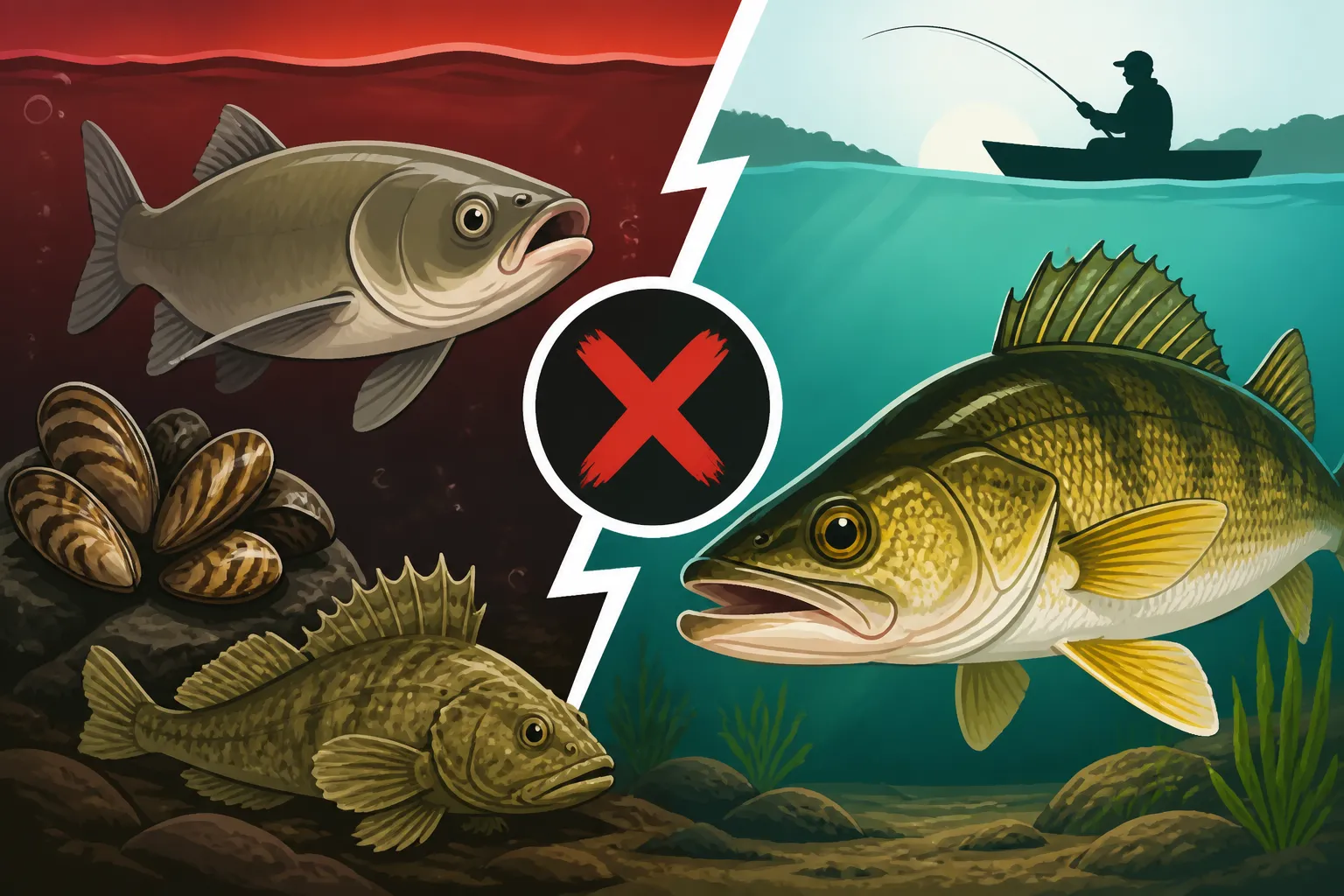
When we talk about invasive species in South Dakota, a few names tend to surface repeatedly, and for good reason. These are the major players that have made their way into our lakes and rivers, often unknowingly hitching a ride on boats, trailers, or even fishing gear from other states. Their presence isn't just a curiosity; it's a fundamental shift in the environment that walleye call home.
Consider the zebra mussel. These tiny, filter-feeding mollusks attach themselves to almost any hard surface, multiplying at an incredible rate. They clarify the water by filtering out vast amounts of plankton, which might sound like a good thing initially. However, plankton forms the base of the food chain, meaning fewer zebra mussels can lead to a significant reduction in the microscopic organisms that baitfish feed on. Less baitfish means less food for walleye. They can also attach to native mussels, boat hulls, and even your fishing lines and anchors, causing damage and fouling equipment.
Then there's Eurasian watermilfoil, an aquatic plant that can create dense mats on the surface of the water. Imagine trying to troll a crankbait or cast a jig through a thick underwater jungle – it's nearly impossible. These mats block sunlight, choke out native vegetation, and reduce oxygen levels when they decompose, creating an inhospitable environment for fish. Walleye, while often found near structure, prefer clear lanes to ambush prey, and these dense weed beds can limit their hunting grounds and make fishing frustrating.
We also have various carp species, particularly Asian carp like silver and bighead carp, which are a major concern in some river systems. These fish are voracious filter feeders that can quickly outcompete native species for food, including the young baitfish that walleye depend on. Their sheer numbers can drastically reduce the forage base, forcing walleye to seek out different food sources or simply grow slower due to scarcity. While common carp have been around for a long time, the newer Asian carp species pose an even greater threat due to their rapid reproduction and aggressive feeding habits.
How Invasive Species Disrupt the Walleye Food Web
The impact of invasive species isn't just about direct competition or physical obstruction; it’s about a cascade effect that rattles the entire food web, often starting from the smallest organisms. For walleye, a species highly dependent on a robust baitfish population, these disruptions can be particularly devastating. It's like pulling a thread from a sweater – eventually, the whole thing starts to unravel.
Let's revisit the zebra mussel. By filter-feeding immense quantities of phytoplankton, they essentially "sterilize" the water column. While clearer water might sound appealing for sight fishing, it's detrimental to the ecosystem. Phytoplankton are eaten by zooplankton, which are then consumed by small baitfish like shiners, minnows, and young perch. When the base of this food chain collapses, the entire structure above it weakens. This means fewer baitfish for walleye to eat, leading to slower growth rates, reduced population health, and potentially a decline in overall walleye numbers. Anglers might notice smaller average sizes of walleye or have to work much harder to find active feeding fish. South Dakota Walleye Growth Rates on Lake Oahe are often directly influenced by the health of these forage bases.
Eurasian watermilfoil, while primarily a physical barrier, also has a profound effect. Dense weed beds can trap nutrients, alter water flow, and create areas of low oxygen, especially during hot summer months. This can stress baitfish, making them less available or healthy for walleye. Furthermore, these thick weeds can make it incredibly difficult for walleye to locate and ambush prey efficiently. Imagine a walleye trying to chase down a minnow through a thick underwater forest – it's a disadvantage compared to open water or sparse, manageable cover. The subtle balance of a healthy lake habitat is disturbed, favoring the invasive plant over native aquatic vegetation that walleye and their prey have evolved with.
The carp problem is a more direct hit on the food supply. Bighead and silver carp, in particular, consume massive amounts of plankton, directly competing with baitfish species. Since they reproduce quickly and can reach large sizes, they can quickly dominate a fishery, leaving little sustenance for native fish. This competition means that baitfish populations might decline, or individual baitfish might be smaller and less nutritious, directly impacting the energy input for walleye. When walleye have to expend more energy to find less food, their health and overall population suffer. What Walleye Eat in Summer often reflects the availability of these key forage species, and when those are under attack from invasives, walleye diets shift or become insufficient.
Direct Impacts on Walleye Behavior and Fishing Strategies
The presence of invasive species doesn't just change the ecosystem; it changes the fish themselves. Walleye are highly adaptable, but they're still creatures of habit driven by their need to feed and survive. When their habitat is altered, their behavior changes, and as anglers, we need to recognize these shifts to remain successful. It's no longer just about finding a drop-off or a weed line; it's about understanding how those structures have been affected by the invasives.
Changes in Walleye Location and Feeding Patterns
One of the most immediate changes anglers notice when invasives take hold is that walleye simply aren't where they used to be, or they're not biting on the usual presentations. This isn't just bad luck; it's a direct consequence of a disrupted environment.
With zebra mussels clarifying the water, walleye, being light-sensitive fish, may retreat to deeper, darker water during the day. They might also become more active feeders during low-light conditions, like dawn, dusk, or even at night, to avoid bright sun in the now-clearer water. This means your traditional midday walleye bite might be diminished, and you'll need to adjust your Best Time of Day to Catch Walleye in Summer to align with their new activity peaks. Furthermore, the baitfish that walleye target may also move deeper or congregate in areas with more cover to avoid predation in clear water, pulling the walleye with them. You might find walleye relating more to obscure deep structures or holding tight to cover, rather than patrolling open flats.
The dense mats of Eurasian watermilfoil force walleye to adapt in different ways. Instead of using sparse weeds for ambush points, walleye might completely abandon heavily infested areas. They might be pushed to the edges of these mats, seeking cleaner water, or move to entirely different types of structure like rock piles or submerged timber. Trolling through these areas becomes a nightmare, constantly snagging weeds and fouling lures. Anglers will need to spend more time looking for "clean" pockets within the weeds or entirely new fishing locations. This might mean adapting your approach to How to Find Walleye on a New Lake even on familiar bodies of water. The reduction in natural forage can also make walleye more opportunistic, taking a wider variety of baits, or conversely, more finicky due to sparse food.
In areas heavily impacted by carp, the reduction in plankton and baitfish means walleye might have to travel further or expend more energy to find food. Their feeding windows might become shorter, and they might be less aggressive overall if food is scarce. You might find walleye targeting larger, less preferred bait, or even becoming cannibalistic if smaller walleye are the most readily available food source. This shift in the food web could necessitate a change in lure size or type, favoring presentations that imitate larger, more substantial meals or target less common forage.
Gear and Technique Adjustments for Anglers
Adapting your gear and techniques is crucial when facing the challenges posed by invasive species. What worked flawlessly before might now be completely ineffective, leading to frustration if you're not prepared. Being flexible and observant is key to continued success.
For clearer water caused by zebra mussels, consider scaling down your line size. Lighter fluorocarbon leaders become even more important as they are virtually invisible underwater. Lure colors might also need adjusting; natural, subtle colors often outperform bright, flashy ones in high-visibility conditions. If walleye are deeper, you'll need reliable electronics to find them and presentations that can reach those depths effectively, whether it's heavier jigs, deeper-diving crankbaits, or more precise vertical jigging. Your Best Lures for South Dakota Walleye might need an overhaul to include more subtle offerings. Anglers might also find success using live bait more often, as its natural movement and scent can be more enticing in clear, difficult conditions. You can often find a good selection of specialized lines and leaders, as well as unique lure colors, on Amazon if your local tackle shop has limited options for these specific conditions.
When dealing with Eurasian watermilfoil, the challenge is often mechanical. You'll need lures that shed weeds easily, like weedless jigs, Texas-rigged plastics, or spinnerbaits designed for heavy cover. If trolling, consider using planer boards to get your lures away from boat traffic and potentially above some of the thickest mats, or use diving crankbaits that can run just above the weed tops. Constantly checking your lines and lures for hitchhiking weeds is essential, as even a small piece can kill a lure's action and deter strikes. How to Troll Crankbaits for Walleye becomes a precise art of depth management and weed avoidance. Investing in a good weed-cutting prop for your trolling motor or even a hand-operated weed cutter can make navigating and fishing these areas much easier.
As for the effects of carp on the food web, if the walleye's natural forage is depleted, you might need to experiment with presentations that mimic alternative food sources, or use larger baits to appeal to walleye looking for a substantial meal. Scent attractants can also play a larger role, giving your lure an added edge in a food-scarce environment. Having a diverse tackle box that includes a variety of jig sizes, crankbaits, and soft plastics for different scenarios, easily organized in tackle boxes often found on Amazon, becomes more critical than ever. Monitoring local fishing reports and connecting with other anglers can provide valuable insights into what's currently working, as walleye patterns can change rapidly in impacted waters.
Mitigating the Effects: Angler Responsibility and Conservation Efforts
While invasive species pose significant challenges, anglers are not powerless. In fact, we are often on the front lines, witnessing these changes firsthand and having the opportunity to make a real difference. Prevention is always the best medicine, but supporting broader conservation efforts is equally important to safeguard South Dakota's angling future. Our actions, both individually and collectively, determine the health of our waters for generations to come.
"Clean, Drain, Dry" and Other Prevention Practices
The most critical thing every angler can do is practice the "Clean, Drain, Dry" method religiously. It's simple, effective, and absolutely essential to prevent the spread of invasive species from one body of water to another. Many invasive species, like zebra mussels and Eurasian watermilfoil, spread because they cling to boats, trailers, and fishing gear.
Here’s a breakdown of the steps:
-
Clean: Before leaving any boat ramp or body of water, thoroughly inspect your boat, trailer, waders, and all fishing gear. Remove any visible mud, plants, or animals. This includes fishing lines, anchors, and even the soles of your boots. Pay special attention to hidden areas like anchor ropes and livewells. A stiff brush or high-pressure sprayer, which you can purchase online through retailers like Amazon, can be invaluable for dislodging tenacious invaders.
-
Drain: After pulling your boat out of the water, drain all water from your boat, including the bilge, livewell, bait bucket, and engine. Open all drain plugs and leave them open during transport. If you're on a multi-day trip, draining after each use is vital. This prevents the transport of microscopic larvae or organisms that might be swimming in your boat’s water.
-
Dry: Allow your boat, trailer, and all gear to dry completely before launching into another body of water. A minimum of five days is often recommended, but longer is always better, especially in cooler, humid conditions. Many invasive species cannot survive out of water for extended periods. If you can't thoroughly dry your boat, consider a thorough wash with hot, high-pressure water (140°F or 60°C).
Beyond "Clean, Drain, Dry," there are other important practices. Never transport live fish or bait from one body of water to another unless legally allowed. Dispose of unused bait in the trash, not in the water. Report any new or unusual plant or animal sightings to the South Dakota Game, Fish and Parks (GFP) immediately. Understanding South Dakota Boat and Water Access Rules is vital, as they often contain specific regulations related to invasive species prevention.
Supporting South Dakota's Fight Against Invasives
Individual efforts are powerful, but a coordinated approach is necessary to truly combat invasive species. As anglers, we can actively support and participate in the broader conservation efforts spearheaded by organizations like the South Dakota GFP. This support goes beyond just following the rules; it's about being an informed and engaged steward of our natural resources.
The South Dakota GFP actively monitors waterways, implements prevention programs, and manages existing infestations. They conduct fish population surveys, track the spread of invasives, and educate the public. You can support their work by being their eyes and ears on the water. If you suspect you've encountered a new invasive species, don't hesitate to report it to the GFP. They often provide clear guidelines on their website for reporting sightings. This immediate information is crucial for early detection and rapid response, which significantly increases the chances of containment. South Dakota GFP Fishing Handbook Guide is an excellent resource for staying informed about current regulations and invasive species warnings.
Another way to contribute is by educating fellow anglers. Many people simply aren't aware of the threats posed by invasive species or the simple steps they can take to prevent their spread. A friendly reminder about "Clean, Drain, Dry" at the boat ramp, or sharing information from the GFP, can go a long way. Consider joining local conservation groups or volunteer initiatives that focus on protecting local waterways. These groups often organize clean-up events, monitoring programs, and educational workshops that can help raise awareness and implement direct solutions. By staying informed and participating in these efforts, we collectively strengthen our ability to protect South Dakota's diverse and valuable fisheries from the ongoing threat of invasive species.
| Invasive Species | Primary Impact on Walleye Fishing | Angler Adaptation / Prevention |
|---|---|---|
| Zebra Mussel | Water clarification, reduced plankton, depleted baitfish, walleye move deeper/low-light. | Lighter line, natural lure colors, fish deeper, night fishing, "Clean, Drain, Dry" all equipment. |
| Eurasian Watermilfoil | Dense weed mats, limited walleye habitat, snagged lures, reduced oxygen in certain areas. | Weedless lures, fish weed edges, use planer boards, check lines constantly, "Clean, Drain, Dry" boats & trailers thoroughly. |
| Asian Carp (Silver/Bighead) | Direct competition for plankton, reduced baitfish, lower walleye growth rates. | Experiment with alternative baits/lure sizes, use scent attractants, support carp removal efforts, never move live fish/bait. |
| Common Carp | Bottom disruption, increased turbidity, competition for food. | Fish clearer water, adapt to stained conditions, support removal where overpopulated. |
| Rusty Crayfish | Outcompetes native crayfish (walleye food), can alter aquatic vegetation. | Use native baits, check bait traps for invasives, never move live crayfish between waters. |
Disclaimer
This article is for general informational purposes only and does not constitute professional advice. Laws, prices and regulations vary by location and change over time. Consult a qualified professional for guidance on your specific situation.