How to Troll Crankbaits for Walleye
It's incredibly frustrating when you're out on the water, you know the walleye are there, but you just can't seem to entice a bite. Many anglers spend hours casting, jigging, or still fishing only to come up short, especially when targeting those elusive, larger walleye. This comprehensive guide will pull back the curtain on one of the most effective and often overlooked techniques for consistently catching walleye in South Dakota: trolling crankbaits. We'll dive deep into everything you need to know to transform your fishing trips from hit-or-miss to highly productive, getting those lines tight and those fish in the net.
Understanding Walleye Behavior and Crankbait Basics
Before we even talk about getting a lure wet, it's crucial to understand why trolling crankbaits works so well for walleye. These fish are opportunistic predators, often suspending or relating to structure, waiting to ambush unsuspecting prey. They can be incredibly wary, especially in clear water or under high fishing pressure. Trolling crankbaits allows you to cover vast amounts of water efficiently, presenting a natural-looking bait directly to these fish where they live and feed.
Why Crankbaits Are a Walleye Game Changer
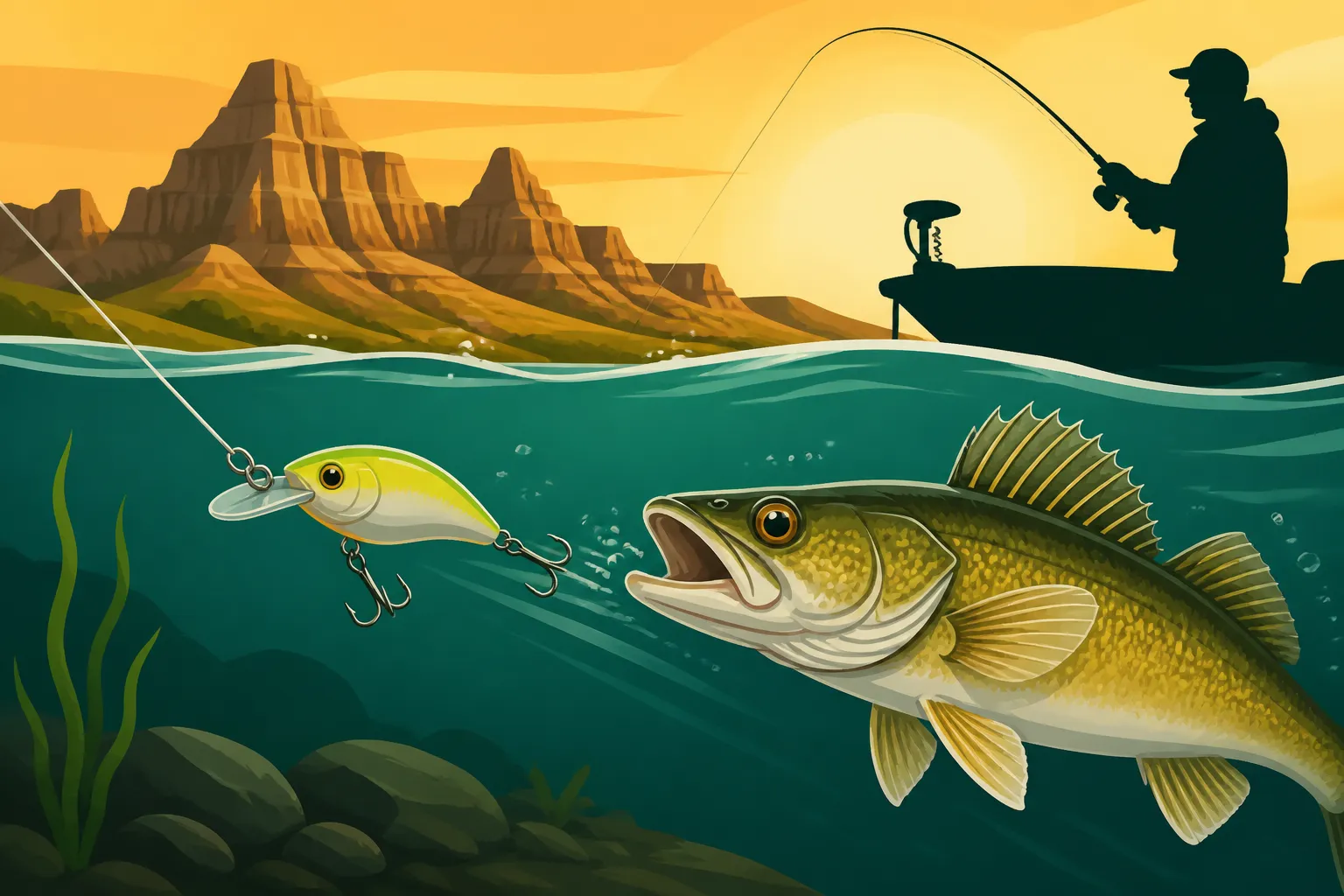
Crankbaits are incredibly versatile lures designed to imitate a variety of walleye forage, from shad and shiners to perch and suckers. Their inherent action—a seductive wobble, dive, and often a built-in rattle—mimics a fleeing or injured baitfish, triggering that predatory instinct in walleye. What makes them a game changer, particularly when trolling, is their ability to maintain a consistent depth and action over long distances. Unlike jigging or casting which require active manipulation, a properly presented crankbait does most of the work for you, allowing you to focus on boat control and reading your electronics.
Think about it: how many times have you felt like you're in the right spot, but your presentation just isn't getting to the fish, or it's not staying in the strike zone long enough? Crankbaits solve this. They dive to a predetermined depth and stay there, allowing you to run multiple lines at different depths and distances from the boat. This systematic approach greatly increases your odds, transforming those frustrating days into ones filled with satisfying hooksets. It's about putting the right meal in front of the right fish, repeatedly.
Diving Deep into Crankbait Types and Selection
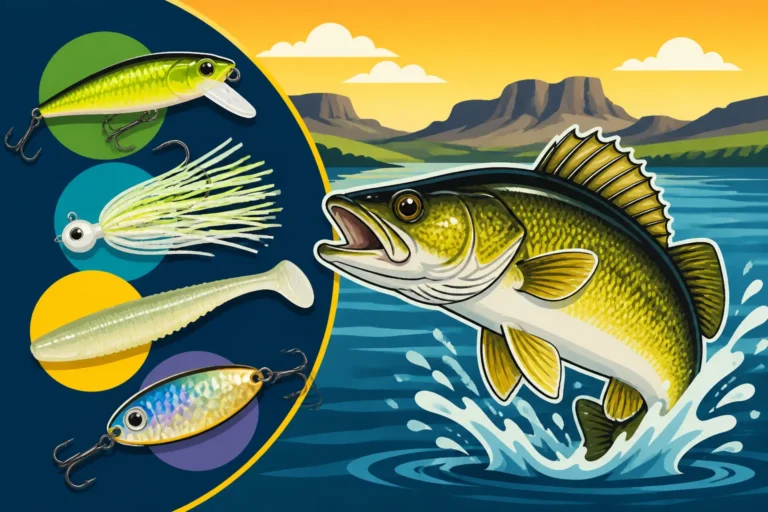
Choosing the right crankbait can feel overwhelming with the sheer number of options out there, but it boils down to understanding a few key characteristics. Different crankbaits are designed for different situations, primarily dictated by how deep they dive and their body shape.
- Shallow Divers: These have a smaller lip and generally run from 2-8 feet deep. They're fantastic for fishing shallow flats, weed edges, or just over submerged timber in places like Lake Oahe in spring, or even in the Black Hills during periods of higher water. They can also be effective when fish are higher in the water column or after a cold front when fish are less active.
- Medium Divers: These are your workhorse baits, typically diving 8-15 feet. They excel when walleye are holding on subtle breaks, along the edges of main lake channels, or over submerged humps. Many anglers will start with these to gauge fish depth before adjusting. Brands like Rapala's Shallow Shad Rap or a Berkley Flicker Shad are excellent choices for this range.
- Deep Divers: Characterized by their long, prominent lips, these crankbaits can reach depths of 15-30+ feet. These are essential for summer fishing on the Missouri River reservoirs like Lake Sharpe when walleye retreat to cooler, deeper waters. They allow you to target fish holding tight to the bottom in deep channels or suspended over vast open basins. A good selection of deep divers can be easily found on online retailers like Amazon, offering a huge variety of sizes and colors to match local forage.
- Lipless Crankbaits: While less common for trolling, they can be effective for covering medium depths quickly, especially when fish are aggressively chasing bait. Their vibrating action is unique, but their depth is primarily controlled by retrieve speed and line weight rather than a diving lip.
When it comes to color and size, think about the forage in the water you're fishing. Natural patterns (perch, shad, minnow) are always a safe bet. However, don't shy away from bright, obnoxious colors (firetiger, chartreuse) in stained or muddy water, or on overcast days. A good rule of thumb for South Dakota walleye is to start with natural patterns and experiment with brighter options until you find what they prefer that day. For a general overview of lure choices, you might find our guide on the Best Lures for South Dakota Walleye helpful.
Mastering the Art of Trolling for Walleye
Trolling for walleye isn't just about dragging a lure behind the boat. It's a nuanced dance of gear selection, boat control, and constant adaptation to conditions. Getting these elements right is what separates an average day from an exceptional one.
Essential Gear for Crankbait Trolling Success
Having the right equipment makes a world of difference when you're spending hours on the water. Investing in quality gear pays off in both comfort and success.
For rods, you'll want something with a moderate to moderate-fast action, usually 7 to 8.5 feet long. This length provides good leverage for fighting fish and helps absorb the shock of a strike, preventing hooks from tearing out. A medium-light or medium power is ideal, allowing the rod to load up nicely when a fish hits, but still having enough backbone to control a larger walleye. When considering your setup, our guide on the Best Rod and Reel Setup for Walleye Trolling offers more in-depth advice.
Reels are where a lot of the magic happens for precise trolling. Line counter reels are almost a necessity. These reels have a small digital or mechanical counter that tells you exactly how much line you have out, which is critical for replicating successful presentations. If you catch a fish at "75 feet out," you can immediately reset all your lines to that same distance, drastically increasing your efficiency. For line, a good 10-12 lb monofilament is a solid all-around choice for its stretch and shock absorption. However, many experienced anglers prefer 10-15 lb braided line for its no-stretch sensitivity and thin diameter, which allows crankbaits to dive deeper. If using braid, always add a 6-10 foot fluorocarbon leader (10-15 lb test) for abrasion resistance and stealth in clear South Dakota waters.
Planer boards are another game-changing piece of equipment. These boards clip onto your line and carry your lure out away from the boat, horizontally. This allows you to run multiple lines without tangling, cover a much wider swath of water, and present lures to less wary fish that might be spooked by your boat's presence. There are various inline planer boards available, and you can easily compare options and read reviews on platforms like Amazon before making a purchase. They are particularly effective on vast waters like Lake Francis Case where you need to spread out your presentation.
Precision Techniques: Speed, Depth, and Boat Control
These three factors are the pillars of effective crankbait trolling. Nail them, and you're well on your way to a cooler full of walleye.
Trolling Speed: There's no single "magic" speed, as it depends on water temperature, fish activity, lure type, and even the mood of the fish. Generally, a range of 1.5 to 2.5 miles per hour (mph) is a good starting point for walleye. However, don't be afraid to experiment! Slow down to 1 mph on tough days or in cold water, and speed up to 3 mph if walleye are aggressive and chasing bait. The best speed is often the one that makes your crankbait run with its most enticing wobble, and this can be easily felt through your rod tip. Pay attention to your fish finder; if you see active fish, try varying your speed slightly. Understanding the Best Trolling Speed for Walleye for different conditions is key.
Depth Control: This is paramount. Crankbaits are designed to dive, but how deep they actually run depends on several factors: the amount of line you have out, your line diameter (thinner lines dive deeper), and your trolling speed. Most crankbait manufacturers provide dive curves, which are charts indicating the approximate depth a lure will reach at a given amount of line out. Use these as a starting point. Lead core line is another fantastic tool for depth control. This special line has a lead core wrapped in a braided sheath, with different colors every 10 yards. Each color (segment) will sink to a specific depth at a given speed, allowing you to easily target very specific depths without heavy weights. Knowing Water Depth Where Walleye Feed on Lake Oahe in July can drastically inform your depth strategy.
Boat Control: Your boat is your biggest tool here. Maintain a consistent speed and direction. When fishing structure like break lines or points, try to follow the contour precisely. This is where a good GPS and a quality trolling motor with autopilot or "spot-lock" capabilities truly shine. Making subtle "S-turns" while trolling can also be highly effective. When you turn, the crankbaits on the inside of the turn will slow down and drop, while the ones on the outside will speed up and rise. This change in speed and depth can often trigger a strike from following fish. Learning How to Read Contour Lines on a Lake Map is invaluable for effective boat control.
Reading the Water and Adjusting Your Approach
Walleye fishing is a constant puzzle, and the most successful anglers are those who can read the subtle clues the water provides and adjust their tactics accordingly.
Understanding Structure: Walleye are structure-oriented fish, meaning they'll relate to changes in the bottom topography. Points, humps, drop-offs, submerged roadbeds, and old creek channels are all prime targets. Your fish finder is your best friend here. Learn to identify these features and pay close attention to where you mark fish. Often, walleye will suspend just off the break line or sit right on top of a hump. Troll your crankbaits through these areas, trying to keep your lures just above or at the same level as the fish you're marking. For more on interpreting your electronics, check out How to Read a Fish Finder for Walleye.
Water Temperature and Clarity: These environmental factors heavily influence walleye behavior. In colder water (early spring or late fall), walleye are often shallower and less active, requiring slower trolling speeds and sometimes smaller, more subtle crankbaits. As water warms in summer, they may move deeper or become more aggressive, allowing for faster speeds and larger profiles. Water clarity also dictates lure color choices. In clear water, natural patterns tend to work best, while in stained or muddy water, bright, fluorescent colors or those with strong rattles can be more effective.
Wind and Current Effects: Wind can create current, push baitfish, and oxygenate the water, all of which can influence walleye location. Trolling with the wind often means you can go faster with less motor input, while trolling into it might require more power but gives you greater boat control. In river systems like the Missouri, current is a major factor. Walleye will position themselves out of the main flow, often behind current breaks or in eddies, waiting for bait to drift by. Adjust your trolling path to hit these "slack water" zones or just on the edges of the current.
South Dakota Specifics: Where and When to Troll Crankbaits
South Dakota offers some of the finest walleye fishing in the country, and crankbait trolling is a dominant technique across many of its premier waters. Knowing where and when to deploy this strategy tailored to our local conditions can put you squarely on the fish.
Prime Walleye Waters for Trolling
When it comes to trolling crankbaits for walleye in South Dakota, our large reservoirs on the Missouri River system are legendary, but the glacial lakes in the east also offer fantastic opportunities.
-
Missouri River Reservoirs:
- Lake Oahe: This massive reservoir, stretching from Bismarck, ND, all the way to Pierre, SD, is a crankbait troller's paradise. Its vast open waters and numerous bays, points, and submerged structures provide endless opportunities. Trolling medium to deep diving crankbaits in the main lake basin, especially near the Cheyenne River Arm or Whitlock Bay, is a go-to strategy for larger walleye. In spring and fall, shallower bays and points can be productive. Our comprehensive Lake Oahe Fishing Guide can provide even more location specifics.
- Lake Sharpe: Located directly downstream from Oahe, Lake Sharpe offers a more riverine environment in its upper reaches and opens into a wider lake section further south. Trolling along the main channel edges, over humps, or near specific features like the Big Bend Dam is highly effective. Medium and deep divers are key here, especially when the fish are scattered. The Lake Sharpe Fishing Guide offers excellent insights for this body of water.
- Lake Francis Case: Further south, Lake Francis Case is another popular walleye destination. Known for its smallmouth bass, it also holds a robust walleye population. Trolling crankbaits along the numerous points, submerged islands, and main lake contours, especially in the central and lower sections, can yield impressive results.
-
Glacial Lakes: Don't overlook the eastern part of the state! The Glacial Lakes region boasts numerous productive walleye fisheries where crankbait trolling shines, especially for covering water.
- Lake Poinsett, Bitter Lake, Lake Kampeska: These lakes, among others, offer excellent walleye fishing. Trolling along weed lines, over subtle humps, or across expansive flats is a common and effective technique. In these shallower, often fertile waters, medium-diving crankbaits are frequently the ticket, but shallow divers can also be deadly when walleye are pushed up against emergent vegetation. If you're planning a trip to this region, consult our South Dakota Glacial Lakes Walleye Fishing guide for more details.
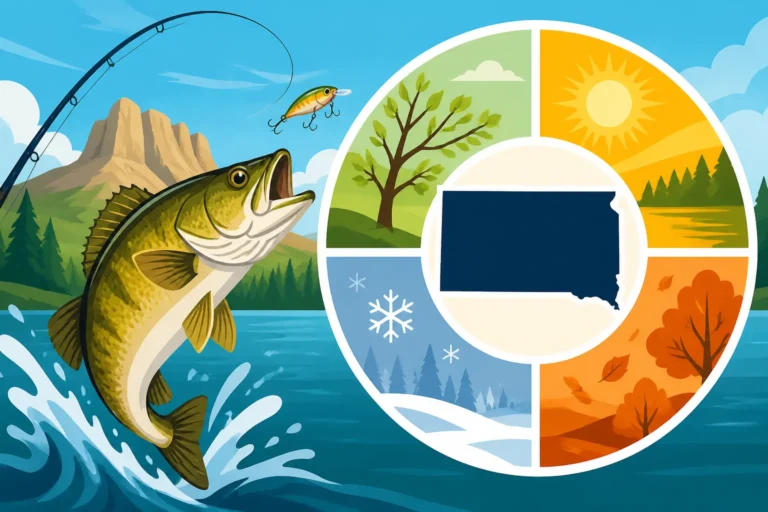
Seasonal Strategies for Crankbait Trolling
The changing seasons dictate how and where walleye feed, and thus, how you should adjust your crankbait trolling approach.
-
Spring Fishing: As the ice recedes and water temperatures slowly climb, walleye move shallower, often near spawning areas or warming flats. This is a prime time for using shallow to medium diving crankbaits. Troll slowly over emerging weed beds, along riprap shorelines, or across large, shallow flats where walleye are staging or recovering from the spawn. Often, fish are less aggressive, so a slower trolling speed (1.0-1.8 mph) and a natural-colored bait can be deadly. For specific tactics, our South Dakota Spring Walleye Fishing Techniques article offers a great resource.
-
Summer Fishing: Summer can be challenging but highly rewarding for crankbait trollers. As water temperatures peak, walleye often migrate to deeper, cooler water in the main lake basins or congregate around deeper structure like main lake points, humps, and channel edges. This is when your deep-diving crankbaits truly shine. You'll be targeting depths of 15-30 feet or more, often suspending lures just above the thermocline (if present) or right on the bottom structure. Trolling speeds can be slightly faster (1.8-2.5 mph) as walleye are more active. Don't forget about night fishing; summer nights can bring walleye into shallower feeding zones where medium divers excel. More summer strategies can be found in our South Dakota Summer Walleye Fishing Techniques guide.
-
Fall Fishing: Fall is arguably one of the best times to troll for trophy walleye in South Dakota. As water temperatures drop, walleye go on a major feeding binge, bulking up for winter. They can be found at various depths, but often relate to structure and areas where baitfish are congregating. Medium to deep diving crankbaits are highly effective, mimicking the larger baitfish walleye are actively pursuing. Trolling speeds can vary, but a consistent 1.5-2.2 mph is a good starting point. Focus on main lake points, channel swing bends, and areas with abundant baitfish. Our South Dakota Fall Walleye Fishing Techniques guide offers a deep dive into these exciting patterns.
| Crankbait Type | Dive Depth (Approx.) | Ideal Conditions | Retrieve/Trolling Speed (MPH) | Key Features |
|---|---|---|---|---|
| Shallow Diver | 2-8 feet | Early spring, fall, shallow flats, weed tops | 1.0-2.0 | Small lip, tight wobble |
| Medium Diver | 8-15 feet | Versatile, main lake points, break lines | 1.5-2.5 | Moderate lip, pronounced wobble |
| Deep Diver | 15-30+ feet | Summer, deep channels, humps, suspended fish | 1.8-2.8 | Long lip, aggressive dive, wide wobble |
| Lipless Crank | Variable | Aggressive fish, swift retrieves, vertical jigging | 2.0-3.0 (for trolling) | No lip, vibrating, rattles |
Troubleshooting and Advanced Tips
Even with the right gear and knowledge, some days the fish just don't want to cooperate. Don't give up! Trolling is about constant adjustment and learning from every bite (or lack thereof).
Common Trolling Mistakes and How to Fix Them
It's easy to fall into habits, but sometimes those habits are holding you back.
One of the most common mistakes is sticking to one speed or depth. If you're not getting bites, the first thing to do is vary your speed. Try subtle S-turns, speeding up and slowing down. If that doesn't work, change your depth by letting out more or less line, or by switching to a different diving crankbait. Another frequent issue is running dull hooks. Walleye have hard mouths, and a dull hook will result in missed bites. Always check your hooks before and after each trip and sharpen them as needed. Replacement treble hooks, often available in bulk from Amazon, are a smart investment.
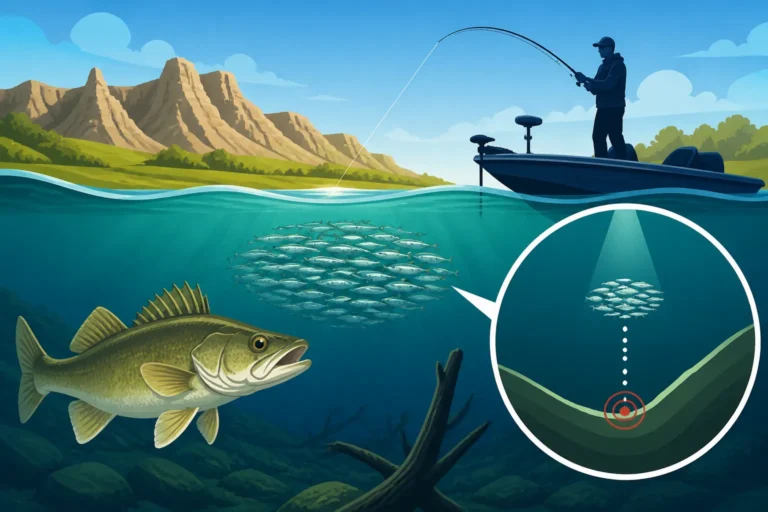
Another mistake is not paying attention to your electronics. Your fish finder isn't just for locating fish; it tells you about baitfish, structure, and even water temperature. If you're marking a lot of bait, chances are the walleye are nearby. If you're seeing fish suspended at a certain depth, make sure your crankbaits are running at that exact level. Finally, ignoring the subtle nuances of your lures can cost you. Every crankbait has a unique action. Periodically check your lures at the side of the boat to ensure they're running true and not fouled by debris.
Advanced Tactics for Tricky Walleye
When the bite is tough, these advanced tactics can often make the difference.
- Long-Lining vs. Planer Boards: While planer boards are excellent for spreading out lines, "long-lining" (trolling crankbaits directly behind the boat with no boards) has its place. It's often effective in areas with heavy boat traffic or when fish are spooked by boards. You can also vary the length of line out more precisely without the added drag of the board.
- Snap Trolling and Varying Retrieve: Don't just set it and forget it! Occasionally "snap" your rod forward a foot or two, then let it fall back. This sudden burst of speed and then pause can mimic an injured baitfish and often trigger a following walleye to strike. Experiment with momentary accelerations and decelerations of the boat, too.
- Adding Scent: Walleye have an excellent sense of smell. Applying a good quality fish scent to your crankbaits can significantly increase your strike rate, especially on slow days or in stained water. Scents like Gulp! Alive or Smelly Jelly can mask human odors and add an attractive component to your lure.
- Utilize a Variety of Lures and Colors: Even if you have a "confidence bait," don't be afraid to experiment with different sizes, shapes, and colors, especially if the bite is slow. Run different combinations on your lines until you find what the walleye prefer that day. Sometimes, the most unexpected color will be the hot ticket. This adaptability is crucial when the fish are finicky.
Learning to troll crankbaits effectively for walleye in South Dakota is a journey, not a destination. There's always something new to learn, a subtle adjustment to make, or a new pattern to discover. But with practice, patience, and a willingness to experiment, you'll soon be enjoying more successful days on our beautiful waters.
Disclaimer
The information provided in this guide is for general informational purposes only and is subject to change. Always consult the official South Dakota Game, Fish and Parks regulations handbook or website for the most current rules, limits, and licensing requirements before engaging in any fishing activities. Fishing conditions can vary, and success is never guaranteed.