Best Trolling Speed for Walleye
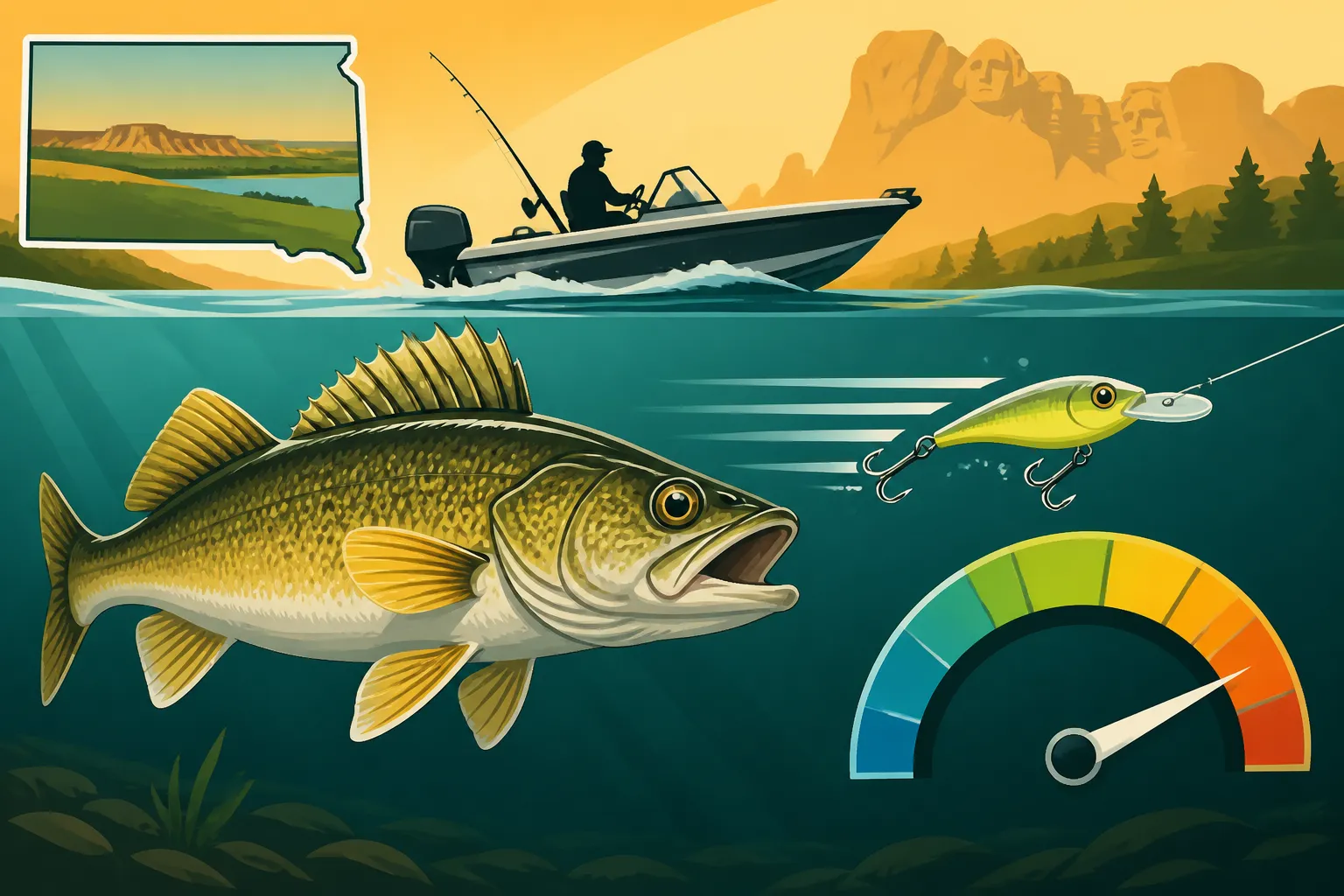
Trying to figure out that perfect trolling speed for walleye can feel like cracking a secret code on any given day, right? One day they hit at 1.5 mph, the next they ignore everything under 2.5. It's frustrating when you know the fish are there, but you just can't get them to commit. This guide will help you understand the dynamics behind optimal walleye trolling speeds in South Dakota, giving you the knowledge to adapt to changing conditions and consistently catch more of these elusive fish.
Understanding Walleye Behavior and How Trolling Speed Affects It
Walleye are fascinating creatures. They're often called "low-light feeders" and have excellent vision in dim conditions, thanks to their large, light-sensitive eyes. This makes them superb ambush predators, and their behavior is highly influenced by everything from water temperature and light penetration to the presence of baitfish. When you're trolling, you're essentially trying to present your lure in a way that mimics natural prey, or irritates them enough to strike, and speed plays a monumental role in that presentation.
Think about it this way: a walleye isn't always looking for a full-on chase. Sometimes they want an easy meal, a slow-moving, injured baitfish. Other times, they might be more aggressive, willing to chase down something that's darting away. Your trolling speed dictates how your lure moves through the water, how much action it has, and how long a walleye has to react to it. Too fast, and your lure might look unnatural, or the fish might not have time to get to it. Too slow, and some lures might not achieve their intended action, appearing lifeless or just not triggering that predatory instinct. It's a delicate balance, and ignoring speed is often the biggest mistake anglers make. This is especially true when you're targeting big water bodies like Lake Oahe or the Missouri River, where conditions can change rapidly. For a deeper dive into their habits, check out our South Dakota Walleye Fishing Guide.
Key Factors Dictating Your Ideal Trolling Speed
There isn't a single "magic" trolling speed for walleye. If only it were that simple! Instead, the ideal speed is a dynamic range influenced by a multitude of environmental conditions and the type of lure you're presenting. Learning to read these factors is crucial for success on South Dakota's waters.
Water Temperature and Season
Water temperature is perhaps the most significant factor. Walleye are cold-blooded, so their metabolism directly correlates with water temperature.
- Cold Water (Early Spring/Late Fall/Winter Ice-Out): When water temperatures are in the 30s and low 40s (Fahrenheit), walleye are sluggish. Their metabolism is slow, and they're not going to expend a lot of energy chasing a fast-moving bait. This is when slow presentations, often in the 0.8 to 1.5 mph range, are most effective. Think about delicate jigging or very slow trolling of live bait or subtle crankbaits. The fish need time to see the bait and decide to strike. When ice fishing season starts, anglers will shift to vertical presentations, but after ice-out, slow trolling can be key. For more on seasonal changes, see South Dakota Fishing Seasons Explained.
- Moderate Water (Late Spring/Early Summer/Early Fall): As water temperatures rise into the 50s and 60s, walleye become more active. They're often in their pre-spawn or post-spawn phases, feeding heavily. This is typically when you'll find a wider productive trolling speed range, often between 1.5 and 2.5 mph. Crankbaits really shine here, and fish are more willing to chase. This is a prime time for South Dakota Spring Walleye Fishing Techniques and South Dakota Fall Walleye Fishing Techniques.
- Warm Water (Mid-Summer): When temperatures climb into the 70s, walleye can still be caught trolling, but they might seek deeper, cooler water. Their metabolism is high, but they can also be somewhat lethargic in extreme heat. Speeds might vary, sometimes requiring a bit faster presentation (2.0-3.0 mph) to trigger a reaction from active fish, or conversely, a very slow, precise presentation to entice less aggressive fish holding tight to structure. You might find more success early morning or late evening. Understanding What Water Temperature Walleye Prefer? is critical.
Lure Type and Action
Different lures are designed to work best at specific speeds. Ignoring a lure's intended action is a common pitfall.
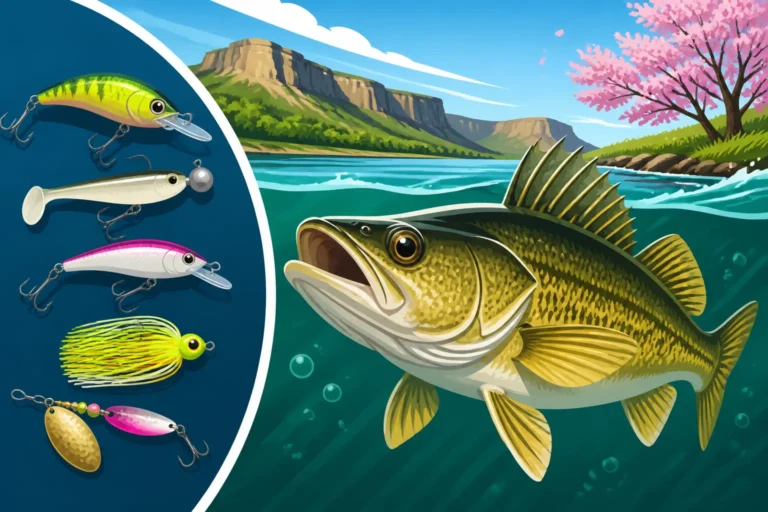
- Crankbaits: These are arguably the most popular walleye trolling lures. The ideal speed for a crankbait is typically the speed at which it "wobbles" and "dives" correctly. Most manufacturers design their crankbaits to have optimal action in the 1.0 to 3.0 mph range. Shallow-diving cranks often run well at slower speeds, while deeper-diving models might need a bit more speed to get down to their advertised depth and generate a consistent wobble. Experimentation is key; watch your rod tip for a steady vibration, which indicates the crankbait is running true. You can find a vast selection of crankbaits, often with user reviews about their effective speed, on platforms like Amazon.
- Spinner Rigs/Crawler Harnesses: These are usually trolled slower than crankbaits, typically between 0.8 and 1.8 mph. The goal is to get the spinner blade rotating and the bait (like a live nightcrawler) to undulate naturally. Too fast, and the bait can corkscrew, looking unnatural. Too slow, and the blade won't spin effectively. A lot of anglers swear by these rigs on the Missouri River system.
- Bottom Bouncers with Live Bait/Jigs: When dragging jigs or live bait on bottom bouncers, speeds are often even slower, from 0.5 to 1.5 mph. The idea is to keep the weight just ticking the bottom while the bait drifts enticingly behind. This technique is often effective when walleye are hugging the bottom or when you're fishing precise structure.
Water Clarity and Light Conditions
- Clear Water: In clear water, fish have a longer time to inspect your lure. Sometimes, a slower speed allows them to get a better look, making a natural presentation more critical. Other times, a faster speed can elicit a reaction strike before they can scrutinize the bait too closely. It really depends on fish mood.
- Stained/Turbid Water: In murkier water, fish rely more on lateral line vibrations. A slightly faster troll can sometimes create more vibration, making the lure easier for walleye to find. Brighter, more aggressive colors also become more important here.
- Low Light/Night Fishing: During dawn, dusk, or even night fishing (where legal), walleye are often more active and aggressive. They might be more willing to chase a faster moving bait as they feel more secure under the cover of darkness. Night Fishing Techniques for Summer Walleye can be very rewarding.
Baitfish Presence and Activity
If you're seeing a lot of active baitfish on your fish finder, try to match their general speed and behavior. Are they darting around quickly? A faster troll might mimic that. Are they schooling tightly and moving slowly? A slower, more subtle presentation might be better. Walleye are opportunistic predators, so mimicking their prey is always a good strategy.
Practical Tips for Dialing In Your Walleye Trolling Speed
Finding that sweet spot for walleye trolling speed isn't just about knowing the theory; it's about putting it into practice on the water. It requires constant observation, adjustment, and a good understanding of your gear.
Use Your Electronics Wisely
Your fish finder and GPS are your best friends when it comes to dialing in trolling speed.
- True Speed vs. Water Speed: Always pay attention to your GPS speed over ground. This is your actual speed relative to the bottom, which is what the fish experience. Your boat's speedometer measures speed through the water, which can be wildly different due to current, especially on the Missouri River or large reservoirs like Lake Sharpe. A good GPS-enabled trolling motor, often found with excellent reviews on Amazon, can help you maintain precise speed and course.
- Observe Fish Reaction: Watch your fish finder closely. If you see walleye on structure or suspended, troll over them at a given speed. If you don't get hits, change your speed by 0.1 or 0.2 mph increments and repeat the pass. Sometimes, a tiny adjustment is all it takes. Modern fish finders offer incredibly detailed views; learning How to Read a Fish Finder for Walleye can significantly improve your success.
- Mark Hot Spots: When you get a bite, immediately mark that spot on your GPS. Note the speed, lure, and depth. This data is invaluable for replicating success.
The "Speed Range" Concept
Instead of thinking about a single "best speed," think in terms of a "productive speed range." Most days, walleye will hit within a 0.5 mph window. Your job is to find that window. Start by trolling a diverse spread of lures at slightly different depths and speeds. If you're running multiple lines, you can experiment with varying speeds across your spread, perhaps using different length leads behind planer boards.
Example: Start at 1.8 mph. If you get a hit, try 1.9 mph, then 1.7 mph. If the bite slows down, try a 0.1-0.2 mph increase or decrease. Pay close attention to current. If you are going upstream against a strong current, your GPS speed might be 1.5 mph, but your lure is moving much slower through the water. Going downstream, the opposite is true. Adjust accordingly.
Match Your Lure's Action
Every lure has a sweet spot where it performs its best.
- Rod Tip Vibration: For crankbaits, a consistent, rhythmic vibration of your rod tip is a good indicator that the lure is running true and has its intended action. If the vibration stops or becomes erratic, check for weeds, a fouled hook, or if you've gone too slow for that particular lure.
- Visual Check: If possible, briefly bring a lure up to the surface next to the boat at your current trolling speed to see its action. Does it wobble enticingly? Is the spinner blade rotating? This quick visual confirmation can tell you a lot.
- Manufacturer Recommendations: Many lure manufacturers provide recommended speed ranges. While these are good starting points, always remember that water conditions (temperature, clarity, current) will influence real-world performance.
Vary Your Speeds and Techniques
Don't be afraid to experiment!
- "S-Turns" or "Z-Patterns": When trolling, making gradual turns causes your outside lines to speed up and your inside lines to slow down. Often, a strike will occur during these speed changes, telling you which speed the fish prefer on that particular day.
- Momentary Pauses/Accelerations: Briefly speeding up or slowing down your boat can trigger reaction strikes. This sudden change in cadence can be enough to make a walleye commit.
- Direction of Travel: Trolling with the wind or current versus against it will drastically change your lures' action, even if your GPS speed remains constant. Experiment with both directions over productive areas to see what the walleye prefer. Often, trolling against the current can offer a slower, more controlled presentation.
Here's a quick table to illustrate common starting speed ranges for popular walleye lures in South Dakota:
| Lure Type | Typical Trolling Speed Range (MPH) | Key Action at This Speed | Best Conditions (General) |
|---|---|---|---|
| Crankbaits (Diving) | 1.5 – 3.0 | Wobbling, darting, diving to target depth | Active fish, moderate to warm water |
| Spinner Rigs/Crawler Harnesses | 0.8 – 1.8 | Blade rotation, subtle bait undulation | Neutral to active fish, cooler water |
| Bottom Bouncers (Jig/Bait) | 0.5 – 1.5 | Weight ticking bottom, bait drifting close to bottom | Less active fish, hugging bottom, cold water |
| Snap Jigs (Short-line) | 0.5 – 1.2 | Jigging action, vertical presentation | Vertical jigging, precise spot fishing |
Remember, these are starting points. Always let the fish tell you what they want! You can explore different lure options and read reviews on their performance at various speeds online, including on Amazon.
Troubleshooting Common Trolling Speed Challenges
Even with the best intentions and gear, sometimes the walleye just aren't biting. It's easy to get discouraged, but remember, every tough day on the water is a learning opportunity. Here's how to troubleshoot some common challenges related to trolling speed.
No Bites at "Standard" Speeds
If you're trolling at what's usually a productive speed for the conditions and getting nothing, it's time to drastically change things up.
- Go Extreme: If you're at 2.0 mph, try slowing all the way down to 1.0 mph or speeding up to 3.0 mph. Sometimes, the fish are in an incredibly aggressive mood, and you need to burn baits past them. Other times, they are extremely lethargic and want something barely moving. Don't be afraid to push the boundaries of what you consider "normal."
- Change Lure Action: If your crankbaits aren't getting hits, switch to a spinner rig or even a plain jig on a bottom bouncer, which require very different speeds. This offers the fish a completely new look and presentation. For instance, Best Lures for South Dakota Walleye can give you ideas for different bait types.
- Check Depth and Location: Could the walleye have moved? Are you targeting the right depth? Your speed might be perfect, but if the fish aren't where your lure is, it won't matter. Confirm your target depth with your fish finder and consider if the fish have shifted to deeper or shallower water, or moved off structure.
Lure Not Running True
This is a common and frustrating issue that can instantly turn walleye off.
- Weeds/Debris: The most common culprit. Even a small piece of weed can foul a lure and kill its action. Reel in frequently to check, especially if you're fishing in areas with submerged vegetation.
- Bent Components: Check your crankbait's eyelet to ensure it's perfectly straight. Even a slight bend can cause a lure to run to one side. A quick adjustment with pliers can often fix this. For spinner rigs, ensure the blades are free-spinning and the line isn't twisted.
- Line Twist: Trolling can sometimes induce line twist, especially with certain spinner rigs or if you're using a swivel that isn't turning freely. Periodically check your line for twists and consider using quality ball-bearing swivels.
- Wrong Speed for Lure: As mentioned, every lure has a sweet spot. If you're trying to troll a shallow-diving crankbait at 3.5 mph, it might blow out and stop wobbling correctly. Conversely, a deep diver trolled too slowly might not achieve its intended depth or action. Match the lure to your intended speed range.
Current-Related Challenges
South Dakota's Missouri River system, with its massive reservoirs like Lake Oahe and Lake Sharpe, is heavily influenced by current.
- Upstream vs. Downstream: Trolling upstream against a strong current means your GPS speed might be 2.0 mph, but your lure is only moving through the water at 0.5 mph. Downstream, your lure might be zipping along at 3.5 mph even if your GPS speed says 2.0 mph. You need to adjust your GPS speed to compensate for the current if you want a consistent lure action through the water. This is crucial for successful Missouri River Tailwater Fishing Techniques.
- Slack Water vs. Main Channel: Current will vary greatly across a body of water. Slack water in bays or behind points will require different speeds than the main river channel. Be aware of these transitions and adjust accordingly. Often, a great place to find walleye are current seams, where fast water meets slow water, and a precise troll speed is necessary to keep your lure in the strike zone.
- Prop Wash: Strong current can create a significant prop wash behind your boat, which can sometimes interfere with your lures, especially those running close to the boat. Consider using longer lead lengths or planer boards to get lures away from the prop wash. A powerful, efficient trolling motor can help cut through this, and it's worth reviewing options, many of which are available on Amazon.
When the Bite Is Fickle
Sometimes walleye are just plain finicky. They might nip at baits or drop them quickly.
- Speed Up/Slow Down: A common solution to a fickle bite is to either speed up slightly to trigger a more aggressive reaction, or slow down dramatically to give them more time to engulf the bait.
- Line Size and Leader: Heavy line can impede a lure's action and be more visible in clear water. Consider using a lighter fluorocarbon leader, especially if you suspect line visibility is an issue.
- Hook Sharpness: Even if your speed and lure are perfect, a dull hook means missed fish. Check your hooks frequently and sharpen them.
- Rod and Reel Setup: Ensure your rod has the right action for trolling – typically a moderate to moderate-fast action for good shock absorption and hook sets. Best Trolling Rods for Walleye can make a huge difference in detecting subtle bites and keeping fish hooked.
Remember, successful walleye trolling in South Dakota is a continuous process of observation, adaptation, and refinement. Don't be afraid to try new things, learn from every outing, and always keep an eye on your speed.
Disclaimer
This article is for general informational purposes only and does not constitute professional advice. Laws, prices and regulations vary by location and change over time. Consult a qualified professional for guidance on your specific situation.