South Dakota Walleye Fishing Guide
Feeling overwhelmed by the sheer number of walleye fishing tips out there, or just not sure where to start your South Dakota walleye adventure? You're not alone. Anglers flock to the Rushmore State for its legendary walleye fishing, but knowing how and where to consistently catch these elusive fish can feel like a secret code. This comprehensive guide is here to decode it all, from understanding walleye behavior to mastering the best techniques and finding those honey holes across South Dakota's diverse waters.
Understanding South Dakota Walleye
Walleye are more than just a fish; they're an obsession for many anglers in South Dakota, and for good reason! Their delicious table fare and challenging nature make them a prized catch. But to truly understand how to catch them, you first need to understand the fish itself.
Walleye Biology and Behavior
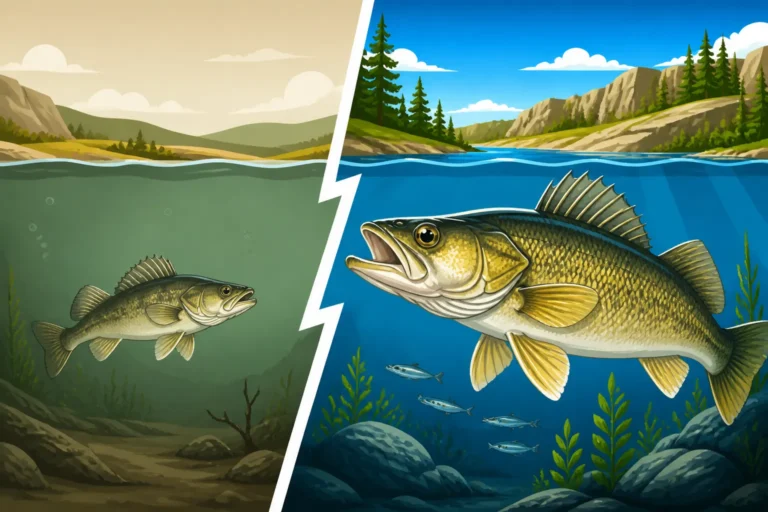
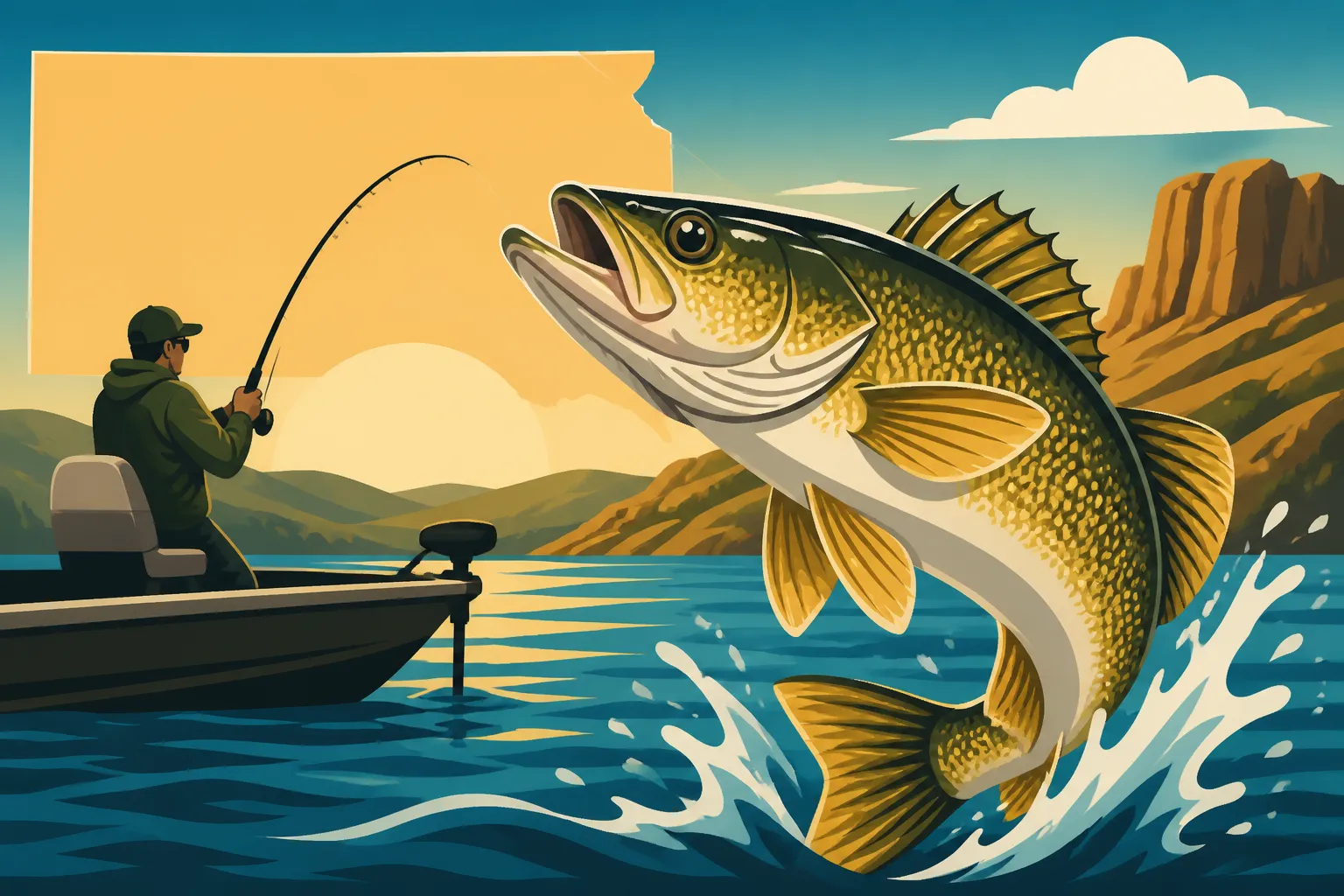
Walleye are members of the perch family, known for their distinctive large, reflective eyes, which help them see incredibly well in low-light conditions. This is why you'll often hear about walleye being most active during dawn, dusk, or on cloudy days, and often favoring deeper, darker waters. They are ambush predators, equipped with sharp teeth and a streamlined body, perfectly designed for hunting baitfish like shad, smelt, and yellow perch. Their diet can vary significantly based on the body of water and the time of year, adapting to whatever forage is most abundant.
These fish are incredibly sensitive to light, which dictates much of their behavior. During bright daylight, they tend to retreat to deeper water, seek out shady spots under submerged structures, or hide in turbid (murky) water. This light sensitivity is a crucial piece of the puzzle for anglers; understanding it helps you predict where walleye will be and when they'll be most willing to bite. Their metabolism also changes with water temperature, affecting their activity levels and how aggressively they feed. In warmer summer waters, they are more active and feed frequently, whereas in colder winter months, their metabolism slows down, requiring a more subtle presentation.
South Dakota's Walleye Habitat Hotspots
South Dakota is blessed with an incredible variety of walleye habitats, each offering unique challenges and rewards. When we talk about walleye fishing in this state, the first places that come to mind are almost always the mighty Missouri River reservoirs. These massive impoundments—Lake Oahe, Lake Sharpe, Lake Francis Case, and Lewis and Clark Lake—are essentially huge, slow-moving rivers that stretch for hundreds of miles, providing an immense amount of diverse structure.
Beyond the Missouri River system, the eastern side of the state is dotted with numerous natural glacial lakes. These lakes, often shallower and richer in vegetation, offer a completely different walleye fishing experience. Places like Lake Thompson, Lake Poinsett, and Lake Kampeska are famous for their healthy walleye populations, providing excellent opportunities, especially for those who prefer to fish in waters less impacted by strong currents. Each type of habitat requires a slightly different approach, from understanding deep-water structure on the reservoirs to navigating weed lines and shallow flats on the glacial lakes.
Essential Gear for Walleye Success
You wouldn't head into a carpentry job without the right tools, and walleye fishing is no different. Having the right gear can make all the difference between a frustrating day on the water and a memorable experience filled with solid hook-ups. Let's break down the essentials.
Rods, Reels, and Line
When it comes to rods and reels, versatility is key for walleye anglers, as different techniques demand different setups. For trolling, which is incredibly popular on the large South Dakota reservoirs, you'll want medium-heavy rods that are about 7 to 8.5 feet long with a moderate to moderate-fast action. These longer rods absorb the shock of a big walleye strike and help spread out multiple lines. Pair these with baitcasting reels, ideally those with a line counter, to precisely manage your lure depth. For those who prefer spinning gear, you can find excellent trolling rods that accommodate spinning reels, though line counter reels are more common in baitcasters. If you're looking for new trolling gear, you can find a huge selection on platforms like Amazon, often with helpful customer reviews.
For jigging, whether vertically over structure or pitching jigs to shallower spots, a sensitive medium-light to medium power spinning rod, around 6 to 7 feet in length with a fast or extra-fast action, is your best friend. This setup allows you to feel even the most subtle bites, which is crucial when walleye are finicky. Match this with a quality spinning reel in the 2500-3000 size range, spooled with 8-10 pound braided line for superior sensitivity and no stretch. Adding a 6-8 pound fluorocarbon leader is also a smart move, as it's nearly invisible underwater and offers good abrasion resistance. For more detailed insights, check out Best Fishing Rods and Reels for Walleye.
Line selection is another critical component. While braided line is fantastic for sensitivity in jigging and feeling those light bites, it’s not always the top choice for trolling where you might prefer the stretch and invisibility of monofilament or fluorocarbon. Many experienced trollers use monofilament mainline and then attach a fluorocarbon leader. The key is to match your line to your chosen technique and fishing conditions. For instance, if you're fishing in clear water, fluorocarbon's low visibility can give you a significant advantage, especially with light-biting walleye.
Lures and Baits of Choice
Walleye are not picky eaters, but they do have preferences that change with the season, water clarity, and forage base. Therefore, a diverse tackle box is essential. Crankbaits are indispensable for trolling. Shallow-diving cranks are great for spring and fall, while deeper divers and those designed for specific depths shine in summer. Popular styles include jointed lures, minnow imitations, and shad-profile baits. Colors vary wildly, but a good rule of thumb is natural colors in clear water and brighter, more aggressive colors in stained or turbid conditions.
Jigs, in various weights and colors, are the backbone of any walleye angler's arsenal. From 1/8 ounce for shallow pitching to 1/2 ounce or heavier for deep water and current, jigs tipped with plastic tails, minnows, or worms are deadly. Remember, a variety of jig head shapes and colors can make a difference on a given day. Spinner rigs, often called "crawler harnesses," are fantastic for slow-trolling or drifting with live nightcrawlers. The flash and vibration of the blade, combined with the natural appeal of a juicy nightcrawler, are often irresistible to walleye.
Live bait consistently out-fishes artificials in many situations. Minnows, particularly shiners or fatheads, are excellent on jigs, under slip bobbers, or on Lindy rigs. Nightcrawlers are a walleye staple, especially on spinner rigs or simple bottom bouncers. Leeches, though less common in some areas, can also be highly effective, particularly in summer when they are more active. Always check local regulations regarding live bait, as some waters have restrictions.
Electronics and Accessories
Modern electronics have revolutionized walleye fishing, transforming it from a guessing game into a more precise endeavor. A quality fish finder with GPS capabilities is practically a necessity. Look for units with clear, high-resolution screens and both 2D sonar and down/side imaging. These technologies allow you to see not only individual fish but also structure, bait balls, and even subtle changes in bottom composition. The GPS function lets you mark waypoints on productive spots, follow contour lines, and safely navigate large bodies of water, especially on the expansive Missouri River reservoirs.
Beyond the main unit, a good trolling motor, especially one with GPS anchoring capabilities (like a spot-lock feature), can dramatically improve your ability to stay on fish or work a piece of structure effectively without constantly fiddling with a hand-controlled motor or traditional anchor. Don't forget the practical accessories: a large, rubber-coated net is crucial for safely landing walleye, preventing tangles and protecting the fish if you plan to release it. A quality cooler packed with ice is essential for keeping your catch fresh, and a good set of polarized sunglasses will help you spot subtle changes in water color or even fish in shallower areas.
Mastering Walleye Fishing Techniques
Catching walleye is often about adapting to conditions, and that means having a diverse set of techniques in your toolkit. From covering vast expanses of water to pinpointing fish on structure, each method has its time and place.
Trolling Strategies
Trolling is perhaps the most popular and effective way to catch walleye on South Dakota's larger reservoirs, like Lake Oahe and Lake Sharpe. It allows you to cover a lot of water efficiently, searching for active fish and locating productive depths. The basic principle is simple: drag lures behind a moving boat. However, mastering it involves nuance. Pay close attention to your speed; walleye often prefer a slower, more deliberate presentation, typically between 1.0 and 2.5 miles per hour, but sometimes faster speeds can trigger aggressive strikes. Vary your speed and direction occasionally, as these changes in lure action can be irresistible to following fish.
Controlling your lure depth is paramount. You can achieve this using various methods, including different diving crankbaits, lead core line, snap weights, or even downriggers for precise depth control in deeper water. Matching your lure's depth to where the walleye are holding, whether that's suspended over deep water or hugging the bottom of a submerged point, is critical. Utilize your fish finder to identify the thermocline (the layer of water where temperature changes rapidly), as walleye often relate to this thermal barrier in summer. For a deep dive into this technique, read South Dakota Trolling Techniques for Walleye. Don't be afraid to experiment with different crankbait colors and sizes until you find what the fish are keying in on. Sometimes a subtle change from a perch pattern to a shad pattern can make all the difference.
Jigging and Live Bait Rigs
While trolling covers water, jigging and live bait rigs are about precision. When walleye are concentrated on specific structures—like submerged humps, rock piles, or current seams below dams—these methods shine. Vertical jigging is highly effective when you've located a school of fish directly beneath your boat. Using a sensitive rod, drop a jig (tipped with a minnow or plastic) directly down, bouncing it rhythmically off the bottom. The key is to stay vertical, especially in current, and pay attention to how the jig feels. Bites can be incredibly subtle, sometimes feeling like just a slight pressure or a "mushy" feeling.
Beyond vertical jigging, pitching jigs to shallower structure, like weed edges or riprap shorelines, can be incredibly productive, particularly in spring and fall. A medium-light spinning rod and a lighter jig, worked slowly, can entice walleye lurking in cover. Live bait rigs, such as the classic Lindy Rig or a simple slip bobber rig, are fantastic when walleye are lethargic or suspended. A Lindy Rig presents a live minnow, leech, or nightcrawler naturally, allowing it to swim freely near the bottom. Slip bobbers are perfect for suspending live bait at a precise depth over structure or weed beds, allowing the bait to drift naturally with the wind or current, often triggering bites from hesitant fish.
Casting and Shore Fishing for Walleye
Not everyone has a boat, and that's perfectly fine! South Dakota offers plenty of fantastic opportunities for casting from shore, especially during certain times of the year. Spring and fall are often prime times for shore anglers targeting walleye, as these fish move into shallower waters to spawn or feed aggressively before winter. Look for access points along the Missouri River tailwaters, public parks with lake access, or even dam structures. Casting crankbaits or jigs with plastic tails can be very effective from shore.
When casting from shore, focus on areas with natural or man-made structure. Riprap banks, points, transitions from sand to rock, or submerged timber near shore are all potential walleye holding areas. Early morning and late evening are often the most productive times, leveraging the walleye's natural low-light feeding advantage. After a good rain, when water clarity might decrease near shore, can also be an excellent time to target walleye as they move in to feed on displaced baitfish. For those interested in this accessible method, Best South Dakota Shore Fishing Spots provides more localized advice. Sometimes, a simple jig and minnow or a shallow-diving crankbait cast repeatedly from the bank is all it takes to hook into a respectable walleye.
Seasonal Walleye Fishing in South Dakota
South Dakota's seasons dictate walleye behavior more than almost any other factor. Understanding these seasonal patterns is crucial for consistent success. Each season presents unique challenges and opportunities, requiring different approaches to locate and catch these prized fish.
Spring Walleye Rush (Pre-Spawn and Spawn)
Spring is arguably the most anticipated time for walleye anglers in South Dakota. As the ice recedes and water temperatures begin to climb into the 40s and 50s Fahrenheit, walleye instinctively move towards shallower spawning areas. This pre-spawn period is characterized by hungry fish that are aggressively feeding to build up energy for spawning. Look for them congregating in relatively shallow depths, often around rocky points, gravel bars, and current breaks. The tailwaters below the Missouri River dams, like below Gavins Point Dam or Fort Randall Dam, become hotspots as walleye stack up, preparing to move upstream or stage for spawning.
During the actual spawn, which typically occurs when water temperatures are in the low to mid-40s, walleye can be notoriously difficult to catch as their focus shifts entirely to reproduction. However, immediately after the spawn, both male and female walleye enter a post-spawn recovery phase where they feed heavily to regain strength. This is another excellent time to target them. Techniques like jigging with minnows, slow-trolling shallow crankbaits, or using slip bobbers with live bait near spawning grounds and early season feeding flats can be highly effective. Patience is key during this transitional time, but the rewards can be substantial. Check out South Dakota Spring Walleye Fishing Techniques for more specific tactics.
Summer Deep Water Tactics
As South Dakota's waters warm up significantly in the summer, typically reaching into the 70s, walleye often retreat to deeper, cooler water. On the large reservoirs, they'll seek out the thermocline or congregate around main lake points, humps, ledges, and channels. Finding these deeper structures, often with the help of a good fish finder, becomes critical. Walleye will also relate closely to schools of baitfish, so if you find the forage, you're likely to find the walleye.
Deep-water trolling with crankbaits or spinner rigs is a dominant strategy in summer. Using lead core line, snap weights, or even downriggers allows you to present lures precisely at the depths where fish are holding. Vertical jigging over deep structure with heavier jigs (1/2 to 3/4 ounce) tipped with plastics or live bait can also be incredibly effective, especially during midday heat when walleye are hunkered down. Don't overlook night fishing in summer, as walleye will often move shallower after dark to feed actively under the cover of low light. For more on this, refer to Deep Water Summer Fishing Techniques.
Fall Feeding Frenzy
Fall is another fantastic time to target walleye in South Dakota, often considered a "second spring" for fishing. As water temperatures begin to cool, walleye enter an intense feeding period, bulking up for the long winter ahead. They become more aggressive and will often move shallower, particularly during overcast days, to chase baitfish schools. The cooler water also means they can be active throughout the day, not just during low-light periods.
Focus your efforts on areas where baitfish are congregating, such as main lake points, large flats adjacent to deep water, and creek arms. Trolling large crankbaits at slightly faster speeds can trigger aggressive strikes from trophy-sized walleye looking for a substantial meal. Jigging spoons or heavy jigs can also be deadly when fish are schooled up on deep breaks or humps. The fall bite can be some of the most exciting fishing of the year, with walleye often hitting lures with a vengeance. Detailed advice can be found in South Dakota Fall Walleye Fishing Techniques.
Winter Ice Fishing for Walleye
When the hard water arrives in South Dakota, the walleye bite doesn't necessarily stop; it just moves beneath the ice. Ice fishing for walleye is a cherished tradition for many, offering a unique challenge and rewarding experience. Safety is paramount when ice fishing: always check ice thickness and conditions before venturing out. Once safe, focus on drilling holes over known walleye haunts like points, humps, and submerged islands. Fish finders, particularly flasher units designed for ice fishing, are invaluable for locating fish and presenting your bait at the right depth.
Walleye under the ice are often less active than in open water, so a subtle approach is usually best. Small jigs tipped with minnows or wax worms, jigging spoons, or even dead sticks with live minnows are common presentations. The bite can be very light, so a sensitive ice fishing rod is essential. Early morning and late afternoon into the evening are often the most productive times. Dressing warmly and having a good ice shelter are key to comfort and endurance during the cold South Dakota winters. For a full rundown, dive into South Dakota Ice Fishing Guide and Winter Walleye Fishing Techniques.
Key Walleye Fishing Locations in South Dakota
South Dakota boasts some truly phenomenal walleye fisheries, each with its own character and best fishing practices. Knowing where to go and what to expect from these waters is a huge step toward consistent success.
The Mighty Missouri River Reservoirs
The Missouri River system in South Dakota is legendary for its walleye fishing, offering vast expanses of water and diverse habitats. These four reservoirs are often considered the heart of South Dakota's walleye fishing.
Lake Oahe: This massive reservoir, stretching over 230 miles from Pierre to Bismarck, North Dakota, is an incredible fishery. Its sheer size can be intimidating, but it holds a tremendous population of walleye, often of larger average size, partly due to the presence of baitfish like smelt and ciscoes. Fishing here often involves deep-water trolling, especially in summer, focusing on main lake points, deep breaks, and submerged humps. Areas around the Cheyenne River arm or near Mobridge are often highly productive. Early spring and late fall can find walleye moving shallower, making jigging and casting more viable. If you're planning a trip, be sure to consult Lake Oahe Fishing Guide for detailed information.
Lake Sharpe: Located downstream from Oahe, Lake Sharpe offers a distinct walleye experience, characterized by more current and a diverse underwater landscape. It's known for its abundant walleye population, with good numbers of eater-sized fish and plenty of bigger ones too. The riverine sections and tailwaters below Oahe Dam are prime areas for jigging, particularly in spring. Further downstream, the lake widens, offering excellent trolling opportunities along main lake channels and points. Areas like West Bend Recreation Area and Joe Creek are popular spots. Navigating the currents and understanding how walleye position themselves in the flow is key here. For specifics, see Lake Sharpe Fishing Guide.
Lake Francis Case: This reservoir, nestled between Fort Randall Dam and Pickstown, is a perennial favorite, often lauded for its consistently strong walleye bite. It's shallower and narrower than Oahe and Sharpe in many sections, making it easier to navigate for some anglers. Lake Francis Case is a fantastic place to catch good numbers of walleye, with many in the desirable 15-20 inch range. Trolling crankbaits and spinner rigs are popular methods, as is bottom bouncing. The numerous points, submerged islands, and old river channels provide ample structure for walleye. Spring and fall are particularly productive here. Plan your trip with insights from Lake Francis Case Fishing Guide.
Lewis and Clark Lake: The southernmost of the Missouri River reservoirs in South Dakota, Lewis and Clark Lake is shared with Nebraska. It’s a bit smaller and often sees more recreational boat traffic, but don't let that deter you—it holds a healthy walleye population. The lake offers a mix of deep water and shallower bays, providing diverse fishing opportunities. Early spring jigging in the riverine sections above the lake can be excellent, and trolling crankbaits along the main channel and points throughout the season yields consistent results. Crappie and perch fishing are also strong here, making it a great multi-species destination. Lewis and Clark Lake Fishing Guide offers more specific tips for this vibrant fishery.
Eastern South Dakota's Glacial Lakes
While the Missouri River reservoirs get a lot of attention, eastern South Dakota's glacial lakes offer a fantastic alternative, especially for those seeking a different kind of walleye fishing challenge. These lakes are typically shallower, often with more natural vegetation and a different forage base.
Lake Thompson, Lake Poinsett, Bitter Lake, Lake Kampeska: These are just a few examples of the many productive glacial lakes that dot eastern South Dakota. They tend to be shallower than the reservoirs, often with abundant weed growth and mud flats. Walleye in these lakes relate heavily to these weed lines, mud breaks, and subtle depth changes. Early season and late fall can be phenomenal for casting shallow-diving crankbaits or pitching jigs to emerging weed beds. In summer, walleye might move to deeper sections or suspend over open water, making trolling or slip bobber fishing effective.
Ice fishing on these glacial lakes is also incredibly popular, with anglers targeting walleye on frozen structures and traditional feeding areas. The challenges here include adapting to varying water clarity, pinpointing subtle structure, and navigating weed growth. Each lake has its own nuances, but a common theme is that active walleye will often cruise these shallower, fertile waters looking for baitfish. For more localized strategies on these unique waters, be sure to check out South Dakota Glacial Lakes Walleye Fishing.
Regulations and Conservation
As responsible anglers, it's not enough to know how to catch walleye; we also need to understand and respect the rules that govern our passion. Following regulations and practicing conservation ensures that South Dakota's fantastic walleye fishing remains healthy for generations to come.
Understanding Walleye Limits and Seasons
South Dakota's Game, Fish and Parks (GFP) sets specific regulations for walleye, including daily limits, possession limits, and sometimes size restrictions. These rules are put in place to manage fish populations sustainably and can vary significantly from one body of water to another, or even change seasonally. For example, a statewide daily limit for walleye might be fairly consistent, but a specific lake, like Belle Fourche Reservoir, might have a special slot limit designed to protect larger spawning fish or improve growth rates. This means anglers need to carefully check the regulations for the specific lake or river section they plan to fish.
It's crucial to always consult the most current South Dakota GFP Fishing Handbook before heading out. This invaluable resource provides all the necessary information on statewide rules, specific water body regulations, and any emergency closures or changes. You can usually find a copy online on the GFP website or at license vendors. Ignoring these regulations, even unintentionally, can lead to fines and penalties, which nobody wants. Keep a printed or digital copy handy, and when in doubt, err on the side of caution. For a general overview, you can start with South Dakota Walleye Limits and South Dakota Fishing Regulations Explained.
Best Practices for Sustainable Walleye Fishing
Conservation is about more than just following the rules; it's about adopting practices that contribute to the long-term health of the fishery. One of the most impactful practices is careful catch and release. If you plan to release a walleye, handle it minimally and gently. Use a rubber-coated net to protect its slime coat, keep it in the water as much as possible, and use de-hooking tools if the fish has swallowed the hook deeply. Get a quick photo if you want one, then revive the fish by holding it upright in the water until it swims away strongly.
Selective harvest is another key component of sustainable fishing. This means keeping some fish for the frying pan, but choosing to release larger, trophy-sized walleye or smaller fish that might be better left to grow. Large females are crucial for reproduction, and releasing them ensures future generations of walleye. On the flip side, sometimes keeping a few "eater" sized walleye (often in the 15-20 inch range) can actually benefit the population by reducing competition for food. Being mindful of the environment, not leaving litter, and properly disposing of old fishing line are also essential aspects of responsible angling. We all play a role in protecting the precious natural resources that make South Dakota such an incredible fishing destination.
| Season | Typical Walleye Location | Recommended Techniques | Key Lure/Bait Types | Considerations |
|---|---|---|---|---|
| Spring | Shallow rocky points, gravel bars, creek mouths, current breaks, tailwaters | Jigging, Slow Trolling, Slip Bobbers | Minnows (live/plastic), shallow crankbaits, jigs, spinner rigs | Spawning activity, water temps 40-55°F, aggressive pre-spawn bite |
| Summer | Deep main lake points, humps, ledges, channels, thermocline, weed edges | Deep Trolling, Vertical Jigging, Bottom Bouncing, Night Fishing | Deep diving crankbaits, spinner rigs with crawlers, heavy jigs | Walleye deeper during day, active at dawn/dusk/night, water temps 65-75°F |
| Fall | Main lake points, large flats, creek arms, baitfish schools, shallow breaks | Trolling, Jigging Spoons, Casting | Large crankbaits, jigs, jigging spoons, minnows, crawlers | Aggressive feeding frenzy, fish bulking up, water temps 45-65°F |
| Winter | Submerged humps, points, deep breaks, weed lines (ice fishing) | Ice Jigging, Deadsticking, Tip-ups | Small jigs, minnows, wax worms, small spoons, rattle baits | Ice safety paramount, subtle bites, electronics crucial, water temps 30-39°F |
Disclaimer
This article is for general informational purposes only and does not constitute professional advice. Laws, prices and regulations vary by location and change over time. Consult a qualified professional for guidance on your specific situation.