Best Way to Winterize Fishing Gear After the Season
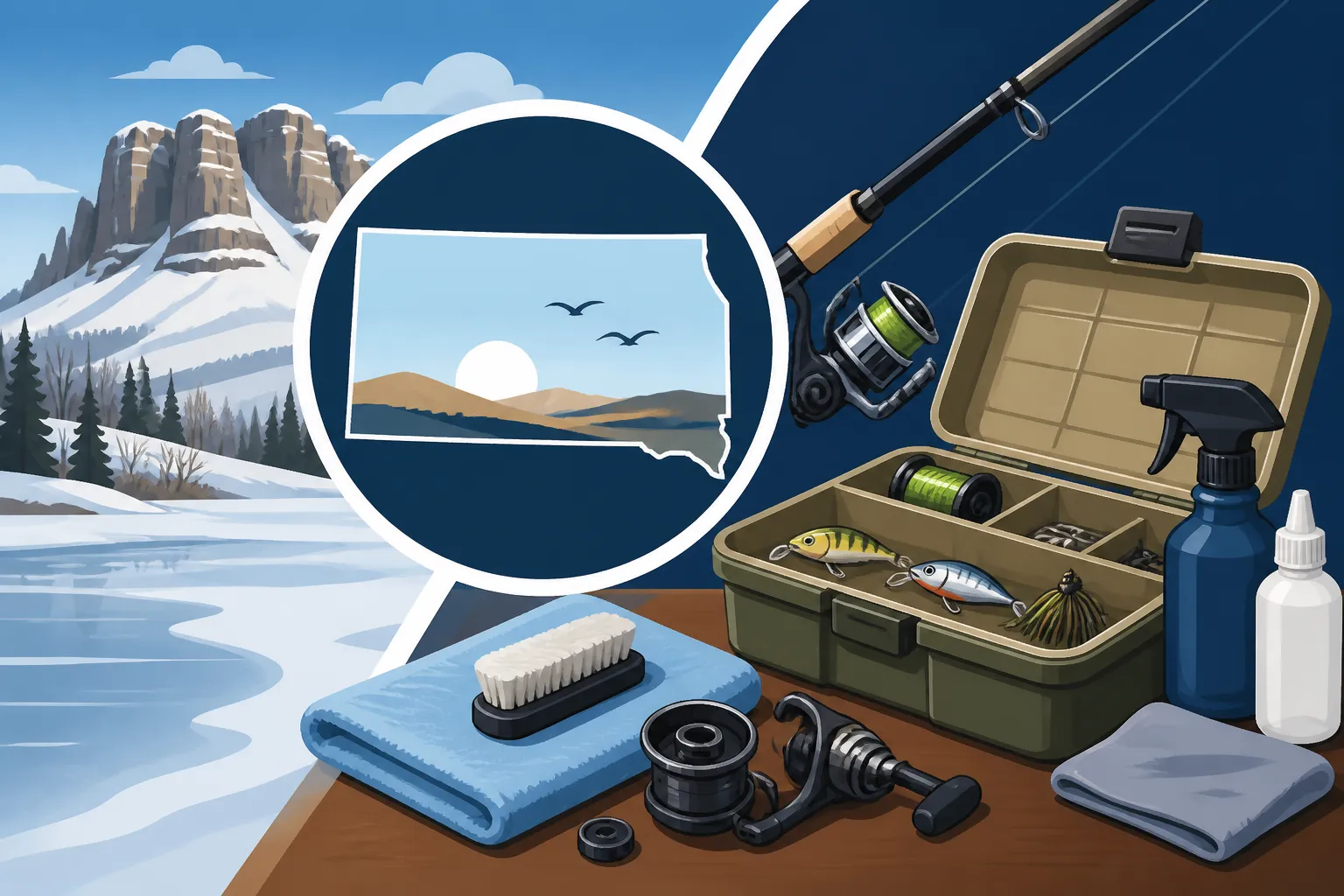
Oh, the bittersweet feeling when the fishing season starts to wind down! After all those glorious days out on the water, chasing walleye on Lake Oahe or patiently waiting for a bite on a quiet Black Hills stream, it's easy to just toss your gear in a corner and forget about it until next spring. But believe me, that's a recipe for rust, seized reels, and frayed lines that will only lead to frustration and lost fish when you're itching to get back out there. This guide is all about giving you a comprehensive, step-by-step plan to properly winterize all your precious fishing gear, ensuring it stays in prime condition, ready for action as soon as the ice thaws.
Why Winterizing Your Fishing Gear Matters More Than You Think
Let's be honest, after a long season, the last thing many of us want to do is spend another day messing with fishing rods and tackle. It feels like a chore, another item on the never-ending "to-do" list. But think of winterization not as an ending, but as an investment in next year's success. South Dakota winters can be brutal, and the moisture, cold, and lack of attention can wreak havoc on delicate fishing equipment. Neglecting your gear can lead to expensive repairs, premature replacements, and worse, a breakdown in the middle of a hot bite. Trust me, you don't want to find your drag seized or a guide insert missing when that trophy walleye is on the line. Taking the time now to properly care for your equipment saves you headaches, money, and potentially that fish of a lifetime down the road. It also helps you stay organized, making those first few trips of spring much smoother and more enjoyable.
Protecting Your Investment
Fishing gear, especially quality rods, reels, and electronics, can be a significant investment. You worked hard for that money, and you chose your gear carefully to enhance your fishing experience. Leaving a $200 reel covered in lake grime or a $150 rod with a bent guide in a damp garage is like throwing money away. Proper winterization isn't just about cleaning; it's about preservation. It ensures that the sensitive components of your reels, the integrity of your rod blanks, and the sharpness of your hooks all endure the off-season without degradation. Think of it as putting your gear into hibernation, keeping it safe and sound until its next grand adventure. This includes everything from the smallest swivel to your most expensive depth finder.
Preventing Damage and Deterioration
The primary goal of winterization is to prevent common off-season ailments. Rust is a huge culprit, especially in areas with varying humidity or if gear is stored wet. Line can become brittle or develop memory if left on a reel too long, leading to tangles and weakened breaking strength. Rod guides can crack, reel bearings can seize, and plastic tackle boxes can warp if not stored correctly. Mold and mildew can attack soft goods like boat seats or clothing. By systematically cleaning, inspecting, lubricating, and storing each item, you actively counteract these damaging processes. It's a proactive approach that ensures your gear lasts longer and performs at its best, year after year, just like the reliable tools you rely on every day.
The Rods and Reels Deep Dive
Your rods and reels are the heart of your fishing setup. They’re the direct connection between you and the fish, and they take a lot of abuse throughout the season. Proper care during the off-season is crucial for their longevity and performance. Don't just wipe them down and toss them in the corner; give them the attention they deserve.
Cleaning and Inspecting Your Rods
When you pull your rods out after a full season of battling fish in South Dakota's diverse waters, they're probably covered in a mix of water spots, bait residue, fish slime, and who knows what else. Start by giving each rod a thorough wash. A mild soap and warm water solution works wonders. Pay special attention to the cork or EVA handles, as they can really collect grime. Use a soft brush or sponge, and rinse completely. The biggest mistake here is to not dry them properly. Air dry them completely, or use a soft cloth to meticulously dry every inch.
Once clean and dry, it's time for a detailed inspection. Run your fingers along the entire rod blank, checking for any nicks, cracks, or deep scratches that could compromise its strength. Pay extra close attention to the guides. Look for bent frames, cracked ceramic inserts, or rough spots that could fray your line. A tiny crack in a guide insert might seem minor now, but it can create an abrasive edge that will prematurely snap your line when you're fighting a fish. If you find any issues, now is the time to mark them for repair or replacement before next spring. This is also a good opportunity to check the reel seat for any looseness or corrosion. I personally use a small magnifying glass to scrutinize the guide inserts; it's surprising what you can miss with the naked eye!
Maintaining and Storing Your Reels
Reels are precision instruments, especially modern spinning and baitcasting reels. They have gears, bearings, and drag systems that require a bit more finesse than a rod. First, remove the line. Old fishing line, especially monofilament or fluorocarbon, develops memory and can weaken over time. Spooling off old line now means you'll start fresh next season. Then, give the reel a good external cleaning with a soft cloth and mild soap, paying attention to the spool, handle, and drag knob.
For internal maintenance, follow the manufacturer's instructions. Some reels are designed for easy user maintenance, while others are best left to a professional. If you're comfortable with it, remove the side plates (for baitcasters) or the spool (for spinning reels) and carefully clean out any grit, sand, or old grease. Apply a high-quality reel grease to gears and a light reel oil to bearings and moving parts. Don't overdo it! A little goes a long way. Make sure to lubricate the bail mechanism on spinning reels and the worm gear on baitcasters. Finally, back off the drag completely before storing. Leaving the drag tightened for months can compress and damage the drag washers, leading to inconsistent drag performance. Store reels in individual reel cases or padded bags to prevent dings and scratches. There are many great storage solutions available on Amazon for keeping your reels safe and dust-free. Best Way to Store Rods and Reels will give you even more insights here.
Tackle Box Overhaul and Line Management
Your tackle box is essentially your fishing toolkit. It's where all the magic happens with your lures, baits, and terminal tackle. A disorganized, rusty tackle box is not only frustrating but can lead to damaged hooks and degraded soft plastics.
Sorting and Organizing Your Lures and Terminal Tackle
This is the big one, and often the most daunting. Open up every tray, every compartment of your tackle box. Pull out every single lure, every jig, every hook. Now, get ruthless. Are there any rusty hooks? Toss them. Even a tiny bit of rust can weaken a hook and make it less effective. Are there any soft plastics that have melted or "bled" color onto other lures? Dispose of them, and clean any residue they left behind. Check all your crankbaits for bent or dull hooks, replacing them as needed. This is a great time to categorize everything. Put all your walleye jigs in one compartment, your crappie plastics in another, and your bass crankbaits together. This kind of organization saves precious fishing time next season. Consider using small, clear utility boxes within your main tackle box – they are fantastic for keeping similar items together and preventing tangles. Many anglers find great deals on these organizational trays on Amazon. For more specific advice, check out How to Organize a Tackle Box for Walleye Fishing.
Replacing Old Line and Leader Material
As mentioned, fishing line doesn't last forever. Monofilament can degrade due to UV exposure, heat, and simply stretching and contracting during use. Fluorocarbon is more durable but can still develop memory. Braided lines are incredibly tough but can fray or absorb odors. The off-season is the absolute best time to strip all old line from your reels. This way, when spring rolls around, you're not rushing to spool up new line the night before your first trip. Buy fresh line and store it in a cool, dark place until you're ready to spool up. Check your leader spools too; if they've been sitting in direct sunlight or exposed to extreme temperatures, it might be wise to replace them. Starting with fresh, strong line gives you confidence and minimizes preventable break-offs.
Caring for Your Auxiliary Gear
It's not just rods, reels, and tackle that need attention. All the "other" stuff – your boat's electronics, your waders, your cooler, and even those little accessories – deserves a little love before winter sets in.
Electronics and Battery Storage
If you use a fish finder, GPS unit, or any portable electronic devices on the water, they need special care. First, remove them from your boat or fishing setup. Clean the screens with a gentle, non-abrasive cleaner and a soft cloth. Inspect all cables for fraying or damage. The most critical step here is battery care. If your electronics run on rechargeable batteries, fully charge them before storing. For larger marine batteries, disconnect them from the boat, clean the terminals, and store them in a cool, dry place. Consider connecting them to a smart trickle charger to maintain their charge throughout the winter, preventing deep discharge which can significantly reduce battery life. This is also applicable if you have an electric trolling motor. Best Marine Battery Charger for Winter Storage can offer more guidance on this crucial step.
Waders, Rain Gear, and Fishing Apparel
After a season of splashing through creeks in the Black Hills or enduring sudden South Dakota thunderstorms on the Missouri River, your waders and rain gear have seen some things. Don't just stuff them in a bag. Hang up your waders to dry completely, inside and out. If they're especially dirty, a mild soap and water wash is appropriate, again, ensuring they are bone dry afterward to prevent mold and mildew. Check for any leaks or tears; patching them now is much easier than trying to do it in a hurry when the first trout bite is on. The same goes for your rain jackets, pants, and fishing shirts. Wash them according to their care labels, paying attention to any special instructions for waterproof breathable fabrics, and ensure they are thoroughly dry before storing in a breathable garment bag or bin. This prevents that musty smell and keeps the fabric's integrity. Don't forget to store them somewhere cool and dry; a damp basement isn't ideal.
Coolers and Storage Containers
Your trusty cooler, whether it's for holding bait or keeping your catch fresh, accumulates smells and grime. Give it a thorough scrubbing with warm, soapy water and a splash of bleach or a specialized cooler cleaner to eliminate odors and bacteria. Rinse it out completely, and then leave the lid ajar while it air dries to prevent mildew. Once dry, store it with the lid slightly open or unlatched to allow for air circulation. The same cleaning and drying principles apply to any bait buckets, livewells, or other storage containers you use regularly. A clean cooler is ready for your first catch next season! Many anglers find great utility in robust coolers from brands like Yeti or Igloo, and proper cleaning ensures they last for many seasons. Best Coolers for Keeping Fish Fresh might provide useful information for maintaining your cooler.
General Storage Strategies and Best Practices
Winterization isn't just about cleaning individual items; it's also about creating the right environment for everything to rest comfortably through the colder months. How and where you store your gear can make a huge difference.
Ideal Storage Conditions
The enemy of fishing gear in storage is often a combination of moisture, extreme temperature fluctuations, and direct sunlight. Aim for a cool, dark, and dry place. A heated garage, a spare closet, or even a dedicated storage room in your home are far superior to an unheated shed or damp basement. Humidity control is key; consider using desiccant packets or a small dehumidifier in enclosed storage spaces if dampness is an issue. Keeping your gear out of direct sunlight prevents plastics from becoming brittle, line from degrading, and colors from fading on your lures. Think "stable environment" when choosing your storage spot. How to Store Fishing Gear Over Winter offers excellent tips for this overall approach.
Preventing Rust and Mildew
Rust is a constant threat to hooks, tools, and metal parts on reels. After cleaning and lubricating, a light spray of a silicone-based protectant on metal surfaces (avoiding reel drag systems and rod grips) can provide an extra layer of defense against moisture. For hooks, consider placing a few desiccant packets or even a small piece of old chalk in your tackle trays to absorb excess humidity. Mildew is a concern for soft goods like waders, rain gear, and even some rod bags. The key here is always ensuring everything is 100% dry before storage, and then storing in a breathable manner, avoiding sealed plastic bags that can trap moisture. Air circulation is your friend. Regularly checking on your stored gear once or twice during the winter can help catch any issues before they become major problems.
A Quick Checklist for Winterizing Your Gear
Here's a handy table to help you keep track of your winterization tasks:
| Gear Type | Action | Details |
|---|---|---|
| Fishing Rods | Wash, inspect, dry thoroughly | Use mild soap & warm water. Check blanks for cracks, guides for damage/roughness. Dry completely to prevent water spots & mold on grips. |
| Fishing Reels | Strip old line, clean exterior, lubricate, back off drag | Remove all old line. Clean with mild soap. Apply reel grease to gears, oil to bearings (per manual). Ensure drag is fully disengaged during storage. Store in padded cases. |
| Fishing Line | Remove from reels, replace with new in spring | Old line develops memory and weakens. Buy fresh line for next season. Store new line in a cool, dark place. |
| Lures & Tackle | Clean, inspect, organize, replace rusty components | Wash lures if needed. Inspect hooks for rust/dullness (replace or sharpen). Dispose of melted/bleeding soft plastics. Organize into clear containers. Add desiccant packets to tackle boxes. |
| Electronics | Remove, clean, charge batteries, inspect cables, store indoors | Wipe screens clean, check cables for damage. Fully charge rechargeable batteries. Store large marine batteries on a trickle charger. Keep devices in a controlled climate. |
| Waders & Apparel | Wash, dry completely, inspect for damage, store in breathable bags | Clean according to care instructions. Ensure completely dry to prevent mildew. Patch any leaks. Store in a cool, dry place, avoiding sealed plastic. |
| Coolers | Wash, sanitize, dry with lid ajar, store with lid unlatched | Scrub with soap/water and a bleach solution. Rinse thoroughly. Air dry completely, leaving lid open to prevent odor and mildew. |
| Tools | Clean, lubricate, store in dry conditions | Pliers, clippers, scales – clean off grime, apply light oil to hinges/blades. Store away from moisture to prevent rust. |
Taking the time now for this detailed care ensures that when spring returns to South Dakota, your gear is ready and waiting for those first exciting casts. It's a small investment of time for a huge return in angling enjoyment and success! Don't forget that if you also have a boat, it will require its own specific winterization process, distinct from your fishing gear, which is covered in articles like How to Winterize a Boat in South Dakota. Happy prepping, and here's to a fantastic next season!
Disclaimer
This article is for general informational purposes only and does not constitute professional advice. Laws, prices and regulations vary by location and change over time. Consult a qualified professional for guidance on your specific situation.