Wind and Weather Fishing Tips
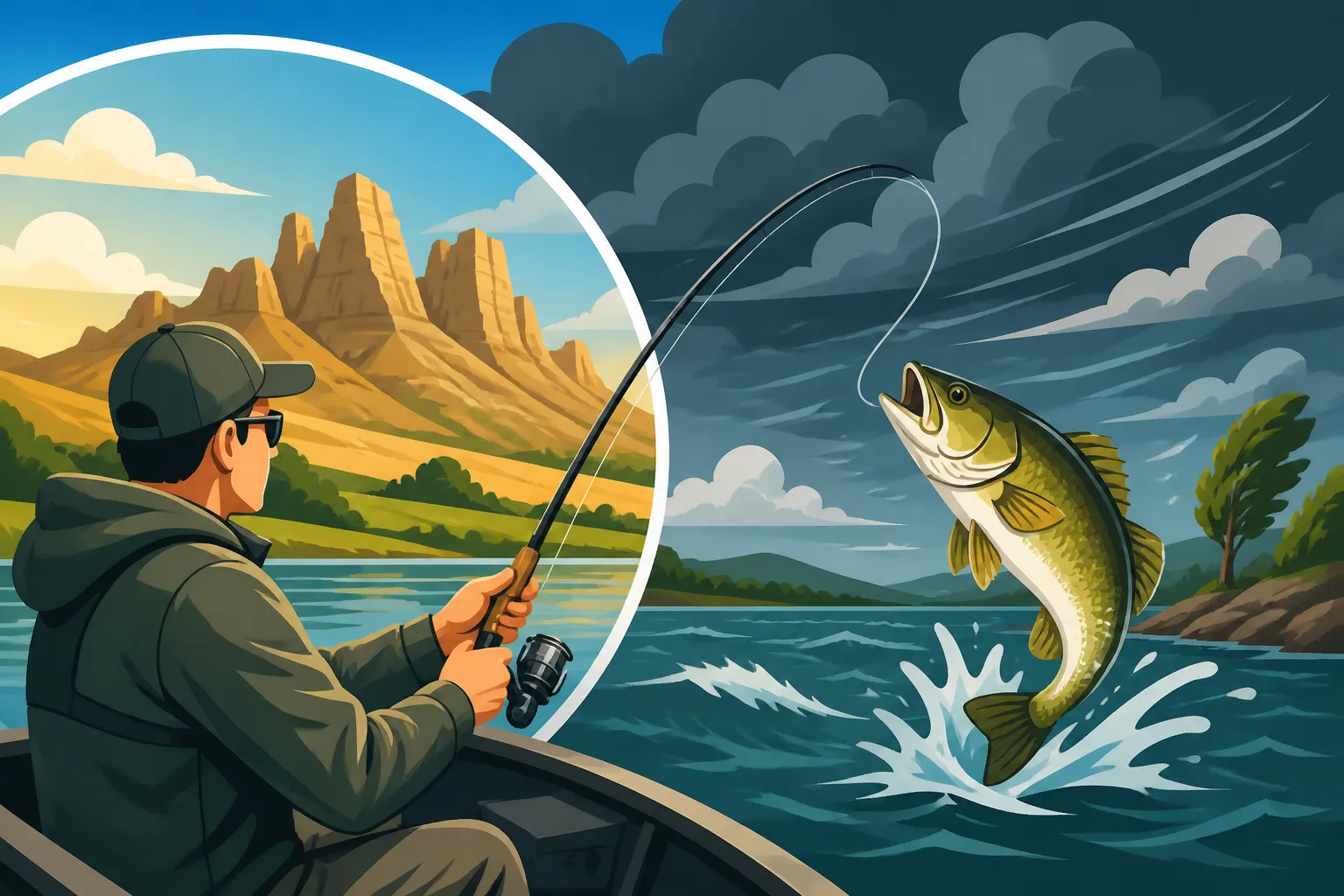
There's nothing quite like planning a fantastic fishing trip to one of South Dakota's legendary lakes or rivers, only to wake up to a completely different weather forecast than you expected. It's a universal frustration, the feeling of the wind picking up, the temperature plummeting, or an unexpected storm rolling in, leaving you wondering if your fishing day is doomed before it even begins. But here's the secret: weather isn't just a hurdle; it's a dynamic element that, once understood, can actually guide you to better catches. This comprehensive guide will break down how wind, barometric pressure, temperature, and precipitation impact fish behavior in South Dakota, providing you with actionable strategies to adapt and succeed, no matter what Mother Nature throws your way.
The Unpredictable Force of Wind and Its Fishing Impact
Wind is arguably the most talked-about weather factor among South Dakota anglers. It can make or break a day on the water, transforming a serene morning into a challenging battle against the elements. But dismissing it entirely would be a huge mistake; understanding wind is key to unlocking some truly epic fishing opportunities.
Decoding Wind Direction and Current
Wind, especially on vast bodies of water like Lake Oahe or Lake Sharpe, doesn't just create waves; it generates currents. These wind-driven currents can concentrate baitfish, push food into specific areas, and even influence where larger predatory fish like walleye and northern pike will stage. Think of it as a natural conveyer belt for the aquatic food chain.
For example, a sustained northwest wind, common after a cold front in South Dakota, might push warm surface water and baitfish to the southeastern shorelines. Savvy anglers know to check these wind-blown banks because that's where the predators often follow. On the flip side, a strong southerly wind can churn up nutrients from the bottom, oxygenating the water and making fish more active. However, an easterly wind often brings tough fishing conditions, a phenomenon many old-timers swear by, though the scientific reasons are still debated. It could be tied to stable or rising barometric pressure often associated with easterly breezes. Learning to "read" the wind and understand how it creates these micro-currents and food funnels is a game-changer.
The Role of Wind Speed and Surface Chop
The speed of the wind dictates the surface chop, and this is where things get interesting. A light breeze, just enough to put a gentle ripple on the water, is often considered ideal for walleye fishing. This subtle chop breaks up the surface, making it harder for fish to see your boat or detect your lines, providing a natural camouflage. It also helps to oxygenate the surface water and can make baitfish less secure.
However, when that breeze turns into a howling gale, pushing gusts of 20-30 mph or more, it becomes a different beast entirely. High winds can make boat control a nightmare, casting nearly impossible, and even dangerously churn up large waves on big reservoirs. While a certain amount of chop is beneficial, extreme wind creates unsafe conditions and can make it difficult to feel subtle bites. There's a fine line between "good chop" and "too rough," and knowing when to call it a day for safety's sake is paramount. Don't be afraid to postpone or move to a more protected area if the wind becomes overwhelming; no fish is worth risking your safety.
Targeting Wind-Blown Banks and Structure
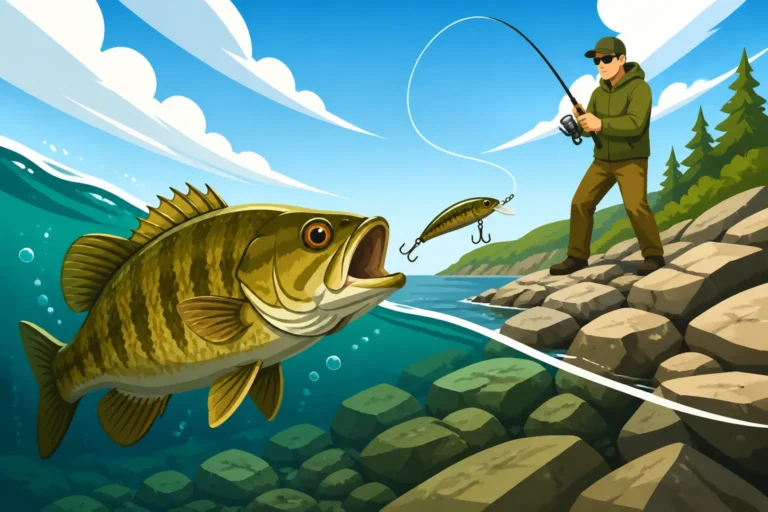
One of the most effective wind-related strategies is to target wind-blown banks and points. As the wind pushes water against a shoreline, it washes in a buffet of insects, small crustaceans, and other forage, attracting baitfish. Predatory fish, being opportunistic, will patrol these areas, waiting for an easy meal. This is particularly true for walleye, which often use the low-light conditions and disorienting chop to their advantage.
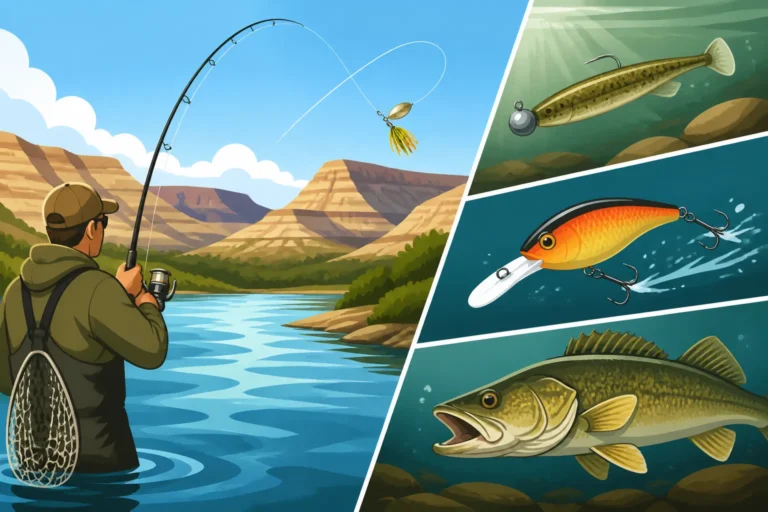
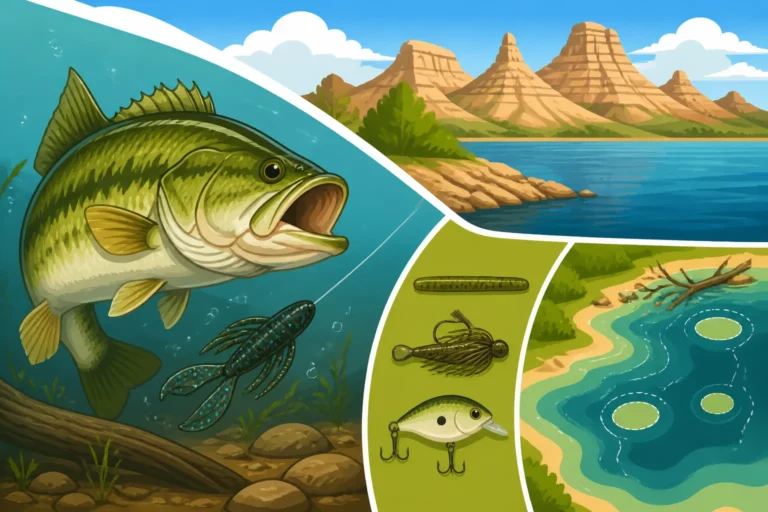
When fishing these zones, consider aggressive tactics. Trolling crankbaits parallel to the shoreline can be highly effective, as the fish are often actively feeding. Jigging with a minnow or soft plastic, casting into the waves, and letting the current carry your bait naturally can also produce results. Remember to use heavier weights or a drift sock to maintain boat control if drifting. While these areas can be incredibly productive, they also demand constant vigilance regarding boat positioning and safety, especially on a vast lake like Lake Sharpe or Lake Francis Case. Always keep an eye on your surroundings and have an exit strategy if the conditions worsen.
Barometric Pressure: The Silent Influence on Fish Behavior
While wind is visible and tangible, barometric pressure is the unseen force that often dictates whether fish are biting or tight-lipped. It's a subtle but powerful factor that many seasoned anglers pay close attention to.
Understanding Falling Barometric Pressure
Picture this: the skies are clear, then suddenly the clouds roll in, the air feels heavy, and a storm is definitely on its way. This is usually accompanied by a falling barometric pressure. Many fish species, particularly walleye, bass, and pike, tend to become more active and feed aggressively just before a significant drop in pressure. The theory is that fish sense the change in pressure, which affects their swim bladders, prompting them to feed while the going is good before the discomfort of the low pressure or the chaos of the storm fully sets in.
This pre-front bite can be incredibly productive. If you see the barometer steadily dropping, or notice the weather turning, that's often your cue to get out on the water if it's safe to do so. Think aggressive presentations: faster retrieves, larger baits, and targeting active fish in transition areas. However, once the pressure hits its lowest point during the storm, or just after, fishing can become extremely tough as fish hunker down.
The Challenge of Stable High Pressure
Conversely, stable high-pressure systems, often synonymous with clear blue skies and calm conditions, can lead to what anglers call "bluebird days"—beautiful weather, but notoriously tough fishing. In these conditions, fish tend to be more lethargic, often moving deeper or seeking dense cover. The bright sunlight and calm water also make them more wary, easily spooked by boats or shadows.
During stable high pressure, you'll need to adjust your tactics significantly. Forget the aggressive approaches; instead, think finesse. Smaller baits, slower presentations, lighter lines, and targeting fish during low-light hours (early morning, late evening) can make a huge difference. Consider fishing deeper structure or areas with more cover where fish feel secure. It's about coaxing bites rather than triggering a feeding frenzy. Don't get discouraged if the bite is slow; these conditions test patience and skill, but they can still yield rewards for the persistent angler.
Rising Pressure After a Front
Immediately following a cold front or a major storm, the barometric pressure usually begins to rise rapidly. While this often brings clearer skies and calmer winds, it frequently leads to some of the toughest fishing conditions. Fish can be scattered, disoriented, and generally inactive. It's like they're recovering from a shock. The rapid change in pressure and often a dramatic drop in air and water temperature can send them into a funk.
In these post-front scenarios, focus on finding fish that are relating tightly to structure or those that have moved to deeper, more stable water. Slow, methodical presentations are key. Think vertical jigging right on their noses, or slow-dragging a live bait rig. Sometimes, waiting a day or two for the pressure to stabilize again can vastly improve your chances. It’s important to remember that it's okay if you don't catch much after a big storm; these conditions are challenging for everyone. If you’re planning a trip, checking the barometric pressure trend alongside other South Dakota Fishing Season Dates and Limits can help you set realistic expectations.
Water and Air Temperature: Key to South Dakota Fish Metabolism
Temperature, both air and water, plays a profound role in a fish's metabolism and, consequently, its activity levels and location. South Dakota experiences extreme temperature swings, making this factor particularly critical.
Navigating Cold Fronts and Their Aftermath
A sudden cold front sweeping through South Dakota can dramatically drop air temperatures, and this, in turn, impacts surface water temperatures, especially in shallower areas. Fish are cold-blooded creatures, and a rapid drop in temperature can slow down their metabolism significantly. They often react by moving to deeper, more stable water where temperatures fluctuate less. Baitfish will also seek refuge in these areas, and the predators will follow.
When a cold front hits, expect fish to be less aggressive. Your best bet is often to slow down your presentation, focusing on vertical jigging or slow-trolling baits that mimic a lethargic meal. Target the deepest structure in an area, or transition zones where fish might be staging. Understanding how these fronts affect various species is crucial. For instance, walleye might move to deep humps or channel edges on Lake Oahe, while smallmouth bass might bury themselves in the thickest rock piles on Lake Francis Case. A sudden temperature drop is also often paired with rising barometric pressure, amplifying the challenging conditions. Knowing "Is Fishing Better Before or After a Cold Front?" can truly dictate your approach.
Capitalizing on Warm Fronts and Warming Trends
Conversely, a warm front or a sustained warming trend can be a boon for anglers. As water temperatures rise, fish metabolism speeds up, making them more active and hungry. This is particularly evident in spring, when warming trends trigger the pre-spawn bite for many species. Fish will move shallower, seeking out sun-warmed bays and flats, often becoming incredibly aggressive.
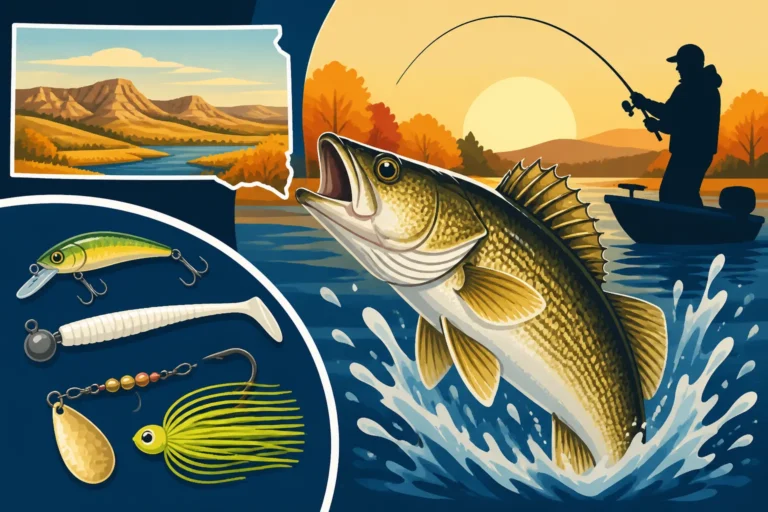
During these periods, you can often employ more aggressive tactics. Faster retrieves, louder baits, and covering more water can lead to excellent results. In early spring, look for dark-bottomed bays that absorb sunlight and warm up fastest. These areas will be teeming with baitfish and, soon after, the predators. Even in summer, a warm front can spark a temporary feeding window, especially during low-light conditions. These are the days when a well-placed crankbait or spinner rig can produce multiple strikes.
Understanding Water Temperature and Stratification
Beyond air temperature, the actual water temperature is the most direct indicator of fish behavior. In larger, deeper lakes and reservoirs like the Missouri River system, water temperature can stratify, forming distinct layers based on temperature and density. In summer, the warmest water is at the top (epilimnion), followed by a transitional layer called the thermocline, and then the colder, deeper water (hypolimnion). The thermocline is often a sweet spot, as it usually contains abundant oxygen and cooler, comfortable temperatures for many game fish.
Many modern fish finders, readily available on platforms like Amazon, come with temperature sensors, allowing you to identify these crucial layers. Knowing "What Water Temperature Walleye Prefer?" is invaluable. If your fish finder shows a distinct temperature break at 25 feet, that's often a great depth to target. Conversely, in winter, the water reverses, with the coldest (but not frozen) water at the top, and warmer (around 39°F) water at the bottom, attracting fish seeking stability. Understanding this thermal stratification helps you pinpoint where fish are most likely to be comfortable and actively feeding throughout the year, especially if you want to know "Reading Water Temperature for Walleye."
Precipitation: Friend or Foe to the Angler?
Rain, snow, or fog might seem like deterrents, but each form of precipitation has its own unique effect on fishing conditions and can, surprisingly, lead to some fantastic opportunities if you're prepared.
Fishing in Light Rain or Drizzle
Believe it or not, a light, steady rain or drizzle can often lead to some of the best fishing days, especially for species like walleye and bass. The advantages are numerous: low light conditions reduce fish wariness, the surface disturbance from the raindrops breaks up their vision and provides cover, and the rain can wash insects and other small food sources into the water, sparking a feeding frenzy.
During a light rain, fish often move shallower and become more active. Crankbaits, spinnerbaits, and topwater lures can be incredibly effective. The general atmospheric pressure during a light, steady rain is often stable or slowly falling, contributing to increased fish activity. This is the kind of weather where having good rain gear is essential. A reliable rain suit, one that allows you to stay dry and comfortable for hours, makes all the difference. Many anglers find great options for high-quality, durable rain gear on Amazon, ensuring they don't miss out on these prime conditions.
Handling Heavy Rain and Thunderstorms
While light rain can be beneficial, heavy downpours and, more importantly, thunderstorms, demand extreme caution. Safety should always be your top priority. Lightning on the open water is incredibly dangerous, and high winds often accompany these storms, creating hazardous boating conditions. If you see dark clouds rolling in, hear thunder, or see lightning, it's time to get off the water immediately. No fish is worth risking your life.
Beyond the safety aspect, heavy rain can also impact fishing by reducing water clarity due to runoff, especially in rivers or near stream inlets. This sudden influx of muddy, cooler water can scatter fish or push them downstream or into deeper, less affected areas. After a significant downpour, it might take a day or two for the water to settle and the fish to resume their normal patterns. Pay attention to local weather alerts and use common sense; there will always be another day to fish.
Snow, Ice, and Winter Conditions
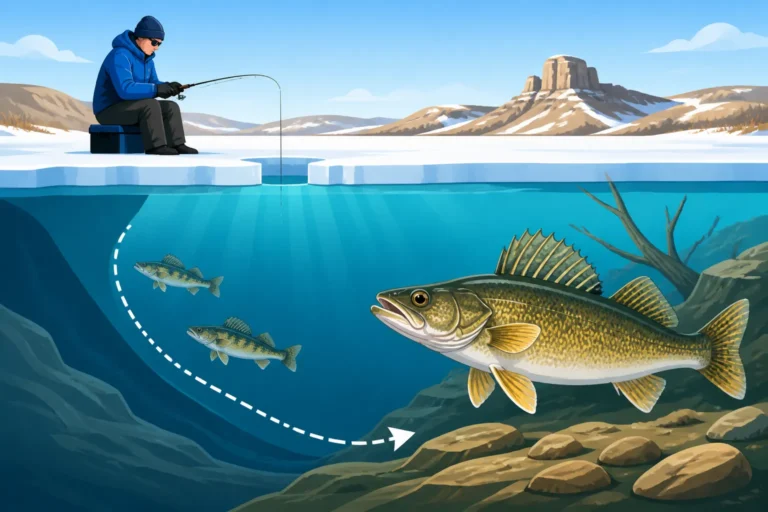
Winter precipitation, primarily snow, brings its own set of considerations for ice anglers. A fresh blanket of snow on the ice, especially a thick one, can act as an insulator, slowing down the ice-making process and potentially creating slush underneath. It also significantly darkens the water under the ice, which can make fish more active, as they feel more secure and less exposed to overhead predators.
When ice fishing in South Dakota, navigating snow-covered ice requires durable gear and a keen eye for safety. Heavy snowfall can make travel challenging, and slush can bog down sleds and augers. However, the dim conditions under snow-covered ice often create fantastic fishing opportunities for species like perch, crappie, and walleye. Fish tend to cruise more openly, and light-sensitive species feel more comfortable feeding throughout the day. Remember to always check ice thickness meticulously, especially after heavy snowfalls, as snow can mask weak spots. For more safety tips, check out our guide on "How Thick Ice Should Be Before Fishing in South Dakota".
Strategic Adaptations for Seasonal Weather
South Dakota's distinct seasons each bring their own unique weather challenges and opportunities. Adapting your techniques to these seasonal shifts is fundamental to consistent success.
Spring's Volatile Mix
Spring in South Dakota is a notorious blend of temperamental weather. One day you're basking in sunshine and 60-degree weather, the next you're battling a furious snow squall. This volatility profoundly impacts fishing. Early spring sees rapid warming trends that push walleye and other species into shallower spawning grounds, followed by sharp cold fronts that can send them retreating to deeper, more stable water.
Anglers must be prepared for anything. Layered clothing is non-negotiable, and keeping an eye on the hourly forecast is critical. During warming trends, target shallow bays and points with aggressive baits like crankbaits or jigs. After a cold snap, switch to slower, deeper presentations. The key is flexibility and being ready to change your tactics at a moment's notice. Knowing "South Dakota Spring Walleye Fishing Techniques" is essential for this time of year.
Summer's Heat and Thunder
South Dakota summers are generally hot and can be punctuated by intense thunderstorms. During prolonged hot spells, surface water temperatures can become uncomfortably warm for many game fish, pushing them to deeper, cooler water, often near the thermocline. The bright sun also makes fish more light-sensitive, leading to active bites primarily during low-light hours.
Your summer strategy should involve early mornings, late evenings, or even night fishing for species like walleye and catfish. Focus on main lake points, deep humps, and channel edges. While the days might be slow, the cooler periods can be incredibly productive. Be vigilant for summer thunderstorms; they can develop rapidly, bringing dangerous lightning and high winds. Always check the forecast before heading out. For optimal timing, consult our guide on the "Best Time of Day to Catch Walleye in Summer."
Fall's Cooling Frenzy
As temperatures begin to drop in the fall, South Dakota experiences some of its most productive fishing, especially for trophy-sized fish. Fish sense the approaching winter and engage in a massive feeding spree to pack on fat reserves. Stable, cooler temperatures often mean extended periods of aggressive feeding. However, fall can also bring early snows, bitter winds, and sharp temperature drops that will push fish deep.
Your fall strategy should involve targeting fish that are actively foraging. Walleye will often be found on main lake points and humps, while pike might be lurking in fading weed beds. Trolling large crankbaits, casting swimbaits, or using live bait presentations can be highly effective. The weather can still be unpredictable, so dressing in layers and keeping an eye on cold fronts is crucial. For specific strategies, dive into "South Dakota Fall Walleye Fishing Techniques."
Winter's Icy Grip
South Dakota winters mean serious ice fishing for many anglers. Once the ice is safely formed, the conditions under the ice become remarkably stable compared to open water. Air temperature, while important for angler comfort, has less immediate impact on fish behavior once they are under a thick layer of ice and snow. However, long periods of extreme cold can affect the oxygen levels in shallow waters, and early spring thaws can make the ice unstable.
The primary weather concern during winter fishing is angler safety and comfort. Dressing appropriately in warm, waterproof layers, and having proper shelter is vital. Snow cover on the ice impacts light penetration, affecting fish activity. Knowing "South Dakota Ice Fishing Guide" and "How Cold It Gets Ice Fishing in South Dakota" will give you all the information you need to stay safe and catch fish. Always prioritize safety over catching fish by checking ice conditions regularly.
Essential Gear and Safety for South Dakota Weather
Being prepared for South Dakota's dynamic weather isn't just about comfort; it's about safety and maximizing your time on the water. The right gear and knowledge are your best defense against Mother Nature's curveballs.
Dressing for Success: Layering and Protection
In South Dakota, layering your clothing is not just a suggestion; it's a survival strategy, whether you're battling a biting spring wind or standing on the ice in January. Start with a moisture-wicking base layer to draw sweat away from your skin. Add an insulating middle layer, like fleece or down, to trap warmth. Your outer layer should be windproof and waterproof, protecting you from rain, snow, and spray.
Don't forget accessories: a warm hat, gloves or mittens (even fingerless ones for dexterity), and quality sunglasses are essential. In summer, breathable, UV-protective clothing is crucial. For colder weather, specialized insulated boots are a must. High-quality fishing apparel can be a significant investment, but it pays dividends in comfort and extended fishing time. Many reputable brands offer excellent options, and platforms like Amazon provide a vast selection of fishing clothing and accessories, from base layers to heavy-duty rain suits, making it easy to find exactly what you need for any South Dakota fishing adventure. For a comprehensive list, check out our "South Dakota Fishing Gear Checklist."
Boat and Ice Safety Protocols
No matter the season or the weather, safety should always come first. On open water, always ensure you have enough U.S. Coast Guard-approved life jackets for everyone on board, and wear them, especially if conditions are rough. A marine-band radio or fully charged cell phone (in a waterproof case) for emergencies, a first-aid kit, and signaling devices (like flares or a whistle) are standard requirements. Always inform someone of your float plan – where you're going and when you expect to return. For all the specifics, our guide on "South Dakota Boat Safety Requirements" is a must-read.
For ice fishing, the rules change, but safety remains paramount. Never venture onto unfamiliar ice alone. Always carry ice picks, a spud bar or auger to test ice thickness, and a rope or throw bag. Be aware of varying ice conditions, especially near inlets, outlets, or areas with current. "How Thick Ice Should Be Before Fishing in South Dakota" provides crucial guidelines. Monitor weather forecasts closely for sudden warm-ups or heavy snow, which can compromise ice safety.
Advanced Tools for Weather Monitoring
In today's connected world, anglers have access to a wealth of tools to monitor weather conditions in real-time. Before heading out, always check a reliable weather app or website for detailed forecasts, including wind speed and direction, temperature trends, and precipitation chances. Some apps even provide radar imagery, allowing you to track approaching storms.
On the water, portable weather radios can provide instant updates. Many modern fish finders, which can be easily purchased on Amazon, are equipped with air and water temperature sensors, and some even integrate barometric pressure readings. These tools give you an immediate snapshot of the conditions, helping you make informed decisions about where to fish, what tactics to use, and when to head for shore. Investing in these tools can significantly enhance both your safety and your fishing success in South Dakota's often unpredictable climate.
Disclaimer
The information provided in this guide is for general informational purposes only and is not intended as professional advice. Fishing conditions and regulations can change rapidly. Always consult the official South Dakota Game, Fish and Parks (GFP) regulations before fishing. Exercise extreme caution when on or near the water, especially during adverse weather conditions or on ice. Prioritize personal safety above all else.