Post-Spawn Bass Fishing Techniques
It's frustrating, isn't it? You had the bass dialed in during the pre-spawn, maybe even nailed some giants on beds, and then suddenly, the bite just dies. The fish seem to vanish, and those predictable patterns you relied on are gone. This post-spawn slump is a common headache for many anglers, but it doesn't mean the season is over. This guide is here to break down the mysterious world of post-spawn bass, helping you understand their movements, moods, and the techniques needed to get those lines tight again across South Dakota's fantastic bass waters.
Understanding the Post-Spawn Transition
After the arduous process of spawning, bass enter a recovery phase that dramatically alters their behavior. They're often exhausted, a bit beat up, and their primary focus shifts from procreation to recuperation and then, eventually, gorging themselves to regain energy. This transition isn't a single, uniform event; it's a dynamic period influenced by water temperature, forage availability, and even the individual fish's health.
The Immediate Post-Spawn: Recovery Mode
Right after bass finish spawning, typically in late May or early June in many South Dakota lakes like Lake Francis Case or Lewis and Clark Lake, they don't just immediately start eating aggressively. Both male and female bass are worn out. Females have expended massive amounts of energy laying eggs, and males have been guarding nests tirelessly, often refusing to eat to protect their fry. During this initial recovery period, which might last a week or two depending on conditions, bass often move to slightly deeper, cooler water near their spawning areas. They're seeking refuge, perhaps a shaded log or a rock pile, where they can rest and regain their strength. They'll still eat, but their bites are often subtle and less aggressive, more out of necessity than hunger. Think of it like a marathon runner needing a few days to recover before tackling another race. They're still active, but not at peak performance.
The Gathering Phase: Schooling Up and Feeding
Once the immediate recovery phase is over, typically when water temperatures stabilize and warmer summer patterns begin to emerge, bass start to become more active. This is when they begin to congregate, often forming schools. They've spent weeks as individuals or in pairs during the spawn, and now there's safety and efficiency in numbers when it comes to feeding. They'll follow baitfish schools, which are often prolific this time of year with new hatches. These schools of bass can be found on main lake points, offshore humps, ledges, and creek channel swings. This is a prime time to use your electronics to locate these groups of hungry fish, especially in large reservoirs like Lake Sharpe. Once you find one, chances are there are many more.
Movement to Summer Haunts
As the post-spawn period progresses and water temperatures continue to climb into mid-summer, bass will gradually transition to their deeper, more stable summer patterns. This means moving away from the shallow spawning coves and flats they inhabited in spring. They might set up on deeper structure, look for cooler thermoclines, or relate to submerged vegetation that offers both cover and cooler water. Understanding this seasonal migration is key to consistently catching fish. They're not gone, they've just moved on. Keeping an eye on the South Dakota Fishing Seasons Explained can help you anticipate these shifts.
Key Lures and Baits for Post-Spawn Bass
The post-spawn period calls for a diverse tackle box, as bass can be finicky one day and aggressive the next. The key is to present baits that mimic the natural forage they're now chasing, or that are easy meals for recovering fish.
Topwater Temptations
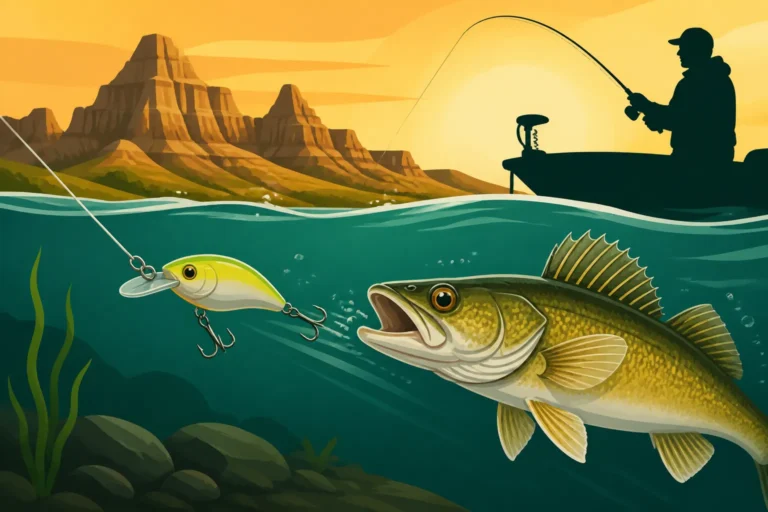
When bass are looking up, especially during low-light conditions early in the morning, late in the evening, or on overcast days, topwater lures can be absolutely explosive. Walking baits like a Heddon Super Spook or poppers like a Rebel Pop-R are fantastic for covering water and calling fish out of cover. These lures mimic injured baitfish or small critters on the surface, making them irresistible to hungry bass. The key is to work them with a pause-and-go retrieve, letting the bait sit for a moment after each movement, giving the bass time to strike. You'll find a wide selection of these classic topwater options on Amazon, making it easy to stock up.
Soft Plastics for Finesse and Power
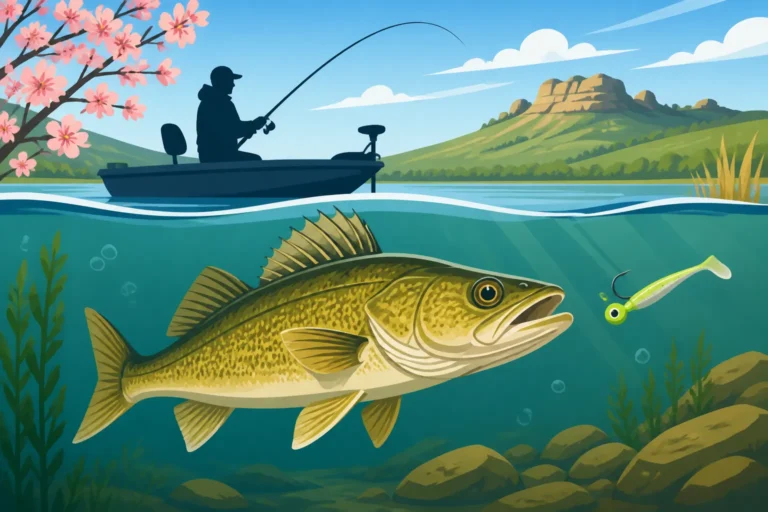
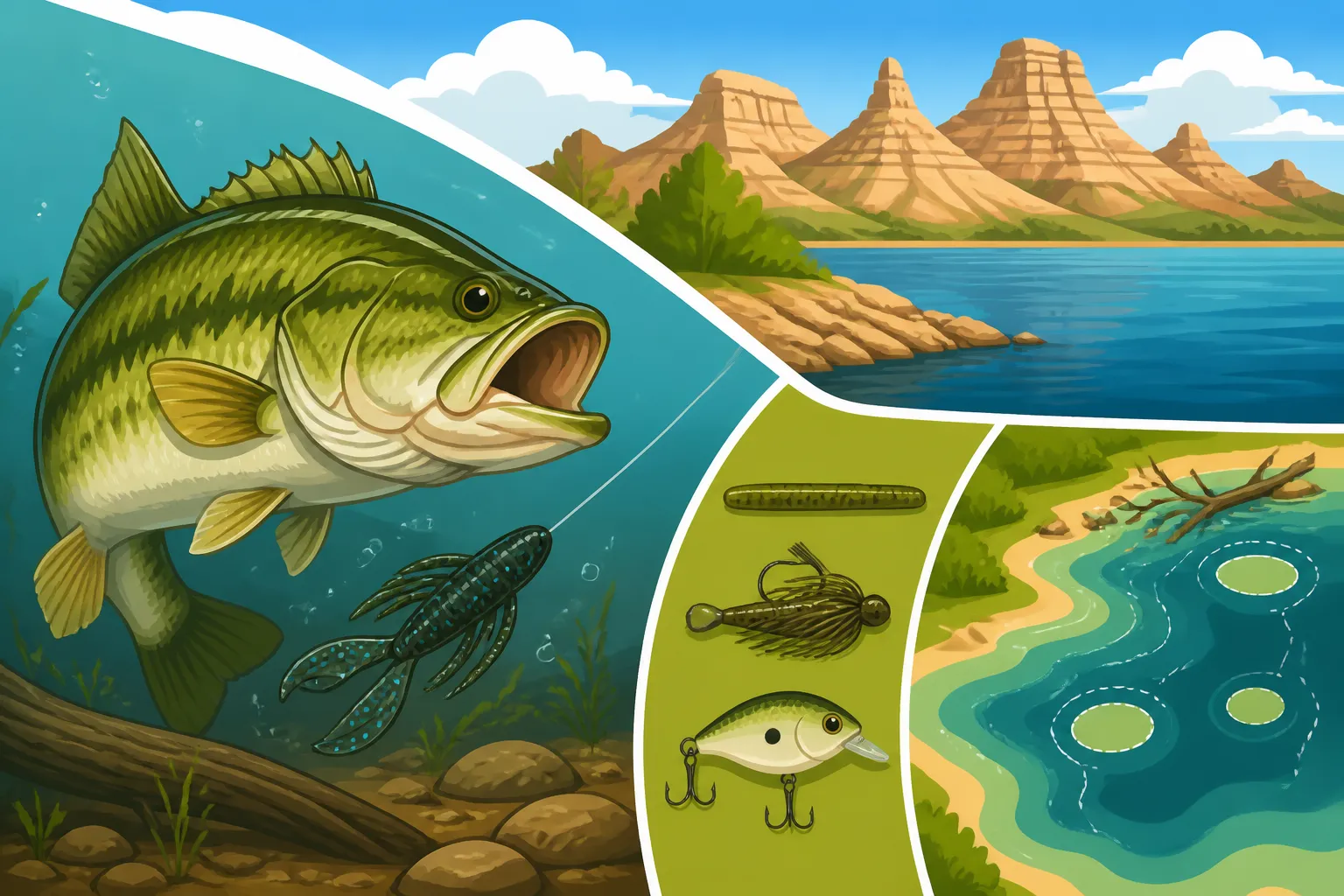
Soft plastics are incredibly versatile for post-spawn bass. When bass are still a bit sluggish in recovery, or when they're tight to cover, a Texas-rigged or Carolina-rigged plastic worm, creature bait, or even a senko can be deadly. These baits offer a subtle, natural presentation that doesn't overwhelm a recovering fish but still looks like a tempting meal. For more aggressive fish, or when targeting schooling bass, a fluke or swimbait retrieved through the water column can imitate baitfish perfectly. The weight of your rig will depend on the depth you're fishing and the amount of current, which can vary greatly across the Missouri River system. Learning your South Dakota Smallmouth Bass Fishing Guide will give you some great ideas for soft plastic presentations on rocky bottoms.
Crankbaits and Jerkbaits: Covering Water
To locate those actively feeding schools of bass, especially when they've moved offshore, crankbaits and jerkbaits are invaluable. Diving crankbaits can effectively probe different depths, bumping off structure and triggering reactionary strikes. Choose crankbaits that match the local baitfish in size and color. Jerkbaits are fantastic for suspended bass or those holding on points, allowing you to pause the bait in the strike zone, often when a bass is hesitant to commit to a faster retrieve. Experiment with different retrieve speeds and pauses to find what the fish prefer on any given day.
Spinnerbaits and Chatterbaits for Reaction Strikes
When bass are in the mood to chase, or when you're fishing around sparse cover like isolated stumps or weed edges, spinnerbaits and chatterbaits shine. The flash and vibration of a spinnerbait can draw bass from a distance, while a chatterbait offers a unique jig-like vibration that often triggers aggressive bites, especially from smallmouth bass relating to rocky areas. These are excellent "search baits" that allow you to cover water quickly and pinpoint active fish. For fishing in areas like the edges of emergent vegetation along Lake Sharpe, these can be incredibly effective.
Targeting Post-Spawn Bass in Different Habitats
Post-spawn bass don't just hang out in one type of spot. Their location depends on how far along they are in their recovery, the water temperature, and the available forage. Adapting your approach to specific habitats is crucial.
Shallow Cover and Structure
Even after spawning, some bass, particularly the males, might linger in shallower water for a while, especially if there's good cover nearby. Think fallen trees, boat docks, lily pad fields, or even shaded undercut banks. These areas provide protection and ambush points for baitfish. Flipping and pitching jigs or Texas-rigged creature baits into these tight spots can entice a bite. For smallmouth bass, look for rocky outcroppings or sparse weed patches close to deeper water. These fish are often guarding fry, so they're territorial and might strike out of aggression.
Mid-Depth Ledges and Points
As bass transition, many will stage on mid-depth ledges, humps, and points adjacent to their spawning grounds. These are often considered "travel corridors" or "staging areas" where bass can intercept baitfish moving between shallow and deep water. This is where those crankbaits and Carolina rigs really come into play. Fan casting a point with a deep-diving crankbait, or slowly dragging a Carolina rig along a ledge, can help you locate these groups of fish. Pay close attention to your electronics here; if you see baitfish schools, the bass are likely nearby. On large bodies of water, these offshore structures become magnets for migrating bass.
Offshore Humps and Main Lake Structure
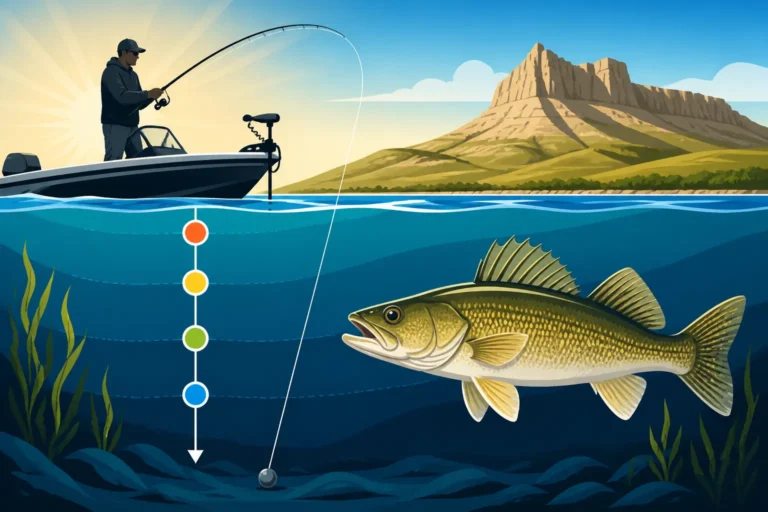
By late post-spawn, as summer really starts to set in, many bass will move to their deeper, main lake summer haunts. This includes offshore humps, submerged islands, deep rock piles, and creek channel bends. These areas offer stable water temperatures and access to abundant forage. This is where deep cranking, vertical jigging with spoons or heavy jigs, and drop-shotting become highly effective. Look for schools of baitfish suspended over these structures, and the bass won't be far behind. Knowing your South Dakota Fishing Depth Charts by Season can be incredibly helpful for identifying these deeper holding patterns.
Advanced Techniques and Seasonal Adjustments
Catching post-spawn bass often requires more than just knowing where they should be. It involves adapting to changing conditions and finessing your presentations.
Reading the Weather and Water Conditions
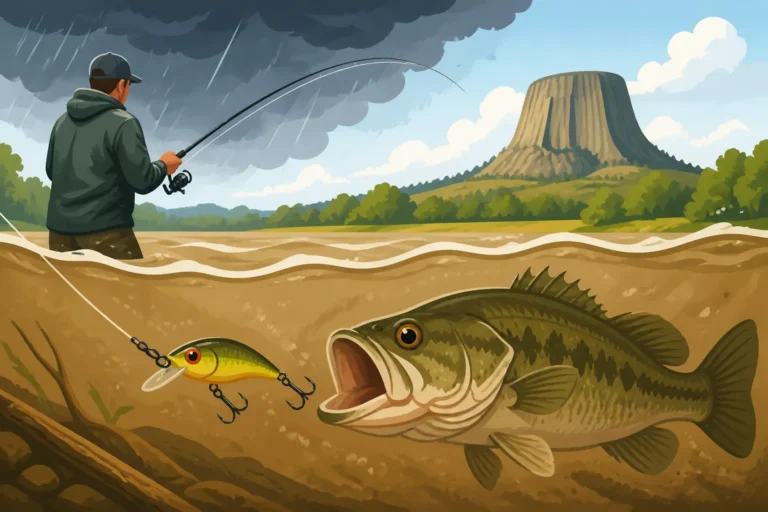
Post-spawn bass can be heavily influenced by weather. A sudden cold front can push fish deeper and make them less aggressive, demanding a slower, more subtle presentation like a weighted soft plastic. Warm, stable weather, especially with some cloud cover, might trigger an aggressive topwater bite. Water clarity also plays a huge role. In clear water, longer casts and lighter line might be necessary, while in stained or muddy water, baits with strong vibration and brighter colors can be more effective. Keeping an eye on factors like wind direction and barometric pressure can give you a significant advantage.
Finesse vs. Power Fishing
The post-spawn period often calls for a blend of finesse and power fishing. Early on, when bass are recovering, finesse techniques like drop-shotting small worms or shaky head jigs can tempt finicky fish. As they regain strength and begin to school, power fishing with crankbaits, spinnerbaits, or larger swimbaits to cover water and trigger aggressive strikes becomes more effective. Don't be afraid to switch between the two. If an area looks promising but power techniques aren't producing, slow down and try a finesse presentation. A well-rounded angler knows when to be patient and when to go on the offensive.
Night Fishing for Summer Bass
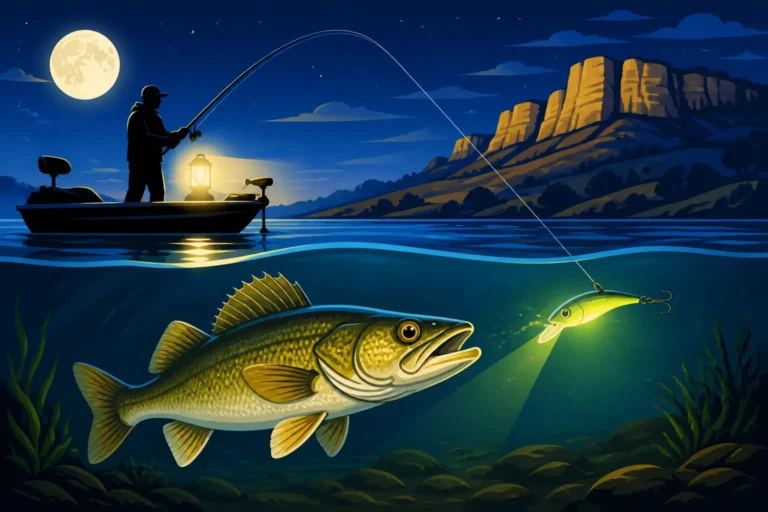
As daytime temperatures soar, especially in late post-spawn and early summer, night fishing can be incredibly productive for bass in South Dakota. Bass often move shallower under the cover of darkness to feed more aggressively as the water cools slightly and baitfish become more vulnerable. Large dark-colored spinnerbaits, bladed jigs, and soft plastic worms fished slowly can be excellent choices. Pay attention to areas where shallow water drops off quickly into deeper channels, as bass will use these as highways to move up and down. While not all species are sought at night, the post-spawn period for bass can offer fantastic nocturnal opportunities.
Essential Gear for Post-Spawn Success
Having the right tools for the job makes all the difference. Your post-spawn tackle setup should be versatile enough to handle both subtle finesse presentations and aggressive power techniques.
Rods, Reels, and Line
For finesse techniques like drop-shotting or shaky heads, a medium-light to medium power spinning rod with a fast action is ideal. Pair it with a 2500 or 3000 series spinning reel spooled with 8-10 lb braided line and a fluorocarbon leader of similar strength. This setup offers sensitivity and the ability to cast light baits accurately. For power fishing with crankbaits, spinnerbaits, and jigs, a medium-heavy to heavy power baitcasting rod, 7-7'6" in length, is preferred. A fast retrieve baitcasting reel (7.1:1 or higher) spooled with 15-20 lb fluorocarbon or monofilament will give you the control and backbone needed for these presentations. Remember that line choice impacts action; fluorocarbon sinks and is low-stretch, great for jigs, while monofilament floats and has stretch, good for topwaters. Check out our South Dakota Fishing Gear Checklist for more comprehensive gear ideas.
Tackle Box Essentials
Your tackle box should reflect the diverse needs of post-spawn fishing. Stock up on a variety of soft plastics: worms (straight tail, curly tail), creature baits, swimbaits, and flukes. Don't forget your jig heads, Texas rig weights, and Carolina rig components. For hard baits, include an assortment of topwaters (poppers, walkers), shallow to deep-diving crankbaits, and a few jerkbaits. Spinnerbaits and chatterbaits in various blade combinations and colors are also a must. Having a good selection of hooks in different sizes will also be crucial. You can often find great value packs of hooks and weights on Amazon, perfect for keeping your tackle box well-stocked.
| Lure Type | Best Conditions | Target Areas | Retrieval Style |
|---|---|---|---|
| Topwaters | Low light, calm water, overcast | Shallow cover, points, docks | Walk-the-dog, pop-and-pause |
| Soft Plastics | Finesse (slow bite), Power (active fish) | Shallow cover, ledges, offshore humps | Texas/Carolina rig, drop-shot, weightless |
| Crankbaits | Covering water, active fish, searching | Ledges, points, humps, channel bends | Steady retrieve, stop-and-go, bottom bouncing |
| Jerkbaits | Suspended fish, clear water, cooler temps | Main lake points, schooling bass | Twitch-twitch-pause, slow retrieve |
| Spinnerbaits | Windy conditions, stained water, sparse cover | Weed edges, laydowns, rocky banks | Steady retrieve, slow roll, bumping cover |
| Chatterbaits | Mimicking baitfish, reaction strikes | Grass lines, wood cover, open water schools | Steady retrieve, occasional twitch |
| Jigs | Heavy cover, bottom presentations, big bass | Docks, brush piles, rock piles | Pitching, flipping, dragging, hopping |
Common Mistakes to Avoid
Even experienced anglers can make mistakes during the post-spawn period that can lead to a frustrating day on the water. Avoiding these pitfalls can significantly increase your success.
Fishing Too Fast or Too Shallow
One of the biggest mistakes is assuming bass are still in their shallow spawning areas or that they're aggressively feeding immediately after the spawn. Many anglers continue to blast the shoreline with power techniques when the fish have already moved deeper and are in a more lethargic state. Start by exploring depths adjacent to spawning areas, and don't be afraid to slow down your presentation, especially if the bite is tough. A slow, methodical retrieve with a soft plastic can often outperform a fast-moving crankbait in these conditions.
Ignoring Offshore Structure
It's easy to get fixated on visible cover along the shoreline, but many of the biggest post-spawn bass, especially the females, will quickly move to deeper, offshore structure to recover and feed. Rely on your electronics to find humps, ledges, and channels. If you're not actively searching for these offshore hideouts, you're missing a significant portion of the fish population. This is particularly true on large impoundments like Lake Oahe, where offshore structure provides excellent habitat for a variety of species. Knowing your way around finding spots on a new lake is essential.
Not Varying Your Presentation
Bass can be incredibly finicky during the post-spawn. What works one day might not work the next, or even an hour later. Sticking to one lure or one retrieve method is a recipe for frustration. Always be willing to experiment. If topwater isn't working, try a jig. If a fast retrieve isn't getting bites, slow it down. Change colors, change sizes, change depths. The fish will tell you what they want if you're willing to listen. Consider picking up a diverse range of lure types to have on hand, many of which are readily available on Amazon with quick delivery, so you're always prepared for changing conditions.
Neglecting the Details
The small things can make a huge difference. Check your line for nicks, ensure your knots are strong, and keep your hooks razor sharp. Bass mouths are tough, and a dull hook will result in missed opportunities. Pay attention to subtle bites; sometimes it's just a slight "thump" or the line moving sideways. Being observant of these details and reacting quickly can turn a slow day into a successful one. A good pair of polarized sunglasses, for instance, can help you spot subtle changes in structure or even cruising fish.
South Dakota Specific Post-Spawn Considerations
South Dakota offers a diverse range of fishing environments, and understanding how the post-spawn period manifests in these different waters is key.
Missouri River Reservoirs
The large Missouri River reservoirs – Lake Oahe, Lake Sharpe, Lake Francis Case, and Lewis and Clark Lake – are primary targets for bass anglers. On these vast waters, post-spawn bass often relate to main lake points, submerged humps, creek channel swings, and riprap shorelines. Smallmouth bass, in particular, will gravitate towards rocky shorelines and current breaks. The sheer size of these lakes means bass can spread out, making electronics invaluable for locating schooling fish. Focus on areas where the current breaks around structure, as these become natural ambush points for bass feeding on baitfish. Our guide to Missouri River Tailwater Fishing Techniques can offer additional insights for certain areas.
Glacial Lakes and Ponds
In Eastern South Dakota, the numerous glacial lakes and smaller ponds offer excellent largemouth bass fishing. Here, post-spawn bass will often hold to distinct cover: weed lines, lily pad fields, timber, and dock structures. These smaller bodies of water can warm up faster, meaning the post-spawn transition might happen a bit earlier than on the big reservoirs. Look for bass staging on the outside edges of weed beds or moving into submerged timber. Flipping jigs and throwing frogs over matted vegetation can be incredibly effective here. Our South Dakota Largemouth Bass Fishing Guide delves deeper into these specific habitats.
Black Hills Bass Waters
While the Black Hills are renowned for trout fishing, lakes like Sheridan Lake and Pactola Reservoir also hold smallmouth bass. In these clearer, often deeper, and rockier environments, post-spawn smallmouth will typically move from rocky spawning coves to deeper rock piles, ledges, and points. Drop-shotting and Ned rigs can be very effective here due to the clear water and often deeper holding patterns of the fish. Pay attention to changes in depth and contour, as these define where the bass will orient themselves. Our Black Hills Trout Stream Fishing Guide provides an overview of the region's waters, though the techniques for bass will differ significantly.
Remember, post-spawn fishing isn't about giving up; it's about adjusting your mindset and your techniques to match the fish's changing behavior. With a little patience, observation, and the right approach, you can have some of the most rewarding days on the water.
Disclaimer
Fishing conditions and regulations in South Dakota can change. Always consult the latest South Dakota Game, Fish and Parks (GFP) fishing handbook or website before heading out to ensure you are aware of current rules, limits, and any emergency proclamations. This guide is for informational purposes only and should not replace official regulations.