Pre-Spawn Bass Fishing Techniques
Fishing for bass in South Dakota during the pre-spawn period can feel like trying to solve a moving puzzle. One day they're in the shallows, the next a cold front pushes them back to deeper water, leaving you wondering where they went. This guide is all about giving you the techniques and insights to unravel that puzzle, consistently putting you on some of the biggest bass of the year across our beautiful South Dakota waters.
Understanding the Pre-Spawn Period in South Dakota
The pre-spawn phase is arguably one of the most exciting — and sometimes most frustrating — times to chase bass in South Dakota. It's that critical window between their winter dormancy and the full-blown spawning ritual, and if you can crack the code, you're in for some phenomenal action.
What Defines Pre-Spawn and Why It Matters
Think of the pre-spawn as bass gearing up for the biggest event of their year: reproduction. During this period, their metabolism ramps up significantly, and they become incredibly active feeders, trying to pack on as much weight and energy as possible before the demands of spawning. This surge in hunger is exactly why it's such a prime time for anglers. These fish aren't just nibbling; they're often crushing baits with aggressive strikes.
What makes it tricky, however, is that this isn't a static period. Bass are constantly on the move, transitioning from their deep wintering holes to shallower staging areas. They might be holding tight to a deep break line one day, then cruising a shallow flat the next, all dictated by subtle environmental cues. Understanding these movements is paramount to finding them.
Key Environmental Triggers
The primary drivers for pre-spawn bass activity are water temperature and photoperiod (the length of daylight). As spring progresses and daylight hours increase, the sun's angle warms the shallowest parts of lakes and reservoirs first. For largemouth and smallmouth bass in South Dakota, this usually means water temperatures creeping into the mid-40s to low-50s Fahrenheit range. This subtle warmth signals to the bass that it's time to start thinking about moving up.
However, don't just blindly follow the thermometer. It's not just about the absolute temperature, but also the stability of that temperature. A few warm, sunny days can push water temps up quickly, drawing bass shallow, only for a sudden cold snap to send them retreating to deeper, more stable water. Wind also plays a huge role, pushing warmer surface water into coves and onto specific banks, creating prime feeding zones. Keep an eye on the weather patterns; consistency is key.
Regional Differences Across South Dakota
South Dakota is a diverse fishing landscape, and the pre-spawn will unfold differently depending on where you are. In the warmer, shallower glacial lakes of eastern South Dakota, like Lake Poinsett or Lake Kampeska, the pre-spawn might kick off a bit earlier and progress more rapidly due to the quicker warming water. These lakes often have extensive shallow flats and dense vegetation, offering different types of staging cover for bass.
Contrast that with the vast Missouri River reservoirs – Lake Oahe, Lake Sharpe, Lake Francis Case, and Lewis and Clark Lake. Here, the sheer size and depth mean water temperatures take longer to rise, and bass might stage in much deeper water or on steep breaks before committing to the shallows. On these massive systems, current also becomes a major factor, influencing where baitfish concentrate and, in turn, where bass will stage. For a broader understanding of fishing throughout the year, check out our guide on the South Dakota Fishing Seasons Explained. If you're looking for specific hotspots, our Best Fishing Spots in South Dakota article offers some great starting points.
Locating Pre-Spawn Bass
Finding bass during the pre-spawn can be a dynamic challenge. They're on the move, but their movements aren't random. They're following predictable patterns based on their instinct to feed and eventually spawn. Knowing where to look and what to look for is half the battle.
Shallow Water Migration Routes
As the water warms, bass begin to migrate from their deep winter haunts toward shallower spawning areas. They don't just teleport there; they use distinct migration routes. These are typically creek channels, old river beds, points, and humps that offer a gradual depth change from deep water to shallow. Think of them as underwater highways. Bass will stage along these routes, often using the last piece of deep cover or structure before moving into the absolute shallows.
Look for areas where these deeper access points meet shallower flats or coves that have good sun exposure. North-facing banks, for example, tend to warm up quicker in the spring sun. These are often the first places you'll find active fish. Pay close attention to any bends in these channels or any isolated cover, like a submerged tree or rock pile, along the migration path. These are prime ambush points where bass will hold and feed before moving further in.
Identifying Key Structure and Cover
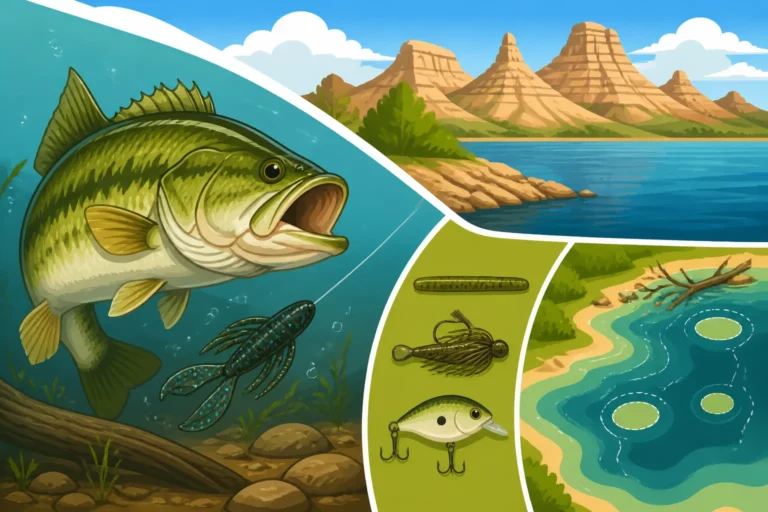
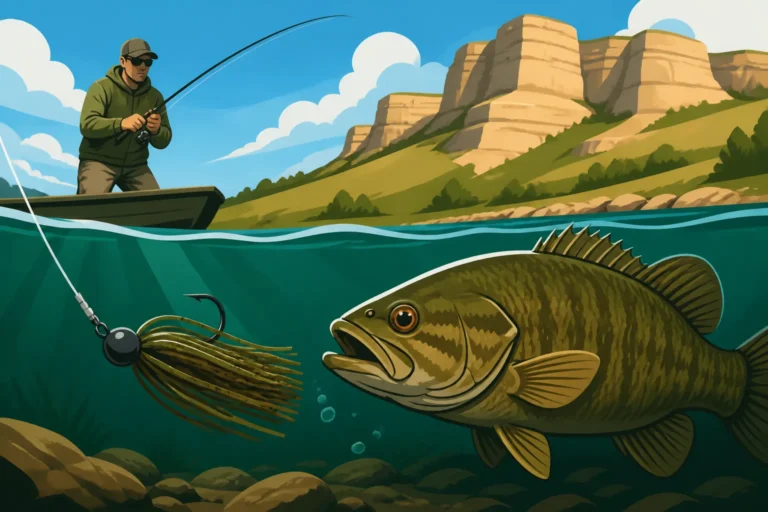
Once you've identified potential migration routes, it's time to pinpoint the specific pieces of structure and cover that pre-spawn bass will relate to. For smallmouth bass, especially on the Missouri River system, rocky points, riprap banks, and offshore humps are absolute magnets. These provide hard bottom, warmth retention, and ample hiding spots. For largemouth bass in smaller lakes, look for isolated stands of reeds, docks, fallen trees, brush piles, or even subtle changes in bottom composition.
Don't overlook hard-to-reach spots. Overhanging trees, especially those that have fallen into the water, can create excellent shade and cover, and because they're harder to fish, they often hold undisturbed bass. The idea is to find anything that offers protection, an ambush point, or a slight thermal advantage. Even a small rock pile on a flat or a single weed clump can hold a trophy bass during this time.
Reading Water Temperature and Clarity
Water temperature and clarity are your best friends for locating pre-spawn bass. While bass start moving when temps hit the mid-40s, the most aggressive bite often occurs when the water stabilizes in the low to mid-50s. Use a reliable thermometer to check temperatures in different areas of the lake. Often, just a degree or two difference can mean the difference between a barren flat and a bass hotspot. For more on this, our Reading Water Temperature for Walleye article offers principles that can be adapted for bass.
Water clarity also plays a significant role. In clear water, bass can be more skittish and might hold deeper or tighter to cover. They'll rely more on sight feeding, so natural bait presentations are often best. In stained or muddy water, bass will often move shallower, becoming less visually dependent and more responsive to vibration and scent. Lure color and action become more critical here. Look for the "sweet spot" – typically slightly stained water (visibility of 1-3 feet) where bass feel comfortable yet can still see your bait. Heavy winds can sometimes create these ideal conditions by stirring up shallow bays. For general information on the Missouri River system, our Lake Oahe Fishing Guide might provide some useful context for navigating large bodies of water.
Top Pre-Spawn Bass Lures and Baits
Choosing the right lure for pre-spawn bass isn't about having a million options; it's about understanding what bait best mimics their natural prey and appeals to their pre-spawning hunger. The key is often versatility and the ability to fish different depths and retrieve speeds.
Crankbaits and Jerkbaits for Aggressive Fish
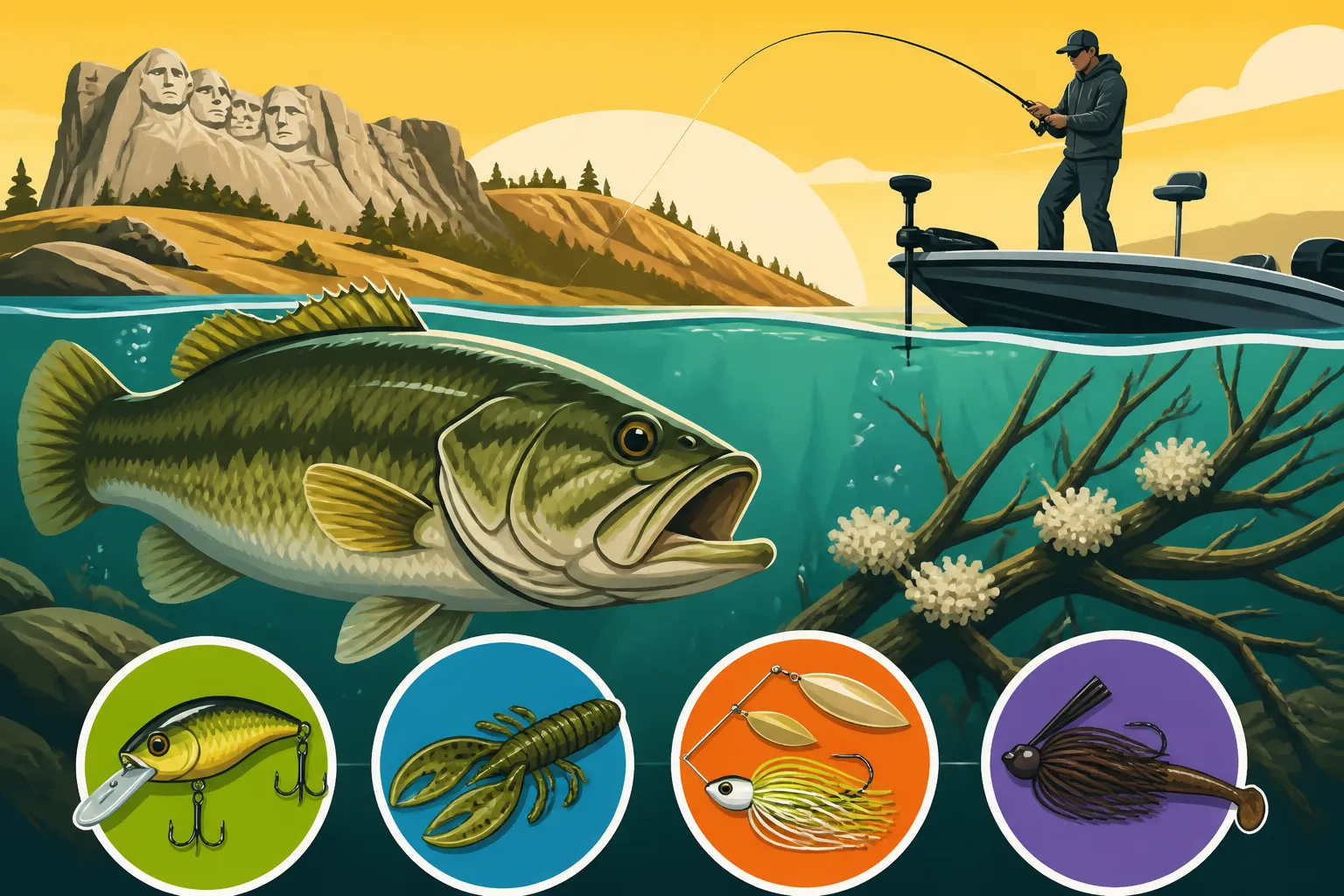
When the water temperatures are steadily in the upper 40s to low 50s, and bass are starting to get active, crankbaits and jerkbaits are absolute killers. These lures excel at covering water and imitating baitfish, which are a primary food source for bass bulking up for the spawn. Jerkbaits, like the classic Rapala Husky Jerk or the Megabass Vision 110, are particularly effective. Their darting, suspending action allows you to pause the lure in the strike zone for extended periods, triggering reaction bites from lethargic fish. On a slow retrieve with long pauses, they are deadly.
Crankbaits, especially those designed to dive to specific depths, are also excellent for probing migration routes and submerged structure. Medium-diving crankbaits that bump off cover or deflect off the bottom can often trigger aggressive strikes. Colors should mimic local baitfish – shad, perch, or bluegill patterns work well. Don't be afraid to experiment with brighter colors in stained water. For a good selection, you can often find a wide variety of these lures on Amazon.
Jigs and Soft Plastics for Finesse
Sometimes, pre-spawn bass aren't in an aggressive mood. A cold front might have passed through, or they might be staging in deeper, colder water, requiring a slower, more deliberate approach. This is where jigs and soft plastics shine. A football jig or a casting jig, dressed with a crawfish or creature bait trailer, can be meticulously worked along bottom contours, over rock piles, or through brush. The slow fall and subtle action are irresistible to wary bass.
Soft plastics like senkos, tubes, and grub worms fished on a shaky head or a Texas rig are also incredibly effective. These baits offer a natural look and feel, and their versatility allows them to be fished weedless in heavy cover or open water. Focus on natural colors like greens, browns, and black-and-blue. The key here is patience. Allow the bait to sink slowly, feel for the lightest tap, and be ready to set the hook. This finesse approach is often what separates a tough day from a successful one when bass are tight-lipped.
Spinnerbaits and Chatterbaits for Versatility
Spinnerbaits and chatterbaits are workhorse lures for the pre-spawn, offering a combination of flash, vibration, and bulk that can tempt bass in a variety of conditions. Spinnerbaits, with their flashing blades, excel in stained water or on overcast days, where their visual appeal helps bass locate them. They can be fished at various depths and speeds, from slow-rolling along the bottom to burning them just under the surface. Tandem Colorado or willow leaf blades are popular choices, with skirt colors matching local forage.
Chatterbaits, or bladed jigs, provide an incredible amount of vibration and an erratic swimming action that bass find hard to resist. They're particularly effective around sparse cover, like isolated weed clumps or flooded timber, and can be retrieved effectively even when bass are somewhat lethargic. Their jig-like head allows them to come through cover surprisingly well. Both spinnerbaits and chatterbaits are excellent for covering water quickly to locate active fish. You can find many options for these versatile lures on Amazon, often at competitive prices. While our guide on Best Lures for South Dakota Walleye focuses on a different species, the principles of lure selection based on conditions can definitely cross over. For general gear, you might also find value in Best Tackle for South Dakota Walleye Fishing.
Effective Techniques for Catching Pre-Spawn Bass
Once you've got your lures picked out, it's all about how you present them. Pre-spawn bass can be fickle, demanding specific presentations and a keen understanding of their current mood.
Slow Presentations and Targeting Isolated Cover
Many anglers make the mistake of fishing too fast during the pre-spawn. While bass are hungry, the water is still cool, and their metabolism isn't at its peak. This often means they prefer a slower, more deliberate presentation. Lures like jigs, slow-rolled spinnerbaits, or jerkbaits with extended pauses are often more effective than baits burned quickly through the water column. Think of mimicking a cold, lethargic baitfish or crawfish that's an easy meal.
When targeting isolated cover – a single laydown tree, a lone rock pile, or a small patch of reeds – make multiple casts from different angles. Bass often position themselves very precisely within cover, and changing your approach can trigger a strike from a fish that ignored your previous casts. Don't just cast at the cover; try to cast beyond it and work your bait into it, letting it slowly fall or crawl over branches. This patient, methodical approach is a hallmark of successful pre-spawn bass fishing.
Covering Water to Find Active Fish
While slow presentations are crucial, you also need to cover enough water to find those active fish. This isn't about mindless casting, but rather strategically probing different depth zones and types of cover along potential migration routes. Start by targeting the "staging areas" – those deeper points, humps, and channel bends that bass will use before moving to the extreme shallows. If you don't find them there, move shallower, checking sun-exposed flats, docks, and emergent vegetation.
Consider using search baits like spinnerbaits, chatterbaits, or even lipless crankbaits to quickly eliminate unproductive water. Once you get a bite or two, slow down and thoroughly pick apart that area with a slower presentation like a jig or a Texas-rigged soft plastic. This "run and gun" approach, combined with focused, slower fishing in productive areas, allows you to maximize your time on the water. On the vast waters of the Missouri River, covering water efficiently is key, a principle that also applies to techniques detailed in South Dakota Missouri River Fishing Techniques.
The Importance of Boat Positioning
Boat positioning is often overlooked but can dramatically impact your success, especially when targeting specific structure or trying to maintain a particular lure depth. When fishing points or breaks, positioning your boat so you can make long casts across the structure allows your lure to stay in the strike zone longer. If you're fishing a steep bank, keeping your boat further out and casting parallel to the bank can be very effective, allowing your bait to run along a consistent depth line.
Understanding wind direction is also critical. If the wind is blowing directly onto a point or into a cove, positioning your boat upwind and drifting with the current or wind can allow for natural presentations. This also makes boat control easier, allowing you to focus more on feeling bites. Learning how to properly anchor or use a trolling motor to maintain specific positions, especially in windy South Dakota conditions, will pay huge dividends. You'll find that precise boat positioning is often the secret ingredient to consistently catching bass during this challenging yet rewarding period.
Adapting to Changing Conditions
One of the biggest lessons you'll learn as a South Dakota angler is that conditions can change in a heartbeat. The pre-spawn period is particularly notorious for its temperamental weather, and being able to adapt quickly is paramount to success.
Dealing with Cold Fronts and Fluctuating Temperatures
Ah, the dreaded cold front! Just when the bass seem to be on fire, a sudden drop in temperature can shut them down almost completely. Don't get discouraged – it's a common frustration. When a cold front hits, bass often pull back to the nearest deep water or heavier cover, becoming much less active. They might suspend over deeper water or bury themselves in dense brush.
The key to dealing with this is to slow everything down. Put away the fast-moving crankbaits and opt for ultra-finesse tactics. Jigs, dropshots, or shaky heads with small soft plastics are often the only baits they'll consider. Focus on vertical presentations over deep structure or pitching baits into the thickest cover you can find. Remember, they're still there, just not as willing to chase. Sometimes, the bite will resume a day or two after the front passes, once conditions stabilize. Our Wind and Weather Fishing Tips article offers broader advice on how external factors impact fish behavior.
Adjusting for Water Clarity and Wind
Water clarity and wind are dynamic variables that demand constant adjustment. In clearer water, bass are more visually oriented, making natural colors and subtle presentations essential. Fluorocarbon line, which is nearly invisible underwater, becomes a huge asset. If the water is gin-clear, consider moving to deeper cover or fishing during low-light conditions like early morning or late evening.
Conversely, muddy or heavily stained water calls for baits that create a lot of vibration and contrast. Darker colors like black-and-blue, junebug, or red, combined with noisy lures like spinnerbaits with large thumping blades or chatterbaits, can be incredibly effective. Wind is a double-edged sword. A light chop can break up the surface, making bass less wary, and can push baitfish into concentrated areas. Strong winds, however, can make boat control difficult and muddy up vast areas. Use the wind to your advantage where possible, fishing wind-blown points or banks that might be concentrating bait and oxygen, but be prepared to seek calmer waters if it becomes too challenging.
Leveraging Technology for Success
In today's fishing world, technology can give you a significant edge, especially during the challenging pre-spawn. Modern fish finders with side imaging, down imaging, and 2D sonar can help you quickly locate migration routes, identify subtle bottom contours, and even spot individual bass or baitfish schools holding near structure. Learning to interpret these sonar readings is a game-changer. You can mark waypoints on your GPS for productive areas, helping you return to those sweet spots even under different conditions.
A good GPS mapping system, often integrated into your fish finder, can also show you depth contours, old creek channels, and submerged humps, giving you a visual roadmap of where bass are likely to be staging. Investing in a quality fish finder, like those readily available on Amazon from brands like Humminbird or Lowrance, is an investment in your success. Our Best Fish Finders for South Dakota Lakes guide delves deeper into the different options and how to utilize them. For those specifically targeting species like smallmouth bass, our South Dakota Smallmouth Bass Fishing Guide and South Dakota Largemouth Bass Fishing Guide offer species-specific insights that can complement these pre-spawn techniques.
Pre-Spawn Bass Lure Comparison
| Lure Type | Best Water Temp Range | Ideal Conditions | Retrieval Strategy | Primary Bass Species |
|---|---|---|---|---|
| Jerkbait | 45-55°F | Clear to stained water, cool fronts | Jerk-jerk-pause (long pauses, 5-10+ seconds), slow retrieve | Largemouth, Smallmouth |
| Crankbait | 48-60°F | Stained to clear water, hitting structure | Slow-medium steady retrieve, deflect off cover | Largemouth, Smallmouth |
| Jig (Football/Casting) | 40-55°F | Clear to stained water, heavy cover, deep structure | Slow drag, hop, or pitch into cover; feel for subtle bites | Largemouth, Smallmouth |
| Soft Plastic (Texas/Shaky Head) | 40-58°F | All water clarities, high pressure, finesse fishing | Slow drag, subtle shake, work over structure or through light cover | Largemouth, Smallmouth |
| Spinnerbait | 48-65°F | Stained to murky water, windy conditions | Slow-roll along bottom, medium retrieve over grass, burning in shallow water | Largemouth, Smallmouth |
| Chatterbait (Bladed Jig) | 48-65°F | Stained water, sparse cover, reaction bites | Steady retrieve, occasional twitch, let it thump through cover | Largemouth, Smallmouth |
Disclaimer
The information provided in this guide is for general informational purposes only and is not intended as legal advice. Fishing regulations, license requirements, and best practices can change frequently. Always consult the official South Dakota Game, Fish and Parks (GFP) regulations handbook or website before planning your fishing trip to ensure compliance with all current rules and laws. Fishing carries inherent risks, and participants should always prioritize safety.