South Dakota Largemouth Bass Fishing Guide
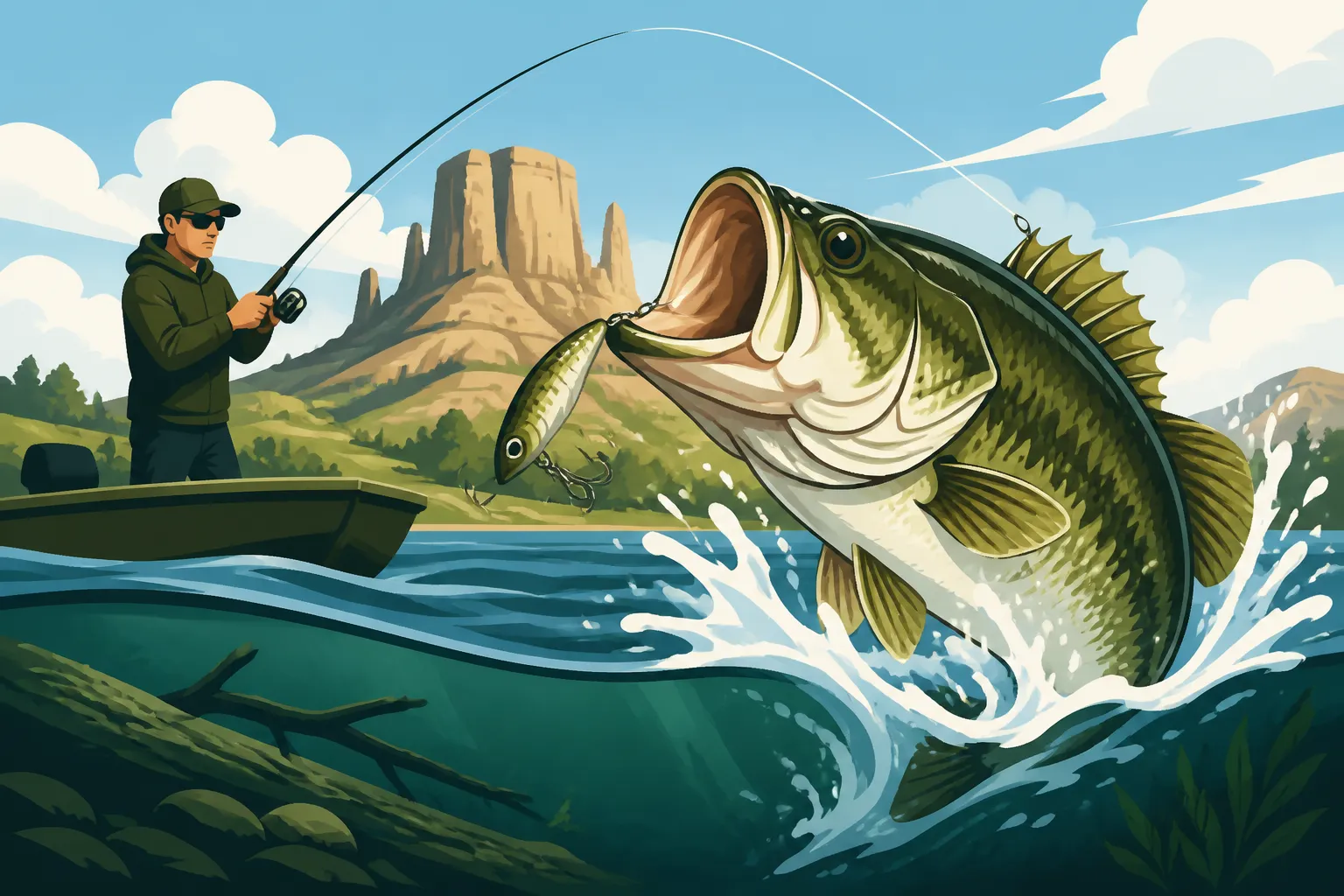
While South Dakota often conjures images of endless prairies, majestic walleye, and pristine Black Hills trout streams, there's a fantastic, often underrated angling adventure waiting in our waters: largemouth bass fishing. Many anglers are surprised to learn that our state holds healthy populations of these feisty, hard-fighting fish, especially in the eastern glacial lakes region and various river backwaters. This guide is here to dive deep into everything you need to know to successfully pursue largemouth bass across South Dakota, from understanding their habits to mastering the best techniques and finding those prime spots.
Understanding Largemouth Bass in South Dakota
Before you even think about casting a line, it's crucial to understand the fish you're after. Largemouth bass in South Dakota are fascinating creatures, adapting to a variety of environments that might surprise anglers more familiar with their southern counterparts. They might not always reach the gargantuan sizes seen in warmer climates, but they offer incredible action and a rewarding challenge for anyone willing to learn their local nuances.
Largemouth vs. Smallmouth: Knowing Your Target
It's easy to confuse largemouth bass with their close relatives, smallmouth bass, especially if you're new to fishing. However, knowing the difference is key because they often prefer different habitats and respond to different presentations.
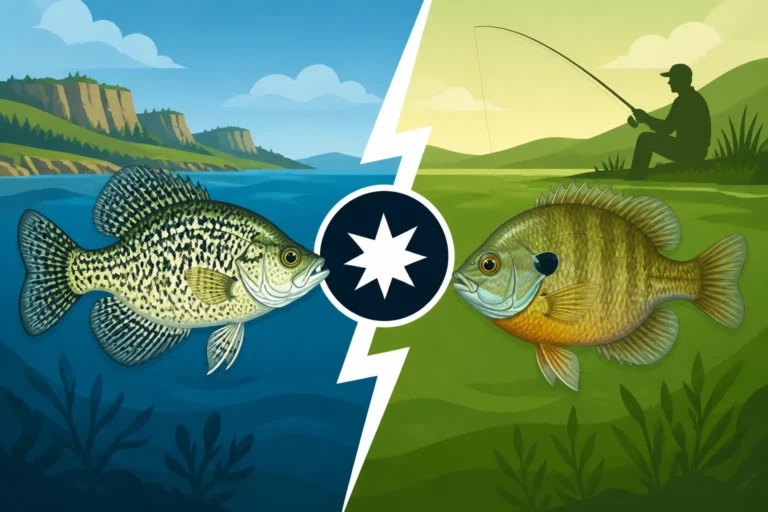
The most straightforward way to distinguish a largemouth from a smallmouth is by looking at the mouth itself. On a largemouth bass, when its mouth is closed, the corner of its jaw extends well behind the eye. For a smallmouth, the jaw typically doesn't extend past the middle of the eye. Another tell-tale sign is the dorsal fin: a largemouth has a deep notch, almost separating its spiny dorsal fin from its soft-rayed dorsal fin, whereas a smallmouth has a more continuous, shallowly notched dorsal fin. Coloration also provides clues; largemouth typically have a prominent, irregular dark lateral line running down their side, often with a green to olive-green hue, while smallmouth are more bronze or brown with vertical bars or mottling. In South Dakota, smallmouth tend to prefer rocky, clear, cool waters like the Missouri River reservoirs or parts of the Black Hills, while largemouth thrive in warmer, shallower, and often weedier environments.
This distinction isn't just for fish identification; it directly impacts your fishing strategy. If you're targeting largemouth, you'll be looking for different types of cover and using lures that appeal to their ambush predator nature in those specific areas. Conversely, if you're fishing a spot where smallmouth are more common, your approach would shift to more open-water, rocky structure presentations. Understanding which species you're pursuing prevents wasted time and helps you select the right gear and techniques.
Typical Habitats and Behaviors
Largemouth bass are masters of camouflage and ambush. In South Dakota, their preferred habitats are generally warmer, shallower waters with plenty of cover. Think dense submerged vegetation, lily pads, cattail edges, fallen timber, brush piles, dock pilings, and any other structure that provides shade and a place to hide. They are often found in the backwaters, bays, and sloughs of larger lake systems, or in smaller, shallower lakes and ponds across the eastern part of the state. These areas offer both protection from predators and an abundance of prey, such as minnows, shad, frogs, and even small panfish.
Their behavior is highly influenced by water temperature and the availability of cover. In spring, as water temperatures rise, largemouth move into very shallow areas to spawn. This is a prime time to find them cruising shorelines or guarding nests. As summer progresses and water temperatures climb, they often retreat to deeper, cooler water during the hottest parts of the day or seek refuge in the densest overhead cover. Early mornings, late evenings, and overcast days can bring them back to shallower feeding grounds. In fall, they undergo a feeding frenzy, bulking up for winter, often becoming more aggressive and chasing baitfish in open water near deep edges. During winter, they become lethargic, suspending in deeper water or hunkering down in thick cover, making them extremely challenging to catch. Understanding these seasonal shifts in behavior is paramount to consistently locating and catching them throughout the year.
Where to Find Largemouth Bass in South Dakota
While South Dakota might not be nationally famous for its largemouth bass fishing, there are certainly some excellent opportunities, particularly in the eastern half of the state. Knowing where to start looking is half the battle, and luckily, we have several regions that consistently produce good numbers of healthy largemouth.
Glacial Lakes Region Hotspots
The Glacial Lakes region in northeastern South Dakota is truly the heartland of largemouth bass fishing in the state. This area is dotted with hundreds of natural lakes, many of which are relatively shallow, nutrient-rich, and brimming with the kind of aquatic vegetation that largemouth absolutely adore. Lakes like Lake Kampeska Fishing Guide near Watertown are prime examples, offering abundant weed lines and varied structure. Others include Lake Poinsett, Bitter Lake, Lake Thompson, and Lake Cochrane, all known for their productive shallow bays and reed beds.
These lakes typically have distinct shorelines with emergent vegetation like bulrushes and cattails, as well as extensive submerged weed beds composed of coontail and milfoil. Largemouth will use these areas for cover, ambush points, and spawning grounds. Fishing around docks, fallen trees, and any change in bottom contour within these shallow, vegetated areas can be highly effective. During the warmer months, focusing on the edges of deep weed lines or pockets within dense vegetation will often yield results. South Dakota Glacial Lakes Fishing Guide provides even more detail on these fantastic waters, which can hold surprising numbers of quality bass.
Eastern River Systems and Impoundments
Beyond the natural lakes, eastern South Dakota also offers largemouth opportunities in its river systems and smaller impoundments. The James River, for instance, particularly its slower-moving stretches and oxbows, can hold good populations of largemouth, especially where there are significant areas of slack water, downed timber, and dense bank vegetation. The Big Sioux River, in its more tranquil sections, can also surprise anglers.
Smaller, man-made impoundments and county parks ponds scattered across eastern South Dakota are also worth exploring. These often feature abundant shoreline cover, submerged brush, and relatively shallow water that largemouth thrive in. While these might not produce trophy bass consistently, they can offer fantastic action for numbers of fish, making them great spots for a fun afternoon of fishing, especially for families or those just starting out. Always check local regulations for these smaller waters, as they can sometimes have specific rules regarding bait or harvest limits. When considering different bodies of water, even those known for other species like catfish, like those mentioned in a James River Catfish Fishing Report, often have backwaters that are perfect for largemouth.
Black Hills and Western Waters
When most people think of Black Hills fishing, trout immediately come to mind, and for good reason! However, largemouth bass can be found in a few select western South Dakota waters, though they are much less prevalent and typically don't reach the sizes found in the eastern lakes. These opportunities are generally limited to smaller, warmer ponds, private impoundments, and some specific park lakes that are managed for warm-water species.
Angostura Reservoir, while primarily known for walleye, also holds a decent population of largemouth, especially in its warmer, shallower bays with cover. Other smaller, sometimes unnamed, stock dams and private ponds in the western part of the state might also contain largemouth. Finding these spots often requires local knowledge, asking around at bait shops, or dedicated scouting. The fishing style will be similar to eastern waters, focusing on cover and structure, but the scale of the fishery will likely be smaller. It's important to differentiate these waters from the cold, clear trout streams and larger reservoirs primarily managed for cool-water species.
| Water Body Type | Primary Largemouth Habitat | Key Characteristics | Common Fishing Techniques |
|---|---|---|---|
| Glacial Lakes (Eastern SD) | Dense weed lines, lily pads, fallen trees, docks, shallow bays | Rich in vegetation, nutrient-rich, often shallower, warmer water | Pitching, flipping, topwater, spinnerbaits, crankbaits |
| Eastern Rivers/Impoundments | Oxbows, slack water, downed timber, bank vegetation, brush piles | Slower currents, varied structure, can be turbid | Jigs, soft plastics, spinnerbaits, buzzbaits |
| Western Ponds/Small Lakes | Aquatic vegetation, rocky shorelines, submerged timber, private docks | Smaller scale, often clearer, can be less pressured | Wacky rigs, swimbaits, small crankbaits |
Essential Gear for South Dakota Largemouth Bass
Having the right tools for the job can make all the difference in your largemouth bass pursuits. While you don't need to break the bank to get started, understanding the different types of rods, reels, lines, and lures, and how they apply to South Dakota's unique fishing environments, will significantly increase your success and enjoyment.
Rods, Reels, and Line Selection
For largemouth bass fishing, versatility is key. You'll typically want a combination of both baitcasting and spinning setups to cover different techniques and conditions.
- Baitcasting Rods and Reels: These are your workhorses for heavier presentations and fishing in thick cover. A medium-heavy to heavy power baitcasting rod, typically 6'6" to 7'6" in length, is ideal for flipping and pitching jigs and soft plastics into dense weeds or brush, throwing larger spinnerbaits, or muscling big bass out of heavy cover. Pair this with a reliable baitcasting reel with a gear ratio that matches your preferred retrieve speed – a faster retrieve for burning spinnerbaits, a slower one for grinding deep crankbaits. For line, 30-65 lb braided line is a popular choice for its strength, sensitivity, and ability to cut through vegetation. A fluorocarbon leader (12-20 lb) is often used for invisibility.
- Spinning Rods and Reels: Spinning setups excel at lighter presentations and finesse techniques, especially in clearer water or when bass are finicky. A medium to medium-light power spinning rod, 6'6" to 7' in length, is perfect for throwing shaky heads, drop shots, weightless worms, or small crankbaits. Pair this with a 2500-3000 series spinning reel. For line, 6-10 lb fluorocarbon or monofilament is common, with some anglers preferring braided main line (10-20 lb) with a fluorocarbon leader for maximum sensitivity.
Considering these options, you might even find some great starter combos or specialized gear on Amazon, which offers a wide array of brands and price points to suit any angler's budget and specific needs. The specific demands of different South Dakota waters, from dense glacial lake weeds to sparser river structure, mean having a few different setups can be a huge advantage.
Lures and Baits: Filling Your Tackle Box
The world of bass lures is vast, but a few categories consistently produce in South Dakota.
- Soft Plastics: These are arguably the most versatile and effective largemouth lures. Texas-rigged worms, creature baits, and senkos are phenomenal for pitching into cover or working along weed lines. Wacky rigs are fantastic for slow, subtle presentations. Colors like green pumpkin, black and blue, and junebug are perennial favorites.
- Jigs: Flipping and pitching jigs (e.g., Strike King, Arkie Jigs) are excellent for imitating crawfish and can be worked through heavy cover with a weed guard. Pair them with a craw-style trailer for added bulk and action. Football jigs are great for fishing deeper structure.
- Crankbaits: Squarebill crankbaits are perfect for deflecting off shallow cover like wood and rocks. Medium to deep-diving crankbaits work well for covering open water and reaching bass suspended deeper during summer. Choose colors that mimic local baitfish (shad, perch) or bright, aggressive patterns for stained water.
- Spinnerbaits and Chatterbaits: These reaction baits are fantastic for covering water, especially in spring and fall when bass are aggressive. They can be retrieved through weeds or around timber, offering flash and vibration that bass can't resist. White, chartreuse, and a combination of both are common and effective colors.
- Topwater Lures: Nothing beats the thrill of a topwater strike! Frogs, poppers, and walking baits are deadly in low-light conditions or over dense mats of vegetation. These are particularly effective in the shallow, weedy glacial lakes.
When building your tackle box, think about the seasons and conditions you'll be fishing. A diverse selection of soft plastics, a few jigs, several crankbaits covering different depths, and some reaction baits will prepare you for most situations. You can find an incredible variety of all these lure types on Amazon, allowing you to experiment with different brands and styles without visiting multiple specialty shops.
Kayaks, Boats, and Bank Fishing Gear
Your choice of vessel depends heavily on the type of water you plan to fish and your budget.
- Fishing Boats: For covering larger glacial lakes or expansive sections of river backwaters, a traditional bass boat or a multi-species fishing boat with a reliable trolling motor is a huge advantage. It allows you to quickly move between spots, navigate open water, and typically comes equipped with fish finders and livewells. Make sure your boat adheres to South Dakota Boat Safety Requirements.
- Kayaks and Canoes: These are excellent for accessing shallow, vegetated areas that larger boats can't reach. Kayak fishing has exploded in popularity, offering a quiet, stealthy approach to bass. They're also more budget-friendly and easier to transport. Ensure you have the necessary safety gear, including a PFD (personal flotation device), and understand South Dakota Kayak and Canoe Registration Rules. Many kayak anglers mount small fish finders or use portable models, which can also be found on Amazon, to help locate submerged structure.
- Bank Fishing: Don't underestimate the effectiveness of bank fishing, especially on smaller ponds, river access points, or designated fishing piers. While your mobility is limited, stealth and careful presentation can still yield great results. A good pair of polarized sunglasses to spot cover, a comfortable backpack or tackle bag, and a rod and reel combination suitable for casting from shore are essential. Remember that many public access points will offer ample bank fishing opportunities.
Regardless of your chosen platform, a good pair of pliers for hook removal, a tape measure, a camera, and a net are always good additions to your gear.
Effective Techniques for Catching South Dakota Largemouth Bass
Catching largemouth bass is all about adapting your approach to the season, water conditions, and the specific habitat you're fishing. South Dakota's varied landscape means you'll need a diverse playbook of techniques.
Springtime Strategies: Post-Spawn Power Fishing
Spring is a magical time for largemouth bass anglers in South Dakota. As ice recedes and water temperatures climb into the 50s and 60s Fahrenheit, bass move from their deeper wintering grounds into shallow, protected bays and flats to spawn. After they've completed their spawning rituals, they enter a post-spawn phase where they are often hungry and aggressive, guarding their fry or recovering from the spawn.
During this time, focus on shallow water, particularly areas with emergent vegetation (like cattail or bulrush lines), submerged grass, or woody debris. Texas-rigged soft plastics (worms, creature baits) pitched into and around cover are incredibly effective. A weightless senko or a wacky-rigged worm allowed to slowly fall near potential spawning beds or cover can also trigger strikes from territorial fish. Shallow-running crankbaits or spinnerbaits worked parallel to weed lines can draw aggressive reaction bites from actively feeding bass. Remember to work your lures slowly around cover, giving the bass time to see and react. For more general spring advice, check out Spring Fishing in South Dakota.
Summer Tactics: Deep Water and Heavy Cover
South Dakota summers can get warm, and as water temperatures in shallow lakes and river systems climb, largemouth bass often make a strategic retreat. During the heat of the day, they'll either move to deeper, cooler water or burrow into the thickest, shadiest cover they can find – think dense lily pad fields, thick mats of submerged coontail, or deep brush piles.
This is where techniques like flipping and pitching become invaluable. Use heavy-action baitcasting gear with strong braided line to present jigs or heavy Texas-rigged creature baits directly into the heart of the cover. The goal is to drop your lure straight down into those small pockets of open water, enticing a reaction strike. For bass holding in deeper water, deep-diving crankbaits, football jigs, or even drop-shot rigs fished along structure or main lake points can be productive. Early mornings and late evenings, or even night fishing (where legal), can bring bass back into shallower feeding zones where topwater lures or buzzbaits can shine. Understanding how Reading Water Temperature for Walleye can also apply to bass, giving you clues about their depth preferences.
Fall Fishing: The Feed Before Freeze
As autumn colors paint the landscape and water temperatures begin to drop, largemouth bass enter an intense feeding period, known as the "fall turnover." They are actively trying to pack on calories in preparation for the long, cold winter ahead. This can lead to some of the most exciting and productive fishing of the year.
Bass often become more nomadic and aggressive, chasing schools of baitfish in open water or along prominent structures like points, humps, and channel edges. Reaction baits are excellent choices now. Spinnerbaits, lipless crankbaits, and swimbaits retrieved at a brisk pace can trigger strikes from actively feeding fish. Jigging spoons can be deadly for bass schooling on bait in deeper water. Don't overlook the edges of dying weed beds, as these still provide cover and ambush points. Focusing on areas where baitfish are congregating is crucial, as the bass will be close behind. For more on late-season tactics, see Fall Fishing in South Dakota.
Winter & Ice Fishing (Limited Opportunities)
While ice fishing is a huge part of South Dakota's winter fishing scene, particularly for walleye and perch, targeting largemouth bass through the ice is generally very difficult and less common. Largemouth become incredibly lethargic in cold water, often suspending near deep cover or simply hunkering down, rarely expending energy to chase bait.
If you are determined to try, focus on shallower, weedier lakes that historically have strong largemouth populations. Small jigs tipped with live bait (like minnows or wax worms) or very subtle soft plastics fished incredibly slowly near dense cover can sometimes entice a bite. Patience is paramount, and bites will be extremely light. It's truly a challenge for the dedicated bass angler looking for an off-season pursuit rather than a consistent fishery.
South Dakota Largemouth Bass Management and Regulations
Understanding and adhering to fishing regulations isn't just about avoiding a fine; it's about preserving the incredible resource we have in South Dakota's fisheries. The South Dakota Game, Fish and Parks (GFP) works hard to manage our fish populations sustainably, and responsible angling is a critical part of that effort.
Understanding State-Specific Rules
For largemouth bass, as with all species, South Dakota has specific rules regarding daily limits, possession limits, and sometimes even size restrictions. These regulations can vary not only by species but also by specific water body. For instance, a general statewide limit might be in place, but certain lakes could have special length limits (e.g., a slot limit where fish within a certain size range must be released) or reduced daily limits to help manage a particular fishery.
It is absolutely vital to consult the current South Dakota Fishing Regulations Explained before heading out. This publication, available online or at most license vendors, will detail all the specific rules. Always pay close attention to the "Exceptions to Statewide Regulations" section, as this is where you'll find those specific lake-by-lake rules that can catch an unsuspecting angler off guard. Violating these regulations, even unknowingly, can result in significant penalties, so taking a few minutes to read up is always time well spent. And of course, ensure you have a valid South Dakota Fishing License Guide as well.
Catch and Release Best Practices
Many largemouth bass anglers practice catch and release, especially for larger, trophy-sized fish, to help sustain healthy populations and allow those fish to contribute to future generations. Even if you plan to keep a few fish for a meal, understanding and implementing proper catch and release techniques is crucial for the health of any fish you choose to return to the water.
Here are some best practices:
- Minimize Fight Time: Bring the fish in as quickly as possible to reduce stress and exhaustion.
- Handle With Care: Avoid touching the fish's gills or eyes. Wet your hands before handling to protect the fish's protective slime coat.
- Use Proper Tools: Use long-nosed pliers or a dehooking tool to quickly remove hooks, especially if they are deeply embedded. Barbless hooks can make this even easier.
- Support the Fish: When holding a bass for a photo, support its weight horizontally, ideally with one hand under its belly and the other gently gripping its jaw. Avoid holding large bass vertically by the jaw alone, as this can damage its internal organs and jaw structure.
- Revive If Necessary: If a fish seems exhausted, hold it gently in the water, facing into a mild current, and allow water to flow over its gills until it swims away under its own power.
- Be Aware of Consumption Advisories: While not directly related to catch and release, it's always a good idea to be aware of South Dakota Fish Consumption Advisories Explained for any waters you fish, especially if you do plan on keeping fish for the table. This ensures your safety and informs decisions on what fish to keep or release.
Common Challenges and How to Overcome Them
Fishing for largemouth bass in South Dakota, like any angling pursuit, comes with its own set of challenges. From unpredictable weather to dense aquatic vegetation, knowing how to anticipate and overcome these hurdles can turn a frustrating day into a successful one.
Dealing with Weather and Water Conditions
South Dakota's weather can be notoriously fickle, and changes in conditions can significantly impact bass behavior.
- Wind: Wind can be a blessing or a curse. A light chop can break up the water's surface, making bass feel more secure and less wary, and it can help concentrate baitfish. However, strong winds can make boat control difficult, casting challenging, and spotting subtle bites nearly impossible. On windy days, try fishing the wind-blown side of structures or shorelines, as baitfish are often pushed there, attracting bass. Use heavier lures to maintain contact with the bottom, or position your boat to cast with the wind when possible. Look for protected coves or leeward sides of islands if the wind is too strong. Check out Wind and Weather Fishing Tips for more general advice on how weather affects fish.
- Rain and Fronts: A light, warm rain can often turn on a bass bite, as it washes insects and nutrients into the water, and low light conditions can make bass more active. Heavy downpours, especially cold rain, can shut down the bite, muddy the water, and drop water temperatures, pushing bass deeper or into heavy cover. Fishing before a cold front, when barometric pressure is falling, can be excellent, as bass often feed aggressively. After a cold front, when the pressure is high and skies are clear, bass tend to be lethargic; slow down your presentation and focus on heavy cover.
- Water Clarity: In clear water, bass rely heavily on sight, making natural colors and lighter lines more effective. Stealth is key; long casts and quiet approaches are necessary. In stained or muddy water, bass rely more on their lateral line (vibration) and sense of smell. Brighter, more contrasting lure colors (chartreuse, orange, black and blue), lures with significant vibration (spinnerbaits, chatterbaits, rattling crankbaits), and even scented baits become more effective.
Navigating Dense Vegetation and Structure
Largemouth bass are inextricably linked to cover, but fishing dense vegetation and submerged structure without getting constantly snagged requires specific strategies and gear.
- Weed Beds: Whether it's coontail, milfoil, or cabbage, bass love weed beds. For casting into open pockets within the weeds or along the edges, use weedless lures like Texas-rigged soft plastics, frogs, or weightless worms. When fishing over top of submerged weeds, lipless crankbaits or spinnerbaits can be "burned" to create reaction strikes. If pitching into extremely dense mats, use heavy tungsten weights with Texas-rigged creature baits and powerful rods to punch through the cover.
- Woody Cover: Fallen trees, submerged logs, and brush piles are classic bass hangouts. Jigs with stout weed guards, Texas-rigged soft plastics, or even spinnerbaits (carefully retrieved) are excellent choices. Position your boat to make precise casts, and be prepared to extract fish quickly before they can bury themselves deeper into the snags. Strong braided line is your friend here, allowing you to pull fish out of tight spots.
- Docks and Piling: Docks provide shade, cover, and often attract baitfish. Flipping jigs or soft plastics under and around docks, especially those with brush piles or pontoons, can be highly effective. Skipping lures under the overhangs of docks can reach untouched fish. Pay attention to the deep corners or areas with more substantial shade.
Finding Productive Waters (Especially as a Non-Resident)
If you're new to South Dakota or visiting from out of state, identifying the best largemouth bass waters can feel like searching for a needle in a haystack, especially with the prevalence of walleye and trout.
- Start with Research: Online forums, local fishing reports (if available), and state park websites often provide clues. This guide is a great starting point, identifying the Glacial Lakes region as a hotspot.
- Visit Local Bait Shops: This is hands down one of the best resources. Bait shop owners and employees are usually avid local anglers who know exactly what's biting, where, and on what. They can provide invaluable real-time advice on specific lake conditions and productive areas.
- Use Mapping Apps: Apps like Navionics or Google Maps can help you scout potential areas from home. Look for shallow bays, points, areas with abundant vegetation (visible in satellite imagery), and access points.
- Focus on Public Access: Start with well-known public fishing lakes and parks. Many state parks, even those with South Dakota State Park Fishing Ponds, will have maps or information on fish species present.
- Licensing: Remember to sort out your fishing license well in advance. If you're coming from out of state, familiarize yourself with South Dakota Nonresident Fishing License Rules and the various South Dakota Nonresident Fishing License Options available to ensure a smooth trip. Don't let a lack of proper licensing derail your adventure!
Tips for a Successful Largemouth Bass Trip
Beyond the gear and techniques, a truly successful fishing trip often comes down to preparation, respect, and a willingness to learn. These tips apply whether you're chasing South Dakota largemouth or any other species.
Scouting and Pre-Trip Planning
The work for a great fishing day starts long before you ever hit the water. A little pre-trip planning can save you a lot of frustration and maximize your time fishing.
- Map Study: Utilize digital mapping tools or paper maps to identify potential hotspots. Look for contours, points, humps, creek channels, and areas where shallow water transitions to deeper water. Pay attention to visible structures like docks, fallen trees, or areas of dense vegetation. Cross-reference with recent satellite images to get an idea of current vegetation density if available.
- Check Local Reports: While specific largemouth reports might be less common than for walleye, any local fishing forums, bait shop websites, or even social media groups dedicated to South Dakota fishing can provide valuable insights into water levels, clarity, and general fish activity.
- Weather Forecast: Always check the long-range and immediate weather forecast. This influences not only your safety and comfort but also dictates the types of techniques and areas that might be most productive. Pack accordingly with rain gear, layers, and sun protection.
- Pack Essentials: Beyond your fishing gear, ensure you have water, snacks, a first-aid kit, sunscreen, insect repellent, a fully charged phone, and any necessary permits or licenses like your South Dakota Fishing License Guide. If you're heading out on the water, ensure all your boat safety equipment is in order.
Respecting the Environment and Fellow Anglers
As anglers, we are stewards of the natural environment. Our actions on and off the water have a direct impact on the health of our fisheries and the experience of others.
- Leave No Trace: This is paramount. Pack out everything you pack in, and if you see litter, pick it up. This includes fishing line, bait containers, and any other trash. Do your part to keep South Dakota's beautiful waters pristine.
- Proper Boat Ramp Etiquette: If you're using a boat, be efficient at the ramp. Have your boat prepped, lines untangled, and gear stowed before you back down. Launch and retrieve quickly, and move out of the way to tie down your boat so others can use the ramp. This also includes avoiding excessive noise or wakes near others.
- Share the Water: South Dakota's waters are for everyone. Be respectful of other anglers, whether they're in a boat, kayak, or fishing from shore. Give them plenty of space, and don't crowd their fishing spots. If someone is already fishing an area, move on and find another spot. A little courtesy goes a long way in fostering a positive fishing community.
- Conservation: Practice ethical angling. Release fish properly, especially larger breeding-stock bass. Adhere strictly to all size and creel limits. Consider the impact of live bait and avoid introducing invasive species to new waters. By being mindful and responsible, we ensure that largemouth bass fishing in South Dakota remains fantastic for years to come.
Disclaimer
This article is for general informational purposes only and does not constitute professional advice. Laws, prices and regulations vary by location and change over time. Consult a qualified professional for guidance on your specific situation.