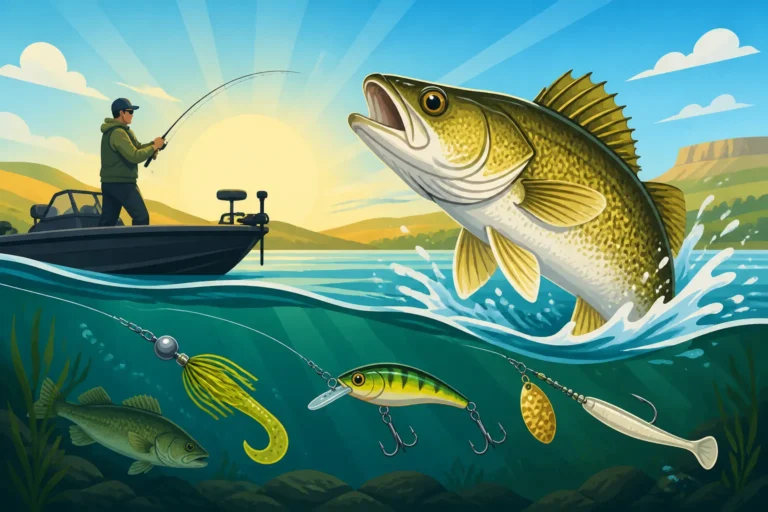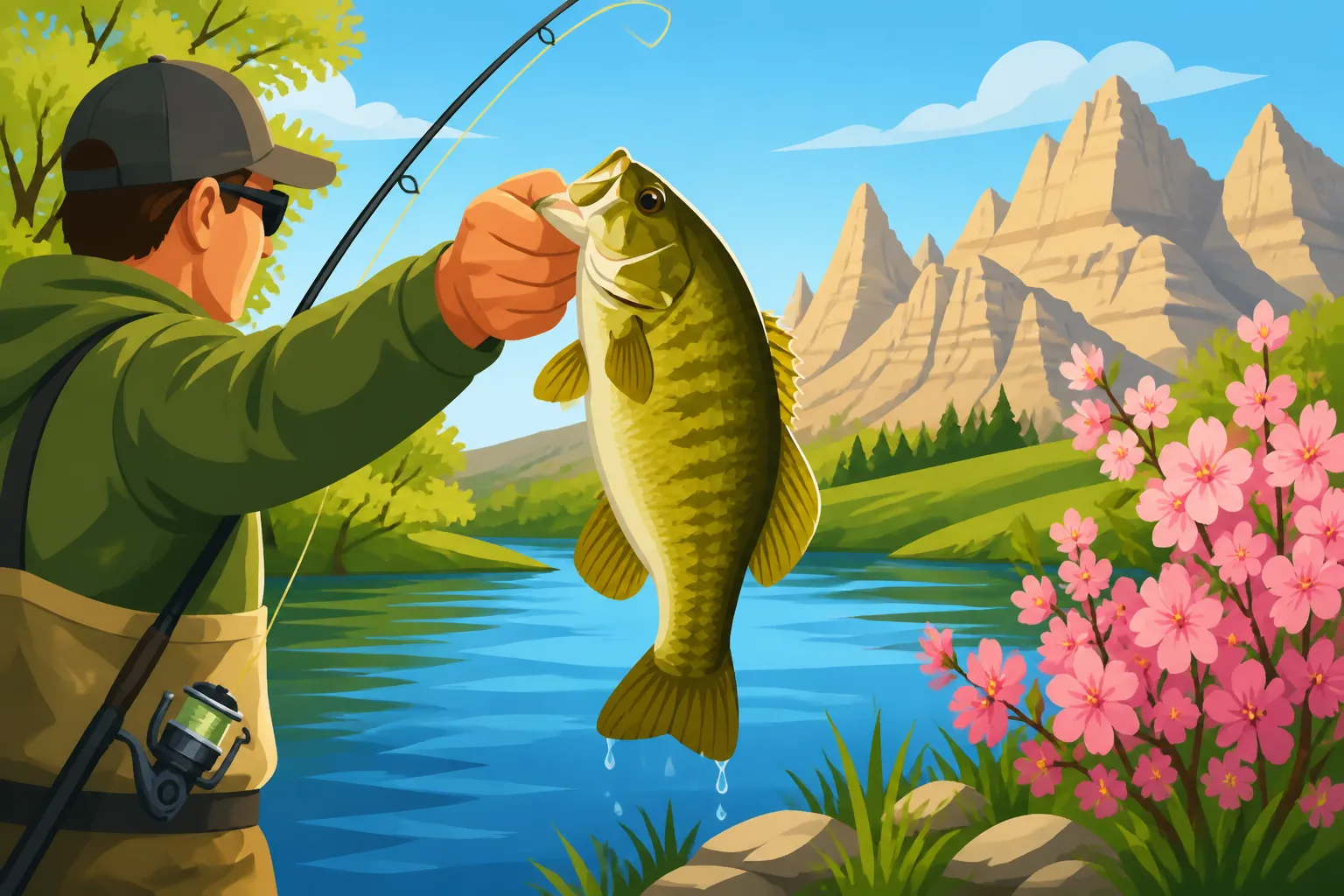
Spring Fishing in South Dakota
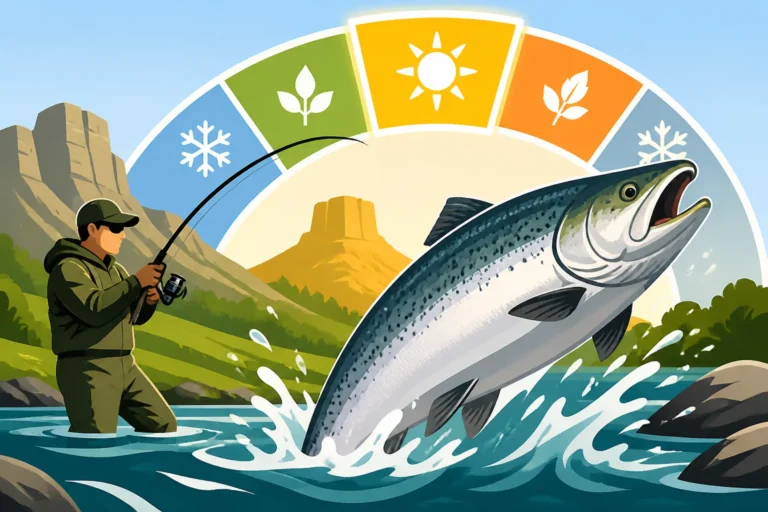
Ah, spring in South Dakota! After the long, often brutal winter, anglers everywhere start to feel that itch, counting down the days until the ice finally gives way. But if you're like many, you know that "ice-out" doesn't automatically mean easy fishing. Spring in South Dakota can be finicky, throwing everything from snow squalls to gorgeous sunshine at you, and the fish behave differently than any other time of year. This comprehensive guide is here to walk you through the unique challenges and incredible rewards of spring fishing across the Mount Rushmore State, from the Missouri River reservoirs to the glacial lakes and pristine Black Hills streams.
The Promise and Peril of Spring Fishing in South Dakota
There's nothing quite like the collective sigh of relief and surge of excitement that accompanies the first signs of ice retreating from South Dakota's vast waterways. For many, it marks the true beginning of the fishing year, a fresh start after months of drilling holes in the ice. However, don't let that initial euphoria blind you to the realities of spring angling. It's a season of immense potential, offering some of the year's best fishing opportunities, particularly for trophy-sized walleye and northern pike, but it's also a time that demands adaptability, patience, and a keen understanding of fish behavior. The transition from winter dormancy to active feeding and spawning can be a complex dance, influenced heavily by ever-changing environmental factors.
Understanding the "Ice-Out" Frenzy
The period immediately following ice-out is often referred to as a "frenzy," and for good reason. As the last vestiges of ice vanish, the water begins to warm, albeit slowly, and sunlight can penetrate deeper, stimulating activity. This is when the fish, particularly those that have been relatively inactive under the ice, start to stretch their fins and think about their impending spawn. For anglers, this means fish can be concentrated in specific areas, often in shallower water, making them prime targets.
However, this "frenzy" isn't always easy pickings. Water temperatures are still very low, usually in the high 30s to low 40s Fahrenheit, which means fish metabolism is still slow. While they are starting to feed, their movements are lethargic, and they often aren't willing to chase a fast-moving bait. It's a time for finesse, patience, and presenting your offering right in front of their nose. The key is to understand that these fish, especially walleye, are moving into shallower areas to stage for spawning, making them accessible but not necessarily aggressive. The trick is to be there when they are, and to present something appealing at their pace.
Volatile Weather: Adapting to Rapid Changes
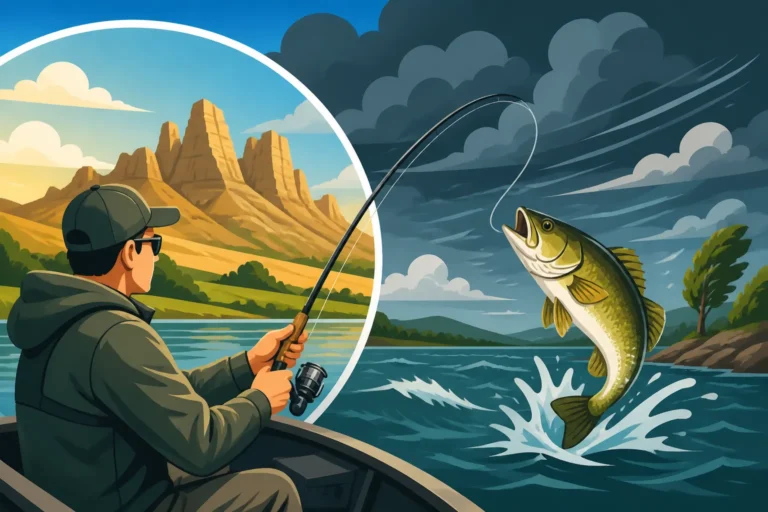
If you've spent any time in South Dakota, you know that spring weather is anything but predictable. One day you might be fishing in a t-shirt under bright sunshine, and the next could bring a surprise blizzard, high winds, or a torrential downpour. These rapid shifts in weather directly impact fishing conditions and fish behavior. A sudden cold front, for instance, can drop water temperatures, pushing fish back to deeper, more stable water and shutting down their bite. Similarly, strong winds can make boat control a nightmare, muddy up shallow areas, and create dangerous waves on larger bodies of water like Lake Oahe.
Successful spring fishing requires constant vigilance and the ability to adapt your plans on the fly. Pay close attention to weather forecasts, but always be prepared for the unexpected. Dress in layers, pack rain gear, and ensure your boat is equipped to handle choppy conditions if you're venturing out on the larger reservoirs. Sometimes, the best strategy is to embrace the change, understanding that a strong wind might concentrate baitfish, or a cloudy day might encourage walleye to stay shallow longer. This season is less about brute force and more about subtle adjustments and reading the conditions.
Key Fish Species to Target in Spring
South Dakota offers a diverse array of fishing opportunities, and spring brings out particular species into prime positions for anglers. While many fish are awakening from their winter slumber, some species are especially active and accessible during the pre-spawn, spawn, and post-spawn periods of spring. Knowing which species to target and understanding their behaviors during this transitional time is crucial for success.
Walleye: The Springtime Obsession
Without a doubt, walleye are the undisputed kings of spring fishing in South Dakota. Anglers flock to the major reservoirs and glacial lakes with a singular focus on these toothy predators. The spring walleye bite is driven by their annual spawning migration, which typically occurs when water temperatures reach the 40-50°F range. This often means late April to early May, but it can vary significantly depending on the year and specific body of water. Understanding the nuances of their pre-spawn, spawn, and post-spawn movements is key to consistent success.
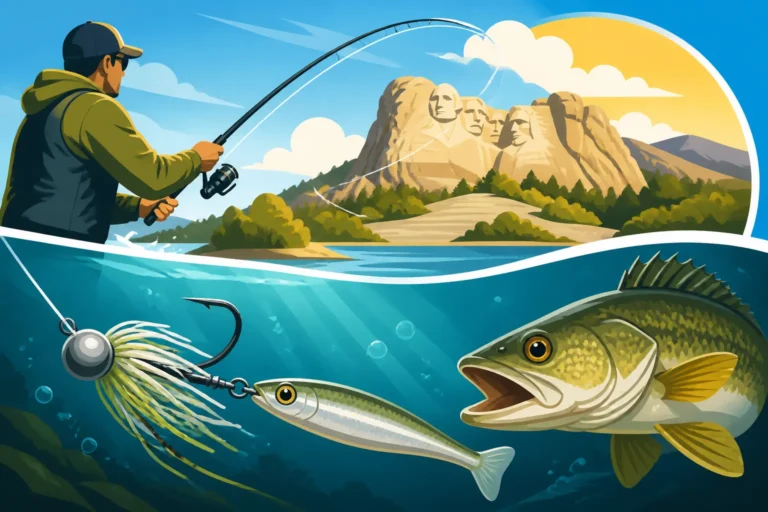
During the pre-spawn phase, walleye begin moving from their deeper wintering haunts towards shallower staging areas near traditional spawning grounds. These locations are often rocky reefs, gravel points, or rip-rapped shorelines where current or wave action provides oxygenated water. They are actively feeding to build up energy for spawning, though their bites can still be subtle in the cold water. The most effective tactics often involve slow presentations of live bait, such as shiners or fathead minnows, on jigs or slip bobber rigs. You'll find a lot of folks concentrating on these exact behaviors when they're learning South Dakota Spring Walleye Fishing Techniques.
The spawn itself can be tricky. Walleye are less interested in feeding during the actual act of spawning, and disturbing them too much can stress the population. However, fishing around spawning areas, especially for male walleye who often arrive earlier and stay longer, can still be productive. After the spawn, the large female walleye, exhausted from their efforts, move to slightly deeper water to recover and will eventually become incredibly aggressive feeders during the post-spawn period. This is when they need to replenish their energy, and they’ll often be found cruising flats or targeting baitfish schools. Trolling crankbaits or spinner rigs becomes highly effective during this time, covering water to find these hungry fish. Keep a close eye on the South Dakota Walleye Limits as you plan your outing.
Northern Pike: Aggressive Post-Spawn Action
While walleye often steal the spring spotlight, northern pike offer another fantastic opportunity for aggressive, hard-fighting action. Unlike walleye, northern pike are typically early spawners, often beginning their ritual even before ice-out, or immediately after, in very shallow, vegetated areas as soon as the ice clears. This means by the time many anglers are hitting the water for walleye, the pike have often completed their spawn and are in a highly aggressive post-spawn feeding mode.
After spawning in the shallow, warming bays and backwaters, pike are ravenous. They need to recover their energy, and they'll readily strike at a variety of baits. Look for them in areas adjacent to their spawning grounds—weed lines, submerged timber, and the edges of shallow flats. These areas offer both cover and ambush points for them to surprise baitfish. Large spoons, spinnerbaits, and swimbaits are excellent choices for targeting these hungry predators. Don't be afraid to use flashy, fast-moving presentations, as post-spawn pike are often willing to chase. The sheer power of a springtime northern pike on the end of your line is an experience every angler should have. Before you head out, make sure you're up to date on the South Dakota Northern Pike Limits.
Panfish: Crappie and Perch Opportunities
Don't overlook the humble panfish in spring; they can provide some of the most consistent and enjoyable fishing, especially for families or those looking for a high-volume bite. Crappie and yellow perch, in particular, become very active as water temperatures rise.
Crappie are notorious for moving into extremely shallow water, often around brush piles, submerged trees, reeds, or docks, as they prepare for their spawn. This typically happens a bit later than walleye, when water temperatures climb into the mid-50s to low 60s Fahrenheit. During this time, they will literally stack up in these areas, offering incredible fishing. Small jigs, usually 1/32 to 1/16 ounce, tipped with tiny plastic grubs, minnows, or even just a waxworm, fished under a sensitive bobber, are deadly effective. For more specific insights, check out a dedicated South Dakota Crappie Fishing Guide.
Yellow perch also become quite active as the water warms, though they often prefer slightly cooler water than crappie for their spawn. You'll find them in shallower bays and flats, particularly those with emerging vegetation or sandy bottoms, feeding on insects and small crustaceans. Small jigs, tiny spoons, or live bait like minnows or worms are excellent choices. Perch are often found in schools, so if you catch one, there are usually more nearby. Both crappie and perch offer fantastic table fare, making them a popular target for many spring anglers.
Essential Spring Fishing Techniques and Strategies
Spring fishing in South Dakota is a unique beast, demanding a blend of patience, precision, and an understanding of cold-water fish behavior. The techniques that work best are often those that respect the slower metabolism of fish in still-chilly waters, even as they gear up for spawning. You can't just power fish like you might in mid-summer; subtlety and deliberate presentations are often the keys to success.
Slow and Steady Wins the Race
This isn't just a catchy phrase; it's a fundamental principle for spring fishing. Remember, despite the "ice-out frenzy," the water is still cold. Fish metabolisms are slower, and they aren't going to expend much energy chasing down a fast-moving lure. Your presentation needs to be deliberate, enticing, and often, painfully slow.
This means rethinking your retrieve speeds. If you're jigging, let your bait sit for longer periods on the bottom or suspend it motionless for several seconds. If you're retrieving a crankbait from shore, a slow, steady crank with frequent pauses can be more effective than a rapid retrieve. For walleye, in particular, a jig-and-minnow combination fished with minimal movement can be deadly. Think of it less as an aggressive chase and more as presenting an easy meal directly in their strike zone. Many successful anglers swear by dead-sticking a minnow on a plain hook under a slip bobber in prime areas, letting the natural movements of the bait do the work. The goal is to give the fish ample time to see your bait, approach it, and make the decision to strike without feeling rushed. This goes against the natural inclination for many anglers to constantly twitch or retrieve, but it truly pays off when the water is cold.
Jigging and Live Bait: Classic Springtime Pairings
When it comes to spring walleye and panfish, it's hard to beat the classic combination of jigging with live bait. This technique is effective because it allows for a slow, controlled presentation and harnesses the natural allure of live bait.
For walleye, a simple lead-head jig, typically 1/8 to 1/4 ounce depending on depth and current, tipped with a lively minnow is a deadly setup. Shiners and fatheads are popular choices. The key is to hook the minnow lightly through the lips or dorsal fin, allowing it to swim naturally. Cast it out, let it sink to the bottom, and then use a series of short lifts and drops, or simply "drag" it along the bottom, pausing frequently. The goal is to imitate a struggling baitfish without overdoing the movement. In areas with current, such as the Missouri River tailwaters, a vertical jigging presentation directly below the boat can be incredibly effective. Consider using a sensitive rod to detect those subtle "thunks" or the feeling of extra weight that signifies a bite. For more ideas on how to target these fish, explore a detailed guide on How to Fish for Walleye in South Dakota.
For crappie and perch, scale down your jigs to 1/32 or 1/16 ounce, and tip them with small minnows, waxworms, or even just a piece of plastic tube jig or grub. Fishing these under a small, sensitive bobber in shallow, brushy areas is a fantastic technique. The bobber suspends your bait at the perfect depth and provides an immediate visual indicator of even the lightest bite. This methodical approach allows you to systematically pick apart prime spring staging areas for panfish.
Trolling for Post-Spawn Cruisers
While slow jigging and live bait dominate the pre-spawn and early spawn periods, as fish move into their post-spawn recovery and feeding phases, trolling becomes an incredibly effective technique, especially for covering large areas and finding active fish. This is particularly true for walleye on the vast Missouri River reservoirs.
Once walleye have recovered from spawning, they often spread out onto flats, along breaklines, and near submerged structure, actively hunting baitfish. Trolling allows you to present crankbaits or spinner rigs at a consistent depth and speed, mimicking the movements of forage. Crankbaits that dive to different depths can be used to target fish suspended in the water column or hugging the bottom. Popular choices often include Bandit Walleye Deep, Berkley Flicker Shads, or Rapala Shad Raps. The color of your crankbait can be critical, so carrying a variety of natural and bright patterns is a good idea.
Spinner rigs, often referred to as "crawler harnesses," are another fantastic trolling option. These consist of a weight (bottom bouncer or inline sinker), a leader, and a series of beads and a blade (Colorado, Indiana, or Willowleaf) followed by one or two hooks, typically tipped with a live nightcrawler. The spinner creates flash and vibration, while the nightcrawler provides natural scent and appeal. Varying your trolling speed, from a super-slow 1 mph to a slightly faster 2 mph, can make a huge difference in enticing strikes. Pay close attention to your electronics to identify baitfish schools and isolated structure, as these are often where post-spawn walleye will be concentrated. Understanding South Dakota Missouri River Fishing Techniques will certainly enhance your trolling game.
Prime South Dakota Spring Fishing Locations
South Dakota boasts an incredible diversity of fishing waters, each offering unique opportunities for spring anglers. From the massive reservoirs of the Missouri River to the countless glacial lakes dotting the eastern plains and the serene trout streams of the Black Hills, there's a spring fishing experience for everyone. Knowing where to go and what to look for in these distinct regions is paramount to a successful outing.
Missouri River Reservoirs: Oahe, Sharpe, Francis Case
The four main stem reservoirs of the Missouri River—Lake Oahe, Lake Sharpe, Lake Francis Case, and Lewis and Clark Lake—are arguably the most popular and productive spring fishing destinations in South Dakota, particularly for walleye. These vast bodies of water offer immense opportunities, but also require an understanding of their unique characteristics.
Lake Oahe, the largest and deepest of the reservoirs, can be a bit slower to warm up, but offers incredible opportunities for trophy walleye. In spring, focus on the upper reaches near Mobridge and Pollack, or the bays and points around Pierre. Walleye will stage in shallower bays and on points with gravel or rocky bottoms as they prepare to spawn. Look for areas where current breaks exist, such as around submerged islands or points where the river channel swings close to shore. Jigging with minnows is often key here. As the water warms post-spawn, trolling crankbaits on the flats becomes highly effective. For a deeper dive into this incredible fishery, consult the Lake Oahe Fishing Guide.
Lake Sharpe, located between Oahe Dam and Big Bend Dam, is a shallower, faster-warming reservoir, making it one of the earliest to turn on for spring walleye. The tailwaters below Oahe Dam are particularly famous for early season action due to the consistent flow and slightly warmer water. Further downstream, look for walleye staging on shallow sand flats and rocky points. Shore fishing access can be excellent in certain areas, particularly around Pierre.
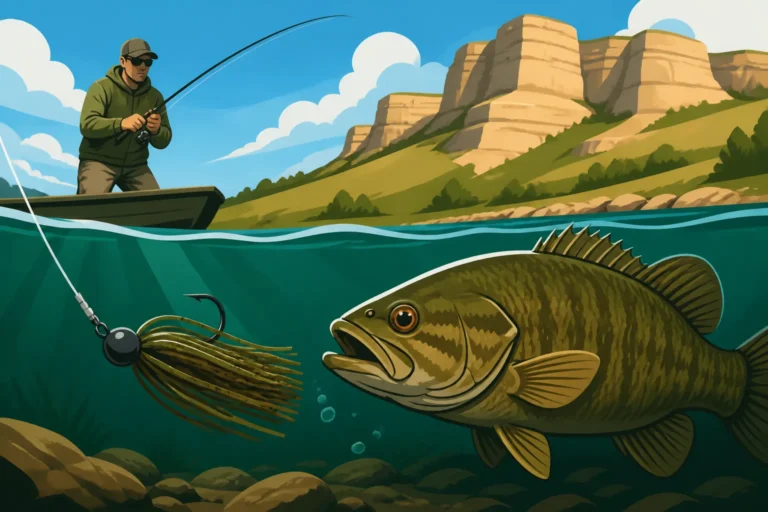
Lake Francis Case, below Fort Randall Dam, is another walleye mecca. Springtime anglers often find success targeting the numerous points, submerged humps, and rip-rapped shorelines as walleye move shallow. Smallmouth bass also become incredibly active here in spring, staging near rocky banks and riprap. Vertical jigging and slow dragging jigs with minnows or plastics are effective.
On all these reservoirs, paying attention to wind direction and its effect on baitfish can be critical. A consistent wind pushing into a bay can stack up bait, and consequently, walleye. Always be aware of safety, as these large waters can become dangerous quickly with strong spring winds.
Glacial Lakes Region: Eastern South Dakota Gems
The eastern part of South Dakota is dotted with hundreds of natural glacial lakes, offering a different, yet equally exciting, spring fishing experience. These lakes are typically shallower and warm up faster than the Missouri River reservoirs, leading to an earlier and often more accessible bite, especially for panfish and northern pike.
Lakes like Lake Poinsett, Lake Kampeska, Bitter Lake, Lake Thompson, and the Waubay area lakes are renowned for their spring walleye, northern pike, and jumbo yellow perch. In these lakes, focus on shallow bays, emergent weed lines (even if they're just starting to sprout), and points with a mix of gravel and muck bottoms. These are the prime spawning and post-spawn feeding grounds.
For walleye and northern pike, casting spoons, spinnerbaits, or shallow-running crankbaits into the edges of emerging vegetation or along rocky shorelines can be very productive. Live bait under a bobber or slowly retrieved jigs are also excellent choices. The shallow nature of many of these lakes makes them ideal for wade fishing or using smaller boats and kayaks. When the sun warms the shallow waters, you can often literally see crappie and perch schooling in tight groups around brush piles or dock pilings, providing fantastic sight-fishing opportunities. A good resource for planning these trips is the South Dakota Glacial Lakes Fishing Guide. These smaller, more intimate lakes often provide a relaxing and rewarding alternative to the vastness of the Missouri River.
Black Hills Trout Streams: Early Season Opportunities
While many anglers are focused on walleye and pike in the plains, the Black Hills offer a serene and incredibly beautiful spring trout fishing experience. As the snow melts and stream flows stabilize, the resident brown, rainbow, and brook trout become increasingly active.
Streams like Rapid Creek, Spearfish Creek, and Castle Creek, among others, are prime destinations. In early spring, the water is cold, and trout will often be found in deeper pools, runs, and slower eddies, where they can conserve energy and find subsurface food. Fly fishing with nymphs (like pheasant tails, prince nymphs, or caddis larvae imitations) drifted along the bottom is a highly effective technique. For spin fishermen, small inline spinners (Mepps, Panther Martin) or tiny spoons (Kastmasters, Thomas Buoyant) worked slowly through pools can entice strikes. Live bait such as worms or small minnows, where legal, can also be very effective.
As spring progresses and insect hatches become more frequent, dry fly fishing can pick up, offering an exhilarating visual experience. However, early spring is usually about subsurface presentations. Always check the specific regulations for each stream, as some sections of Black Hills streams have special artificial lure only or catch-and-release rules. The scenery alone makes a Black Hills spring trout trip worthwhile, even if the fish are finicky. For a deeper understanding of these unique waters, refer to the Black Hills Trout Stream Fishing Guide.
Navigating Spring Regulations and Gear Essentials
Before you even think about casting a line in South Dakota this spring, it's absolutely crucial to be up-to-date on the state's fishing regulations and to ensure you have the right gear for the season. Ignoring either of these aspects can lead to a frustrating, unsuccessful, or even illegal fishing trip. Spring is a dynamic time, and regulations can sometimes have special provisions or seasonal changes, especially around spawning periods, so don't assume last year's rules still apply.
Understanding South Dakota Fishing Regulations for Spring
South Dakota's Game, Fish and Parks (GFP) Department works hard to manage the state's fisheries responsibly, and that means a comprehensive set of rules and regulations. The first, and most fundamental, requirement for nearly all anglers is a valid South Dakota fishing license. Whether you're a resident or a non-resident, age requirements and license types vary, so make sure you purchase the correct one. You can get yours easily online through the GFP website, or from licensed vendors across the state. A good starting point is our full South Dakota Fishing License Guide.
Beyond the license, it’s essential to understand the specific rules for the species you’re targeting and the waterbody you're fishing. Spring often coincides with spawning periods, which can sometimes mean special size restrictions or daily possession limits, particularly for walleye. For example, while general state rules apply, certain lakes or even specific sections of the Missouri River might have unique regulations, such as a protected slot limit for walleye to promote trophy fish. Always consult the current South Dakota Fishing Regulations Explained and the annual GFP Fishing Handbook (available online and at license vendors) before you head out. This handbook is your bible for all things regulations, including specific South Dakota Fishing Season Dates and Limits.
It's also important to be aware of rules regarding bait, especially in trout streams in the Black Hills, where some waters are "artificial lures only" or have specific restrictions on live bait to prevent the spread of disease or invasive species. Always practice "Clean, Drain, Dry" when moving between waterbodies to help prevent the spread of aquatic invasive species.
Your Spring Fishing Gear Checklist
Having the right gear makes all the difference in spring, allowing you to adapt to changing conditions and effectively target fish that might still be somewhat lethargic. You don't need to break the bank, but a few key items will significantly improve your chances.
Rods and Reels:
- Walleye: For jigging and live bait, a sensitive medium-light to medium power spinning rod, 6'6" to 7' long, paired with a 2000-3000 series spinning reel spooled with 6-8 lb monofilament or fluorocarbon (or braided line with a fluorocarbon leader) is ideal. This setup provides the sensitivity to detect light bites and the backbone to handle a good-sized walleye. For trolling, a medium power casting or spinning rod, 7' to 8'6" in length, is preferred.
- Northern Pike: A medium-heavy to heavy power baitcasting or spinning rod, 6'6" to 7'6" long, paired with a robust reel spooled with 15-30 lb braided line, is perfect for throwing larger baits and handling powerful pike. Don't forget a steel or heavy fluorocarbon leader to prevent bite-offs!
- Panfish: A light or ultra-light spinning rod, 5'6" to 6'6" long, with a small 1000 series reel spooled with 4 lb monofilament or fluorocarbon, offers maximum sensitivity for these lighter bites.
- Trout: For Black Hills streams, a light power spinning rod, 5' to 6' in length, with a 1000 series reel and 4-6 lb line is great. For fly fishing, a 3-5 weight fly rod is standard.
Line:
- Monofilament: Good for shock absorption, invisibility, and ease of use, especially for live bait and lighter presentations.
- Fluorocarbon: Even less visible underwater, good abrasion resistance, and sinks faster. Great for leaders.
- Braided Line: Incredibly strong, no stretch for excellent sensitivity, and great for cutting through weeds. Best used with a fluorocarbon leader for most applications in clear water.
Terminal Tackle & Lures:
- Jigs: A variety of lead-head jigs (1/32 oz to 1/2 oz) in different colors (chartreuse, white, black, orange, pink).
- Live Bait: Minnows (shiners, fatheads), nightcrawlers, waxworms. A good bait bucket or aerated livewell is essential.
- Hooks: Aberdeen hooks (for minnows), octopus hooks (for worms), in various sizes.
- Bobbers: Slip bobbers are incredibly versatile for presenting live bait at precise depths.
- Crankbaits: Shallow to medium diving crankbaits in natural and bright colors for walleye and pike.
- Spinnerbaits/Spoons: For northern pike, larger spoons and spinnerbaits are fantastic.
- Soft Plastics: Grubs, paddle-tails, and worms for tipping jigs or using on their own.
Other Essentials:
- Net: A good landing net (rubberized mesh is best to protect fish) is crucial for landing fish and minimizing stress during catch and release.
- Pliers/Forceps: For hook removal, especially with toothy pike or deeply hooked walleye.
- Camera: To capture those memorable spring catches.
- Appropriate Clothing: Layers, rain gear, waterproof boots are non-negotiable in spring's unpredictable weather.
- Life Jacket: Always, always wear a properly fitted life jacket when on the water.
- Cooler: To keep your catch fresh if you plan on keeping fish.
- Sunscreen/Hat/Sunglasses: Even on cloudy spring days, UV rays can be intense.
Many of these items, from sensitive fishing rods to the latest fish finders, can be found readily on Amazon. Remember, a well-prepared angler is a successful angler, and having a comprehensive South Dakota Fishing Gear Checklist will save you headaches on the water.
Adapting to Environmental Factors
Spring fishing in South Dakota is less about rigid rules and more about constant adaptation. The environment is in flux, transitioning from winter's grip to summer's warmth, and fish behavior is intrinsically linked to these changes. The successful angler is the one who can read the subtle cues of nature and adjust their tactics accordingly.
Water Temperature: The Ultimate Decider
If there's one single factor that dictates fish behavior in spring, it's water temperature. It's the primary trigger for spawning, metabolism, and location. Fish are cold-blooded, so their activity levels are directly tied to the temperature of their surroundings.
- Below 40°F (Early Spring/Ice-Out): Fish are lethargic. Walleye and most panfish are generally deep, moving only slowly into staging areas. Presentations need to be extremely slow and direct. Bites will be subtle. Northern pike might be spawning or just finishing in very shallow, dark-bottomed bays that warm slightly faster.
- 40-50°F (Walleye Pre-Spawn/Spawn): This is the magic window for walleye. They'll be moving shallow, concentrating near spawning areas (rocky points, gravel flats, riprap). Feeding activity increases, but still requires slow presentations. This is the temperature range that triggers Water Temperature That Triggers Walleye Spawning. Panfish will also start showing signs of increased activity.
- 50-60°F (Walleye Post-Spawn/Panfish Pre-Spawn/Spawn): As water enters this range, walleye recover from spawning and become very aggressive feeders, often spreading out onto flats. This is when trolling crankbaits and spinner rigs really shines. Crappie and perch will begin to move into very shallow, often visible, spawning areas around cover. Their bites become more active and numerous. Smallmouth bass also become highly active in this range, moving to rocky areas.
Carrying a reliable water temperature gauge is invaluable. It allows you to target areas where the temperature is just right for the species you're pursuing. Even a difference of a few degrees can concentrate fish in a specific area, such as a sunny, shallow bay warming faster than the main lake body.
Water Levels and Clarity: What to Look For
Spring often brings increased water levels due to snowmelt runoff and spring rains. This can significantly impact fishing conditions.
- Rising Water Levels: As water rises, it can flood new areas, creating fresh cover and opening up new feeding grounds. Fish will often follow the rising water into these newly inundated areas, especially for spawning or seeking out newly available forage. Conversely, rapidly rising water can make fishing tough by spreading fish out and introducing cold, turbid water.
- Water Clarity: Spring runoff often means turbid, muddy water, especially in river systems like the Missouri. While clear water is generally preferred by many species, especially sight-feeders like smallmouth bass, walleye and northern pike can tolerate stained water very well, and sometimes even prefer it as it reduces light penetration and makes them feel more secure. In stained water, focus on baits with strong vibration (e.g., lipless crankbaits, spinnerbaits) or bright, contrasting colors (chartreuse, orange) that stand out. In clear water, more natural colors and subtle presentations are often better. In the Black Hills, snowmelt can lead to high, cold, and off-color water in streams, pushing trout into slower, more protected lies. You'll need to adapt your fly choices or lure colors accordingly.
Always observe the water conditions when you arrive at your fishing spot. Does it look murky or clear? Is the level higher or lower than expected? These observations will inform your lure selection, presentation, and target depth.
Wind and Weather: Safety and Strategy
South Dakota is famous for its wind, and spring is no exception. While wind can be a nuisance, it can also be your friend.
- Wind Direction and Speed: A consistent wind pushing into a specific shoreline or bay can create a "wind-blown" side. This often pushes baitfish into these areas, which in turn attracts predators like walleye and pike. The waves created by the wind also create turbidity, which can make fish feel more comfortable feeding in shallower water during daylight hours. Targeting these wind-blown areas can be highly productive. However, strong winds can also make boat control incredibly challenging and create dangerous whitecaps on large reservoirs. Always prioritize safety. If conditions are too rough, consider moving to a more protected bay or trying a shore fishing spot.
- Cold Fronts: A sudden drop in air temperature, especially after a warm spell, can trigger a "cold front." This often causes fish to become lethargic and less willing to bite. They may move deeper or simply become less active. During a cold front, slow down your presentation even further, downsize your baits, and focus on patience. Bites will be extremely subtle.
- Precipitation: Spring rains can introduce colder water and increased turbidity, but they can also stimulate insect activity in trout streams or wash nutrients into lakes, kickstarting the food chain. Fishing during a light, steady rain can sometimes be excellent, as the low light conditions encourage fish to feed more aggressively. However, heavy rains can muddy water too much and make fishing difficult.
Always check the forecast before heading out, but be prepared for anything. Pack rain gear, extra layers, and be ready to adapt your approach to whatever Mother Nature throws at you. Sometimes, enduring a little discomfort leads to the best fishing stories and the biggest catches.
Ethical Angling and Conservation in Spring
As anglers, we have a responsibility to not only enjoy the incredible natural resources South Dakota offers but also to protect them for future generations. Spring, in particular, is a sensitive time for many fish species as they are actively spawning or recovering from it. Practicing ethical angling and conservation techniques is more important than ever.
Practicing Catch and Release Responsibly
Many anglers target specific fish for harvest, and that's perfectly fine within legal limits. However, there are times when catch and release is the best practice, whether it's because you've reached your limit, you're targeting trophy fish, or you're fishing in a special regulation zone. During spring, fish can be more vulnerable due to the stress of spawning and cold water temperatures.
Here are some tips for responsible catch and release:
- Minimize Fight Time: Bring the fish in as quickly as possible to reduce exhaustion.
- Handle Fish Gently: Avoid touching their gills or eyes. If possible, keep the fish in the water while unhooking it. Wet your hands before handling to protect their protective slime coat.
- Use Barbless Hooks: This makes hook removal much easier and quicker, reducing injury. If you don't have barbless hooks, crimp down the barbs on your regular hooks with pliers. Many Black Hills trout anglers swear by this practice.
- Proper Hook Removal: Use needle-nose pliers or forceps to quickly and carefully remove the hook. If a fish is deeply hooked and removing the hook would cause significant damage, it's often better to cut the line as close to the hook as possible.
- Support the Fish: When holding a fish for a photo, support its body horizontally with both hands, especially larger fish. Avoid holding them vertically by the jaw, as this can damage their internal organs and spine.
- Revive Before Release: Gently hold the fish upright in the water, facing into a mild current, until it regains its strength and can swim away on its own. Don't just toss it back.
By practicing these techniques, you significantly increase the survival rate of released fish, helping to sustain healthy populations.
Preventing the Spread of Aquatic Invasive Species
Aquatic Invasive Species (AIS) pose a grave threat to South Dakota's aquatic ecosystems and its fishing future. Organisms like zebra mussels, Eurasian watermilfoil, and Asian carp can outcompete native species, alter habitats, and disrupt the food chain, devastating fisheries. Spring, with increased boat traffic, is a critical time to be vigilant.
The mantra is "Clean, Drain, Dry":
- Clean: Inspect your boat, trailer, waders, and all fishing gear for any plants, mud, or organisms. Remove anything you find before leaving the boat ramp. Pay special attention to anchors, ropes, and crevices.
- Drain: Completely drain all water from your boat (livewells, bilges, transom), motor, and any water-holding devices (bait buckets) before leaving the boat access area.
- Dry: Allow your boat and all gear to thoroughly dry for at least 5-7 days before using it in a different waterbody. If drying isn't possible, consider washing your boat and gear with hot, high-pressure water.
South Dakota GFP has strict regulations and inspection stations in place, especially for boats entering waters where AIS are a concern. It's not just about avoiding a fine; it's about protecting the incredible fishing opportunities we all cherish. Always be aware of the specific AIS present in the waterbody you're fishing and take appropriate preventative measures.
Remember, every angler plays a role in conservation. By understanding the unique challenges and opportunities of spring fishing, respecting the regulations, and being mindful of our impact on the environment, we can ensure that the joy of fishing in South Dakota continues for generations to come.
Disclaimer
The information provided in this guide is for general informational purposes only and is subject to change. While we strive to offer accurate and up-to-date advice, fishing regulations, conditions, and best practices can vary. Always consult the official South Dakota Game, Fish and Parks (GFP) regulations handbook or website for the most current and authoritative information before engaging in any fishing activities. Fishing inherently involves risks, and safety should always be your top priority.