Water Temperature That Triggers Walleye Spawning
One of the biggest mysteries for walleye anglers in South Dakota is cracking the code of their spawning habits. You might find yourself on a crisp spring morning, rods rigged, only to wonder if the fish are still deep in their pre-spawn gorging phase or already focused on their annual ritual. This guide is here to shed light on the crucial water temperatures that trigger walleye spawning, helping you understand their movements and adjust your fishing strategy for success on our beautiful South Dakota waters.
Understanding the Walleye Spawning Trigger in South Dakota
For many of us, spring means walleye. But not just any walleye – we're after those pre-spawn hogs or the actively feeding post-spawners. To really dial in your approach, you've got to understand what makes these fish tick, and that starts with the critical window of their spawning cycle. It's not just about the calendar date; it's about the water temperature, which acts as their biological alarm clock.
The Magic Number: Ideal Spawning Temperature Range
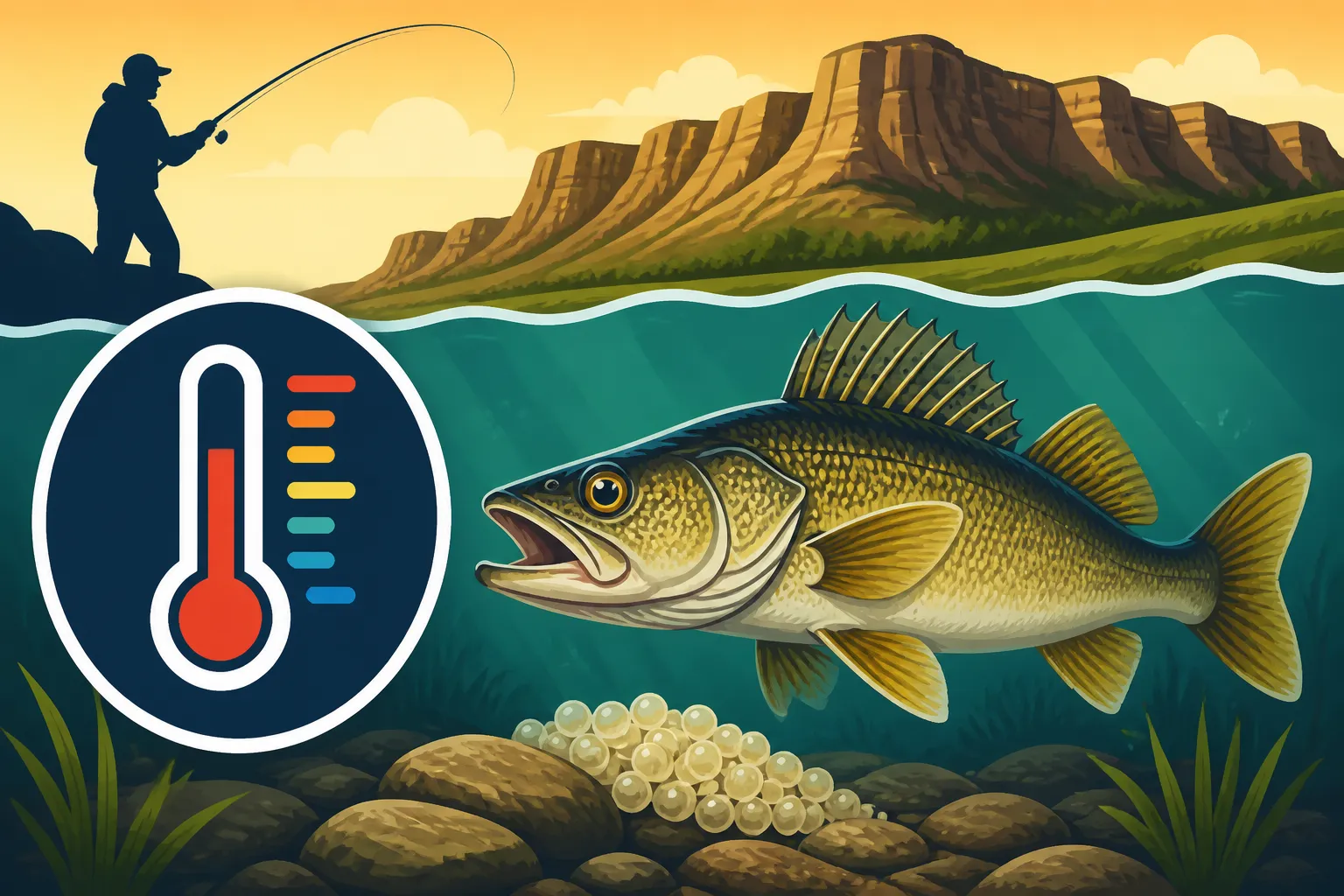
Walleyes are cool-water fish, and their spawning preferences reflect that. They aren't looking for bathtub warm water; they're looking for that sweet spot that signals prime conditions for their eggs to develop and hatch successfully. In South Dakota, the ideal water temperature range that truly kicks off walleye spawning activity is typically between 42 to 50 degrees Fahrenheit (5.5 to 10 degrees Celsius).
Think about it: you've been out on Lake Sharpe in late April or early May, and the water feels cool but not frigid. That's likely when things are really heating up (pun intended!) for the walleyes. As the water inches into that lower 40s range, the males, in particular, start moving into shallow, rocky areas, ready to clean off those spawning grounds. Once it gets into the mid-40s, the full-blown spawning event usually begins. If a cold front rolls through and drops the water temp back down, spawning can pause or be delayed, frustrating anglers who thought they had it all figured out. This crucial temperature ensures the eggs have the right conditions for incubation and the newly hatched fry have a better chance of survival once they emerge. It's a delicate balance, and Mother Nature calls the shots.
The Role of Photoperiod and Location
While water temperature is undeniably the primary trigger, it's not the only factor influencing walleye spawning. Think of it like a symphony where temperature is the conductor, but photoperiod (the amount of daylight) and suitable spawning locations are equally important sections of the orchestra. As the days grow longer in spring, the increasing light signals to the walleye's internal clock that it's time to prepare. This gradual lengthening of days works in conjunction with rising water temperatures to initiate the spawn.
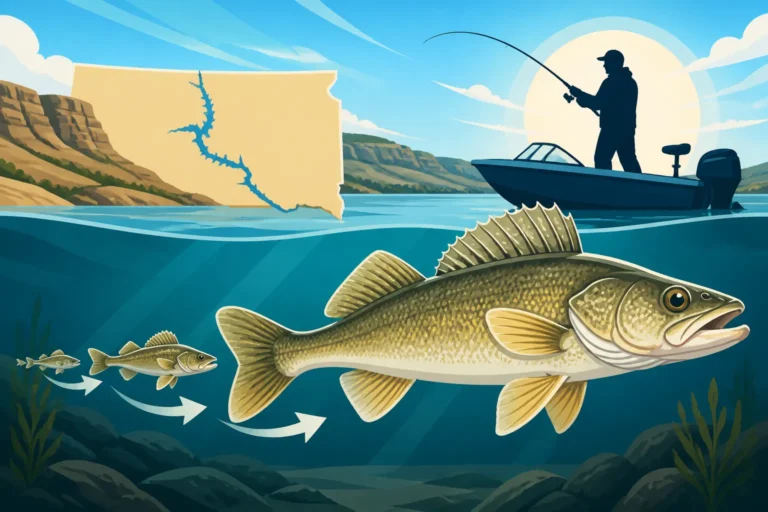
Different South Dakota waters will also have varying "hotspots" for spawning. On a large reservoir like Lake Oahe or Lake Francis Case, walleyes will seek out shallow, rocky reefs, submerged points, or riprap shorelines where currents can help oxygenate the eggs and sweep away sediment. In smaller glacial lakes in eastern South Dakota, they might favor gravelly shorelines or even shallow weed edges if hard bottom is scarce. South Dakota Walleye Fishing Guide offers a broader look at where these fish congregate. These areas provide the necessary substrate for eggs to adhere to and offer some protection from predation. A lake might hit the perfect temperature, but if the specific spawning habitat isn't nearby or accessible, the fish will hold off or move to find it. This means you could have varying spawning timelines across different parts of the same large body of water, or even between adjacent lakes that warm up differently due to depth or exposure to sunlight.
Signs of Impending Walleye Spawning Activity
Knowing the ideal temperature range is one thing, but actually observing the signs that walleyes are getting ready to spawn, or are actively spawning, can be a game-changer for your fishing strategy. It's like reading the behavior of a nervous deer during hunting season – you look for the subtle cues.
Visual Cues in the Water and on Shore
When walleye are preparing to spawn, or are actively spawning, there are often visual cues that seasoned anglers learn to spot. First, keep an eye on the shallower, rocky areas of your favorite lake or reservoir. You might notice more fish activity than usual in water as shallow as 1 to 6 feet, especially during low light conditions at dawn or dusk, or even at night. This is often where the males are staging, cleaning off rocks and gravel beds in anticipation of the females.
Sometimes, if you're lucky and the conditions are right, you might even see some splashing or rolling on the surface in these shallow, hard-bottomed areas, particularly during the peak of the spawn. This is the actual spawning taking place, with males and females actively releasing eggs and milt. The presence of male walleyes in these shallow areas is a strong indicator. They are typically smaller and arrive first, waiting for the larger, egg-laden females. If you're on a boat, a good fish finder might show denser schools of fish in these shallow zones, although they might not be actively feeding. Post-ice-out conditions in early spring are particularly telling; once that ice leaves the main lake, watch how quickly the water temperatures climb in those shallow, dark-bottomed bays. That warming trend is exactly what you're looking for.
Behavioral Changes in Walleye
The most significant changes you'll observe (or not observe, frustratingly) are in the walleyes' feeding patterns. Before the spawn, walleyes are in a critical pre-spawn gorging phase. They are packing on weight, and their drive to feed is incredibly high. This is often when anglers catch some of the biggest walleye of the year. They'll be found slightly deeper but still relating to structure that leads to spawning grounds, aggressively hitting a variety of baits.
During the peak of spawning, however, their focus shifts entirely from feeding to reproduction. Males will be guarding territories and waiting for females, while females are expelling eggs. In this phase, they are often less interested in chasing down a lure. It's not that they never bite, but their primary instinct isn't hunger. They might strike out of irritation or territorial defense, but consistent feeding bites are rare. After the spawn, especially the females, enter a "post-spawn funk." They are exhausted, depleted, and often take a few days or even a week to recover. Once they do, though, they become incredibly hungry again, seeking out easy meals to replenish their energy. This post-spawn recovery bite can be just as productive as the pre-spawn bite, as fish move to deeper summer haunts, often found on transitional breaks or suspended over baitfish schools. Understanding these shifts is key to knowing when to hit them hard and when to perhaps explore other techniques or areas. South Dakota Fishing Seasons Explained can provide more context on these seasonal shifts.
How Spawning Temperatures Impact Your Fishing Strategy
Knowing the ideal spawning temperatures and the associated walleye behavior isn't just academic; it directly translates into how you should fish. Ignoring these crucial indicators can lead to a lot of fruitless casting, while tuning into them can put more fish in your boat or on the bank.
Pre-Spawn Tactics: Targeting Hungry Fish
This is arguably one of the most exciting times to target walleyes in South Dakota. As water temperatures climb into the upper 30s and low 40s (but still below the main spawning trigger), walleyes are on the move and extremely hungry. They're staging near future spawning grounds, looking for big, easy meals to fuel the upcoming reproductive effort.
Focus your efforts on points, submerged islands, deep breaks, and the mouths of bays that lead to known spawning areas. These are the highways walleye use to travel from deeper wintering holes to shallower spawning beds. Jigs tipped with large minnows, shiners, or soft plastics can be incredibly effective when fished slowly along these structures. Crankbaits, especially those that dive to appropriate depths, are also excellent for covering water and triggering aggressive strikes from actively feeding fish. Trolling these baits along contours where depths transition from deeper water up to 15-20 feet can be particularly productive. Look for areas on Lake Francis Case or Lake Oahe that have rocky bottoms or current breaks. Many anglers will stock up on their favorite pre-spawn lures, like Rapala or Berkley models, which are readily available on platforms like Amazon, ensuring they have a good selection of colors and sizes. South Dakota Spring Walleye Fishing Techniques dives deeper into these methods.
During-Spawn Challenges: Respecting the Process
When the water hits that 42-50 degree range and walleyes are actively spawning, fishing can become much tougher, and it's important to approach this period with respect for the fish. During the peak of the spawn, many walleyes simply aren't interested in feeding. They're focused on the task at hand, often defending their spawning beds or actively releasing eggs and milt.
While you might catch a few males that are still aggressive or females moving in and out of the spawning areas, consistent action can be elusive. Instead of intensely targeting the spawning beds themselves, consider focusing on slightly deeper transition areas where fish might be staging just before entering the spawn, or areas where post-spawn fish are beginning to recover. Sometimes, larger females might hold slightly deeper, waiting for the perfect moment to move onto the beds. This is a time when subtle presentations, like a very slow jig and minnow or a slip bobber rig, can sometimes coax a bite, but don't expect a feeding frenzy. It's also a great time to ensure you're aware of South Dakota Walleye Limits and practicing good catch-and-release, especially for large female fish, to ensure future populations.
Post-Spawn Opportunities: Recovering and Feeding
After the walleyes have completed their spawning duties, especially the females, they enter a period of recovery. They are often exhausted and their energy reserves are depleted. This can sometimes lead to a brief "post-spawn funk" where fishing slows down for a few days to a week. However, once they start to recover, their hunger returns with a vengeance.
These post-spawn walleyes are looking to replenish their energy quickly. They'll often move from the shallow spawning grounds to nearby deeper structure, often relating to the first available food sources. Look for them on flats adjacent to deep water, along main lake points, or over humps where baitfish might be congregating. Trolling crankbaits, pulling spinner rigs with nightcrawlers or leeches, or vertical jigging can be incredibly effective. The fish are often scattered and looking for easy meals, so covering water is key. Many anglers rely on their boat's electronics, often purchased from retailers like Amazon, to locate these suspended fish or schools of baitfish that the walleyes are pursuing. Knowing South Dakota Fishing Depth Charts by Season can help pinpoint where they've moved after their spawn. This period can offer some of the most consistent action of the year, as the fish are less pressured and aggressively feeding before settling into their full summer patterns.
Tools for Monitoring Water Temperature and Maximizing Success
In the world of walleye fishing, knowledge is power, and when it comes to spawning, water temperature is arguably the most important piece of information you can have. You wouldn't drive a car without a speedometer, so why fish without a thermometer?
Essential Temperature-Reading Gear
Gone are the days of just guessing the water temperature by dipping your hand in. To truly understand when walleyes are thinking about spawning, or when they're in the thick of it, you need reliable temperature-reading equipment.
Many modern fish finders, especially those from popular brands like Humminbird or Lowrance, come with integrated water temperature sensors in their transducers. These provide real-time readings, which are invaluable for tracking conditions as you move across a lake. If your unit doesn't have one, or you prefer a separate tool, handheld water thermometers are readily available. These are often weighted so you can get readings at different depths, not just the surface. Surface temperature can be misleading on a cold, windy day, so being able to check a few feet down can give you a more accurate picture of what the fish are experiencing. Investing in a quality thermometer, easily found on Amazon, is a small price to pay for a significant advantage in understanding walleye behavior, especially during the spring transition. Being able to read the temperature precisely allows you to target those critical ranges more effectively.
Understanding Local Conditions and Reports
While the general temperature ranges are a fantastic starting point, walleye spawning can be highly localized and influenced by microclimates. A large, deep lake like Lake Oahe might warm up much slower than a shallower, smaller glacial lake in eastern South Dakota. Similarly, a protected bay will warm faster than an exposed main lake point.
This is where local knowledge and resources become incredibly valuable. The South Dakota Game, Fish and Parks (GFP) often provides seasonal fishing reports that include general water temperatures and insights into fish activity, including spawning. Checking these reports can give you a broad overview. Even more helpful can be talking to local bait shop owners or guides. They are often on the water daily and can give you real-time, hyper-local intel on specific lakes or even sections of a lake. South Dakota GFP Fishing Handbook Guide is an excellent resource for official regulations and general information. Combining your own temperature readings with these local reports allows you to build a comprehensive picture and anticipate walleye movements and activity more accurately. It's all about piecing together the puzzle from various sources.
Adapting to Fluctuations
The weather in South Dakota, especially in spring, is notoriously unpredictable. A beautiful warm week can quickly be followed by a cold front, snow, or even a sudden drop in air temperatures. These fluctuations directly impact water temperatures and, consequently, walleye spawning behavior. A sudden cold snap can halt spawning activity, causing fish to retreat to slightly deeper, more stable water until conditions improve. Conversely, a prolonged warm spell can accelerate the spawn, sometimes causing it to start earlier than anticipated.
The key to success during the spawning period is adaptability. Don't get fixated on a single strategy or location. Continually monitor water temperatures throughout your fishing day. If the water warms significantly, walleye might move shallower onto spawning beds. If it cools, they might drop back to nearby breaks. Reading Water Temperature for Walleye is a skill that will serve you well. Be prepared to switch up your lures, presentation depths, and even fishing locations based on what the water temperature is telling you. Flexibility, combined with a good understanding of these temperature triggers, is what separates consistent walleye anglers from those who only find success by chance.
Here's a quick summary of how water temperature typically correlates with walleye behavior in South Dakota during spring:
| Water Temperature Range (Fahrenheit) | Walleye Behavior | Fishing Strategy |
|---|---|---|
| Below 38°F | Wintering, sluggish, deep. | Vertical jigging deep structure, slow presentations. |
| 38-42°F | Pre-spawn staging, actively feeding. | Target transition areas, points; aggressive jigging, slow trolling crankbaits. |
| 42-50°F | Active spawning. Males on beds, females moving in/out. | Fish nearby deeper breaks, subtle presentations; minimal feeding during peak spawn. |
| 50-55°F | Post-spawn recovery; starting to feed aggressively. | Target main lake points, humps, flats; trolling spinner rigs, crankbaits, jigging. |
Disclaimer
This article is for general informational purposes only and does not constitute professional advice. Laws, prices and regulations vary by location and change over time. Consult a qualified professional for guidance on your specific situation.