What Lake Herring Are and Where They Live in South Dakota
It’s easy to get caught up in the pursuit of those legendary South Dakota walleye or the feisty Black Hills trout, but sometimes, the unsung heroes of our waterways get overlooked. Many anglers don't give a second thought to the smaller fish swimming beneath their boats, yet understanding these crucial species, like the lake herring, can unlock a deeper appreciation for our aquatic ecosystems and even improve your fishing success. This guide will dive deep into what lake herring are, where you can find them in South Dakota, and why they’re so incredibly important to our fishing heritage.
What Exactly Are Lake Herring? Understanding a Key Forage Fish
When you hear "herring," you might picture saltwater species, but lake herring are a fascinating freshwater fish that play a massive role in many Northern U.S. and Canadian lakes. They're often mistaken for other baitfish, but they have distinct characteristics that make them unique. They are a vital link in the food chain, essentially fueling the growth of the trophy fish we all dream about catching.
Identifying Lake Herring: Appearance and Characteristics
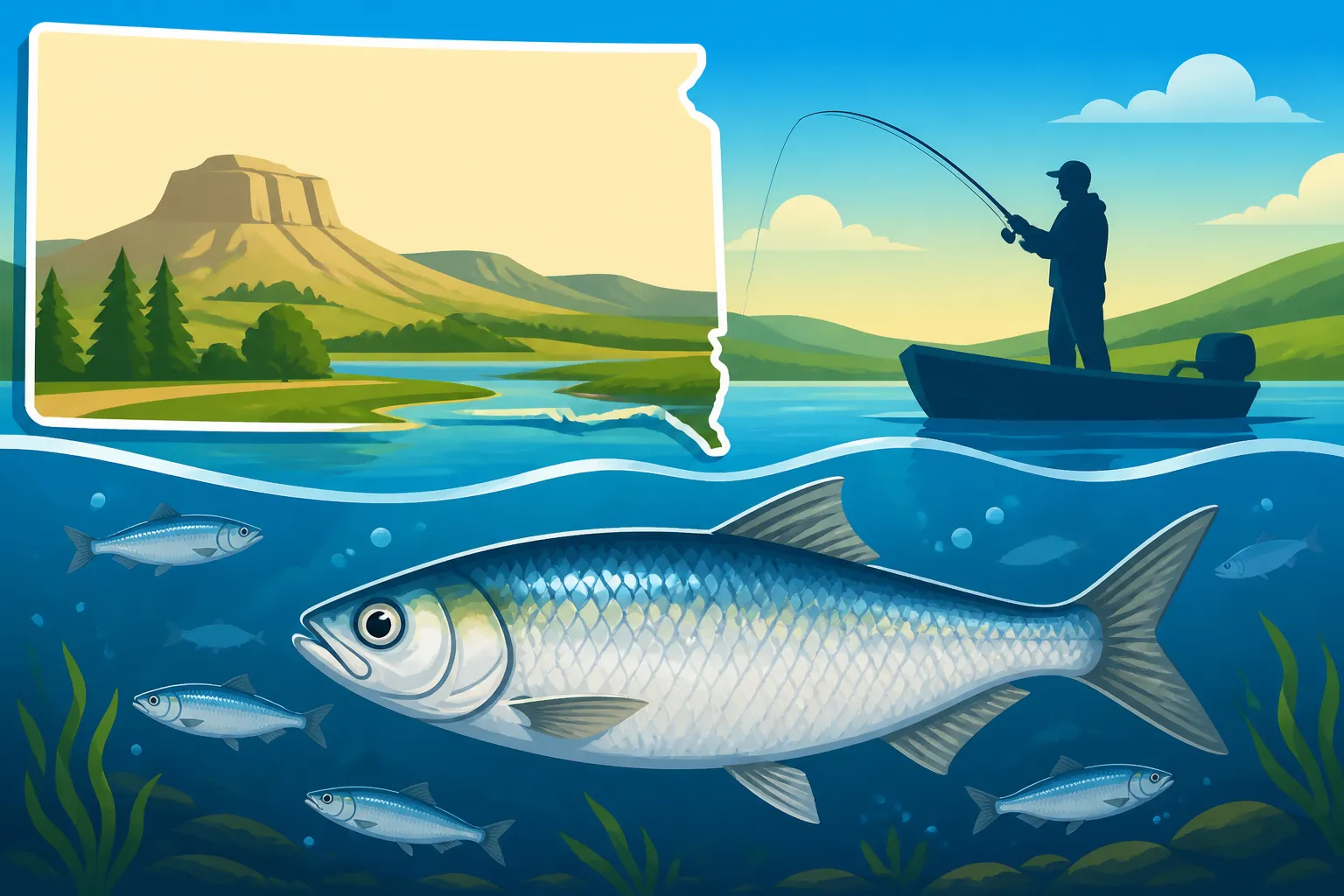
Lake herring, also known as cisco, are truly beautiful fish with a sleek, silver body that often shimmers with iridescent hues. They typically have a greenish-blue back that fades into silvery sides and a white belly. One of their defining features, which helps distinguish them from other similar-looking fish like shiners or even young whitefish, is their adipose fin – that small, fleshy fin between their dorsal fin and tail. This is a tell-tale sign of salmonids, a family that includes trout and salmon, to which lake herring are closely related. Their mouths are generally small and upturned, designed for feeding on tiny plankton.
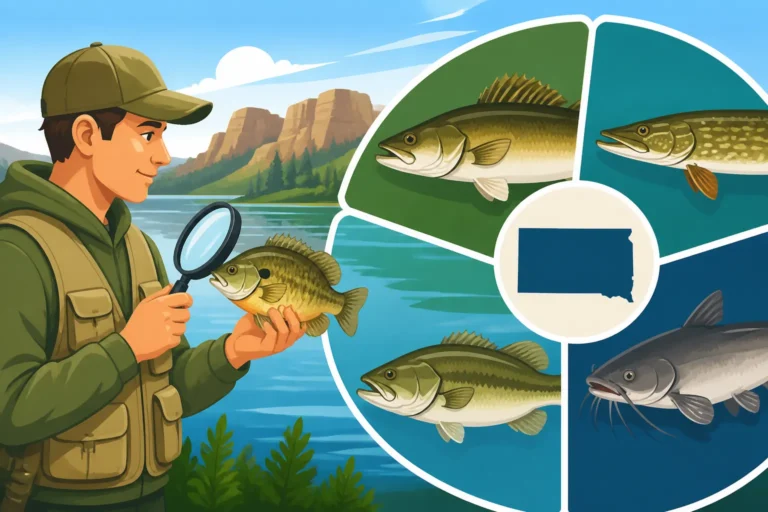
Their size can vary quite a bit depending on the water body and food availability, but in South Dakota, you'll typically encounter them ranging from around 8 to 15 inches. While not often targeted directly by recreational anglers for sport, their distinct appearance makes them recognizable once you know what to look for. If you’re ever unsure about a fish species you’ve caught, a comprehensive Fish Identification for Beginners guide or a good field guide (many of which are readily available on platforms like Amazon) can be incredibly helpful for confirming your suspicions.
Here’s a quick overview of their key identification features:
| Feature | Description |
|---|---|
| Coloration | Silvery sides, greenish-blue back, white belly, often iridescent |
| Body Shape | Elongated, slender, compressed laterally |
| Fins | Possess an adipose fin (small, fleshy fin near tail) |
| Mouth | Small, upturned, suited for plankton feeding |
| Scales | Relatively large, easily detached |
| Size | Typically 8-15 inches in South Dakota, but can be larger in other regions |
| Behavior | Schooling fish, often found in open water |
Life Cycle and Behavior of These Silver Wonders
Lake herring are schooling fish, meaning they live and move in large groups. This behavior is primarily a defense mechanism against predators. They thrive in cold, oxygen-rich waters, often suspending themselves in the open water column, feeding on zooplankton and small invertebrates. Their life cycle is relatively straightforward: they typically spawn in the fall or early winter, often over gravel or rocky bottoms in shallower areas. The eggs then hatch in spring.
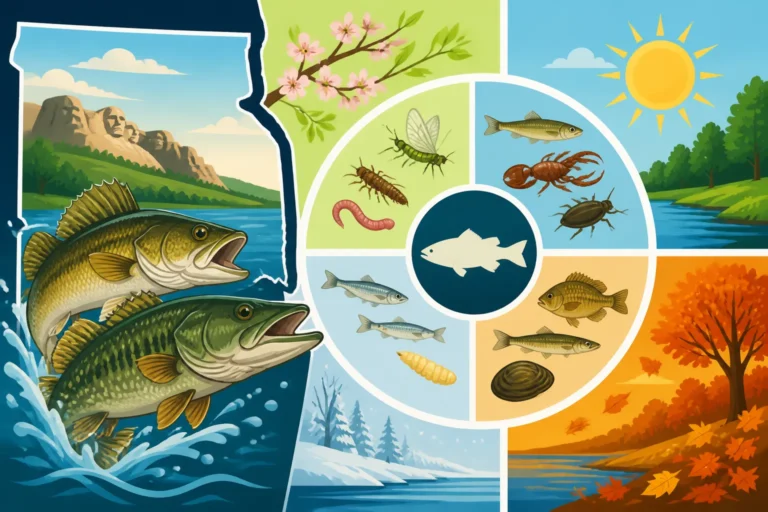
What’s truly fascinating is their mobility. They're constantly on the move, chasing plankton blooms and reacting to water temperature changes. This constant movement makes them a reliable food source for larger predatory fish, as they are often accessible throughout different parts of a lake. Understanding their behavior – how they school, what they eat, and their preferred temperatures – is key to understanding the entire ecosystem, especially for those interested in South Dakota Fish Species Diet by Season.
Where Do Lake Herring Thrive in South Dakota? Habitat and Distribution
While not as widely distributed as some other baitfish, lake herring are critically important where they do exist in South Dakota. Their presence often indicates a healthy, cold-water fishery capable of supporting a diverse range of species.
Major South Dakota Waters Hosting Lake Herring
When we talk about lake herring in South Dakota, there’s one body of water that immediately comes to mind: Lake Oahe. This massive Missouri River reservoir is the undisputed stronghold for lake herring in the state. Lake Oahe Fishing Guide will often mention the importance of forage fish, and lake herring are certainly at the top of that list. They were introduced to Lake Oahe in the mid-20th century, primarily to provide a robust forage base for Chinook salmon, but they’ve since become a cornerstone for the entire predatory fish community, including our beloved walleye.
While Lake Oahe is the primary spot, you might find incidental populations in other deeper, colder glacial lakes in northeastern South Dakota, though their abundance and ecological impact there are generally much smaller compared to Oahe. It’s the deep, expansive, and relatively cold water of Lake Oahe that provides the ideal environment for these prolific baitfish to truly flourish. The sheer size of Lake Oahe allows for vast open-water areas where lake herring can school and feed, away from constant predation pressure, enabling their populations to remain strong.
Preferred Habitats and Environmental Conditions
Lake herring are a cold-water species, which means they prefer water temperatures typically below 60 degrees Fahrenheit. They also need well-oxygenated water, which is why you'll often find them suspending in the deeper, open water columns of large reservoirs or deep lakes, especially during the warmer months. As summer heat penetrates the surface, lake herring will move deeper to find their preferred thermal refuge, often congregating in vast schools over the old river channels or deep basins.
During other seasons, especially spring and fall, they might be found at shallower depths as the entire water column cools down and oxygen levels remain high. Their preference for open, pelagic (open water) environments, rather than shallow, weedy areas, is a key habitat characteristic. This makes them perfectly suited for a reservoir like Lake Oahe, which has vast stretches of open water and a deep, cold-water sanctuary. Understanding these habitat preferences is crucial for anyone trying to decipher South Dakota Fishing Depth Charts by Season or even just wondering How Fish Survive Winter Under South Dakota Ice.
The Vital Role of Lake Herring in South Dakota's Aquatic Ecosystem
You might not ever set out specifically to catch a lake herring, but their presence is undeniably critical to the health and productivity of South Dakota's premier fisheries. They are truly the unsung heroes of the aquatic food web.
Lake Herring as Forage for Prized Game Fish
This is where the lake herring truly shine. They are an absolutely essential forage fish, providing a high-fat, high-protein food source for a multitude of predatory species. Think of them as the primary fuel for our state’s trophy fish. On Lake Oahe, they are particularly important for the survival and growth of South Dakota Chinook Salmon Fishing Guide and, of course, the ever-popular walleye.
Walleye, especially the larger ones, are opportunistic feeders and will readily gorge on schools of lake herring. The abundance of lake herring contributes directly to the impressive growth rates and overall health of the walleye population in Lake Oahe. When you’re out on the water and see your fish finder light up with dense schools of baitfish in open water, there’s a good chance you’re looking at lake herring. These are the Forage Fish South Dakota Walleye Rely On, driving their feeding patterns, especially during periods when they are actively pursuing schools of bait. Knowing this can greatly influence your How to Fish for Walleye in South Dakota strategies, leading you to areas where these forage fish congregate.
It’s not just walleye and salmon, either. Other species like northern pike and even large smallmouth bass will take advantage of an easy meal if a school of herring presents itself. The strong lake herring population ensures that these predators have ample food, leading to healthier, larger fish across the board, which is great news for anglers.
Fishing for Lake Herring: A Niche Pursuit and Management Considerations
While not a primary target for most recreational anglers in South Dakota, there can be opportunities to fish for lake herring, often as incidental catches while pursuing other species. They are generally caught by trolling with small spoons or by jigging small baits in open water, particularly in deep, cold sections of Lake Oahe. Some anglers will specifically target them to use as live bait for larger fish, although specific regulations regarding bait use should always be checked in the current South Dakota GFP Fishing Handbook Guide.
Their primary value, however, is ecological. Because they are so important as forage, the South Dakota Game, Fish and Parks (GFP) closely monitors their populations, particularly in Lake Oahe. Management efforts focus on maintaining a healthy balance between the predator and prey populations. This ensures that there’s always enough food for the game fish without the herring population becoming overpopulated. Factors like water levels, nutrient availability, and the health of the zooplankton population all contribute to the overall well-being of the lake herring. Keeping a keen eye on these forage species is a big part of maintaining sustainable and productive fisheries for years to come. Ultimately, understanding and respecting the role of these "silver wonders" helps all of us appreciate the complex and beautiful aquatic world beneath the surface of South Dakota's waters.
Disclaimer
This article is for general informational purposes only and does not constitute professional advice. Laws, prices and regulations vary by location and change over time. Consult a qualified professional for guidance on your specific situation.