South Dakota Chinook Salmon Fishing Guide
Many anglers coming to South Dakota often focus on walleye, and while that's certainly understandable given our incredible fisheries, they sometimes overlook the truly unique and exhilarating experience of chasing Chinook salmon. It's a different beast entirely – literally – and can feel a bit mysterious if you've never targeted them before. This comprehensive guide is designed to pull back the curtain on South Dakota's fantastic Chinook salmon fishery, helping you understand where they are, when to find them, and exactly how to bring one of these powerful fish to your boat.
Understanding South Dakota's Chinook Salmon Fishery
Chasing Chinook salmon in South Dakota might sound a little… unexpected. After all, South Dakota is landlocked, right? We're a long way from the Pacific Ocean where these magnificent fish typically roam. But that's precisely what makes our Chinook salmon fishery so special and a true testament to careful management and stocking efforts. It's a unique opportunity that many anglers, even those who live here, sometimes forget about, or simply don't know how to approach.
The Unique Story of Landlocked Salmon
The story of Chinook salmon in South Dakota is one of adaptation and incredible success. Originally, these fish are anadromous, meaning they're born in freshwater, migrate to the ocean to grow, and then return to freshwater to spawn and die. Here in the heartland, with no ocean in sight, that natural cycle clearly can't happen. So, what gives? The answer lies in Lake Oahe, one of the massive Missouri River reservoirs. This enormous body of water, with its deep, cold sections and abundant baitfish populations, particularly smelt, creates an environment that mimics the ocean conditions Chinook need to thrive.
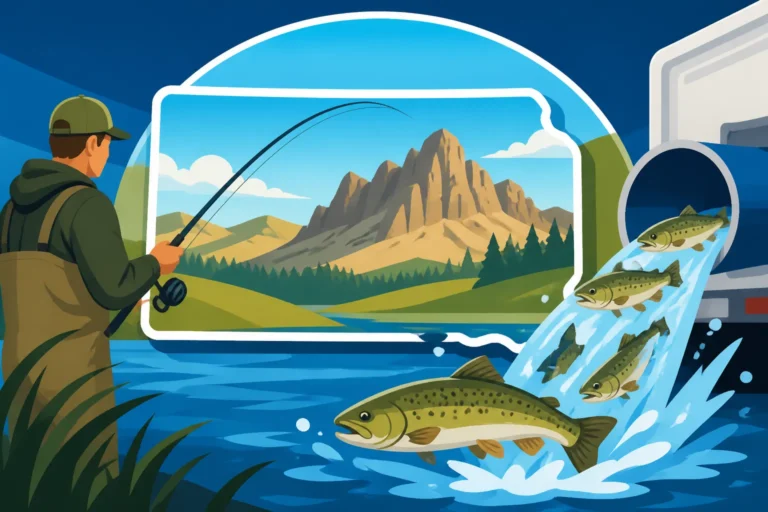
The South Dakota Game, Fish and Parks (GFP) agency has been stocking Chinook salmon into Lake Oahe for decades, creating a self-sustaining, albeit artificial, population that provides incredible angling opportunities. These stocked fish grow rapidly on the rich forage base, reaching impressive sizes that rival their ocean-dwelling cousins. It's a careful balance of stocking, managing prey species, and ensuring water quality, all contributing to a fishery that many would travel across the country to experience.
Where Chinook Salmon Thrive in South Dakota
When we talk about Chinook salmon in South Dakota, we're really talking about one place: Lake Oahe. This sprawling reservoir, stretching over 200 miles from central South Dakota north into North Dakota, is the undisputed king of salmon fishing in our state. The sheer size and depth of Lake Oahe are critical. Chinook require cold, oxygen-rich water, typically found in the deeper sections of the lake, especially as summer progresses and surface temperatures rise.
While Lake Oahe is the primary habitat, specific areas within the lake become hotspots. The main body of the reservoir, particularly from Pierre north to Mobridge, offers the vast, open water these fish prefer. Look for areas with significant depth changes, submerged river channels, and points where currents might concentrate baitfish. Don't expect to find them in shallower, warmer lakes or rivers; they are truly a deep-water species in our landlocked environment.
Chinook Salmon Life Cycle and Habits
Understanding the Chinook salmon's life cycle in Lake Oahe is crucial for successful fishing. Unlike their ocean counterparts, these landlocked salmon complete their entire life cycle within the lake. They are stocked as fingerlings and spend several years growing rapidly, feeding voraciously on smelt. These smelt populations are critical; if the smelt decline, the salmon fishery often follows. The salmon will reach maturity typically around 3-5 years of age, often weighing well into the double digits.
Once mature, typically in the fall, they undergo their natural spawning urge. While they don't reproduce naturally in large numbers in Lake Oahe (due to the lack of suitable gravel spawning beds in the main lake), they will migrate up the reservoir to areas where they sense some form of current or tributary flow. This pre-spawning migration, particularly in September and October, is a prime time for anglers to intercept them. You can learn more about Chinook Salmon Spawning Time on Lake Oahe to really dial in your timing. After this spawning attempt, like their ocean relatives, they will die, having completed their life cycle. This means the fish you catch are often on their final journey, making the hunt both thrilling and a bit poignant.
Best Times to Target Chinook Salmon
Timing is everything when it comes to salmon fishing. Unlike walleye which might hang out in certain structures year-round, Chinook salmon are constantly on the move, driven by water temperature, baitfish location, and their own biological clock. Knowing when to go can be just as important as knowing where to go.
Seasonal Patterns and Peak Activity
South Dakota's Chinook salmon fishing really kicks into gear from late spring through fall. Each season offers unique opportunities:
- Spring (May-June): As ice recedes and water temperatures slowly climb into the 40s and 50s, salmon begin to spread out, often shallower than in peak summer. They're actively feeding after winter, and trolling can be very effective. The fish are often fat and feisty, just starting to build their size for the year. This is a great time to hit the lake when boat traffic might be a bit lighter.
- Summer (July-August): This is prime time for many anglers, especially those targeting larger fish. The salmon move to deeper, cooler water, typically suspended over structure or in the main river channel, following schools of smelt. Downriggers become essential as you're often fishing at depths of 50 to 100 feet or more. Early mornings and late evenings are often the most productive, though dedicated anglers will fish all day.
- Fall (September-October): This is arguably the most exciting time for trophy salmon. As the water cools, mature salmon begin their pre-spawning migration. They become incredibly aggressive and move into shallower areas, especially near the Whitlock Bay spawning station or mouths of major tributaries. This is when the Chinook Salmon Spawning Time on Lake Oahe really heats up, and fish are actively staged. The fight from a fall salmon is legendary, as they are full of energy and ready to fight for their lives.
Daily Considerations: Time of Day and Weather
Just like with any fishing, the time of day and prevailing weather conditions play a significant role in Chinook salmon success.
- Early Morning and Late Evening: These low-light periods are often the most productive. Salmon are visual predators, and the reduced light allows them to ambush baitfish more effectively without being as easily seen themselves. The surface bite, if there is one, is often best during these times, before the sun gets high and pushes fish deeper.
- Overcast Days: A cloudy day can extend the productive bite window throughout the day, as it mimics those low-light conditions. Don't be afraid to keep trolling even midday if the sky is gray.
- Wind: Moderate wind can actually be your friend. It creates a "chop" on the water that breaks up the surface, making it harder for fish to see your boat and lines. It also creates current and baitfish movement. However, strong winds on Lake Oahe can make fishing incredibly challenging and even dangerous due to the vast open water, so always check the forecast.
- Barometric Pressure: A stable or slowly falling barometer often corresponds to an active bite. Rapidly falling pressure, especially before a storm, can sometimes shut the fish down, but they might also go on a pre-front feeding frenzy. Pay attention to those subtle changes and how the fish react.
Chinook Salmon Spawning Runs and Why They Matter
The annual salmon run in Lake Oahe, particularly around the Whitlock Bay Spawning Station near Gettysburg, is a spectacle in itself. As mentioned, during the fall months (typically late September through October), mature salmon, driven by their instinct to reproduce, will begin to stage and migrate towards areas with some current. Whitlock Bay is a key location because it's where the South Dakota GFP collects eggs and milt for their stocking program.
This concentration of fish offers unique opportunities:
- Increased Activity: Salmon are incredibly aggressive during this period, striking at lures with immense force.
- Shoreline Opportunities: While trolling is still king, the staging fish can sometimes be caught by anglers casting from shore or from shallower boats near these key areas. For specific tips, check out Casting for Salmon From Shore.
- Trophy Potential: These are often the largest fish of the year, carrying the weight of their full growth cycle.
It's important to understand the regulations around snagging during this period, as rules can vary and are designed to manage the fishery responsibly. Always consult the current South Dakota GFP fishing regulations handbook for the most up-to-date information.
Prime South Dakota Locations for Chinook Salmon
When you're chasing Chinook salmon in South Dakota, there's one name that dominates the conversation: Lake Oahe. It's truly a magnificent body of water that provides the ideal habitat for these impressive fish. But saying "Lake Oahe" is like saying "the ocean" – it's huge, and you need to know where to focus your efforts.
Lake Oahe: The Jewel of Chinook Fishing
Lake Oahe is a massive, deep, cold-water reservoir on the Missouri River system, stretching for over 200 miles from the Oahe Dam near Pierre all the way up to Bismarck, North Dakota. This immense size, combined with depths exceeding 100 feet in many areas, creates the perfect environment for Chinook salmon to thrive. The key ingredient is the abundance of rainbow smelt, which are the primary forage for the salmon. Where the smelt are, the salmon will follow.
The reservoir's structure is also critical. It's essentially the flooded old Missouri River channel, surrounded by numerous points, bays, and feeder creeks. Salmon will often relate to these deep channel edges, humps, and submerged points where baitfish concentrate. The vastness of Oahe can be intimidating for a first-timer, but with a good map, modern electronics, and a solid understanding of salmon habits, you can break it down into manageable sections. If you're looking for a general overview, our Lake Oahe Fishing Guide provides a great starting point for understanding the entire lake.
Key Hotspots and Access Points on Lake Oahe
While salmon can be found throughout the deeper sections of Lake Oahe, certain areas consistently produce, especially during peak seasons.
- Whitlock Bay (near Gettysburg): This is perhaps the most famous salmon hotspot, particularly in the fall during the spawning run. The Whitlock Bay Spawning Station attracts mature salmon, making it a hub of activity. Anglers will troll the main lake approaches to the bay and the bay itself, and sometimes even cast from shore. The concentration of fish here makes it a high-odds area, but also means it can be busy. For more detailed information, check out Lake Oahe Chinook Salmon Fishing at Whitlock Bay.
- Spring Creek/Okobojo Point Area (north of Pierre): This stretch of Lake Oahe, often considered the "lower end" of the salmon fishery, holds a strong population. The deep-water access and numerous points and bays offer excellent trolling lanes. Access points like Spring Creek Recreation Area provide easy boat launching.
- Mobridge Area: Further north, around Mobridge, the lake widens in some areas and offers vast expanses of open water. This section is known for producing some truly enormous salmon. The deep contours and proximity to good smelt populations make it a consistent producer.
- Cheyenne River Arm: While sometimes overlooked, the mouth of the Cheyenne River where it meets the main lake can hold salmon, particularly when baitfish push into the area. It's another area with significant depth changes and structure that can attract fish.
When planning your trip, consider checking local bait shops or fishing reports for the most current information on where the bite is hottest. Conditions on a lake the size of Oahe can change rapidly!
Shore Fishing Opportunities and Strategies
While boat fishing, specifically trolling, is undoubtedly the most effective way to consistently catch Chinook salmon on Lake Oahe, there are indeed limited but exciting opportunities for shore anglers, primarily during the fall spawning run.
- Whitlock Bay Shoreline: During September and October, as mature salmon gather near the spawning station, some fish will move within casting distance of accessible shorelines in Whitlock Bay. Anglers often use heavy casting gear with spoons or large crankbaits, trying to intercept these migrating fish. It requires patience and a good understanding of where the fish are staging.
- Dam Areas (with caution): While less common, sometimes salmon can be found in the tailrace areas below the Oahe Dam, particularly if they are pushed through. However, fishing these areas comes with significant safety considerations due to strong currents and restricted access. Always obey all signage and safety warnings.
- Strategies for Shore Anglers: If you're going to try your luck from shore, focus on casting long distances with heavy spoons (like Daredevils or Little Cleos) or large lipless crankbaits that mimic smelt. Retrieve them with a varied speed, including pauses and jerks, to entice a strike. Early mornings and late evenings will still be your best bet, as the fish tend to be shallower and more active under low light. Again, for specific advice on this approach, our guide on Casting for Salmon From Shore is an invaluable resource. Remember, shore fishing for salmon is a waiting game, but the reward of landing a powerful Chinook from the bank is truly unforgettable!
Essential Gear for Chinook Salmon Fishing
Landing a hard-fighting Chinook salmon, especially a trophy-sized one from the deep waters of Lake Oahe, requires specialized gear. You can't just show up with your panfish rod and expect success. Investing in the right equipment will not only increase your chances of success but also make the experience much more enjoyable and less prone to gear failure. Many of these items are readily available from online retailers like Amazon, making it easy to get properly outfitted.
Rods, Reels, and Line Selection
The foundation of your salmon setup starts with your rod and reel, tailored for the unique challenges of deep-water trolling and the immense power of a salmon.
- Rods: For trolling, you'll want medium-heavy to heavy action rods, typically 8 to 10.5 feet long. These longer rods help spread your lines out, manage powerful fish, and absorb the shock of a strike. They need a strong backbone to handle heavy weights (like downrigger balls or large diving planers) and the fight of a large salmon. Look for rods specifically designed for trolling for salmon or steelhead. A good quality fiberglass or composite rod will offer the necessary parabolic bend.
- Reels: Levelwind baitcasting reels are the standard for salmon trolling. They need to have a high line capacity (200-300 yards of 20-30 lb line) and a smooth, reliable drag system. A good drag is paramount; a jerky drag will snap lines or pull hooks. Brands like Shimano, Daiwa, or Penn offer many suitable models. Some anglers prefer reels with line counters, which are incredibly helpful for knowing exactly how much line you have out and replicating successful depths.
- Line: The most common setup for main line is 20-30 lb monofilament or braided line. Monofilament offers some stretch, which can be forgiving on powerful runs, while braid offers incredible strength, sensitivity, and a thinner diameter for its breaking strength, allowing your lures to dive deeper. If using braid, a leader of 15-25 lb fluorocarbon is highly recommended. Fluorocarbon is nearly invisible underwater and has excellent abrasion resistance, which is vital when a salmon starts thrashing at the boat. Using a high-quality fluorocarbon leader purchased from Amazon can make a huge difference in your hook-up ratio.
Lures, Baits, and Terminal Tackle
Salmon are opportunistic predators, but they can also be finicky. Having a diverse selection of lures and knowing when to use them is key.
- Lures:
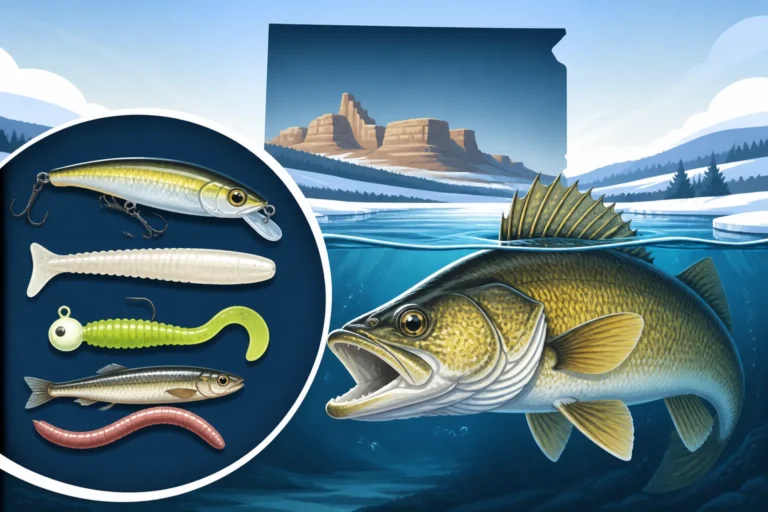
- Spoons: These are perhaps the most iconic and effective salmon lures. Brands like Luhr Jensen, Dreamweaver, and Michigan Stinger make a wide variety of spoons. Popular colors often include silver/blue, green/silver, chartreuse, and patterns that mimic smelt. Size and action are important, so carry a range.
- Plugs/Crankbaits: Deep-diving crankbaits that imitate baitfish can be very effective, especially for fish suspended at certain depths. Colors again lean towards natural baitfish patterns or bright, contrasting colors.
- Flasher/Dodger Combos: These are often run in front of a spoon or fly. The flasher (or dodger) creates an erratic swimming action and a flash that attracts salmon from a distance, while the trailing spoon or fly is what the fish actually strikes. There are many variations, so experimenting with different sizes and colors is often necessary.
- Baits: While artificial lures are dominant, cut bait (often a piece of herring or alewife) can be used on a special bait rig behind a flasher. However, artificial lures are often sufficient.
- Terminal Tackle:
- Swivels and Snaps: High-quality ball bearing swivels are essential to prevent line twist, especially with flashers and spoons. Heavy-duty snaps make changing lures quicker and easier.
- Leaders: As mentioned, fluorocarbon leaders are crucial.
- Hooks: Ensure your hooks are sharp and strong enough to handle a salmon. Some lures come with adequate hooks, but many experienced anglers upgrade to stronger treble or single hooks.
- Downrigger Release Clips: These are vital for attaching your main line to the downrigger wire and releasing cleanly when a fish strikes.
For more detailed lure discussions, you might find our guide on Best Lures for Lake Oahe Salmon in October helpful, especially if you're planning a fall trip.
Boat and Electronics Considerations for Open Water
Fishing Lake Oahe for Chinook salmon means dealing with vast, open water, often deep. Your boat and electronics package need to be up to the task.
- Boat: A boat suitable for big water is a must. This typically means a deep-V hull fiberglass or heavy-gauge aluminum boat, 18 feet or longer, with a reliable outboard motor. You need a boat that can handle choppy conditions that can arise quickly on Lake Oahe. Walk-around room for fighting fish and managing multiple lines is also a plus.
- Downriggers: These are absolutely essential for consistently targeting suspended salmon in deep water. Downriggers allow you to precisely control the depth of your lure, placing it exactly where the fish are holding. You'll typically need at least two, but many serious salmon anglers run four or even more. Manual downriggers are fine, but electric models make depth adjustments much easier.
- Electronics:
- Fish Finder/Sonar: A high-quality fish finder with a large, clear screen is non-negotiable. You need to be able to mark baitfish schools (often appearing as large clouds), individual salmon (often as distinct arches), and structure. Side imaging and down imaging technologies can be incredibly helpful for locating bait and fish off to the sides or directly below the boat.
- GPS/Chartplotter: An integrated GPS is vital for navigation on such a large lake, marking waypoints for productive spots, and following trolling paths. You'll want detailed mapping chips for Lake Oahe.
- Autopilot/Kicker Motor: An autopilot system can make long trolling passes much easier, maintaining your direction and allowing you to focus on your rods. A small kicker motor is also highly recommended for precise trolling speeds and as a backup in case your main engine has issues. Many of these sophisticated electronic tools are available for purchase online, making it convenient to upgrade your setup from the comfort of your home.
This comprehensive gear setup, while an investment, will pay dividends in both successful fishing and safety on the big water of Lake Oahe.
Effective Techniques for Catching Chinook Salmon
Successfully catching Chinook salmon in South Dakota isn't just about having the right gear; it's about employing the right techniques and constantly adapting to what the fish are telling you. Because these fish are often suspended in deep water, it's a different game than bottom-bouncing for walleye.
Trolling: The Dominant Strategy
Trolling is, without a doubt, the most effective and widely used method for targeting Chinook salmon on Lake Oahe. It allows you to cover vast amounts of water, present multiple lures at different depths, and find actively feeding fish.
- Speed is Key: Optimal trolling speeds for salmon generally range from 2.0 to 3.5 miles per hour. However, the "right" speed can change daily, sometimes hourly, depending on water temperature, baitfish activity, and the salmon's mood. Experiment with subtle changes – sometimes a slight increase or decrease in speed can trigger a bite. Watch your rod tips; lures should have an enticing, active wobble.
- Depth Control with Downriggers: This is where downriggers become indispensable. Salmon are often suspended at precise depths, sometimes in a narrow "temperature band" or thermocline where baitfish congregate. Your fish finder will show you where the bait and salmon are. Then, use your downriggers to place your lures at or slightly above those depths. For more specialized methods, our article on Downrigger Fishing Techniques for Salmon offers excellent insights. Don't be afraid to run multiple lures at varying depths on your downriggers to find the sweet spot.
- Trolling Patterns: Don't just troll in a straight line. Make S-turns or gentle curves. When your boat turns, the lures on the inside of the turn slow down and drop, while the lures on the outside speed up and rise. This change in action can often trigger strikes from following fish. Pay attention to where you get bites and try to replicate that path or turn.
- Using Planer Boards: For spreading out your lines horizontally, especially if you're running multiple rods without downriggers, planer boards can be effective. They allow you to cover a wider swath of water and keep your lines from tangling.
Casting and Jigging for Active Fish
While trolling dominates, there are specific situations where casting or jigging can be incredibly effective, often for highly active or schooled fish.
- Casting from Shore/Boat during the Spawn: As discussed, during the fall spawning run, salmon will congregate in certain areas, particularly in Whitlock Bay. Anglers can cast heavy spoons or large crankbaats from shore or from a boat positioned strategically near these staging areas. This is a high-energy, active fishing method where you're trying to provoke a strike from an aggressive, pre-spawning fish.
- Vertical Jigging: This is less common for Chinook salmon than for walleye, but it can be effective if you mark a dense school of salmon directly below your boat, particularly when they are actively feeding or schooled up tight. Large spoons (like slab spoons) or heavy tube jigs dropped to the depth of the fish and worked with an aggressive vertical retrieve can sometimes draw strikes. This is more of a specialized technique for specific scenarios.
- Boat Positioning: For both casting and jigging, boat control is paramount. You need to be able to stay on top of the fish or within casting distance of a key feature. A good electric trolling motor with spot-lock capabilities (available on brands like Minn Kota or MotorGuide) can be a game-changer here, allowing you to hold your position precisely, even in windy conditions. You can find excellent deals on these advanced trolling motors from reputable sites like Amazon.
Reading the Water and Interpreting Your Electronics
Salmon fishing, especially on a vast lake like Oahe, is a constant puzzle. The most successful anglers are those who can read the subtle clues the environment and their electronics provide.
- Understanding Your Fish Finder: Learn to distinguish between schools of smelt (which often appear as dense clouds or blobs) and individual salmon (usually larger, distinct arches). Pay attention to the depth at which the bait is concentrated. That's likely where the salmon will be feeding. Also, watch for the "thermocline" – a distinct line on your sonar where the water temperature changes abruptly. Salmon often hang just above or within this cooler, oxygenated layer.
- Water Temperature: Chinook salmon prefer colder water, typically in the 40s and 50s Fahrenheit. Your boat's water temperature gauge is a critical tool. If the surface water is too warm, you know the fish will be deep. In spring and fall, as the water cools, they may move shallower.
- Current and Wind: Understand how current (especially in the main river channel of Oahe) and wind affect baitfish movement. Baitfish will often concentrate on the upwind side of points or in current seams, and salmon will follow.
- Pattern Recognition: Keep a mental log (or better yet, a physical one!) of when and where you get bites. What depth? What lure? What speed? What was the weather doing? Over time, you'll start to recognize patterns that lead to consistent success. The South Dakota Fishing Depth Charts by Season can give you a general idea, but your own observations are invaluable. Don't be afraid to experiment, especially if the bite is slow. Change lures, change colors, change depths, change speeds – one small adjustment can make all the difference.
South Dakota Regulations for Chinook Salmon
Fishing for Chinook salmon in South Dakota, while incredibly rewarding, comes with specific rules and regulations designed to protect the fishery and ensure its sustainability. It's not just about what you catch, but how you catch it and how many you keep. Ignorance of the law is never an excuse, so it's paramount to be informed before you head out.
Understanding Limits and Size Restrictions
Like all game fish in South Dakota, Chinook salmon have daily and possession limits, as well as potential size restrictions. These limits are put in place by the South Dakota Game, Fish and Parks (GFP) to manage the population and provide fair chase opportunities for all anglers.
- Daily Limit: This is the maximum number of fish you can keep in a single day. For Chinook salmon, this is typically a low number, often just one or two fish, reflecting their status as a trophy species and the effort involved in their stocking program.
- Possession Limit: This is the maximum number of fish you can have in your possession at any given time, including those at home, in your cooler, or in your boat. It's usually two or three times the daily limit, but always check the most current regulations.
- Size Restrictions: While common for walleye or bass, specific length limits on Chinook salmon are less frequently implemented but can exist to protect juvenile fish or encourage the harvest of a certain size class. The GFP periodically reviews and adjusts these rules based on population surveys and management goals. Always consult the official South Dakota Fishing Regulations Explained for the most current figures. These regulations are subject to change, so always check the latest handbook before each fishing season.
Special Rules and Considerations
Beyond the standard limits, there can be unique rules that apply specifically to Chinook salmon or certain fishing periods.
- Snagging: During the fall spawning runs, some states permit snagging for salmon, while others strictly prohibit it. South Dakota has specific regulations regarding snagging, and it's absolutely crucial to know and follow them. If snagging is allowed, it will often be for a very limited time frame and in specific, designated areas, such as within the Whitlock Bay Spawning Station boundaries. Misunderstanding these rules can lead to significant penalties. For exact details, refer to the South Dakota Chinook Salmon Regulations.
- Artificial Lure Only Waters: Some specialized waters may restrict bait usage to artificial lures only. While less common for Chinook salmon on Lake Oahe, it's always good practice to verify if you are fishing in a new area.
- Aquatic Invasive Species (AIS): South Dakota is vigilant about preventing the spread of AIS. This means that boats, trailers, and fishing gear must be clean, drained, and dry before entering and after leaving any body of water. This is not just a recommendation; it's law and helps protect our fisheries, including those supporting Chinook salmon. Always inspect your boat and gear thoroughly.
Why Regulations Exist: Protecting the Fishery
It's easy to sometimes feel frustrated by fishing regulations, but understanding their purpose can help. The rules for Chinook salmon in South Dakota are not arbitrary; they are the result of extensive biological research and management efforts.
- Sustainability: Because Lake Oahe's salmon population is primarily maintained through stocking, regulations help ensure that enough fish survive to provide ample angling opportunities each year, while also allowing the GFP to collect enough eggs for future stocking.
- Fair Chase: Limits and methods restrictions promote fair chase ethics, ensuring that fish are caught by skill and effort rather than by excessive harvest or unethical means.
- Quality Fishery: By protecting certain size classes or limiting harvest, regulations contribute to maintaining a healthy population structure, which can lead to larger, healthier fish for anglers to pursue. When you catch a magnificent South Dakota Chinook Salmon Average Size, it's a direct result of these careful management practices.
- Ecosystem Balance: Rules about bait and invasive species protect the broader aquatic ecosystem of Lake Oahe, which in turn supports the smelt population that the salmon rely on. Every angler plays a part in this.
Before every outing, download or pick up a copy of the latest South Dakota Fishing Handbook. You can often find them at sporting goods stores, bait shops, or on the South Dakota GFP website. Being informed ensures you're fishing legally and contributing to the health of this incredible fishery. You'll also need a valid South Dakota Fishing License Guide, of course!
The Thrill of the Fight and What to Expect
There's something truly special about hooking into a Chinook salmon, especially in a landlocked state like South Dakota. It's an experience that transcends merely catching a fish; it's a battle of wills, a test of your gear, and a memory that will stick with you long after the day is done.
The Raw Power of a Chinook Salmon
If you're accustomed to catching walleye or even most bass, be prepared for a completely different kind of fight when a Chinook hits your line. These fish are renowned for their incredible strength, powerful runs, and stubborn refusal to give up.
- The Initial Strike: It often comes like a freight train. There's no subtle tap-tap; it's usually a violent jerk that nearly rips the rod out of the holder, sending the drag screaming instantly. The adrenaline spike is instantaneous and addictive.
- Blistering Runs: Chinook salmon are built for speed and endurance. Expect long, powerful runs, often taking hundreds of feet of line off your reel in a flash. Your drag system will be tested to its limits. This is why a smooth, well-maintained drag is so important – it absorbs the shock and prevents snapped lines.
- Deep Dives and Head Shakes: Unlike some fish that might surface quickly, salmon will often dive deep, trying to escape into the abyss. They'll also perform powerful head shakes, trying to dislodge the hook. Keep your rod tip up, maintain constant pressure, and let the rod do the work.
- Never Give Up: Even when you think you've got them beat and they're nearing the boat, Chinook have a notorious ability to find a second (or third, or fourth) wind. They'll make another furious dash or dive under the boat, forcing you to react quickly. This persistent fight is what makes them such a prized game fish.
Landing and Handling Your Catch
Successfully fighting a Chinook is only half the battle; landing it safely and ethically is just as important.
- Teamwork (if applicable): If you're fishing with others, establish roles. One person handles the net, another reels the fish in. Clear communication prevents chaos at the boat.
- The Net Man's Role: Use a large, deep, rubberized landing net. The net person should wait patiently until the fish is tired and on its side, near the boat. Don't chase the fish with the net; let the angler lead the fish into it headfirst. Once in the net, lift smoothly and carefully into the boat. Rubberized nets are gentler on the fish (if releasing) and prevent hooks from getting tangled.
- Handling for Release: If you plan to release a salmon (e.g., if it's undersized or you've already filled your limit), try to keep it in the water as much as possible. Use wet hands to handle it gently, supporting its body. Remove the hook quickly with pliers. Minimizing air exposure and rough handling increases its chances of survival.
- Handling for Keeps: If you're keeping the fish, a quick, humane dispatch is important. Bleeding the fish immediately after landing, by cutting a gill arch, will greatly improve the quality of the meat. Place it on ice quickly to preserve freshness.
Preparing Chinook Salmon for the Table
Chinook salmon are not only incredible fighters but also fantastic table fare. Their rich, red-orange flesh is prized for its flavor and healthy omega-3 fatty acids.
- Cleaning: The most common method is filleting. Start behind the gill plate, cut down to the backbone, and then carefully slice along the backbone towards the tail. Flip the fillet, then repeat on the other side. You can remove the skin, though some prefer to cook with the skin on for crispiness. You can find many instructional videos online for filleting salmon, or even purchase a specialized fillet knife from Amazon to make the job easier and more efficient.
- Cooking Methods: Chinook salmon is incredibly versatile. It's excellent grilled, baked, pan-seared, smoked, or even prepared as sashimi if handled properly and kept impeccably fresh.
- Grilling: A simple seasoning of salt, pepper, and lemon, cooked over medium-high heat until flaky, is a classic.
- Baking: Wrap fillets in foil with herbs, butter, and white wine for a moist, flavorful meal.
- Smoking: If you have a smoker, hot smoking salmon produces an incredible, rich flavor that is perfect for spreading on crackers or incorporating into dips.
The quality of the fish directly correlates with how quickly and effectively you get it on ice after the catch. A well-cared-for salmon will provide a delicious meal, a fitting end to an exhilarating angling adventure.
| Season | Typical Fishing Depth (feet) | Common Lures/Baits | Notes |
|---|---|---|---|
| Spring | 20-60 | Spoons, smaller plugs | Active feeding after ice-out, may be shallower. |
| Summer | 50-100+ | Spoons, flashers/dodgers, plugs | Deep, cold water; downriggers essential. |
| Fall | 15-70 | Large spoons, plugs, flies | Pre-spawning aggression; can be shallower; high trophy potential. |
Disclaimer
This article is for general informational purposes only and does not constitute professional advice. Laws, prices and regulations vary by location and change over time. Consult a qualified professional for guidance on your specific situation.