Best Lures for Lake Oahe Salmon in October
The crisp autumn air, the changing leaves, and the promise of a trophy Chinook salmon – October on Lake Oahe sounds like a dream, doesn't it? But many anglers find themselves frustrated, spending hours on the water without a bite, wondering which lures will actually entice these powerful fish during their crucial fall run. This comprehensive guide is here to cut through the confusion, offering a deep dive into the best lures and techniques to successfully target Lake Oahe Chinook salmon in October.
Understanding Lake Oahe Chinook Salmon in October
October is a pivotal month for Chinook salmon on Lake Oahe, marked by the peak of their spawning run. This unique period presents both incredible opportunities and specific challenges for anglers. Knowing what the salmon are doing and where they're doing it is the first step to choosing the right lure.
The Fall Run and Spawning Cycle
By October, Lake Oahe's Chinook salmon are fully committed to their reproductive journey. Unlike their Pacific Coast cousins, these landlocked salmon don't have far to travel to find suitable spawning grounds, primarily congregating in areas like Whitlock Bay near Gettysburg, where the South Dakota Game, Fish and Parks operates a salmon spawning station. This concentration of fish makes them accessible, but their focus shifts from aggressive feeding to spawning. They're still catchable, but their motivation for striking a lure often changes from hunger to territorial aggression or reaction strikes.
During the early part of October, you might find salmon still actively cruising deeper main lake channels and points, staging before moving into the shallower spawning areas. As the month progresses and water temperatures continue to drop, more and more fish push into the bay and river arms, preparing for the actual spawning process. This is when their colors darken, and males develop the pronounced "kype" (hooked jaw) that makes them so distinctive. Understanding this progression is key to anticipating their locations and selecting appropriate lures. For a broader overview of the species, check out our South Dakota Chinook Salmon Fishing Guide.
Prime Locations and Depths
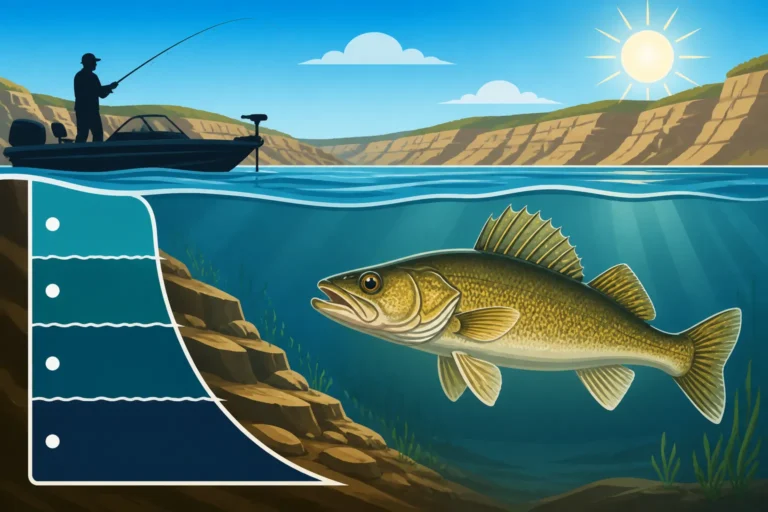
In October, salmon on Lake Oahe are typically found in a few key areas. The most famous is undoubtedly Lake Oahe Chinook Salmon Fishing at Whitlock Bay and the surrounding areas. Here, salmon will be congregating near the spawning station and in the deeper sections of the bay, sometimes holding in 30 to 70 feet of water, even though the actual spawning grounds are much shallower. They'll also be found near the mouths of tributaries or along main lake points and humps that offer a staging area before their final push.
Further south, areas around Spring Creek, Okobojo Creek, and the Cheyenne River arm can also hold good numbers of staging fish, especially earlier in the month. The key is to look for areas with quick access to deeper water, often near submerged structure like old river channels, rock piles, or prominent points. While they may move into shallower water briefly, especially in low light conditions or when actively chasing bait, their primary haunts will be in the deeper parts of these staging areas or the main body of water leading into them.
Top Lure Categories for October Chinook Salmon
When salmon are in their pre-spawn or spawning phase, they might not be actively chasing baitfish with the same vigor as they do in summer. This means your lure choice needs to capitalize on reaction strikes, flash, vibration, or a territorial response.
Spoons
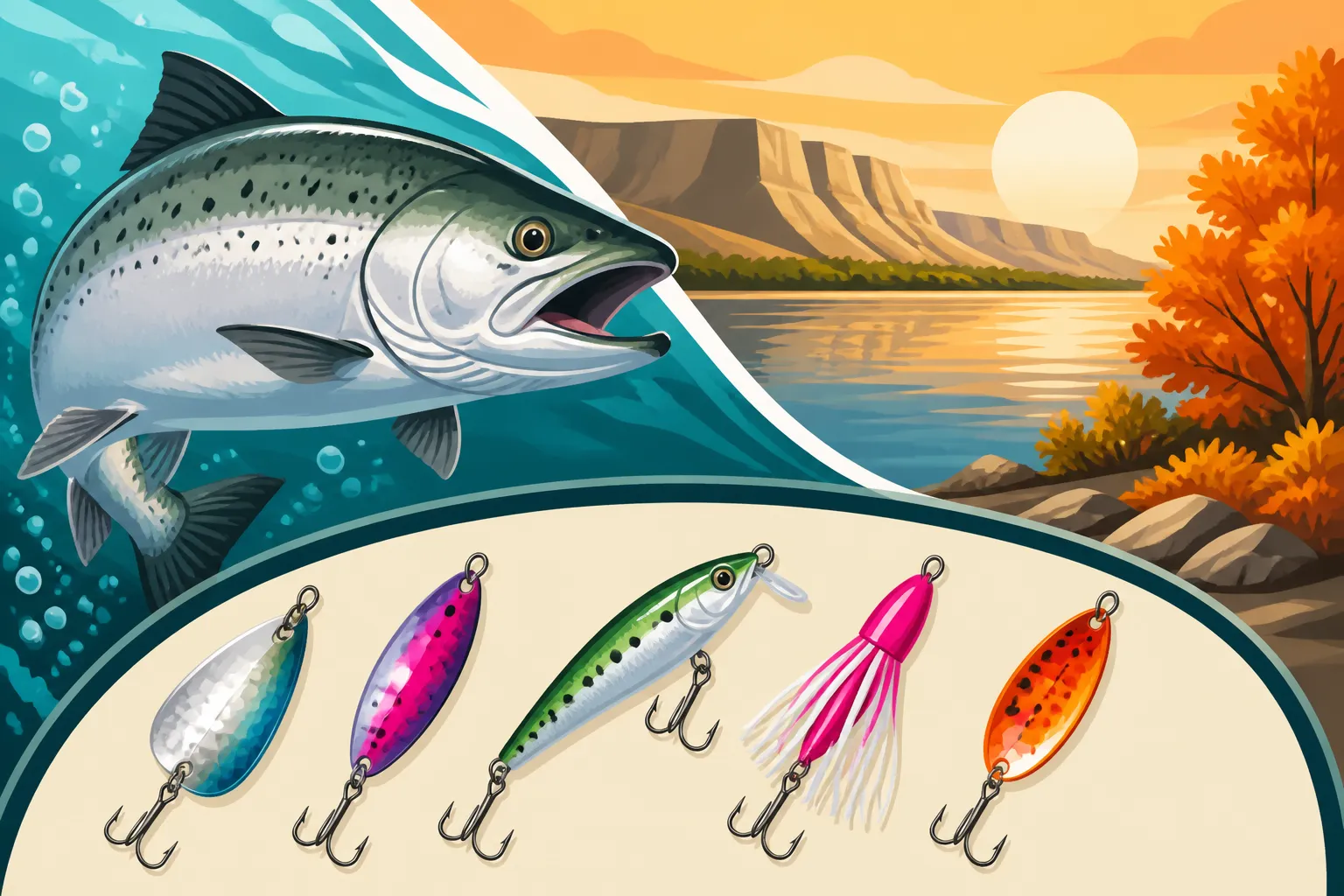
Spoons are arguably the most effective and versatile lures for October Chinook salmon on Lake Oahe, especially when trolling. Their wobbling, fluttering action mimics an injured baitfish, which can trigger an aggressive strike even from a salmon not actively feeding.
- Trolling Spoons: These are your bread and butter. Brands like Dreamweaver and Pro Troll are incredibly popular among Lake Oahe salmon anglers.
- Colors: During October, colors that offer high contrast or mimic natural forage are often best. Favorites include:
- Chartreuse, bright green, or orange: These are excellent in stained or low-light conditions, or to trigger a reaction strike.
- Silver/blue, silver/green, or silver/black: Mimic alewives and smelt, which are primary forage in Lake Oahe.
- Glow-in-the-dark or UV enhanced: Especially effective in deeper water or on overcast days.
- Watermelon, white, or various two-tone combinations: Always good to experiment with.
- Sizes: Typically, 3 to 4-inch spoons are a good starting point. If the fish are sluggish, sometimes a slightly smaller spoon can entice them, while larger spoons can stand out in murky water.
- Presentation: Trolling spoons behind a dodger or flasher is a classic and highly effective method. The dodger creates additional flash and vibration, attracting salmon from a distance and giving the spoon a more erratic, enticing action. Varying your trolling speed (typically 1.8 to 2.5 mph) and making S-turns will cause your spoons to surge and drop, often triggering strikes. For more on this, consult our South Dakota Chinook Salmon Trolling Techniques guide.
- Colors: During October, colors that offer high contrast or mimic natural forage are often best. Favorites include:
Plugs and Stickbaits
Diving plugs and stickbaits can also be highly effective, especially for targeting specific depths or mimicking larger baitfish. These lures have a more aggressive swimming action than spoons and can sometimes provoke a different kind of strike.
- Diving Plugs: Lures like a Brad's KillerFish or a Kwikfish are renowned for their wide wobbling action and strong vibration. They come in various sizes and diving lips, allowing you to reach different depths without additional weight.
- Colors: Similar to spoons, bright colors (chartreuse, firetiger, orange) work well for aggression, while natural patterns (silver, black, blue) imitate baitfish.
- Presentation: Troll these plugs at similar speeds to spoons. The key is to run them at depths where you're marking fish or bait. Varying your speed and direction can make these plugs "hunt" and dart, which can be irresistible.
- Stickbaits: While often associated with walleye, deep-diving stickbaits like a Rapala Down Deep Husky Jerk or Berkley Flicker Shad can also catch salmon. They offer a tighter wobble and can be effective when salmon are keying on smaller baitfish.
- Colors: Again, both bright and natural patterns should be in your tackle box.
- Presentation: These are typically trolled, either directly or with lead core line to get them deeper. Their action is often more subtle, making them a good choice for finicky fish.
Flies and Jigs
While trolling dominates Lake Oahe salmon fishing, there are scenarios where flies and jigs can shine, particularly for those targeting salmon from shore or in shallower river arm situations.
- Flies (Flasher-Fly Combos): Though "flies" in the traditional sense might make you think of fly fishing, in the context of salmon trolling, we're talking about plastic squid or tube flies that are fished behind a large dodger or flasher.
- Colors: Usually bright, contrasting colors like green, blue, chartreuse, or pink are preferred.
- Presentation: The dodger provides the action, making the fly dart and weave enticingly. This combination is particularly effective when fish are somewhat lethargic but can be triggered by the enticing dance of a smaller, more subtle offering.
- Jigs (for shore/river fishing): If you're looking to catch salmon from shore, perhaps near the Whitlock Bay spawning station or a river mouth, jigs can be effective. This is a more active casting technique.
- Types: Heavy jigging spoons (e.g., Kastmaster, P-Line Laser Minnow) or bucktail jigs can be cast and retrieved.
- Colors: Chrome, white, chartreuse, and blue are good starting points.
- Presentation: Cast out and retrieve with a lift-drop or jigging motion. The flash and erratic fall of a spoon can draw strikes from aggressive salmon holding in current or deeper pockets. For specific methods, consult How to Catch Chinook Salmon From Shore on Lake Oahe.
Advanced Tactics for Lure Presentation
Choosing the right lure is just half the battle; knowing how to present it effectively can make all the difference, especially when dealing with finicky October salmon.
Trolling Strategies
Trolling is by far the most popular and productive method for October salmon on Lake Oahe. Success hinges on precise depth control, speed, and understanding fish behavior.
- Depth Control is Paramount: Salmon in October can suspend at various depths. You need gear to get your lures where the fish are.
- Downriggers: These are critical for consistently hitting precise depths. They allow you to present lures at a specific depth, usually 30-70 feet, where salmon are often holding.
- Lead Core Line: This segmented line allows you to present lures at various depths by letting out different amounts of colored line. Each color typically sinks a certain depth per 100 feet of line, giving you great control.
- Diving Planers/Boards: These can help get lures deeper, but are often used in conjunction with lead core or lighter lines.
- Speed and S-Turns: Trolling speed is generally between 1.8 to 2.5 mph. However, don't be afraid to experiment. Faster speeds can trigger aggressive strikes, while slower speeds might entice lethargic fish. Making wide S-turns with your boat will cause your lures on the inside turn to slow down and drop, while those on the outside turn speed up and rise, often triggering strikes as the action changes.
- Targeting Structure and Bait: Use your fish finder to locate schools of baitfish, which salmon will often be shadowing. Also, pay attention to submerged structure like old creek channels, humps, and points, especially those dropping off into deeper water. These are natural ambush points or staging areas for salmon. A service like FishingBooker can help you find local guides who are experts in these specific trolling patterns and structure.
Color and Presentation Adjustments
The "hot" color can change daily, even hourly. Being flexible is key.
- Water Clarity: In clear water, more natural baitfish patterns (silver, blue, green) tend to work best. If the water is stained from runoff or a recent storm, brighter, more fluorescent colors (chartreuse, orange, pink) or lures with glow features will be more visible.
- Light Conditions: On bright, sunny days, lures with a lot of flash (chrome, silver) can be very effective. On overcast days or during low light conditions (dawn/dusk), matte finishes, glow lures, or those with strong UV properties can stand out more.
- Fish Mood: If salmon are hitting aggressively, continue with what's working. If bites are slow, try varying your lure size, color, and presentation speed. Sometimes a subtle difference in action can make all the difference. Don't be afraid to try something completely different if the bite is tough.
Terminal Tackle and Gear
Having the right setup ensures your lures perform correctly and you can land those big October salmon.
- Leader Material: Fluorocarbon leaders are highly recommended due to their low visibility in water. Use 15-25 lb test for strength. The length can vary, but generally 6-10 feet between your mainline and the lure/flasher is a good starting point.
- Line Weights: Your mainline can be 20-30 lb braided line for trolling, which offers strength and sensitivity. If using lead core, refer to our Downrigger Fishing Techniques for Salmon for guidance on how specific segments correlate to depth.
- Snap Swivels: Always use high-quality, strong snap swivels (ball bearing is best) between your main line and your leader/flasher. This prevents line twist, especially important when trolling spoons and flashers that rotate.
- Rods and Reels: Use medium-heavy to heavy action trolling rods, typically 8-10 feet long, paired with line counter reels. The line counter is essential for consistently deploying your lures to the same depth and replicating successful presentations.
- Net: A large, salmon-specific landing net is crucial. These fish are powerful and can easily break lighter nets.
Maximizing Your October Salmon Success
Beyond the lures and techniques, paying attention to environmental factors and planning can significantly boost your chances.
Reading the Conditions
Salmon, like all fish, are highly influenced by their environment.
- Water Temperature: As October progresses, Lake Oahe's water temperature will drop. Salmon typically prefer cooler water, often in the 48-55°F range, during their fall run. Locating this temperature band can be key.
- Weather Patterns: Stable weather often leads to more consistent fishing. Sudden cold fronts or drastic changes in barometric pressure can make fish lethargic. Overcast days can sometimes be better than bright sunny days, as salmon are often light-sensitive.
- Current: While Lake Oahe is a reservoir, there can be subtle currents, especially near the dam or where tributaries enter. Salmon will often orient themselves into the current, and presenting lures naturally with the flow can be effective.
Timing Your Trip
Knowing when to be on the water can be as important as what you're using.
- Best Times of Day: Early morning and late evening (dawn and dusk) are generally prime times for salmon, as they become more active in low light conditions. However, in October, they can bite throughout the day, especially in deeper water or on overcast days.
- Fishing Reports: Always check local fishing reports from bait shops, online forums, or services like FishingBooker which can connect you with guides providing real-time insights. These reports often provide valuable information on current hot spots, effective lures, and depths.
- Season and Limits: Remember to always be aware of the South Dakota Fishing Season Dates and Limits and specific South Dakota Chinook Salmon Regulations, including the South Dakota Chinook Salmon Daily Limit. These rules are in place to ensure sustainable fishing for everyone. You can find comprehensive details in the South Dakota Fishing License Guide.
October Lake Oahe Salmon Lure Comparison
Here's a quick rundown of the top lure types to consider for your October salmon adventure:
| Lure Type | Best Application | Key Features | Recommended Colors | Pros | Cons |
|---|---|---|---|---|---|
| Trolling Spoons | Trolling main lake, staging areas, various depths | Fluttering, erratic action, mimics injured baitfish | Chartreuse, Silver/Blue, Orange, Glow | Highly versatile, triggers reaction strikes | Requires dodger/flasher for max effectiveness |
| Diving Plugs | Trolling specific depths, aggressive presentation | Strong wobble, vibration, deep diving capability | Firetiger, Chartreuse, Silver/Black | Excels in drawing aggressive strikes | Less subtle for finicky fish |
| Flasher-Fly Combo | Trolling when fish are finicky or lethargic | Subtle fly action behind aggressive dodger | Green, Blue, Pink, Chartreuse | Entices cautious fish, good in deep water | Requires specific rigging, not for casting |
| Jigging Spoons | Shore fishing, river mouths, active casting | Flashy, erratic fall, mimics dying baitfish | Chrome, White, Chartreuse | Great for active shore anglers, deep drops | Limited to specific locations/techniques |
Finding the right balance of these factors and having a variety of lures on hand will significantly increase your odds of a successful and memorable October salmon fishing trip on Lake Oahe. Don't be afraid to experiment, stay persistent, and enjoy the incredible experience of pursuing these powerful fish!
Disclaimer
Fishing conditions and regulations can change. Always check the latest South Dakota Game, Fish and Parks regulations before heading out. This guide provides general advice and should not replace official rules and safety guidelines.