Best Depth for Walleye on Lake Oahe in July
Ah, the dog days of summer on Lake Oahe! Many anglers find themselves scratching their heads in July, wondering where on earth the walleye have gone. The clear, warm water can make finding those elusive marble eyes feel like a treasure hunt without a map. This comprehensive guide is here to shed light on the best depths to target walleye on Lake Oahe during July, breaking down their summer behavior and giving you the strategies you need to fill your livewell.
The Summer Walleye Riddle on Lake Oahe: Why July is So Tricky
July on Lake Oahe presents a unique challenge for walleye anglers. The vast, deep waters of this Missouri River reservoir undergo significant changes during mid-summer, pushing walleye into specific zones that aren't always obvious. Understanding these changes is the first step to unlocking consistent success.
The Thermocline Effect and Walleye Comfort Zones
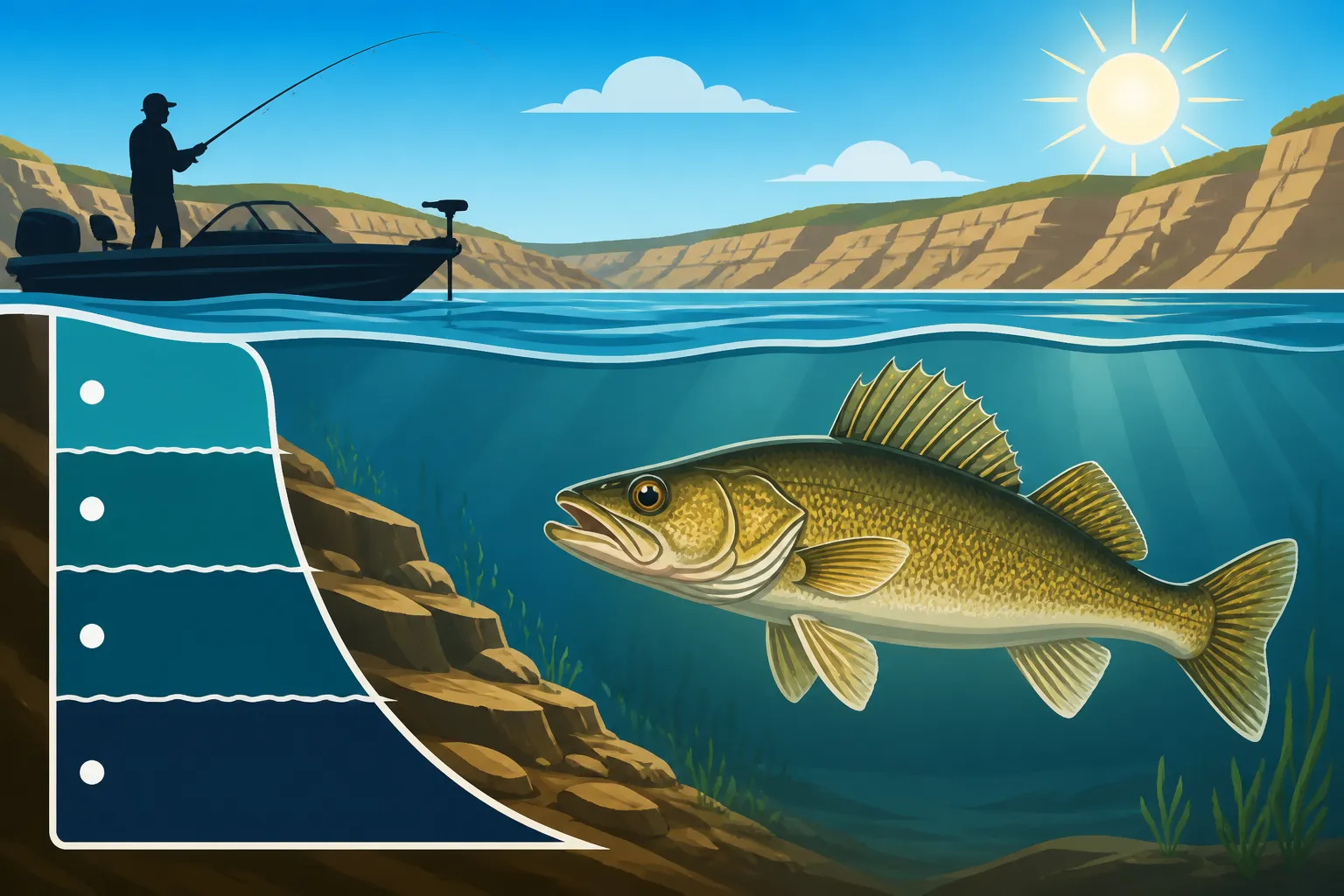
As summer progresses, Lake Oahe, like many deep reservoirs, develops a distinct thermocline. Imagine the lake water stratifying into layers, much like a layer cake. You've got the warmer, sun-soaked water near the surface (the epilimnion), followed by a transitional layer where the temperature drops rapidly (the thermocline), and then the colder, denser water at the bottom (the hypolimnion). Walleye are cold-blooded creatures, and their activity levels are heavily influenced by water temperature. They’re not going to hang out in the scorching warm water near the surface, nor will they venture too deep into the hypolimnion where oxygen levels often become depleted.
This creates a "sweet spot" for walleye, often found directly above, within, or just below the thermocline. On Lake Oahe in July, this comfort zone typically lies in the 20 to 40-foot range. However, this isn't a hard and fast rule; the exact depth of the thermocline can vary depending on weather patterns, recent rainfall, and even the specific section of the lake you're fishing. For instance, the main lake basin near the dam might have a deeper, more pronounced thermocline than a shallower bay up north. The key is that walleye are looking for that perfect balance of cooler water and sufficient oxygen to remain active and feed efficiently.
Forage Fish Movements Dictate Walleye Location
Walleye are opportunistic predators, and their movements are intrinsically linked to the whereabouts of their primary food source. In July, the dominant forage fish on Lake Oahe, particularly species like rainbow smelt and various ciscoes, tend to move deeper to escape the warmer surface temperatures and bright light. As these baitfish descend, the walleye are sure to follow. This often means that if you're marking schools of baitfish suspended at 30 feet over a 60-foot bottom, there's a very good chance the walleye will be nearby, either mixed in with the bait or lurking just below, waiting for an ambush opportunity.
Thinking about the South Dakota Fish Species Diet by Season can give you an edge here. If you know what the walleye are primarily feeding on, you can better predict their depth and location. For example, if they're gorging on smelt, and smelt are at 35 feet, then that's where you need to present your bait. This pursuit of forage can lead walleye to suspend over open water, far from traditional bottom structure, which can be baffling for anglers accustomed to fishing the bottom. This suspended behavior is a hallmark of summer walleye on Lake Oahe and a crucial point to remember when your sonar isn't showing fish right on the bottom.
Unpacking the Depth-Determining Factors in July
Understanding why walleye choose certain depths in July is just as important as knowing what those depths are. Several environmental factors play a critical role in dictating where these fish will be most active.
Water Temperature, Oxygen, and Light Penetration
These three elements are the holy trinity of walleye depth location in summer. We've already touched on temperature with the thermocline, but it's worth emphasizing that even small temperature gradients can be enough to hold fish in a specific band of water. Walleye are most comfortable and active in water temperatures generally ranging from 60 to 70 degrees Fahrenheit. In July, finding these temperatures means moving deeper than you might in spring or fall.
Oxygen levels are equally vital. Below the thermocline, especially in the deeper parts of the hypolimnion, decaying organic matter can deplete oxygen. Walleye won't survive in areas with insufficient oxygen, so they'll avoid these "dead zones." Your fish finder might show a flat line of death on the bottom in really deep water if the oxygen is gone.
Finally, light penetration is a huge factor. Walleye have large, sensitive eyes adapted for low-light conditions. Bright sunlight, especially during midday, drives them deeper where the light intensity is reduced. This is why you'll often find them much shallower during dawn, dusk, or on heavily overcast days. On a brilliant, sunny July afternoon on Lake Oahe, don't be surprised to find walleye holding 40 or even 50 feet down, or tightly tucked into the darkest crevices of deep structure. This constant push-and-pull between warmth, oxygen, and light creates the dynamic depth preferences you'll encounter.
Structure and Transition Areas as Walleye Magnets
While walleye often suspend in July, they don't do so randomly. They gravitate towards areas that offer cover, ambush points, and easy access to both deep water and shallower feeding grounds. These "walleye magnets" are often found around significant underwater structure and transition zones.
Think about main lake points that extend far out into the reservoir, gradually dropping off into deeper water. These are classic ambush spots, allowing walleye to dart up and pick off baitfish moving over the point, then retreat to the safety of deeper water. Submerged islands, humps, and prominent rock piles that rise from the bottom are also prime locations. Walleye will often position themselves on the deeper edges of these structures, facing into the current or prevailing wind, waiting for an easy meal. The old river channels, which wind their way across the lake bottom, create natural highways for both baitfish and predatory walleye. The edges and turns of these channels, especially where they intersect with humps or points, are incredibly productive.
Specific areas of Lake Oahe, like the channels and breaks in the Cheyenne River arm, or the numerous humps and contours near Mobridge, become particularly active in July. Anglers often find that the most productive spots are where a sharp break line transitions from a shallower flat to a much deeper drop-off, providing that perfect vertical migration route for walleye to move between depths. Learning How to Read Contour Lines on a Lake Map is invaluable here; it's like having a secret map to the walleye's favorite hangouts.
Practical Strategies for Pinpointing July Walleye Depths
Now that we understand the "why," let's talk about the "how." Successfully finding and catching walleye in the best depths on Lake Oahe in July requires a combination of technology, technique, and adaptability.
Electronics Are Your Best Friend for Deep Water Walleye
Modern electronics aren't just a luxury; they're a necessity for consistent walleye success on Lake Oahe in July. Your fish finder is your window into the underwater world. Start by using your sonar to identify the thermocline – it will often appear as a distinct band on your screen where the water column changes density. Then, focus on marking bait balls. These will show up as dense clouds on your screen, and if you see larger, arch-shaped marks around or below them, you're likely seeing walleye.
Features like side imaging and down imaging are particularly helpful. Side imaging allows you to scan wide areas to either side of your boat, revealing subtle humps, rock piles, or schools of suspended fish that you might otherwise troll right over. Down imaging provides a photo-like view directly below your boat, helping you discern specific structures and even individual fish. When you find a promising area, don't just idle over it; spend time marking waypoints, checking water temperature at different depths with a temperature probe, and understanding the contours. Knowing the Best Fish Finders for South Dakota Lakes can truly elevate your game.
Trolling and Jigging Tactics for Mid-Summer Depths
Once you've identified likely depths and structure, it's time to present your baits effectively. Trolling is a hugely popular and effective method for covering water and finding active walleye on Lake Oahe in July.
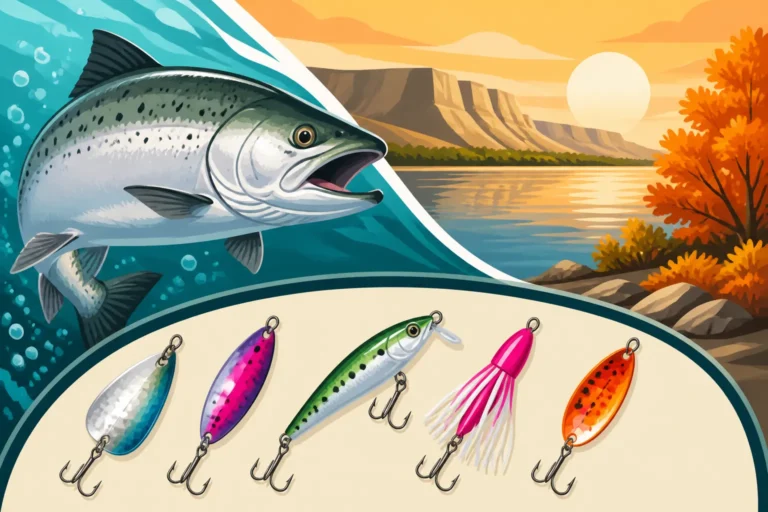
- Trolling Crankbaits: Dive-and-rise crankbaits like those from Rapala, Berkley, or Walleye Nation Creations are excellent choices. The key is to select lures that can reach your target depth with the appropriate line out, or to use weighting systems like snap weights or lead core line to get deeper. Match your crankbait colors to the forage – natural baitfish patterns often excel in clear Lake Oahe water, but don't shy away from brighter, more aggressive colors if the bite is slow. Check out the Trolling for Walleye on Lake Oahe guide for more in-depth strategies.
- Spinner Rigs with Bottom Bouncers: When walleye are holding closer to the bottom, especially on specific contours or subtle structure, a spinner rig paired with a bottom bouncer is deadly. The bottom bouncer keeps your bait (typically a nightcrawler, minnow, or leech) at the desired depth, maintaining bottom contact without constantly snagging. Experiment with different blade sizes and colors on your spinner rigs until you find what the walleye prefer that day.
- Vertical Jigging: For precision fishing over deep humps, points, or when you’ve marked fish tightly schooled, vertical jigging can be incredibly effective. Use heavy jigs (1/2 to 1 ounce, depending on depth and current) tipped with plastics or live bait. Position your boat directly over the fish you've marked and present your jig directly to them. This technique requires patience and good boat control, but it can be incredibly rewarding.
Here’s a quick overview of typical July depths on Lake Oahe:
| Time of Day/Conditions | Typical Depth Range (feet) | Primary Location Type | Fishing Technique |
|---|---|---|---|
| Early Morning/Late Evening | 15-25 ft | Shallow tops of points, humps, flats adjacent to deep water | Trolling crankbaits, slip bobbers with live bait |
| Midday (Sunny) | 30-50+ ft | Deep edges of structure, suspended over bait balls | Trolling crankbaits with weights, vertical jigging, bottom bouncers |
| Midday (Overcast) | 20-35 ft | Deeper sides of points, main lake flats, suspended | Trolling, bottom bouncers |
| Post-Front/Tough Bite | 40-60 ft | Deepest structure, tightly suspended over channels | Slow vertical jigging, downsized baits |
If you're looking to refine your trolling techniques or find a local expert to show you the ropes, checking out resources like FishingBooker can connect you with experienced Lake Oahe guides who specialize in these mid-summer tactics.
Adjusting for Time of Day and Weather Conditions
Walleye behavior, and therefore their preferred depth, changes throughout the day and with shifting weather. Knowing when to adjust is critical for success.
- Early Morning and Late Evening: These are prime feeding windows for walleye. With lower light levels, walleye feel more secure moving shallower to ambush baitfish. You might find them in the 15-25 foot range, particularly on the tops and breaks of main lake points or submerged humps. This is often the Best Time of Day to Catch Walleye in Summer.
- Midday: As the sun climbs high and brightens the water, walleye will retreat to deeper water to escape the intense light. They'll hug the deepest contours of structure or suspend over even deeper water, following their forage. This is when those 30- to 50-foot depths, or even deeper, become crucial.
- Overcast Days: A cloudy day acts like an extended low-light period. Walleye will often stay shallower for longer, or move shallower even during midday, compared to a bluebird, sunny day. On these days, you might find active fish in the 20-35 foot range where on a sunny day they’d be much deeper.
- Wind: Wind can be your friend on Lake Oahe. A consistent wind pushing baitfish into a specific area, or creating a chop on the surface that diffuses light, can make walleye more active and often shallower on the wind-blown side of structures. However, too much wind can make boat control a nightmare, so always prioritize safety.
Common Misconceptions and Troubleshooting Your July Hunt
Even with the best information, July walleye on Lake Oahe can be frustrating. Let's tackle some common pitfalls and how to overcome them.
Don't Just Stick to the Bottom
One of the biggest mistakes anglers make in July is assuming walleye are always glued to the bottom. While they certainly relate to bottom structure, especially deep break lines and humps, summer walleye on Lake Oahe frequently suspend. This is particularly true when they are actively chasing pelagic baitfish like smelt. If you're constantly marking baitfish at 30 feet over 60 feet of water, and your sonar isn't showing any walleye on the bottom, it's a huge clue that they are suspended.
To effectively target suspended walleye, you need to adjust your presentation. Trolling crankbaits at precise depths becomes paramount, as does using lead core line or snap weights to get your lures into the desired depth range. Using your electronics to identify the depth of the baitfish and the walleye arches is non-negotiable. Don't be afraid to experiment with your trolling passes, varying your depth slightly above, below, and right through the suspended bait balls. Many anglers find the most productive guides on FishingBooker are those with a knack for locating these suspended fish.
When the Bite is Tough: Thinking Outside the Box
We all have those days when the walleye just aren't biting, no matter what depth you try. This is when you need to be flexible and analytical.
- Slow Down or Speed Up: Sometimes, a subtle change in your trolling speed can be the difference. If fish are lethargic, slowing down your presentation might entice a strike. Conversely, a faster pass can trigger a reaction strike from aggressive fish.
- Downsize or Upsize Baits: If standard crankbaits aren't working, try a smaller profile bait, or on the other hand, something larger and more attention-grabbing if you think they're keying on bigger forage.
- Change Colors: While natural colors often work well, don't hesitate to cycle through a variety of crankbait colors, especially those with some chartreuse, orange, or bright greens, particularly if the water has a slight stain.
- Focus on Current: On a river system like the Missouri, which forms Lake Oahe, current can be a major factor. Walleye often position themselves in current breaks or seams, expending less energy while waiting for food to be delivered to them. Look for areas where the current bottlenecked or where structure creates a natural eddy.
- Consider Early Morning or Late Evening: If midday is proving fruitless, commit to the low-light hours. Walleye often become much more aggressive and move shallower during these periods, offering a completely different fishing experience. For more insights on seasonal shifts, check out the South Dakota Fishing Seasons Explained guide.
- Try Different Spots: Lake Oahe is enormous, and walleye distribution can be highly localized. If your usual spots aren't producing, use your electronics to scout new main lake points, humps, or channel edges. Sometimes, simply moving a few miles can put you onto a completely different bite.
- Seek Local Knowledge: Don't underestimate the value of talking to local bait shop owners, other successful anglers, or even booking a guided trip, particularly if you’re new to the area. Guides on services like FishingBooker spend countless hours on the water and can provide invaluable insights into the current bite. They often know precisely where the Lake Oahe Fishing Guide recommends focusing efforts during the trickiest times.
By understanding the forces that drive walleye to certain depths in July, and by applying these practical strategies, you'll significantly increase your chances of success on beautiful Lake Oahe. Tight lines!
Disclaimer
Please note that fishing regulations, conditions, and fish behavior can change. Always consult the latest South Dakota Game, Fish and Parks regulations before heading out on the water. This guide provides general information and best practices, but local conditions can vary.