How to Catch Chinook Salmon From Shore on Lake Oahe
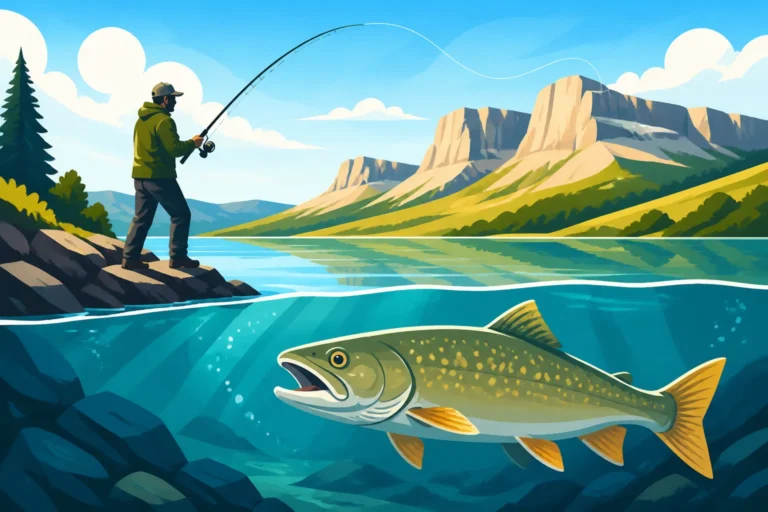
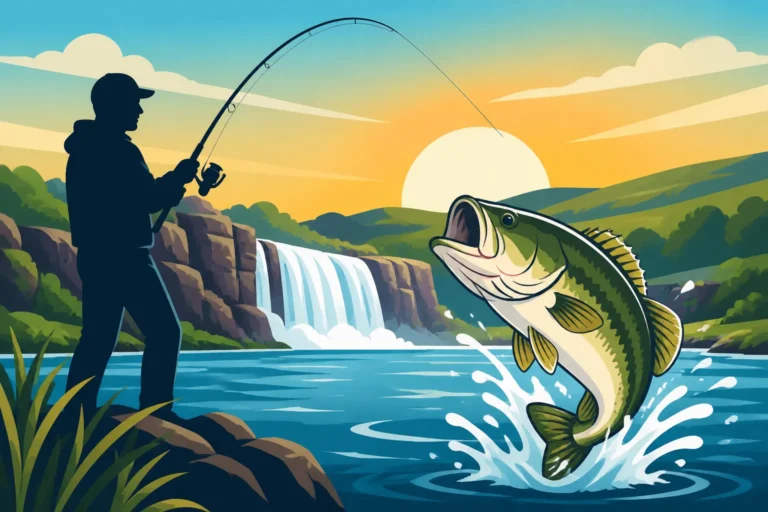
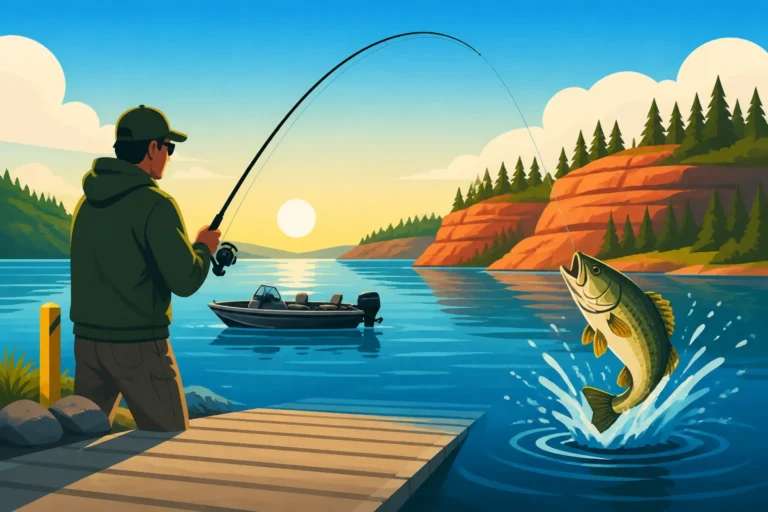
Trying to catch big game fish like Chinook salmon often feels like it requires a full-fledged boat, expensive electronics, and days on the open water. It’s a common misconception that shore anglers are relegated to smaller panfish or bottom dwellers, leaving the thrill of a hard-fighting salmon exclusively to those with a vessel. But trust me, with the right approach and a little patience, landing a magnificent Chinook salmon from the shores of Lake Oahe is absolutely within your grasp. This comprehensive guide will walk you through everything you need to know, from understanding salmon behavior to mastering the techniques and finding the best spots.
Understanding Lake Oahe's Chinook Salmon
Lake Oahe is a truly special place, a massive Missouri River reservoir that offers anglers some incredible opportunities, not least of which is the chance to tangle with Chinook salmon. These aren't native to South Dakota, but they thrive in the deep, cold waters of Oahe thanks to an extensive stocking program by the South Dakota Game, Fish and Parks (GFP). Understanding their habits is the first step to intercepting them from shore.
Chinook Salmon Habits Near Shore
Chinook salmon, often called King salmon, are an anadromous species in their native environments, meaning they spend most of their lives in saltwater and return to freshwater to spawn. In a landlocked reservoir like Lake Oahe, they mimic this behavior, living in the deep, cool parts of the lake for much of the year, feeding on abundant forage fish like smelt and shad. However, as their spawning season approaches, their instincts kick in, and they begin to move into shallower waters and towards areas with suitable flow or structure that remind them of a river mouth. This is when shore anglers have their best shot.
During these pre-spawn movements, salmon are less focused on active feeding and more on migration, but they will still strike out of aggression or instinct. They tend to cruise along drop-offs, points, and current seams, using these features as highways towards their eventual spawning grounds. This is why targeting areas with immediate deep water access from shore or points that jut out into the main lake basin can be incredibly productive. You're essentially casting into their migratory path.
Their diet primarily consists of rainbow smelt, and sometimes even smaller walleye or perch, giving you clues about what kind of lures they might be attracted to. The key is to present something that looks like their natural prey or that irritates them enough to strike. Unlike walleye that might be actively foraging in specific depths based on light conditions, salmon can be more erratic in their shore-hugging movements, making observation and persistence crucial.
Key Spawning Areas and Timing
For Lake Oahe Chinook, the primary "spawning" run, or at least the congregation that mimics one, happens in the fall. This is undoubtedly the absolute best time for shore anglers to target them. As the water temperatures begin to drop, typically from late September through October and sometimes even into November, salmon instinctively head towards the areas where they were stocked as fingerlings. These areas, particularly near the Whitlock Bay Spawning Station, become major gathering points.
The fish aren't actually reproducing successfully in Lake Oahe – the conditions aren't right for natural recruitment – but the instinct to migrate is strong. They become concentrated in predictable areas, making them accessible to shore anglers. You'll often find them cruising the shorelines, especially where there's some current or a distinct drop-off, looking for that "river" feel. This is the window you absolutely do not want to miss. For more specific details on when these runs occur, check out our guide on "Chinook Salmon Spawning Time on Lake Oahe".
Beyond Whitlock Bay, other areas with inflow, even small creeks or culverts that feed into the main lake, can draw salmon in late fall. While they won't truly spawn there, the instinct to move into these "riverine" environments is powerful. Keep an eye on local fishing reports and talk to bait shop owners or guides, as they often have the most up-to-date information on where the salmon are staging. Remember, these are large, powerful fish, and their presence near shore in these numbers is a unique opportunity.
Essential Gear for Shore-Based Salmon Fishing
You might not need a fancy boat, but you absolutely need the right gear to tackle a powerful Chinook salmon from shore. These fish hit hard, fight dirty, and will exploit any weakness in your setup. Don't skimp on quality; a broken line or bent hook is a heartbreak you want to avoid when that trophy salmon is on the end of your line.
Rod and Reel Setup for Power Casting
When fishing for Chinook salmon from shore, you need a rod and reel combination that can handle powerful casts and even more powerful fish. I recommend a heavy-action spinning rod, typically between 9 and 11 feet in length. The extra length is crucial for achieving long casting distances, which allows you to reach deeper water where salmon might be cruising, and also helps with line control when battling a fish. Look for a rod with a strong backbone to set the hook firmly and muscle the fish in, but with a sensitive tip to detect subtle strikes. Brands like Lamiglas, St. Croix, or Okuma make excellent salmon/steelhead specific rods that fit the bill.
Pair this robust rod with a high-quality spinning reel in the 4000 to 6000 size range. The reel needs a smooth, reliable drag system, as a big Chinook will make blistering runs that test your equipment to its limits. A large spool capacity is also essential to hold plenty of line for those long casts and potential long runs. Fill your reel with 20-30 pound braided line. Braid offers incredible strength for its diameter, zero stretch for maximum sensitivity and hook-setting power, and casts exceptionally well.
On the business end, tie on a 15-20 pound fluorocarbon leader, about 3 to 6 feet long. Fluorocarbon is nearly invisible underwater, which can be critical for wary salmon, and it offers excellent abrasion resistance against rocks and the salmon's rough mouth. A good quality swivel can help prevent line twist, especially when casting spoons or spinners. Making sure your knots are solid is paramount; learn and practice knots like the Palomar or improved Clinch knot before you hit the water. This strong setup is vital for "How to Cast From Shore for Salmon".
Lures and Bait That Attract Salmon
Chinook salmon in Lake Oahe are primarily piscivorous, meaning they eat other fish. This understanding guides your lure selection. Spoons are incredibly effective, mimicking fleeing baitfish. Favorites include large Kastmasters (1/2 oz to 1 oz), Little Cleos, or Dardevles in chrome, blue/chrome, or chartreuse patterns. Cast them out, let them sink to the desired depth, and retrieve with a varied, erratic action – a quick twitch followed by a pause, or a steady retrieve with occasional jerks.
Another highly effective option is crankbaits or stickbaits. Look for models like Rapala Down Deep Husky Jerks, Berkley Flicker Shads, or Yo-Zuri Crystal Minnows that dive to 10-20 feet and have a tight wobble. Colors mimicking smelt or shad (silver, blue, pearl) are usually best. Vary your retrieve speed and incorporate pauses. Sometimes a salmon will hit on the pause as the lure hangs in the water column. You might also consider larger jigs tipped with soft plastic swimbaits, again trying to imitate a baitfish.
While live bait isn't typically the go-to for salmon, some anglers have success with large cut bait or even large live minnows if allowed by "South Dakota Fishing Regulations Explained". However, spoons and crankbaits usually offer the best combination of casting distance and action for shore fishing. Don't forget to check out our deep dive into the "Best Lures for Lake Oahe Salmon in October" for more specific recommendations that really shine during the prime fishing window.
Essential Accessories for the Shore Angler
Beyond your rod and reel, a few key accessories will make your shore salmon fishing experience much more enjoyable and successful. First, you'll need a good quality tackle box or backpack to organize your lures, spare line, leaders, and tools. A pair of long-nosed pliers or a de-hooking tool is absolutely essential for safely removing hooks from toothy salmon, protecting both you and the fish.
A sturdy landing net with a long handle is invaluable. Trying to hand-land a thrashing Chinook can result in lost fish, injury, or both. Look for a net with a rubberized mesh to protect the fish's slime coat and prevent hooks from getting tangled. You'll also want comfortable, waterproof boots or waders, as you'll often be standing in shallow water or on wet, rocky banks. Given the often chilly fall temperatures in South Dakota, layered clothing, including a waterproof outer shell, is a must.
Finally, don't forget the practical items: a valid "South Dakota Fishing License Guide", a small cooler with ice to keep your catch fresh (if you plan to harvest), a knife, a headlamp for early morning or late evening excursions, and plenty of water and snacks. Consider bringing a fishing chair or bucket to rest on during slower periods, as shore fishing can involve a lot of waiting. A good pair of polarized sunglasses will help you spot subtle movements in the water and protect your eyes from the sun.
Prime Shore Fishing Locations on Lake Oahe for Salmon
Lake Oahe is vast, stretching for over 200 miles through South Dakota. Knowing where to focus your shore efforts is critical. While salmon can technically be caught from many points along the lake, certain areas offer a much higher probability of success, especially during the fall run.
Whitlock Bay: A Salmon Hotspot
Without a doubt, Whitlock Bay, located near Gettysburg, is the absolute prime destination for shore-based Chinook salmon fishing on Lake Oahe. This area is home to the South Dakota GFP's Whitlock Bay Spawning Station, and as fall approaches, thousands of salmon instinctively gather here, drawn by the currents and the historical significance of the location where they were introduced into the lake.
The bay offers numerous accessible shoreline areas, including points, jetties, and riprap banks. The key here is proximity to the deeper water and the concentration of fish. You'll often see other anglers, which can be a good indicator of where the fish are active. Look for areas where the shore drops off quickly into deeper water, creating a natural highway for migrating salmon. The currents around the bay entrance and within the bay itself are also important attractors. This spot is so significant that we have a dedicated article on "Whitlock Bay Salmon Spawning Station Fishing" and even a more general guide to "Lake Oahe Chinook Salmon Fishing at Whitlock Bay".
Fishing at Whitlock Bay during the peak fall run can be an incredible experience. Cast your lures towards the deeper channels or along the current seams, letting them sink before initiating your retrieve. Experiment with different depths until you find where the fish are holding. Remember that these fish are often in a pre-spawn state and may not be actively feeding, so aggressive retrieves that provoke a reaction strike are often more effective than subtle presentations.
Other Productive Shoreline Access Points
While Whitlock Bay is the star, other areas on Lake Oahe can also yield shore-caught Chinook salmon, especially during the peak fall migration. Anywhere you find significant points, rocky outcroppings, or sudden depth changes near the main lake channel, you have a potential salmon highway. Look at maps for areas with public access and try to identify features that mimic river mouths or provide structure.
Consider areas around the Oahe Dam tailwaters near Pierre, though access might be more limited to specific parks or designated fishing areas. While the dam creates strong currents, it can also concentrate baitfish, and thus predators like salmon, below it. Further north, towards Mobridge, points that extend into the main lake can also be productive. Always check local regulations, as some areas might have specific rules for different species or seasons.
When exploring new spots, pay attention to signs of baitfish, like nervous schools near the surface, or diving birds. Where the baitfish are, predators like salmon won't be far behind. Public boat ramps and recreation areas often have good shore access and are excellent starting points for exploration. Just make sure to respect private property lines and always verify "South Dakota Boat and Water Access Rules" if you're unsure about shoreline accessibility. Sometimes, simply watching other anglers for a bit can give you clues about where the fish are moving. If you're looking for local insights, consider booking a trip with a guide through a service like FishingBooker, even for a few hours, to learn prime shore locations.
Effective Techniques for Catching Shoreline Salmon
Simply showing up at a prime location with the right gear isn't enough; you need effective techniques to entice these powerful fish to strike. Shore fishing for salmon requires patience, persistence, and a willingness to adapt.
Casting and Retrieving Strategies
The core of shore salmon fishing revolves around effective casting and retrieving. Your goal is to cover as much water as possible and present your lure enticingly. Start by making long casts, aiming to reach deeper water or current seams away from the immediate bank. Let your lure sink for a few seconds, counting down to gauge depth, before beginning your retrieve. Salmon often hang out deeper, so getting your lure down into their strike zone is crucial.
Vary your retrieve speed and action. Sometimes a steady, moderate retrieve with a spoon is all it takes. Other times, an erratic retrieve – a few quick cranks, a twitch, a pause, then repeat – will trigger a strike. Imagine your lure as a wounded baitfish; make it look irresistible. Pay close attention to any changes in line tension or subtle taps, which could indicate a bite. Salmon can hit like a freight train, but sometimes they'll mouth the lure gently. Don't be afraid to experiment until you find what works on a given day.
Repeat casts to the same area are also important. Salmon often travel in schools or pods, and if one doesn't hit your lure on the first pass, another might on the third or fourth. Fan-cast from your position, covering the water in front of you from left to right, then move a bit down the shore and repeat. This systematic approach ensures you're not missing potential holding areas. If you're unsure where to start, looking up local fishing reports on platforms like FishingBooker can provide clues about recent hot retrieves.
Reading the Water and Identifying Holding Spots
The most successful shore anglers are also the best at reading the water. What does this mean? It's about looking for clues that indicate where salmon might be holding or moving. Look for changes in water color, current lines, eddies, or areas where baitfish are schooling. Even subtle changes in water surface texture can indicate a submerged rock pile or drop-off that salmon might be using.
Pay attention to points that jut out into the main lake. These are natural current breaks and ambush points for predators. Areas where there's a distinct drop-off close to shore are also prime. If you can see the bottom, look for structure like rocks, logs, or even changes in weed growth that could hold fish. Often, if you see other anglers consistently catching fish in a particular spot, there’s a reason. Observe their techniques and casting zones, but always be respectful of their space.
Wind direction and intensity can also play a role. A strong wind blowing into a bay can push baitfish closer to shore, concentrating salmon in those areas. Conversely, a strong offshore wind might push them further out. Learning to interpret these environmental cues takes time and experience, but it’s a skill that will dramatically improve your success rate.
Fighting and Landing Big Chinook
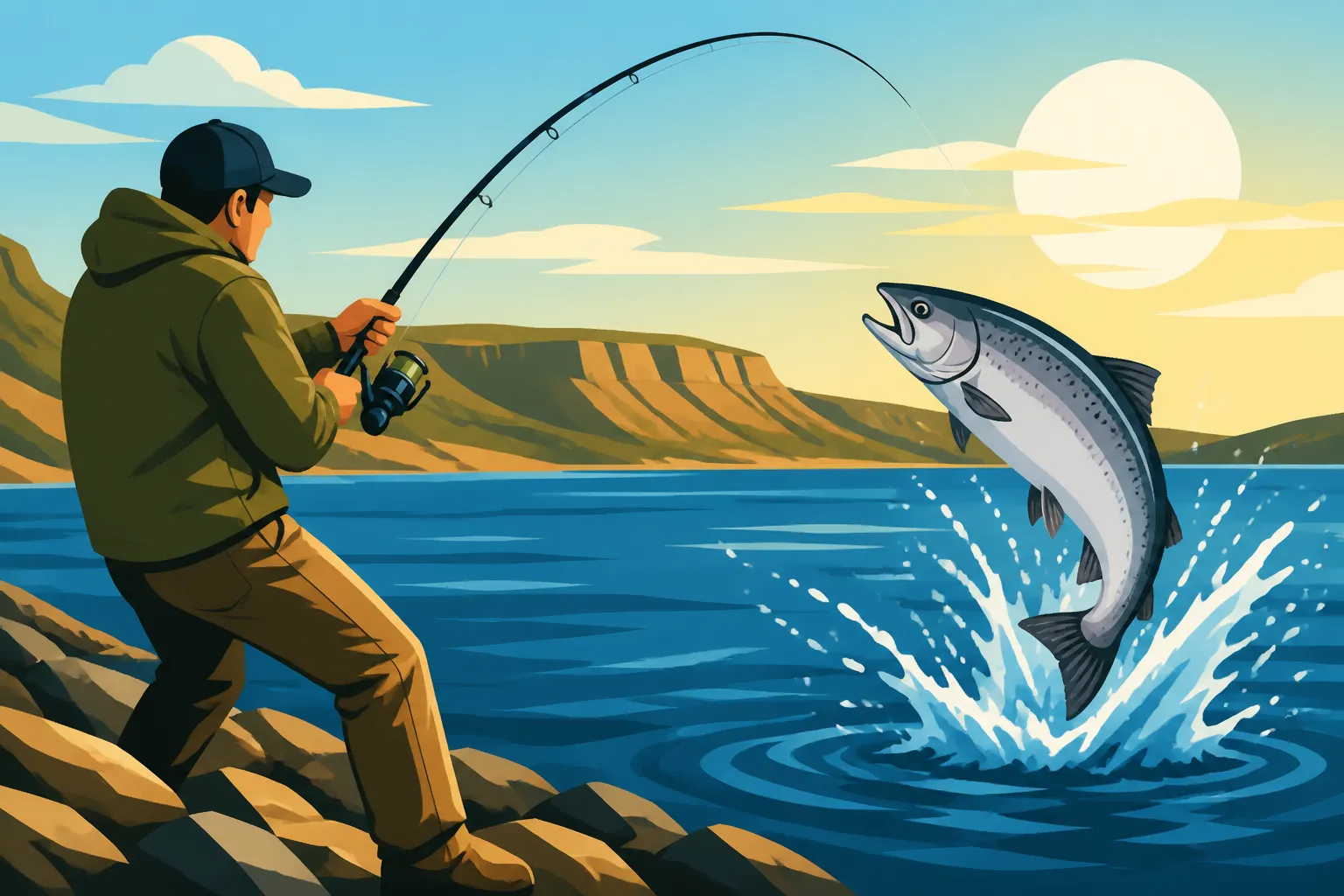
Hooking a Chinook salmon is exhilarating, but the fight is only half the battle; landing it safely is the other. When a salmon strikes, set the hook hard with a swift, upward sweep of your rod. Once hooked, keep your rod tip up, maintaining constant pressure to prevent the fish from throwing the hook or gaining slack line. Let the drag do its job. Do not try to horse a big salmon in; you'll likely snap your line or pull the hook.
Chinook are known for powerful, surging runs. When they run, let them take line, but be ready to regain line quickly when they pause or change direction. They might also jump or shake their heads violently, trying to dislodge the hook. Keep your rod tip slightly to the side to absorb these shocks. The goal is to tire the fish out gradually.
As the salmon gets closer to shore, guide it towards a clear, unobstructed area where you can use your landing net. Don't try to net a green (unspent) fish; wait until it's exhausted and floating on its side. Once in the net, secure it quickly. If you plan to release the fish, minimize handling, keep it in the water as much as possible, and remove the hook gently with your pliers. If you're keeping it, dispatch it quickly and humanely. For more on safe handling and keeping limits, consult the "South Dakota Chinook Salmon Regulations".
Timing Your Shore Salmon Expedition
Just like real estate, fishing is often about location, location, location, but timing is equally crucial, especially for migratory species like Chinook salmon. Hitting the water at the right time can drastically increase your chances of success from shore.
Best Time of Year and Day
As mentioned, the absolute best time of year for shore-based Chinook salmon fishing on Lake Oahe is the fall, specifically from late September through October and even into early November. This is when the salmon concentrate in specific areas for their "spawning" run, making them most accessible to shore anglers. Prior to this, they are typically scattered in deeper, cooler waters, making them much harder to target without a boat.
Within this fall window, the best time of day can vary. Often, early mornings just as the sun rises, and late evenings as the sun sets, are prime periods. These low-light conditions tend to make fish more active and willing to move into shallower areas. However, during the peak of the fall run, salmon can be caught throughout the day, especially on overcast or rainy days when light penetration is reduced. Sometimes, a strong mid-day bite can occur if a fresh wave of fish moves into the area.
It's also worth noting that weather fronts can influence activity. The days leading up to a cold front might see increased activity, while fishing can slow down immediately after a front passes. Monitoring water temperatures can also provide clues; a consistent drop into the 50s and low 60s Fahrenheit usually signals that the salmon run is getting serious.
Weather and Water Conditions
Weather and water conditions play a significant role in how and when salmon are caught from shore. Overcast days with a light chop on the water are often ideal. The reduced light penetration makes the salmon feel more comfortable in shallower water, and the chop breaks up the water's surface, making your lure appear more natural and harder for the fish to scrutinize.
Heavy winds can be a double-edged sword. A strong wind blowing towards shore can concentrate baitfish and salmon, but it can also make casting difficult and create too much slack in your line, hindering bite detection. Adjust your casting angles and lure weights accordingly. Clear, calm, sunny days can make salmon more wary, pushing them deeper or further offshore. On such days, longer casts and more subtle presentations might be necessary.
Water clarity is another factor. While salmon don't necessarily avoid clear water, extremely clear conditions can make them more cautious. Slightly stained or turbid water, often found after a rain event that introduces some runoff, can actually be beneficial, as it reduces visibility and makes the fish less spooky. However, excessively muddy water can shut down a bite entirely. Always observe the water conditions when you arrive and be prepared to adjust your tactics or even your location if necessary.
| Factor | Best Conditions for Shore Salmon Fishing | Considerations & Adjustments |
|---|---|---|
| Time of Year | Late September – Early November | Peak fall run, pre-spawn congregations. |
| Time of Day | Early Morning, Late Evening | Low light, increased fish activity. Mid-day on overcast days. |
| Sky Conditions | Overcast, Light Rain | Reduces visibility for fish, makes them bolder. |
| Wind | Light to Moderate Chop, Shore-bound Wind | Breaks surface, pushes bait. Too strong: difficult casting. |
| Water Clarity | Slightly Stained | Less wary fish. Too clear: deeper presentations; too muddy: slow bite. |
| Water Temp | 50s to Low 60s F | Triggers migratory instincts. |
Important Regulations and Conservation
Fishing responsibly is paramount, especially when targeting prized species like Chinook salmon. Understanding and adhering to South Dakota's fishing regulations is not just about avoiding fines; it's about ensuring sustainable fishing for future generations.
South Dakota Fishing Regulations for Salmon
Before you even make your first cast, ensure you have a valid South Dakota fishing license. You can find comprehensive details in our "South Dakota Fishing License Guide". Once your license is in hand, it's crucial to familiarize yourself with the specific regulations for Chinook salmon on Lake Oahe. These regulations, which include daily limits, possession limits, and sometimes even size restrictions, are put in place by the South Dakota Game, Fish and Parks (GFP) to manage the fishery effectively.
The South Dakota GFP publishes an annual fishing handbook that details all regulations, including those for Chinook salmon. You can usually find a copy online on the GFP website or at local bait shops and GFP offices. Pay close attention to the "South Dakota Fish Limits and Size Restrictions" and the "South Dakota Chinook Salmon Regulations" specifically. Regulations can change, so always check the most current handbook before each fishing season. For example, the daily limit for Chinook salmon is typically one, but it's essential to confirm this.
Additionally, be aware of any specific rules for the area you are fishing. While Whitlock Bay is open for fishing, some parts might have unique access rules or restrictions, especially around the spawning station itself during operations. Ignorance of the law is never an excuse, and a conservation officer will not hesitate to issue a citation for violations.
Practicing Responsible Angling
Responsible angling goes beyond just following the rules; it's about ethical behavior and stewardship of the resource. If you plan to release any salmon, practice proper catch-and-release techniques. Minimize the time the fish is out of the water, handle it gently with wet hands, and use a de-hooking tool to remove hooks quickly and safely. Never drag a fish onto dry land if you intend to release it, as this can strip its protective slime coat and lead to infection.
Dispose of all your trash properly. Pack out everything you pack in, including discarded fishing line, bait containers, and food wrappers. Litter not only detracts from the beauty of Lake Oahe but can also be harmful to wildlife. Respect other anglers on the shore, giving them ample space and avoiding casting over their lines. A little courtesy goes a long way in ensuring everyone has an enjoyable experience.
Consider becoming an advocate for cold water fisheries in South Dakota. The Chinook salmon fishery on Lake Oahe is a unique and valuable resource, and it relies heavily on stocking efforts. Supporting conservation organizations and understanding the challenges faced by this fishery, such as invasive species or habitat concerns, helps ensure that future generations can also experience the thrill of catching these magnificent fish from shore. For any questions, reaching out to the GFP directly or looking up information through services like FishingBooker can offer valuable insight.
Disclaimer
Please note that fishing conditions, regulations, and access points can change. Always consult the official South Dakota Game, Fish and Parks (GFP) website or their current fishing handbook for the most up-to-date information before planning your trip. This guide is for informational purposes only and does not constitute legal advice.