Best Glacial Lakes for Ice Fishing
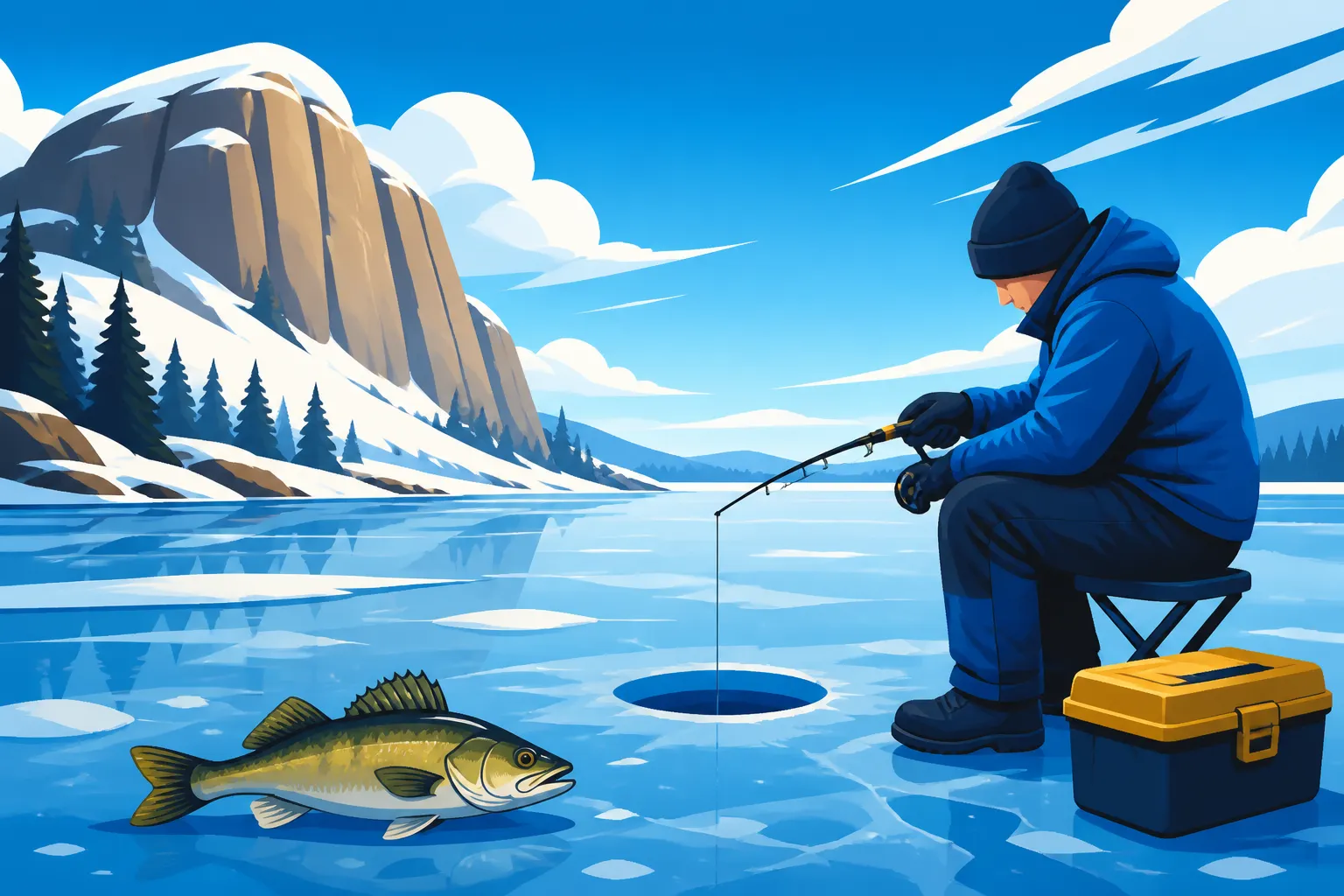
When the deep freeze grips South Dakota, many anglers might pack away their gear, but for a dedicated few, it's merely the signal for a different kind of adventure to begin. Ice fishing in the state's legendary Glacial Lakes region can be incredibly rewarding, offering a chance to pull trophy walleye, jumbo perch, and feisty northern pike through a hole in the ice. This guide is here to walk you through the very best glacial lakes for ice fishing, detailing what makes each spot special, what to expect, and how to maximize your chances of a successful and memorable hardwater trip.
The Glacial Lakes Region: A Winter Wonderland for Anglers
South Dakota's Glacial Lakes region, nestled in the northeastern part of the state, is a unique landscape forged by ancient glaciers. These vast sheets of ice carved out depressions that eventually filled with water, creating a network of shallow to moderately deep lakes that are teeming with life. In winter, when these lakes transform into expansive frozen plains, they become prime destinations for ice anglers seeking some of the Midwest's most exciting hardwater action.
Defining the Glacial Lakes: Formation and Characteristics
These lakes are characterized by their often fertile waters, relatively shallow depths in many areas, and abundant aquatic vegetation, which provides excellent habitat for baitfish and game fish alike. Unlike the deeper, reservoir-style fishing of the Missouri River system, glacial lakes often offer extensive shallow flats, points, and weed lines that become crucial ice fishing structures. The combination of rich forage bases and varied underwater topography makes these lakes incredibly productive, especially during the cold months when fish congregate in specific areas. The ice on these lakes forms reliably and often thicker than in other regions, making them a safer bet for extended ice fishing seasons, though always check local ice conditions before heading out.
Prime Species You'll Encounter
The stars of the show in the Glacial Lakes region are undoubtedly walleye and yellow perch. Walleye here can grow to impressive sizes, with strong year classes often providing excellent action. Perch, particularly the "jumbo" variety, are another huge draw, offering fast-paced fishing and delicious fillets. Beyond these two, you'll find healthy populations of northern pike, which provide thrilling fights, as well as crappie, bluegill, and even some largemouth bass in certain lakes. Knowing what you're targeting will help you dial in your presentation and pick the best spots. Whether you're after a meal of perch or a trophy walleye, the opportunities are abundant. If you're looking for more general information on how to target these species, our comprehensive guide on South Dakota Walleye Fishing Guide or South Dakota Perch Fishing Guide can provide deeper insights.
Top Glacial Lakes for Hardwater Action
Choosing a lake for your ice fishing adventure can be tough with so many great options. Each lake has its own character and specialties. Here's a rundown of some of the absolute best glacial lakes for ice fishing in South Dakota, highlighting what makes each one a winter favorite.
Lake Poinsett: Walleye and Perch Haven
Lake Poinsett, near Arlington, is consistently hailed as one of South Dakota's premier ice fishing destinations, particularly for walleye and yellow perch. Its vast expanse (over 8,000 acres) means there’s plenty of room for anglers to spread out, and its diverse structure, including numerous points, bays, and varying depths, holds fish throughout the winter. Anglers often find success on Poinsett by targeting main lake points and humps during low light conditions for walleye, and exploring shallower bays and weed edges for perch during the day.
The sheer size of Poinsett can be intimidating, but reliable areas often include the northern bays and the main lake basin. Look for areas where the bottom transitions from soft mud to harder gravel, or where subtle depth changes create current breaks. Drill plenty of holes and use a good fish finder to locate schools of active fish. The consistent stocking efforts by the South Dakota Game, Fish and Parks (GFP) contribute to robust fish populations, making Poinsett a reliable choice year after year. For specific insights, check out the Lake Poinsett Walleye Fishing Report.
Lake Kampeska: Diverse Opportunities Near Watertown
Located right on the edge of Watertown, Lake Kampeska offers incredible convenience along with fantastic ice fishing. This urban lake is well-known for its excellent walleye fishing, but also provides strong opportunities for jumbo perch, crappie, and northern pike. Its irregular shape, with many points, bays, and islands, creates a lot of fishable structure. The relatively deeper areas of Kampeska, especially near the old river channel, can be productive for walleye, while the shallower bays are often teeming with perch and panfish.
Access to Lake Kampeska is excellent, with numerous public access points and boat ramps that transition into convenient ice access points. Many local bait shops in Watertown can provide up-to-the-minute ice conditions and hot spots. Anglers often focus on the humps and points in the central part of the lake for walleye, using jigging spoons or rapala-style baits. For perch and crappie, don't overlook the shallower, softer-bottomed bays with remaining vegetation. The lake is also a popular spot for tip-up fishing, especially for pike near weed lines. Finding local expertise can make all the difference, and platforms like FishingBooker can help you connect with local guides who specialize in hardwater fishing on Kampeska. Dive deeper into its walleye potential with the Lake Kampeska Walleye Fishing Report.
Lake Thompson: The "Walleye Factory"
If walleye are your primary target, Lake Thompson, located a bit further south near Lake Preston, should be high on your list. Often referred to as a "walleye factory," this massive glacial lake (over 16,000 acres) has a reputation for producing both high numbers and large sizes of walleye, particularly during the ice fishing season. While it can be shallower in many areas, its expansive flats and subtle structure changes are key to finding concentrations of fish.
Lake Thompson's sheer size means that fish can be spread out, requiring anglers to be mobile and willing to drill many holes. Popular tactics involve covering vast flats with jigging spoons tipped with minnows, or deadsticking a minnow near the bottom. Early and late ice conditions are often the most productive, with walleye actively feeding in transition areas between shallow flats and slightly deeper basins. Keep an eye on the Lake Thompson Fishing Report for the latest insights into fishing patterns and productive areas. The lake's vastness also means that snowmobiles or ATVs are often essential for covering ground efficiently.
Bitter Lake: A Hidden Gem for Perch
For those specifically chasing yellow perch, Bitter Lake, situated near Waubay, is a true hidden gem. While it also holds walleye and northern pike, Bitter Lake shines particularly bright for its robust perch population, which often includes impressive jumbo specimens. It's a shallower, more bowl-shaped lake in many respects compared to its larger counterparts, but its fertile waters and abundant invertebrates provide an ideal environment for perch growth.
Ice fishing on Bitter Lake often involves targeting large schools of perch that roam the main basin, often suspending slightly off the bottom. Small jigging spoons or tiny tungsten jigs tipped with wax worms or plastics are incredibly effective. Patience and a good fish finder are crucial for locating these nomadic schools. Bitter Lake can be prone to strong winds, so a good ice shelter is often a wise investment for comfort and staying on the fish. While perhaps not as famous for walleye as Poinsett or Thompson, the perch action here can be truly phenomenal, making it a must-visit for panfish enthusiasts.
Essential Ice Fishing Strategies for Glacial Lakes
Success on the ice, especially on South Dakota's glacial lakes, comes down to a blend of preparation, understanding fish behavior, and adapting to conditions. It's not just about drilling a hole; it's about knowing where and how to fish it.
Reading the Ice and Finding Fish
Safety is paramount when ice fishing. Always confirm ice thickness before venturing out, remembering that "no ice is 100% safe." A minimum of 4 inches of clear, solid ice is generally recommended for foot travel, with more needed for ATVs or snowmobiles. Our guide on How Thick Ice Should Be Before Fishing in South Dakota offers detailed safety guidelines. Once on safe ice, the next challenge is locating fish. Glacial lakes often have vast expanses, so relying on technology like a fish finder (flasher or LCD unit) is crucial. Look for transition areas, subtle depth changes, remnants of green weeds (especially early in the season), and main lake points or humps. Don't be afraid to drill many holes; the most successful ice anglers are often the most mobile.
Fish activity often peaks during low light conditions – early morning and late afternoon – particularly for walleye. During midday, perch and crappie might be more active, often found in shallower water or suspending. Pay attention to local reports and structure. A good starting point is usually near established ice trails or groups of shacks, but be willing to explore beyond the crowds if you're not finding success.
Go-To Baits and Lures
For walleye in the Glacial Lakes, a variety of baits and lures can be effective. Jigging spoons (like Northland Buck-Shot Rattle Spoons or Clam Rattlin' Blade Spoons) tipped with a minnow head or a whole minnow are perennial favorites. Rattle baits (e.g., Rapala Rippin' Rap) are excellent for calling fish in, especially in stained water. Deadsticking a live minnow under a bobber in a separate hole near your jigging hole is often a deadly tactic.
For perch, smaller is usually better. Tungsten jigs (like Custom Jigs & Spins Chekai or Clam Drop-Kick Jigs) tipped with wax worms, spikes, or small plastics are incredibly effective. These tiny jigs get down quickly and offer subtle presentations. Crappie will often hit similar small jigs, sometimes preferring a horizontal presentation or a small minnow. For northern pike, larger dead baits (suckers or smelt) set under a tip-up near weed lines or structure are the ticket, providing an exciting flag-popping experience. Remember to keep your baits fresh and your hooks sharp, as these small details can make a big difference.
Planning Your Glacial Lakes Ice Fishing Adventure
A successful ice fishing trip involves more than just knowing where to drill holes and what bait to use. It's about being prepared for the elements and understanding the local rules.
Licenses and Regulations
Before you even think about hitting the ice, ensure you have the appropriate South Dakota fishing license. For most adults, this will include a general fishing license, and often a South Dakota Habitat Stamp. You can purchase these easily online through the South Dakota Game, Fish and Parks website, or in person at various vendors across the state, including many bait shops and sporting goods stores. Our South Dakota Fishing License Guide is a great resource to help you understand all the requirements.
It's also crucial to familiarize yourself with the specific fishing regulations for the lakes you plan to visit, as limits and special rules can vary. The South Dakota Fishing Regulations Explained guide provides a comprehensive overview, but always double-check the current GFP fishing handbook. Pay close attention to daily and possession limits for walleye, perch, and pike, as well as any length restrictions. Abiding by these rules helps ensure the sustainability of these fantastic fisheries for future generations.
Finding a Local Guide or Outfitter
While DIY ice fishing can be incredibly rewarding, especially for newcomers to the region or those looking to maximize their limited time, consider hiring a local guide or booking an outfitter. These professionals possess invaluable knowledge of current conditions, hot spots, and effective techniques, and often provide all the necessary gear, including heated shelters, augers, and bait. They can significantly cut down on your learning curve and increase your chances of success.
For those planning a trip from out of state, or simply wanting to experience the best the Glacial Lakes have to offer without the hassle of bringing all your own gear, a guided trip is an excellent investment. Platforms like FishingBooker make it simple to find and book experienced ice fishing guides in the South Dakota Glacial Lakes region. They can connect you with guides specializing in everything from multi-day walleye trips on Lake Thompson to family-friendly perch outings on Lake Kampeska. This is especially helpful if you're new to the area and want to get on the fish quickly.
Disclaimer
Please note that fishing conditions, regulations, and ice thickness can change rapidly. Always check the latest reports from the South Dakota Game, Fish and Parks, local bait shops, or trusted online forums before heading out onto the ice. Safety should always be your top priority.