Best Public Fishing Access on the Cheyenne River
Trying to find great public fishing access along the Cheyenne River in South Dakota can feel like a real treasure hunt. So much of the land bordering this winding waterway is privately owned, leaving anglers wondering where they can actually wet a line without trespassing. This guide is here to cut through that confusion, showing you the best spots to access this often-overlooked river and what you can expect when you get there.
Understanding the Cheyenne River's Unique Fishing Landscape
The Cheyenne River is a true gem in South Dakota, but it's not like the big, easily navigable Missouri River reservoirs. It's a river with a lot of character, and understanding its different personalities is key to a successful fishing trip.
The River's Character and Fish Species
The Cheyenne River, stretching over 295 miles, originates in eastern Wyoming and flows through western South Dakota before joining the Missouri River in Lake Oahe. This journey means it changes dramatically along its course. In its upper reaches, especially as it comes off the Black Hills near Angostura Reservoir, you might find clearer, cooler waters that hint at its mountain origins. Here, it can even hold some trout species, especially where it feeds into or out of reservoirs.
As it winds its way through the vast prairies and iconic badlands, the river takes on a more untamed, wild character. The water often becomes muddier, especially after rain, and its banks can be steep, brushy, and challenging to navigate. This section, while remote, is absolutely teeming with life. We're talking about robust populations of channel catfish, which thrive in these warmer, turbid waters, and aggressive northern pike lurking in the slower, weedy backwaters. Smallmouth bass can also be found in areas with rocky structure, particularly where the current picks up.
The real transformation happens as the Cheyenne River nears its confluence with the Missouri River, forming a significant arm of Lake Oahe. Here, the river widens, deepens, and becomes a prime habitat for walleye, drawing them in from the main lake system. This lower stretch offers some of the most exciting and diverse fishing opportunities, often feeling less pressured than the main lake because it requires a bit more navigation to reach.
Navigating Access Challenges
Let's be honest: finding public access to many rivers, especially those that flow through vast agricultural or ranching lands, can be a headache. The Cheyenne River is no exception. A large portion of its banks are privately owned, and respecting those private property boundaries is paramount. It’s not just about being a good neighbor; it's the law. Many anglers get frustrated driving for miles, seeing promising water, only to realize there’s no legal way to get to it.
This is why focusing on known public access points, whether they are managed by the state, federal government, or specific recreational areas, is so crucial. While South Dakota law generally allows for fishing below the ordinary high-water mark on navigable rivers, proving navigability and accessing that water without crossing private land can be a complex issue. For the sake of clarity and legality, our focus here is on the established, undeniable public entry points. Always look for official signage and consult maps to ensure you’re on the right side of the fence. A little pre-trip research can save a lot of frustration and potential trouble.
Prime Public Access Points on the Cheyenne River
Now, let's get down to the brass tacks: where can you actually go? The Cheyenne River offers distinct fishing experiences depending on which section you access.
Cheyenne River Near Angostura Reservoir
In the southern Black Hills area, not far from Hot Springs, the Cheyenne River interacts closely with Angostura Reservoir. This region presents a unique blend of warm and cool water opportunities. The river here, especially upstream of the reservoir, might offer a chance at trout, particularly rainbow and brown trout, that have either migrated from the reservoir or are part of stocking efforts. As you get closer to and below the reservoir, the water warms up, and you’ll find species more typical of a prairie river.
The Angostura Recreation Area itself provides excellent public access to the reservoir, which the Cheyenne feeds. While not directly on the river for miles, this area often has designated spots where you can access the Cheyenne River as it enters or exits the reservoir. Look for public campgrounds, boat ramps, and day-use areas within the recreation area; these often have trails or shoreline access that leads to the river. You might find smaller, more secluded spots to wade or cast from the bank.
When fishing this stretch, think versatility. If you're targeting trout, light spin gear with small spinners or jigs, or even a fly rod, will be your best bet. For warm-water species like smallmouth bass, which love the rocky structure around the reservoir, crankbaits, jigs, and soft plastics work well. Keep an eye on local reports; the Angostura Reservoir Fishing Report can often provide clues about what's biting in the feeder river sections.
Public Lands Along the Badlands Stretch
This is where the Cheyenne River truly embraces its wild side, carving through the stunning, rugged landscape of the South Dakota badlands and the vast expanses of the Buffalo Gap National Grassland. Finding access here requires a bit more effort and a good map, but it can reward you with incredible solitude and fantastic fishing for certain species.
The Buffalo Gap National Grassland, managed by the U.S. Forest Service, contains numerous parcels of public land that abut the Cheyenne River. These areas are generally open to public access, but you'll need to pay close attention to land ownership maps (available from the Forest Service or online mapping apps like onX Hunt, which clearly delineates public and private boundaries). Access roads might be gravel, dirt, or even two-track trails, and conditions can vary widely, especially after rain, when roads can become impassable.
Fishing this stretch is primarily a bank-fishing or float-tube/kayak adventure, though some areas might be too shallow or muddy for even a kayak at certain times of the year. Here, your main targets will be robust channel catfish and aggressive northern pike. For catfish, simple bottom rigs with cut bait, worms, or stink baits are highly effective. You might even stumble upon some impressive flathead catfish in deeper holes. For pike, casting large spinnerbaits, spoons, or even live bait (where legal) near any submerged vegetation or slow current areas can be productive. Remember that South Dakota Catfish Limits and Size Rules apply, so make sure you're up-to-date on the regulations. You'll find that these fish are often less pressured than those in more accessible waters. If you're after pike, check out some Northern Pike Fishing Techniques for Weed Lines to really dial in your approach in these wilder waters.
Confluence with the Missouri River
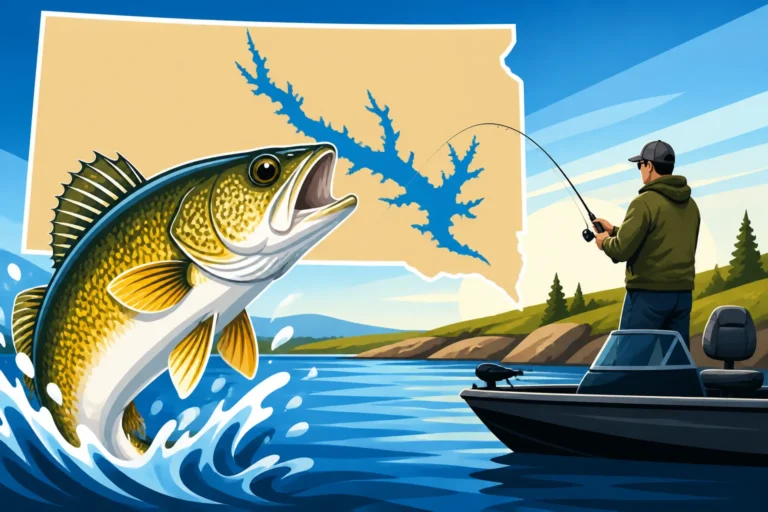
Without a doubt, the most popular and productive public access to the Cheyenne River is where it empties into Lake Oahe, one of the Missouri River reservoirs. This area, often referred to as the Cheyenne River arm of Lake Oahe, is a major hotspot, particularly for walleye and northern pike, but also for smallmouth bass and other species.
Access here is predominantly boat-oriented, with excellent ramps available on the main Lake Oahe that allow you to reach the Cheyenne River arm by water. Key access points include the Indian Creek Recreation Area, just south of Mobridge. This area boasts well-maintained boat ramps, campgrounds, and even some shoreline access. From here, you can motor directly into the expansive Cheyenne arm. Further south, other ramps along Lake Oahe will also give you access to this productive confluence zone, depending on water levels.
This is prime walleye country, especially during spring and fall. The influx of nutrients and baitfish from the Cheyenne River attracts massive numbers of walleye, making it a fantastic destination for anglers. Trolling with crankbaits or spinner rigs is a very popular and effective technique, as is jigging with live bait or plastics in deeper channels and along structure. Smallmouth bass will congregate around rocky points and submerged humps within the arm. You'll definitely want to check out resources like Cheyenne River Arm Walleye Fishing Tips to maximize your chances here. This area is so good, it's often highlighted as one of the best Lake Oahe Walleye Hotspots Near Mobridge. If you're considering a guided trip, this is a prime area where services like FishingBooker can connect you with experienced local captains who know these waters intimately.
| Access Point Area | Primary Fish Species | Recommended Techniques | Best Time of Year | Notes |
|---|---|---|---|---|
| Angostura Reservoir (Feeder/Outflow) | Smallmouth Bass, Trout, Crappie | Wading, Light Spin, Fly Fishing | Spring, Fall | Check for specific river access points within recreation area. |
| Badlands/National Grassland | Channel Catfish, Northern Pike | Bank Fishing, Kayak (remote), Cut Bait, Spoons | Summer, Early Fall | Very remote, require navigation skills and off-road capability. |
| Lake Oahe Confluence (Cheyenne Arm) | Walleye, Northern Pike, Smallmouth Bass | Boat Fishing, Trolling, Jigging, Casting | Spring, Fall | Excellent boat ramps, often busy, prime trophy potential. |
Essential Tips for Fishing the Cheyenne River
Fishing the Cheyenne River, especially its more remote stretches, requires a bit more planning and preparedness than hitting a well-known lake. But with the right approach, it can be incredibly rewarding.
Licensing and Regulations
This is non-negotiable, folks. Before you even think about casting a line, you must have a valid South Dakota fishing license. It's not just a piece of paper; it's what ensures the future of our fisheries. You can easily purchase your license online through the South Dakota Game, Fish and Parks (GFP) website or at various vendors across the state. Understanding the South Dakota Fishing License Guide is your first step.
Beyond the license, it’s absolutely critical to be familiar with the South Dakota Fishing Regulations Explained. These rules cover everything from daily limits and possession limits to legal bait and tackle restrictions. The Cheyenne River, like all waterways in the state, is subject to these regulations, and specific sections might have special rules, particularly near reservoirs or tribal lands. For instance, if you plan to fish on any tribal lands that border the Cheyenne River, you'll likely need a separate tribal fishing permit in addition to your state license. It's always best to check with the specific tribal office beforehand to ensure you're compliant. Don't forget to factor in the South Dakota Fishing License Costs when planning your trip; it's a small price for a great experience. Getting caught without the proper license or violating regulations can lead to hefty fines and confiscation of gear, so do your homework!
Gear and Preparedness
Given the varied nature of the Cheyenne River, a versatile fishing setup is your best friend. For the prairie and badlands stretches where you’ll encounter catfish and pike, a medium-heavy spinning or baitcasting rod (7-8 feet) with 15-30 lb braided line is a solid choice. This will give you the power to handle larger fish and pull them out of any snags. For the Lake Oahe confluence area, where walleye and smallmouth bass are more prevalent, a medium-action rod (6.5-7 feet) with 8-12 lb monofilament or fluorocarbon is more appropriate for finesse presentations and trolling.
Lure-wise, pack a variety. For catfish, bring plenty of circle hooks, weights, and your preferred cut bait, chicken livers, or dough baits. For pike, an assortment of large spoons (like Daredevils or Five of Diamonds), inline spinners, and swimbaits will do the trick. Walleye anglers will want jig heads (1/4 to 3/8 oz), soft plastic paddle tails, crankbaits that dive to various depths, and spinner rigs for live bait. For smallmouth bass, bring crayfish-imitating crankbaits, tubes, and Ned rigs.
Beyond fishing tackle, preparation for the environment is crucial. Sunscreen, a wide-brimmed hat, and polarized sunglasses are a must for sunny South Dakota days. Pack plenty of water, especially for the remote badlands stretches, and always carry a first-aid kit. Insect repellent will be your best friend during warmer months, especially near water. Cell service can be spotty in remote areas, so consider carrying a satellite communication device for emergencies. Knowing your location using a GPS or map app on your phone (with downloaded offline maps) is highly recommended. For those looking for a truly dialed-in experience, especially on the expansive Lake Oahe arm of the Cheyenne, using services like FishingBooker can help you find local guides who provide all the necessary gear and expertise for a successful and safe trip.
Respecting the Environment and Landowners
The wild beauty of the Cheyenne River is one of its greatest assets, and it’s our responsibility to keep it that way. Always practice "Leave No Trace" principles: pack out everything you pack in, and dispose of all trash properly. This includes discarded fishing line, bait containers, and food wrappers. Wildlife relies on a clean environment, and so do future generations of anglers.
When accessing the river, always be mindful of private property. Even if you're on public land, adjacent properties are often private. Look for fencing, no trespassing signs, or different colored land postings. If in doubt, err on the side of caution. Close gates behind you if you pass through them. If you encounter a landowner, a friendly wave and a brief, respectful conversation can go a long way in fostering good angler-landowner relations. We want to ensure that public access remains available, and being a responsible steward of the land and a respectful visitor is key to that.
Planning Your Cheyenne River Fishing Adventure
Getting the most out of your Cheyenne River fishing trip means thinking beyond just the tackle box. Timing, local insights, and a bit of planning can make all the difference.
Best Times to Visit
Just like any major fishery, the Cheyenne River has its prime seasons, largely dictated by fish behavior and weather patterns.
- Spring (April – May): This is often a fantastic time, especially for walleye and northern pike, as they become very active in the shallower waters of the Cheyenne River arm near Lake Oahe. Walleye move into these areas for pre-spawn feeding and then often remain to recuperate. Pike are also aggressive post-spawn. Water levels can be higher due to snowmelt, which can open up more access points but also make some roads muddy.
- Summer (June – August): As temperatures rise, the catfish bite really heats up in the prairie and badlands stretches. Night fishing for channel cats can be incredibly productive and a great way to beat the heat. Smallmouth bass will be active around rocky structure. The walleye in the Lake Oahe arm will move deeper, requiring different techniques like trolling or deep jigging. This is generally a great time for diverse species, but be prepared for heat and insects.
- Fall (September – November): Many anglers consider fall to be a truly magical time on the Cheyenne River, particularly for trophy walleye and aggressive northern pike. Fish are actively feeding to put on weight before winter, making them more susceptible to a wide range of presentations. The cooler temperatures also make for a more comfortable fishing experience. Trout fishing in the upper reaches near Angostura can also pick up as water cools. For a more general overview of patterns, you might find our guide on the Best Time of Year to Fish in South Dakota helpful.
Utilizing Resources and Local Knowledge
You don't have to go it alone! The South Dakota Game, Fish and Parks (GFP) website is an invaluable resource. Their site provides up-to-date information on fishing conditions, stocking reports, and detailed regulations. They also have various maps and publications that can help you pinpoint public lands and access points. It’s definitely worth a deep dive before you hit the road.
Beyond official channels, don't underestimate the power of local knowledge. Stop by small-town bait shops in communities near the Cheyenne River, such as Hot Springs, Interior, or Mobridge. These shop owners and their customers are often a treasure trove of real-time information: what's biting, what baits are working, and crucially, current water levels and road conditions for those trickier, more remote access points. They can tell you about secret spots (within public access, of course!) and steer you away from areas that aren't worth the effort at a given time.
If you're new to fishing the Cheyenne River, or if you're specifically targeting hard-to-find trophy species like walleye or northern pike in its more complex sections, consider hiring a local fishing guide. A good guide not only knows the nuances of the river and its fish but also understands the intricacies of public access and private property lines. They can save you countless hours of scouting and vastly improve your chances of a successful and safe trip. Websites like FishingBooker are excellent for connecting with highly-rated local guides who specialize in the Cheyenne River and the broader South Dakota Missouri River system. They know the best South Dakota Missouri River Fishing Techniques and can put you right on the fish, making your adventure much more enjoyable. Finding a local expert who lives and breathes this river can turn a good trip into an unforgettable one.
Disclaimer
Please note that fishing regulations, access points, and environmental conditions can change. Always consult the official South Dakota Game, Fish and Parks (GFP) website or contact their offices for the most current information before planning your trip. This guide is for informational purposes only and does not replace official state resources.