Northern Pike Fishing Techniques for Weed Lines
It's incredibly frustrating, isn't it? You've got your heart set on reeling in a trophy northern pike, you know they're hiding in those lush weed beds, but you just keep getting hung up, losing expensive lures, or worse, losing the fish right at the boat. Trying to coax these toothy predators out of their leafy lairs without getting snagged is a challenge many anglers face. This comprehensive guide will cut through that frustration, offering proven techniques, essential gear recommendations, and seasonal insights to help you successfully target northern pike hiding in South Dakota's aquatic vegetation, turning those frustrating snags into triumphant catches.
Understanding Northern Pike and Their Weed Line Habits
Northern pike are truly remarkable fish, known for their aggressive strikes and powerful fights. But to consistently catch them, especially within the dense cover they favor, you first need to understand why they're there and how they utilize their environment. It’s not just random; there’s a method to their madness.
Why Pike Love Weeds: Ambush and Forage
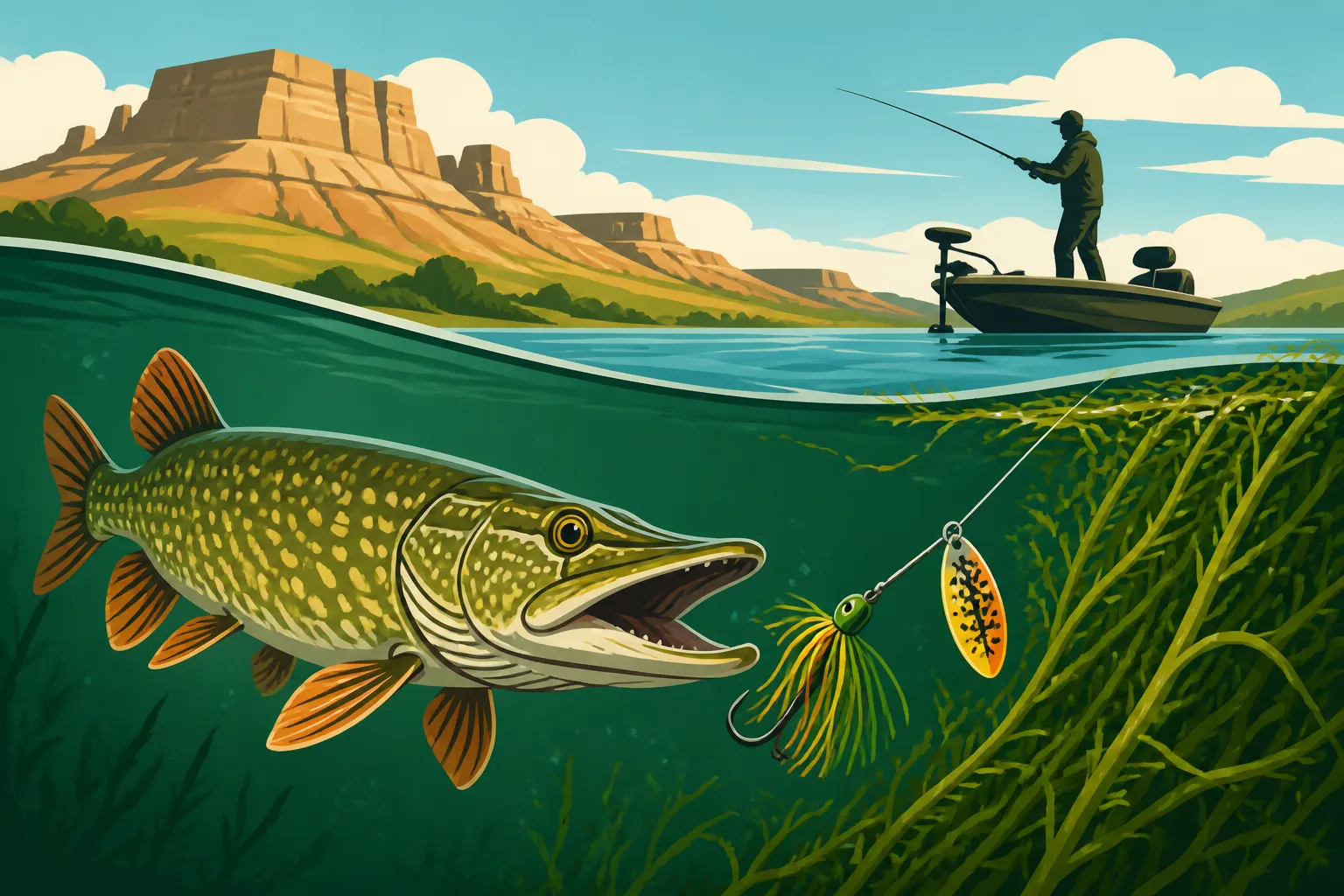
Think of a northern pike as a perfectly camouflaged, lightning-fast predator waiting for an unsuspecting meal to swim by. Weeds are their ultimate natural fortress and hunting ground. These dense aquatic gardens provide incredible cover, allowing pike to remain hidden from both prey and potential threats. From the shallow, sun-drenched bays of Lake Poinsett to the expansive weed flats of Lake Kampeska, pike will use anything from the thickest stands of coontail to the sprawling lily pads to melt into their surroundings. They wait, motionless, before exploding into action.
Beyond just cover, weed lines are essentially bustling underwater cafeterias for pike. These areas are teeming with baitfish – think shiners, suckers, and various minnows – that seek refuge and food within the vegetation. Moreover, panfish like bluegill and crappie also call these weed beds home, providing another easy meal for a hungry pike. This abundance of forage means pike don't have to expend much energy to find food; they just set up an ambush point and wait. Understanding this fundamental relationship between pike, cover, and food is your first step to unlocking success.
Different types of aquatic vegetation offer varying levels of cover and ambush opportunities. Dense, tall weeds like milfoil or pondweed create thick walls where pike can hide deep inside, darting out to strike. Emergent vegetation, such as lily pads, offers overhead cover, shading the water and providing a cool, dark lair, especially on bright, sunny days. Even submerged weed beds, often invisible from the surface, can hold a significant number of fish, acting as underwater highways and feeding zones. Knowing these preferences helps you narrow down where to focus your efforts.
Identifying Productive Weed Line Structures
Not all weed lines are created equal. Just because there's a patch of green doesn't mean it's a pike hot spot. The key is to look for "structure" within the weeds themselves. Think about irregularities, breaks, or distinct edges that offer a pike a prime ambush point.
The most obvious and often productive structures are weed edges. These are the transitional zones where a dense weed bed meets open water. Pike will often patrol these edges, darting into the open water to grab a passing baitfish before retreating to safety. Casting parallel to these edges is a classic, highly effective technique. But don't just focus on the visible edges. Use your electronics to find submerged weed lines or humps covered in vegetation offshore; these often hold larger, less pressured fish. Pockets and lanes within a weed bed are also goldmines. These are small openings or pathways in otherwise dense vegetation. They act as natural ambush points, allowing a pike to lurk in the shadows and strike at anything moving through the lane. Making accurate casts into these small targets is crucial, so practice your pitching and flipping techniques.
Another overlooked aspect is how different weed types interact. A transition zone where, say, coontail meets northern milfoil can create a distinct edge or change in density that pike will utilize. Furthermore, consider the depth transitions. Weeds that grow along a subtle breakline or drop-off can be exceptionally productive, especially as the seasons change and pike adjust their depth preferences. Early in the season, shallow, newly emerging weeds in protected bays will hold fish. As summer progresses, pike may seek out deeper, cooler weed lines that still offer ample cover and forage.
Essential Gear for Weed Line Pike Fishing
Fishing for northern pike in weed lines is not for the faint of heart, nor for tackle that can’t handle the abuse. These fish are powerful, and the environment they inhabit is unforgiving on your gear. Having the right tools isn't just about catching more fish; it's about minimizing frustration and maximizing your chances of landing that lunker once it bites.
Rods, Reels, and Line for Heavy Cover
When it comes to battling a determined pike in a dense weed bed, you absolutely need robust tackle. Forget your light panfish setup; you're looking for serious backbone. A heavy power, fast action rod is paramount. I'm talking about something in the 7 to 8-foot range, rated for medium-heavy to heavy lures. This kind of rod gives you the leverage to rip a snagged lure free, the backbone to drive a hook through a pike's bony mouth, and the power to winch a thrashing fish (and a potential salad of weeds) out of the cover. Both spinning and baitcasting setups can work, but many experienced pike anglers prefer baitcasters for their added cranking power and control when pitching into tight spots.
Your choice of line is equally critical. For weed line pike, braided line is king. Its low stretch, incredible strength, and exceptional abrasion resistance make it ideal for cutting through vegetation and maintaining direct contact with your lure. I'd recommend a braid in the 30 to 65-pound test range. This might seem overkill, but when a 10-pound pike buries itself in a mat of weeds, you'll be glad for every pound of pulling power. While braid is fantastic, you'll still need a leader. Pike have incredibly sharp teeth, and they'll slice through straight braid or fluorocarbon like butter. A wire leader (often made of steel or titanium) is non-negotiable, usually 6-12 inches long. Alternatively, a heavy fluorocarbon leader (50-80 lb test) can work in clear water where fish are pressured, as it’s less visible, but be prepared for occasional bite-offs. If you're looking to upgrade your setup, you can find a wide selection of durable braided lines and wire leaders on platforms like Amazon.
Matching your reel to this power setup is crucial. You want a reel with a strong, smooth drag system that can handle the sudden surges of a pike. For spinning reels, look for models with robust gearing and a high line capacity. For baitcasters, a low-profile reel with a good gear ratio (6.1:1 to 7.1:1) will give you the retrieve speed needed to keep pace with a charging fish and quick hooksets. Ensure your reel is spooled tightly with that heavy braid to avoid line dig-in when fighting a fish or pulling free from weeds. These considerations are quite different from, say, choosing the right gear for a finesse approach to bass or even considering options like Best Fishing Rods and Reels for Walleye, where lighter lines and more sensitive rods often take precedence. For pike, it's all about brute strength and durability.
Lures Designed for Weedy Environments
The wrong lure in a weed bed is a recipe for disaster and lost tackle. The name of the game is weedless presentation. Luckily, there are plenty of excellent choices specifically designed to navigate the salad without getting hung up, yet still entice a pike to strike.
Spinnerbaits are absolute workhorses for weed line pike. Their single, upturned hook, often shielded by a wire frame and skirt, makes them surprisingly snag-resistant. They create a lot of flash and vibration, which pike adore, and can be retrieved at various speeds, from slow-rolling along the bottom to burning just under the surface. Different blade combinations (Colorado for thump, Willow for flash) allow you to adapt to water clarity and desired retrieve depth. Chatterbaits, or bladed jigs, are another fantastic option, combining the vibration of a crankbait with the weed-shedding ability of a jig. Their unique erratic action often triggers aggressive strikes. Don't forget weedless spoons, like the classic Johnson Silver Minnow or Dardevle. These metal spoons wobble enticingly and are surprisingly effective when twitched and retrieved over weed tops or dropped into pockets.
For soft plastics, larger paddle tail swimbaits rigged with a weighted screw-lock hook (often called a belly-weighted swimbait hook) are incredibly versatile. They have a natural swimming action and can be worked through medium-density weeds with minimal fouling. For really dense cover or emergent vegetation, hollow-body frogs and rats are phenomenal topwater baits. They skim over lily pads and thick mats, drawing explosive strikes from pike lurking below. Remember to ensure all your chosen lures have strong, sharp hooks. Pike have tough, bony mouths, and a weak hook will bend or fail, leading to heartbreak. And as we discussed, don't forget that wire leader—it's essential. While you might opt for subtle lures when learning Best Lures for South Dakota Walleye, for pike in weeds, you often want something aggressive and attention-grabbing. For a wide variety of these specialized pike lures, including some harder-to-find color patterns, checking retailers like Amazon can be quite beneficial.
Effective Techniques for Targeting Pike in Weeds
Once you've got the right gear in hand, it's time to put it to work. Fishing weed lines for pike isn't just about casting and reeling; it's an art form that requires precision, patience, and a willingness to experiment with retrieves.
Casting and Retrieval Strategies
Success in weed lines hinges on accurate casting. You need to be able to place your lure right on the edge of a weed bed, into a small pocket, or alongside a submerged stump without getting immediately snagged. Fan casting is your friend here. Start by casting parallel to a weed line, then make subsequent casts at slightly different angles, systematically covering the entire productive zone. Pay attention to how the wind or current might drift your boat, adjusting your cast angles accordingly.
The retrieve is where the magic happens. Pike are ambush predators, so you want to trigger that predatory instinct. For spinnerbaits, a slow-rolling retrieve just above the weed tops is often deadly. Let the blades spin and flash, teasing any lurking pike. With weedless spoons, a stop-and-go retrieve can be incredibly effective; let the spoon flutter on the pause, mimicking a wounded baitfish. When using soft plastics, an erratic jerk-pause retrieve can make them appear injured and vulnerable. Don't be afraid to experiment with retrieve speeds and cadences. One day pike might want a fast, aggressive presentation; the next, a slower, more subtle approach.
A crucial tactic, especially with spinnerbaits, Chatterbaits, or even some jerkbaits, is the "kill switch" pause. After a few cranks of the reel, simply stop for a second or two, letting the lure fall or flutter. Many times, a pike that has been following will strike during this pause, unable to resist the seemingly easy meal. When retrieving through denser areas, if you feel your lure pick up a bit of weed, a sharp snap or rip of the rod tip can often clear it without pulling the lure completely out of the strike zone. This aggressive "rip and pause" can also trigger a reactionary strike from an otherwise reluctant pike.
Working Weed Pockets and Lanes
While casting along the main weed edge is a good starting point, the real trophies often lurk deeper within the weed beds, in those hidden pockets and lanes. This is where precision and a different approach come into play.
Targeting specific openings within the weed beds requires short, precise casts. Instead of long, sweeping casts, you'll be making more pitches or flips, dropping your lure right into those small windows of opportunity. This is where a baitcasting setup often shines, allowing for more accurate presentations. Once your lure lands in a pocket, let it sink for a moment before starting your retrieve. Pike in these areas are often hunkered down, and they might need the lure to get directly into their strike zone. A jigging spoon or a heavy, weedless jig dropped vertically into a deep weed pocket can be incredibly effective, especially if you spot a fish on your electronics.
A reliable trolling motor is an invaluable tool for quietly navigating these intricate weed lines. Using a bow-mounted electric trolling motor, like a Minn Kota Terrova or Ultrex with GPS Spot-Lock, allows you to maintain your boat position precisely along the weed edge or work your way silently into the weed interior. This stealthy approach is crucial, as pike in shallow, clear weed beds can be easily spooked by a noisy outboard or even excessive movement in the boat. Use your trolling motor to slowly cruise along, identifying deeper cuts, isolated clumps, or subtle changes in weed density that might signal an ambush point. This quiet navigation is vital, whether you're chasing pike or even adapting some of the strategies from Trolling for Walleye on Lake Oahe to other species.
Topwater Action in Emergent Vegetation
There's nothing quite like the heart-stopping excitement of a northern pike blowing up on a topwater lure. This is especially true when fishing emergent vegetation like lily pads, cattails, or thick surface mats.
When pike are active and looking up, topwater lures can be incredibly productive. Hollow-body frogs and rats are king here. Their weedless design allows them to glide effortlessly over the densest cover. The goal is to walk them, twitch them, or just crawl them across the mat, imitating a small animal or amphibian struggling on the surface. Another great option is a buzzbait or a wakebait (like a prop bait), which creates a commotion on the surface that can call in pike from a distance. The key with topwater is to let the lure do the work and wait for that explosive strike.
One of the biggest frustrations with topwater pike fishing is often when a pike misses the lure. It's exhilarating to see the blow-up, but if they don't connect, don't despair! Often, the fish will come back for a second or even a third try. Resist the urge to immediately reel in. Instead, give the lure a slight twitch, let it sit for a moment, or make a very short, quiet cast back to the exact spot where the fish struck. Many times, that follow-up cast will trigger the fish to commit. Patience is key, as is a strong leader to handle the violent takes.
Seasonal Considerations for Weed Line Pike Fishing
Pike fishing in South Dakota's weed lines isn't a static game; their behavior and preferred locations within the vegetation change significantly throughout the year. Understanding these seasonal shifts is critical to consistently finding and catching them.
Spring and Early Summer: Shallow Water Opportunities
As the ice finally recedes from South Dakota's lakes and reservoirs (like Lake Sharpe or Angostura Reservoir), northern pike are among the first fish to become active. After a long winter and the rigors of spawning, they move into shallow water, seeking warmer temperatures and readily available food.
During spring and early summer, newly emerging weeds provide the perfect combination of cover and foraging grounds. Focus your efforts on protected bays, shallow flats, and shorelines that receive ample sunlight and warm up quickly. These areas will often have a mix of sparse to medium weed growth – think young coontail, pondweed, or even just some submerged brush beginning to green up. Pike will often be holding right on the edges of these nascent weed lines, ready to ambush any baitfish or panfish moving through. This is also a fantastic time to explore some of the more subtle weed patches in popular fishing destinations as highlighted in a Spring Fishing in South Dakota guide.
As water temperatures gradually rise, pike become more active but might still prefer a slightly slower presentation. Smaller to medium-sized spinnerbaits, weedless spoons, and soft plastic swimbaits retrieved at a moderate pace are often effective. Look for clear water where you can visually identify developing weed beds. As the weeds become denser, you'll want to start incorporating those weedless techniques we discussed. Early season pike are often aggressive, but not always willing to chase a fast-moving lure far, so a well-placed, subtle presentation can make all the difference.
Mid-Summer: Deeper Weed Lines and Thermoclines
When the South Dakota summer truly kicks in, and surface water temperatures soar, northern pike often make a strategic retreat. While some smaller, more aggressive pike might remain in the shallower, denser weed mats, the larger, older fish will often seek cooler, more stable water.
This means you'll need to shift your focus to deeper weed lines and offshore submerged weed beds. These can be found on humps, points, or along drop-offs, often adjacent to or just above the thermocline (the layer where water temperature changes rapidly). Your boat's electronics become invaluable here. Use your sonar to locate these underwater weed beds and identify their edges or any breaks within them. Pike will use these deeper weeds for both cover and to ambush the baitfish that also seek refuge in the cooler water. If you're struggling to find fish, remember that understanding Deep Water Summer Fishing Techniques can sometimes reveal hidden pike holding deeper than you expect.
Fishing through fully grown, thick summer weeds can be challenging. This is where heavy braided line and extremely weedless lures really earn their keep. Punching through thick mats with heavy jigs or working topwater frogs over dense lily pads are highly effective strategies for shallow-water summer pike. For those holding deeper, try vertically jigging heavy spoons or large swimbaits into openings or along the deeper edges. Remember that pike can become lethargic in extremely warm water, so sometimes a slower, more persistent approach is needed to coax a strike.
Fall Fishing: Pre-Winter Feeding Frenzy
Fall is a truly magical time to chase northern pike in South Dakota, particularly within weed lines. As water temperatures begin to drop, pike, much like many other predatory fish, enter a period of intense feeding to pack on weight for the coming winter.
During the fall fishing season, pike become incredibly active and often very aggressive. While the weed beds might be starting to die off, those that remain green and healthy become prime real estate. Focus on the outer edges of these dying weed beds, especially where they meet deeper water or a channel. Any remaining dense pockets of green weeds will likely hold multiple fish. The baitfish are also schooling up in preparation for winter, often congregating around these remaining healthy weed lines, which in turn draws in the pike. You might even find success along the same locations where you would look for a good Fall Fishing in South Dakota walleye bite.
This is the time to throw larger baits and employ more aggressive presentations. Big spinnerbaits, large crankbaits that dive to the weed tops, or substantial soft plastic swimbaits can all be highly effective. The cooler water also means pike have more energy, so they're often willing to chase a fast-moving lure. Don't be afraid to cover water quickly, fan casting around any promising weed structure. The colder water also means pike might hold deeper within the weeds or relate more closely to the bottom, so adjust your retrieve accordingly. This pre-winter feeding frenzy can offer some of the best trophy pike opportunities of the year.
Navigating Weedy Waters and Handling Pike
Fishing in weed-choked waters presents unique challenges beyond just hooking the fish. From silent boat control to safely handling a toothy predator, knowing how to navigate these situations will enhance your success and ensure the well-being of both you and the fish.
Boat Control and Stealth in Weed Beds
Effective boat control is absolutely paramount when you're working weed lines. You don't want to be fighting the wind or current while trying to make precise casts into small weed pockets. This is where a bow-mounted electric trolling motor becomes your best friend. Modern GPS-enabled trolling motors, like the Minn Kota Terrova or Ultrex, allow you to use features like "Spot-Lock" to hold your boat in place even in windy conditions, freeing you up to focus on fishing. They also provide quiet propulsion, which is crucial for not spooking wary pike in shallow, clear water. Consider checking out Amazon for essential trolling motor accessories and even boat covers to protect your investment.
A stealthy approach is non-negotiable. Pike, especially in clear water or areas with heavy fishing pressure, are easily spooked. Approach weed beds from a distance, using your trolling motor on a low setting, or even paddling silently if you're in a kayak or canoe. Avoid banging tackle boxes or making loud noises in the boat. Make casts from a distance, allowing your lure to land softly on the water, minimizing disturbance. Often, the fish closest to your boat will be the first to flee, so extending your casting range can sometimes yield better results. When considering options for a new vessel, think about Best Boats for South Dakota Reservoir Fishing and how their design might aid in navigating shallower, weedier waters compared to their open-water capabilities.
Managing your boat position relative to the wind and current is also key. If you're drifting, try to drift parallel to the weed line, allowing you to make repeated, consistent casts into the target zone. If you have a GPS trolling motor, set a course to follow the weed edge automatically. This level of boat control significantly improves your presentation quality and reduces the time you spend repositioning, allowing for more fishing and less frustration.
Safely Handling Your Catch
Catching a northern pike is exciting, but handling one requires caution and the right tools. Their mouths are a formidable arsenal of razor-sharp teeth, and a careless mistake can lead to a painful injury.
The absolute most important tools for safe pike handling are long-nose pliers, jaw spreaders, and heavy-duty gloves. Never try to remove a hook from a pike's mouth with your bare hands. Long-nose pliers allow you to reach deep into their mouth to grab the hook, while jaw spreaders can be used to prop open their jaws, giving you safer access, especially if the fish is thrashing. Heavy-duty gloves (e.g., Kevlar-reinforced or specialized fishing gloves) offer an extra layer of protection if you need to grip the fish firmly. It's a critical part of practicing responsible angling, just like understanding your northern pike limits and size rules before deciding whether to keep or release.
For safely unhooking, especially with deeply hooked fish, try to keep the fish in the water as much as possible. This minimizes stress and damage to the fish. If you must bring it into the boat, cradle it horizontally, supporting its belly. Avoid lifting pike vertically by the gill plate or jaw alone, as this can damage their spine and internal organs. Once you have the fish secured, use your tools to quickly and carefully remove the hook. If the hook is too deep, consider cutting the line as close to the hook as possible rather than tearing at the fish's gills or throat, especially if you plan to release it.
When practicing catch and release, minimize the time the fish is out of water. A quick photo is fine, but get the fish back into the water as soon as possible. Hold it gently in the water, facing into any current, until it regains its strength and swims away on its own. Proper handling significantly increases the survival rate of released fish, ensuring that these incredible predators continue to thrive in South Dakota's waters for future generations of anglers to enjoy. Adhering to guidelines such as those found in South Dakota Fishing Regulations Explained helps ensure everyone contributes to healthy fish populations.
Pike Lure Selection for Weed Conditions
| Weed Density / Type | Recommended Lure Type(s) | Specific Examples / Notes | Retrieve Style |
|---|---|---|---|
| Sparse / Emergent | Hollow-body Frogs, Buzzbaits, Shallow Crankbaits | Booyah Pad Crasher, Strike King KVD Sexy Frog, War Eagle Buzzbait, Rapala X-Rap Pop | Walk-the-dog, slow crawl, steady retrieve (buzzbaits) |
| Medium Density / Edges | Spinnerbaits, Chatterbaits, Weedless Spoons, Swimbait Jigs | Terminator T1, Z-Man Chatterbait, Johnson Silver Minnow, Keitech Swing Impact Fat (on weighted swimbait hook) | Slow roll, stop-and-go, erratic jerks, steady retrieve |
| Dense / Submerged Mats | Punch Rigs (heavy jig/soft plastic), Heavy Jigs, Flukes | Tungsten weight (1 oz+) with creature bait, Berkley Powerbait Power Jig, Zoom Fluke (Texas rigged with heavy weight) | Punch through, jig vertically in pockets, rip-and-fall |
| Deep Weeds / Drop-offs | Deep-diving Crankbaits (contacting tops), Jigging Spoons | Rapala DownDeep Husky Jerk (tuned to run over tops), Acme Kastmaster, Northland Buck-Shot Rattle Spoon | Crank down, rip-and-fall, vertical jigging |
| Weed Pockets / Lanes | Jig & Trailer, Bladed Jigs, Soft Jerkbaits (weedless) | Strike King Bitsy Bug (with small trailer), Z-Man SlingBladeZ, Zoom Super Fluke (rigged weightless or lightly weighted) | Pitch & pause, short jerks, slow retrieve with pauses |
Disclaimer
Fishing inherently carries risks, including but not limited to adverse weather, injury from hooks or fish, and boating accidents. Always prioritize safety by wearing a personal flotation device, checking weather conditions, and informing others of your fishing plans. Be sure to consult the most current South Dakota Game, Fish and Parks regulations before heading out, as rules and limits can change. The information provided in this guide is for informational purposes only, and individuals should exercise their own judgment and caution when fishing.