Catfish Fishing Techniques for Muddy Rivers
Muddy rivers can be incredibly frustrating for anglers. You arrive at your favorite fishing spot, only to find the water resembling chocolate milk, and suddenly all your usual tactics seem useless. But don't despair! Catfish are built for these conditions, and with the right approach, those murky waters can actually be your secret weapon. This guide will delve deep into specific catfish fishing techniques for muddy rivers in South Dakota, helping you turn challenging conditions into trophy opportunities.
Understanding the Unique Challenge of Muddy Rivers
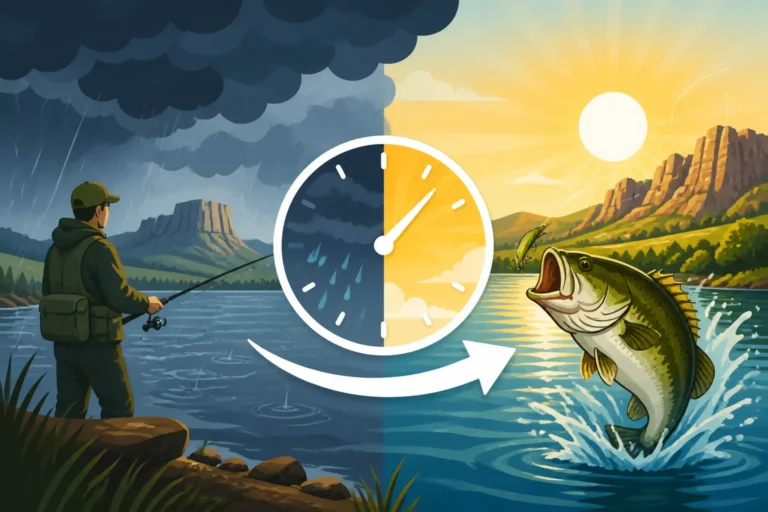
When the rain hits hard or a strong spring runoff swells the rivers, South Dakota's waterways like the Missouri, James, and Big Sioux can quickly turn a murky brown. Many anglers see this as a sign to pack up and go home, but for catfish enthusiasts, it's often an invitation. However, successful fishing in these conditions requires a fundamental understanding of why rivers get muddy and how catfish react to it. It's not just about visibility; it's about water chemistry, current changes, and fish behavior.
Why South Dakota Rivers Get Muddy and What It Means for Fish
The primary culprit behind muddy river conditions is increased runoff, often from heavy rains or rapid snowmelt. This influx of water picks up sediment, silt, and organic matter from the surrounding landscape, carrying it into the river systems. When these particles are suspended, they drastically reduce water clarity, making it nearly impossible for sight-feeding fish to locate prey. Think about trying to find a dropped key in a dark, dusty room – that's what a clear-water predator faces in a muddy river. This isn't just an inconvenience; it changes the entire ecosystem temporarily. The turbidity can affect oxygen levels in some areas, alter water temperature profiles, and even shift the location of baitfish.
For anglers, understanding the source of the mud can be crucial. Is it localized runoff from a recent thunderstorm that will clear quickly? Or is it a widespread, prolonged event like a major flood that will keep the river high and dirty for days or weeks? Monitoring local weather patterns and river gauges through resources like the National Weather Service or the South Dakota Game, Fish and Parks (GFP) website can provide invaluable insights. This knowledge helps you predict how long conditions might last and where the clearest water (if any) might be found, even in a generally muddy system. Remember that heavy rains far upstream can cause conditions to change even if it hasn't rained locally, so staying informed about the entire river system is important.
The fine particles suspended in muddy water don't just block light; they can also absorb heat differently than clear water, leading to subtle but important temperature shifts. This can be critical for fish, influencing their metabolism and where they choose to hold. Additionally, while overall oxygen levels might remain adequate, localized areas, especially those with heavy organic matter runoff, could see temporary dips. All these factors collectively influence how and where catfish will behave, making it essential for you, the angler, to consider these unseen variables.
How Catfish Adapt and Thrive in Low Visibility
Unlike many popular game fish that rely heavily on sight, catfish are uniquely equipped to thrive in murky environments. Their primary sensory tools are not their eyes, but rather their barbels, often called "whiskers." These barbels are covered in chemoreceptors, essentially taste buds, that allow them to "taste" and "smell" the water for food sources. They can detect incredibly minute particles of food and chemical signals from prey, even in pitch-black conditions or water so turbid you can't see an inch deep. This makes them perfectly suited for the low visibility of a muddy river.
Furthermore, catfish have an acute sense of smell, far superior to many other fish. They can home in on strong scents over long distances, which is a massive advantage when prey is hidden by sediment. This is why strong-smelling baits are often king when the water is dirty. Their lateral line system is also highly developed, allowing them to detect vibrations and pressure changes in the water, which helps them navigate and locate prey even when their vision is useless. Instead of being disadvantaged, catfish often become more active and confident in muddy water, as their superior senses give them an edge over less adapted prey and predators. This is a critical psychological shift for an angler to make: don't view muddy water as a problem, but as optimal catfish habitat.
In fact, many experienced catfish anglers actively prefer muddy water for targeting trophy fish, especially channel catfish and blue catfish. The reduced light penetration often means these fish are less wary and more willing to venture out from heavy cover during daylight hours. This expanded feeding window, combined with their sensory superiority, makes them formidable hunters in turbid conditions. By understanding and trusting these innate adaptations, you can adjust your mindset and approach, turning what seems like a difficult situation into a highly productive one.
Essential Gear for Muddy River Catfishing
Fishing muddy rivers isn't just about changing your bait; it often requires a slight adjustment in your gear setup too. The conditions can be tough on equipment, and you'll be dealing with strong currents, potential snags, and hard-fighting fish that use the murky water to their advantage. Having the right tools for the job can make all the difference between a frustrating outing and a successful one.
Rods, Reels, and Line for Tough Conditions
For serious muddy river catfishing, you'll want gear that can handle a beating and apply serious pressure when needed. Forget your ultralight panfish setup; we're talking about robust, heavy-duty tackle.
Rods: Look for medium-heavy to heavy action rods, typically 7 to 9 feet long. The longer length helps with casting heavier baits, absorbing powerful runs, and keeping your line above submerged obstacles. A good catfish rod will have a strong backbone to set hooks firmly in tough mouths and enough power to steer a big flathead or channel cat away from snags in strong current. Brands like Ugly Stik or Berkley often make durable, affordable options well-suited for this kind of abuse. For example, the Ugly Stik GX2 series offers excellent sensitivity for its power, which is important for detecting subtle bites in current. A longer rod also provides more leverage when fighting larger fish in strong currents, preventing them from burying themselves in snags.
Reels: Matching your rod with a reliable reel is key. Conventional baitcasting reels are often preferred for larger cats due to their cranking power and line capacity. Look for models with a smooth, powerful drag system that can withstand the surge of a big fish. Spinning reels can work for smaller channel cats, especially when casting lighter rigs from the bank, but for flatheads or trophy channel cats, a quality baitcaster with a high gear ratio (for quickly taking up slack) is ideal. Make sure whatever reel you choose has ample line capacity, as catfish can make powerful, sustained runs, especially in the open expanses of the Missouri River. A good reel will also have a sturdy frame and robust gears to withstand the pressure of heavy weights and strong fish.
Line: This is where many anglers make mistakes. In muddy water, line visibility is irrelevant, so focus on strength and abrasion resistance. Braided line is an excellent choice for the main line. Its lack of stretch provides superior sensitivity, helping you feel subtle bites even in strong current, and its incredible strength-to-diameter ratio means you can use heavier test lines without spooling out too quickly. For example, 30-60 lb braided line is common. Pair this with a heavy-duty monofilament or fluorocarbon leader (20-50 lb test) if you're worried about abrasion against rocks or debris. The stretch in mono can act as a shock absorber, preventing break-offs during powerful head shakes. You can find robust braided lines and leaders on platforms like Amazon from brands such as PowerPro or KastKing. If you're interested in understanding different line options, check out our guide on Best Line Weight for South Dakota Catfish.
Essential Terminal Tackle for Muddy Rivers
Your terminal tackle needs to be as robust as your rod and reel. Strong current, heavy baits, and powerful fish mean weak components won't last long.
Hooks: Forget flimsy, thin-wire hooks. You need heavy-gauge, sharp hooks that can penetrate a catfish's tough jaw. Circle hooks are highly recommended, especially when fishing with live or cut bait, as they are designed to hook fish in the corner of the mouth, leading to fewer gut hooks and easier releases. Sizes 3/0 to 8/0 are common, depending on your target species and bait size. For smaller channel cats, a 3/0 or 4/0 might suffice, while targeting a massive flathead could warrant an 8/0 or even larger. J-hooks are also viable, but require more precise hook sets, which can be challenging in strong current or with a big fish taking line rapidly. Ensure your hooks are chemically sharpened for the best penetration. For more detailed insights on hook selection, consider reading What Size Hook to Use for Catfish.
Sinkers/Weights: You'll almost always need heavier weights than usual to keep your bait stationary in strong currents. Pyramid sinkers, no-roll sinkers, and flat bottom weights are excellent choices because they dig into the bottom and resist being swept away. Weights ranging from 1 ounce up to 6 ounces (or even more in extreme current) are not uncommon, especially when targeting deep holes or fishing for long periods. It's wise to carry a variety of sizes to adapt to changing current speeds. Remember, the goal is to keep your bait in the strike zone, not to let it tumble downstream out of reach. In very strong currents, a slinky-style sinker made of paracord filled with lead shot can also be effective, as it's less prone to snagging.
Swivels and Leaders: Use high-quality, strong barrel swivels or ball bearing swivels to prevent line twist, especially when drifting or using rotating baits. Swivels should be rated for a higher breaking strength than your main line. A heavy-duty monofilament or fluorocarbon leader, typically 12-24 inches long, connects your hook to the swivel. This leader material offers better abrasion resistance against structure and can be easily replaced if frayed, saving your main line. A simple Carolina rig or a three-way swivel rig are popular choices for catfish, providing good presentation in current while minimizing snags. For more insights on specific setups, consider reading about How to Catch Catfish on the Missouri River. Don't skimp on swivel quality; a cheap swivel can be the weakest link in your entire setup.
Other Crucial Equipment
Beyond the basic rod, reel, and terminal tackle, a few other items can significantly improve your muddy river catfishing experience.
Rod Holders: When bank fishing in current, sturdy rod holders are absolutely essential. PVC pipe rod holders driven into the bank or heavy-duty metal spike holders can keep your rod secure from powerful tugs. Catfish bites can be violent, and an unsecured rod can quickly end up in the river. Having multiple rod holders allows you to set several lines, increasing your chances. It's also smart to choose rod holders that allow for easy rod removal during a sudden, powerful strike.
Headlamps/Lanterns: Catfish are often most active during low light conditions or at night, especially in murky water where their light sensitivity is less of a factor. A reliable headlamp or lantern is critical for baiting hooks, tying knots, and handling fish safely in the dark. Red-light settings on headlamps can preserve your night vision and are less likely to spook fish if you're casting near the water. For stationary fishing from a bank, a larger lantern can provide ambient light for your fishing area.
Net or Gripper: Landing a large catfish, especially a flathead, can be tricky. A sturdy, large-hoop landing net with a deep, rubberized mesh or a robust lip gripper (like a BogaGrip) can make the process safer for both you and the fish. Avoid nets with fine mesh that can damage fins or gills. Always prioritize handling fish carefully, especially if you plan to release them, using wet hands or gloves to protect their slime coat. For particularly large fish, a solid gaff (if legal in South Dakota for your target species) might be considered, but generally, a good net is sufficient for most cats.
Cooler and Ice: If you plan on harvesting some catfish for a delicious meal, a well-insulated cooler filled with ice is a must. Catfish meat is best when kept cold immediately after being caught. Don't let your prized catch sit out in the sun, especially in warmer months. Bleeding the fish immediately after capture can also improve meat quality. For tips on processing your catch, check out How to Clean a Catfish.
Pliers and Hook Remover: Catfish have tough mouths and sharp fins (pectoral and dorsal spines on channel cats can be painful!). Long-nose pliers or a specialized hook remover are indispensable for safely extracting hooks, especially deep-set ones, without putting your fingers in harm's way. This also helps ensure a quicker, less stressful release if you're practicing catch and release. A pair of sturdy wire cutters is also handy in case a hook is too deeply embedded or you need to cut a snagged line.
First-Aid Kit: Accidents happen, especially when dealing with sharp hooks, spines, and knives. A basic first-aid kit with bandages, antiseptic wipes, and pain relievers is a smart addition to any fishing excursion, particularly when fishing alone or in remote areas along rivers like the James River.
Locating Catfish in Murky Conditions
Finding fish is half the battle in any fishing scenario, but it becomes particularly challenging when you can't rely on visual cues. In muddy rivers, catfish don't just swim aimlessly; they use their superior senses to navigate and ambush prey in specific types of structure and current. Learning to "read" the river for these subtle indicators is paramount to success.
Current Breaks and Submerged Structure
Even in a raging, muddy river, catfish will seek out areas where they can expend less energy while still being in a prime ambush position. These are typically current breaks and submerged structures.
Current Breaks: These are areas where the main flow of the river is disrupted, creating slack water or eddies. Think about the downstream side of sandbars, points, bridge pilings, fallen trees, or even large rocks. Catfish will sit just out of the strongest current, allowing food to be swept to them without having to fight the flow constantly. This is a classic "sit and wait" strategy. Identifying these spots requires understanding how water flows around obstacles. Look for swirling water or calmer patches near turbulent areas. Casting your bait just into the seam where fast water meets slow water is often a deadly tactic. The food washes down the fast current, then eddies out into the calmer water where the catfish are waiting. The Missouri River, with its many sandbars and man-made structures from dams, offers countless such opportunities, often highlighted in guides like Missouri River Catfish Fishing Spots.
Current breaks are not just about finding slower water; they're also funnel points. As debris and potential food items are carried downstream, they often get caught in the eddies and slack water created by these breaks. This concentrates food in a smaller area, making it an efficient feeding ground for catfish. Pay attention to any topographical changes on the bank that might suggest underwater structure, such as a sharp bend in the river or an area where the bank is eroding rapidly, indicating fallen trees or rocks below. Using a heavy sinker to feel the bottom can also reveal changes in substrate or submerged features.
Submerged Structure: Fallen trees (snags), log jams, rock piles, old bridge debris, and even subtle changes in the riverbed contour (like drop-offs) all provide cover and ambush points for catfish. These structures break the current, offer protection from predators, and often hold baitfish seeking shelter. While you might not be able to see them in muddy water, look for clues on the bank, such as eroded sections where trees might have fallen, or use a depth finder if fishing from a boat. If you're bank fishing, try to visualize how the river bottom might look based on the surrounding topography. Catfish will often hold tight to the upstream side of cover to shield themselves from the current or directly within the structure itself, waiting for an unsuspecting meal to drift by. Patience is key when targeting these snags, as getting your bait into the "strike zone" without getting hung up can be a challenge.
Remember that structure in muddy water doesn't just offer cover; it also provides reference points for catfish navigating by their lateral line. The vibrations created by current flowing around submerged logs or rock piles can actually guide catfish to these areas. When fishing these spots, consider rigging your bait to be weedless or using a breakaway sinker setup to minimize snags. Sometimes, the best approach is to cast just upstream of the structure and let the current carry your bait naturally into the sweet spot, maximizing your chances while minimizing the risk of getting hung up.
Depth and Water Temperature Considerations
While visual cues are absent, depth and temperature still play significant roles in where catfish will hold in muddy rivers. They seek comfort and food, and these factors dictate their movements.
Depth: During periods of heavy runoff, the river often swells, and the water level rises. This can push fish into shallower, flooded areas near the banks, especially if these areas offer new food sources or cover like submerged grass. However, the deepest holes and channels in the river always remain important. In warmer months, catfish might retreat to these deeper, cooler pockets during the day and move shallower at night. Conversely, in colder conditions, deeper water offers more stable temperatures. In a muddy river, these deeper areas can also act as natural "funnels" where fish can intercept drifting food. Using a depth finder or simply mapping out the river with a few exploratory casts can help you identify these deeper channels and holes where catfish might be congregating. Don't be afraid to experiment with different depths until you find where the fish are holding.
Even a slight change in depth, like a transition zone from a shallow flat to a deeper channel edge, can concentrate catfish. These subtle contours act as highways and feeding lanes. If you're fishing from a boat, side-imaging sonar can be incredibly helpful for identifying these changes, even in murky water. For bank anglers, making casts at varying distances and noting where bites occur can help you mentally map the bottom contours and find productive depths.
Water Temperature: Catfish are cold-blooded, and their metabolism is directly influenced by water temperature. In muddy conditions, especially after heavy rains, the incoming runoff can drastically alter the water temperature. For instance, cold spring runoff can drop river temperatures, making catfish more lethargic and pushing them towards more stable, deeper waters. Conversely, warm summer rains can warm up the shallower areas, potentially making them more active. Pay attention to sudden temperature changes. Often, catfish will seek out areas where the temperature is most stable or where it provides a comfortable feeding zone. You might find them in warmer shallows after a cold front, or deeper, cooler water during a heatwave. A simple water thermometer can give you crucial insights into where the catfish might be most comfortable and active, helping you narrow down your search.
It's important to remember that fish will seek out their preferred temperature range. In a rapidly changing river, this might mean moving to areas where tributaries or smaller creeks flow in, potentially creating pockets of warmer or cooler, and sometimes even clearer, water. These confluence points can be hotspots for catfish, as they offer both temperature breaks and concentrated food sources.
Using Scent Trails and Vibrations to Your Advantage
Since sight is minimized, catfish rely heavily on their sense of smell and their lateral line to find food. As an angler, you can leverage these senses to draw them to your bait.
Scent Trails: This is arguably the most critical factor in muddy water catfishing. Your bait needs to emit a strong, attractive scent that can disperse through the murky water and be detected by catfish from a distance. Think of it like a bloodhound tracking a scent; the stronger the trail, the easier it is to follow. This is why natural baits, cut baits, and stink baits are so effective in these conditions. The strong odors they release create a "scent highway" for catfish to follow directly to your hook. Regularly refreshing your bait or using a bait that continuously leeches scent (like a punch bait or a dip bait) can keep this trail active and maximize your chances. The current also plays a role here – it carries your scent downstream, so consider casting upstream and letting the current disperse the scent cloud towards where you believe fish are holding.
The type of scent matters too. Catfish are scavengers by nature, so decaying organic matter, blood, and potent ferments are incredibly attractive. That's why baits like aged cheese, chicken livers, or strong commercial stink baits are so effective. The goal is not just to attract the fish that are already nearby, but to draw in curious catfish from a wider area, turning those murky conditions into an advantage for you.
Vibrations: The lateral line system of a catfish allows them to detect vibrations in the water, which helps them sense movement, navigate, and locate prey. While this isn't something you can actively control with your bait as easily as scent, certain bait presentations can capitalize on it. For instance, a struggling live baitfish will emit vibrations, as will a bait that's occasionally bumped or twitched by the current. Some anglers even incorporate rattles into their rigs, believing the subtle sounds and vibrations help attract curious catfish. More practically, the sound of your sinker hitting the bottom or dragging slightly can draw attention. While not as dominant as scent, understanding the importance of vibrations reinforces the idea that catfish use all their non-visual senses to hunt in murky conditions.
Consider using baits that have a bit of movement even when stationary, such as a piece of cut bait with a fluttering tail or a live baitfish that's actively swimming. These subtle movements can generate the necessary vibrations to alert nearby catfish to your offering. The goal is to make your bait as "loud" as possible to their non-visual senses, ensuring it stands out in the otherwise chaotic environment of a muddy river.
Top Techniques for Muddy River Catfish
Once you understand how catfish operate in muddy water and have your gear ready, it's time to talk tactics. While many traditional catfishing methods still apply, some are particularly effective when visibility is low and currents are strong. The key is to present your bait in a way that maximizes its scent dispersal and keeps it in the strike zone for as long as possible.
The Power of Bottom Rigs
When fishing for catfish in muddy rivers, getting your bait on the bottom and keeping it there is usually paramount. This is where bottom rigs shine. Catfish are predominantly bottom feeders, constantly scavenging the riverbed for food, and this behavior is only amplified when visual hunting is impossible.
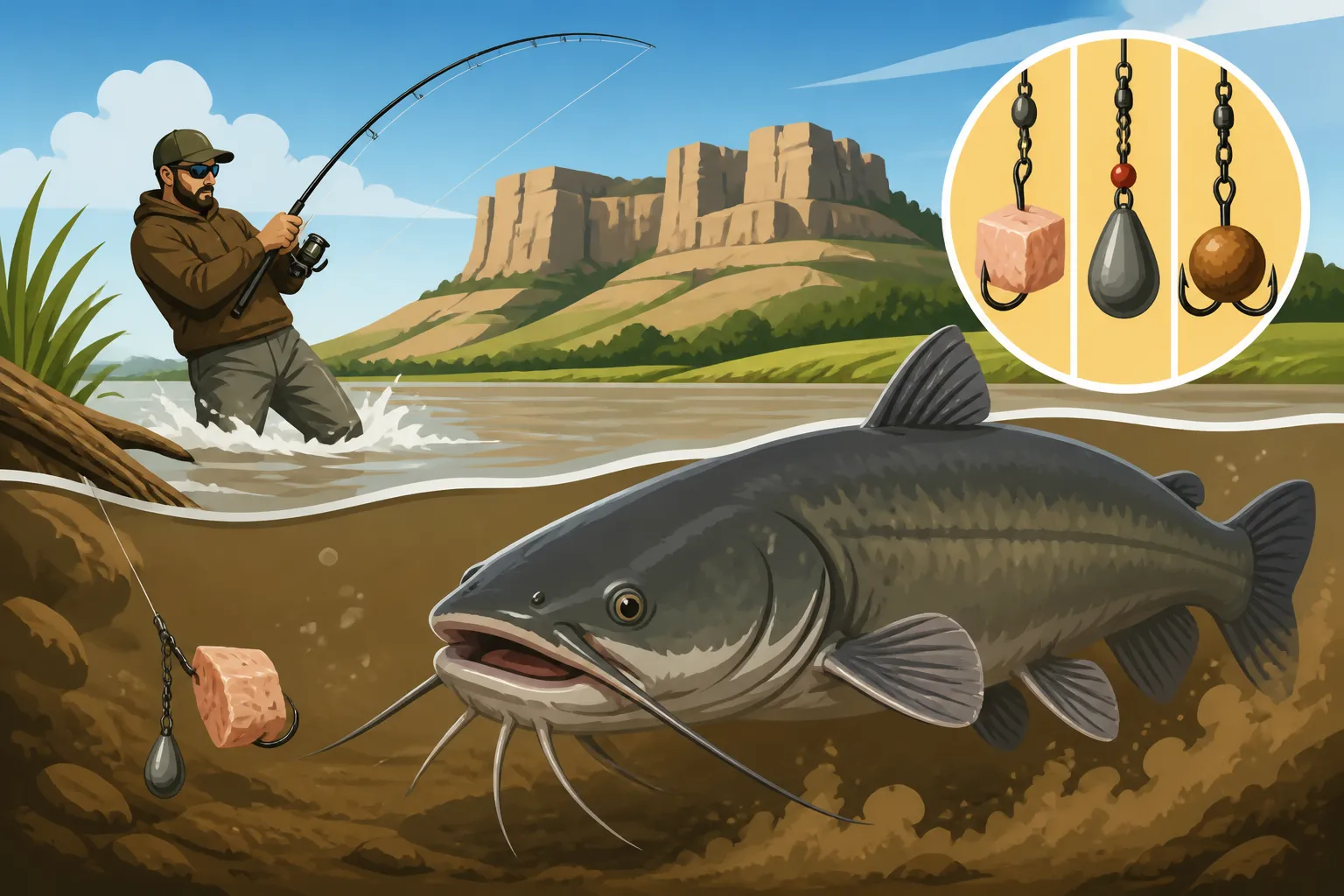
The Carolina Rig (or Slip Sinker Rig): This is perhaps the most popular and versatile rig for catfishing, and it's particularly effective in muddy rivers. It consists of an egg sinker (or similar slip sinker) sliding freely on your main line, followed by a bead (to protect your knot), a swivel, and then a leader (usually 12-24 inches) tied to your hook. The beauty of the Carolina rig is that the fish can pick up the bait and move away without feeling the full weight of the sinker, allowing for a more natural presentation and a better hook set. In muddy conditions, the freedom of the leader allows your bait to move enticingly with subtle currents, while the heavy sinker holds it in place. The bead creates a clicking sound against the sinker, which some anglers believe attracts fish.
To optimize your Carolina rig in current, experiment with leader length. A longer leader (up to 3 feet) can allow your bait to flutter more naturally, while a shorter one might be better for keeping bait tight to specific structure. Always use a strong, abrasion-resistant leader material, as it will be rubbing against the bottom. This rig is relatively snag-resistant compared to others, making it a good choice for fishing near submerged timber or rock piles that are common in rivers like the James.
The Three-Way Swivel Rig (or Santee Cooper Rig): This rig is fantastic for fishing in stronger currents and over snaggy bottoms. It uses a three-way swivel, with your main line tied to one eye, a leader to your hook tied to a second eye (often 12-18 inches) from a different eye, and a short leader (6-12 inches) tied to a sinker from the third eye. The advantage here is that the sinker line is sacrificial. If your sinker gets snagged, you often only lose the sinker, not your entire rig and the fish. This rig also allows your bait to float slightly off the bottom if you use a small float on your hook leader (like a peg float or Santee Cooper float), which can be excellent for keeping your bait above debris or presenting it at the eye level of cruising catfish. Both of these rigs ensure your scent-laden bait is right where the catfish are hunting. You can find pre-made versions or components for these rigs readily on Amazon.
When setting up a three-way swivel rig, ensure your sinker leader is lighter than your main leader. This ensures that if the sinker snags, the sinker leader breaks first, preserving the rest of your rig. The ability to keep your bait slightly off the bottom can be a game-changer in extremely silty or debris-laden rivers, preventing your bait from being buried or fouled. This rig is particularly effective when targeting active catfish that might be cruising just above the riverbed.
Drifting and Still Fishing Strategies
Depending on the river conditions and your target species, both drifting and still fishing can be highly effective techniques for muddy rivers.
Still Fishing from Shore or Anchored Boat: This is a fantastic and often overlooked method, especially when you've identified a prime catfish spot – perhaps a deep hole, a log jam, or a sharp current break. The strategy is simple: cast your weighted bottom rig to your chosen spot, tighten your line, and wait. The advantage in muddy water is that your stationary bait has time to release a strong scent trail, drawing in catfish from a distance. If you're fishing from a boat, anchoring slightly upstream from your target spot and casting back into it allows the current to carry your bait's scent directly downstream into the fish's holding area. Many anglers will set multiple rods with different baits or at varying depths to determine what the fish prefer on that particular day. Patience is a virtue here, as it may take time for catfish to locate your offering, but once they do, the bite can be aggressive. This technique is especially productive when targeting stationary ambush predators like flathead catfish, which often hold tight to structure.
When still fishing, it's crucial to have sturdy rod holders and to pay close attention to your rod tips. Even a subtle tap in strong current can be a large catfish investigating your bait. Using a bait clicker on your reel can alert you to bites if you're multi-rodding or taking a short break. Positioning your baits to create overlapping scent zones can also be highly effective.
Drifting: Drifting can be incredibly effective when you're trying to cover a lot of water or when catfish are more scattered. From a boat, you can let the current slowly carry your rig downstream, presenting your bait to different potential holding areas. This is often done by either back-bouncing (lifting and dropping your weight as you drift) or simply letting a heavy three-way rig bounce along the bottom. The movement of the bait can trigger reaction bites, and the constant travel spreads your scent trail over a wider area, potentially attracting more fish. When drifting, it's crucial to use just enough weight to maintain bottom contact without getting snagged too often. You can also deploy planer boards to spread your lines out if you're targeting specific areas, but typically for catfish, you want to stay in the deeper channels or near structure. For those fishing from the bank, a simpler form of drifting involves casting upstream and allowing your bait to naturally drift back down into a likely catfish holding spot, letting the current do the work. This can be particularly effective in areas where catfish might be spread out looking for food.
Successful drifting requires constant vigilance over your line and rod to distinguish between a bite and the bait simply bumping the bottom. This is where the sensitivity of braided line truly shines. Adjusting your drift speed using a trolling motor or by occasionally lifting your line to catch the current can help present your bait more naturally. Drifting can be especially effective for covering long stretches of river with consistent depth or bottom structure, giving you the best chance to encounter actively feeding fish. Understanding Missouri River Tailwater Fishing Techniques often involves refined drifting strategies.
Alternative Techniques: Jugging and Trotlines
For those looking to maximize their catch (within legal limits, of course!), techniques like jugging and trotlining can be highly productive in wide, muddy rivers. These methods allow you to present multiple baits over a broad area, capitalizing on the catfish's strong sense of smell.
Jugging: This exciting technique involves setting out multiple lines, each attached to a float (the "jug") and baited with a hook. The jugs are released into the current and allowed to drift, covering vast stretches of river. When a catfish bites, the jug starts to dance and move erratically, making for a thrilling pursuit. Because there's no rod and reel involved, jugging allows you to present baits at different depths and locations simultaneously. It’s particularly effective in big river systems like the Missouri River, where catfish are abundant and often dispersed. However, it's absolutely crucial to be aware of and adhere to South Dakota's specific regulations regarding jug fishing, including the number of jugs allowed, hook limits per line, and marking requirements. Improperly deployed or unmarked jugs can be dangerous to other boaters and violate local laws. Always check the current South Dakota Fishing Regulations Explained before attempting this method.
Jug fishing provides a unique advantage in muddy water by allowing baits to drift with the current, creating long, dispersed scent trails that can attract catfish from a significant distance. The erratic movement of a hooked fish on a jug is also a clear visual indicator that often adds to the excitement. It’s an active form of fishing that requires monitoring your jugs, often from a boat, and retrieving them promptly once a fish is hooked.
Trotlines: Similar to jugging, trotlines are designed to catch multiple fish, but they are stationary. A trotline consists of a main line stretched across a section of the river, anchored at both ends, with numerous baited hooks attached at intervals via snoods (short leader lines). This allows for extensive bait presentation in a targeted area. Trotlines are often set overnight or for several hours, maximizing the time baits are in the water. They can be incredibly effective in muddy rivers, as the multiple baits create a strong, continuous scent trail. Like jugging, trotlining is heavily regulated in South Dakota. There are strict rules on where they can be set, how they must be marked, the number of hooks, and attendance requirements. For example, some states require trotlines to be checked every 24 hours. Always consult the latest South Dakota GFP fishing handbook to ensure you are fishing legally and ethically. Both jugging and trotlining require a significant commitment to setup and monitoring but can yield impressive results when done correctly and responsibly.
Trotlines are particularly useful for anglers who want to target a specific piece of structure or a proven catfish hotspot with multiple baits over an extended period. The ability to customize hook spacing and bait types along the line means you can experiment with what the fish prefer in that particular location and condition. Just remember the emphasis on responsible and legal operation, as these methods can impact other river users if not managed correctly.
Bait Selection for Low Visibility Water
In clear water, a fish might inspect your bait visually before deciding to strike. In muddy water, that luxury is gone. Your bait must appeal to the catfish's superior senses of smell and taste. This means choosing baits that emit powerful, long-lasting scent trails and have a texture that catfish readily consume.
The Undisputed King: Natural Baits
When it comes to muddy river catfishing, natural baits that offer a strong, organic scent are often the most effective. These are the baits catfish encounter in their natural environment, and they're hardwired to respond to them.
Live Baits: For larger flathead catfish, live bait is often the preferred choice. Flatheads are predatory ambush feeders and prefer live, struggling prey. Small sunfish, bluegill, creek chubs, or other legally allowed baitfish (always check regulations for size limits and legal baitfish species in South Dakota) can be rigged alive on a circle hook and presented near submerged structure or in deep holes. The vibrations and distress signals from a live baitfish, combined with its natural scent, are irresistible to a hungry flathead. Presenting live bait on a Carolina rig or a three-way swivel rig that keeps it just off the bottom or near cover is usually the most effective approach. The key here is to keep your baitfish lively and healthy, so a good bait bucket with an aerator is essential.
When fishing live bait in muddy water, sometimes a slightly larger baitfish can be more effective as it creates more vibrations and a larger profile for the flathead to detect. Ensure your baitfish are robust enough to withstand the current and remain active on the hook for an extended period. Always check state regulations to confirm what species are legal for use as bait.
Worms: The humble earthworm, particularly a nightcrawler, is a classic catfish bait that continues to produce in muddy water. Worms emit a natural, earthy scent that catfish are accustomed to. A large wad of nightcrawlers on a hook can create a substantial scent plume and is often effective for channel catfish and even smaller flatheads. They are easy to acquire, relatively inexpensive, and consistently catch fish. You can find them at nearly any bait shop or even in your backyard after a rain. Hooking multiple worms or threading them onto the hook can create a bulkier, more enticing target. While not as "stinky" as some other options, their natural appeal and wiggly action can be very persuasive.
To make your worm presentation even more effective, consider adding a small, brightly colored float or bead to your leader just above the hook. While visual appeal is minimized, the added buoyancy can help suspend your worms slightly above the river bottom, making them more accessible and visible against a dark, muddy background, especially to a curious catfish investigating by touch.
Cut Bait: This is a powerhouse bait for channel and blue catfish in muddy rivers. Cut bait involves using pieces of fish (often oily species like shad, herring, or even smaller panfish) that have been cut into chunks or strips. The cutting process releases blood and internal fluids, creating an incredibly potent scent trail that disperses rapidly in the murky water. A fresh piece of cut bait, especially from a local baitfish, is often irresistible. The oilier the fish, the better its scent dispersal. For example, a slice of fresh shad on a hook is a top choice for targeting larger channel cats on the Missouri River. The size of your cut bait should match the size of the catfish you're targeting – smaller chunks for channel cats, larger steaks for trophy blue or flathead catfish. Some anglers even let their cut bait "sour" slightly (within reason and safety) to intensify the smell, though fresh is usually best. This bait type is extremely effective, as the strong scent mimics injured or dead fish, a natural food source for scavenging catfish.
When preparing cut bait, ensure your knife is sharp for clean cuts, maximizing the surface area that can release scent. Store cut bait on ice to keep it fresh and potent throughout your fishing trip. If you're using fish like carp, remember to remove any scales or tough skin if you find that it hinders hook penetration. For more information on different catfish species and their preferences, refer to our guide on Channel Catfish vs Flathead Catfish.
Prepared and Stink Baits
Beyond natural options, a whole category of baits is specifically engineered to exploit the catfish's incredible sense of smell. These are the prepared and "stink" baits, and they are incredibly popular and effective in low visibility conditions.
Punch Baits: These are thick, dough-like baits packed with potent attractants, designed to be "punched" onto a treble hook or a bait holder hook. The consistency allows them to stay on the hook in current, and they slowly release a powerful, often cheesy or fishy odor. Brands like Catfish Charlie or Sonny's Super Sticky are well-known examples. The beauty of punch baits is their longevity on the hook and their continuous scent release. They are particularly effective for channel catfish. To use them, you simply "punch" your hook into the container, coating it thoroughly. The stronger the current, the faster the scent disperses, but also the faster the bait might wash off, so checking and re-baiting regularly is a good practice.
Punch baits are incredibly convenient for bank fishing or when you're moving between spots, as they don't require refrigeration or complex preparation. Their unique consistency makes them messier than other baits, so consider bringing a dedicated "bait cloth" or a pair of disposable gloves. You can find a wide selection of punch baits available on Amazon, making them easily accessible for your next trip to the Big Sioux River.
Dip Baits: Similar to punch baits, dip baits are highly odorous, but they are typically thinner in consistency, requiring a specialized "dip worm" or sponge lure to hold them. The dip worm is lowered into the thick, pungent bait, absorbing the powerful scent. Once cast, the bait slowly leaches its smell into the water. Dip baits often feature unique, fermented ingredients that create an aroma that catfish find irresistible. Again, brands like Junnie's or Team Catfish are popular, and you can easily find them online or at local bait shops in South Dakota. They are messy to use, so having gloves or a dedicated bait tool is a good idea. The continuous, strong scent stream makes them exceptionally good for drawing catfish in from a distance in murky water.
The strength of dip baits comes from their highly concentrated formulas, which are designed to create an expansive scent plume in the water. This makes them ideal for situations where you need to attract fish from a long way off, such as in large, muddy river channels. Many anglers will "refresh" their dip worms every 15-30 minutes, or after every fish, to maintain peak scent dispersal.
Commercial Prepared Baits: Beyond punch and dip baits, there's a wide array of commercially prepared catfish baits available. These often come in pellet, chunk, or paste form and contain a mix of ingredients designed to attract catfish. They can include things like cheese, blood, fish meal, or other secret attractants. Many of these are formulated to be extra sticky or durable to withstand current. While not always as potent as fresh cut bait, their convenience and effectiveness make them a valuable addition to any muddy river catfisher's arsenal. When you're browsing for these, you'll often see specific formulations advertised as being "extra stinky" or "long-lasting" – these are the ones to gravitate towards when dealing with murky water. Always make sure to check out our broader Best Bait for South Dakota Catfish guide for even more options.
These prepared baits offer a fantastic alternative when live or fresh cut bait isn't readily available. Many are designed to be shelf-stable, making them great for keeping in your tackle box for impromptu trips. Their engineered scents can sometimes hit on a unique attractant profile that the catfish in your area simply can't resist, making them worth experimenting with.
Advanced Cut Bait Strategies and Considerations
While simple chunks of fish work great, there are ways to optimize your cut bait presentation for maximum effectiveness in muddy river scenarios.
Species Selection: Not all cut bait is created equal. The oilier the fish, the better. Species like shad, skipjack herring, suckers, and even common carp are excellent choices because their flesh releases a strong, oily scent that travels far in water. If you're using locally caught baitfish, make sure they are legal to use as bait and are fresh. Often, the freshest cut bait is the most potent. For the Missouri River, local gizzard shad or even small buffalo are excellent choices for channel and blue catfish.
Cut Size and Shape: Experiment with different sizes and shapes of cut bait. For channel cats, a strip or chunk about 1×2 inches is often perfect. For larger flatheads or blues, bigger chunks or even whole baitfish heads can be effective. Some anglers prefer "steaks" cut across the body, while others like slender strips that can flutter in the current. The goal is to maximize the exposed surface area for scent release while ensuring it stays securely on your hook. Smaller, thinner strips may release scent more quickly but also wash off the hook faster, while thicker chunks last longer but release scent more slowly. Find a balance that suits your specific fishing conditions.
Combining Baits: Don't be afraid to cocktail your baits! For instance, you might thread a small piece of hot dog or a commercially prepared bait onto a hook, then tip it with a piece of fresh cut bait. The combination can create a unique scent profile that catfish find irresistible. Another popular tactic is to inject cut bait with additional fish oils or attractants using a bait injector, further boosting its scent-emitting power. This is particularly useful for longer soaks or in areas with very strong currents where bait scent might dissipate quickly. The more diverse and potent the scent, the better your chances of getting a bite in those challenging, muddy conditions.
| Bait Type | Target Species | Scent Strength | Best For Conditions | Pros | Cons |
|---|---|---|---|---|---|
| Live Bait | Flathead, large Blue | Medium-High | Low visibility, structure | Natural movement, strong distress signals, preferred by flatheads. | Requires aeration, less effective for channel cats, harder to acquire |
| Cut Bait | Channel, Blue, Flathead | High | All muddy conditions | Extremely strong scent, versatile, can be tailored to size, attracts all cat species. | Can attract smaller "pecker fish," can be messy. |
| Nightcrawlers | Channel, smaller Blue | Medium | General muddy conditions | Natural, widely available, easy to use, catches various sizes. | Scent not as strong as cut/stink, can be eaten off hook easily. |
| Punch Bait | Channel | Very High | Slow to moderate current | Excellent scent, stays on hook well, convenient. | Can be messy, primarily for channel cats, can be less natural. |
| Dip Bait | Channel | Very High | Slow to moderate current | Extremely strong, targets specific olfactory senses, long-lasting scent trail. | Very messy, requires special "dip worms," primarily for channel cats |
| Prepared Pellets | Channel | Medium | All muddy conditions | Convenient, consistent, less messy than punch/dip. | Scent can be less potent, may not stay on hook as well in strong current |
Safety and Other Critical Considerations on Muddy Rivers
Fishing muddy rivers isn't just about catching fish; it's also about ensuring a safe and responsible outing. The very conditions that make these rivers prime catfishing spots—strong currents, reduced visibility, and abundant debris—also present unique hazards. A seasoned angler knows that preparedness and awareness are just as important as the right bait and tackle.
Navigating Hazardous River Conditions
Muddy rivers often mean higher water levels and stronger currents, which can make navigation dangerous, especially for those unfamiliar with the waterway.
Currents and Debris: The increased flow associated with muddy conditions can create powerful currents that are difficult to manage, even for experienced boaters. Watch for "boils" or eddies that indicate submerged obstacles. Furthermore, high water often carries a lot of debris – fallen trees, logs, branches, and even man-made trash – which can become serious navigation hazards. These floating or submerged obstacles can damage your boat, foul your propeller, or even create dangerous situations if you collide with them. Always maintain a vigilant lookout, proceed with caution, and wear your life jacket. If you're in a smaller craft like a kayak or canoe, consider if the conditions are truly safe for your vessel. The Missouri River, particularly below dams, can have incredibly powerful currents that demand respect. Understanding South Dakota Boat and Water Access Rules is also essential for safe navigation.
Never assume a familiar stretch of river is safe in high, muddy water. The current can carve out new channels, deposit new snags, and create powerful undertows that weren't there before. Always have a clear escape route planned if you are boating, and inform someone of your float plan. If you're kayaking or canoeing, always wear your personal flotation device (PFD) and consider bringing a whistle or air horn to alert others to your presence, especially in low visibility.
Bank Stability and Submerged Obstacles: For bank anglers, muddy conditions can mean unstable banks. Eroded sections, slick mud, and unseen drop-offs near the water's edge can pose a significant fall risk. Always test the ground ahead of you and be aware of your footing. The same debris that threatens boaters can also snag lines and hide dangerous underwater hazards for waders or those casting from shore. Never wade into water you can't see the bottom of, especially in a strong current, as you might step into a deep hole or onto a submerged log.
When exploring new bank fishing spots in muddy conditions, err on the side of caution. Look for solid, elevated ground away from actively eroding areas. Even if the bank looks stable, the ground beneath might be saturated and prone to collapsing under weight. A sturdy pair of waterproof boots with good grip is essential. Carrying a long stick or wading staff can help you probe the ground ahead and test water depth before taking a step.
Reading the Water and Ethical Angling
Even though you can't see into muddy water, there are still ways to "read" it for clues about fish behavior and to ensure you're practicing responsible angling.
Interpreting Water Movements: Learn to interpret surface movements. Ripples, seams where currents meet, and subtle eddies can all indicate changes in depth, structure, or current breaks where catfish might be holding. The color of the mud itself can sometimes offer clues: a lighter, more uniform mud might suggest recent, widespread runoff, while darker, patchy areas could indicate localized disturbance or specific types of bottom composition. Look for subtle changes in the river's texture as it flows, even if the color is opaque. These visual clues, though limited, are all you have, so training your eye to spot them can give you an edge.
Additionally, paying attention to the presence of any floating debris can give you clues about the current. Fast-moving, heavy debris suggests a very strong current, while slow-moving, lighter debris might indicate calmer water. If you see foam lines or bubbles consistently forming in certain areas, it can often indicate current breaks or submerged structure creating turbulence below the surface.
Responsible Disposal and Conservation: Muddy rivers don't excuse irresponsible behavior. Always pack out everything you pack in, including bait containers, fishing line, and any trash. Improper disposal not only pollutes the environment but can also harm wildlife. If you're using bait, be mindful of spreading invasive species. For example, never transfer baitfish from one water body to another. Learn the regulations for South Dakota Fish Limits and Size Restrictions and adhere to them strictly. Practice catch and release responsibly, especially for larger breeding fish, handling them carefully and releasing them quickly to ensure their survival. Always be aware of any South Dakota Fish Consumption Advisories Explained, especially in certain river sections or for specific species, as pollutants can accumulate in fish even if the water looks "clean" after a flood.
Beyond minimizing your impact, consider participating in local river clean-up efforts. Keeping our waterways healthy benefits both wildlife and fellow anglers. Be a good steward of the resource, and remember that ethical angling ensures that future generations can enjoy the same opportunities you have.
Understanding South Dakota's Specific Regulations
Every state has unique fishing regulations, and South Dakota is no exception. Before you even cast a line, it's your responsibility to be fully informed about the rules, especially when it comes to catfishing on large river systems.
License Requirements: First and foremost, you'll need a valid South Dakota fishing license. Whether you're a resident or a nonresident, there are specific requirements and costs. For details, consult our comprehensive South Dakota Fishing License Guide or specific articles like South Dakota Nonresident Fishing License Rules. Don't forget that a habitat stamp might also be required depending on your license type, as detailed in South Dakota Habitat Stamp Requirements. Fishing without a license carries penalties that can quickly ruin a great day on the water.
It's easy to purchase your license online through the South Dakota Game, Fish and Parks website, or you can find them at many local bait shops and sporting goods stores. Always carry your license with you when fishing, as wardens frequently check.
Catfish Limits and Methods: South Dakota has specific daily and possession limits for various fish species, including catfish. These limits can vary by species (Channel, Blue, Flathead) and sometimes even by specific water body. For instance, you should be familiar with Catfish Limits and Size Rules. Beyond just numbers, there are strict rules regarding fishing methods. This includes the number of lines you can use, whether snagging is permitted, and specific regulations for methods like jug fishing or trotlines. As discussed earlier, these "unattended" methods are often heavily regulated, requiring specific marking, attendance, and gear limitations. Always refer to the most current South Dakota Game, Fish and Parks (GFP) Fishing Handbook. You can often find a digital version on their website or pick up a physical copy wherever licenses are sold. Staying informed ensures your trip is both successful and legal.
Pay close attention to any special regulations for specific stretches of river, as these can sometimes differ from general statewide rules. Ignorance of the law is not an excuse, and fines for violations can be substantial. Taking a few minutes to review the regulations before each trip is a small investment that can save you a lot of trouble and ensure a truly enjoyable and legal fishing experience.
Disclaimer
The information provided in this guide is for general informational purposes only and is subject to change. Fishing regulations in South Dakota can be complex and are regularly updated by the South Dakota Game, Fish and Parks (GFP). It is the responsibility of every angler to consult the most current official South Dakota Fishing Handbook and any emergency rule changes before engaging in any fishing activities. Always prioritize safety and adherence to all local, state, and federal laws.