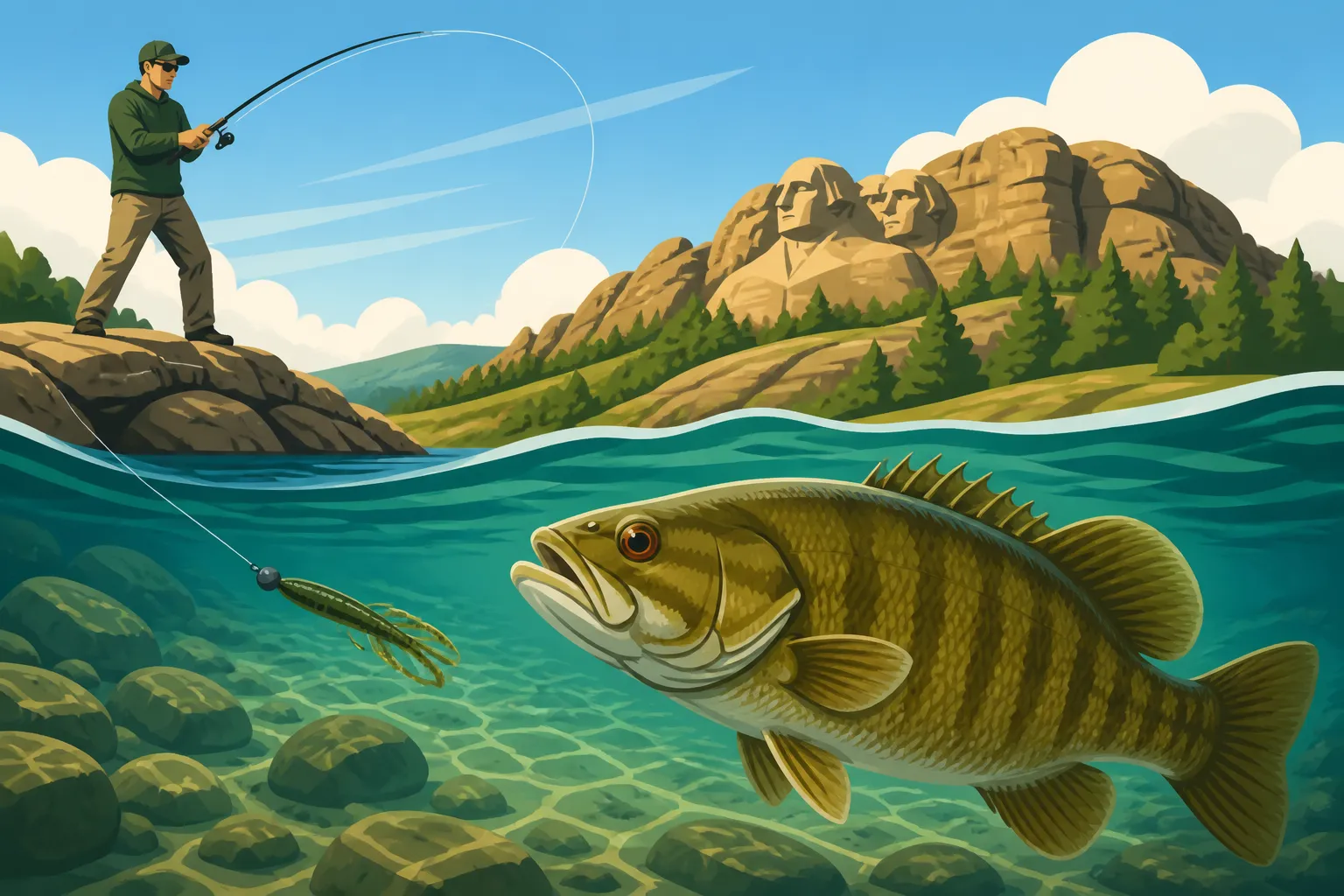
How to Fish Clear Water for Smallmouth Bass
Fishing for smallmouth bass in clear water can feel like you're playing a high-stakes game of hide-and-seek where the fish always seem to find you first. That crystal-clear visibility that looks so appealing to us also means the bass can spot you, your boat, and even your line from a mile away, making them incredibly skittish. This guide will dive deep into proven strategies and techniques to outsmart those wary smallmouth in South Dakota's pristine waters, helping you land more of these hard-fighting bronze beauties.
Understanding Clear Water Conditions for Smallmouth Bass
When you're faced with incredibly clear water, it changes everything about how smallmouth bass behave and how you need to approach fishing for them. It's not just about what you can see; it's about what they can see, and believe me, they see a lot.
The Impact of Visibility on Smallmouth Behavior
Clear water is a double-edged sword. On one hand, it often indicates a healthy ecosystem with good oxygen levels, which smallmouth love. On the other hand, it makes them exceptionally cautious. In these conditions, smallmouth become much more wary, relying heavily on their eyesight to hunt prey and avoid predators – including you. They'll hug tight to cover like rocks, boulders, and submerged timber, using the structure to ambush prey and provide quick escape routes. This means they're less likely to chase a lure across open water and more likely to strike only if it presents itself naturally and without alarm. You might notice them acting "spooky," darting away from shadows or boat noises. This heightened wariness is why your presentation becomes absolutely critical; a heavy splash or an unnatural retrieve can send them packing faster than you can blink. For a comprehensive overview of these incredible fish, be sure to check out our South Dakota Smallmouth Bass Fishing Guide.
Identifying Prime Clear Water Habitats
Smallmouth bass thrive in clear, cool, oxygen-rich waters, often associating with rocky structures, gravel beds, and drop-offs. In South Dakota, this means places like Lake Francis Case, Lake Sharpe, and parts of the Black Hills reservoirs. On Lake Francis Case, for instance, you'll find them gravitating towards the riprap shorelines, rocky points, and submerged humps, especially where there's a good current flow. These areas offer excellent ambush points and plenty of crayfish and baitfish, which are staple foods for smallmouth. Similarly, the rocky shores and deeper structure of Lake Sharpe Smallmouth Bass Near Big Bend Dam offer prime clear water smallmouth habitat. Look for transitions where different types of bottom meet, like a rocky point that drops into a sand flat, or submerged timber adjacent to a clean, hard bottom. These zones create edges and current breaks that smallmouth love to patrol. Underwater cameras or advanced fish finders can be invaluable tools for scouting these subtle transitions without spooking the fish.
Tactics for Targeting Smallmouth in Clear South Dakota Waters
Successfully catching smallmouth in clear water often boils down to stealth, precision, and choosing the right presentation that mimics natural prey without signaling danger.
Mastering Stealth and Presentation
Stealth is your superpower when fishing clear water. This isn't the time for loud boat noises or casting huge shadows over your target zones. Approach your chosen fishing spots quietly, often using your trolling motor on a low setting or even drifting if conditions allow. Longer casts are your friend, keeping your boat a healthy distance from where you expect the fish to be. When it comes to presentation, think finesse. Smallmouth in clear water are often looking for a natural, unhurried meal. Light lines, subtle lures, and smooth, delicate retrieves are key. Avoid heavy splashes when your lure hits the water; try to lob casts rather than whip them out. Remember, the goal is to make your lure appear as a harmless, easy meal, not a suspicious object attached to a visible fishing line. For those tricky spots, consider a kayak for a truly stealthy approach.
Utilizing Finesse Techniques and Baits
Finesse fishing shines in clear water. This involves using lighter tackle, smaller baits, and subtle presentations to entice strikes from cautious fish. Here are some techniques that work wonders:
- Drop Shot Rigging: This is a killer technique for clear water smallmouth, especially when they're holding tight to structure or suspended. Use a light leader (6-8 lb fluorocarbon is ideal) and a small, soft plastic bait like a minnow imitation or a worm. The beauty of the drop shot is that your bait hovers tantalizingly at a specific depth, independent of your sinker, making it appear natural and easy to pick off. You can gently shake the rod tip to impart subtle action without moving the bait horizontally too much.
- Ned Rig: The Ned Rig is another clear water champion. Its small profile, mushroom-shaped jig head, and buoyant soft plastic allow it to stand straight up on the bottom, mimicking a foraging baitfish or crayfish. Cast it out, let it sink, and then use a slow drag-and-pause retrieve. The key is to do as little as possible; let the bait's natural action do the work. The Z-Man TRD series of baits are incredibly effective for this.
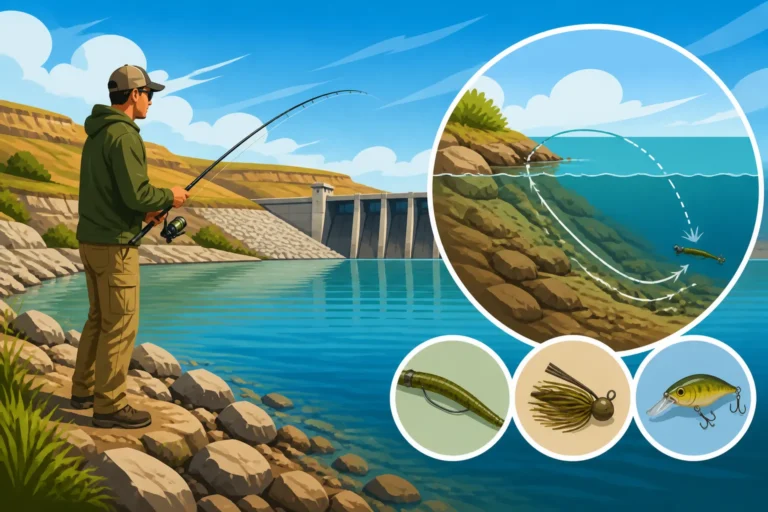
- Wacky Rig/Neko Rig: These worm rigs offer an irresistible fall and shimmy. A wacky-rigged Senko-style worm, with the hook threaded through the middle, has a slow, undulating fall that drives bass crazy. A Neko rig adds a small weight to one end, giving it a slightly faster, nose-down fall that can be great for picking apart specific pieces of cover. These are perfect for targeting those smallmouth holding near rocky shorelines.
- Small Swimbaits and Grubs: When smallmouth are chasing baitfish, small, clear-water-appropriate swimbaits (2-3 inches) or curly-tail grubs fished on a light jig head can be deadly. Look for natural baitfish colors like pearl, silver, or light greens. A slow, steady retrieve or a subtle swim-and-pause motion often works best.
For even more specific strategies, delve into our guide on Smallmouth Bass Fishing Techniques for Rocky Shorelines.
Essential Gear and Lures for Clear Water Smallmouth
Having the right equipment is non-negotiable when you're facing clear water and finicky smallmouth. Your choices in line, rods, and lures can make or break your day.
Line Selection for Maximum Invisibility
When smallmouth can see everything, your fishing line can be a major deterrent. This is where fluorocarbon line truly shines. Fluorocarbon has a refractive index very similar to water, making it nearly invisible underwater.
- Main Line: For spinning setups, many anglers opt for a main line of 8-10 lb braided line, not for invisibility, but for sensitivity and casting distance. The key is then to attach a long fluorocarbon leader.
- Leader: A 6-8 lb fluorocarbon leader is typically perfect for clear water smallmouth. The length of your leader matters; aim for 6-10 feet, giving plenty of invisible line between your lure and your more visible main line. For baitcasting setups, you might run straight 8-10 lb fluorocarbon as your main line, especially when throwing moving baits. Brands like Seaguar and P-Line offer excellent fluorocarbon options that stand up to the abrasion of rocky environments. You can often find great deals on these lines through retailers like Amazon.
Rods, Reels, and Terminal Tackle
Matching your rod and reel to your finesse techniques is crucial for proper presentation and detecting subtle bites.
- Spinning Gear: For most clear water finesse techniques (drop shot, Ned rig, wacky rig), a 6'9" to 7'3" medium-light to medium power, fast action spinning rod is ideal. This setup provides the sensitivity to feel light bites and the parabolic bend needed to fight a strong smallmouth on light line. Pair it with a 2000 or 2500 series spinning reel. Check out our recommendations for the Best Baitcasting Reels for Smallmouth Bass which can also provide insights into quality reel brands, even if you're leaning towards spinning for finesse.
- Baitcasting Gear: If you're throwing small crankbaits, jerkbaits, or even lighter jigs, a 6'6" to 7' medium power, fast action baitcasting rod with a corresponding reel can be effective. The key is ensuring the reel can handle lighter lures without backlashing.
- Hooks: Use high-quality, sharp hooks designed for finesse fishing. For drop shots, small octopus or wide-gap hooks are common. For Ned rigs, jig heads with wire keepers work best. Ensure your hooks are appropriate for the bait size to maintain a natural presentation.
- Weights: For drop shot and Neko rigs, use small, cylindrical or round lead/tungsten weights that are as light as possible while still allowing you to feel the bottom and make an accurate cast.
Lure Colors for Clear Water Success
Lure color becomes paramount in clear water. Smallmouth have excellent vision, and unnatural colors can quickly turn them off.
- Natural Tones: Focus on natural baitfish colors like clear, smoke, green pumpkin, watermelon, ghost minnow, or shades of brown and black. These colors mimic the crayfish, shiners, and gobies that smallmouth commonly feed on.
- Subtle Flash: If you're using a moving bait like a crankbait or jerkbait, look for patterns with a subtle chrome or silver flash, especially on overcast days. Too much flash in bright, clear conditions can be overwhelming.
- Translucent Baits: Soft plastics with translucent qualities allow light to pass through them, giving them a more lifelike appearance underwater. Think about how light plays off a live minnow; you want to replicate that. For example, a clear worm with silver flake or a translucent green pumpkin can be incredibly effective. For those sun-drenched days, having a good pair of polarized Best Sunglasses for Sight Fishing can really help you spot fish and judge lure action.
Seasonal Considerations for Clear Water Smallmouth Fishing
The time of year dramatically influences where smallmouth bass will be in clear water and how aggressively they'll bite. Adapting your approach to the season is crucial for consistent success. You can learn a lot about seasonal patterns in our comprehensive South Dakota Fishing Seasons Explained guide.
Springtime Clear Water Tactics
Spring brings the smallmouth shallow, especially as water temperatures begin to rise. However, in clear water, they remain cautious.
- Pre-Spawn: As ice-out occurs and water temperatures creep into the 40s and low 50s, smallmouth will begin to move from their deep wintering holes to pre-spawn staging areas. These are often rocky points, submerged humps, and shallower flats adjacent to deeper water. They're looking for warmer water and food to bulk up before spawning. Jerkbaits are dynamite during this period. Work them with long pauses, mimicking a struggling baitfish. Small swimbaits and Ned rigs can also tempt these hungry but still somewhat lethargic fish. Focus on the sunny side of structures where the water warms first. Our Spring Fishing in South Dakota guide offers more general spring advice that can be tailored for bass.
- Spawn: Once water temperatures hit the mid-50s to low 60s, smallmouth will move onto gravel beds and rocky flats to spawn. In clear water, they're incredibly protective of their nests. While targeting bedding fish is sometimes frowned upon due to the impact on spawning success, if you do, a subtle drop shot or a small tube jig pitched directly into the nest area can provoke a defensive strike.
- Post-Spawn: Immediately after spawning, smallmouth can be lethargic and dispersed. They'll often move back to slightly deeper cover to recover. This is when a slow-fished Ned rig or a weighted wacky rig can be highly effective. They're not actively chasing, but will pick up an easy meal. For a deeper dive, read our Post-Spawn Bass Fishing Techniques article.
Summer Strategies in Clear Water
Summer in South Dakota can bring hot weather, which pushes clear water smallmouth deeper during the day, but also increases their metabolism and aggression.
- Early Morning/Late Evening: The prime times for clear water smallmouth are often dawn and dusk. During these low-light conditions, they'll move shallower to feed more aggressively. Topwater baits like poppers or walking baits can create explosive strikes over rocky flats or near submerged timber.
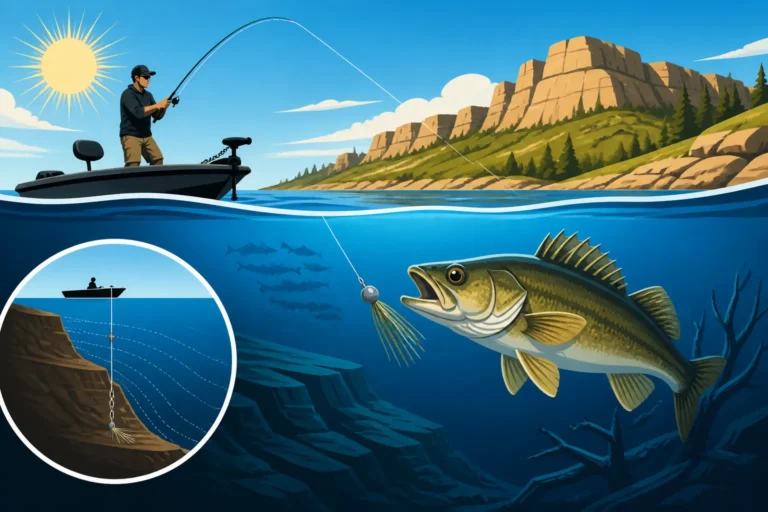
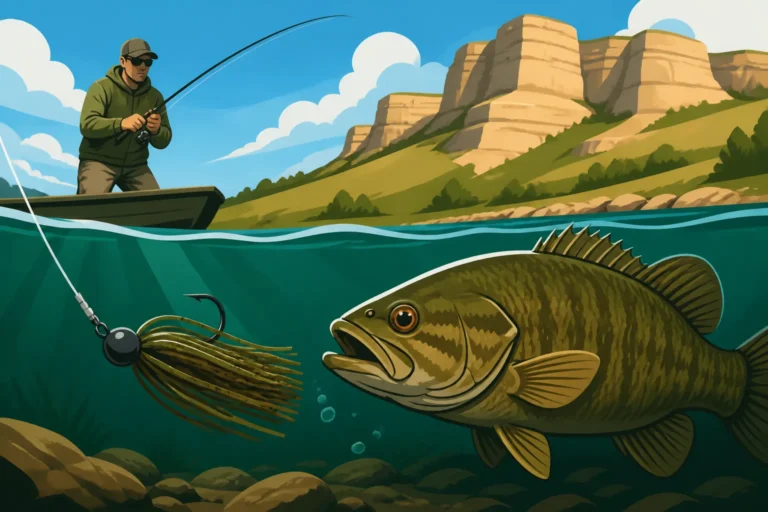
- Mid-Day Deep Water: As the sun climbs high, smallmouth retreat to deeper water, often holding on offshore humps, rock piles, and deep ledges. This is when deep-diving crankbaits (in natural colors), football jigs, and heavy drop shots really shine. Use your electronics to find these structures and present your baits directly to them. Don't be afraid to fish depths of 20-30 feet or more. Pay attention to water temperature; smallmouth prefer cooler, more stable temperatures.
- Current Seams: On the Missouri River reservoirs, look for current seams created by points, islands, or dams. Smallmouth will stack up in these areas, using the current to ambush bait. Jigging tubes, Ned rigs, or even small swimbaits can be highly effective here.
Fall and Winter Approaches
Fall can be one of the best times to catch trophy smallmouth in clear water, as they gorge themselves before winter.
- Fall Feeding Frenzy: As water temperatures begin to drop from the 60s into the 50s, smallmouth become incredibly aggressive. They'll move shallower and chase baitfish relentlessly. This is when moving baits like crankbaits, jerkbaits, and even spinnerbaits can be incredibly effective. Look for schools of baitfish, often visible on your electronics, and the smallmouth won't be far behind. They're active and putting on weight.
- Late Fall Deep Holds: As water temperatures dip into the 40s, smallmouth will start to move to their wintering grounds in the deepest, most stable water they can find. This could be deep main lake points, ledges, or channels. Vertical jigging with spoons, blade baits, or heavy drop shots can still tempt them. Bites will be subtle, so sensitivity in your rod and line is paramount.
- Ice Fishing (Limited): While less common for smallmouth than for walleye or perch, some anglers do target them through the ice in deeper, clear reservoirs. Focus on deep rock piles or points. Small spoons, blade baits, or tiny jigging Rapalas tipped with a minnow head can sometimes provoke a strike from a curious smallmouth.
Here's a quick reference for common clear water smallmouth lures and their best applications:
| Lure Type | Best Conditions | Ideal Retrieve | Key Characteristics for Clear Water |
|---|---|---|---|
| Drop Shot | Suspended fish, deep structure, wary bass | Subtle shakes, minimal horizontal movement | Small profile, natural soft plastic colors |
| Ned Rig | Post-spawn, slow bite, rock/gravel bottom | Slow drag and pause, very subtle hops | Small size, buoyant plastic, natural colors |
| Wacky/Neko Rig | Shallow cover, subtle fall, vertical presentation | Slow fall, gentle twitches on slack line | Natural worm action, minimal weight |
| Jerkbait | Pre-spawn, fall, active but cautious fish | Twitch-twitch-pause, long pauses | Realistic baitfish profile, subtle flash |
| Small Swimbait | Chasing baitfish, search bait, moderate depth | Slow roll, steady retrieve, swim-and-pause | Natural colors, subtle tail kick |
| Tube Jig | Crawfish imitation, rocky bottoms, defensive strikes | Hop and drag, pitch into cover, light jig head | Mimics crayfish, neutral buoyancy |
No matter the season, remember that clear water demands patience and a commitment to finesse. Keep your movements quiet, your presentations subtle, and your gear dialed in, and you'll be well on your way to catching some impressive South Dakota smallmouth bass.
Disclaimer
Please remember that fishing regulations, including license requirements, catch limits, and specific rules for certain bodies of water, can change. Always consult the latest South Dakota Game, Fish and Parks (GFP) regulations before heading out on your fishing trip. Stay safe on the water and always prioritize conservation.