How to Fish a Tube Jig for Smallmouth Bass
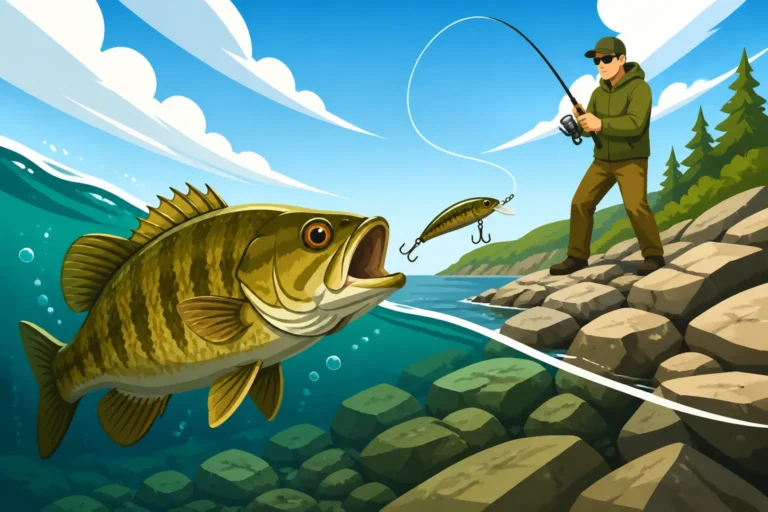
Smallmouth bass are incredible fighters, and anyone who's spent time chasing them knows how frustrating it can be when they get finicky, especially around those tricky rocky structures. You might have a tackle box full of lures, but sometimes, you just need that one reliable presentation that triggers a strike. This guide is all about mastering the tube jig, a classic yet incredibly effective bait, specifically for tackling South Dakota's feisty smallmouth bass, helping you turn those frustrating days into memorable catches.
Understanding the Tube Jig Advantage for Smallmouth
The tube jig might look simple, but it's a smallmouth bass slayer for a reason. Its unique design allows it to mimic a variety of natural prey, making it incredibly versatile and deadly, especially in the clear, rocky waters where smallmouth thrive in South Dakota. Getting familiar with why this bait works so well is the first step to confidently tying one on.
Why Smallmouth Love Tube Jigs
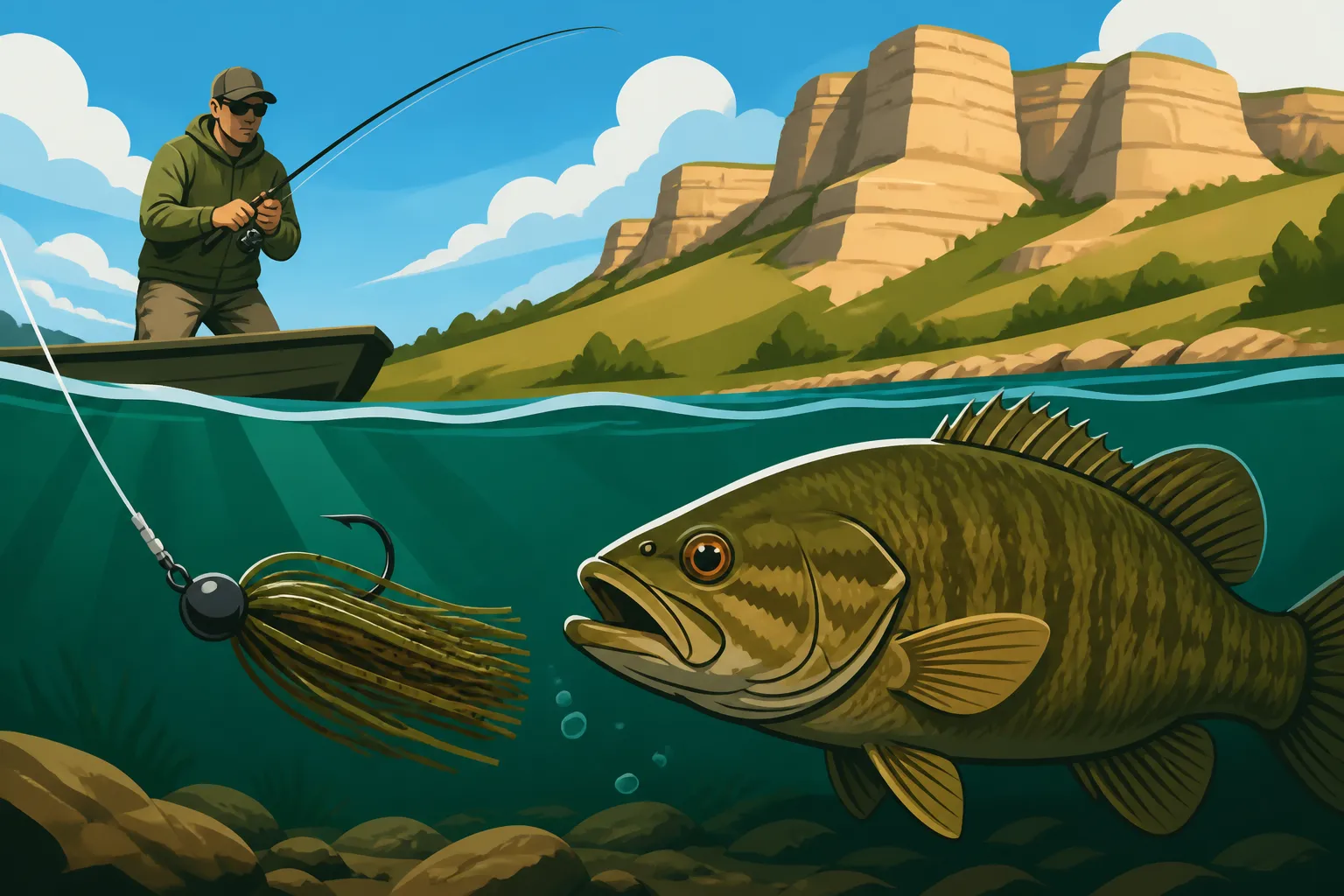
Smallmouth bass are opportunistic predators, always on the lookout for a quick meal. What makes the tube jig so appealing is its incredible ability to imitate several of their favorite foods. When a tube jig falls through the water column or is dragged along the bottom, its hollow body and tentacles create a lifelike action. It can look like a fleeing crayfish scuttling backward along the rocks, a dying baitfish spiraling to the bottom, or even a leech undulating in the current. This chameleon-like quality is exactly what makes it so irresistible.
Beyond imitation, the tube jig’s soft plastic body often includes salt or scent, which smallmouth hold onto longer once they strike, giving you a better chance to set the hook. This subtle advantage, combined with its erratic, natural-looking fall and retrieve, often coaxes strikes from even the most cautious smallmouth. It’s particularly effective in cooler water or when fish are pressured and want a slower, more subtle presentation, which is common in the glacial lakes and Missouri River reservoirs of South Dakota.
Anatomy of a Perfect Tube Jig Setup
A tube jig isn't just one piece; it's a combination of a soft plastic tube body and a specialized jig head. The tube body itself is typically cylindrical with a hollow core and a series of soft, tentacle-like appendages at the tail end. These tentacles are crucial, as they flare and undulate with every twitch and pause, creating that lifelike action. Sizes can range from tiny 2-inch tubes for panfish up to beefy 4-inch or 5-inch tubes for targeting larger smallmouth.
The jig head is where the magic really happens. Unlike standard ball jigs, tube jig heads are often designed to fit inside the tube body, giving the bait a seamless, natural look. These internal jig heads are typically mushroom-shaped or cylindrical, with the line tie and hook eye protruding from the top. The weight of the jig head determines the sink rate and how well the tube maintains bottom contact or swims. Lighter heads allow for a slower, more natural fall, while heavier heads help you get down quickly in deeper water or strong currents, like those found on the Missouri River system.
Essential Gear for Tube Jigging Smallmouth Bass
Having the right gear makes all the difference when you're trying to detect those subtle smallmouth bites and then muscle a feisty bronzeback out of rocky cover. While tube jigging can be done with various setups, optimizing your rod, reel, and line will significantly improve your success rates, especially when targeting fish in diverse South Dakota waters.
Rod, Reel, and Line Selection
For tube jigging, sensitivity is paramount. You need to feel every tick, every rock, and every subtle "thump" of a smallmouth inhaling your bait. A medium-light to medium power spinning rod, typically 6'6" to 7'2" in length, with a fast or extra-fast action is ideal. The fast action tip will allow you to detect those light bites, while the medium power provides enough backbone to drive the hook home and control a strong fish. Consider rods from brands known for sensitivity, many of which you can find a wide selection of on Amazon.
Pair your sensitive rod with a smooth, lightweight spinning reel in the 2000-3000 size range. A good drag system is crucial for fighting hard-pulling smallmouth. For line, a braid mainline of 8-15 lb test with a fluorocarbon leader of 6-10 lb test is a fantastic combination. Braid offers incredible sensitivity and casting distance, while fluorocarbon is virtually invisible underwater and has excellent abrasion resistance, which is vital when fishing around the sharp rocks that smallmouth love. South Dakota Smallmouth Bass Fishing Guide details more about what these fish prefer.
Choosing the Right Tube Jigs and Colors
The variety of tube jigs available can be overwhelming, but focusing on a few key factors will help you make the right choice. For smallmouth bass, 3-inch to 4-inch tubes are generally the most versatile. In terms of color, natural tones like greens, browns, and grays (often with flecks of gold or silver) are incredibly effective, especially when mimicking crayfish. Popular choices include "green pumpkin," "watermelon," "smoke," and "goby." In clear water, translucent colors can also be deadly. However, don't shy away from brighter colors like chartreuse or white, especially in stained water or on overcast days when increased visibility can make a difference.
The weight of your jig head is also critical. For shallow water (less than 10 feet) or slower retrieves, 1/8 oz to 1/4 oz heads are typically sufficient. When you're fishing deeper water, strong currents, or on windy days, stepping up to 3/8 oz or even 1/2 oz will help you maintain bottom contact and feel the bite. Make sure the jig head fits snugly inside the tube so it doesn't tear through the plastic easily.
Must-Have Accessories
Beyond your rod, reel, line, and tubes, a few accessories will make your tube jigging experience much more enjoyable and efficient. A good pair of fishing pliers or forceps is essential for removing hooks safely from a smallmouth's mouth, especially if it's swallowed the bait deeply. Smallmouth can be quite acrobatic, so having a good net, preferably one with rubberized mesh to protect the fish's slime coat, is also a smart move, particularly if you're targeting bigger fish or practicing catch and release.
Consider a measuring board or tape measure to quickly check the length of your catch against local regulations. A small, organized tackle box or utility tray dedicated to your tube jigs and jig heads will keep them from getting crushed or tangled. Some anglers also like to carry scent applications to add to their tubes, believing it further entices reluctant fish. Many of these handy accessories are readily available for purchase on Amazon, making it easy to stock up before your next trip to the water.
Mastering Tube Jig Techniques for South Dakota Smallmouth
The beauty of the tube jig lies in its versatility. It's not a one-trick pony; there are several ways to present it, each designed to trigger strikes in different situations. Understanding these techniques and knowing when to apply them will significantly elevate your smallmouth game on South Dakota's diverse fisheries, from the clear waters of the Black Hills to the vast Missouri River impoundments.
The Classic Drag and Hop
This is arguably the most common and often most effective way to fish a tube jig, especially when smallmouth are hugging the bottom around rocky structure. The idea is to mimic a crayfish scuttling along or a baitfish rooting around for food. Cast your tube jig out and let it sink to the bottom on a semi-slack line. Once it hits, slowly drag it along the bottom with your rod tip. Think of it as a subtle sweep rather than a strong pull. As you drag, you'll feel it ticking off rocks and gravel.
After dragging it a foot or two, pause. This pause is critical. It allows the tube to settle, its tentacles flaring, often prompting a strike as the "prey" appears to be resting or dying. Then, give your rod tip a sharp, upward snap – not a huge sweep, but a quick flick – to make the jig hop off the bottom a foot or two. Let it fall back down on a controlled slack line, watching for any line jumps or subtle taps. Repeat this drag-and-hop sequence all the way back to the boat or shore. This method is particularly deadly on rocky points, ledges, and transition areas, providing excellent bottom contact which smallmouth often prefer. Learning Smallmouth Bass Fishing Techniques for Rocky Shorelines will complement your tube jigging skills.
Swimming and Skipping Tubes
While tubes are famous for bottom fishing, they can be incredibly effective when retrieved higher in the water column, mimicking baitfish. This "swimming" retrieve is great when smallmouth are suspended or chasing schools of bait. Instead of letting it sink all the way, start a slow, steady retrieve as soon as the tube hits the water. Give it an occasional twitch of the rod tip to impart an erratic action, making it dart and wobble like an injured minnow. This technique works well over submerged weed beds or around open water bait balls.
"Skipping" tubes is a more advanced technique that's invaluable for reaching smallmouth tucked way back under docks, overhanging trees, or into shallow, rocky pockets that are otherwise inaccessible with a direct cast. It involves making a low, side-arm cast, allowing the tube jig to literally skip across the water's surface, much like skipping a stone. This reduces splash and allows the bait to penetrate tight overhead cover without spooking the fish. Once it reaches the target, let it sink and work it with a gentle drag or twitch. This technique is especially useful on lakes with lots of man-made structure or areas where smallmouth are pressured and hiding in dense cover.
Rigging Your Tube Jig for Success
Proper rigging ensures your tube jig has the best action and maximizes your hook-up ratio. The most common way to rig a tube is with an internal jig head. Simply insert the jig head into the hollow body of the tube, pushing it up until the eye of the hook protrudes through the plastic at the "nose" of the tube. Make sure the hook lies straight along the body of the tube. This creates a weedless or semi-weedless profile, which is perfect for fishing through rocks and cover without constantly snagging.
Sometimes, smallmouth can be short-striking, nipping at the tail of the tube and missing the hook. In these situations, you can add a stinger hook. This is a small treble hook or single hook tied to a short piece of monofilament or fluorocarbon, then threaded into one of the tube's tentacles, with the hook point exposed. This will dramatically increase your hook-up rate for those finicky biters. For really heavy cover, some anglers will Texas-rig a tube, using a worm hook and a bullet weight, although this compromises some of the tube's unique action. Understanding these rigging options helps you adapt to different fishing scenarios, a skill emphasized in How to Find Your South Dakota Fishing License Number when you're out on the water.
Where and When to Fish Tube Jigs in South Dakota
South Dakota offers an incredible variety of waters, and knowing where and when to present a tube jig for smallmouth bass can be the key to a successful outing. From the glacial lakes in the east to the Missouri River reservoirs and the streams of the Black Hills, smallmouth have distinct patterns that tubes can effectively target.
Prime Smallmouth Habitats
Smallmouth bass are intrinsically linked to rocky environments. In South Dakota, this means targeting key structures on the massive Missouri River reservoirs like Lake Oahe, Lake Sharpe, Lake Francis Case, and Lewis and Clark Lake. Look for rocky points that extend into the main lake, riprap banks along causeways and bridges, submerged rock piles, and deep rock ledges or humps. These structures provide ambush points and foraging grounds. The clear waters and abundant forage in these areas make them prime smallmouth territory. You can learn more about specific locations in Lake Francis Case Smallmouth Bass Fishing in May or Lake Sharpe Smallmouth Bass Near Big Bend Dam.
Beyond the big reservoirs, many of the natural glacial lakes in northeastern South Dakota also hold smallmouth, often around rocky shorelines, boulder fields, and underwater humps. In the Black Hills, while streams are primarily known for trout, larger rivers and some lakes can also hold smallmouth in rocky sections. Anywhere you find clean water, ample rock, and structure, a tube jig is likely to be a productive choice. Always focus on areas where baitfish or crayfish would congregate, as smallmouth will not be far behind.
Seasonal Strategies for Tube Jigging
The effectiveness of tube jigging can vary with the seasons, as smallmouth behavior changes throughout the year.
- Spring: During the pre-spawn period, as water temperatures rise into the 40s and 50s, smallmouth move shallower, often holding on rocky points and flats adjacent to spawning areas. A slow drag and hop with a tube jig is deadly here, imitating a crayfish emerging from winter slumber. Fish will be aggressive but might be more prone to deeper presentations. Pre-Spawn Bass Fishing Techniques offers more insights into this period.
- Summer: As water temperatures climb, smallmouth often move deeper, seeking cooler, oxygenated water. They'll relate to deep rock piles, main lake points, and bluff walls. Heavier tube jigs (3/8 oz, 1/2 oz) become essential to reach these fish quickly. The swimming retrieve can also be effective if you see fish suspended over deeper structure. Early mornings and late evenings can still find them shallower, but midday typically means going deep.
- Fall: This is often considered one of the best times to target big smallmouth with tube jigs. As water temperatures drop, smallmouth go on a feeding frenzy, bulking up for winter. They'll often be found transitioning between deep water and shallower rocky feeding grounds. Both the drag-and-hop and swimming presentations can be highly effective as they chase baitfish. This is a great time to experiment with slightly larger tubes to entice a trophy fish.
Dealing with Different Water Conditions
South Dakota's weather and water conditions can be quite dynamic, requiring anglers to adapt their tube jigging approach.
- Clear Water: Many of South Dakota's smallmouth fisheries, especially the Missouri River reservoirs and Black Hills lakes, feature relatively clear water. In these conditions, opt for natural, translucent colors like green pumpkin, smoke, or watermelon with fine glitter. A lighter fluorocarbon leader (6-8 lb test) is often necessary for stealth. Long casts are key to avoid spooking fish, and a slower, more subtle retrieve usually works best.
- Stained or Murky Water: After heavy rains or during periods of runoff, water can become stained. This is when bolder colors like chartreuse, white, or even black and blue can be more effective. The increased visibility helps smallmouth locate your bait. You might also want to increase the size of your tube slightly and perhaps use a heavier jig head to create more vibration and displace more water, making it easier for fish to find.
- Current: Fishing tube jigs in current, such as below the dams on the Missouri River, requires heavier jig heads to maintain bottom contact. Instead of dragging, a common technique is to "dead stick" the tube, allowing the current to impart action as the jig drifts along the bottom. You can also make upstream casts and let the current carry the tube down, retrieving just fast enough to keep a tight line and feel for strikes. This allows the tube to tumble naturally, much like a crayfish or baitfish being washed downstream. Understanding how to manage your lure in current is crucial for consistent success.
| Tube Jig Color | Typical Water Condition | Preferred Seasonal Use | Best Mimics |
|---|---|---|---|
| Green Pumpkin/Watermelon | Clear to Lightly Stained | Spring, Summer, Fall | Crayfish, Goby |
| Smoke/Translucent | Very Clear | Summer, Fall | Shad, Small Baitfish |
| Chartreuse/White | Stained, Overcast Days | Spring, Fall, Winter | Bright Baitfish |
| Black and Blue | Murky, Low Light | Spring, Fall | Dark Crayfish, Leeches |
| Brown/Tan | Clear to Muddy | Year-Round | Crayfish, Worms |
Remember, consistency and paying attention to detail are what make a great tube jig angler. Keep practicing these techniques, and you'll be well on your way to catching more South Dakota smallmouth bass.
Disclaimer
This article is for general informational purposes only and does not constitute professional advice. Laws, prices and regulations vary by location and change over time. Consult a qualified professional for guidance on your specific situation.