Best Way to Fish a Live Bait Rig for Catfish
There's nothing quite like the tug of a big catfish on the end of your line. But for many anglers, especially those new to targeting these bottom-dwelling giants in South Dakota's diverse waters, figuring out the best way to present live bait can feel like a real puzzle. You want to give yourself the best shot at success, yet wading through all the different rig setups and techniques can be daunting. This guide is here to cut through the confusion and show you the most effective ways to fish a live bait rig for catfish, helping you land that next trophy whiskered warrior.
Understanding Catfish Behavior and Habitat in South Dakota
Before we even talk about hooks and sinkers, it’s crucial to get inside the head of a catfish. These aren't just random fish; they have distinct behaviors, preferred habitats, and feeding patterns that, once understood, can dramatically increase your success rate. South Dakota is blessed with an abundance of fantastic catfish waters, from the mighty Missouri River system to numerous lakes and smaller tributaries, each offering unique opportunities.
Where to Find Catfish in South Dakota Waters
Catfish are incredibly adaptable, but they definitely have their favorite hangouts. In South Dakota, you're primarily looking at two main species: Channel Catfish and Flathead Catfish. Knowing the differences in their preferred homes is key.
Channel cats are the more common and widespread species. You'll find them in almost every significant body of water across the state, including the Missouri River reservoirs like Lake Oahe, Lake Sharpe, Lake Francis Case, and Lewis and Clark Lake, as well as many of the eastern glacial lakes and smaller rivers. They love areas with moderate current, deeper holes, submerged structure like logs and brush piles, and even muddy flats where they can root around for food. Think about those slower bends in a river, the downstream side of an island, or deep channels in a lake. They aren't afraid of more open water, especially when actively feeding. They also tend to congregate in deeper pools during colder months, and move into shallower, warmer waters during the pre-spawn and spawn. For a deeper dive, check out our South Dakota Catfish Fishing Guide.
Flathead catfish, on the other hand, are often referred to as the "river monster" of the catfish family. They prefer larger rivers with strong current and substantial structure – we're talking big log jams, undercut banks, deep scour holes, and rocky drop-offs. They're less common in smaller lakes and prefer the Missouri River and its larger tributaries. Flatheads are ambush predators, often hiding in heavy cover, waiting for an unsuspecting baitfish or crayfish to swim by. If you're targeting flatheads, don't be afraid to fish right in the thick of gnarly, submerged wood. It's often where the biggest ones reside. Knowing the distinction between Channel Catfish vs Flathead Catfish can help you refine your approach.
What Catfish Eat and When They're Most Active
Catfish are opportunistic feeders, meaning they'll eat just about anything that comes their way, but their diet does vary by species and size. Channel cats are famous for their keen sense of smell, making them highly receptive to pungent, decaying baits, as well as live and cut bait. Their diet includes insects, crayfish, worms, small fish, and even algae. They are often most active during low light conditions – dawn, dusk, and throughout the night, especially in warmer water. On overcast days or in stained water, they might feed more actively during daylight hours.
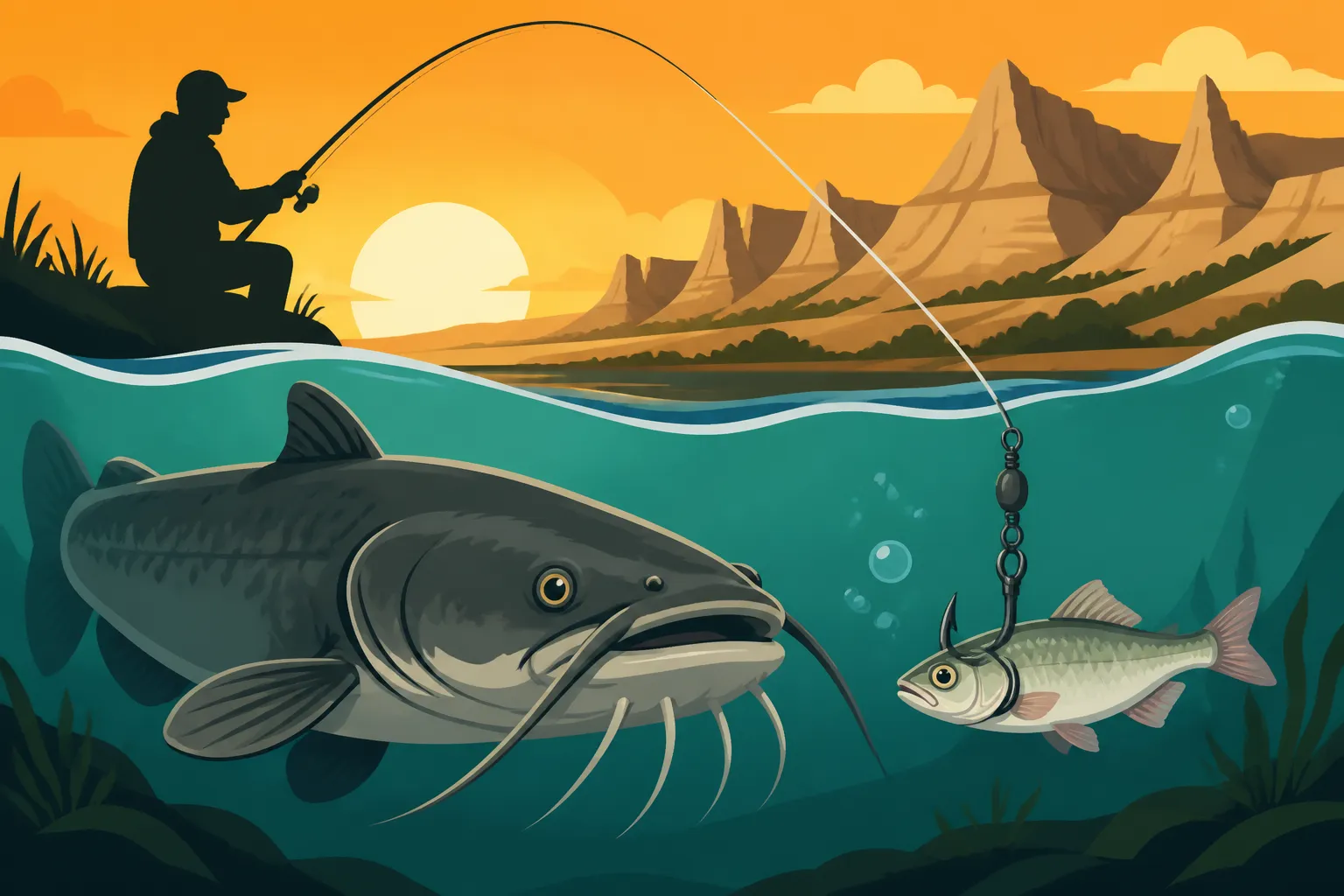
Flatheads are almost exclusively piscivorous, meaning they prefer live fish. They are true predators, and while a large flathead might occasionally grab a dead shad, their primary diet consists of living creatures like bluegill, carp, suckers, and larger baitfish. Unlike channel cats, they rely more on sight and the vibration of their prey. They are primarily nocturnal feeders, prowling their structured haunts after the sun goes down. Fishing for them during the day usually means getting your bait right into their daytime resting areas, often heavy cover.
Understanding these feeding patterns and activity windows is paramount for selecting your bait and timing your fishing excursions. If you're on the Missouri River targeting big channel cats, you might fish a variety of baits through the day and night. If it's trophy flatheads you're after, your best bet is often a large, lively baitfish fished near heavy cover after dark. For specific locations, our guide on Missouri River Catfish Fishing Spots has excellent information.
Essential Gear for Live Bait Catfish Rigs
Okay, now that we know where and when to find these whiskered wonders, let's talk about the tools of the trade. Fishing with live bait for catfish, especially bigger ones, requires some specific gear to handle their power and the environments they inhabit. You don't want to show up with a flimsy ultralight rod when a 30-pound flathead decides to test your tackle.
Rods, Reels, and Line for Catfish
When it comes to catfish, think stout. You need gear that can take a beating and still perform.
- Rods: A medium-heavy to heavy action rod, usually 7 to 9 feet in length, is ideal. This length helps with casting heavier rigs and fighting powerful fish. A fast-action tip allows you to feel subtle bites, while the robust backbone gives you the leverage needed to pull fish out of cover. Many anglers prefer fiberglass rods for their durability and parabolic bend, which acts like a shock absorber when a big cat dives. Some modern composite rods offer a great blend of sensitivity and power. For instance, you can find excellent catfish-specific rods on Amazon from brands known for their durability.
- Reels: For channel cats, a quality spinning reel in the 4000-6000 series range or a baitcasting reel with a good drag system is usually sufficient. When targeting flatheads or larger channel cats, a heavy-duty baitcasting reel (often called a conventional or round baitcaster) is preferred. These reels offer superior cranking power and line capacity, which is crucial for handling hard-fighting fish and preventing them from spooling you out. Look for reels with a smooth, reliable drag that won't seize up under pressure.
- Line: This is where you absolutely do not want to skimp. Catfish fishing, especially around structure, demands tough line.
- Monofilament: A good choice for many situations, especially for channel cats. It offers stretch, which can be forgiving when a fish surges, and it's relatively abrasion-resistant. For channel cats, 15-30 lb test mono is common.
- Braided Line: This is often the preferred choice for serious catfishermen, especially when targeting flatheads or fishing in heavy cover. Braid has virtually no stretch, offering incredible sensitivity to feel light bites and direct power for setting the hook. Its thin diameter for its strength means you can pack more heavy line onto your reel. For flatheads, 50-80 lb test braid is not uncommon, and it offers excellent abrasion resistance against logs and rocks. Just be sure to use a good fluorocarbon or monofilament leader with braid, as braid can be more visible in clear water, and the leader offers some shock absorption. Our guide on Best Line Weight for South Dakota Catfish can give you more specific recommendations.
Hooks, Sinkers, and Swivels: The Rigging Components
These small but mighty components are what connect your bait to your line and get it to the fish.
- Hooks: The type and size of hook are critical.
- Circle Hooks: Absolutely essential for live bait catfish rigs, especially if you plan to practice catch and release. Circle hooks are designed to hook fish in the corner of the mouth, minimizing gut hooks and making release much easier. They also tend to set themselves as the fish swims away with the bait, often requiring just a steady retrieve rather than a hard hookset. For channel cats, sizes from 2/0 to 6/0 are common. For big flatheads with larger baits, you might go up to an 8/0 or even a 10/0.
- Kahle Hooks / Octopus Hooks: While not true circle hooks, these often have a slight offset and a wide gap, making them good for holding larger baits. They can be an option if you prefer a more traditional hookset, but always be mindful of potential deeper hooking.
- Material: Look for strong, sharp, high-carbon steel hooks. Many come with a black nickel finish for corrosion resistance.
- Sinkers: Getting your bait to the strike zone and keeping it there is the job of the sinker.
- Egg Sinkers: These are cylindrical or egg-shaped with a hole through the middle, allowing your main line to slide freely. This "slip sinker" setup is crucial for many live bait rigs, as it allows a biting fish to take the bait without feeling immediate resistance from the weight. This is particularly effective for shy fish.
- No-Roll Sinkers: As the name suggests, these flat-sided weights are excellent for fishing in current or on sloped bottoms where you want your bait to stay put.
- Discus Sinkers/Pyramid Sinkers: Similar to no-roll sinkers, these are designed to dig into the bottom in strong currents.
- Weight: The weight you need depends entirely on the current and depth. In strong Missouri River currents, you might need anywhere from 2 to 8 ounces or more to hold bottom. In a calm lake, half an ounce might be plenty.
- Swivels: These tiny pieces of hardware prevent line twist, which can weaken your line and make fishing a nightmare.
- Barrel Swivels: Simple, effective, and common.
- Ball Bearing Swivels: More expensive but offer superior anti-twist properties, especially when fishing larger, struggling live baits that might spin.
- Snap Swivels: Convenient for quickly changing leaders or sinkers, but make sure the snap is strong enough for the potential catch.
- Weight Rating: Always match the breaking strength of your swivel to or exceed your main line. A weak swivel is a weak link.
Choosing the Right Live Bait
This is perhaps the most critical component of a live bait rig – the "live bait" itself! What works best depends on the species of catfish you're targeting and the available forage in the water you're fishing.
- For Flathead Catfish: Hands down, live fish are king. Flatheads are predators and prefer to chase down their meals.
- Common Choices: Bluegill, sunfish, small carp, suckers, and bullheads are excellent flathead baits. The size of the bait matters – don't be afraid to use a 5-8 inch baitfish if you're targeting a trophy.
- Legality: Always check South Dakota fishing regulations regarding legal baitfish. Some waters have restrictions on what can be used or transported live. South Dakota Fishing Regulations Explained is a great resource.
- Liveliness: The livelier the bait, the better. A struggling baitfish sends out vibrations that flatheads key in on. Keep your bait in a well-aerated livewell or bucket.
- For Channel Catfish: While they'll certainly hit live fish, channel cats are often just as eager to take more pungent offerings.
- Live Minnows/Shad: Small live minnows, chubs, or shad can be incredibly effective, especially when fished under a slip bobber.
- Worms: Nightcrawlers or large garden worms, especially a big wad of them, can entice channel cats.
- Crayfish: If crayfish are abundant in your fishing area, they make fantastic live bait for channel cats.
- Prepared Baits: While not "live" in the traditional sense, chicken livers, cut bait (like shad, carp, or sucker fillets), and commercial stink baits are incredibly popular and effective for channel cats due to their strong scent. For a comprehensive list, check out Best Bait for South Dakota Catfish.
Step-by-Step Guide to Constructing and Fishing a Live Bait Rig
Now for the fun part: putting it all together! While there are countless variations, two rigs stand out as tried-and-true champions for live bait catfish fishing: the Carolina Rig and the Santee Cooper Rig. Both are variations of a slip-sinker setup, allowing the fish to pick up the bait without feeling the full weight of your sinker.
The Carolina Rig: A Catfish Classic
The Carolina rig is a versatile and incredibly effective rig for both channel and flathead catfish in a variety of conditions, from still lakes to moderate currents.
Components:
- Main line (braid or mono)
- Egg sinker or no-roll sinker (weight depends on current/depth)
- Plastic bead (optional, but recommended)
- Barrel or ball bearing swivel
- Fluorocarbon or monofilament leader (1 to 3 feet, heavier than main line if using braid)
- Circle hook (size appropriate for bait and target species)
Construction Steps:
- Slide the Sinker: Thread your main line through the hole of your egg sinker. The sinker should slide freely on the line.
- Add a Bead (Optional but Recommended): After the sinker, slide a plastic bead onto your main line. This bead protects the knot that connects to your swivel from the repeated impact of the sinker, preventing fraying and breakage. Think of it as a little bumper.
- Tie on the Swivel: Tie your main line to one eye of a barrel or ball bearing swivel using a strong knot like a Palomar knot, improved clinch knot, or uni knot.
- Attach the Leader: Tie your fluorocarbon or monofilament leader to the other eye of the swivel. The leader's length can vary – typically 1 to 3 feet. A shorter leader (12-18 inches) keeps the bait closer to the weight, good for precise presentations in current. A longer leader (2-3 feet) allows the bait more freedom to swim and is excellent in calmer water or for presenting over soft bottoms where the weight might sink a bit.
- Tie on the Hook: Finally, tie your circle hook to the end of your leader. Ensure your knot is strong and snug.
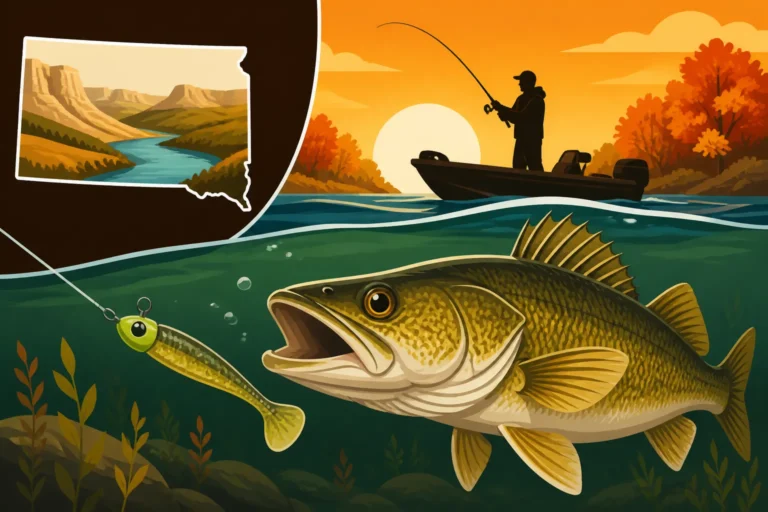
- Hook Your Bait: Carefully hook your live bait. For baitfish, you can hook them through the back, just behind the dorsal fin, being careful not to hit the spine. This allows them to swim naturally. Another option is to hook them through the lips or nose, which is good for casting and keeping them alive. For worms or crayfish, a single hook might be enough, or you might need to thread a larger hook through multiple worms.
The Santee Cooper Rig: Ideal for Current
The Santee Cooper rig is a variation of the Carolina rig, designed specifically to keep your live bait slightly elevated off the bottom, making it more visible and active, especially in current or over snaggy terrain.
Components:
- All the same components as the Carolina rig, PLUS:
- A small foam float or cork (1 to 2 inches long)
Construction Steps:
- Follow steps 1-4 for the Carolina rig (sinker, bead, swivel, leader).
- Add the Float: Before tying on your hook, slide the small foam float onto your leader, positioning it about 6-12 inches above where your hook will be. This float will keep your bait suspended just off the bottom.
- Tie on the Hook: Tie your circle hook to the end of your leader, below the float.
- Hook Your Bait: Hook your live bait in the same manner as the Carolina rig. The float will lift the bait, allowing it to swim above the bottom, perfect for presentations over weeds, rocks, or sticky mud. This is often an advantage when fishing in strong currents found on the Missouri River or for targeting fish that might be suspended slightly above the riverbed.
Here's a quick comparison of the two rigs:
| Feature | Carolina Rig | Santee Cooper Rig |
|---|---|---|
| Primary Use | Versatile: lakes, moderate current, varied bottoms | Strong current, snaggy bottoms, muddy bottoms |
| Bait Presentation | On or very near the bottom, slides freely | Suspended 6-12 inches off the bottom, slides freely |
| Components | Sinker, bead, swivel, leader, hook | Sinker, bead, swivel, leader, float, hook |
| Visibility | Good on clean bottoms | Enhanced visibility above snags/debris |
| Ease of Tie | Simple, straightforward | Slightly more complex due to added float |
Fishing Techniques for Live Bait Rigs
Once your rig is tied and your bait is lively, it's time to get it in the water.
- Casting and Placement: Cast your rig upstream or upcurrent of where you expect the fish to be. Let the current carry your bait naturally into the strike zone. If you're fishing a deep hole or structure, cast beyond it and let the rig settle. For flatheads, remember to place your bait as close to heavy cover as possible without getting instantly snagged.
- Bottom Fishing: Both the Carolina and Santee Cooper rigs are designed for bottom fishing. Allow your sinker to settle firmly on the bottom. Keep a slight tension on your line to feel bites, but avoid reeling in slack too quickly, as this can move your bait out of the strike zone.
- Rod Holders: When fishing from shore or a boat, use sturdy rod holders. A hard-hitting catfish can easily pull an unattended rod into the water. Set your drag appropriately – not too tight, but enough to set the hook (especially with circle hooks) and prevent immediate spooling.
- Reading the Bite: Catfish bites can range from subtle taps to rod-doubling slams. With circle hooks, often the best approach is to let the fish take the bait and swim off. Don't set the hook aggressively; instead, slowly reel in and let the rod load up, allowing the circle hook to do its job and rotate into the corner of the fish's mouth. If you feel a steady pull, reel until your rod bends and the fish is on.
Tips for Maximizing Your Catfish Catch with Live Bait
Beyond the basics of rigging, there are a few extra tips that can turn an average day of fishing into a memorable one. South Dakota offers fantastic catfish opportunities, and a little extra knowledge can go a long way.
Reading the Water and Choosing Your Spot
This is arguably one of the most important aspects of successful catfish fishing. It's not just about blindly casting; it's about understanding what's happening under the surface.
- Current Seams and Eddies: In rivers like the Missouri, look for current seams where fast water meets slow water. Catfish will often position themselves in the slower water, out of the main current, waiting for food to be swept by. Eddies, which are calmer pockets of water behind obstructions, are also prime holding areas. How to Fish a Current Seam Below a Dam gives more insight into this.
- Structure is Key: Catfish, especially flatheads, love structure. Submerged trees, brush piles, rock piles, ledges, and deep holes are all prime real estate. If you're using a fish finder, actively search for these features. If fishing from shore, look for visible signs of structure, like fallen trees or rocky outcrops.
- Depth Changes: Pay attention to drop-offs and channel edges. Catfish often patrol these areas, moving from deeper water to shallower feeding flats.
- Baitfish Presence: If you see baitfish skipping on the surface or showing up on your electronics, that's a good sign. Where there's bait, there are usually predators like catfish.
- Mud Lines: After heavy rains, you might find "mud lines" where stained water meets clearer water. Catfish will often feed aggressively in these areas as the stained water offers cover and dislodges food.
- Time of Day and Season: As discussed earlier, flatheads are mostly nocturnal, while channel cats are active during low light. In terms of season, spring and early summer, leading up to and during the spawn, can be fantastic for both species as they become very active feeders. However, you can catch catfish year-round. Our South Dakota Fishing Season Dates and Limits guide covers general seasonality.
Presentation and Patience
- Natural Presentation: Your goal is to make your live bait appear as natural and vulnerable as possible. Don't cast too frequently, which can spook fish. Let your bait work its magic in the strike zone.
- Freshness of Bait: Always use lively bait. A sluggish baitfish is less appealing to a predator. If your bait becomes too weak or dies, replace it. You can find excellent bait aerators and livewells, as well as a variety of quality hooks and swivels, on Amazon to keep your bait in prime condition.
- Multiple Rigs: If regulations allow (check South Dakota Fishing Regulations Explained for number of lines allowed), consider fishing with multiple rods spread out, targeting different depths or types of structure. This increases your chances of finding where the fish are holding.
- Don't Be Afraid to Move: If you've given a spot a good half-hour to an hour with no bites, don't be afraid to pull anchor or move down the bank. Catfish can be nomadic, or they might simply not be in a feeding mood in that particular spot.
- Patience, Patience, Patience: Catfish fishing, especially for larger specimens, is often a game of patience. It might take time for a big fish to find your bait, or for it to commit to a bite. Resist the urge to constantly check your bait.
Handling and Caring for Your Catch
Once you've landed that powerful catfish, proper handling is important for both the fish's health and your own safety.
- Gloves: Catfish have sharp pectoral and dorsal fins (often called "spines") that can deliver a painful poke. Always use a pair of sturdy gloves, especially when handling larger fish.
- Landing Net: A large, rubberized landing net is invaluable for safely securing a big catfish. The rubberized mesh is also gentler on the fish's slime coat.
- Grip: For channel cats, you can often grip them firmly behind the head, being careful of the spines. For flatheads, a firm lower jaw grip can also work, but watch out for their powerful jaws. Support the body, especially if you plan to release the fish.
- Release Safely: If you're releasing a fish, do so quickly and gently. Revive the fish by holding it upright in the water, facing into the current, until it swims away under its own power.
- Conservation: Always adhere to Catfish Limits and Size Rules and consider releasing larger, breeding-size fish to help maintain healthy populations. If you plan to keep your catch for the table, bring a cooler with ice to keep the fish fresh. Our guide on How to Clean a Catfish offers advice on preparing your catch.
By combining an understanding of catfish behavior, the right gear, and effective rigging techniques, you'll be well on your way to enjoying some of the fantastic catfish action South Dakota has to offer. Good luck out there, and tight lines!
Disclaimer
This article is for general informational purposes only and does not constitute professional advice. Laws, prices and regulations vary by location and change over time. Consult a qualified professional for guidance on your specific situation.