Does Wind Direction Affect Walleye Fishing?
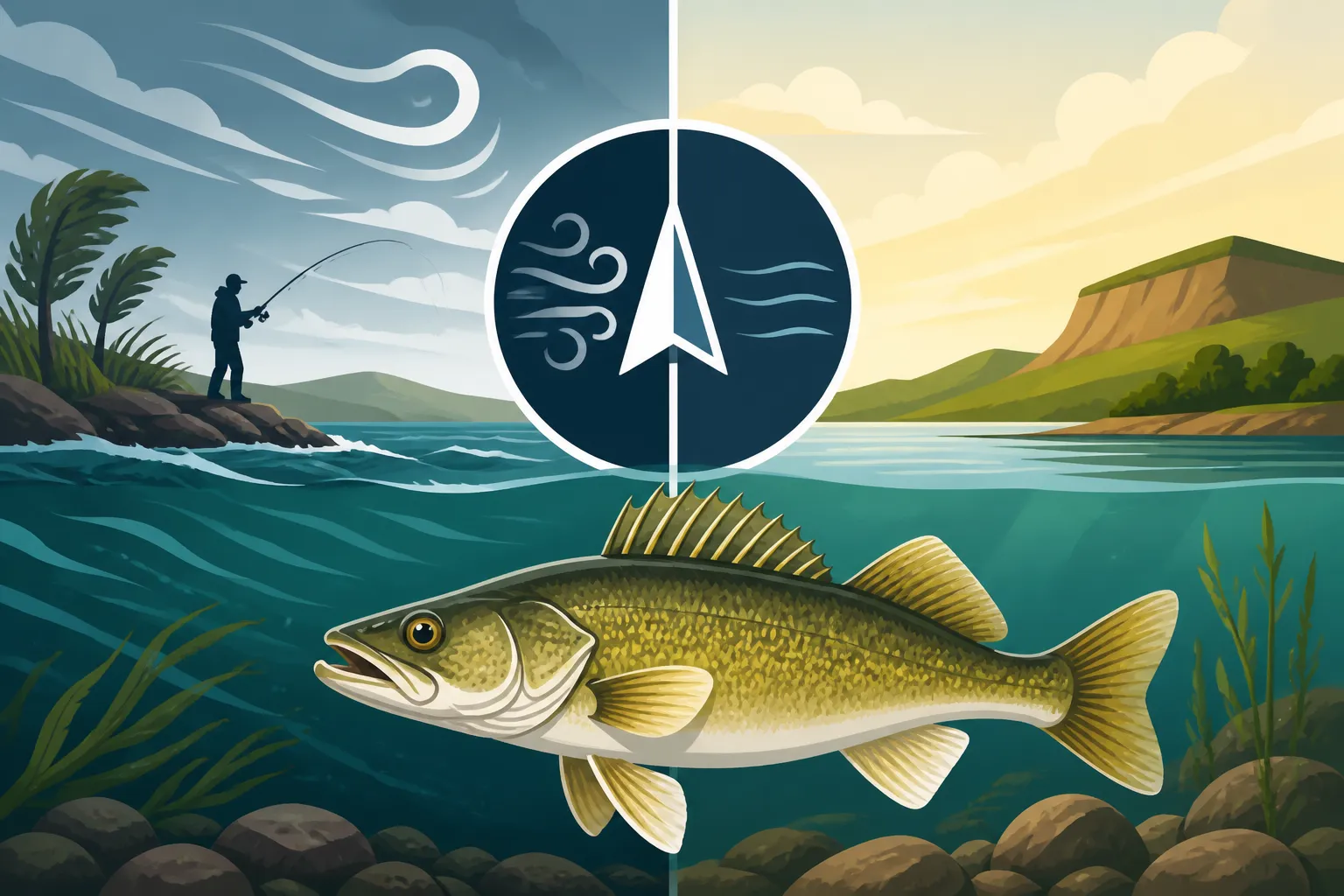
There's nothing quite as frustrating as heading out to your favorite South Dakota walleye spot, full of anticipation, only to be met with shifting winds that leave you scratching your head. You cast, you troll, you jig, but nothing seems to work, and you start to wonder if the wind direction is playing a cruel trick. It’s a common dilemma for anglers, and understanding how wind truly impacts walleye behavior can be the game-changer you need. This comprehensive guide will peel back the layers of mystery surrounding wind and walleye, helping you decode their movements and adapt your tactics for a successful day on the water, no matter which way the breeze blows.
The Complex Relationship Between Wind and Walleye Behavior
Many anglers think of wind as just a nuisance – something that makes boat control harder or causes choppy waves. But for walleye, wind is a powerful environmental force that directly influences their comfort, feeding patterns, and where they choose to hang out. It's not just about the waves; it's about what those waves do under the surface.
How Wind Creates Current and Oxygenation
Imagine the vast expanses of Lake Oahe or Lake Francis Case on a breezy day. That wind pushing across the surface isn't just creating whitecaps; it's driving a significant amount of water. This movement, often subtle but impactful, creates currents even in what we perceive as still lakes and reservoirs. These wind-generated currents act much like a river, albeit a less predictable one, moving water and everything in it.
More importantly, this constant churning and mixing of the water column are vital for oxygenation. Oxygen is life, and fish, including walleye, need it to thrive. When the wind stirs up the water, it introduces more oxygen, especially into the shallower areas and along the shorelines. This fresh infusion of oxygen makes these areas more attractive to baitfish, which are less tolerant of low oxygen levels. And where the baitfish go, the walleye are sure to follow. They are efficient predators, always looking for the easiest meal, and a wind-driven current can concentrate their forage, making the hunting easier. Think of it as a natural conveyor belt delivering dinner right to their fins.
Wind's Impact on Baitfish and Forage
Walleye are opportunistic predators, and their entire existence revolves around finding and consuming baitfish. Wind plays a colossal role in this aquatic food chain. As mentioned, wind-driven currents push and concentrate baitfish. On a large body of water like the Missouri River reservoirs, this often means baitfish, like gizzard shad or smelt, get pushed up against a shoreline, into a bay, or concentrated around specific points or breaks.
When a consistent wind blows into a particular bank or structure for several hours, it essentially creates a "food factory." The waves churn up the bottom, dislodging invertebrates and small organisms that baitfish feed on. Simultaneously, the current pushes schools of baitfish into these areas. For a walleye, this is like ringing the dinner bell. They'll position themselves just outside this buffet zone, often in slightly deeper water adjacent to the wind-blown structure, waiting to ambush unsuspecting baitfish that are struggling in the turbulent water or simply being pushed their way. This is why experienced anglers often advise "fishing the wind-blown side" – it’s not just a saying; it's often where the food is, and therefore, where the walleye are actively feeding. You might find some of the best Lake Oahe Walleye Hotspots Near Mobridge on a windy day by focusing on these areas.
Deciphering Specific Wind Directions for South Dakota Walleye
While any wind can create beneficial currents and oxygenation, anglers have long noted that certain wind directions seem to have a more profound, or at least more predictable, impact on walleye fishing. This isn't just folklore; it often ties into larger weather patterns, barometric pressure changes, and the sheer comfort level of the fish.
East Wind: "Fish Bite the Least" – Myth or Reality?
Ah, the dreaded east wind. You've heard the old saying: "Wind from the East, fish bite the least." This adage is widely believed among anglers, and for many who fish South Dakota's vast lakes, it often holds true. But why? Is it just a superstition, or is there a scientific basis?
The reality is, it's a bit of both. The primary reason an east wind often signals tough fishing is its association with changing weather patterns, specifically falling barometric pressure. A low-pressure system often moves in from the east, bringing with it unstable weather like rain, storms, or a sudden cold front. Fish, including walleye, are highly sensitive to changes in barometric pressure because it directly affects their swim bladders. A rapid drop in pressure can make them feel uncomfortable, akin to us feeling a headache or joint pain before a storm. This discomfort can significantly reduce their willingness to feed aggressively.
Additionally, an east wind often brings colder, clearer water, especially in spring, which can make walleye more lethargic and less likely to chase baits. On a lake like Lake Sharpe, where clear water can sometimes make fish finicky, an east wind pushing that cold, clear water might exacerbate the issue. While not always a death knell for fishing, an east wind often requires a much more subtle approach and patience. Don't give up entirely, but be prepared for a slower bite and consider presentations that are less aggressive.
West, North, and South Winds: What They Often Mean
In contrast to the east wind, winds from the west, north, and south are generally considered more favorable for walleye fishing in South Dakota. These wind directions are frequently associated with more stable weather patterns and steady barometric pressure, which typically keeps fish more active and willing to feed.
-
West Wind: A west wind is often a favorite among walleye anglers. It usually brings stable weather, often clearing skies after a front, and consistent conditions. The steady push of a west wind across a lake or reservoir can create excellent current seams and wind-blown points that are perfect ambush locations for walleye. On the Missouri River reservoirs, a good west wind pushing into a bay or across a main lake point can stack up baitfish and subsequently, walleye. These conditions often mean you can find active fish on the windward side of structure.
-
North Wind: A north wind can be a bit of a mixed bag. Immediately following a cold front, a strong north wind often means clear, cold air, which can initially make fishing tough as the fish recover from the pressure change. However, if the north wind is consistent for a day or two and the weather stabilizes, it can become quite productive. Similar to the west wind, it creates strong currents that push baitfish, concentrating them on the northern shores or structures. It often signifies stable high pressure, which walleye generally prefer once they've adjusted. Look for Best Lures for South Dakota Walleye that can get down deep in these conditions.
-
South Wind: South winds are generally considered good fishing winds, particularly in the spring and fall. They often bring warmer air and can help warm up shallower water areas, activating both baitfish and walleye. A steady south wind often means a stable warm front is moving in, keeping barometric pressure steady or slowly rising – conditions that walleye typically respond well to. On lakes in the Glacial Lakes region, a south wind pushing into a reed bed or rocky point can create a feeding frenzy as baitfish are pinned against the structure.
It's important to remember that these are general tendencies. The actual impact can vary depending on the time of year, water temperature, and specific body of water you're fishing.
Adapting Your South Dakota Walleye Techniques to Windy Conditions
Understanding how wind affects walleye is only half the battle; the other half is knowing how to adjust your fishing techniques to capitalize on these conditions. Wind can make fishing challenging, especially for boat control, but with the right adjustments, it can also lead to some of your most productive days.
Fishing the Wind-Blown Side: Positioning and Presentation
Once you've identified the "wind-blown side" – that shoreline, point, or flat where the wind is pushing in – your next step is positioning yourself correctly and presenting your bait effectively. This is often where the most active walleye will be, eagerly waiting for easy meals.
However, fishing in the wind is not without its difficulties. Maintaining boat control can be a significant challenge, especially on large, open bodies of water like Lake Oahe. Without proper control, your boat will drift too quickly, or your lines will bow out, making it hard to feel bites or keep your lure in the strike zone. This is where tools like drift socks become invaluable. A drift sock, deployed off the bow or stern, acts like a parachute in the water, slowing your drift and allowing you to cover wind-blown areas at a more controlled speed. Many anglers pick up several sizes on Amazon to handle different wind conditions. Modern trolling motors with GPS spot-lock features, like those from Minn Kota or Garmin, are also game-changers, allowing you to hold your boat precisely on a productive spot despite strong winds.
When it comes to presentation, you often need to adapt to the turbulent conditions. Jigging can be highly effective, especially with heavier jigs that maintain bottom contact in choppy water. Use a snap jigging technique, lifting and dropping your jig to imitate a struggling baitfish. For those who prefer to cover more water, South Dakota Trolling Techniques for Walleye can be deadly. Long-lining crankbaits or pulling spinner rigs with live bait, such as a How to Fish a Spinner Rig for Walleye with a nightcrawler, parallel to the wind-blown structure can entice strikes from aggressive walleye. The key is to keep your bait in the walleye's face long enough for them to commit, which might mean slowing down your presentation or making multiple passes over a productive area. Remember, walleye are often facing into the current created by the wind, so presenting your bait in a way that appears natural with the current is crucial.
Lure Selection and Bait Choices for Windy Days
Windy days often necessitate specific adjustments to your lure and bait selection. The increased current, reduced visibility due to chop, and sometimes deeper positioning of walleye all play a role in what works best.
Firstly, heavier baits are your friends. Lighter jigs and lures will simply be swept away by the wind-driven current, making it impossible to maintain bottom contact or keep your presentation in the strike zone. Opt for jigs that are a quarter-ounce or more, depending on depth and wind strength. For trolling, ensure your crankbaits are diving to the appropriate depth or consider adding weight to your line to get them down. Using bottom bouncers with spinner rigs is also a great tactic in windy conditions, as they are designed to keep your bait near the bottom while drifting or slowly trolling.
Secondly, visibility is key in choppy, potentially stained water. While natural colors often work well, sometimes a bit of flash or brighter colors can make your lure stand out. Chartreuse, orange, or firetiger patterns can be excellent choices for crankbaits or jig heads when the water has a chop or is slightly stained from the wind. The flash from metallic spinner blades on Best Lures for South Dakota Walleye can also be a significant attractant. On the other hand, if the wind has pushed in clear, cold water, more natural baitfish patterns might still be the ticket. Experiment!
When it comes to live bait, windy days can sometimes make it harder to feel subtle bites. However, the natural movement and scent of live bait can be irresistible to walleye that are actively feeding. Minnows, leeches, or nightcrawlers rigged on a jig, a slip bobber (if you can manage boat control), or a bottom bouncer can be deadly. Consider using a larger minnow or a juicy nightcrawler to present a more substantial meal to aggressive walleye. Many anglers purchase live bait at local bait shops near their fishing destinations in South Dakota, or you can find tackle and bait rigging components on Amazon.
Beyond Wind: Other Environmental Factors Influencing Walleye
While wind is a major player, it’s rarely the only factor at work. Successful walleye anglers understand that wind often interacts with other environmental elements to create the perfect storm – or calm – for fishing. Looking at the bigger picture can provide even more insight into why walleye are biting (or not).
Barometric Pressure and Its Role
As touched upon earlier, barometric pressure is the silent, invisible force that heavily influences fish behavior, often in conjunction with wind. Barometric pressure refers to the weight of the atmosphere pressing down on the earth (and the water). Fish, with their sensitive swim bladders, can feel these changes acutely.
- Falling Barometric Pressure: This typically signals an approaching storm, cold front, or unstable weather system, often accompanied by strong, shifting winds (like that pesky east wind). As the pressure drops, walleye tend to become less active and move to deeper, more stable water where they might feel less physiological stress. Their feeding windows can be very short, and they might prefer slower, less aggressive presentations.
- Rising Barometric Pressure: This usually indicates clearing skies and stable, high-pressure systems. After a storm passes and the pressure begins to rise and stabilize, walleye often become more active and start to feed aggressively again. This is often associated with steady west or north winds that follow a front.
- Stable Barometric Pressure: This is generally ideal for fishing. When the pressure holds steady for an extended period, regardless of whether it's high or low, fish tend to be in a more consistent mood and their feeding patterns become more predictable.
The key takeaway is to pay attention to weather forecasts and understand not just the wind direction, but what kind of pressure system it's associated with. A strong west wind with falling pressure might not be as good as a moderate west wind with stable or rising pressure. Combining your knowledge of Wind and Weather Fishing Tips with barometric pressure readings will give you a significant edge.
Water Temperature and Clarity Considerations
Wind doesn't just create current; it can also dramatically influence water temperature and clarity, both of which are critical factors for walleye.
- Water Temperature: Wind can either warm or cool the water, depending on the air temperature and the duration of the wind. A warm south wind in spring can push warm surface water into shallow bays, drawing in walleye for pre-spawn feeding. Conversely, a strong cold north wind can rapidly cool down those same shallow areas, pushing fish back to deeper, more stable temperatures. Reading Water Temperature for Walleye is crucial because walleye have preferred temperature ranges for different activities, from spawning to active feeding. Wind-driven mixing can help disperse warmer or cooler water, impacting where walleye choose to congregate.
- Water Clarity: This is another big one. Wind whipping across the surface can churn up bottom sediments, especially in shallower areas or on certain types of lake beds. This can significantly reduce water clarity. While walleye are known to be effective low-light predators and can tolerate some turbidity, excessively muddy water can sometimes make them less active or push them to clearer areas. However, a slight chop and some stained water can actually be beneficial, as it reduces light penetration and provides camouflage for walleye ambushing baitfish. In very clear water, walleye can be more skittish and visible, making them harder to approach. The wind's ability to create a "walleye chop" – just enough disturbance to break up the surface and give walleye a feeding advantage – is often welcomed by anglers. Conversely, a flat-calm lake, regardless of wind direction, can make walleye extremely wary.
Understanding these interconnected factors will help you make more informed decisions about when and where to drop your lines. Remember, fishing isn't just about the fish; it's about the entire ecosystem and how all these elements work together to influence what happens beneath the surface. For a broader perspective on regulatory aspects, check out the South Dakota Fishing Seasons Explained.
| Wind Direction | Typical Weather Pattern | Barometric Pressure Tendency | Walleye Behavior Tendency | Recommended Approach |
|---|---|---|---|---|
| East | Unstable, approaching storms, colder air | Falling | Less active, move deeper, finicky | Slow, subtle presentations; deeper zones |
| West | Stable, clearing, steady conditions | Stable to slowly rising | Active, strong feeding, often near shore | Focus wind-blown side, aggressive presentations |
| North | Cold front, clear skies initially, then stable | High/Rising after initial drop | Recovering, then active once stable | Deeper immediately after front, then wind-blown structures |
| South | Warm front, rising temperatures | Stable to slowly rising | Active, especially in warmer shallows | Target warmer, wind-blown shallow areas; good for Best Time of Day to Catch Walleye in Summer |
Disclaimer
Please remember that fishing conditions, regulations, and fish behavior can change. Always consult the latest South Dakota Game, Fish and Parks (GFP) regulations and local advisories before heading out. Safety should always be your top priority on the water.