How to Fish a Spinner Rig for Walleye
There's nothing quite as frustrating as heading out onto a beautiful South Dakota lake or reservoir, seeing those walleye marks on your fish finder, and just not being able to coax a bite. It feels like you've tried everything, from jigging to casting, but those elusive marble eyes stay tight-lipped. This comprehensive guide will walk you through the ins and outs of fishing a spinner rig for walleye, a technique that has consistently proven to be a game-changer for anglers across our great state, helping you unlock more successful days on the water.
Understanding the Walleye Spinner Rig
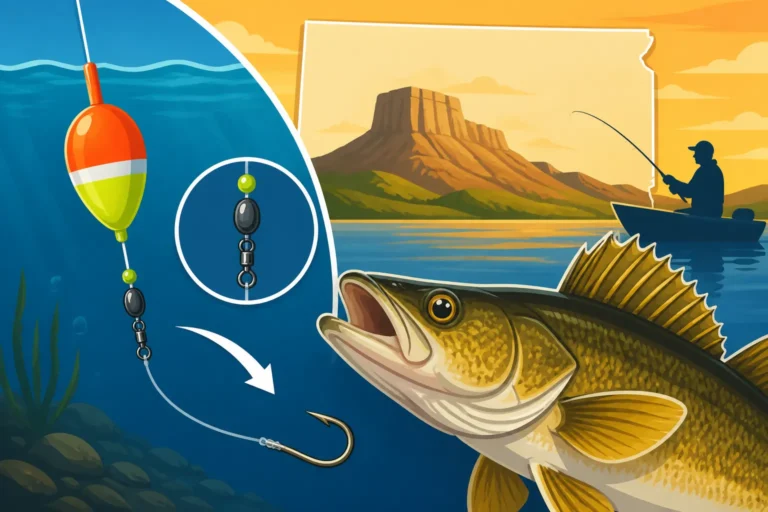
A spinner rig for walleye isn't just a fancy lure; it's a versatile system designed to entice fish through a combination of sight, sound, and scent. It's essentially a lead-weighted line with a spinning blade and often some beads, usually followed by one or two hooks to present live bait. The beauty of this setup lies in its simplicity and its incredible effectiveness, especially when walleye are spread out or when they're a bit finicky. It offers a natural presentation that many other lures simply can't replicate.
Anatomy of a Killer Spinner Rig
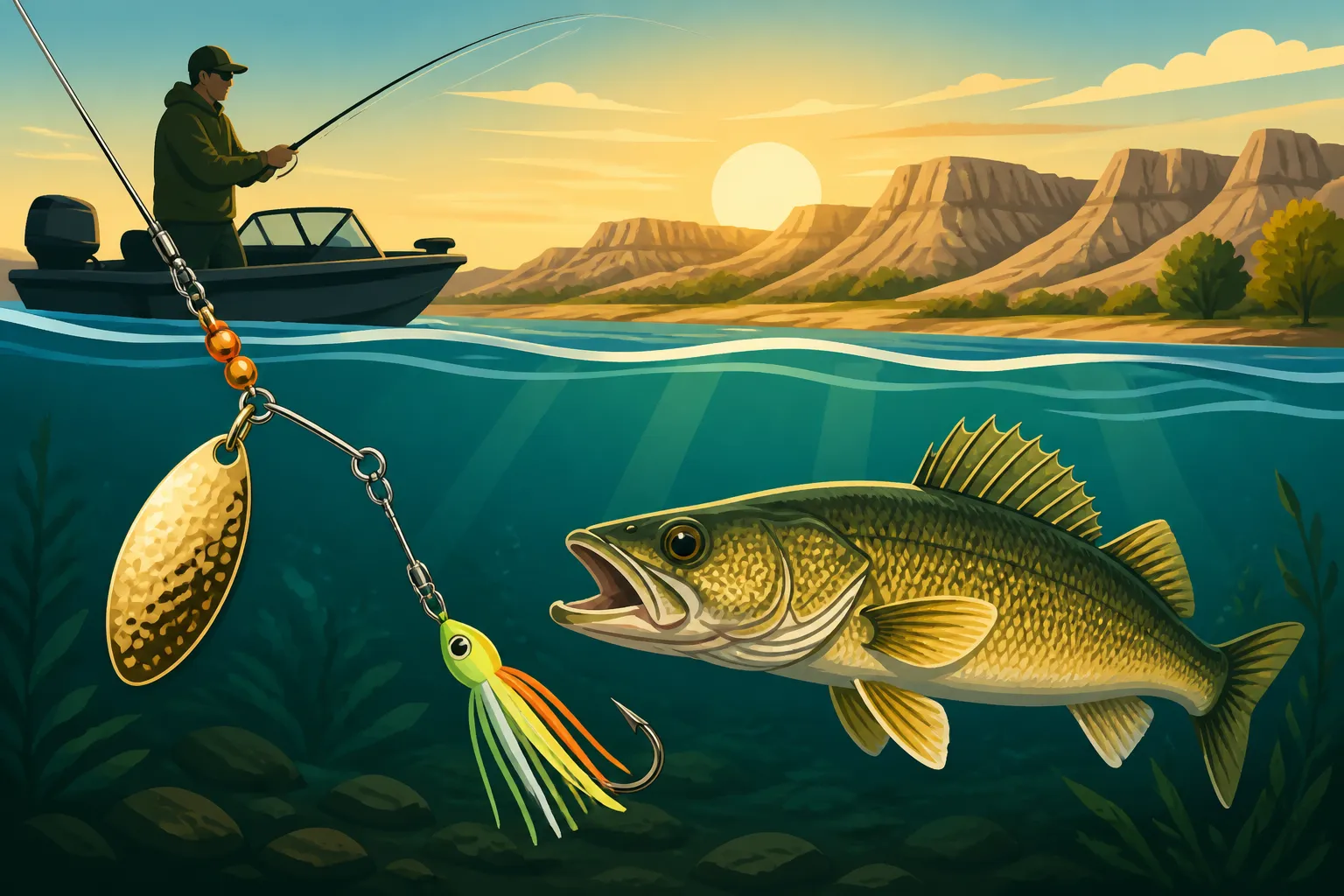
When you pick up a spinner rig, or even tie your own, you'll notice a few key components working in harmony. At the forefront is the blade, which is the "spinner" part. These come in various shapes like Colorado, Indiana, or Willowleaf, each with its own unique vibration and flash profile. The Colorado blade, for instance, offers a wider wobble and more thumping vibration, making it excellent in stained water or low light conditions. The Willowleaf, on the other hand, is slender and produces a subtler flash, often preferred in clear water or when fish are less aggressive.
Behind the blade, you’ll typically find a series of beads. These aren't just for show; they serve several purposes. First, they create a bearing surface for the blade to spin freely, which is absolutely crucial for the rig's action. Second, their color and size can add extra visual appeal, mimicking baitfish or drawing attention. Finally, they provide a slight buffer between the blade and your bait, ensuring the blade's action doesn't interfere with the natural movement of your crawler or minnow. This whole assembly is threaded onto a monofilament or fluorocarbon leader, usually ranging from 3 to 6 feet in length, and connected to your main line via a swivel.
Why Spinner Rigs are a Walleye Magnet
So, what makes these simple rigs so irresistible to walleye? It boils down to a multi-sensory attack. The spinning blade creates flash, mimicking a wounded baitfish, which is a powerful visual trigger. This flash is especially effective in South Dakota's often turbid waters, like those found on the Missouri River reservoirs. Simultaneously, the blade's rotation generates vibrations in the water, which walleye detect through their lateral lines. This "thump" or "pulse" acts as a sonic beacon, calling fish in from a distance, even if visibility is poor.
Beyond the flash and vibration, the spinner rig excels at presenting natural bait. Whether you're threading on a juicy nightcrawler, hooking a lively minnow, or impaling a squirming leech, the rig keeps your bait in the strike zone, wafting its natural scent. This combination of visual, auditory, and olfactory cues is incredibly potent. Walleye, being opportunistic predators, often can't resist a slow-moving, flashy target that also smells like an easy meal. This makes spinner rigs particularly effective when fish are somewhat lethargic or selective.
Setting Up Your South Dakota Spinner Rig Arsenal
Getting your gear dialed in for spinner rig fishing is paramount. You can't just grab any old rod and expect to feel those subtle walleye bites. Precision in your setup will dramatically increase your hook-up ratio and overall enjoyment on the water. From the rod's action to the type of line you spool up, every choice plays a role in your success.
Rod, Reel, and Line for Optimal Performance
For spinner rig fishing, you're generally looking for a rod that offers a good balance of sensitivity and backbone. A medium-light to medium power rod, typically 6'6" to 7'6" in length, with a fast or extra-fast action, is ideal. The sensitive tip will help you detect those gentle "thunks" or pressure changes as a walleye mouths your bait, while the backbone will provide the necessary power to drive the hooks home. A longer rod can also help with better line control when trolling or drifting, keeping your rig further away from the boat.
Pair this rod with a spinning reel in the 2500-3000 series. A smooth drag system is non-negotiable, as it will absorb the runs of a larger walleye and prevent break-offs. For your main line, many anglers opt for a low-stretch braided line, often 10-20 lb test, because of its superior sensitivity. It allows you to feel every bump on the bottom and every subtle bite. However, some prefer monofilament for its stretch, which can act as a shock absorber. If you go with braid, always use a fluorocarbon leader (6-10 lb test, 3-6 feet long) to attach your spinner rig. Fluorocarbon is nearly invisible underwater and is more abrasion-resistant than mono, which is a huge advantage when fishing around rocks or zebra mussels in lakes like Oahe.
Bait and Weight: The Dynamic Duo
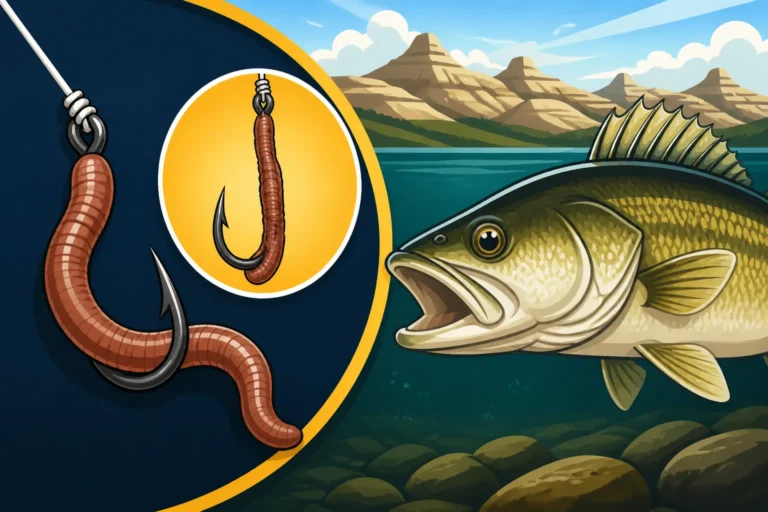
The choice of bait for your spinner rig is often dictated by conditions and what the walleye are feeding on. The undisputed champion for spinner rigs is the humble nightcrawler. Threading a full or half nightcrawler onto the hooks allows for maximum scent dispersion and an enticing, wriggling action. Leeches are another fantastic option, especially in clearer waters, as their natural movement under the spinning blade is incredibly appealing. Minnows, particularly shiners or fatheads, can also be highly effective, especially in colder water, providing a larger profile and more flash. You can often find a wide variety of live baits at local tackle shops or even purchase artificial versions online through retailers like Amazon if you prefer convenience or are worried about bait regulations.
To get your spinner rig down to the fish, you'll need weight. Bottom bouncers are perhaps the most common choice for trolling or drifting spinner rigs. These L-shaped wire weights keep your line off the bottom, reducing snags, and their weight helps you maintain bottom contact. They come in various sizes, from 1/2 ounce up to several ounces, and you'll adjust the weight based on depth, current, and trolling speed. In slower presentations or when casting, you might opt for slip sinkers or bell sinkers positioned a foot or two above your swivel. The key is to use just enough weight to consistently touch the bottom, allowing your rig to tick and bounce, creating puffs of stirred-up sediment that imitate feeding baitfish. For deep water applications on lakes like Sharpe, you might even integrate a planer board to spread out your lines and cover more water, especially if you're trying to figure out the best trolling pattern.
Advanced Techniques for South Dakota Walleye with Spinner Rigs
Once you have your gear sorted, it's time to talk about putting those spinner rigs into action. Walleye can be found in a variety of habitats throughout South Dakota, from the vast expanses of Lake Oahe to the smaller glacial lakes, and your technique will need to adapt to these different environments and conditions. The versatility of the spinner rig means you can effectively present it in numerous ways.
The Art of Trolling with Spinner Rigs
Trolling with spinner rigs is arguably the most popular and effective way to cover water and locate active walleye on our larger reservoirs. The goal is to present your bait at a consistent depth and speed, allowing the spinner blade to work its magic. Start by dropping your bottom bouncer and rig down until it makes contact with the bottom. Then, reel up just enough to keep it occasionally ticking the bottom, not dragging heavily. This subtle contact is crucial, as it indicates you're in the walleye's feeding zone and stirs up the bottom, mimicking foraging activity.
Your trolling speed is another critical factor. Generally, 0.8 to 1.5 mph is a good starting point, but you'll need to experiment. If the walleye are aggressive, you might speed up to trigger reactionary strikes. If they're sluggish, a slower presentation might be necessary. Pay close attention to your rod tip; it should have a steady pulse from the spinner blade. If it stops, you've likely snagged some weeds or have a fish on. Trolling along contour lines, especially subtle breaks or submerged points, is often highly productive. Consider using the Trolling for Walleye on Lake Oahe guide to refine your open-water strategies. Don't be afraid to make slight S-turns with your boat; this changes the speed and depth of your outside and inside lines, often triggering bites from hesitant fish.
Drifting and Casting for Precise Presentations
While trolling covers broad areas, sometimes walleye are concentrated in smaller, more specific locations, or you might be fishing from a shore or unpowered boat. In these scenarios, drifting or casting a spinner rig can be incredibly effective. Drifting involves letting your boat be carried by the wind or current, allowing your spinner rig to cover an area naturally. This is particularly useful in river systems like the Missouri River tailwaters below dams, where the current dictates the pace. Again, maintain bottom contact, adjusting your bottom bouncer weight as needed.
For casting, especially if you're targeting specific structures like rocky points or weed edges, you'll use a lighter bottom bouncer or a simple slip sinker. Cast your rig out, let it sink to the bottom, and then retrieve it slowly with a stop-and-go motion, pausing occasionally to let the bait settle. This retrieve mimics a foraging baitfish and gives the walleye time to ambush the bait. This technique is often fruitful on smaller glacial lakes or for shore anglers looking to reach deeper water. It's a fantastic way to target walleye when you know exactly where they're holding, rather than searching.
Reading the Water and Adjusting Your Approach
Walleye fishing is rarely a "set it and forget it" game. The most successful anglers are those who constantly observe and adapt. Pay attention to changes in wind, current, water clarity, and especially your electronics. If you see fish suspended, you might need to adjust your weight or line length to present your spinner rig higher in the water column. If the bite slows down, try changing your blade color, size, or even the type of bait. Sometimes, a subtle change from a vibrant chartreuse blade to a more natural silver or gold can make all the difference.
Water temperature is another crucial factor. Walleye prefer certain temperature ranges, and knowing the What Water Temperature Walleye Prefer? can help you locate them. If the water is warm, they might be more active and willing to chase a faster-moving bait. In colder water, a slower, more deliberate presentation with a subtle thumping blade is often more effective. Always keep an eye on what other successful anglers are doing, but don't be afraid to experiment. Sometimes, the unexpected change is what triggers the bite.
Optimizing Your Spinner Rig Success on South Dakota Waters
Achieving consistent success with spinner rigs goes beyond just knowing the basics; it involves fine-tuning your approach, understanding the nuances of walleye behavior, and troubleshooting common issues that can derail a good day on the water.
Seasonal Strategies and Environmental Factors
Walleye behavior, and thus the effectiveness of certain spinner rig tactics, shifts dramatically with the seasons in South Dakota. In spring, as ice-out occurs and water temperatures rise, walleye often move into shallower areas to spawn. During this period, a slower presentation near emergent weeds or rocky shorelines can be deadly. As summer progresses and waters warm, walleye tend to move deeper, seeking cooler temperatures and stable forage. This is when deep-water trolling with heavier bottom bouncers becomes essential on large bodies of water like Lake Oahe or Lake Sharpe. The guide on South Dakota Summer Walleye Fishing Techniques provides more insights for this season.
Fall brings a "feeding frenzy" as walleye aggressively bulk up for winter. This can be a fantastic time for spinner rigs, often with larger blades and bigger baits, as fish are willing to chase. Look for them concentrated around baitfish schools on main lake points or submerged humps. Even in winter, before the ice gets too thick for open water, a slow trolled spinner rig can pick off some surprisingly large fish. Environmental factors like wind can also play a huge role; a good chop on the water can break up light penetration and often leads to a more aggressive bite, making walleye less wary of your presentation.
Troubleshooting Common Spinner Rig Challenges
Even with the perfect setup, you might encounter issues. One of the most common frustrations is line twist, especially when using lighter monofilament leaders or if your blade isn't spinning correctly. Always use a good quality ball-bearing swivel between your main line and your spinner rig leader. Check your blade frequently to ensure it's spinning freely; sometimes a piece of weed or debris can foul it. If you suspect twist, cut off your rig and let your line trail behind the boat for a few minutes to untwist.
Another challenge is missed bites. Walleye can be notorious "nibblers," especially when they're not aggressive. If you're feeling a lot of bumps but not getting hookups, try slowing down your trolling speed or letting the fish "take" the bait a little longer before setting the hook. Sometimes, switching to a sharper hook or a rig with two hooks (a "tandem" rig) can improve your hook-up ratio. Regularly check your hooks for sharpness, especially after bouncing off the bottom. A quick swipe with a hook sharpener, easily found on Amazon, can make a huge difference.
Enhancing Your Rigging and Presentation
Don't be afraid to customize your spinner rigs. While pre-tied rigs are convenient, making your own allows for endless experimentation. You can vary leader length, bead colors, blade types, and hook sizes. For instance, if you're fishing in murky water, fluorescent or bright-colored beads might be more visible. In clear water, more natural, transparent beads might be better. Consider using a float or a small bead between your bottom bouncer and your swivel to lift the spinner rig slightly off the bottom, especially when fishing over areas with patchy weeds.
When using live bait, ensure it's lively and presented naturally. For nightcrawlers, threading them so they stretch out but still have plenty of wiggle room is key. If using minnows, hook them lightly through the lips or behind the dorsal fin so they stay alive and active. The Best Bait for South Dakota Catfish can give you some ideas on other robust baits that might also work for walleye in specific conditions, though nightcrawlers and leeches are usually king for spinner rigs. Remember, the goal is to make your presentation look as appealing and easy to catch as possible to those hungry walleye.
| Blade Type | Shape Description | Vibration Profile | Flash Profile | Best Use Cases |
|---|---|---|---|---|
| Colorado | Round, deep cup | Strong, wide throb | Broad, noticeable | Stained water, low light, slow speeds, attracting fish from afar |
| Indiana | Oval, medium cup | Moderate, steady | Medium, balanced | All-around versatile, good for various conditions |
| Willowleaf | Long, slender, shallow cup | Subtle, tight | Intense, narrow | Clear water, fast speeds, less aggressive fish, mimicking shiners |
| Hatchet | Short, wide, hatchet-shaped | Unique, erratic | Bright, erratic | Reaction strikes, current, when fish are highly active |
Disclaimer
This article is for general informational purposes only and does not constitute professional advice. Laws, prices and regulations vary by location and change over time. Consult a qualified professional for guidance on your specific situation.