Trolling for Walleye on Lake Oahe
Lake Oahe, a true gem of South Dakota, offers incredible walleye fishing, but its sheer size can be daunting. Many anglers feel overwhelmed by the vast expanses, struggling to locate those elusive schools of walleye consistently. This comprehensive guide is designed to demystify trolling on Lake Oahe, providing you with the strategies, gear insights, and seasonal adjustments you need to confidently target and catch more walleye.
Understanding Lake Oahe's Walleye Habitat
Before you even think about dropping a line, it's crucial to understand the environment you're fishing in. Lake Oahe isn't just a big reservoir; it's a dynamic ecosystem shaped by its history and the powerful Missouri River. Walleye, being opportunistic predators, will relate to different parts of this vast waterbody depending on the season, water levels, and available forage. Knowing their typical haunts is the first step to successful trolling.
The Missouri River System's Influence
Lake Oahe is one of four mainstem Missouri River reservoirs in South Dakota, stretching over 230 miles from central North Dakota down to the Oahe Dam near Pierre. This means you're dealing with a riverine system that has been impounded, creating a unique blend of deep channels, flooded timber, and vast open water. The current, even subtle, plays a significant role in walleye behavior, especially in areas closer to the main river channel or upstream sections. Unlike a natural lake, the flow of water brings nutrients and baitfish, concentrating walleye in specific areas. Anglers often find that current breaks, points, and inside turns where the river channel bends are prime locations. The river's influence also means that water levels can fluctuate, exposing or submerging structure and changing fish patterns. Keeping an eye on the South Dakota Missouri River Fishing Techniques can give you a leg up, as many of the principles of current fishing apply directly to Oahe.
Key Structural Elements to Target
Walleye are structure-oriented fish, and Lake Oahe offers a smorgasbord of options. When you're trolling, you're not just blindly dragging lures; you're systematically covering water around potential holding areas. Understanding these structures is paramount.
- Old River Channel: The submerged Missouri River channel is a highway for walleye, especially during migration periods or when they're seeking deeper, cooler water. Trolling parallel to the channel edges, or across areas where the channel intersects with humps or points, can be incredibly productive. These deep troughs provide both refuge and ambush points.
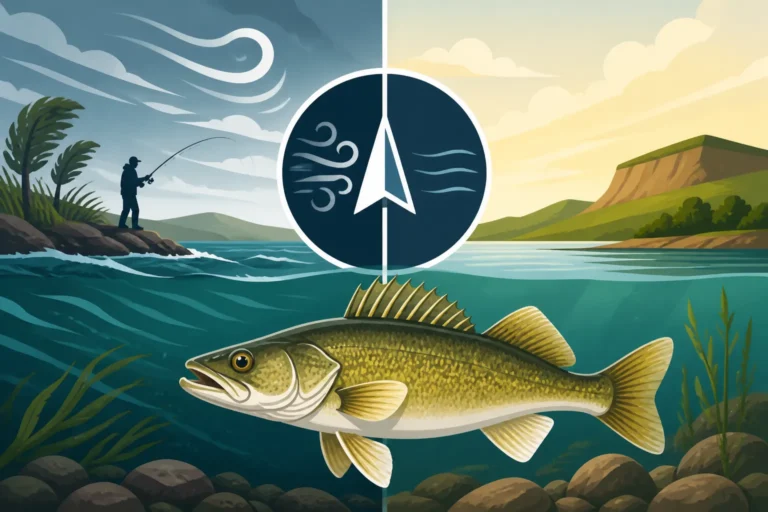
- Humps and Submerged Islands: These elevated areas on the lake bottom, often old hills or bluffs before inundation, are magnets for baitfish and, consequently, walleye. Trolling over the tops, around the edges, and especially focusing on the wind-blown sides can pay dividends. Mark these on your GPS!
- Points and Bays: Shoreline points that extend into the lake, whether gradual or sharp, act as natural funnels for baitfish and ambush points for walleye. Similarly, larger bays with gradual slopes or submerged creek channels can hold vast schools of walleye, particularly during pre-spawn and post-spawn periods. The protected waters of a bay can be a haven for baitfish, drawing in predators.
- Tree Lines and Old Roadbeds: In many parts of Lake Oahe, particularly in the northern sections like near Lake Oahe Walleye Hotspots Near Mobridge, you'll find submerged timber from flooded forests or old roadbeds. These offer excellent cover and structure for walleye, although trolling here requires careful navigation to avoid snags.
Essential Gear for Trolling Lake Oahe Walleye
Trolling on a body of water as expansive and diverse as Lake Oahe demands the right equipment. It's not just about having a rod and reel; it's about having a system that allows you to present your lures effectively, cover vast areas efficiently, and battle big walleye with confidence. Investing in quality gear, much of which you can find on Amazon, will significantly enhance your experience and success.
Rods, Reels, and Line Selection
Choosing the right combination of rod, reel, and line is critical for effective trolling. You need gear that can handle the constant strain of pulling lures, detect subtle bites, and manage larger fish.
- Rods: For trolling walleye on Lake Oahe, medium-light to medium-heavy action rods, typically 7 to 9 feet in length, are ideal. The longer rods help spread out your lines and absorb the shock of a big fish hitting a trolled bait. Look for rods with a moderate action that bends throughout the blank, providing a good blend of sensitivity and backbone. A rod like a St. Croix Eyecon Trolling Rod or a Daiwa Walleye Troller rod offers the necessary characteristics. If you're using planer boards, a longer, slightly stiffer rod can be advantageous to handle the extra drag.
- Reels: Low-profile baitcasting reels or small line-counter reels are the preferred choice for trolling. Line-counter reels are invaluable because they allow you to precisely repeat successful presentations by knowing exactly how much line you have out. Brands like Daiwa (e.g., Sealine series) or Okuma (e.g., Coldwater series) offer reliable line-counter reels. Ensure your reel has a smooth, consistent drag system, as big Lake Oahe walleye can put up a serious fight.
- Line: This is where things get a little more nuanced.
- Monofilament: A good all-around choice for beginners, typically 10-14 lb test. It offers stretch, which can be forgiving with aggressive fish and helps prevent hooks from tearing out. However, its stretch also means less sensitivity and it can affect lure running depth.
- Braided Line: Becoming increasingly popular, 10-20 lb test braid offers incredible sensitivity, zero stretch, and a thinner diameter for its breaking strength. This allows lures to run deeper on less line and provides instant feedback on bites. The lack of stretch can be a double-edged sword, however, requiring a more forgiving rod or a monofilament/fluorocarbon leader to absorb shock. A 6-10 foot fluorocarbon leader (12-17 lb test) is often tied to the end of braided mainline to provide invisibility and some abrasion resistance. You can find a wide selection of braided lines like PowerPro or Berkley X5 on Amazon.
- Lead Core Line: This specialized line changes color every 10 yards, with each color representing a certain depth for a given trolling speed. It's excellent for reaching specific depths without added weights and can be crucial for targeting deep walleye, especially during the summer.
Trolling Motors and Electronics
These tools are not just conveniences; they are absolutely essential for efficient and productive walleye trolling on Lake Oahe.
- Trolling Motors: A reliable bow-mount electric trolling motor with GPS capabilities (like a Minn Kota Terrova or Ulterra, or a Lowrance Ghost) is a game-changer. These motors allow you to maintain a precise speed and direction, even in windy conditions, and can automatically follow contour lines or track a specific route. This frees you up to focus on rod adjustments, lure presentation, and fish detection. The "spot-lock" feature is also incredibly useful for holding your boat over a productive area without having to drop an anchor. For a comprehensive look at what's available, exploring options on Amazon is a good starting point.
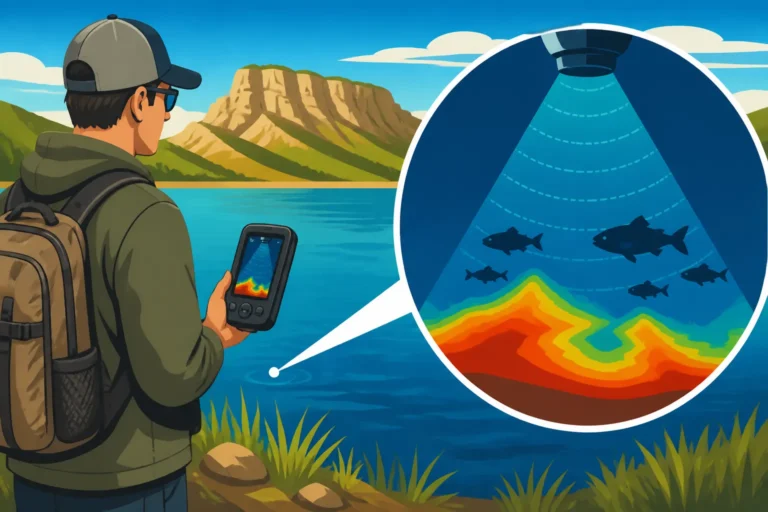
- Electronics (Fish Finders/Chartplotters): Modern fish finders are your eyes beneath the water. Units with detailed mapping (like Humminbird Helix or Garmin ECHOMAP series) allow you to identify contours, humps, and the old river channel. Side imaging and down imaging technologies reveal submerged structure, baitfish schools, and even individual walleye off to the sides or directly below your boat. Being able to mark waypoints, track your trolling path, and identify productive depths are all critical functions. The How to Read a Fish Finder for Walleye guide offers excellent tips on making the most of these powerful tools. A good unit will also display water temperature, which is a key factor in walleye activity.
Top Trolling Techniques and Lures for Lake Oahe
Trolling for walleye on Lake Oahe isn't a one-size-fits-all endeavor. The most effective techniques and lures will vary significantly based on the season, water depth, and walleye behavior. Having a versatile tackle box and knowing when to deploy each strategy is the hallmark of a successful angler.
Crankbait Trolling Strategies
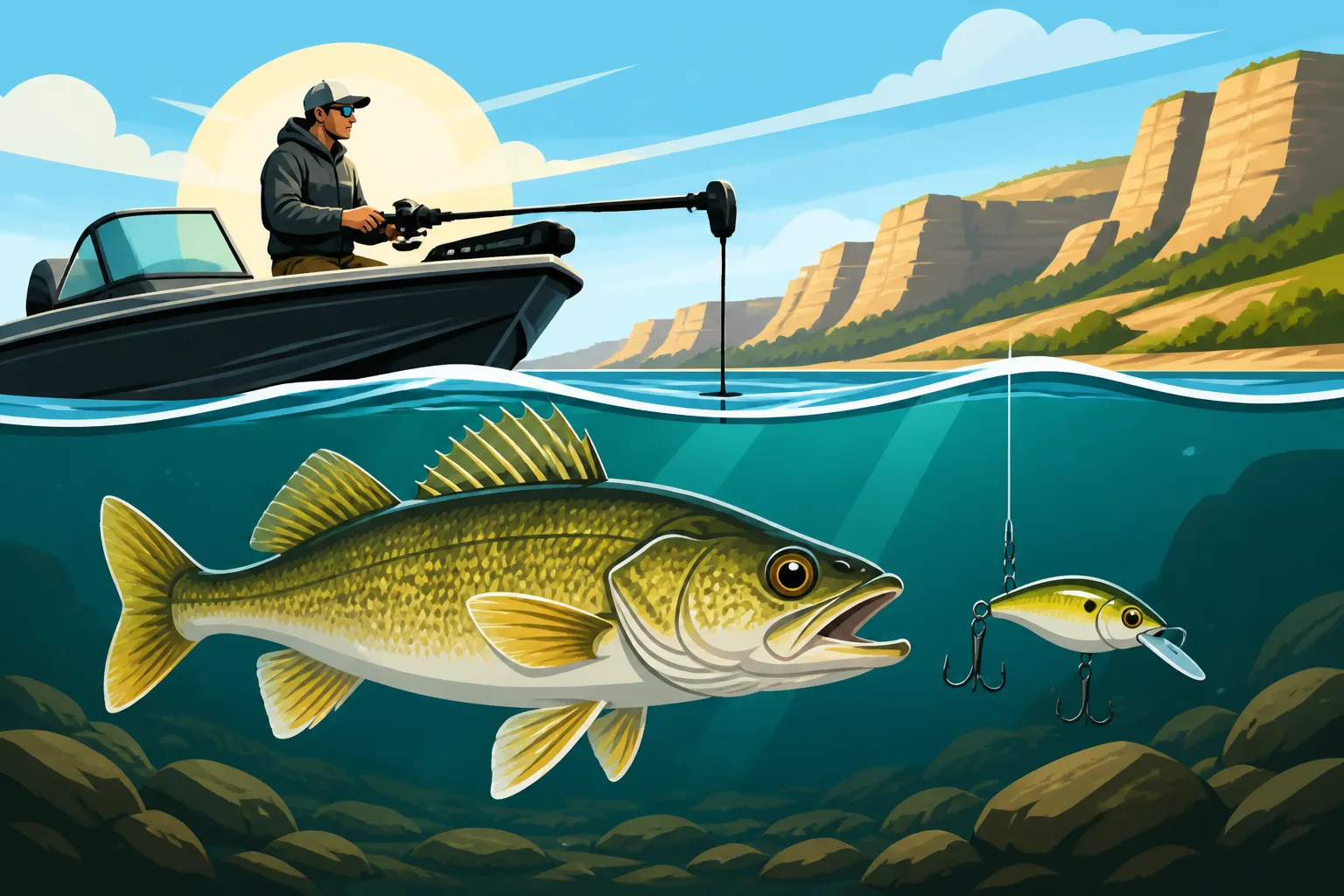
Crankbaits are arguably the most popular and effective lures for trolling walleye on Lake Oahe, particularly when fish are suspended or relating to mid-depth structures. They mimic baitfish and come in a vast array of shapes, sizes, and diving depths.
- Choosing the Right Crankbait: The key is matching the hatch and the depth. Long, slender minnow imitations like Rapala Shad Raps, Berkley Flicker Shads, or Salmo Hornets are perennial favorites. Deeper diving models are essential for reaching fish in the 15-30 foot range, while shallower runners work well over humps or along breaking points. Pay attention to the action – some crankbaits have a tight wiggle, others a wide, aggressive wobble. For insights into color choices, check out our guide on Best Crankbait Colors for Stained Water.
- Depth Control: This is paramount. You need to know how deep your chosen crankbait runs at your target trolling speed with the amount of line you have out. Manufacturers often provide diving charts, but real-world conditions (line type, speed, current) can alter this. Experimentation and a good line counter reel are your best friends. Using lead core line or snap weights can further help achieve deeper presentations.
- Speed and Action: Trolling speeds for crankbaits typically range from 1.5 to 2.5 mph. Experiment with subtle speed changes (S-turns) to vary the lure's action and trigger bites. Sometimes, a sudden increase or decrease in speed can be just what it takes to provoke a strike from a following walleye.
Spinner and Crawler Harness Trolling
When walleye are closer to the bottom, especially over softer bottoms, flats, or during periods of reduced activity, a spinner or crawler harness can be deadly. These rigs combine an attractor blade with live bait, typically a nightcrawler.
- The Power of Live Bait: There's something about a juicy, wiggling nightcrawler that walleye simply can't resist. The spinner blade adds flash and vibration, calling fish in, while the natural scent and action of the crawler seal the deal.
- Rigging and Presentation: A standard crawler harness consists of a clevis, a blade (Colorado, Indiana, or Willowleaf are common shapes), beads, and two snelled hooks. The hooks are typically threaded through a nightcrawler to present it as naturally as possible. These rigs are usually fished behind a bottom bouncer or a small trolling weight, allowing them to tick along the bottom without snagging too frequently.
- Depth and Speed: Bottom bouncers are excellent for maintaining contact with the lakebed. Choose the weight of your bouncer (e.g., 1/2 oz to 2 oz) based on depth, trolling speed, and current. Trolling speeds for spinner rigs are generally slower than crankbaits, typically 0.8 to 1.5 mph, allowing the blade to turn enticingly without washing out the crawler's action. A slow, steady presentation is often key. You can stock up on components or pre-tied harnesses through retailers like Amazon.
Planer Boards and Lead Core Tactics
For covering wide swaths of water, especially in open basin areas, planer boards and lead core line are indispensable tools for a serious Lake Oahe troller.
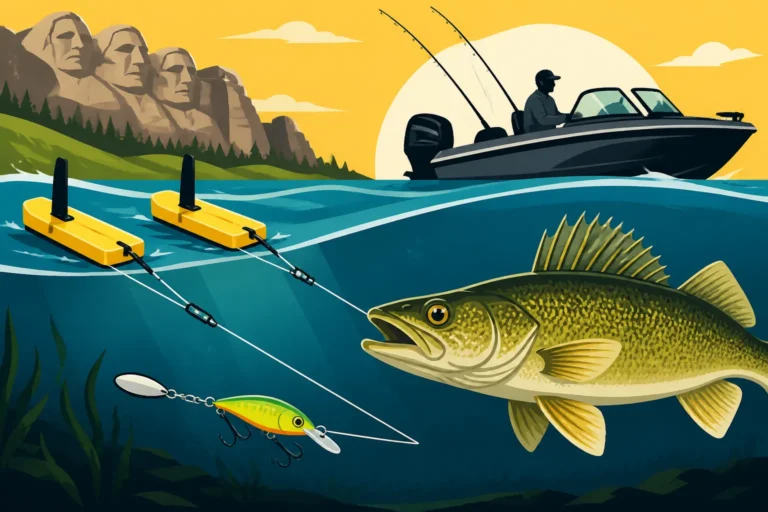
- Planer Boards: These devices allow you to spread out multiple lines away from the boat, covering a much wider path than you could with just rod holders directly off the transom. This is particularly effective when walleye are scattered or when you want to present baits in undisturbed water away from the boat's shadow. Small inline planer boards (like those from Off Shore Tackle or Church Tackle) are popular for walleye. You attach your fishing line to the board, deploy it, and let it run out to the side. When a fish hits, the board releases or flags, indicating a strike.
- Lead Core Line: As mentioned earlier, lead core is excellent for reaching specific depths without the bulk of heavy weights. Each color of lead core (usually 10 yards) corresponds to roughly 5-7 feet of depth at typical walleye trolling speeds. By letting out a certain number of "colors," you can precisely target fish at various depths. Combining lead core with planer boards allows you to present deep-running lures far away from the boat, covering the water column effectively. This combination is particularly potent for deeper suspended walleye in summer. Learning How to Use Planer Boards for Walleye can significantly increase your catch rates.
Seasonal Adjustments for Walleye Trolling
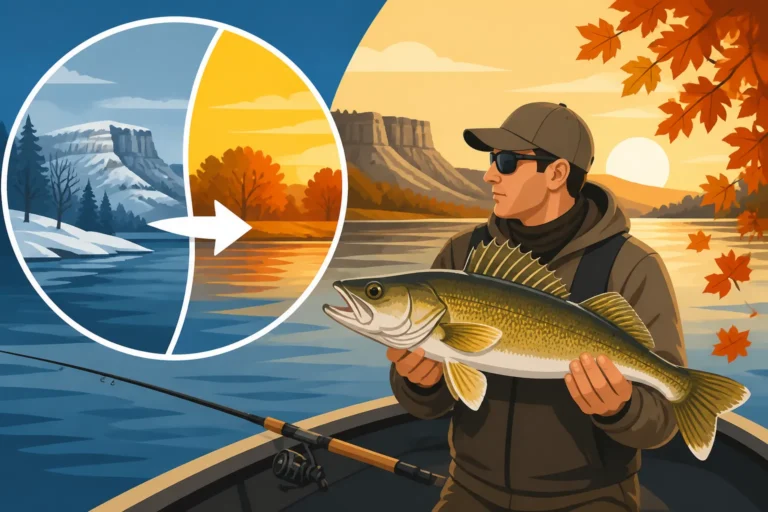
Walleye behavior on Lake Oahe is heavily dictated by the seasons. Water temperature, spawning cycles, and baitfish movements all influence where walleye will be and how aggressively they'll feed. Successful trolling means adapting your approach throughout the year. For a broader perspective on timing, consider our Best Time of Year to Fish in South Dakota article.
Spring and Early Summer Patterns
As the ice recedes and water temperatures slowly climb, walleye transition from their wintering grounds to shallower spawning areas. Post-spawn, they become incredibly active, recovering from the rigors of reproduction and aggressively feeding.
- Pre-Spawn and Spawn (April-May): Walleye will stage near traditional spawning grounds, often rocky reefs, shallow points, and the upper reaches of the reservoir or tributary mouths. Trolling shallower-running crankbaits or spinner rigs with nightcrawlers in 5-15 feet of water can be very productive. Look for areas where the water warms up first.
- Post-Spawn (Late May-June): Once spawning is complete, walleye disperse and become ravenous. They'll follow baitfish into bays, along breaking points, and over developing weed lines (where present). This is a prime time for aggressive crankbait trolling, especially with brighter colors, in depths from 10-25 feet. They're often found shallower in the mornings and evenings. Pay attention to areas with good forage, like smelt or shad. Our South Dakota Spring Walleye Fishing Techniques guide provides more targeted advice for this active period.
Mid-Summer Deep Water Tactics
Summer on Lake Oahe sees water temperatures rise, pushing many walleye to seek refuge in deeper, cooler, and more oxygenated water. This is when deep-water trolling techniques really shine.
- Thermal Stratification: As the lake stratifies, walleye will often hold along the thermocline – the layer of water where temperature changes rapidly. Your electronics will be crucial for finding this depth. This is typically in the 20-40 foot range, but can vary.
- Targeting Deep Structure: Walleye will congregate on deep humps, along the old river channel edges, and around submerged timber in deeper zones. Lead core line and deep-diving crankbaits are essential here. Trolling speeds might need to be slightly faster to keep the lures down effectively.
- Forage Location: Always be on the lookout for schools of baitfish (smelt, cisco, shad). Walleye will rarely be far from their food source. If you mark bait in 30 feet of water, that's where you need to be presenting your lures. The Water Depth Where Walleye Feed on Lake Oahe in July is often a key factor to target.
Fall Transition and Pre-Winter Feeding
As autumn approaches and water temperatures begin to cool, walleye enter a major feeding frenzy, bulking up for the long winter. This can offer some of the most exciting trolling action of the year.
- Walleye Migration: Walleye often start to move out of the deepest summer haunts and spread out, often moving back towards main lake points, humps, and shallower flats adjacent to deep water. They can be very aggressive.
- Heavy Feeding: This is the time when walleye are putting on weight, making them eager to strike. Trolling larger crankbaits, often with a wider wobble, can be very effective. Spinner rigs with large nightcrawlers or even shiner minnows can also produce.
- Depth and Location: In early fall, walleye might still be in mid-depths (15-30 feet), but as temperatures drop, they'll often move into shallower areas (8-20 feet) during prime feeding windows, especially overcast days. They'll continue to relate to structure, but their movements can be more widespread. The South Dakota Fall Walleye Fishing Techniques can provide you with targeted information for this productive season.
Reading the Water and Fine-Tuning Your Approach
Catching walleye on Lake Oahe isn't just about setting lines and driving around. It's a constant process of observation, adjustment, and learning. The most successful anglers are those who can read the subtle cues the lake provides and make on-the-fly modifications to their trolling setup.
Interpreting Sonar and Lake Maps
Your electronics are not just for showing you fish; they're for painting a picture of the underwater world.
- Sonar Interpretation: Learn to distinguish baitfish schools from larger predators. Walleye often appear as distinct arches or thick marks near the bottom or suspended in the water column. Pay attention to the depth at which you're marking fish. If you see fish at 25 feet, adjust your lure presentation to run at that exact depth. Also, look for distinct changes in bottom composition – soft bottom, hard bottom, rock piles. This tells you about potential walleye habitat.
- Contour Mapping: Utilize the detailed lake maps on your fish finder to identify key structures: humps, points, drop-offs, and the old river channel. Mark waypoints on these features and plan your trolling passes to intersect them. The ability to follow specific contour lines using your GPS trolling motor is invaluable. If you notice a consistent bite at a certain depth, set your trolling motor to follow that contour.
Speed, Depth, and Color Adjustments
These three variables are your primary levers for fine-tuning your trolling presentation. Small changes can often make a huge difference in converting followers into biters.
- Speed: Walleye can be incredibly finicky about trolling speed. Sometimes they want a faster, more erratic retrieve, other times a slow, methodical presentation. Experiment with speeds from 1.0 to 2.8 mph. If you're using multiple lines, try varying the speed on different rods. Don't be afraid to make slight S-turns with your boat; the inside lines will slow down, and the outside lines will speed up, often triggering a strike as the lure's action changes.
- Depth: As discussed, depth is critical. If fish are suspended at 20 feet, and your lure is running at 15 or 25, you're missing them. Adjust line out, add or subtract weights (snap weights or bottom bouncers), or switch to different diving crankbaits to dial in the precise depth. Remember, walleye often feed looking slightly up, so running your lure just above their depth can sometimes be more effective than directly at it.
- Color: The "hot" color can change daily, hourly, or even by the minute. Start with a variety of colors (natural baitfish patterns, bright colors like firetiger or clown, and metallics like chrome or gold) to see what the fish prefer. If you're fishing with multiple rods, deploy different colors until a pattern emerges. Factors like water clarity, sunlight intensity, and the primary forage present can all influence color preference. In stained water, brighter or more contrasting colors often stand out, while in clear water, more natural patterns can be better.
By continually observing your electronics, marking your productive passes, and making these small, deliberate adjustments, you'll dramatically improve your success Trolling for Walleye on Lake Oahe. It's a learning process, but a rewarding one!
Walleye Trolling Lure and Technique Reference
To help you get started or fine-tune your approach, here's a quick reference table for common walleye trolling scenarios on Lake Oahe.
| Lure Type | Best Season | Typical Depth (ft) | Trolling Speed (mph) | Best Conditions | Notes |
|---|---|---|---|---|---|
| Crankbaits | Spring, Summer, Fall | 10-35 | 1.8-2.5 | Clear to Stained Water, Active Fish | Versatile, great for suspended fish. Match hatch. |
| Crawler Harness | Spring, Summer, Fall | 10-25 (with bouncer) | 0.8-1.5 | Over Flats, Bottom-Oriented Fish | Slower presentation, natural bait scent. Use bottom bouncers. |
| Lead Core/Spoons | Summer, Fall | 25-50 | 2.0-3.0 | Deep Suspended Fish, Open Water | Excellent for Chinook Salmon too. Specific depth targeting. |
| Snap Weights/Jigs | All Seasons | 15-40 | 0.5-1.0 | Vertical Jigging, Specific Structure | More vertical presentation, slower. Less "trolling" but effective. |
Disclaimer
Fishing regulations, license requirements, and local conditions can change. Always consult the latest South Dakota Game, Fish and Parks regulations handbook before heading out on the water. This guide is for informational purposes only and should not replace official sources.