Best Way to Locate Fish Without a Boat
It can feel incredibly frustrating to stand on the shore, watching anglers zip by in their fancy boats, seemingly pulling in fish left and right while you’re left wondering where the fish even are. The truth is, you absolutely don't need a high-tech fishing boat to find and catch fish in South Dakota. This comprehensive guide is all about empowering bank anglers, kayak enthusiasts, and anyone without a big motor to effectively locate fish and enjoy successful outings across our beautiful state.
Understanding Fish Behavior from the Bank
Finding fish when you're limited to shore access or a paddle craft starts with understanding their fundamental needs and how they relate to the water's edge. Fish, regardless of species, are constantly looking for three things: food, oxygen, and shelter. When you're on the bank, your job is to find where these three elements converge within casting distance.
Seasonal Movements and Patterns
Fish are creatures of habit, largely dictated by the changing seasons and water temperatures. What works in spring won't necessarily work in late summer or fall.
- Spring: As the ice recedes and water temperatures slowly climb, many species, especially walleye and smallmouth bass, move into shallower areas to spawn or feed aggressively in anticipation of it. This makes spring a fantastic time for bank anglers, as fish are often right near shore or in very accessible bays and coves. Look for northern shorelines that warm up faster, or creek mouths bringing in warmer water and nutrients. Understanding the nuances of South Dakota Spring Walleye Fishing Techniques can make a huge difference here.
- Summer: The heat of summer pushes many fish, particularly larger predators, into deeper, cooler water or into dense cover where they can find shade and ambush prey. While this can make bank fishing tougher, it's not impossible. Focus on early mornings, late evenings, or even night fishing when fish might cruise shallower areas to feed. Areas with current, like below dams or river bends, can concentrate fish looking for cooler, oxygenated water.
- Fall: As temperatures drop, many fish go on a feeding frenzy to pack on reserves for winter. This often means they return to shallower flats and points, actively hunting baitfish. This can be another prime time for bank anglers, especially for species like perch and walleye. Learning about South Dakota Fall Walleye Fishing Techniques can help you capitalize on this aggressive bite.
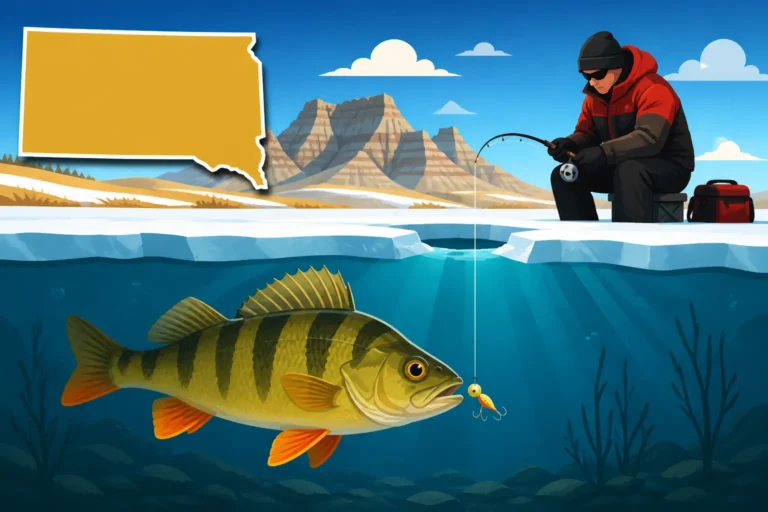
- Winter (Ice Fishing): For those brave enough to venture onto the ice, winter fishing provides unique shore access opportunities. Fish are often concentrated in specific areas, and once you find them, the action can be incredible. Focus on structure, deep transitions, and areas where baitfish might be congregating. Always prioritize safety and know How Thick Ice Should Be Before Fishing in South Dakota.
Identifying Key Structure and Cover
Even without a boat, you can visually identify promising structure and cover from the bank. These are the "homes" or "highways" for fish.
- Points and Submerged Ridges: Any point that extends out into the water, even if it's just a subtle drop-off, is a natural ambush point for predators like walleye and bass. From shore, you might see the bank gradually sloping or a sudden change in vegetation indicating a drop. Submerged ridges, while harder to see, can sometimes be inferred by current patterns or unusual ripples on the surface.
- Weed Beds and Docks: Weeds provide both shelter from predators and a feeding ground for smaller fish, attracting larger ones. Docks, especially older ones with algae growth, offer shade and vertical structure that fish love. Cast parallel to weed lines or around the edges of docks. For northern pike, dense weed lines are absolute magnets, and knowing Northern Pike Fishing Techniques for Weed Lines is essential.
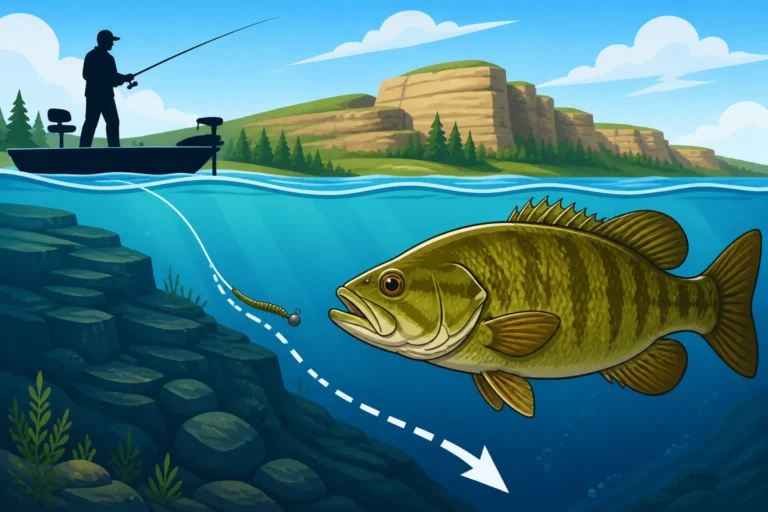
- Rock Piles, Riprap, and Boulder Fields: Rocky areas hold heat, grow algae (which attracts baitfish), and offer countless nooks and crannies for fish to hide. Riprap, the rocks lining causeways or dams, is a prime example of accessible rock structure. Smallmouth bass, in particular, are drawn to these areas.
- Inflows and Outflows: Any culvert, small creek, or river flowing into a lake or larger river can be a hotspot. These inflows bring in fresh, often cooler, oxygenated water, and sometimes food. Outflows, like below dams, create current breaks and eddies where fish hold. The Missouri River Tailwater Fishing Techniques are highly effective in these zones.
Reading the Water and Using Your Senses
Your eyes and ears are incredibly powerful tools for locating fish, especially when you can't rely on a fish finder. Developing the skill of "reading the water" will significantly increase your success.
Visual Cues: What to Look For
Before you even make a cast, take a few minutes to observe the water. You'd be surprised what you can learn.
- Baitfish Activity: This is perhaps the most obvious sign. If you see schools of small baitfish dimpling the surface, jumping frantically, or being chased, you can bet there are predators nearby. Watch for swirls, flashes, or even birds diving, indicating a feeding frenzy.
- Water Clarity and Color: Clear water means fish might be spookier and you'll need to use lighter lines and more subtle presentations. Stained or muddy water often means fish are less wary and might be drawn to vibration and scent. Darker, warmer water often holds different species than cooler, clearer sections. Sometimes, a subtle change in water color can indicate a drop-off or a current seam.
- Current and Eddies: Current brings food and oxygen, and fish will position themselves in "current seams" or "eddies" (slack water pockets) to conserve energy while waiting for food to drift by. Look for these breaks in the flow, often behind submerged rocks, points, or bridge pilings.
- Submerged Structure and Depth Changes: While you can't see the bottom of deep water, you can often infer depth changes. A sudden change in vegetation from shallow reeds to deeper, darker water can signal a drop-off. If you're using a small kayak, you can often paddle over areas to get a feel for depth changes with a weighted line. Many bank anglers will make a few test casts with a heavier jig to "feel" the bottom contour and identify transitions from sand to rock, or shelves.
Leveraging Technology and Maps (Even Without a Boat)
Just because you don't have a boat doesn't mean you can't use technology to your advantage. Modern tools are fantastic for pre-trip scouting and on-the-spot analysis.
- Mapping Apps and Satellite Imagery: Google Maps, fishing-specific apps like Navionics (which has a web viewer), and the South Dakota Game, Fish and Parks (GFP) website often provide excellent satellite imagery and contour maps. Before you go, study these maps intently. Look for points, coves, submerged humps (indicated by close contour lines), and public access points. You can zoom in and identify potential fishing areas, entry points, and even parking. This knowledge is invaluable for How to Find Walleye on a New Lake.
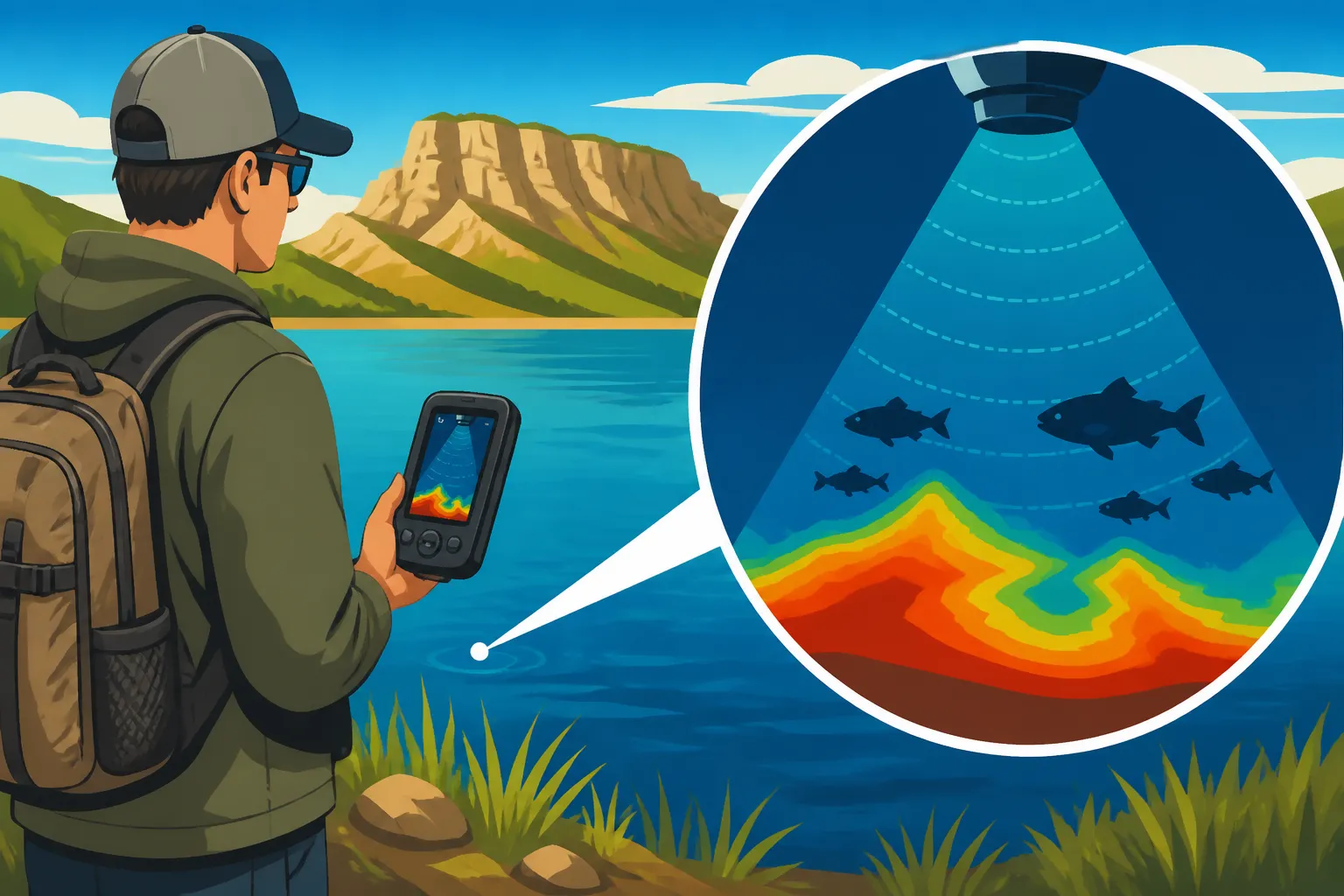
- Fish Finder Apps and Portable Units: While not as powerful as boat-mounted units, there are portable fish finders available, some even designed for bank anglers. These compact devices can be cast out on a line and send sonar readings back to your smartphone. They're excellent for checking depth, water temperature, and identifying fish arches or structure within your casting range. Many quality options can be found on platforms like Amazon.
- Online Fishing Reports and Forums: Local bait shops, fishing forums, and even state GFP websites often provide real-time or recent fishing reports. Pay attention to species being caught, depths, and general locations. This information can help you narrow down your search area significantly. When people say "they're hitting on the south end," you know where to focus your shore-based efforts.
Essential Gear and Scouting Techniques for Bank Anglers
Your gear choices and how you approach a new spot can make all the difference in finding fish from shore.
Smart Gear for Shore-Based Success
You don't need a lot of expensive equipment, but a few key items can drastically improve your fish-finding abilities.
- Polarized Sunglasses: This is non-negotiable. Polarized lenses cut through glare on the water's surface, allowing you to see submerged structure, weed lines, and even cruising fish. A good pair can be easily found on Amazon and will become your most valuable tool for reading the water.
- Binoculars: For scouting larger areas from a single vantage point, binoculars are incredibly useful. You can spot baitfish activity, diving birds, or distant points and weed lines without having to hike miles.
- Comfortable Footwear and a Backpack: You'll be doing a lot more walking as a bank angler, so comfortable, supportive shoes are a must. A lightweight backpack to carry your tackle, water, snacks, and any fish you might keep is far better than lugging a bulky tackle box.
- Versatile Rod and Reel Combo: Choose a medium-action rod, typically 6'6" to 7'6" long, paired with a reliable spinning reel. This setup offers the versatility to cast a wide range of lures, from jigs to crankbaits, and handle most of the common species you'll encounter.
Strategic Scouting: Beyond Just Casting
Finding fish isn't always about the first cast; sometimes it's about the first look.
- Observe from a High Vantage Point: If possible, start by observing the body of water from a higher elevation. This might be a hill, a bridge, or a lookout point. A broad view helps you identify major features like points, large weed beds, or changes in water color that you wouldn't notice from shore level.
- Walk the Shoreline: Don't just pick one spot and stay there all day. Take a leisurely walk along the shoreline. Look for subtle changes in depth (a darker bottom often means deeper water), rock piles, fallen trees, or areas where the bank gives way to deeper water. Pay attention to tracks in the mud; if you see evidence of other anglers, it might be a known spot, or it might be overfished.
- Listen to Nature: Sometimes the best clues come from the sounds around you. The splashing of a fish jumping, the sudden quiet as an osprey dives, or the distinctive "pop" of a bass hitting the surface can all guide you to active fish.
- Check Different Depths: Once you pick a promising spot, don't just cast to one depth. Fan cast to cover a wide range, from right near the bank out to your maximum casting distance. Try different lures that run at various depths to probe the water column. This helps you identify the "strike zone."
Case Studies: Applying Shore-Based Strategies in South Dakota
Let's look at how these strategies might play out in real South Dakota fishing scenarios, even when you're on foot or in a small craft.
Locating Walleye on the Missouri River System
The Missouri River reservoirs – Lake Oahe, Lake Sharpe, Lake Francis Case, and Lewis and Clark Lake – are famous for their walleye, and many anglers catch them without ever stepping foot in a large boat.
- Scenario: You're on Lake Sharpe, near the West Bend Recreation Area, without a boat. You want to find walleye.
- Strategy: Start by consulting online maps (like those on the South Dakota GFP website or an app you might download from Amazon). Look for prominent points, submerged humps, or areas where the river channel swings close to shore. You'll likely spot riprap along causeways or below the dam. These rocky areas create current breaks where walleye hold. In spring and fall, focus on shallower points in 5-15 feet of water. In summer, you might try jigging in deeper sections below the dam or during low-light conditions. Pay attention to current breaks, as walleye will often sit just out of the main flow. Understanding Jigging Techniques for Missouri River Walleye is critical here.
Finding Trout in the Black Hills Streams
The crystal-clear streams of the Black Hills are a fly angler's paradise, but spin fishing from the bank is also incredibly productive for trout.
- Scenario: You're hiking along Rapid Creek near Pactola Reservoir, aiming to catch some rainbow or brown trout.
- Strategy: Trout are masters of camouflage and often hide in plain sight. Walk slowly and deliberately, observing the water ahead of you. Look for "holding water" – pools behind boulders, eddies, undercut banks, and current seams. The clear water makes polarized sunglasses essential for spotting fish or ideal habitat. Pay attention to shadows and cover, as trout are easily spooked. In faster riffles, focus on the edges where the current slows slightly. If you see a rise, cast to it! Consult the Black Hills Catch-and-Release Trout Streams guide for specific regulations and areas.
Chasing Panfish in Glacial Lakes
Eastern South Dakota's glacial lakes offer incredible panfish opportunities, perfect for families and bank anglers.
- Scenario: You're at Lake Poinsett, looking for crappie and perch from a public access point.
- Strategy: Panfish often school up, and once you find one, you've likely found several. Look for areas with submerged vegetation, fallen trees, or docks. These provide shelter and attract the small insects and minnows that panfish feed on. Use light tackle and small baits, like a jig under a bobber or a small spinner. Early mornings and evenings are often best. If you don't get a bite in 15-20 minutes, move a short distance along the bank. Sometimes, a slight change in depth or cover is all it takes to find a productive school.
Table: Key Indicators for Locating Fish Without a Boat
| Indicator Type | What to Look For | Why Fish Are There | Best Times for Shore Anglers |
|---|---|---|---|
| Visual | Jumping baitfish, diving birds, swirls, ripples | Predators actively feeding | Dawn, Dusk, Overcast days |
| Structure | Points, docks, rocks, fallen trees, weed lines | Shelter, ambush points, food sources | Year-round, especially good in Spring/Fall for shallower spots |
| Water Type | Current breaks, eddies, inflows, outflows | Oxygenated water, food delivery, energy conservation | Hot summer days, any time in rivers/tailwaters |
| Bottom | Transition from sand to rock/mud, drop-offs | Different forage opportunities, thermal stratification | Seasonal: shallow in Spring/Fall, deep in Summer/Winter |
| Temperature | North-facing banks, creek mouths, deep holes | Warmer water in Spring, cooler water in Summer | Spring (warmer), Summer (cooler) |
By diligently applying these strategies and honing your observation skills, you'll discover that a boat isn't a prerequisite for consistent fishing success in South Dakota. Many of the best fishing spots are perfectly accessible from shore or with a small, unmotorized craft.
Disclaimer
This article is for general informational purposes only and does not constitute professional advice. Laws, prices and regulations vary by location and change over time. Consult a qualified professional for guidance on your specific situation.