How to Fish a Point for Walleye
One of the biggest head-scratchers for any angler, especially when you're targeting elusive walleye in a vast South Dakota lake or reservoir, is figuring out where they're actually holding. You can spend hours drifting aimlessly, feeling like you're just casting into open water, and that's incredibly frustrating. But what if I told you there's a common structure that consistently attracts these toothy critters, providing a reliable starting point for your fishing adventures? This guide will dive deep into how to effectively fish points for walleye, helping you unlock their secrets and increase your chances of a successful outing.
Understanding Walleye Behavior on Points
Points, whether they jut out from the shore or are submerged humps, are absolute magnets for walleye. They're like natural highways and feeding stations all rolled into one. Walleye are ambush predators, and these structures offer the perfect combination of current breaks, access to deep water, and a smorgasbord of baitfish. Knowing why they are there is the first step to catching them.
Seasonal Movements and Walleye Staging
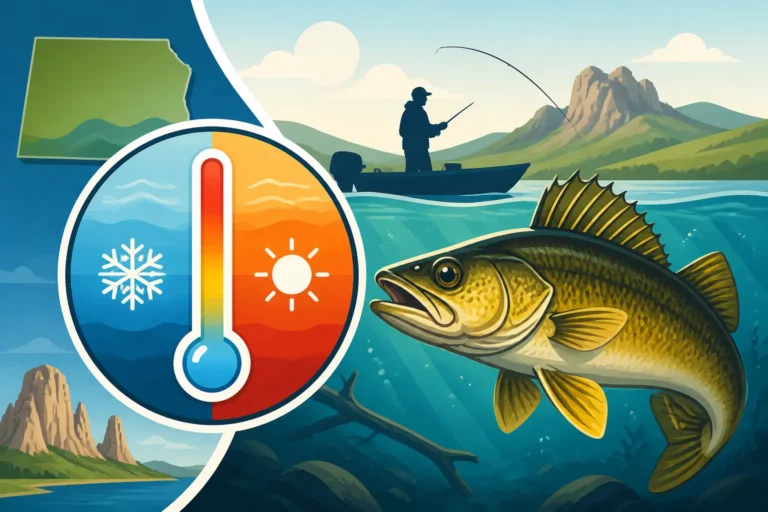
Walleye utilize points differently throughout the year, and understanding these seasonal shifts is crucial. In the early spring, as water temperatures nudge up, walleye will often stage on points adjacent to spawning areas. They're waiting for the perfect conditions to move in and do their thing, and these points offer a comfortable, convenient holding spot where they can feed and conserve energy. You might find them in shallower water on the point’s crest or along the initial breaks.
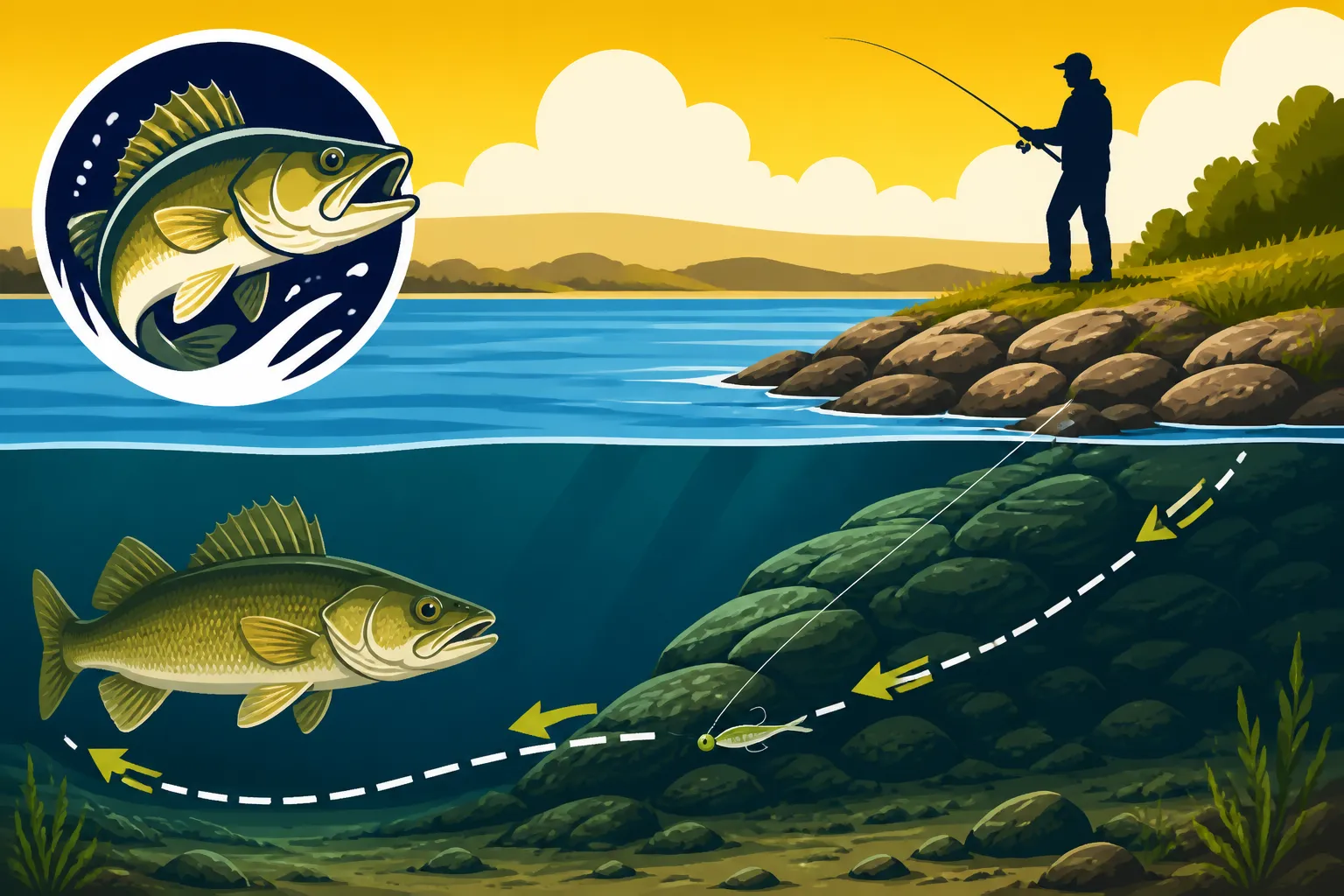
As summer heats up, walleye often retreat to deeper water during the day, but those same points still serve as vital feeding grounds. They'll use the deeper sides of the point as highways to move up onto shallower flats or shelves during low-light conditions to feed, then pull back to the cooler, darker depths as the sun climbs high. In the fall, as baitfish migrate and water temperatures drop, walleye become incredibly active, aggressively feeding in preparation for winter. Points become key ambush spots, especially those with access to deeper water where baitfish might be congregating. Even through the ice, walleye will relate to points, especially those that offer a quick transition to deeper basins. These seasonal movements dictate not just where on the point to fish, but when and with what techniques. It’s all about timing their presence with your presentation.
Forage and Structural Diversity
Points are so effective because they concentrate forage and offer incredible structural diversity. Think about it: a point extending into a lake essentially funnels baitfish as they move along the shoreline or across basins. These baitfish, whether they're shiners, smelt, or juvenile perch, become easy targets for walleye lurking in wait. The current also plays a huge role; even in large reservoirs like Lake Oahe or Lake Sharpe, subtle currents can be found, and points create eddies and slack water areas where baitfish rest and walleye conserve energy while waiting for a meal to drift by.
Beyond just current and baitfish, points often boast a variety of bottom compositions and structural elements. One side might be rocky, offering perfect cover for crayfish and smallmouth bass, while another side might have a gradual slope of sand or gravel, ideal for walleye to cruise and feed. You might even find submerged timber, old foundations, or subtle humps off the main point that create additional ambush opportunities. This variety means walleye can pick and choose their preferred habitat based on conditions, making points a dynamic and productive area regardless of the day. A truly comprehensive guide to South Dakota Walleye Fishing Guide will often highlight the importance of such structures.
Reading the Water and Identifying Productive Points
Not every point is created equal. Some points are much more productive than others, and learning to identify these hotspots is a game-changer. It’s a bit like being a detective, piecing together clues from your electronics, maps, and even the surrounding environment.
Interpreting Lake Maps and Electronics
Your most valuable tools for finding productive points are a good lake map and a reliable fish finder. Start by studying a detailed map, whether it's a paper chart or a digital one on your sonar unit. Look for points that extend far out into the main lake or reservoir, especially those with sharp drop-offs, underwater humps, or distinct depth changes nearby. Contours that "pinch" together or show a rapid change from shallow to deep are often excellent indicators. These steep breaks provide walleye with quick access to different depths, allowing them to move up and down in the water column based on light levels, temperature, and baitfish movements.
Once on the water, your fish finder becomes your eyes below the surface. Use your side imaging or down imaging to scan the entire point, not just the very tip. Look for irregular features like rock piles, scattered boulders, submerged brush, or even old cribs if you're lucky. Pay close attention to the presence of baitfish schools; where the bait is, the walleye are likely nearby. If you're struggling to find walleye on a particular point, don't be afraid to pull up your anchor and move to the next one, but always take a moment to mark any promising features you found. Many advanced fish finders available on platforms like Amazon can give you an incredible advantage in this kind of scouting, allowing you to quickly survey large areas.
Visual Cues and Environmental Factors
Sometimes, the best clues are right in front of your eyes. Visual cues can tell you a lot about a point's potential. For instance, a point that is exposed to the wind can often be a productive area. Wind creates currents, which in turn can push baitfish against the point, concentrating them and making them an easier target for walleye. The chop on the water surface also breaks up light penetration, offering walleye more comfort in shallower water during daylight hours. Conversely, a point on the lee side (sheltered from the wind) might be better on extremely calm, sunny days when walleye are seeking refuge from bright light.
Current is another major factor, especially on the Missouri River system reservoirs like Lake Francis Case or Lewis and Clark Lake. Look for points that create distinct current breaks or eddies, as these are prime ambush locations. Birds diving or congregating can also be a dead giveaway for baitfish activity, which means walleye are likely not far behind. Even something as simple as the type of shoreline leading to a point can offer clues – rocky shorelines often extend underwater as rocky points, which are typically excellent walleye habitat. Observing these environmental factors in conjunction with your maps and electronics paints a much clearer picture of where to focus your efforts. Understanding Wind and Weather Fishing Tips can greatly enhance your point fishing strategy.
Effective Techniques for Fishing Walleye Points
Once you've identified a promising point, the next step is to present your lure or bait in a way that triggers a strike. Walleye can be finicky, so having a variety of techniques in your arsenal is key.
Vertical Jigging and Live Bait Rigs
For a more precise and often highly effective approach, especially when walleye are holding tight to structure, vertical jigging or presenting live bait rigs are hard to beat. When vertical jigging, the goal is to keep your bait directly beneath your boat, hovering right on or just above the bottom. This is particularly effective in deeper water or when walleye are schooled up on a specific spot on the point, such as a submerged hump or rock pile.
Classic jigs tipped with a minnow or a soft plastic paddle tail work wonders. You can use a slow lift-and-drop motion, letting the jig hit the bottom and then lifting it just a few inches. Pay close attention to your rod tip for any subtle taps or changes in pressure – walleye often inhale jigs very gently. For live bait, a slip bobber rig or a bottom-bouncing rig with a juicy nightcrawler, minnow, or leech is incredibly effective. The idea is to keep your live bait wiggling enticingly in the walleye's strike zone, whether you're slowly drifting along the point's contours or anchoring directly over a key piece of structure. Many anglers swear by this method for consistent catches, especially when the bite is tough. You might find great success with these techniques when checking out the Best Fishing Spots in South Dakota.
Trolling Crankbaits and Spinner Rigs
Trolling is an excellent strategy for covering large points or long stretches of a point's breakline, helping you find active fish that might be scattered. This method allows you to present your lure at a consistent depth and speed, mimicking a fleeing baitfish. Crankbaits are a top choice, as they come in various diving depths, colors, and actions. Match the crankbait's diving depth to the depth where you expect walleye to be holding – often just above the bottom or suspended over deeper water on the point. Trolling along the contour of the point, varying your speed slightly, can often elicit strikes. Experiment with different colors and sizes; sometimes a subtle change can make all the difference. Check out the array of crankbaits on Amazon to find a selection that fits your local conditions.
Spinner rigs, often pulled behind a bottom bouncer, are another fantastic trolling option for points. These rigs typically feature a spinner blade, beads, and a hook, usually baited with a live nightcrawler or minnow. The flash and vibration of the spinner, combined with the natural scent and action of live bait, are irresistible to walleye. The beauty of trolling spinner rigs is their versatility; you can adjust your bottom bouncer weight to maintain bottom contact as the depth changes along the point. This method is particularly deadly when walleye are actively feeding and cruising the edges of the point. For specific insights into this, our guide on Trolling for Walleye on Lake Oahe offers more in-depth advice.
Casting from Shore or Shallow Water
Don't have a boat? No problem! Many productive points are accessible from shore, and casting can be an incredibly effective way to target walleye, especially during prime feeding times. Early mornings, late evenings, and overcast days are often the best for shore fishing points, as walleye will move into shallower water to feed under reduced light.
When casting from shore, focus on lures that you can retrieve effectively from a distance. Jerkbaits, crankbaits, and swimbaits are great choices, as they cover water quickly and can trigger aggressive strikes. Jigs with soft plastics can also be cast and slowly retrieved along the bottom, mimicking baitfish or crayfish. The key is to fan cast, covering different angles and depths off the point. Work your way along the accessible portions of the point, paying attention to any subtle changes in bottom composition or structure that you can feel through your line. Always remember to check South Dakota Fishing Regulations Explained to ensure your chosen lures and techniques are compliant, and if you're wondering, Do You Need a License to Fish From Shore in South Dakota? is a great resource.
Gear and Tackle Essentials for Point Fishing
Having the right gear makes a huge difference in your success and enjoyment when fishing walleye points. It's not just about having a rod and reel; it's about having the right tools for the job.
Rods, Reels, and Line Choices
For point fishing, versatility is key. A medium-light to medium-heavy spinning rod, typically 6'6" to 7' in length, is a great all-around choice. This rod action offers enough sensitivity to detect subtle walleye bites when jigging, yet enough backbone to handle a larger walleye on a crankbait. Pair it with a reliable spinning reel in the 2500-3000 series size, spooled with 8-10 pound braided line. Braided line offers superior sensitivity and casting distance, which are crucial when feeling for light bites or making long casts to the edges of a point.
However, braided line should almost always be paired with a fluorocarbon leader. A 6-10 pound fluorocarbon leader (about 3-6 feet long) tied to your braid with a strong knot (like an FG knot or an Albright knot) will provide excellent abrasion resistance against rocks and increase your stealth in clear South Dakota waters. Fluorocarbon is nearly invisible underwater, making it less likely to spook wary walleye. For specific recommendations, the article on Best Rods and Reels for Walleye can provide more details on setups.
Lures, Baits, and Electronics
Your tackle box for point fishing should be well-stocked with a variety of lures and baits. For jigs, include a range of weights (from 1/8 oz to 1/2 oz, depending on depth and current) and colors (chartreuse, white, black, and natural baitfish patterns). Don't forget an assortment of soft plastics to tip your jigs, such as paddle tails, grubs, and minnow imitators. When it comes to crankbaits, have a selection that dives to different depths (shallow runners for the top of the point, deep divers for the breaks). Popular colors often mimic perch, shiners, or firetiger patterns. Spinner rigs with different blade colors (silver, gold, copper) and sizes are also essential, especially for trolling.
Live bait, of course, is often irresistible to walleye. Minnows (shiners, fatheads), nightcrawlers, and leeches are perennial favorites. Make sure you have the appropriate hooks and weights to present them naturally. Lastly, good electronics are non-negotiable. A reliable fish finder with GPS and mapping capabilities will help you locate the points, identify structure, mark waypoints, and find those all-important baitfish schools. These tools are incredibly helpful for understanding the underwater topography and where fish are holding. Many anglers rely on options found on Amazon for their fishing electronics. For further reading, check out Best Lures for South Dakota Walleye to fill up your tackle box.
Seasonal Adaptations for Point Fishing
Fishing a point effectively isn't a "one size fits all" endeavor. The season dramatically impacts walleye behavior and, consequently, your approach.
Spring and Pre-Spawn Tactics
As the ice retreats and spring blooms, walleye begin to shake off their winter lethargy. During the pre-spawn period, they'll often gather on points adjacent to their spawning grounds, waiting for the water to hit just the right temperature. This is a fantastic time to target them, as they're hungry and actively looking for food. Focus on the shallower side of points or the crests, especially in the warmest part of the day.
Slow and steady retrieves are key during this time. Vertical jigging with a minnow or a soft plastic can be incredibly effective, especially if you're feeling for light bites. Shallow-diving crankbaits or even slip bobber rigs with live minnows fished over the top of the point can also yield great results. Pay attention to water temperature – a degree or two can make all the difference, sending walleye from deeper staging areas up onto the point to feed. Keep your presentation subtle and your movements deliberate, as the water can still be quite cold and clear. Our guide on South Dakota Fishing Seasons Explained offers more context on these seasonal shifts.
Summer and Fall Strategies
Summer walleye fishing on points often means targeting them deeper during the day and shallower during low-light periods. During bright daylight, walleye will often retreat to the deeper sides of points or sit right on the deep break, seeking refuge from the sun. Trolling deep-diving crankbaits or bottom bouncers with spinner rigs along these deeper contours is a prime strategy. You might also find them suspended over deeper water off the point, in which case a trolled crankbait at the right depth can be deadly. As evening approaches or on overcast days, they'll often move up onto the shallower flats of the point to feed, making casting jerkbaits or retrieving jigs an option. Understanding What Water Temperature Walleye Prefer? can give you an edge.
Fall is arguably one of the best times to fish walleye points. As water temperatures cool, walleye go on a major feeding binge, packing on weight for the winter. They become incredibly aggressive and can be found on points at various depths. Trolling crankbaits, especially larger ones, can be very productive as walleye are chasing bigger baitfish. Jigging raps or blade baits can also be fantastic for aggressive fish holding tight to the point's structure. Look for points with steep drop-offs or access to main lake basins, as these often concentrate baitfish and, consequently, hungry walleye. The key is to match your presentation to the size and type of forage available, and don't be afraid to fish aggressively.
| Seasonal Walleye Point Tactics | Key Depths | Preferred Techniques | Best Lures/Bait | Important Considerations |
|---|---|---|---|---|
| Early Spring (Pre-Spawn) | 5-15 ft | Vertical Jigging, Slip Bobbers | Minnows, Small Jigs, Shallow Cranks | Slow retrieves, subtle bites, water temp |
| Summer (Daytime) | 15-30 ft+ | Trolling, Bottom Bouncers | Deep Cranks, Spinner Rigs, Live Bait | Focus on deep breaks, low light for shallow |
| Summer (Low Light) | 5-15 ft | Casting, Slip Bobbers | Jerkbaits, Jigs, Minnows | Walleye move up to feed, active bite |
| Fall | 10-25 ft+ | Trolling, Jigging | Large Cranks, Jigging Raps, Blade Baits | Aggressive feeding, larger lures |
| Winter (Ice Fishing) | 10-30 ft | Vertical Jigging, Deadsticking | Minnows, Spoons, Jigging Raps | Fish slow, use electronics to mark fish |
Fishing points for walleye in South Dakota is a rewarding experience that demands both knowledge and adaptability. By understanding why walleye use these structures, learning to read the water with maps and electronics, and employing the right techniques for the season, you'll be well on your way to consistent success. Remember, every trip is a learning experience, so pay attention to what's working and what's not, and don't be afraid to experiment. Happy fishing!
Disclaimer
This article is for general informational purposes only and does not constitute professional advice. Laws, prices and regulations vary by location and change over time. Consult a qualified professional for guidance on your specific situation.