Best Fishing Rods and Reels for Walleye
Oh, the quest for the perfect walleye rod and reel! It’s a journey every angler in South Dakota has embarked on, often facing the frustration of countless options and wondering what truly makes a difference out on the water. This guide is here to cut through the confusion and help you confidently choose the best fishing rods and reels designed to tackle our beloved walleye, from the vast Missouri River reservoirs to our fertile glacial lakes.
Understanding Walleye Fishing in South Dakota
Walleye fishing in South Dakota isn't a one-size-fits-all endeavor. Our state offers an incredible diversity of waters, from the massive, current-swept Missouri River impoundments like Lake Oahe and Lake Sharpe to the shallower, more intimate glacial lakes of the eastern part of the state. Each environment presents its own set of challenges and demands specific approaches, which in turn dictate the kind of gear that will give you the most success. Understanding these nuances is the first step in selecting the ideal rod and reel.
The Unique Challenges of South Dakota Walleye Waters
Imagine standing on the shore of Lake Francis Case, the wind whipping off the water, trying to feel a subtle walleye bite in a choppy current. Or picture yourself on a calm August evening on Lake Kampeska, slowly trolling a crankbait in deep water. These scenarios are vastly different, and the gear that excels in one might be a hindrance in another. South Dakota's waters can range from crystal clear in the Black Hills streams to murky and turbid after a spring rain, requiring different lines, lures, and therefore, rods and reels to handle those presentations effectively. The sheer size of our main fishing arteries, the Missouri River lakes, means anglers often deal with strong currents, deep water, and long casts, all while trying to detect the famously light walleye bite.
Our glacial lakes, on the other hand, might feature extensive weed beds, shallower structures, and different forage bases, leading to different fish behaviors and preferred techniques. You might be pitching jigs into tight cover or setting up for a subtle slip bobber presentation. Even the size of the walleye can vary; while Lake Oahe is known for its incredible growth rates and trophy potential, other lakes might offer more consistent numbers of eater-sized fish. Your gear needs to be robust enough for a 10-pound hawg but sensitive enough for a 14-inch keeper.
Different Walleye Fishing Techniques Common in SD
South Dakota walleye anglers are a resourceful bunch, employing a wide array of techniques to entice bites. One of the most popular and productive methods, especially on the Missouri River system, is jigging. Whether you're vertical jigging in the current or pitching jigs to shoreline breaks, feeling that subtle "thump" or "tick" is paramount. This requires a rod with exceptional sensitivity and a reel that allows for precise line control.
Trolling is another cornerstone, particularly on our larger reservoirs. Anglers spend hours pulling crankbaits, spinner rigs, or even live bait behind their boats, covering vast expanses of water. This approach calls for different rod characteristics, primarily a forgiving action that allows fish to grab the bait without immediate resistance and enough backbone to handle larger weights and fight big fish at speed. Don't forget the popular slip bobber presentations, often used in calmer waters or when fish are suspended. This technique demands a rod that can cast a lightweight bobber setup a good distance and set the hook effectively. How to Fish for Walleye in South Dakota provides more insights into these methods.
Why Specialized Gear Matters for Walleye
You might think a "fishing rod is a fishing rod," but for serious walleye anglers, that couldn't be further from the truth. Walleye have notoriously light bites, often described as a subtle weight, a slight slack in the line, or a faint tap. Without the right gear, these bites are easily missed, leading to frustration and fewer fish in the livewell. A sensitive rod acts as an extension of your hand, transmitting even the slightest nibble. A smooth reel with a precise drag system ensures that once you hook into a walleye, you have the control needed to bring it in without breaking your line or pulling the hook.
Using specialized rods and reels allows you to optimize your presentation. A long, light rod might be perfect for casting small jigs, while a shorter, more powerful rod is better for working heavy spoons through ice. The right gear helps you achieve proper lure action, maintain contact with your bait, and ultimately, convert more strikes into landed fish. It minimizes fatigue during long days on the water and maximizes your enjoyment, ensuring that your equipment is an asset, not a liability. Investing in good walleye-specific gear isn't just about catching more fish; it's about making every moment on the water more efficient and pleasurable.
Key Rod Characteristics for Walleye Fishing
When it comes to picking a walleye rod, it's not about finding the "best" rod universally, but rather the best rod for your preferred technique and the specific waters you fish in South Dakota. There are several key characteristics that define a rod's performance and how it interacts with both your lure and the fish. Understanding these will empower you to make an informed choice that truly enhances your angling experience.
Rod Length: Finding the Sweet Spot
The length of your fishing rod plays a significant role in its casting distance, leverage during a fight, and overall feel. For walleye fishing, you'll typically find rods ranging from 6 feet to 7 feet 6 inches, with some specialized applications going shorter or longer.
A shorter rod, say in the 6-foot to 6-foot 6-inch range, offers excellent accuracy for pinpoint casting in tight spots, such as pitching jigs around docks or shore cover. It also provides more leverage over a fighting fish, making it easier to muscle a walleye out of heavy current or cover. However, shorter rods generally sacrifice casting distance. If you're fishing smaller bodies of water or in scenarios where accuracy trumps distance, this length might be ideal. Imagine working a jig in a smaller feeder creek off the Cheyenne River arm of Lake Oahe; a shorter rod gives you that precise control.
On the other hand, longer rods, from 7 feet to 7 feet 6 inches, excel at maximizing casting distance, which is crucial when covering vast areas on large impoundments like Lake Sharpe or when you need to keep your boat further away from wary fish. The extra length also provides better line control, especially when using lighter lines or fighting fish that make long runs. It also acts as a better shock absorber, protecting lighter lines from breaking on powerful head shakes. Longer rods are often preferred for trolling or when making long casts with lighter baits. For example, a 7-foot 6-inch rod is often preferred for covering broad flats when trolling for walleye on Lake Oahe, allowing you to spread out lines and react quickly to bites. Best Rod Length for Trolling Walleye delves deeper into this specific choice.
Rod Power: The Backbone of Your Setup
Rod power refers to the amount of force required to bend the rod. It essentially describes how "strong" the rod is and dictates the weight range of lures and lines it's designed to handle. For walleye, you'll primarily be looking at light, medium-light, medium, and sometimes medium-heavy power rods.
A light power rod is incredibly sensitive and can detect the faintest bites. It's ideal for casting very light jigs (1/16 to 1/8 ounce) or small finesse baits, often used in calm, clear water conditions where the walleye are finicky. However, it lacks the backbone to effectively set hooks with larger lures or fight bigger fish in heavy cover.
Medium-light power rods are a popular choice for many walleye anglers. They offer a great balance of sensitivity and power, capable of handling jigs from 1/8 to 3/8 ounce, lighter spinner rigs, and small crankbaits. This power rating provides enough backbone to set the hook firmly and manage average-sized walleye without feeling under-gunned. This is often a great all-around choice for someone who does a bit of everything, from pitching jigs to light bottom bouncers.
Medium power rods are more versatile and are excellent for a broader range of techniques, including heavier jigging (1/4 to 1/2 ounce), casting medium-sized crankbaits, and working heavier bottom bouncers or live bait rigs. They provide ample power for fighting larger walleye and have the backbone to pull them away from structure. If you find yourself frequently fishing in current or targeting larger fish, a medium power rod will give you the confidence you need.
Finally, medium-heavy power rods are typically reserved for specialized applications like heavy trolling with large crankbaits, significant bottom bouncers (1-2 ounces or more), or when targeting really big walleye in heavy cover or strong current. While less sensitive, they offer maximum power and leverage. Think of these for tackling the biggest walleye on the main lake channels of the Missouri River.
Rod Action: Responsiveness and Sensitivity
Rod action describes where along the rod blank the bend occurs when pressure is applied. It's a critical factor in how a rod casts, how it feels a bite, and how it fights a fish. The main actions you'll encounter are fast, moderate-fast, and moderate (or parabolic).
A fast action rod bends primarily in the tip section, with the rest of the rod remaining relatively stiff. This translates into exceptional sensitivity, allowing you to feel every subtle tap or change in bottom composition. Fast action rods are perfect for techniques that require quick, precise hook sets, such as jigging or twitching plastics. When a walleye inhales a jig, that immediate, crisp response from a fast-action rod helps you set the hook before the fish can spit it out. Many anglers targeting walleye with jigs on the Missouri River will swear by a fast action rod for this exact reason.
Moderate-fast action rods bend further down the blank, into the upper third or quarter of the rod. They offer a good balance between sensitivity and a more forgiving bend. This action is excellent for a wide range of techniques, including casting crankbaits, working spinner rigs, and using live bait. The slightly slower action provides a better casting load for more distance and a bit more "give" when a fish strikes, which can prevent hooks from tearing out, especially with treble hook lures like crankbaits. It’s a fantastic all-around action for those who dabble in multiple walleye tactics.
Moderate (or parabolic) action rods bend uniformly throughout most of the blank, from tip to butt. These rods are much more "whippy" and are typically used for trolling or techniques where a softer, more forgiving presentation is desired. The deep bend acts as a shock absorber, making it ideal for fighting larger fish on lighter lines and preventing snags from pulling your lure free. When trolling with multiple lines on Lake Oahe, a moderate action rod allows the fish to take the bait without feeling immediate resistance, leading to more solid hookups. This action is less sensitive but maximizes the rod's ability to keep a fish buttoned up. South Dakota Trolling Techniques for Walleye often rely on rods with this kind of action.
Rod Material: Graphite vs. Fiberglass vs. Composites
The material a rod is made from significantly impacts its weight, sensitivity, durability, and cost. Modern walleye rods are predominantly made from graphite, fiberglass, or a composite of both.
Graphite rods are the gold standard for sensitivity and lightweight performance. They are incredibly stiff and transmit vibrations exceptionally well, allowing you to feel the most delicate bites and subtle changes in bottom structure. High-modulus graphite rods are lighter and more sensitive, but they can also be more brittle and prone to breakage if mishandled. For techniques like jigging, where sensitivity is paramount, a good quality graphite rod is almost indispensable. Many premium walleye jigging rods, often found at retailers like Bass Pro Shops, are constructed from high-modulus graphite to maximize feel.
Fiberglass rods are known for their durability and forgiving, parabolic action. They are typically heavier and less sensitive than graphite, but they are far more robust and less prone to snapping. Fiberglass excels in applications where durability and a softer action are preferred, such as heavy trolling or live bait fishing where a slower hook set is beneficial. Their flexibility also makes them excellent shock absorbers, reducing the chance of fish pulling off. While not as common for primary walleye rods today, they still have a place for specific applications.
Composite rods blend the best characteristics of both graphite and fiberglass. They typically feature a graphite core for sensitivity and lightweight performance, wrapped with fiberglass for added durability and a more moderate action. This allows manufacturers to create rods that are sensitive enough to feel bites but durable enough to withstand the rigors of heavy use or accidental bumps. Many versatile walleye rods fall into this category, offering a fantastic balance for anglers who might switch between jigging and pulling spinner rigs throughout the day. These "hybrid" materials offer a great middle ground for performance and resilience.
Choosing the Right Reel for Walleye
Just like rods, fishing reels come in a bewildering array of types and sizes, each designed for specific applications. For walleye fishing, you’ll primarily be looking at spinning reels and, to a lesser extent, baitcasting reels. The reel is the engine of your setup, managing your line, facilitating smooth casting, and providing the crucial drag system to fight fish. Matching the right reel to your rod and technique is essential for a balanced and effective walleye rig.
Spinning Reels: Versatility for Many Techniques
Spinning reels are by far the most popular choice for walleye fishing, and for good reason. They are incredibly versatile, user-friendly, and excel at casting lighter lures and handling lighter lines, which are often preferred for the finicky walleye bite. Their open-face design allows line to peel off freely, resulting in longer, smoother casts, especially with small jigs, slip bobbers, or light crankbaits. This makes them ideal for bank fishing, boat casting, and even light trolling applications.
One of the greatest advantages of spinning reels is their ease of use. The bail system makes line management straightforward, and backlashing is rarely an issue, unlike with baitcasters. This makes them a great option for beginners and experienced anglers alike. When purchasing, look for models with a smooth retrieve, a solid anti-reverse system to prevent handle backplay, and a consistent drag. You'll generally be looking at 2000-series to 3000-series reels, which strike a good balance between line capacity, weight, and retrieve power for most walleye applications. A quality spinning reel can handle everything from a delicate jig presentation in clear Black Hills waters to pulling cranks on Lake Sharpe. Many excellent options are available online through retailers like Amazon, offering a wide range of price points and features.
Baitcasting Reels: Precision and Power
While not as common for general walleye fishing, baitcasting reels have their place, especially for techniques requiring precision, power, and handling heavier lines or lures. Baitcasters excel at throwing heavier presentations with accuracy and provide superior control over the retrieve, making them popular for specific trolling setups or when targeting large walleye with big crankbaits or heavy bottom bouncers. They are also favored by some anglers for their direct feel and ability to quickly respond to a bite.
The primary advantage of a baitcasting reel is its ability to handle heavier lines and larger lures with less effort, making long days of heavy trolling more manageable. They offer better torque for retrieving deep-diving crankbaits or fighting a large walleye out of heavy current. However, baitcasters have a steeper learning curve than spinning reels, with the dreaded "bird's nest" backlash being a common issue for beginners. If you're primarily a jigging or light casting angler, a spinning reel is likely a better fit. But for dedicated Missouri River trollers who frequently use large planer boards or heavy weights, a robust baitcasting reel offers unparalleled power and durability. South Dakota Trolling Techniques for Walleye often incorporate baitcasting setups for these reasons.
Gear Ratio: Speed for Retrieval and Presentation
A reel's gear ratio indicates how many times the spool rotates with one full turn of the handle. This ratio directly impacts the speed at which you can retrieve your line and, consequently, your lure. For walleye fishing, understanding gear ratio is key to optimizing your presentation.
Lower gear ratios, typically around 5.1:1 to 5.4:1, mean a slower retrieve but more cranking power. These are excellent for techniques where you need to slowly work a lure, like dragging bottom bouncers or slow-rolling a deep-diving crankbait. The increased torque makes it easier to pull heavy baits through the water or fight larger fish without feeling like you're grinding. If you're fishing expansive waters like Lake Oahe and frequently trolling large lures, a lower gear ratio baitcaster or spinning reel can be a huge asset, reducing fatigue over a long day.
Higher gear ratios, ranging from 6.1:1 up to 7.1:1 or even higher, offer a faster retrieve. These are fantastic for techniques where speed is beneficial, such as quickly picking up slack line after a cast, rapidly retrieving a jig to make another pitch, or working topwater lures (though less common for walleye). A faster retrieve can also be crucial when a walleye makes a run directly towards your boat, allowing you to quickly reel in slack and maintain tension. For active jigging or casting, where you make many casts and retrieves, a higher gear ratio spinning reel can be very efficient. Many anglers will opt for a mid-to-high ratio reel (e.g., 6.2:1) for their all-around walleye spinning setup, as it offers a good blend of speed and power.
Drag System: The Unsung Hero of the Fight
The drag system is arguably the most critical component of any fishing reel, especially when targeting walleye known for their powerful head shakes and sudden surges. The drag allows line to be pulled from the spool when a fish exerts more force than the set tension, preventing your line from breaking or your rod from snapping. A smooth, consistent, and easily adjustable drag system is paramount for landing more walleye.
A high-quality drag system provides consistent pressure throughout the fight, without sticking or grabbing, which can lead to sudden line breaks. When a big walleye makes a powerful run, a smooth drag ensures the line pays out steadily, tiring the fish without putting undue stress on your tackle. You want a drag that engages instantly and allows for fine-tuning adjustments on the fly, as the fight progresses. Many modern reels feature multi-disc drag systems with sealed components to keep out water and debris, ensuring long-lasting performance.
When setting your drag, a good rule of thumb is to set it to about one-third of your line's breaking strength. This provides enough resistance to fight the fish effectively while still allowing line to pay out under extreme pressure. Test your drag regularly, especially after a long storage period or a tough fight. A reliable drag system gives you the confidence to use lighter lines for a more sensitive presentation, knowing that your reel will absorb the shock when a trophy walleye decides to make a run for it. This crucial feature is often overlooked by novice anglers but can be the difference between a memorable catch and a heartbreaking loss.
Matching Rod and Reel to South Dakota Walleye Techniques
Now that we've broken down the individual components, let's put it all together. The magic happens when you pair the right rod with the right reel for the specific walleye fishing techniques you’ll be employing in South Dakota. This isn't just about personal preference; it's about optimizing your setup for efficiency, sensitivity, and ultimately, success in catching those elusive walleye.
Jigging for Walleye on the Missouri River
Jigging is a cornerstone technique for walleye on the Missouri River system, particularly below the dams or in areas with current and structure. Whether you're vertical jigging directly over a school of fish or pitching jigs to points and breaks, sensitivity is absolutely paramount. Walleye often "mouth" a jig or simply add a bit of weight, and feeling that subtle difference is key to a successful hook set.
For jigging, you’ll want a rod that is typically 6 feet 3 inches to 7 feet in length, with a medium-light or medium power and a fast or extra-fast action. The fast action tip allows for incredible sensitivity, instantly transmitting those faint bites. The medium-light to medium power provides enough backbone to set the hook firmly and control the fish in current, while still allowing the rod to load for accurate casts. Pair this with a lightweight 2000 or 2500 series spinning reel with a high-quality, smooth drag and a gear ratio in the 6.0:1 range. This setup allows for quick line pickup after a cast and efficient retrieval of your jig. Using braided line with a fluorocarbon leader is a popular choice here to maximize sensitivity. Jigging Techniques for Missouri River Walleye will elaborate on how these setups perform.
Trolling for Walleye on Large Reservoirs Lake Oahe, Lake Sharpe
Trolling is how many anglers effectively cover vast expanses of water on Lake Oahe, Lake Sharpe, and Lake Francis Case. This technique involves pulling crankbaits, spinner rigs, or bottom bouncers behind a boat, often at varying depths and speeds. The requirements for a trolling setup are quite different from jigging.
For trolling, especially with deeper diving crankbaits or heavier bottom bouncers, a longer rod is generally preferred, typically 7 feet to 9 feet. The extra length helps spread out your lines, prevent tangles, and provides a softer, more parabolic action. A medium to medium-heavy power rod with a moderate-fast or moderate action is ideal. The softer action allows the fish to grab the lure without feeling immediate resistance, leading to more solid hookups, and acts as a shock absorber against powerful runs. It also loads better with the drag of trolling weights and crankbaits. Pair these rods with 3000 series spinning reels (for lighter trolling) or specialized baitcasting reels with line counters (for precise depth control with heavier setups). A gear ratio around 5.0:1 to 5.5:1 is often preferred for trolling, providing enough torque to retrieve lures and fight fish without overworking the reel. For serious trolling, especially with planer boards, dedicated trolling rods and reels from brands like Bass Pro Shops are popular. You can find more details in Trolling for Walleye on Lake Oahe.
Slip Bobber Fishing in Shallow Bays
Slip bobber fishing is a stealthy and effective method for walleye, particularly in shallower bays, around weed edges, or when fish are suspended over structure. It allows you to present live bait or a small jig precisely at a specific depth, keeping it suspended naturally. This technique requires a rod that can cast a lightweight bobber rig a good distance and maintain line control.
A good slip bobber rod will typically be on the longer side, perhaps 7 feet to 7 feet 6 inches, with a medium-light power and a moderate-fast action. The longer length helps with casting lighter rigs and taking up slack for a solid hook set. The moderate-fast action provides a forgiving bend for the light strike of a walleye but still has enough backbone to drive the hook home. Pair this with a 2500 or 3000 series spinning reel with a smooth drag and a mid-range gear ratio (around 6.0:1). This setup allows for long, effortless casts and efficient retrieves. Look for setups that feel balanced in your hand, as you'll often be holding them for extended periods, watching that bobber.
Pitching and Casting Shoreline Structure
Sometimes the walleye are right on the bank, especially in spring or during low-light conditions. Pitching jigs, crankbaits, or plastics to shoreline riprap, submerged timber, or weed lines demands a specific type of setup for accuracy and quick hook sets.
For pitching and casting shoreline structure, a rod in the 6 foot 6 inch to 7 foot length range with a medium power and fast action is an excellent choice. The fast action provides the sensitivity needed to feel subtle strikes as your lure falls or taps cover, and the medium power gives you the strength to pull a walleye out of tight spots. The length offers a good balance of casting distance and accuracy. Pair this rod with a 2500 or 3000 series spinning reel with a good smooth retrieve and a fast gear ratio (6.2:1 or higher) to quickly pick up slack and make repeated casts efficiently. This combination is fantastic for working specific pieces of cover and getting your lure into the strike zone with precision. South Dakota Spring Walleye Fishing Techniques often involves this type of approach.
Ice Fishing Rod and Reel Considerations
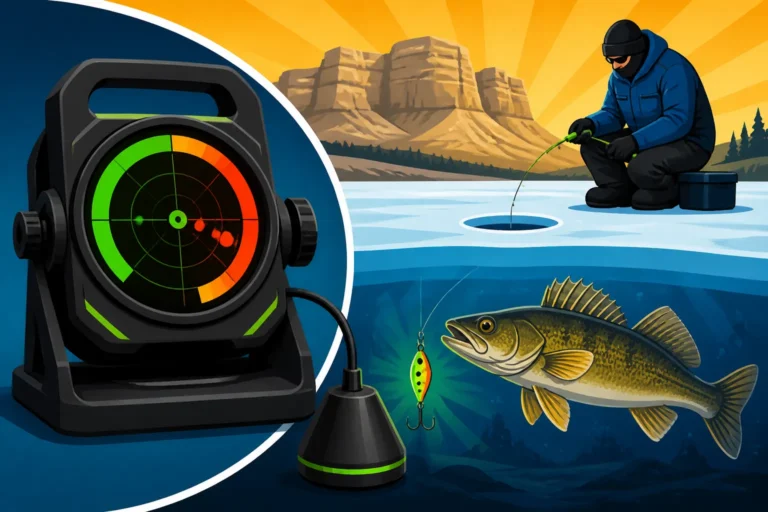
When the lakes freeze over in South Dakota, the walleye action doesn't stop. Ice fishing for walleye has its own set of unique gear requirements. Sensitivity is still crucial, but the reduced space and different presentation methods mean shorter rods.
Ice fishing rods for walleye are typically much shorter, ranging from 24 inches to 36 inches. A 28-inch to 32-inch medium-light or medium power rod with a fast or extra-fast action is often ideal. The shorter length is perfect for working in an ice shanty or over an auger hole, and the fast action tip helps detect those incredibly subtle bites that walleye often deliver through the ice. The medium-light to medium power is sufficient for fighting walleye that are often less aggressive under the ice. Pair this with a small 1000 or 1500 series spinning reel, designed for cold weather, with a smooth drag that won't freeze up. The gear ratio isn't as critical here, as you're mostly jigging vertically, but a smooth retrieve is still appreciated. South Dakota Ice Fishing Guide offers a comprehensive look at how to tackle frozen waters, and Best Rod Action for Ice Fishing Walleye specifically highlights the importance of the rod's tip.
Line Selection and Accessories for Walleye Setups
Choosing the right rod and reel is only half the battle; the line you spool onto your reel and the various accessories you use can significantly impact your success. For walleye fishing in South Dakota, where conditions vary wildly and the bites can be notoriously light, these seemingly small details can make a huge difference.
Monofilament, Fluorocarbon, and Braided Lines: Pros and Cons
Each type of fishing line has distinct properties that make it suitable for different walleye fishing applications.
Monofilament (Mono): This is the traditional, all-around fishing line. It's affordable, easy to tie, and has a good amount of stretch, which acts as a shock absorber. This stretch can be beneficial when a walleye makes a sudden run or head shake, preventing hooks from tearing out, especially with treble hook lures like crankbaits. However, mono's stretch also means reduced sensitivity, making it harder to feel subtle bites or detect bottom structure. It's also more visible in clear water and can absorb water over time, losing some strength. Mono is a decent choice for trolling or slip bobber fishing where stretch is an advantage, and visual stealth isn't as critical.
Fluorocarbon (Fluoro): Often called "the invisible line," fluorocarbon has a refractive index very close to water, making it nearly invisible beneath the surface. It has significantly less stretch than monofilament, offering better sensitivity and more direct feel, which is excellent for jigging. Fluoro is also more abrasion-resistant and sinks faster than mono, helping get your lures down quicker. The main downsides are its higher cost, stiffness (which can lead to memory issues), and sometimes more challenging knot tying. Many anglers use fluorocarbon as a leader material rather than a main line due to its cost and stiffness, taking advantage of its invisibility and sensitivity where it matters most.
Braided Line (Braid): Braided line is made of multiple strands woven together, resulting in virtually no stretch. This translates to extreme sensitivity, allowing you to feel every tap, every change in bottom composition, and every subtle bite, even in deep water or strong current. Its incredible strength-to-diameter ratio means you can use a much thinner line for its breaking strength, which cuts through water better and casts further. However, braid is highly visible in clear water, can be prone to "wind knots" if not managed carefully, and requires a sharp knife or scissors to cut. Because of its visibility, braid is almost always paired with a fluorocarbon leader for walleye fishing. This combination leverages the sensitivity and strength of braid with the invisibility of fluoro, making it a top choice for jigging and many casting applications on the Missouri River system. Braided Line vs Monofilament for Walleye Fishing can help you decide which one is right for you.
| Line Type | Stretch | Sensitivity | Visibility (Underwater) | Abrasion Resistance | Ideal Use Cases for Walleye |
|---|---|---|---|---|---|
| Monofilament | High | Low | Medium-High | Medium | Trolling (crankbaits), Slip Bobber, Beginner All-Around |
| Fluorocarbon | Low | Medium-High | Very Low | High | Leaders (main use), Jigging (main line for some), Clear Water Casting |
| Braided Line | Virtually None | Very High | High | Medium-High | Main Line for Jigging, Casting, Trolling (with fluoro leader) |
Leader Materials and Their Importance
When using braided line as your main line, a leader is not just recommended, it's essential for walleye fishing. The leader serves several crucial functions: it provides a nearly invisible connection to your lure (critical for wary walleye), offers abrasion resistance against sharp rocks or zebra mussels, and provides a bit of stretch (if using fluoro) that braid lacks, which can prevent hooks from tearing out.
Most walleye anglers use a fluorocarbon leader with their braided main line. The length of the leader can vary, typically from 3 to 6 feet, depending on water clarity and presentation. A longer leader might be used in extremely clear water or when fish are particularly shy, while a shorter leader is fine in stained water or when actively jigging. Connect your braid to your fluorocarbon leader using a strong knot like the FG knot, Alberto knot, or uni-to-uni knot. These knots are designed to be strong and pass smoothly through rod guides. The leader material's pound test should match or be slightly less than your main line's breaking strength, typically in the 8 to 12-pound range for most walleye applications. This combination provides the best of both worlds: the sensitivity of braid and the stealth of fluorocarbon.
Rod and Reel Maintenance for Longevity
Your walleye rods and reels are an investment, and proper maintenance will ensure they perform optimally for many seasons on the water. South Dakota's weather can be harsh, from freezing winters to dusty summers, so taking care of your gear is crucial.
After each outing, especially after fishing in murky water or rain, take a few minutes to wipe down your rods and reels with a damp cloth to remove any dirt, slime, or debris. Pay close attention to the reel seat, rod guides, and handle. For reels, a light spray of freshwater (avoiding direct streams into bearings) can help, followed by a thorough drying. Periodically, apply a small amount of reel oil to key lubrication points (refer to your reel's manual) and grease to gears. Avoid over-lubricating, as this can attract more dirt. Inspect your rod guides for any chips or cracks that could fray your line. Check your rod blanks for any stress fractures, especially near ferrules or where the rod flexes most. Store your rods in sleeves or racks to prevent damage and your reels in protective bags in a dry, temperate environment. Don't leave them exposed to extreme heat in a vehicle, which can degrade line and reel components. Proper care not only extends the life of your gear but ensures it's always ready for that next trophy walleye.
Budgeting for Your Walleye Rod and Reel Setup
Let's be real, fishing can be an expensive hobby if you let it be. But it doesn't have to be! When it comes to walleye rods and reels, there's a huge spectrum of price points. It's all about balancing performance with your budget and understanding what features truly matter for your style of fishing. You can absolutely catch plenty of walleye without breaking the bank, but investing a bit more can certainly enhance your experience and the longevity of your gear.
Entry-Level Combos: Getting Started Without Breaking the Bank
If you're just getting into walleye fishing, or perhaps you're outfitting a new angler in the family, entry-level rod and reel combos are a fantastic starting point. These pre-matched sets often come at a very attractive price point and eliminate the guesswork of pairing a rod and reel. While they may not have all the bells and whistles of higher-end gear, many reputable brands offer combos that are perfectly capable of catching walleye.
Typically, an entry-level walleye combo will feature a graphite composite rod in the 6-foot 6-inch to 7-foot length, with a medium-light or medium power and a moderate-fast action. The reel will usually be a 2500 or 3000 series spinning reel with a decent retrieve and a basic drag system. These setups are great for general casting, lighter jigging, and even some basic trolling. They provide a solid foundation for learning different techniques without a significant financial commitment. You might not feel every single subtle bite, but you'll certainly feel the aggressive ones. These are readily available at major sporting goods stores and online retailers like Bass Pro Shops or Amazon, making them very accessible for anyone looking to dip their toes into the walleye world without a huge initial investment.
Mid-Range Options: Performance and Value
For the angler who's committed to walleye fishing and wants a noticeable upgrade in performance without venturing into professional-level prices, mid-range rods and reels offer the sweet spot of value and capability. This is where you start to see significant improvements in sensitivity, durability, and features.
A mid-range walleye rod, typically costing a bit more than entry-level, will often feature higher-modulus graphite, resulting in a lighter, more sensitive blank. You'll notice crisper actions, better guide components (which improve casting distance and line management), and more comfortable grips. Reels in this category will boast smoother retrieve systems, more consistent and finely adjustable drag systems, better anti-reverse, and often more robust internal components for increased longevity. You might find reels with more bearings for smoother operation or rods with specialized tapers for specific techniques like vertical jigging. A mid-range setup often provides a significant jump in feel, allowing you to detect those lighter bites and fight fish with greater confidence. This is where many passionate walleye anglers find their favorite everyday workhorse combos, offering reliable performance for years to come across various South Dakota fishing scenarios.
High-End Setups: Investing in Precision and Durability
For the serious walleye enthusiast or tournament angler who demands the absolute best in sensitivity, casting performance, and durability, high-end rods and reels are the ultimate investment. These setups represent the pinnacle of fishing technology and craftsmanship, offering unparalleled performance.
High-end rods will typically feature premium, ultra-high-modulus graphite blanks, often with proprietary resin systems that make them incredibly light, sensitive, and strong. You'll find top-tier guide systems (e.g., Fuji SiC or Alconite) that reduce friction, enhance casting, and withstand braid abrasion. The handles might be made of premium cork or carbon fiber for maximum comfort and vibration transmission. High-end reels are meticulously engineered with precision-machined gears, numerous high-quality stainless steel ball bearings, incredibly smooth and powerful drag systems, and lightweight, corrosion-resistant frames. They offer flawless casting, buttery-smooth retrieves, and the utmost confidence when fighting a trophy fish. While the price tag is substantial, these setups are designed for peak performance, extreme sensitivity to detect the most subtle bites, and built to withstand countless hours on the water. For an angler targeting trophy walleye on Lake Oahe or competing in local tournaments, this investment is often seen as a necessary tool to gain a competitive edge and maximize their chances of success. They are truly purpose-built instruments, offering incredible feel and control for the most demanding situations.
Putting It All Together: Recommended Setups
Now that we've explored the individual components and their characteristics, let's look at some practical rod and reel combinations tailored for common walleye fishing scenarios in South Dakota. Remember, these are starting points, and personal preference always plays a role. The goal is a balanced setup that feels comfortable and performs reliably for your chosen technique.
All-Around Walleye Setup
If you're just starting out or want a single versatile setup that can handle a variety of walleye techniques across South Dakota's diverse waters, an all-around combo is the way to go. This setup aims for a balance of sensitivity, casting distance, and fighting power, making it a reliable choice for everything from light jigging to casting shallow crankbaits or slip bobber fishing.
My go-to recommendation for an all-around walleye setup would be a 6-foot 9-inch to 7-foot medium-light power, fast action spinning rod. This length provides a good balance for both casting distance and maneuverability. The medium-light power offers enough backbone for typical walleye while maintaining sensitivity, and the fast action tip helps detect those light bites and ensures quick hook sets. Pair this rod with a 2500 series spinning reel, featuring a smooth drag and a mid-range gear ratio (around 6.0:1 or 6.2:1). Spool it with 10-pound braided line, and tie on an 8 to 10-pound fluorocarbon leader. This combination is incredibly versatile, allowing you to confidently jig, cast small crankbaits, or present live bait under a bobber. It's a fantastic workhorse for lakes like Lake Francis Case or Lake Thompson, handling diverse conditions and presentations effectively.
Specialized Trolling Setup
For anglers who spend a significant amount of time trolling for walleye on our larger reservoirs like Lake Oahe, Lake Sharpe, or Lewis and Clark Lake, a specialized trolling setup will significantly improve your efficiency and success. These setups are designed to handle the drag of heavy lures, present baits at precise depths, and absorb the powerful strikes of trolling walleye.
For a dedicated trolling setup, I recommend a 7-foot 6-inch to 8-foot 6-inch medium power, moderate action casting rod. The longer length helps spread lines and allows the rod to load up smoothly when a fish hits, absorbing the shock. The moderate action is crucial to prevent fish from tearing off when they strike a moving lure. Pair this with a low-profile baitcasting reel equipped with a line counter, preferably with a lower gear ratio (around 5.0:1) for power and torque when retrieving deep-diving cranks or fighting large fish. Spool the reel with 15 to 20-pound monofilament or braided line (with a 10 to 12-pound fluorocarbon leader for braid). The line counter is indispensable for replicating successful depths. This setup allows you to precisely target walleye suspended over structure or cruising along contour lines, making it perfect for covering vast areas efficiently. You'll often see these types of setups on dedicated walleye boats, ready to deploy multiple lines with specific depths and lures. South Dakota Trolling Techniques for Walleye explains more on using these rods and reels.
Dedicated Jigging Setup
When the walleye are holding tight to structure or current, and you need to feel every single pebble and subtle tap, a dedicated jigging setup becomes a game-changer. This combination prioritizes sensitivity and precision above all else.
For a dedicated jigging setup, particularly on the Missouri River where current and feel are paramount, I'd suggest a 6-foot 3-inch to 6-foot 8-inch medium-light power, extra-fast action spinning rod. The shorter length provides excellent leverage and accuracy for vertical jigging or short pitches. The extra-fast action tip is incredibly sensitive, transmitting even the slightest vibration, while the medium-light power provides enough backbone for a strong hook set and to manage a good-sized walleye. Team this rod with a lightweight 2000 series spinning reel with an impeccably smooth drag and a fast gear ratio (6.2:1 or higher) for quick line pickup. Load it with 8 to 10-pound braided line and a 6 to 8-pound fluorocarbon leader. This setup feels like an extension of your arm, allowing you to almost "read" the bottom and detect those notoriously light walleye bites before they can spit the jig. This is the setup that serious anglers use when Jigging Techniques for Missouri River Walleye are the most productive way to catch fish.
Disclaimer
This article is for general informational purposes only and does not constitute professional advice. Laws, prices and regulations vary by location and change over time. Consult a qualified professional for guidance on your specific situation.