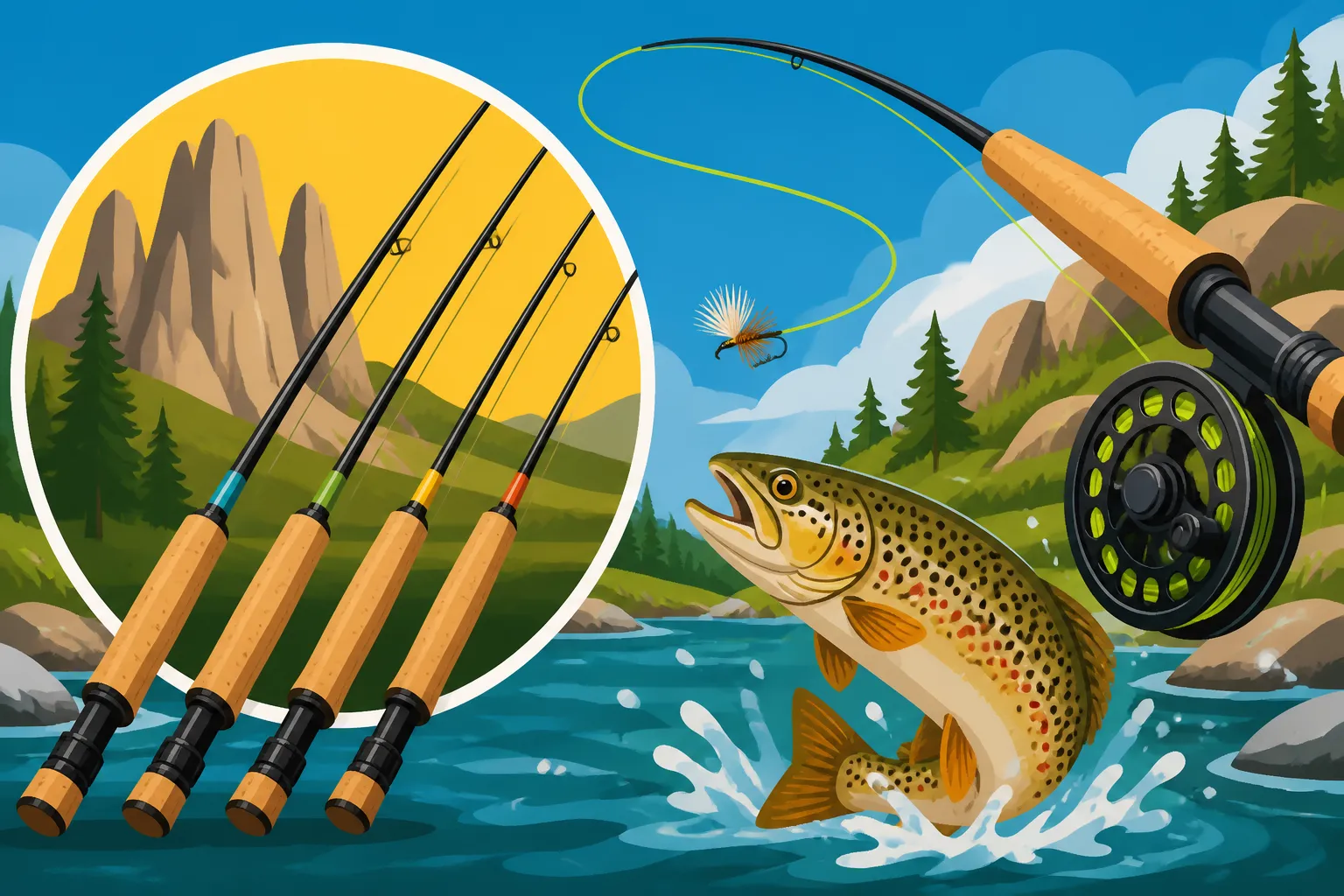
Best Fly Fishing Rod Weight for Black Hills Trout
Finding that sweet spot for fly fishing rod weight in the beautiful, diverse waters of the Black Hills can feel like a real puzzle, can't it? You want something delicate enough for those skittish brookies in tiny mountain creeks, but robust enough to handle a feisty brown trout on a bigger river, maybe even against a bit of wind. This guide is here to untangle the confusion, helping you choose the perfect rod weight to enhance your Black Hills trout fishing adventures, from the smallest stream to the wider, legendary waters.
Understanding Fly Rod Weight Basics for Trout
Before we dive into specific recommendations, let's chat a bit about what fly rod weight actually signifies. It's not just a number; it's a key factor in how your entire fly fishing setup performs and feels in your hand. Getting this right is foundational to an enjoyable and successful day on the water, especially when you're targeting the often-finicky trout of the Black Hills.
What "Rod Weight" Actually Means
When you see a fly rod labeled "5wt," that "wt" stands for weight, and it directly corresponds to the recommended weight of the fly line you should use with that rod. This system, standardized by the AFTMA (Association of Fishing Tackle Manufacturers of America), ensures a balanced system. A 5-weight line, for instance, has a specific grain weight over the first 30 feet, and a 5-weight rod is designed to efficiently cast that particular line weight. This pairing is crucial because it dictates how well the rod loads (bends) during your cast, allowing you to present your fly accurately and delicately.
Think about it: a heavier line carries more momentum, making it easier to cast larger, wind-resistant flies or punch through a brisk Black Hills breeze. Conversely, a lighter line is much more subtle, allowing for softer landings of small dry flies without spooking wary trout in crystal-clear water. The rod weight also influences how much "backbone" the rod has – its fighting power. A heavier rod can bring a larger fish to hand more quickly, reducing stress on the fish and on your tippet. On the other hand, a lighter rod makes even a modest trout feel like a trophy, adding to the thrill, though you'll need to be more careful with your tippet strength to avoid break-offs.
It's a delicate dance between casting efficiency, presentation, and fish-fighting capability. For the nuanced fishing found in the Black Hills, understanding this balance is your first step to choosing the right tool for the job. You'll want a rod that can handle the flies you're using, the size of the fish you're likely to encounter, and the conditions you'll be fishing in.
Common Rod Weights for Trout Fishing
The world of fly rods offers a pretty wide spectrum of weights, from super delicate 0-weights all the way up to powerful 12-weights and beyond for saltwater giants. However, for most trout fishing scenarios, particularly in places like the Black Hills, the sweet spot generally falls within the 2-weight to 6-weight range. Each of these weights brings its own advantages and disadvantages, making certain rods more suitable for particular types of water or specific techniques.
- 2-weights and 3-weights: These are your finesse rods. They excel at delicate presentations, often in small, intimate streams with little room for error. They're perfect for tiny dry flies, small nymphs, and when you're targeting smaller fish, like wild brook trout, where the fight is still incredibly fun on such light gear. The challenge here is their limited power for casting in wind or handling heavier flies.
- 4-weights and 5-weights: This is often considered the "universal" trout range. A 4-weight offers a nice blend of delicate presentation and enough backbone to handle a wider variety of flies and conditions. A 5-weight is arguably the most versatile trout rod, capable of casting everything from small dries to medium streamers and nymphs, and it can handle most average-sized trout you'll encounter.
- 6-weights: While still firmly in the trout category, a 6-weight leans towards larger fish, bigger rivers, heavier flies (like larger streamers), and sometimes more challenging weather conditions, especially wind. It provides more lifting power and can be a good choice if you're consistently targeting trophy-sized trout or fishing larger Black Hills lakes.
For the Black Hills specifically, you'll often find anglers leaning towards the lighter end of this spectrum, given the size of many of the streams and the average size of the trout. However, there are certainly scenarios where a heavier rod makes perfect sense. We'll explore these nuances in the following sections.
Identifying the Ideal Rod Weight for Black Hills Trout
The Black Hills are a tapestry of fishing opportunities, from hidden spring creeks barely a rod length wide to flowing rivers like Rapid Creek and sprawling reservoirs. No single rod weight will be "best" for every single situation, but we can certainly guide you toward the ideal choices based on the typical fishing you'll encounter. This is where your rod weight decision truly comes into focus.
Small Streams and Brookies: The Lighter Side (2wt-3wt)
If your heart beats for the adventure of exploring tiny, brush-choked creeks, where wild brook trout dart from under mossy logs, then a lighter rod, specifically a 2-weight or 3-weight, is your absolute best friend. Picture yourself hiking into a secluded spot along French Creek or Grace Coolidge Creek – these waters are often narrow, overgrown, and demand precise, often short, casts. Best Black Hills Streams for Brook Trout are exactly the kind of places where a delicate presentation triumphs over brute force.
A 2-weight rod, often paired with a 7'6" or even a 6'6" length, allows for exquisite delicacy. You're typically casting small dry flies, like a size 16 or 18 Parachute Adams, or tiny emergers. The light line lands almost silently, mimicking a natural insect, which is crucial when targeting brookies that can be incredibly spooky in shallow, clear water. The joy of fighting a 10-inch brook trout on a 2-weight is something every fly angler should experience; it bends deep into the cork, making even modest fish feel like giants. With such light gear, you'll want to pay close attention to your tippet, usually 6x or 7x, to ensure it’s protected during the fight. For these small, wild fish, stealth and a soft touch are key, and a light rod helps you achieve both effortlessly. It's a truly intimate fishing experience that these lighter rods facilitate perfectly.
Versatile Black Hills Waters: The Go-To (4wt-5wt)
For the vast majority of your Black Hills trout fishing, especially if you're looking for one rod that can do a bit of everything, a 4-weight or a 5-weight rod is going to be your absolute workhorse. This range hits the sweet spot for many of the region's most popular and productive waters, such as Rapid Creek, Spearfish Creek, and sections of Castle Creek. These rivers often feature a mix of riffles, runs, and deeper pools, holding a healthy population of brown and rainbow trout, many of which fall into that enjoyable 10 to 16-inch range.
A 4-weight offers a beautiful balance between finesse and power. It's still delicate enough for precise dry fly presentations on calmer sections but has enough backbone to cast a tandem nymph rig or a small streamer. On the other hand, a 5-weight is often hailed as the most versatile trout rod you can own, not just in the Black Hills, but globally. It handles a wide array of fly sizes and types with ease, from bushy hoppers on a summer afternoon to weighted nymphs under an indicator. When a nice 14-inch brown trout takes your fly and immediately bolts for cover, a 5-weight provides sufficient leverage to turn its head without putting undue stress on lighter tippets, typically 4x or 5x. It also performs well when you encounter a slight breeze, allowing you to maintain better line control than a 2 or 3-weight might. If you're building your first Black Hills trout setup or want a do-it-all option, a quality 4wt or 5wt rod will serve you incredibly well for everything from nymphing deep runs to enjoying the dry fly hatch. You can learn more about specific techniques in our Nymph Fishing Techniques for Trout Streams guide.
Larger Waters and Bigger Trout: When to Size Up (6wt)
While much of the Black Hills trout fishing leans towards smaller, more intimate waters, there are definitely situations and locations where stepping up to a 6-weight fly rod becomes not just advantageous, but often necessary. Think about those wider, faster sections of rivers, or when you're exploring the potential for larger trout in some of the Black Hills lakes like Pactola Reservoir Fishing Guide or Sheridan Lake Fishing Near Rapid City. These are the scenarios where a 6-weight truly shines.
A 6-weight rod provides significantly more casting power. This is invaluable when you're slinging larger streamers designed to entice bigger, predatory brown trout. These flies, often tied on heavy hooks with lead eyes, can be a struggle to cast accurately with lighter rods, especially if there's any wind. The increased line weight of a 6-weight rod helps load the rod more effectively, propelling those bigger flies further and with greater authority. Furthermore, when you hook into an 18-inch-plus brown or rainbow trout in a larger body of water, its fighting power is substantial. A 6-weight rod gives you the muscle to subdue such a fish more quickly, reducing the prolonged stress on the fish during the fight and allowing for a healthier release. It also offers more control if a large fish tries to run into snags or heavy current. So, if your Black Hills agenda includes actively targeting trophy trout, fishing expansive lake environments, or consistently throwing larger, heavier fly patterns, a 6-weight is a robust and highly capable choice that will feel perfectly at home.
Factors Influencing Your Fly Rod Weight Choice
Beyond the general size of the water and the fish, several other personal and environmental factors play a crucial role in deciding which fly rod weight will be the "best" for you in the Black Hills. What feels right for one angler might not for another, and understanding these nuances will help you make a truly informed decision.
Your Primary Fishing Style (Dries, Nymphs, Streamers)
The type of flies you plan to primarily cast and the techniques you'll be employing are major determinants in selecting your fly rod weight. There's a tangible difference in how a rod performs with various fly sizes and presentations, and matching your rod to your style makes a huge difference in your fishing experience.
If your passion is delicate dry fly fishing—patiently waiting for hatches and presenting tiny, high-floating patterns to rising trout—then a lighter rod, like a 2-weight or 3-weight, is often preferred. These rods load with minimal line out, allowing for extremely soft landings of small flies on calm water. They excel at protecting fine tippets (6x or 7x) during the fight, which is critical for fooling wary Black Hills trout. However, if your go-to method is nymphing, especially with heavier multi-fly rigs, split shot, and a strike indicator, then a 4-weight or 5-weight will provide the necessary power. The heavier line weight helps turn over these bulkier rigs, allowing for better depth control and more efficient casting throughout the day. It’s also easier to mend heavier lines to control your drift. Finally, for those who love to "hunt" bigger trout with streamers, a 6-weight rod becomes invaluable. Streamers, mimicking baitfish, can be quite large and water-resistant. The increased backbone of a 6-weight helps cast these flies with authority, generates the necessary line speed to make them swim enticingly, and provides the power to steer larger fish away from structure. So, take a moment to consider how you truly love to fish – that will guide you towards the perfect rod.
Angler Skill Level and Preferences
Your experience level and personal preferences play a significant, often overlooked, role in choosing the right fly rod weight. What feels good in one angler's hand might feel completely off for another, and there's no right or wrong answer when it comes to personal comfort and casting stroke.
For beginners, a 5-weight rod is often recommended as an excellent starting point. It's forgiving enough to help new casters feel the line load, making it easier to learn the fundamentals of casting. It's also versatile enough that a beginner won't feel under-gunned in most Black Hills trout scenarios. A lighter rod, like a 2-weight or 3-weight, can be more challenging for a novice, as it requires a more refined casting stroke to get the line to perform effectively. For the seasoned angler, however, the lighter rods offer a new level of challenge and sensitivity. They allow for incredibly subtle presentations and make even smaller fish feel exciting. Experienced casters can often push the limits of lighter rods, making them perform beyond what a beginner might achieve. Beyond skill, there's the subjective "feel." Some anglers simply prefer the delicate, almost weightless feel of a light rod, enjoying the heightened sensitivity it provides. Others prefer the authority and power of a slightly heavier rod, especially if they anticipate larger fish or challenging casting conditions. Don't be afraid to try out different rod weights if you have the opportunity; what "feels" best to you is often the most important factor.
Considering Environmental Conditions (Wind, Cover)
The Black Hills can throw a variety of environmental conditions at you, and these factors absolutely impact the effectiveness of different rod weights. Being prepared for Mother Nature's moods means considering how your rod will perform when conditions aren't perfectly calm and sunny.
Wind is perhaps the biggest culprit when it comes to challenging casting. Even a moderate breeze can make casting light lines, particularly with small dry flies, a frustrating experience. A 2-weight or 3-weight rod might struggle to punch through the wind, causing your line to collapse or your fly to land off target. In these situations, a 4-weight or 5-weight rod, with its slightly heavier line, offers more momentum and allows for better line control. If you're frequently fishing on open water, like larger stretches of the Cheyenne River arm on Lake Oahe (though not a trout stream), or even exposed sections of Spearfish Creek, a heavier rod can be a blessing. Similarly, the presence of heavy bankside cover, like willows or fallen timber, influences your rod choice. While a short, light rod can be great for roll casts in tight quarters, sometimes you need the power to quickly turn a fish away from snags before it can wrap your line. A 5-weight or 6-weight provides more leverage, giving you a better chance to land that fish rather than watching it disappear into the bushes. Consider the typical weather patterns and bankside vegetation of your favorite Black Hills spots, as these real-world conditions should heavily weigh on your rod choice.
Recommended Setups and What to Look For
So, you've considered the waters, the fish, your style, and the conditions. Now, let's talk about putting it all together into a cohesive and effective fly fishing setup. It's not just about the rod; it's about how the rod, reel, and line work in harmony to create a balanced system.
Building a Balanced System (Rod, Reel, Line)
Creating a balanced fly fishing system is paramount to an enjoyable and efficient day on the water. It’s not simply about buying a rod and then finding a reel and line that fit; it’s about choosing components that complement each other. The core principle is simple: your fly line weight must match your rod weight. If you have a 4-weight rod, you need a 4-weight fly line. This ensures the rod loads correctly, allowing for smooth, accurate casts. Using a line that’s too heavy will "overload" the rod, making it feel sluggish and clunky, while a line that's too light won't load the rod sufficiently, resulting in weak, ineffective casts.
When it comes to the reel, for trout fishing, its primary job is to hold your fly line and backing, and to balance the rod in your hand. While drag systems are important for larger, powerful fish, most Black Hills trout aren't going to strip line off your reel at high speed. A good quality, lightweight reel that balances the rod well is what you're after. You don't want a heavy reel making your delicate 3-weight feel tip-heavy and uncomfortable to cast all day. For typical Black Hills trout, a standard arbor, click-and-pawl, or entry-level disc drag reel will serve you perfectly. As for rod length, for the often-tight quarters of Black Hills streams, an 8' to 8'6" rod is a common choice, offering a good balance of casting distance and maneuverability. However, a shorter 7'6" rod can be incredibly handy for those really brushy small creeks, while a longer 9' rod might be preferred for wider rivers or when you need to mend a lot of line. Many anglers find great entry-level setups at places like Bass Pro Shops, or you can piece together components online through retailers like Amazon.
Essential Accessories for Black Hills Trout Fishing
Beyond the core rod, reel, and line, a few crucial accessories will truly complete your Black Hills trout fishing kit and ensure you're prepared for whatever the streams throw at you. These aren't just extras; they're vital tools that enhance your success and make the experience much smoother.
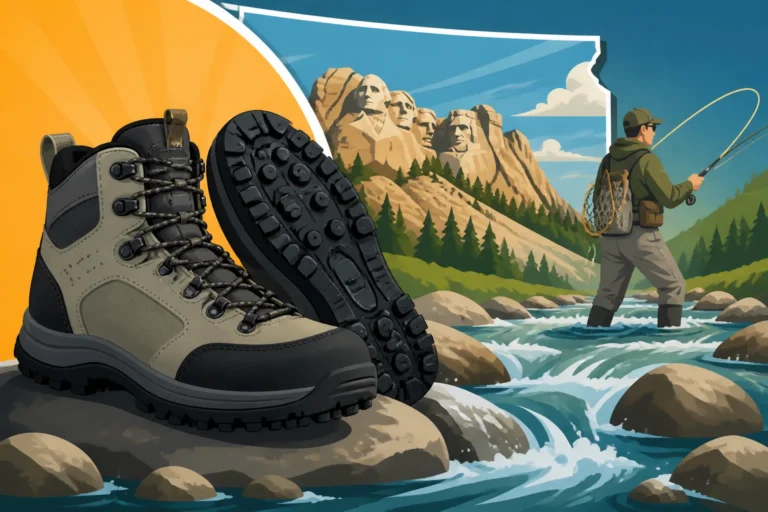
First up, leaders and tippets are non-negotiable. A tapered leader helps transfer casting energy from your fly line to the fly, ensuring it lands gently. You'll typically want a 7.5-foot or 9-foot leader, tapering down to a certain "X" size. Tippet, which you tie onto the end of your leader, allows you to change flies without shortening your main leader too quickly. For the Black Hills, having a range of tippet sizes from 4X to 7X will cover most situations, from nymphing larger waters to delicate dry fly presentations on smaller creeks. Next, especially if you're nymphing, strike indicators are essential for detecting subtle bites, and a small assortment of split shot will help you get your flies down to the fish quickly in deeper runs. You'll also want a quality landing net, preferably one with a rubberized mesh to protect the trout's slime coat, allowing for safe, ethical catch-and-release. Forceps or hemostats are critical for quickly and safely removing hooks, especially when dealing with smaller flies. Finally, don't forget personal comfort and safety: reliable waders and wading boots (check out Best Waders for Black Hills Stream Fishing), polarized sunglasses (like those often found at Bass Pro Shops or Amazon, see Best Sunglasses for Sight Fishing for more info), a vest or pack for organizing your gear, and a sturdy hat are all part of a well-equipped angler's South Dakota Fishing Gear Checklist. Being properly geared up means you can focus on the fishing, not on missing essential tools.
Disclaimer
This article is for general informational purposes only and does not constitute professional advice. Laws, prices and regulations vary by location and change over time. Consult a qualified professional for guidance on your specific situation.