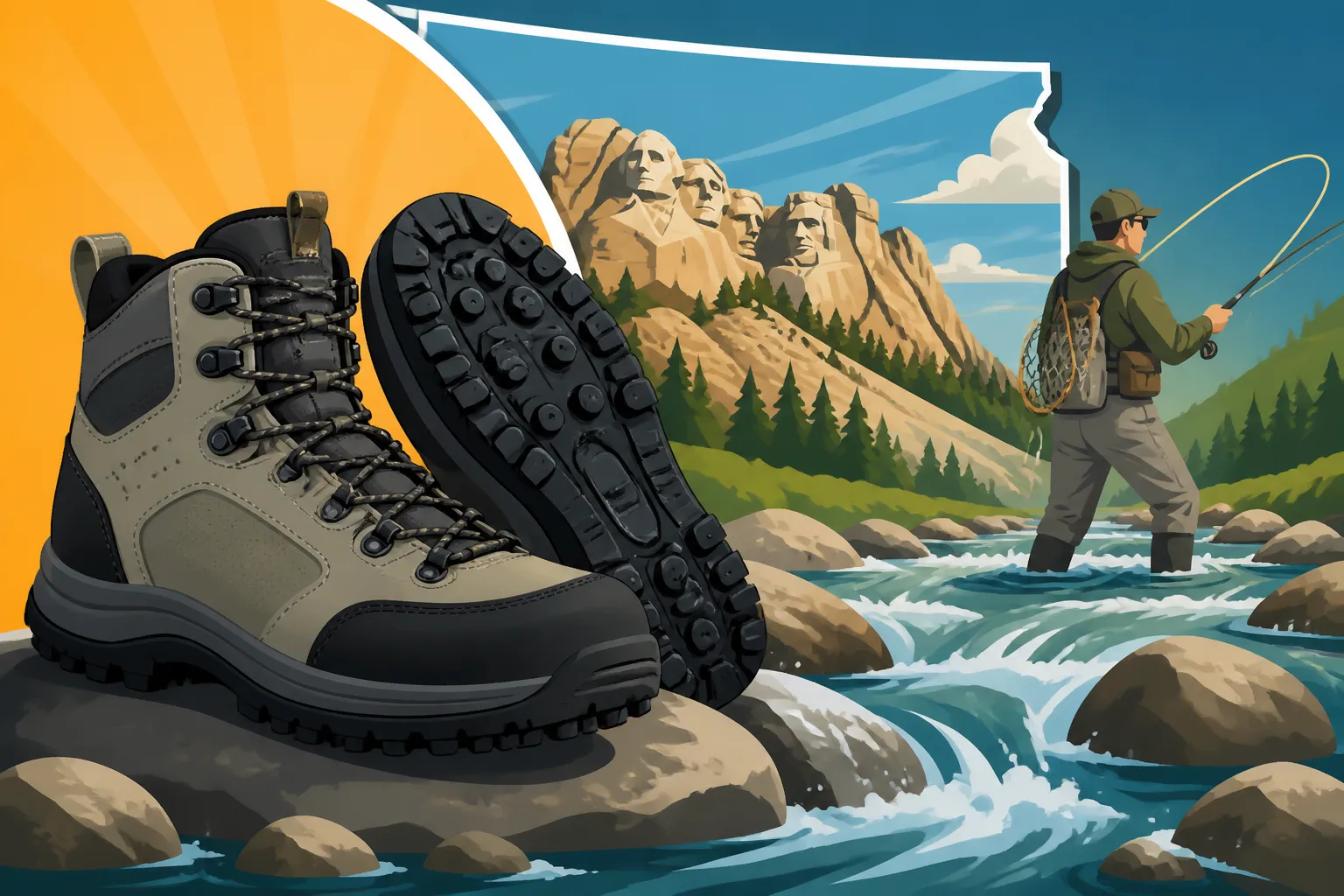
Best Wading Boots for Rocky Streams
There’s nothing quite like the feeling of wading into a clear, rushing stream, the cool water swirling around your legs as you cast your line. But let's be honest, that serene picture can quickly turn into a frustrating, even dangerous, slip-and-slide if you don't have the right footwear. Especially when you're tackling the famously rocky, often algae-covered streambeds of places like the Black Hills in South Dakota, reliable traction isn't just a nice-to-have, it's an absolute necessity. This guide is here to help you navigate the often-confusing world of wading boots so you can pick the perfect pair to keep you upright, safe, and focused on the fish, not your footing.
Why the Right Wading Boots are Crucial for South Dakota's Rocky Streams
You might think "a boot is a boot," but when it comes to navigating the unique challenges of South Dakota's diverse waterways, particularly the often-treacherous rocky streams, your choice of wading boot is paramount. It’s not just about keeping your feet dry; it’s about safety, confidence, and ultimately, the quality of your entire fishing experience.
The Hidden Dangers of Slippery Rocks
Imagine this: you've finally found that perfect stretch of Rapid Creek, the one where you just know a hungry brown trout is lurking behind a submerged boulder. You take a careful step, your eyes glued to the water, and suddenly, your foot slides out from under you on a moss-covered rock. You flail, maybe manage to stay upright, or perhaps take an unexpected dunk in the frigid water, potentially injuring yourself or damaging your gear. This isn't just a hypothetical scenario; it's a common frustration for anglers venturing into South Dakota's Black Hills streams, where the rocks are notoriously slick and uneven.
A fall in a stream can range from a minor inconvenience to a serious injury, far from immediate help. Twisted ankles, bruised knees, or even a head bump are very real possibilities when your footing is compromised. Beyond the physical risks, there's the mental toll. Constantly worrying about slipping means you're not fully present, not truly enjoying the beauty of your surroundings or concentrating on your technique. This constant anxiety can drain the joy out of what should be a peaceful and rewarding day on the water. Having the right boots is your first line of defense against these hidden dangers, ensuring you can move with purpose and confidence.
More Than Just Traction: Comfort and Support
While traction is undoubtedly king, the role of comfort and support in your wading boots cannot be overstated. When you’re spending hours on your feet, often covering significant distances in and out of the water, a comfortable boot is essential. Many of the best trout fishing spots in the Black Hills require a hike, and you’ll be negotiating uneven trails, slippery banks, and then the dynamic environment of the streambed itself. A boot that pinches, rubs, or lacks adequate cushioning will quickly lead to hot spots, blisters, and general misery, turning a picturesque fishing trip into an endurance test.
Beyond comfort, robust ankle support is a non-negotiable feature for rocky streams. Imagine stepping into a section of Spearfish Creek where the bottom is a jumble of basketball-sized rocks, some loose, some stable, all uneven. Without proper ankle support, every step becomes a potential ankle twist. A well-designed wading boot will cradle your foot, providing stability that prevents excessive lateral movement, thereby protecting your joints from the inevitable shifts and wobbles of stream wading. This holistic approach – combining superior traction with ergonomic design for comfort and support – ensures that your wading boots are truly an asset, allowing you to focus on the thrill of the catch rather than the pain in your feet. For a full immersion into the Black Hills experience, check out our Black Hills Trout Stream Fishing Guide.
Key Features to Prioritize in Wading Boots for Rocky Terrain
Choosing the right wading boots for South Dakota's rocky streams isn't just about grabbing the first pair you see. It requires a thoughtful consideration of several critical features that will dictate your safety, comfort, and overall performance on the water.
Superior Traction: Your First Line of Defense
When you’re facing slick, algae-covered boulders and unpredictable currents, traction isn't just a feature; it's your lifeline. The sole of your wading boot is arguably the most important component, and there are a few dominant types, each with its own strengths and weaknesses.
-
Felt Soles: For decades, felt soles were the undisputed champions for gripping slick, algae-covered rocks. The dense, interwoven fibers of felt create a multitude of tiny contact points, allowing them to essentially adhere to wet, slimy surfaces far better than traditional rubber. If your primary objective is to maintain maximum grip on submerged, mossy stones in fast-moving trout streams, felt is incredibly effective. However, felt soles do have significant drawbacks. They perform poorly on muddy banks, snow, or dry land, feeling slippery and offering little grip. More importantly, felt has become a contentious issue due to its propensity to pick up and spread aquatic invasive species (AIS). Organisms like whirling disease spores or zebra mussel larvae can embed themselves in the felt, and then be unknowingly transferred to a new waterway, posing a serious threat to native ecosystems. Many states and even specific watersheds within South Dakota are beginning to restrict or ban felt-soled wading boots to combat AIS. It's always wise to check the latest South Dakota Fishing Regulations Explained or Black Hills Stream Trout Regulations before heading out.
-
Rubber Soles (Vibram or proprietary compounds): Modern rubber-soled wading boots have come a long way in recent years, largely driven by the demand for AIS-friendly alternatives to felt. Brands often develop their own proprietary rubber compounds and aggressive tread patterns, like those found in quality hiking boots, to maximize grip. Rubber excels on a variety of terrains: muddy banks, gravel paths, and even dry land sections between wading spots. This versatility makes them a popular choice for anglers who cover a lot of ground in different environments. They are also much easier to clean and dry, significantly reducing the risk of AIS transfer. While early rubber soles struggled to match felt's grip on super slick, algae-covered rocks, newer designs with advanced compounds and intricate lug patterns have closed the gap considerably. Many anglers now find them perfectly adequate for most rocky stream conditions, especially when paired with additional traction enhancements.
-
Studded Soles and Cleats: This is where you can take your traction to the next level. Studs or cleats are metal additions, typically made from carbide or aluminum, that are either permanently embedded in the sole or can be screwed in by the user. When combined with a felt or aggressive rubber sole, these studs act like miniature ice picks, digging into soft streambeds, mud, or providing an almost magnetic grip on hard, slick rocks that even felt might struggle with. They are a game-changer for navigating extremely challenging wading conditions, such as fast-flowing rivers with heavy current or areas with loose, shifting gravel. The ability to add or remove studs means you can customize your traction for specific conditions. However, studs also have their downsides. They can be noisy on dry land, and more importantly, they can severely damage boat floors (especially inflatables) or vehicle interiors. If you frequently use a boat or spend a lot of time walking on hard surfaces, removable studs are a wise choice.
Ankle Support and Stability
Navigating a streambed that is a chaotic mix of smooth, slippery rocks, sharp edges, and unstable boulders demands more than just a grippy sole; it requires robust ankle support. Without it, every uneven step is an invitation for a twisted ankle, which can quickly end your fishing day and put a serious damper on your outdoor plans. The best wading boots are designed with a high cuff and a secure lacing system that works together to lock your foot in place, minimizing lateral movement and providing crucial stability.
Think of it like this: when your foot is firmly supported within the boot, the boot acts as an extension of your leg, allowing your entire lower body to work together to maintain balance. If your foot is sloshing around inside a loose boot, it's much harder for your muscles and ligaments to react quickly to shifting terrain. Look for boots with durable, corrosion-resistant lacing hardware and a design that allows you to cinch them down snugly without creating pressure points. This secure fit ensures that even as you push off rocks or brace against currents, your ankle remains protected, giving you the confidence to wade further and reach those untouched fishing lies. For advanced techniques, proper foot placement is key, as covered in our Nymph Fishing Techniques for Trout Streams.
Durability and Drainage
Rocky stream fishing is inherently tough on gear, and your wading boots are no exception. They are constantly exposed to abrasion from sharp rocks, repeated soaking and drying cycles, and the strain of constant movement. This environment demands boots that are built to withstand abuse. Look for features like reinforced toe and heel areas, which protect against impacts and extend the life of the boot. Double or triple-stitched seams are also a good indicator of quality, as these are common failure points in lesser boots. Materials matter too; synthetic leathers and heavy-duty nylon fabrics are often used for their abrasion resistance and quick-drying properties. Investing in a durable pair means you won't be replacing them season after season, especially if you plan on exploring rugged areas like those near Pactola Reservoir.
Equally important for comfort and longevity is efficient drainage. While wading boots are designed to be submerged, they shouldn't hold water like a bathtub. Good boots will incorporate drainage ports or use highly porous, quick-drying materials that allow water to escape quickly when you step out of the stream. This rapid drainage not only reduces the weight of the boots, making them less fatiguing to walk in, but also helps to prevent odors and the growth of mildew, which can significantly shorten the lifespan of your footwear. A boot that dries out relatively quickly between uses is also less likely to harbor moisture that contributes to material breakdown.
Comparing Wading Boot Sole Options for South Dakota Anglers
Choosing the right sole for your wading boots in South Dakota truly comes down to understanding the terrain you'll encounter and weighing the pros and cons of each type. Let's break down the main options so you can make an informed decision.
| Sole Type | Best For | Pros | Cons |
|---|---|---|---|
| Felt | Slick, algae-covered rocks | Unmatched grip on wet, mossy surfaces; traditional choice for fly anglers | Poor on mud, snow, and dry land; notorious for potential AIS transfer (often restricted); wears faster; holds water longer |
| Rubber | Versatile, muddy banks, dry hikes | Good all-around traction; easier to clean (less AIS risk); durable; comfortable for walking on varied terrain | Can be slippery on very slick, algae-covered rocks (though modern compounds improve this significantly); may require studs for ultimate grip in challenging conditions |
| Studded/Cleated | Extremely slick rocks, heavy current, challenging wading | Superior grip in most conditions, especially on hard, slick surfaces or loose gravel (when added to felt or aggressive rubber) | Can damage boat floors, vehicle interiors, or other surfaces; less ideal for prolonged dry land walking; can be noisy; may be overkill for easy wading; can scratch rocks/boulders |
The Felt vs. Rubber Debate in South Dakota
The decision between felt and rubber soles is a classic dilemma for many anglers, especially those heading to South Dakota's trout streams. For generations, felt was the go-to, and for good reason: its unparalleled ability to grip slick, algae-covered rocks made it a favorite among fly fishermen venturing into the crystal-clear, yet often slippery, waters of the Black Hills. If you're purely focused on wading pristine, rocky streams like those you'd find in Custer State Park, and rarely step out onto dry land, felt's performance in the water is hard to beat. However, this is where the invasive species concern becomes critical. The minute fibers of felt can easily pick up aquatic hitchhikers, which, if not meticulously cleaned, can then be spread to other water bodies. Due to this very real threat, regulations can change, and it's always smart to check specific area rules.
Modern rubber soles, on the other hand, have emerged as the strong contender, offering a more versatile and environmentally conscious option. These advanced rubber compounds, often with aggressive tread patterns, perform well on a much wider range of surfaces – from the muddy banks of a glacial lake tributary to the gravel trails leading to a secluded stretch of creek. While they might not offer the exact "sticky" feel of felt on every single slick rock, their all-around performance, durability, and most importantly, ease of cleaning to prevent AIS transfer, make them an increasingly popular and often preferred choice for anglers in South Dakota. Many find the slight trade-off in ultimate rock grip is well worth the versatility and peace of mind. For those looking to explore a variety of waters, including the South Dakota Glacial Lakes Fishing Guide, rubber is often the more practical choice.
The Role of Studs and Cleats
So, where do studs and cleats fit into this picture? Think of them as the turbo boost for your wading boots. If you find yourself consistently in challenging conditions – perhaps battling strong currents in the Missouri River tailwaters, or regularly negotiating extremely slick bedrock in a remote Black Hills canyon – then studs become a legitimate advantage. They provide an aggressive, penetrating grip that can make a huge difference in stability and confidence, especially when wading through deeper, faster water where a slip could be dangerous.
However, studs aren't for everyone, nor are they necessary for every situation. They add weight, can be noisy on dry land, and are absolutely notorious for scratching boat finishes, vehicle floors, and other hard surfaces. If you primarily fish calmer waters or spend a lot of time walking to your spots, the added grip might not outweigh the potential inconveniences. Many anglers choose a rubber-soled boot and then add removable studs for those specific trips where extreme traction is paramount. This offers the best of both worlds, allowing you to customize your footwear to the exact conditions you expect to encounter. Always be mindful of their potential impact on the environment and your gear when using them. For more on navigating those specific waters, check out our South Dakota Fly Fishing Guide and How to Fly Fish for Trout in the Black Hills.
Making Your Final Decision: Practical Considerations
Once you've wrapped your head around the different sole types and key features, it's time to bring it all together and make a decision that best suits your personal fishing style and the unique environments you'll encounter in South Dakota.
Your Primary Fishing Locations and Style
This is perhaps the most crucial factor in your decision-making process. Are you a dedicated fly angler who spends almost every outing knee-deep in small, rocky Black Hills trout streams, moving carefully from pool to pool? If so, the ultimate in-water traction might be your highest priority, potentially leaning you towards a felt-based sole or a highly aggressive studded rubber sole. Remember to check local regulations on felt! Our Black Hills Catch-and-Release Trout Streams guide can help you find suitable locations.
Conversely, do you fish a wider variety of South Dakota waters? Perhaps you spend one weekend wading a river for trout and the next hiking along the muddy banks of Lake Oahe chasing walleye, or launching a kayak in Lake Sharpe. For this kind of diverse activity, a versatile rubber sole, perhaps with the option to add studs, would be a much more practical choice. It offers better performance on dry land and mud, and less concern about AIS transfer. If you're primarily a bank angler who rarely wades deep, your needs will differ significantly from someone who's constantly immersed. Think about the ratio of "walking on land" to "wading in water" for your typical fishing day.
Maintenance and Longevity
No matter which type of wading boot you choose, proper maintenance is the secret to extending its life and keeping it performing at its best. After every trip, especially when wading in new waters, it's essential to thoroughly clean your boots. This isn't just about aesthetics; it's vital for preventing the spread of aquatic invasive species. Rinse them vigorously with water, scrubbing off any visible mud, plant matter, or debris. If you have felt soles, pay extra attention, and consider a more rigorous cleaning protocol like soaking them in a diluted bleach solution (check manufacturer recommendations first!).
After cleaning, allow your boots to air dry completely. Never store them wet or in a confined, unventilated space, as this is a breeding ground for mold and mildew, which will quickly degrade the materials and lead to unpleasant odors. Hang them in a well-ventilated area, preferably out of direct sunlight. Consistent care, whether you choose felt or rubber, will ensure your boots are ready for countless future adventures on South Dakota's beautiful waters. For a comprehensive list of gear, also consider our Best Waders for Black Hills Stream Fishing article to complete your setup.
Budget vs. Investment
Let's talk money. Wading boots can range significantly in price, and it's easy to be tempted by the cheapest option. However, when it comes to a piece of gear that is so fundamental to your safety and enjoyment, it's often worth viewing wading boots as an investment rather than just an expense. A higher price point often translates to better quality materials, more durable construction, superior traction technology, and enhanced comfort features like better ankle support and cushioning.
Consider the cost of a ruined fishing trip due to a fall or debilitating blisters. Or the cost of replacing a cheap pair of boots after just a season or two because they've fallen apart under the strain of rocky streams. Investing in a reputable brand with a proven track record for durability and performance will likely save you money and headaches in the long run. You'll find a wide selection at retailers like Bass Pro Shops, where you can often try them on to check the fit. Many anglers also turn to online marketplaces such as Amazon for competitive pricing and a vast array of reviews to help narrow down their choices. While there are certainly good value options out there, don't automatically gravitate to the lowest price. Your feet, and your fishing safety, are worth a little extra. For understanding more about regulations that protect fish, read about South Dakota Trout Limits in the Black Hills.
The right wading boots are more than just footwear; they are a critical piece of safety equipment that directly impacts your confidence, comfort, and success on the water. By carefully considering the terrain you'll fish, the features you prioritize, and your commitment to maintenance, you can select a pair that will serve you well for many seasons to come, allowing you to fully immerse yourself in the incredible fishing opportunities that South Dakota has to offer.
Disclaimer
This article is for general informational purposes only and does not constitute professional advice. Laws, prices and regulations vary by location and change over time. Consult a qualified professional for guidance on your specific situation.