Breathable vs Neoprene Waders for Trout Fishing
For any angler venturing into the pristine, often chilly, waters of South Dakota's trout streams, the struggle is real: how do you stay comfortably dry without roasting on warmer days or freezing when the mountain runoff hits? It's a question that plagues many, especially when trying to choose the right waders. This comprehensive guide will meticulously break down the differences between breathable and neoprene waders, helping you make an informed decision for your next South Dakota trout fishing adventure.
Understanding the Basics: What Are Waders, Anyway?
Before we dive into the nitty-gritty of material science, let's establish why waders are such a crucial piece of gear for any serious trout angler, particularly in a state like South Dakota with its diverse and often challenging aquatic environments. It's more than just staying dry; it's about access, comfort, and safety.
The Purpose of Waders in Trout Fishing
Imagine standing knee-deep, or even waist-deep, in the icy cold waters of a Black Hills stream, trying to cast a perfectly drifted nymph into a promising run. Without proper waders, that experience would be miserable, fleeting, and potentially dangerous due to hypothermia. Waders essentially act as a waterproof barrier, allowing you to enter the water to reach prime fishing spots that would otherwise be inaccessible from the bank. They're your personal dry zone, extending your reach and opening up new possibilities for how and where you fish.
Beyond simply keeping water out, waders provide a layer of insulation, especially important when fishing in colder conditions. Many South Dakota trout streams, fed by snowmelt and mountain springs, maintain remarkably low temperatures even on a scorching summer day. Furthermore, waders protect your clothing from snags, thorns, and general wear and tear as you navigate brushy banks or slippery stream beds. They're truly an investment in your fishing success and enjoyment. Without them, you're either limited to shore fishing or dealing with wet, cold clothing, which can quickly ruin a day on the water.
Key Considerations for South Dakota Anglers
South Dakota's fishing landscape presents a unique set of challenges and opportunities that directly influence your wader choice. We're not talking about uniform conditions here; from the fast-flowing, rock-strewn streams of the Black Hills to the wider, sometimes slower-moving rivers in other parts of the state, the demands on your gear vary significantly.
One of the primary factors is water temperature. In spring and fall, especially in the Black Hills, stream temperatures can hover just above freezing, making insulation paramount. But then summer arrives, and while the water might still be cool, the air temperature can soar into the 80s or 90s. This dramatic swing means your waders need to be versatile. Another point of concern is the terrain. Many of the best trout fishing spots require a hike, sometimes through dense undergrowth or over jagged rocks. Durability against punctures and tears is a serious consideration. You don't want to be halfway to your favorite eddy on Battle Creek only to discover a leak. Best Wading Boots for Rocky Streams can definitely help, but your waders need to hold up too. Finally, your personal fishing style plays a huge role. Are you an active angler, constantly moving and covering miles of stream, or do you prefer to find a good spot and patiently wait? These elements all feed into the breathable versus neoprene decision.
Diving Deep into Neoprene Waders
For many years, neoprene waders were the standard, and for good reason. They offer a distinct set of advantages, particularly when the mercury drops, or you find yourself in situations where staying warm is the absolute priority.
The Warmth and Durability of Neoprene
Neoprene, the same material used in wetsuits, is essentially a synthetic rubber foam, and its primary superpower is insulation. The material traps tiny air bubbles, which act as a thermal barrier, keeping your body heat in and the cold water out. This makes neoprene waders incredibly effective in truly cold water conditions. Think about those crisp, early spring mornings when the ice has just come off and you're targeting hungry trout, or late fall days when the first frost paints the riverbanks white. A pair of 3mm or 5mm neoprene waders can be an absolute lifesaver, allowing you to stay out on the water comfortably for hours.
Beyond their insulating properties, neoprene waders are also renowned for their durability. The material is inherently tough and resistant to punctures and abrasions. If you're an angler who frequently navigates brushy banks, scrambles over fallen logs, or fishes in areas with sharp rocks, neoprene can offer a greater peace of mind against accidental damage. While no wader is entirely bulletproof, neoprene tends to stand up better to the rigors of rough terrain than some lighter, more delicate materials. This robust nature often translates to a longer lifespan, especially for anglers who are hard on their gear. The downside, of course, is that they tend to be bulky, less flexible, and much hotter when temperatures rise. They also take a bit longer to dry out thoroughly after a trip.
When Neoprene Shines Brightest in South Dakota
Given their characteristics, neoprene waders truly come into their own during specific times and in particular conditions across South Dakota. If your primary fishing adventures happen when the air and water temperatures are low, neoprene is often the superior choice.
Imagine it's March, and you're eager to be among the first to hit the Black Hills streams as the trout become more active. The water is still fed by snowmelt, bone-chillingly cold. This is prime neoprene territory. Or perhaps you're planning a late-season fall trip on a river like Rapid Creek, where the air temperature might be in the 40s but you want to wade deep and stay comfortable while nymphing. Fall Fishing in South Dakota often means colder water, and neoprene keeps you toasty. For those who enjoy stationary fishing, perhaps sitting on a submerged log or standing in a slower-moving current for extended periods, the constant insulation of neoprene prevents the chill from seeping in. They are also a popular choice for Ice Fishing Gear Basics for Beginners in early or late season ice, providing an extra layer of protection if you were to accidentally step into deeper water. In short, if warmth and ruggedness are your top priorities, especially in colder months, neoprene waders are your trusted ally.
Exploring the Advantages of Breathable Waders
While neoprene has its place, the evolution of outdoor gear has brought breathable waders to the forefront, offering a level of comfort and versatility that has revolutionized how many anglers approach their time on the water.
The Comfort and Versatility of Breathable Materials
The magic of breathable waders lies in their advanced membrane technology, often featuring materials like Gore-Tex or similar proprietary synthetics. These materials are engineered with microscopic pores that are too small for water droplets to pass through from the outside, but large enough for water vapor (sweat) to escape from the inside. This "breathability" means that when you're hiking to a remote stream or actively casting and wading, the perspiration your body generates can escape, preventing that clammy, uncomfortable feeling often associated with traditional waterproof gear. The result is a much more comfortable experience, especially on warmer days or during strenuous activity.
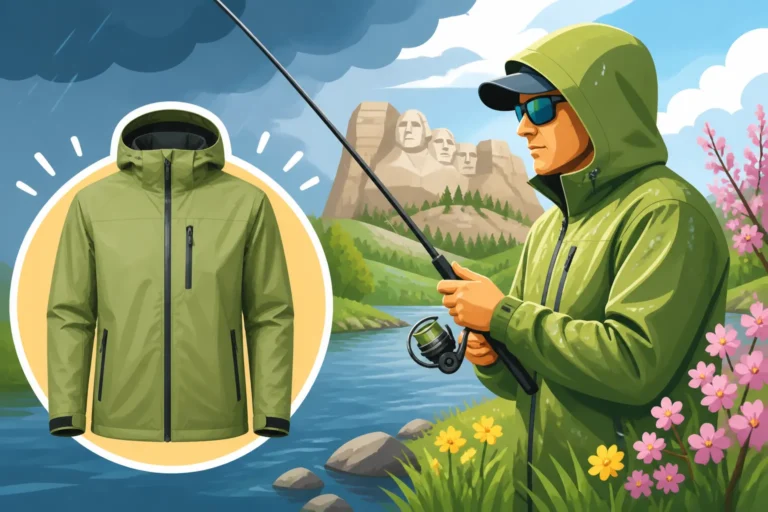
Breathable waders are typically much lighter and more flexible than their neoprene counterparts. This increased mobility is a huge advantage for active anglers who are constantly on the move, scrambling over banks, or making long casts. Their lighter weight also makes them easier to pack for trips where space is at a premium. Furthermore, their versatility comes from their layering potential. You can adjust your insulation based on the weather by adding or removing layers of fleece or long underwear underneath. This means a single pair of breathable waders can be comfortable in a wide range of temperatures, from cool spring days to warm summer afternoons on the river. For anglers who value adaptability and comfort above all else, especially when fishing active Black Hills trout streams in summer, breathable waders are often the go-to choice.
Optimal Conditions for Breathable Waders in South Dakota
Breathable waders truly excel when you need to be mobile, comfortable, and adaptable to changing conditions, which is often the case during much of South Dakota's trout season.
Consider a summer day where you're fly fishing a productive stretch of Castle Creek or Spring Creek. The sun is out, the air is warm, and you're covering a lot of ground, moving from one pool to the next. In neoprene waders, you'd likely be sweating profusely and overheating. This is precisely where breathable waders shine. Their ability to wick away moisture keeps you from getting clammy and uncomfortable, allowing you to focus on your fishing rather than your internal sauna. They are perfect for extended hikes to secluded spots, where the effort of the trek would be unbearable in bulky neoprene. South Dakota Fly Fishing Guide often emphasizes covering water, and breathable waders make that much easier. Even in cooler shoulder seasons, with appropriate layering, breathable waders remain comfortable and functional. If you’re an angler who values mobility, comfort during physical exertion, and the ability to adapt to varying temperatures with ease, then breathable waders will be your best friend on the waters of South Dakota. Many anglers find excellent breathable wader options at Bass Pro Shops, or you can find a huge variety of brands and price points on Amazon.
Making Your Choice: Neoprene vs. Breathable – The Showdown
Deciding between breathable and neoprene waders ultimately boils down to a careful consideration of your individual needs, fishing habits, and the specific conditions you most frequently encounter on South Dakota's waters. There's no single "best" option; rather, it's about finding the best fit for you.
Factors to Weigh for Your Fishing Style
When you're trying to make this crucial decision, it’s helpful to think through a few key aspects:
- Budget: Generally, breathable waders, especially those with advanced membranes like Gore-Tex, tend to be more expensive upfront. Neoprene waders often offer a more budget-friendly entry point. However, remember that durability and longevity can impact long-term value, so consider the cost over several seasons.
- Typical Fishing Conditions (Season & Water Temperature): This is perhaps the biggest factor. If you mainly fish in late fall, winter, or early spring when water temperatures are consistently frigid, neoprene offers unmatched warmth. If you fish predominantly in spring, summer, and early fall when air temperatures can be quite warm, breathable waders will provide far greater comfort and prevent overheating. For South Dakota Spring Walleye Fishing Techniques, neoprene might be good, but for summer trout, breathable is key.
- Activity Level: Do you hike miles to reach secluded stretches of stream, constantly moving and casting? Breathable waders, with their lighter weight and moisture-wicking properties, will be far more comfortable. If you tend to find a good spot and stay relatively stationary, neoprene's insulating properties might be more beneficial without causing excessive sweating.
- Portability: If you need to pack your waders for backpacking trips or have limited storage space, the lighter, more compressible nature of breathable waders is a distinct advantage. Neoprene is bulkier and heavier.
- Layering Preferences: Breathable waders require layering underneath for warmth, which gives you complete control over your insulation. Neoprene provides inherent warmth but can be difficult to layer down when it gets too hot.
- Durability Concerns: While modern breathable waders are very tough, neoprene generally offers a higher degree of inherent puncture and abrasion resistance, which might be a factor if you frequently fish in areas with sharp snags or rough terrain.
Here’s a quick overview to help visualize the comparison:
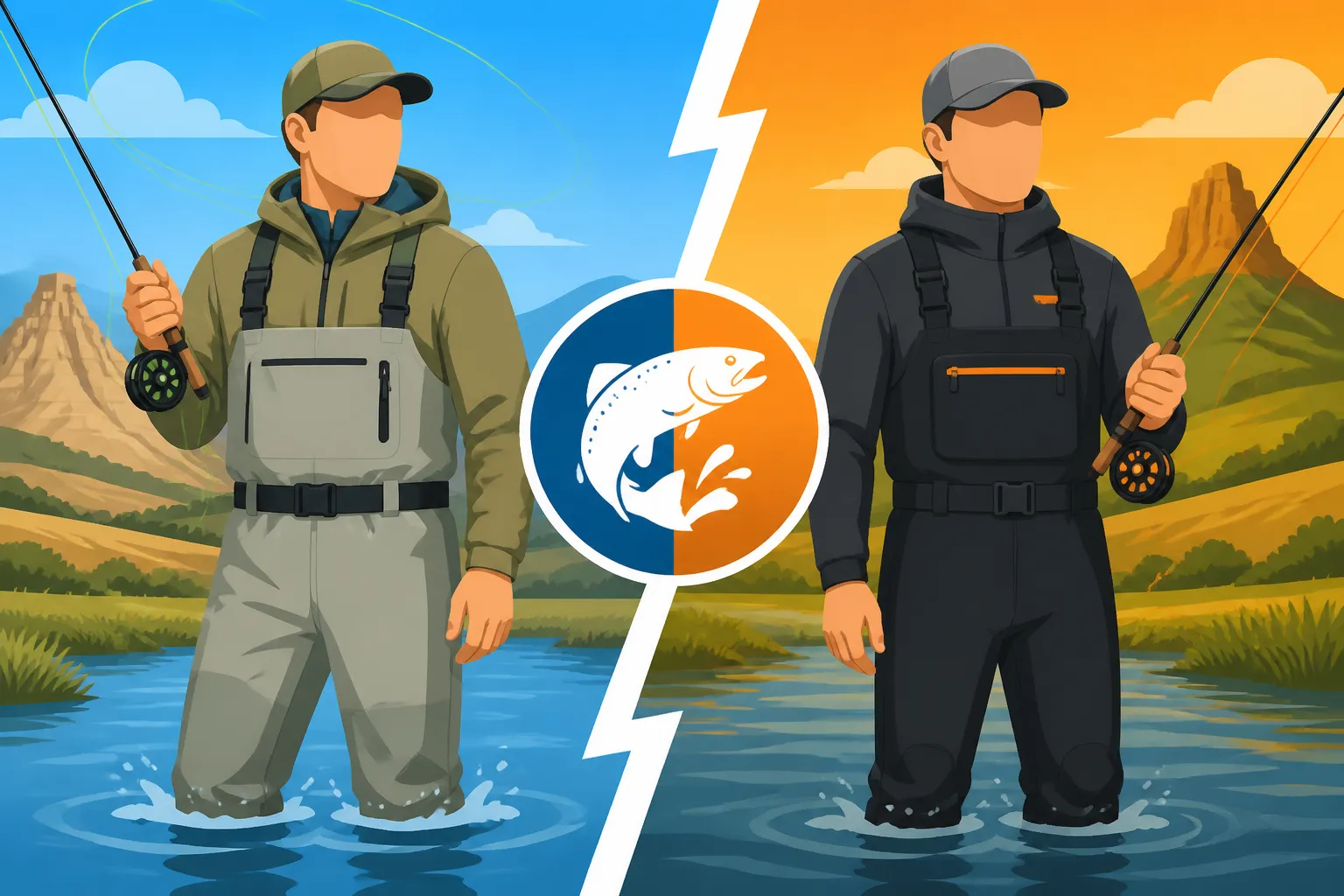
| Feature | Neoprene Waders | Breathable Waders |
|---|---|---|
| Primary Benefit | Excellent warmth/insulation, puncture resistance | Superior comfort, breathability, versatility |
| Ideal Seasons | Late Fall, Winter, Early Spring (Cold water/air) | Spring, Summer, Early Fall (Moderate to warm air) |
| Comfort in Warmth | Can be very hot and cause sweating | Wicks moisture, much more comfortable |
| Flexibility | More rigid, can feel bulky | Lightweight, flexible, allows for greater mobility |
| Drying Time | Slower to dry, can hold odors if not dried well | Dries much faster, less prone to mildew |
| Insulation | Built-in (3mm, 5mm thickness) | Relies on layering underneath for warmth |
| Puncture Resist. | Generally more resistant to tears and abrasions | Good, but typically less rugged than neoprene |
| Cost | Often more affordable initial investment | Generally higher initial cost, especially premium brands |
| Activity Level | Better for stationary fishing, less active wading | Excellent for active wading, hiking, covering ground |
Hybrid Approaches and Accessory Considerations
Now, you might be thinking, "What if I fish year-round and experience all these different conditions?" That's a valid point, and many dedicated anglers ultimately own both types of waders. Having a pair of breathable waders for spring, summer, and early fall, and a robust pair of neoprene waders for those really cold days, is a common and highly effective strategy.
Regardless of your wader choice, accessories play a crucial role in maximizing comfort and performance. Wader socks, typically made of merino wool or synthetic blends, provide extra warmth and cushioning inside your wading boots. South Dakota Fishing Gear Checklist will definitely highlight these. Gravel guards, often integrated into modern waders, are essential for preventing small stones and debris from entering your wading boots, which can cause discomfort and wear on your wader's neoprene booties. Proper layering underneath your breathable waders is also key. Think moisture-wicking base layers and insulating fleece pants – you can find these at any sporting goods store or even a general outdoors retailer like Amazon. And don't forget good quality wading boots with aggressive soles for traction on slippery South Dakota stream beds. Choosing the right waders is a big step, but pairing them with the right accessories completes the system, ensuring you're ready for whatever the stream throws your way.
Disclaimer
This article is for general informational purposes only and does not constitute professional advice. Laws, prices and regulations vary by location and change over time. Consult a qualified professional for guidance on your specific situation.