Best Way to Keep Fish Fresh Without a Livewell
It's a familiar scenario for many of us who love to fish in South Dakota: you've had an incredible day on the water, whether it's the sprawling Missouri River reservoirs or a quiet Black Hills stream, and you've got a stringer full of beautiful fish. The problem? You're not on a boat equipped with a state-of-the-art livewell, and the thought of your hard-earned catch losing its quality before it even hits the frying pan is enough to make any angler cringe. This guide is here to walk you through the most effective and realistic ways to ensure your fish stays as fresh as possible, even without a livewell, so you can enjoy that delicious meal you've been dreaming of.
Why Keeping Your Catch Fresh is Absolutely Crucial
You might think, "Oh, a few hours, what's the big deal?" But the truth is, the quality of your fish starts to degrade almost immediately after it's caught. That firm texture, that clean taste, and even the safety of your meal are all on the line. Ignoring proper fish care can lead to a mushy texture, a "fishy" taste that nobody wants, and in worst-case scenarios, could even pose health risks. Beyond personal enjoyment, there are also practical considerations tied to regulations and respect for the resource.
The Impact on Taste and Texture
There's a reason restaurant-quality fish tastes so good: it's handled properly from the moment it leaves the water. When a fish dies slowly or is left to flop around, lactic acid builds up in its muscles. This process can quickly turn that beautiful walleye fillet into something soft, flaky in a bad way, and distinctly unappetizing. Furthermore, warmth is the enemy of fresh fish. Bacteria multiply rapidly in warm conditions, contributing to spoilage and that unmistakable "fishy" smell and taste that can ruin a meal. You want your fish to taste like the crisp, clean waters of South Dakota, not like it sat out on the bank all afternoon.
Food Safety and Longevity
This isn't just about gourmet dining; it's about not getting sick. Fish, like any protein, can harbor bacteria that become harmful when not kept at proper temperatures. The "danger zone" for food is generally between 40°F and 140°F. The quicker you can get your catch out of this zone and into a colder environment, the safer it will be to eat and the longer it will last in your fridge or freezer. Even if you plan to eat it the same day, keeping it chilled significantly reduces bacterial growth, preserving its quality for longer and giving you peace of mind.
Respect for the Resource and Regulations
Part of being a responsible angler is respecting the fish you catch. If you're going to harvest a fish, you owe it to that animal to ensure it's handled humanely and that its meat isn't wasted. Regulations, particularly those concerning size and possession limits, also factor in. You're expected to ensure your legal catch remains in good condition until you're ready to process it. Understanding how to properly care for your fish, even without a livewell, is a key part of your South Dakota Fishing Regulations Explained knowledge.
Common Scenarios Where Livewells Aren't an Option
Let's be real, not everyone has a fancy bass boat with multiple aerated livewells. Most of us are fishing from smaller vessels, off the bank, or even just from a kayak. These situations present unique challenges for keeping fish fresh, but they are far from insurmountable.
Shore and Bank Fishing Realities
If you're casting lines from the shore of Lake Sharpe, or perhaps enjoying a relaxing afternoon along the James River, a livewell isn't even in the picture. You've got your cooler, your tackle box, and your rods. The biggest challenges here are direct sunlight and warm air temperatures. Many anglers will simply toss their fish on the grass or into a bucket of water, which is a recipe for rapid spoilage, especially on a hot summer day. It's tough because you're often quite a distance from your vehicle, making constant trips back to refresh ice inconvenient. You might even be exploring one of the Best Shore Fishing Spots on Lake Oahe, meaning you're a long way from home.
Small Boats, Canoes, and Kayaks
Even if you have a small Jon boat, a canoe, or are enjoying the tranquility of Kayak Fishing Techniques for Beginners, space is at a premium. Adding a bulky livewell isn't practical, or even possible, for many of these crafts. Your cooler becomes your most valuable piece of equipment for fish storage. The challenge here is similar to shore fishing, in that you're exposed to the elements, but you also have the added factor of limited storage and movement within the boat itself. You need solutions that are compact and efficient.
The DIY Angler's Dilemma
For the budget-conscious angler, or those just starting out, investing in a boat with a livewell is often out of reach. That doesn't mean you can't enjoy fresh fish! It just means you need to be a bit more resourceful and proactive in your approach to fish care. You're often piecing together your South Dakota Fishing Gear Checklist from various sources, and livewell technology might not be high on your initial shopping list. This is where understanding alternative methods truly shines.
Effective Alternatives to a Livewell for Maintaining Freshness
So, you don't have a livewell. No sweat! There are several highly effective strategies you can employ to keep your fish prime for the table. The key is to be prepared and act quickly.
The Power of Ice: The Cooler is Your Best Friend
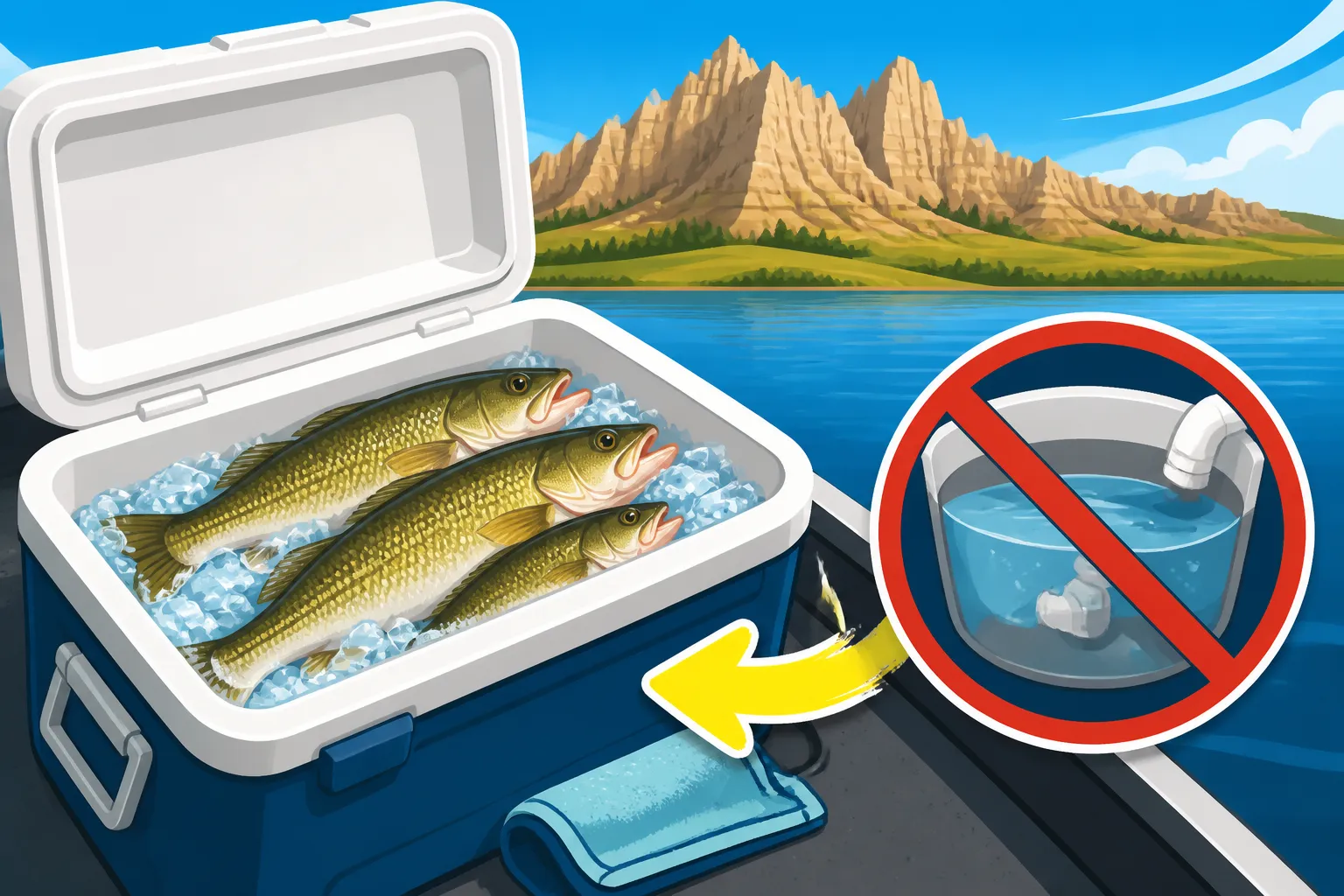
Without a doubt, a good cooler packed with plenty of ice is your absolute best defense against spoilage. Think of it as your portable, non-motorized livewell. The goal is to get your fish onto ice as quickly as possible after catching it.
- Pre-Chill Your Cooler: Don't just toss ice into a warm cooler. Fill it with ice and a little water an hour or two before you leave the house to get the internal temperature down. Dump out the melted water right before you head out.
- Layering is Key: Place a layer of ice on the bottom, then a layer of fish, then more ice. Repeat until your cooler is full. The fish should be surrounded by ice, not just resting on top. Flake ice or crushed ice is often better than large cubes as it conforms to the shape of the fish more effectively. You can grab a good, durable cooler at a place like Bass Pro Shops, or find ice packs for pre-chilling on Amazon.
- Drainage: Many coolers have a drain plug. While you want some ice water contact with the fish (slush is excellent for rapid cooling), you don't want them sitting in dirty, warm meltwater for hours. Periodically drain excess water and add fresh ice if needed, especially on long, hot days.
- Cooler Size Matters: Make sure your cooler is appropriately sized for the number of fish you expect to catch. Overstuffing a small cooler will quickly melt your ice and compromise freshness. For recommendations, check out a guide on Best Coolers for Keeping Fish Fresh.
Stringers and Fish Baskets: When to Use Them (and When Not To)
Stringers and fish baskets are traditional tools, and they can keep fish alive, which technically keeps them fresh. However, there are significant caveats.
- Stringer Best Practices: If you're using a stringer, ensure the fish are kept in cool, deep water that has good current or oxygen. Tying a stringer to a boat in shallow, stagnant water on a hot day is a death sentence for the fish and a fast track to spoilage. The fish will struggle, stress, and ultimately die in warm water, leading to poor meat quality. Only use a stringer if you can keep the fish consistently submerged in cold, oxygenated water. This is much easier in a flowing river or a deep, cold lake.
- Fish Baskets: Similar to stringers, fish baskets or "live baskets" can work if kept in cold, deep water. They offer a bit more protection than a stringer and prevent fish from tearing their mouths. Again, the water temperature and oxygen levels are critical. If the water is warm, skip these methods entirely and go straight to ice.
- The Downside: Fish on stringers or in baskets are often stressed, leading to that lactic acid buildup we talked about. They can also attract predators. For truly superior table fare, immediate death and icing are usually preferred.
Bleeding and Gutting Immediately After Catch
This is arguably the most impactful step you can take to preserve fish quality without a livewell, or even with one. It's a bit more hands-on, but the results are worth it.
- Bleeding (Iki Jime or Gill Slitting): Fish blood carries waste products and can impart a metallic taste to the meat. Immediately after catching a fish you intend to keep, bleed it out. This can be done by quickly cutting the gills or by using a method called "iki jime" (spiking the brain) for a very quick, humane death that also prevents lactic acid buildup. The fish should be still alive when you do this, to ensure the heart is pumping and effectively bleeds the fish.
- Gutting: Once bled, gutting the fish removes the internal organs, which are a primary source of bacteria that cause spoilage. It's a quick process that involves slitting the belly from vent to throat, removing all organs, and rinsing the cavity thoroughly with clean water (saltwater or bottled fresh water, avoid lake water if possible due to potential contaminants).
- Why This Works Wonders: By bleeding and gutting, you remove two major sources of spoilage: blood and internal bacteria. This buys you significantly more time and preserves the delicate flavor and texture of the meat, especially for species like walleye. After bleeding and gutting, pack the fish cavity with ice and place it in your cooler. For precise techniques, look up How to Clean a Walleye.
Best Practices for Handling Your Catch (Hook to Cooler)
The moments right after you land a fish are critical. How you handle it then will largely determine its quality later.
Humane and Swift Dispatch
If you plan to keep a fish, a quick and humane death is paramount. This minimizes stress, which in turn reduces lactic acid formation in the muscles.
- The "Bonk": A sharp, decisive blow to the head with a fish bat or blunt object directly above the eyes is often the quickest way to dispatch a fish. This renders it unconscious and dead almost instantly.
- Iki Jime: As mentioned, this Japanese technique involves spiking the brain (often located slightly behind and above the eye) followed by cutting the gills to bleed the fish. It's considered one of the best ways to preserve fish quality as it minimizes stress and muscle contractions.
- Avoid Prolonged Suffering: Letting a fish flop around on the bottom of the boat or dry land for an extended period is not only inhumane but also detrimental to the meat quality. Get it off the hook, dispatch it, and move to the next step.
Cleanliness is Next to Freshness
Contamination is another enemy of freshness. Keeping your fish clean from the get-go prevents bacteria from taking hold.
- Clean Hands and Surfaces: Always handle your fish with clean hands, or even better, wear gloves. If you're bleeding or gutting on a surface, make sure it's clean before and after each fish.
- Rinse Thoroughly: After bleeding and gutting, a good rinse of the cavity with clean water is essential. This washes away any remaining blood or gut matter. You don't need fancy equipment; a small bottle of drinking water can do the trick for rinsing the cavity.
- Separate from Dirt: Never let your fish sit on sandy ground, dirty boat floors, or in puddles of old bait water. This just introduces more bacteria and speeds up spoilage.
The Ice Bath Method (Slush)
Once bled and gutted, placing fish directly into an ice bath (a mix of ice and water, often called "slush") is incredibly effective.
- Rapid Cooling: Slush conducts heat away from the fish much faster than just ice alone, bringing its core temperature down quickly. This halts bacterial growth and muscle degradation.
- Full Contact: The water in the slush ensures full contact with the fish's surface, providing even cooling all around.
- Maintain Ratio: Keep a good ratio of ice to water. You want it mostly ice with just enough water to create a slushy consistency, not just cold water with a few ice cubes floating. Add more ice as it melts.
| Method | Pros | Cons | Best Use Case |
|---|---|---|---|
| Ice-Filled Cooler | Most effective for preserving quality; food safe. | Requires dedicated space and frequent ice replenishment. | Any fishing trip where maximum freshness is desired. |
| Bleed & Gut | Significantly improves meat quality and shelf life. | Requires immediate action and can be messy. | Essential for fish you plan to eat, especially on warmer days. |
| Fish Stringer | Keeps fish alive; simple. | Only effective in cold, oxygenated water; fish stress. | Short trips in cold, flowing water (e.g., trout streams) for immediate consumption. |
| Wet Towel/Wrap | Better than nothing; temporary cooling. | Minimal cooling; only suitable for very short periods. | Bringing a fish from water to an immediate ice bath, or very short walks. |
Maintaining Freshness for the Journey Home
Your job isn't done once the fish are in the cooler. The trip home is another critical period where vigilance pays off.
Keep That Cooler Cold
This might sound obvious, but it's often overlooked.
- Out of Direct Sunlight: Never leave your cooler in direct sunlight, whether it's in your boat or the bed of your truck. The sun's rays will accelerate ice melt significantly. Cover it with a wet towel or tarp, or place it in the shade.
- Top Up Ice: If you're on a multi-day trip or just a very long day, consider stopping for more ice. It's a small investment for the quality of your catch. Many gas stations and convenience stores in South Dakota's fishing towns, like those near Lake Francis Case or Lake Oahe, will have ice available.
- Avoid Opening Unnecessarily: Every time you open the cooler, warm air rushes in, and cold air escapes. Try to minimize how often you open it.
Proper Transport in Your Vehicle
How you get your cooler home also matters.
- Secure the Cooler: Make sure your cooler is secure in your vehicle so it doesn't slide around, potentially spilling its contents or damaging the fish. This is also a South Dakota Boat Safety Equipment Requirements concern if it's in your boat.
- Avoid Heating: If possible, place the cooler in the coolest part of your vehicle. The passenger compartment with the air conditioning running is often better than a hot trunk or truck bed. If it must go in the bed, ensure it's covered and out of direct sun.
What to Do Upon Arrival Home
The moment you walk through your door, it's time for the final steps.
- Immediate Processing: Ideally, process your fish (fillet, skin, package) as soon as you get home. The less time it spends in the cooler, even on ice, the better. Have your Best Fillet Knife for Walleye and cutting board ready.
- Rinse and Dry: After filleting, rinse the fillets under cold water and pat them thoroughly dry with paper towels. Excess moisture can degrade quality during storage.
- Proper Storage:
- Refrigerator: If eating within a day or two, place fillets in an airtight container or zip-top bag with a layer of ice underneath in the coldest part of your fridge.
- Freezer: For longer storage, vacuum seal or wrap fillets tightly in plastic wrap and then freezer paper, removing as much air as possible to prevent freezer burn. Label with the date and fish type. This ensures your catch from South Dakota Walleye Fishing Guide will be delicious months later.
- Don't Leave Fish in the Cooler Overnight: While a well-iced cooler can keep fish for a day, don't rely on it for overnight storage. Get your fish processed and properly refrigerated or frozen.
By following these alternative methods, you'll be amazed at how fresh and delicious your South Dakota catches can be, even without the luxury of a livewell. It just takes a little planning and quick action, and you'll be enjoying the fruits of your labor for days and weeks to come.
Disclaimer
This article is for general informational purposes only and does not constitute professional advice. Laws, prices and regulations vary by location and change over time. Consult a qualified professional for guidance on your specific situation.