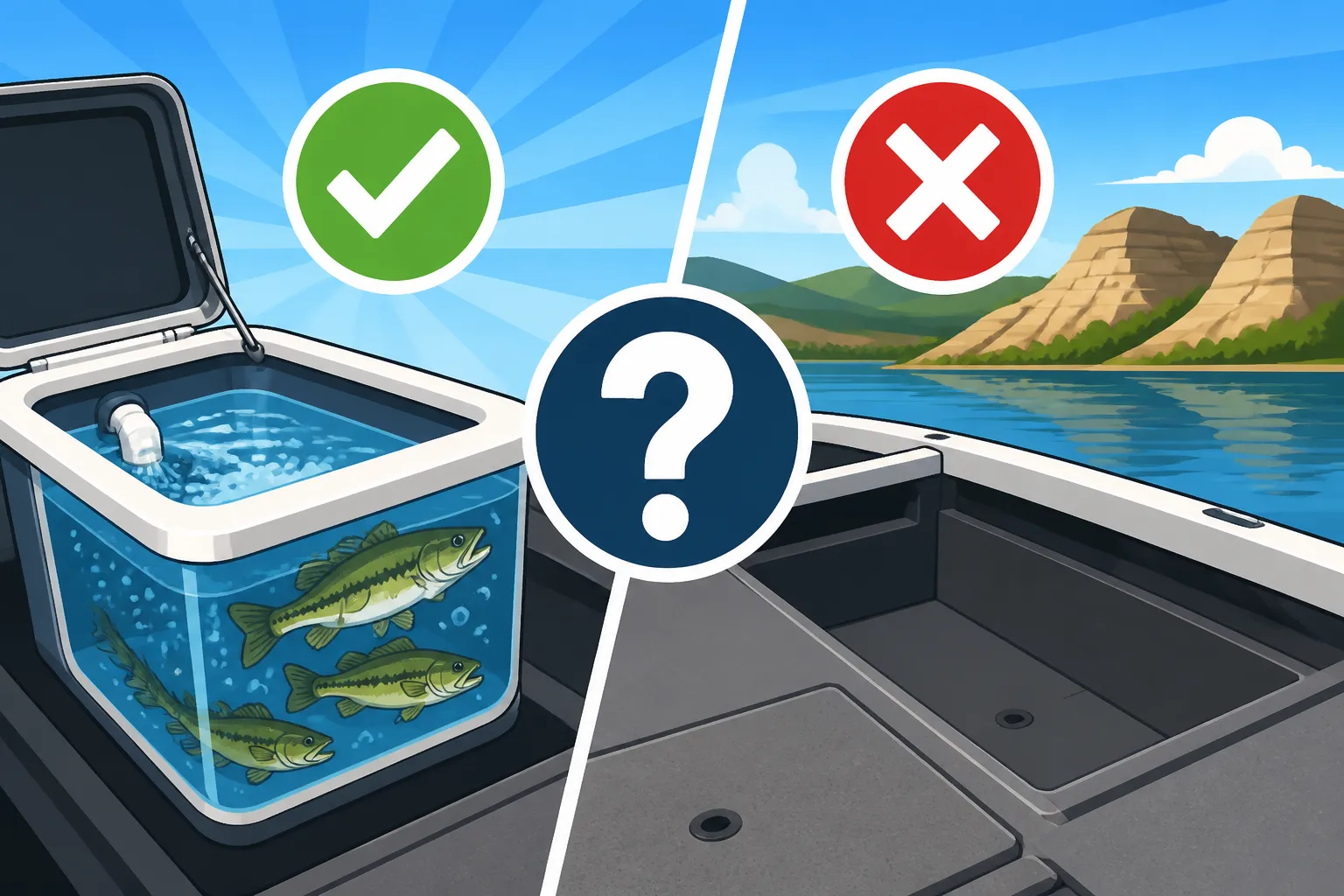
Does a Fishing Boat Need a Livewell?
Oh, the age-old question that sparks many a debate at the boat launch: "Does a fishing boat really need a livewell?" It’s a valid concern for anyone looking at getting a new boat or upgrading their current setup, especially when you think about all the expenses that come with fishing in South Dakota. You want to make smart choices that fit your fishing style and budget without cutting corners on fish care. This comprehensive guide is here to break down everything you need to know about livewells, helping you decide if this piece of equipment is a non-negotiable for your angling adventures, or if you can get by just fine without one.
Understanding What a Livewell Does and Why It Matters
Let's start by getting to the bottom of what a livewell actually is and, more importantly, why it exists. At its core, a livewell is a specialized compartment in your boat designed to keep fish alive and healthy after they've been caught. It’s not just a fancy cooler; it’s a sophisticated system built with fish physiology in mind.
The Basic Function: Keeping Fish Alive
Imagine catching a beautiful walleye on Lake Oahe, the kind you’ve been dreaming about all season. Now imagine throwing it into a dry bucket or a standard cooler with no water. It wouldn't last long, right? That's where a livewell steps in. Its primary purpose is to provide a hospitable environment for fish, preventing stress, injury, and death during transport. This is achieved through a few critical functions.
Firstly, livewells focus on aeration. Just like us, fish need oxygen to breathe. When you crowd several fish into a small volume of water, they quickly deplete the available oxygen. A good livewell continuously pumps fresh water into the tank or uses an aerator to infuse oxygen directly, much like an aquarium pump. This constant oxygen supply is vital for keeping gill function optimal. Without it, fish will gasp at the surface, become lethargic, and eventually perish. It's a sad sight to see a hard-fought catch waste away due to poor care.
Secondly, water circulation and exchange are key. As fish metabolize, they excrete ammonia and other waste products into the water. If this water isn't refreshed or filtered, these toxins build up, creating a hostile and dangerous environment. Many livewells are designed to either constantly circulate fresh water from the lake or river through the tank (flow-through systems) or recirculate and filter the existing water while adding fresh oxygen. This helps to flush out harmful substances and maintain water quality. Plus, constant movement of water ensures uniform oxygen and temperature distribution.
Lastly, temperature control plays a crucial role. Fish are cold-blooded, and sudden or extreme changes in water temperature can be incredibly stressful, even fatal. Livewells often allow you to control the water intake, sometimes even using ice in a separate compartment to slowly cool the water on very hot days, or mixing in warmer lake water during colder seasons. Maintaining a stable temperature that mimics their natural environment is paramount, especially when you're bringing fish into the boat from deeper, cooler waters into the hotter surface layers.
Different Types of Livewells and Their Features
Livewells aren't one-size-fits-all, and understanding the different types can help you decide what, if any, features you might need. The variety reflects the diverse needs of anglers, from the serious tournament pro to the casual weekend warrior.
Built-in Livewells are standard on most dedicated fishing boats, especially those designed for bass or walleye fishing. These are typically molded into the boat's hull, often in the bow or stern, and are seamlessly integrated with the boat's plumbing and electrical systems. They usually boast robust pumps for both filling and recirculating water, often with timer controls so you can set them to run intermittently, saving battery power. The lids are usually insulated to help maintain water temperature, and some even have dividers to separate different species or protect fish from bumping into each other during choppy rides. The advantage here is convenience and capacity – they're always there, always ready, and often quite large. The downside, of course, is the cost of the boat itself and the fact that you can't easily add one to a boat not designed for it.
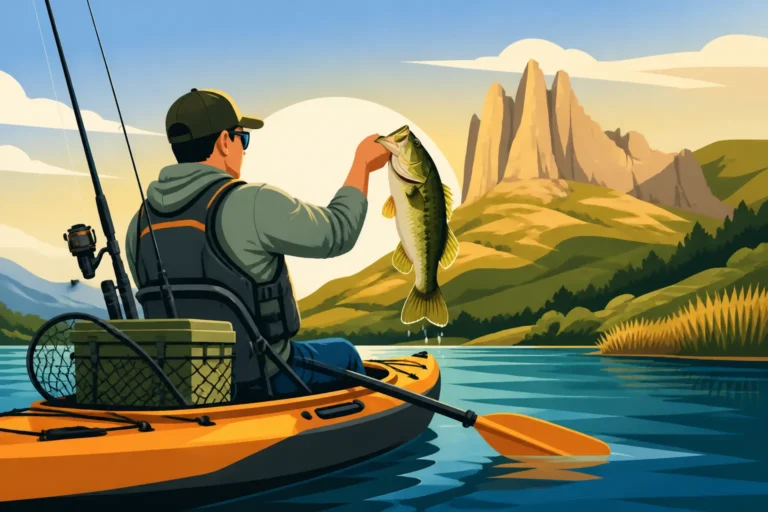
Portable Livewells are a fantastic alternative for anglers who don't have a built-in system or who fish from smaller crafts like jon boats, kayaks, or even canoes. These are essentially insulated coolers or specialized containers equipped with a battery-powered aerator and often a small pump for circulation. You can find a great selection of these at retailers like Bass Pro Shops or even browse various options on Amazon. They range from simple aerated buckets to more elaborate, larger coolers with built-in filtration. While they require external power (usually a 12V battery) and take up deck space, their flexibility is unmatched. You can move them between boats, use them on shore, or simply leave them at home if you're planning a strictly catch-and-release day where fish health isn't a long-term concern.
When it comes to the actual mechanics, livewells largely fall into two categories: Recirculating Systems and Flow-Through Systems. Recirculating livewells continuously filter and aerate the same water, often with the option to periodically add fresh water. They're efficient in conserving battery power and are great for keeping water conditions stable, especially if the lake water itself isn't ideal (e.g., too warm or murky). Flow-through systems, on the other hand, constantly pump fresh lake or river water into the livewell while simultaneously draining old water out. This ensures maximum oxygen and minimal waste buildup, essentially giving your fish a continuous fresh bath. Many modern livewells offer a combination of both, allowing anglers to switch modes depending on conditions and their needs. Some even include additional features like oxygenators that inject pure oxygen, livewell lights for night fishing, or insulated dividers for better fish care.
When a Livewell is Truly Necessary for South Dakota Anglers
While the idea of a livewell might seem like a luxury to some, there are specific scenarios where it transitions from a "nice-to-have" to an absolute "must-have" for anglers in South Dakota. These situations often revolve around regulations, ethics, or the pursuit of competitive success.
Competitive Fishing and Tournaments
If you're serious about competitive fishing in South Dakota, whether it's for walleye on Lake Sharpe or smallmouth bass on Lake Francis Case, a properly functioning livewell is not just recommended – it's typically a mandatory piece of equipment. Tournament rules almost universally require that fish be presented alive at the weigh-in. This isn't just for show; it's a critical component of conservation efforts within competitive angling. Most tournaments penalize anglers for dead fish, and often the penalty is severe enough to knock you out of contention.
Consider a walleye tournament on one of South Dakota's major reservoirs. Anglers are often trying to catch a specific number of fish within certain South Dakota Walleye Limits to present their best five or six fish for a total weight. Over the course of a long day in the sun, with multiple fish in the livewell, maintaining their health is a constant challenge. A top-notch livewell with excellent aeration, circulation, and temperature control significantly increases your chances of bringing healthy, lively fish to the scales. Imagine spending a full day battling high winds and challenging bites, only to lose a potential winning fish because your livewell failed. It's a crushing experience that every serious tournament angler tries to avoid. For bass anglers chasing big smallmouth, a robust livewell is equally critical, as these fish can be sensitive to stress. The health of the fish is paramount not only for weigh-ins but also for their successful release afterward.
Catch-and-Release Practices and Fish Health
Even if you're not a tournament angler, a livewell becomes incredibly important if you practice responsible catch-and-release, especially with certain species or in sensitive environments. South Dakota's waters are home to many prized game fish that anglers often wish to release to fight another day, or to preserve the genetic stock of a particular area. When you look at South Dakota Fishing Regulations Explained, you'll often see guidelines about handling fish to ensure their survival.
Take, for example, fishing for trout in the Black Hills streams, where many anglers practice strict catch-and-release to protect the delicate populations. While you might not put a trout into a livewell from a stream, the principle applies to larger lake species. If you catch a fish that's too small or too large to keep based on slot limits, or simply one you intend to release, a livewell can be a vital "holding tank." Instead of immediately releasing a fish that might be stressed from the fight, you can place it in the livewell for a short period to recover, especially on hot days. The aerated, stable environment allows the fish to regain its strength and equilibrium before being gently released, significantly increasing its chances of survival. This ethical approach to angling helps ensure healthy fish populations for future generations. For delicate species or those caught from deep water, a livewell can provide that crucial recovery period.
Transporting Fish for Consumption
While it might seem counterintuitive to keep fish alive if you're going to eat them, a livewell can actually contribute to the freshness and quality of your table fare. If you're on a multi-day trip, or if you simply prefer to clean your catch at home rather than on the water, a livewell can keep your fish in prime condition.
Think about a long drive home after a successful day of fishing for walleye or perch. Keeping those fish alive in a livewell means they are as fresh as possible when you finally get to the cleaning station. They haven't been sitting on ice slowly deteriorating, which can affect texture and flavor. While a good cooler packed with ice is perfectly acceptable for keeping fish fresh for consumption (and is often preferred for rapid chilling and preservation), a livewell offers the unique advantage of maintaining live fish until the very last moment. This can be particularly appealing if you have a specific method of preparation in mind that benefits from the freshest possible fish. However, for most anglers keeping fish for immediate consumption, quick chilling on ice is usually the more practical and effective method. If your goal is primarily to fill your freezer, then perhaps focus on Best Way to Clean a Walleye and Best Coolers for Keeping Fish Fresh.
When You Can Absolutely Do Without a Livewell and What to Use Instead
For many South Dakota anglers, a livewell is simply not a requirement. It adds cost, weight, and maintenance, and for certain fishing styles or goals, it offers little benefit over simpler, more practical alternatives. Understanding when you don't need one can save you money and hassle.
Casual Fishing and Immediate Consumption
If your fishing trips are typically casual affairs, focused on enjoying the outdoors and bringing home a few fish for dinner, a dedicated livewell is likely overkill. When you're catching fish like panfish, crappie, or even smaller walleye that you intend to clean and eat shortly after your trip, the primary goal is not to keep them alive for hours, but to keep them fresh.
For this purpose, a high-quality cooler packed with ice is almost always the superior choice. The moment a fish is caught and intended for consumption, the best thing you can do to preserve its quality is to humanely dispatch it and get it on ice as quickly as possible. This rapid chilling prevents bacterial growth, preserves the texture of the flesh, and maintains that "fresh-from-the-lake" taste. There’s no need to worry about aerators failing, pumps clogging, or battery drain. Just fill your cooler with plenty of ice, toss in your catch, and enjoy the rest of your day. It’s simple, effective, and requires far less setup and maintenance than a livewell system. This approach is especially true if you are fishing in areas where you might target South Dakota Perch Fishing Guide or South Dakota Crappie Fishing Guide for a tasty meal.
Species Not Requiring Live Transport
Not all fish species are handled the same way, and some are perfectly fine without live transport, particularly if they are destined for the dinner table. Smaller, hardier fish often don't require the delicate care that a trophy bass or walleye might.
Consider a day spent catching bluegills or yellow perch. These panfish are generally quite hardy, and for a typical outing where you're putting a mess of them in the cooler, a livewell offers minimal advantage. They’re usually easy to catch in good numbers, and the practical approach is to simply put them on ice. The same can often be said for channel catfish, which are incredibly tough fish. While a livewell could keep them alive, a stringer or a cooler with ice is usually more than sufficient for these robust fighters. Understanding the resilience of the species you're targeting can greatly influence your gear choices.
Alternative Storage Solutions
Even without a built-in livewell, there are excellent, budget-friendly alternatives for managing your catch, whether you intend to release them or keep them fresh for consumption. These solutions are perfect for smaller boats, kayaks, or situations where a full livewell system isn't practical.
Stringers are the classic, low-tech solution for keeping fish alive in the water for a short period. A stringer passes through the fish's lower jaw or gills and tethers them to the boat, allowing them to remain in their natural environment until you're ready to leave. They're ideal for a few fish caught over a short period, especially in cooler water. However, they can stress fish if used improperly, particularly in strong currents or warm water, and they can also attract predators. They’re generally not suitable for long-term holding or for delicate species.
Large insulated bags or kill bags are becoming increasingly popular, especially for saltwater fishing, but they have a place in South Dakota as well. These are essentially oversized, heavy-duty coolers made from insulated fabric. They can hold a surprising number of fish, keep them incredibly cold with ice, and are often foldable for easy storage when not in use. They're perfect for anglers with limited cooler space or those needing to transport very large fish that might not fit in a rigid cooler. You can find robust options for these at Bass Pro Shops or through online retailers like Amazon.
For a compromise between a full livewell and a simple cooler, consider portable aerated buckets or coolers. These are insulated containers, often five-gallon buckets or small coolers, fitted with a battery-operated aerator. They’re fantastic for keeping bait alive, but can also serve as a makeshift livewell for a few smaller fish for a limited time. They’re easy to move, relatively inexpensive, and a great option for occasional use or for smaller vessels like a kayak. If you're exploring South Dakota Kayak Fishing Gear Guide, you'll likely see these mentioned as a popular accessory. They also eliminate the complex plumbing and electrical installation of a built-in system, making them a very accessible option for many anglers. If you're curious if a kayak requires extensive boat registration, you might find more information in Do Kayaks Need to Be Registered in South Dakota?.
Weighing the Pros and Cons: Is a Livewell Right for Your South Dakota Fishing?
Deciding whether a livewell is truly necessary comes down to a personal assessment of your fishing style, goals, and the type of boat you own (or plan to own). There’s no single right answer, but by understanding the advantages and disadvantages, you can make an informed decision for your South Dakota angling adventures.
Advantages of Having a Livewell
The benefits of a livewell, particularly a well-designed built-in system, are undeniable for specific types of fishing. Foremost is tournament readiness. If you have aspirations of competing in walleye, bass, or even crappie tournaments, a livewell is simply non-negotiable. It provides the best chance of bringing healthy, lively fish to the weigh-in, maximizing your score and adhering to competition rules. Without one, you're effectively excluded from many competitive events.
Another significant advantage is fish health and conservation. For anglers who prioritize catch-and-release, a livewell offers a safe, controlled environment for fish to recover before release. This is especially important for larger, more delicate species, or when fishing in stressful conditions like high heat. By minimizing stress and allowing for proper recovery, you contribute to the long-term health of fish populations in South Dakota's waters. It's a responsible angling practice that goes beyond just limits and seasons.
Finally, there's the element of convenience and versatility. A built-in livewell is always there, ready to go. You don't need to pack an extra cooler or aerator, and it frees up deck space for other gear. It offers flexibility for different fishing goals on the same day – you can keep a few for dinner, hold others for release, or even store bait. This versatility is a huge plus for those who engage in varied fishing activities throughout the year, from spring walleye jigging to fall salmon runs. Speaking of versatility, understanding Best Time of Year to Fish in South Dakota can help you plan your trips around different species and decide on gear.
Disadvantages and Alternatives
Despite their benefits, livewells do come with their share of drawbacks, which can make them impractical or unnecessary for many anglers. The most immediate consideration is cost. A built-in livewell system significantly adds to the price of a boat, and even portable units represent an additional investment. This cost isn't just upfront; it includes maintenance, pump replacements, and battery usage.
Then there's the issue of space and weight. Livewells, especially built-in ones, take up valuable real estate on your boat. For smaller boats like jon boats or even certain models of Best Fishing Boat Types for the Missouri River, that space might be better utilized for tackle, coolers, or additional passengers. When filled with water and fish, a livewell also adds substantial weight to your boat, which can affect fuel efficiency, handling, and how much other gear you can comfortably carry. This is particularly noticeable in smaller craft.
For many casual anglers, the maintenance of a livewell is simply not worth the effort. Pumps can clog, hoses can leak, and the tank itself needs regular cleaning to prevent slime and odor buildup. If you're only keeping a few fish for dinner, a simple cooler with ice is far less demanding.
Here’s a quick comparison to help you weigh your options for common fishing scenarios in South Dakota:
| Scenario | Livewell Necessary? | Primary Benefit of Livewell | Alternatives if No Livewell | Considerations |
|---|---|---|---|---|
| Tournament Fishing | Absolutely | Keeps fish alive for weigh-in, avoids penalties | None truly viable; risks disqualification | Mandatory for competitive success; typically built-in systems. |
| Serious Catch & Release | Highly Recommended | Minimizes stress, increases survival rate, allows recovery | Prompt, careful release; wet towel/mat for handling | Ethical choice for trophy fish; aids conservation. |
| Casual Keeper Fishing | Optional / No | Keeps fish alive until cleaning (freshest possible) | Quality cooler with ice (best for immediate consumption) | Focus on rapid chilling for best table fare; less maintenance. |
| Targeting Delicate Species | Recommended | Reduces stress, especially from deep water or heat | Careful handling, quick release; shorter fights | Important for trout, some bass species, or specific regulations. |
| Kayak/Small Boat Fishing | Optional (Portable) | Allows for limited live fish transport | Stringer, portable aerated bucket, insulated bag with ice | Space and battery are major constraints; portable options are key. |
| Fishing for Catfish/Panfish | No | Stringer, cooler with ice | These species are generally hardy; immediate icing is often preferred. |
Ultimately, your decision should align with your specific angling objectives. If you're a serious tournament competitor or a dedicated catch-and-release advocate, a livewell (or an excellent portable version) is probably going to be a key piece of your gear. However, if your enjoyment comes from a quiet day on the water and bringing home a fresh meal, a reliable cooler and a focus on proper fish handling techniques will serve you perfectly well. Remember to consider factors like How to Winterize a Boat in South Dakota for any system you install to ensure its longevity.
Disclaimer
This article is for general informational purposes only and does not constitute professional advice. Laws, prices and regulations vary by location and change over time. Consult a qualified professional for guidance on your specific situation.